On The Esplanade, where downtown Toronto meets the waterfront edge, Eloise occupies a stretch of the city that has long sat between commercial density and lake-facing quiet. The address places it in a dining corridor where sourcing transparency and environmental accountability have become live editorial conversations, putting Eloise in the company of Toronto restaurants rethinking what premium hospitality means beyond the plate.
Pearl is the En Primeur Club membership app — saves, bookings, and concierge access live there. Same editors, same standards.
- Address
- 42 The Esplanade, Toronto, ON M5E 1A5, Canada
- Phone
- +14169001437
- Website
- eloiserestaurant.ca
- Directions
- Get directions
 Saves & bookings on Pearl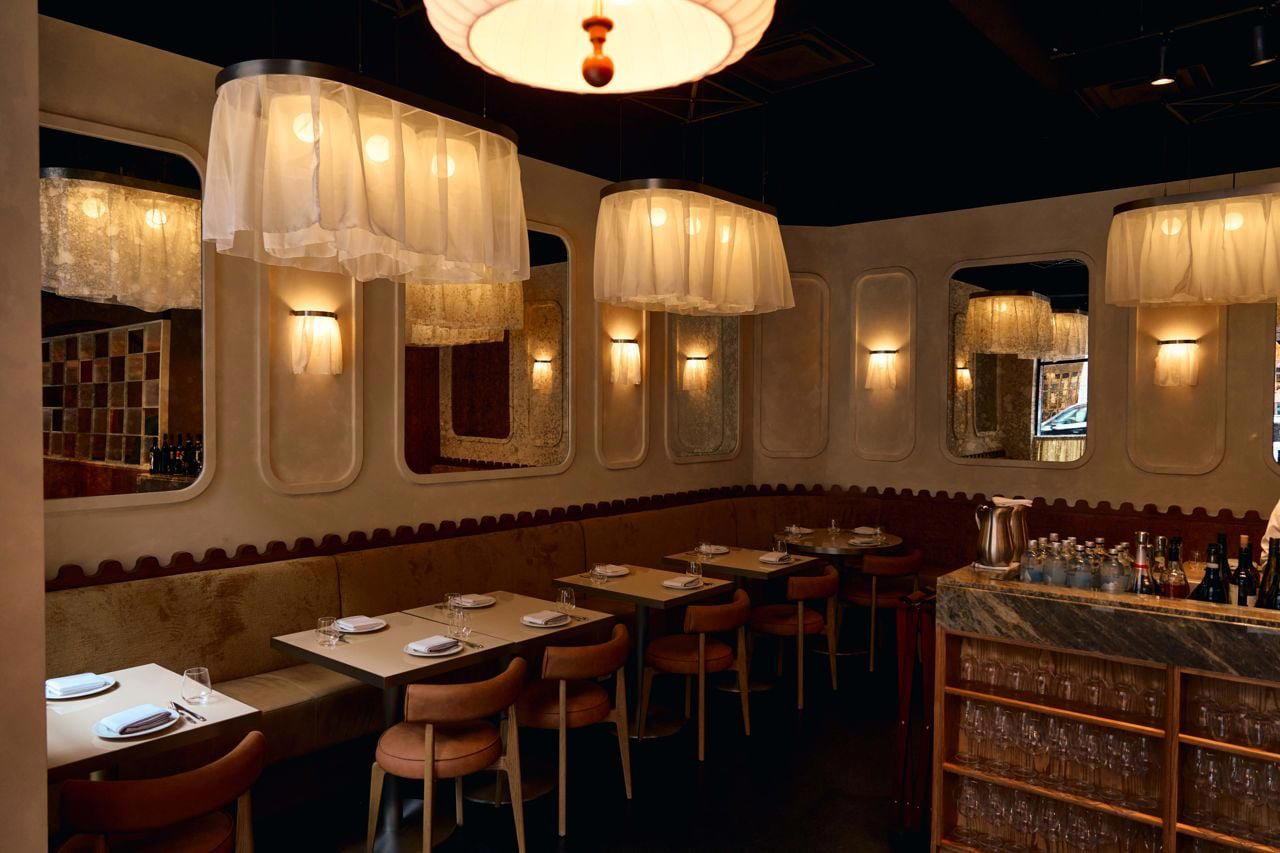
The Esplanade and What It Asks of a Restaurant
Toronto's Esplanade strip runs along the southern edge of the old city core, a block from the lake and a short walk from the St. Lawrence Market, one of Canada's oldest and most consistent nodes of direct producer-to-table commerce. For a restaurant at this address, the proximity is not incidental. The market has operated continuously since 1803, and the supply chains that radiate from it, small-scale vegetable growers from the Holland Marsh corridor, Great Lakes fish suppliers, Ontario cheesemakers, represent the kind of short-loop sourcing that expensive urban restaurants elsewhere spend considerable effort simulating. What a kitchen at 42 The Esplanade does with that geography matters.
This part of the city has attracted a particular type of operator in recent years: establishments that treat procurement as a public-facing position rather than a back-of-house detail. It is a different posture from the financial district restaurants a few blocks north, which tend to compete on wine depth and private dining square footage. The Esplanade corridor competes, when it is working, on coherence between stated values and what actually arrives at the table.
Sustainability as Editorial Frame, Not Marketing Position
Across Canadian fine dining, the conversation around environmental accountability has sharpened considerably since the early 2020s. Restaurants like Eigensinn Farm in Singhampton built their entire model around farm-direct production, removing the supply chain almost entirely. Tanière³ in Quebec City has become a reference point for hyper-regional sourcing in a French-influenced idiom. Further east, the Fogo Island Inn Dining Room in Joe Batt's Arm has made community-embedded hospitality its entire identity. These are not peripheral experiments. They represent a direction that serious Canadian dining has been moving for a decade, and urban restaurants operating at premium price points are increasingly expected to engage with the same questions, even when they cannot replicate a farm-to-fork supply chain from a city-centre address.
The distinction worth making is between restaurants that use sustainability as a register of concern and those that build operational decisions around it. The former mention provenance on menus without changing purchasing behavior. The latter restructure relationships with suppliers, reduce food waste through whole-ingredient cooking, and make those decisions visible to the guest. In Toronto's current premium tier, which includes Alo at the contemporary end and Sushi Masaki Saito and Aburi Hana representing the precision-sourcing Japanese formats.
Where Eloise Sits in the Toronto Dining Structure
Toronto's premium restaurant cohort has organized itself into several distinct clusters. There are the tasting-menu flagships that price against international reference points, the Italian-heritage houses such as DaNico and Don Alfonso 1890 that draw on deep regional traditions to anchor their offer, and a smaller, less categorically obvious group of restaurants that resist easy genre labeling in favor of a sourcing-driven identity. Eloise's Esplanade address places it geographically outside the King West and Yorkville clusters where most of the city's high-profile openings concentrate, which in Toronto tends to signal either a deliberate neighborhood positioning or a rent-driven trade-off.
The St. Lawrence Market proximity is the single most useful piece of context for reading what Eloise could reasonably be doing with its kitchen. Restaurants that choose to operate near a functioning wholesale and retail food market of that scale are making a statement about how they intend to source, even if that statement is implicit. The weekly rhythms of the market, with its Saturday farmers' market component drawing producers from across southern Ontario, create a supply environment that rewards adaptable, seasonally responsive menus over fixed, print-heavy formats.
For comparison points outside Ontario, Restaurant Pearl Morissette in Lincoln, operating in the Niagara wine country, has demonstrated what a sourcing-first identity looks like when it is built with full vertical integration. AnnaLena in Vancouver represents a different version of the same impulse in an urban context, using Pacific Coast supply chains to ground a contemporary format. Both are useful peers for understanding where Eloise might place itself in a national conversation about what premium Canadian dining now means.
The Broader Canadian Moment
Canadian restaurants are in an interesting position internationally. The country's culinary reputation has historically been filtered through French Quebec, the Pacific Northwest, and the farm-to-table movements of Southern Ontario, with Toronto specifically functioning as the urban commercial center where those traditions cross-pollinate. Jérôme Ferrer's Europea in Montreal represents one version of the French-inflected premium format. Narval in Rimouski and The Pine in Creemore represent regional specificity at smaller scales. Cafe Brio in Victoria has held a consistent position on Vancouver Island for years.
International reference points like Le Bernardin in New York City and Lazy Bear in San Francisco demonstrate what sourcing-conscious programs look like when they operate at the highest trust levels with their supply chains. These are not aspirational comparisons in a naive sense, but they do clarify what the ceiling looks like when a restaurant fully commits to an ingredient-driven identity.
Planning Your Visit
Eloise is located at 42 The Esplanade, Toronto, ON M5E 1A5, a short walk from Union Station and within the St. Lawrence Market precinct. Reservations are recommended.
Where the Accolades Land
Comparable venues nearby, for context on price, style, and recognition.
| Venue | Cuisine | Price | Notes |
|---|---|---|---|
| EloiseThis venue — the venue you are viewing | Modern Global Fusion | $$$ | Not listed |
| The Rooftop | Modern Fusion Bar Eats | $$$ | South Riverdale |
| Kōjin | Wood-Fired Colombian-Inspired Grill | $$$ | Entertainment District |
| Chef Ling's Kitchen | Chinese-Caribbean Fusion Tapas | $$ | Playter Estates-Danforth |
| Gateau Ghost | Korean-Parisian Fusion Bistro | $$ | Palmerston-Little Italy |
| The Berczy | New Canadian Bistro with Mediterranean Influences | $$$ | Church-Yonge Corridor |
Continue exploring
More in Toronto
Restaurants in Toronto
Browse all →
Bars in Toronto
Browse all →
Hotels in Toronto
Browse all →


At a Glance
- Elegant
- Sophisticated
- Modern
- Whimsical
- Date Night
- Business Dinner
- Special Occasion
- Open Kitchen
- Design Destination
- Standalone
- Craft Cocktails
- Local Sourcing
Current opening hours
- Monday
- Closed
- Tuesday
- 11:30 AM–1:30 PM, 5–9:30 PM
- Wednesday
- 11:30 AM–1:30 PM, 5–9:30 PM
- Thursday
- 11:30 AM–1:30 PM, 5–9:30 PM
- Friday
- 11:30 AM–1:30 PM, 5–9:30 PM
- Saturday
- 11:30 AM–1:30 PM, 5–9:30 PM
- Sunday
- Closed
Hours can change for holidays and private events. Last verified .
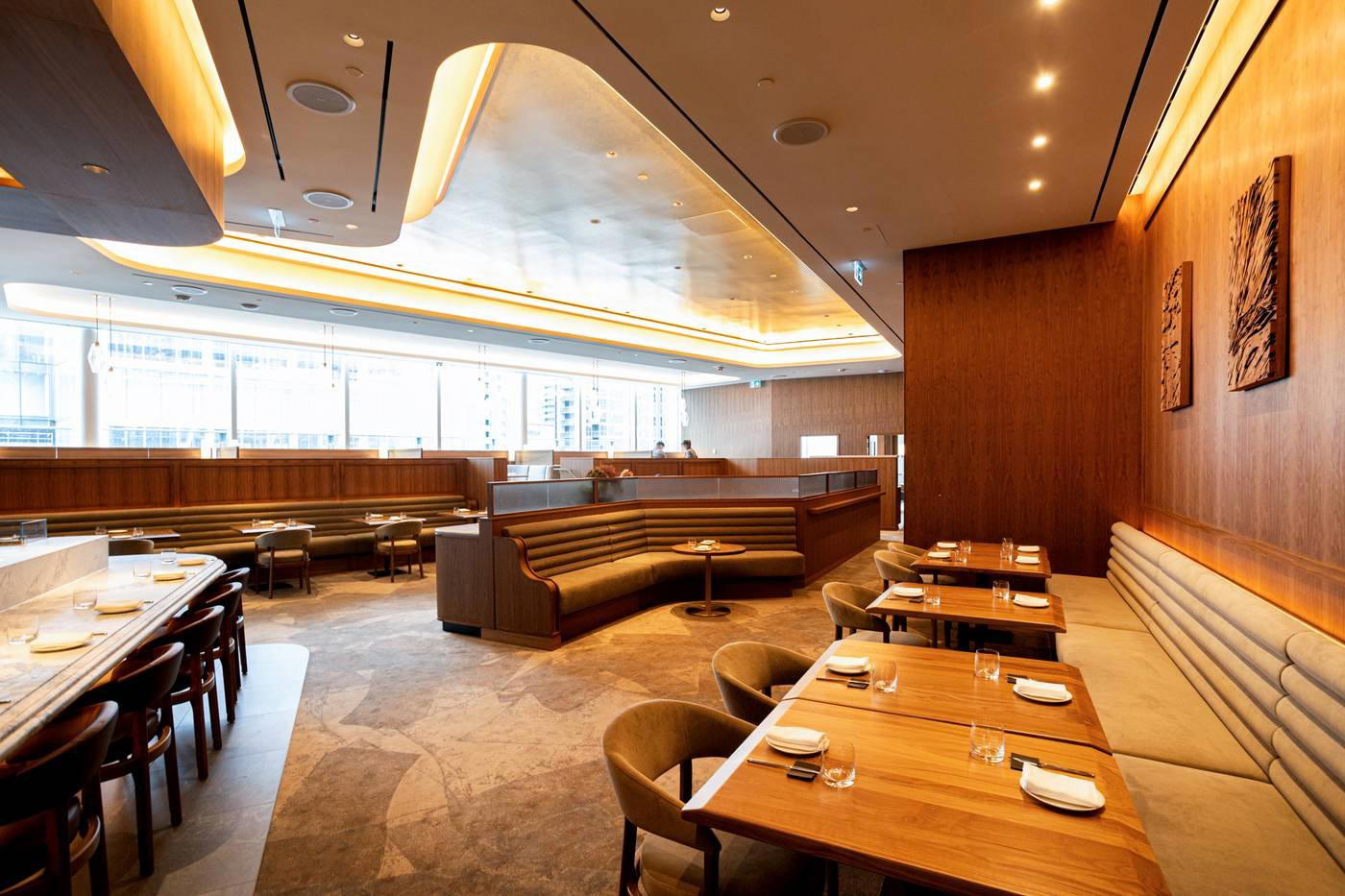
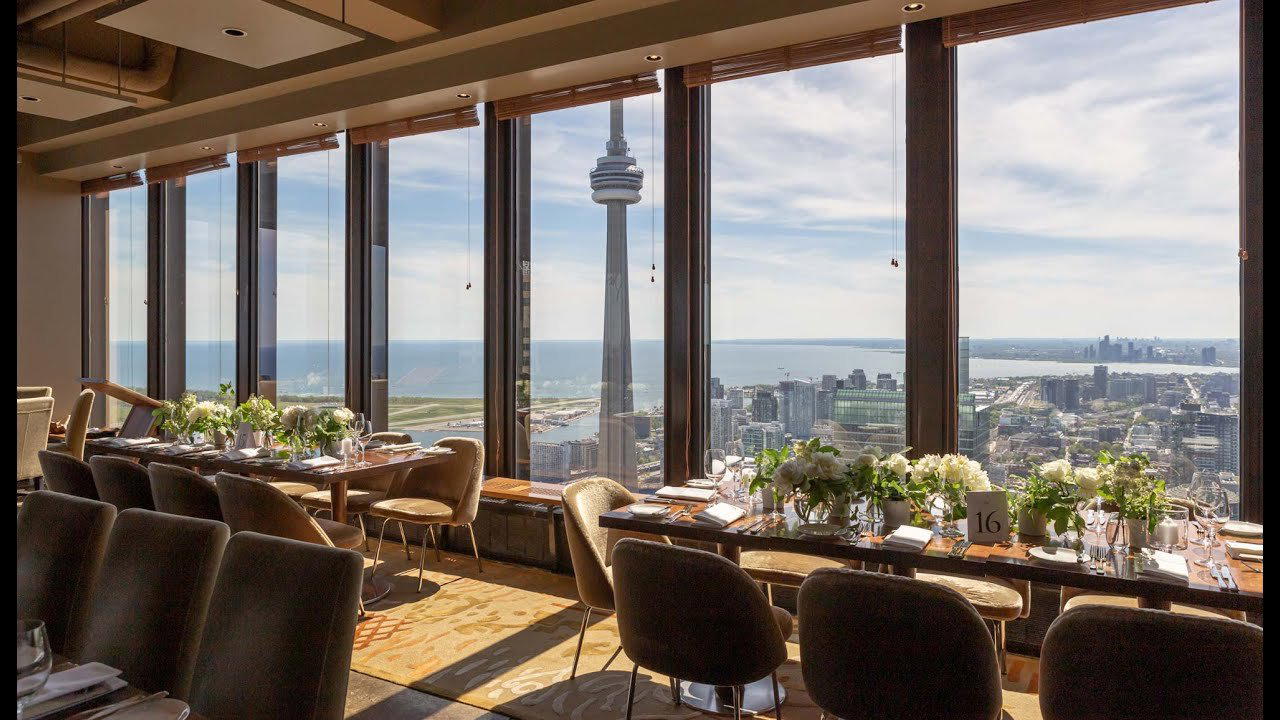
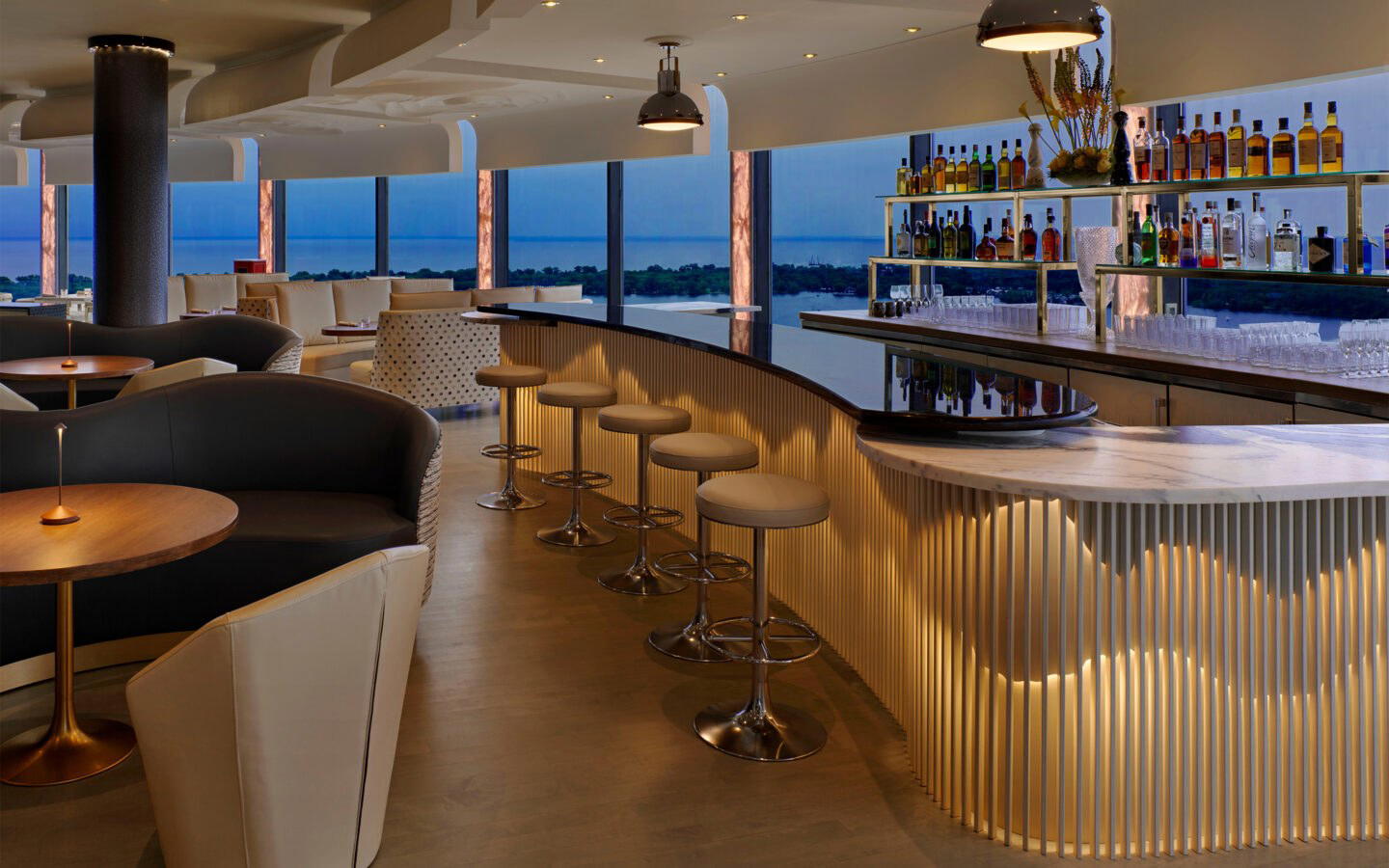
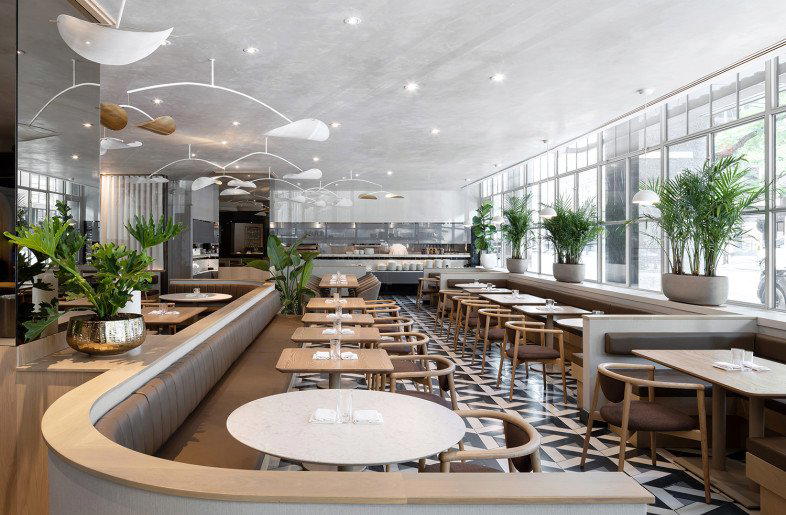
Sultry, wood-clad midcentury-inspired setting with bright modern decor and whimsical touches; sophisticated yet approachable atmosphere.