
Qing Chun Perma has earned back-to-back Michelin Bib Gourmand recognition in 2024 and 2025, placing it among Hangzhou's most consistent addresses for vegetarian cooking. Sitting on Nanshan Road near the West Lake cultural corridor, it operates at the ¥¥ price tier, making it one of the more accessible Bib Gourmand entries in the city's plant-based dining category.
Pearl is the En Primeur Club membership app — saves, bookings, and concierge access live there. Same editors, same standards.
- Address
- 146-1 Nanshan Rd, 146, Shangcheng District, Hangzhou, Zhejiang, China, 310007
- Phone
- +86 571 8707 7008
- Directions
- Get directions
 Saves & bookings on Pearl
Nanshan Road and the Vegetarian Counter-Current
Hangzhou's dining identity has long been shaped by its proximity to West Lake and the produce-rich farmland of the Zhejiang interior. The city's classical Zhejiang cuisine, delicate, lake-forward, seasonally precise, sits at the upper end of the market, with addresses like Ru Yuan (¥¥¥¥) and 28 Hubin Road (¥¥¥) commanding serious spend. But a quieter current runs alongside that tradition: a vegetarian lineage that draws on Buddhist monastery cooking, medicinal herb philosophy, and the kind of fermentation and preservation techniques that predate modern restaurant culture by centuries. Qing Chun Perma on Nanshan Road operates inside that second current, at a price point of about $20 per person, that sits well below its Zhejiang-cuisine peers.
The address places it in the Shangcheng District stretch of Nanshan Road, a corridor that edges the southern shoreline of West Lake and carries a mix of teahouses, independent restaurants, and cultural institutions. The physical approach matters here: the West Lake area tends to attract restaurants that lean on scenery rather than craft. The fact that Qing Chun Perma has drawn Michelin Bib Gourmand recognition in both 2024 and 2025 suggests it is being assessed on what arrives on the plate, not what is visible through the window.
Technique as the Argument for Plant-Based Cooking
The broader story of vegetarian fine dining in China is a story about technique reclaiming ground from spectacle. For much of the modern restaurant era, plant-based menus were associated either with Buddhist temple canteens, austere, ingredient-led, deliberately plain, or with elaborate meat-mimicry, where tofu and gluten were shaped and seasoned to approximate pork belly or roast duck. Neither approach required cooking of high technical ambition. What has shifted in cities like Hangzhou and Shanghai is a third model: vegetarian kitchens that apply the same fermentation, roasting, and controlled-heat methods used in serious omnivore cooking to ingredients that reward those methods on their own terms.
Fermentation is particularly well-suited to the Zhejiang context. The province has a deep preserved-vegetable tradition, salted greens, fermented bamboo shoots, pickled mustard, that gives a kitchen working without meat or seafood a ready vocabulary of umami depth. A vegetable that has spent time in brine or lacto-fermentation carries an acidity and savouriness that no amount of fresh seasoning can replicate. Similarly, high-heat roasting and smoking change the cellular structure of dense vegetables: a roasted root, properly charred at its exterior, develops a layered complexity that raw or steamed preparation cannot reach. Kitchens operating at the level that earns consistent Michelin recognition at the Bib Gourmand tier are expected to command these methods rather than avoid them.
This is the context in which Qing Chun Perma sits. The Bib Gourmand designation specifically signals good cooking at moderate cost. Back-to-back recognition across 2024 and 2025 suggests the cooking has not been a one-season performance but a sustained standard. For vegetarian cooking in particular, that consistency is harder to maintain than it appears: without animal proteins to anchor a menu, the kitchen's command of technique becomes the variable that determines whether a dish is memorable or merely adequate.
Positioning Within Hangzhou's Plant-Based Tier
Hangzhou has a more developed vegetarian dining scene than most Chinese cities of comparable size, partly because of its historical relationship with Chan Buddhism and the monastery culture of nearby mountains. That heritage has produced a small but serious set of plant-based addresses across different price tiers. At the ¥¥ level, the restaurant occupies a space alongside addresses like Er Ba Jiu Su Mian Guan, Fu Quan Shu Yuan, and Pu Zhu, while Nature's Own and Zhi Zhu represent other points on the city's plant-based spectrum. What separates the restaurant from the category average is the Michelin signal: most vegetarian addresses in Hangzhou have not drawn that level of external validation across consecutive years.
For context across China's broader vegetarian fine-dining tier, Fu He Hui in Shanghai operates at the upper end of the market, where a full tasting menu commands prices several multiples above the restaurant's bracket. Lamdre in Beijing takes a Tibetan-influenced approach to plant-based cooking that places it in a different cultural register entirely. The restaurant's position, Michelin-recognised, mid-market, rooted in Zhejiang's preserved-vegetable tradition, occupies a distinct slot: serious cooking at a price point that removes the barrier to entry that higher-end vegetarian restaurants require.
The pricing also changes the composition of who is eating here. Unlike celebratory-occasion vegetarian restaurants in the higher tiers, a Bib Gourmand address at this price point tends to draw regular visitors rather than one-time diners. That places greater pressure on the kitchen to maintain consistency across a higher volume of covers, and it makes the repeated Michelin recognition more meaningful as a signal of sustained performance rather than a single strong season.
Planning a Visit
The restaurant sits at 146-1 Nanshan Road in the Shangcheng District, close enough to the West Lake shoreline that it fits naturally into a half-day spent around the lake's southern edge. The ¥¥ price bracket means the tab for two will remain accessible by any urban dining standard, though reservations are recommended.
The restaurant occupies a genuinely different register: plant-based, mid-market, Michelin-validated, and grounded in a Zhejiang preserving and fermentation tradition that gives its cooking a regional specificity that generic vegetarian menus rarely achieve.
Fast Comparison
Comparable venues nearby, for context on price, style, and recognition.
| Venue | Cuisine | Price | Awards | Notes |
|---|---|---|---|---|
| Qing Chun PermaThis venue — the venue you are viewing | Modern Vegetarian Chinese | $$$ | Bib Gourmand | Not listed |
| Xiao Dian Huang | Shaoxing Seasonal River Fish and Stinky Tofu | $$$ | Bib Gourmand | Xiaoshanshi |
| Nan Feng Fan Dian | Authentic Xiaoshan Cuisine | $$ | Bib Gourmand | Yuhangxian |
| Ge Lang Guan | Authentic Shaoxing Regional Cuisine | $$ | Bib Gourmand | Yuhangxian |
| 28 Hubin Road | Modern Zhejiang Fine Dining | $$$$ | Michelin Plate | Hangzhoushi |
| Lanxi Gourmet | Zhejiang Cuisine | $$ | Bib Gourmand | Hangzhoushi |
Recognition history
Dated appearances from independent guides and award organizations, with the underlying list record or original source where available.
Michelin Bib Gourmand
Michelin
Michelin Bib Gourmand
Michelin
At a Glance
- Cozy
- Elegant
- Intimate
- Modern
- Special Occasion
- Solo
- Garden
- Open Kitchen
- Organic
- Local Sourcing
- Garden
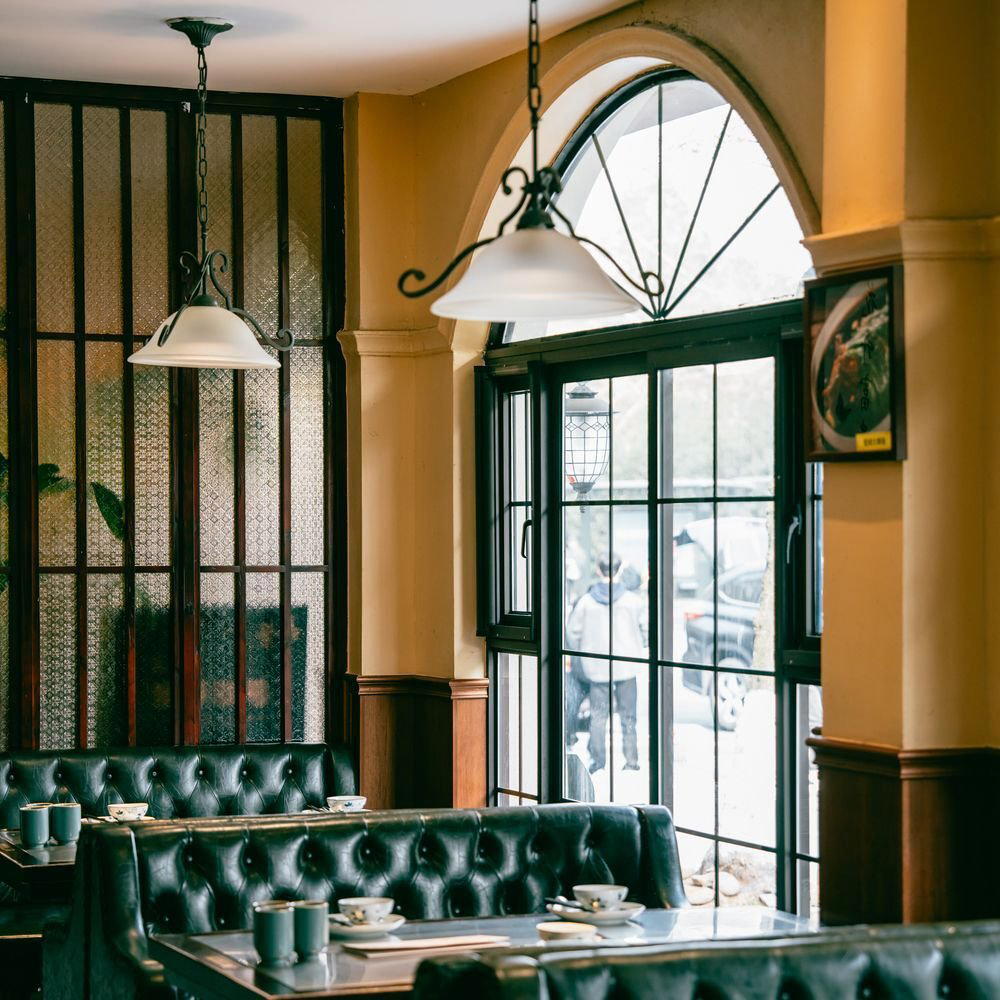
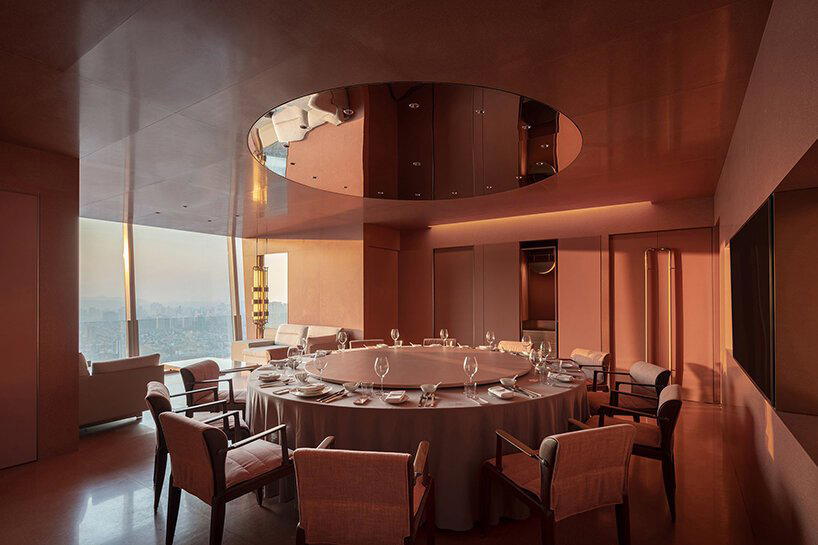
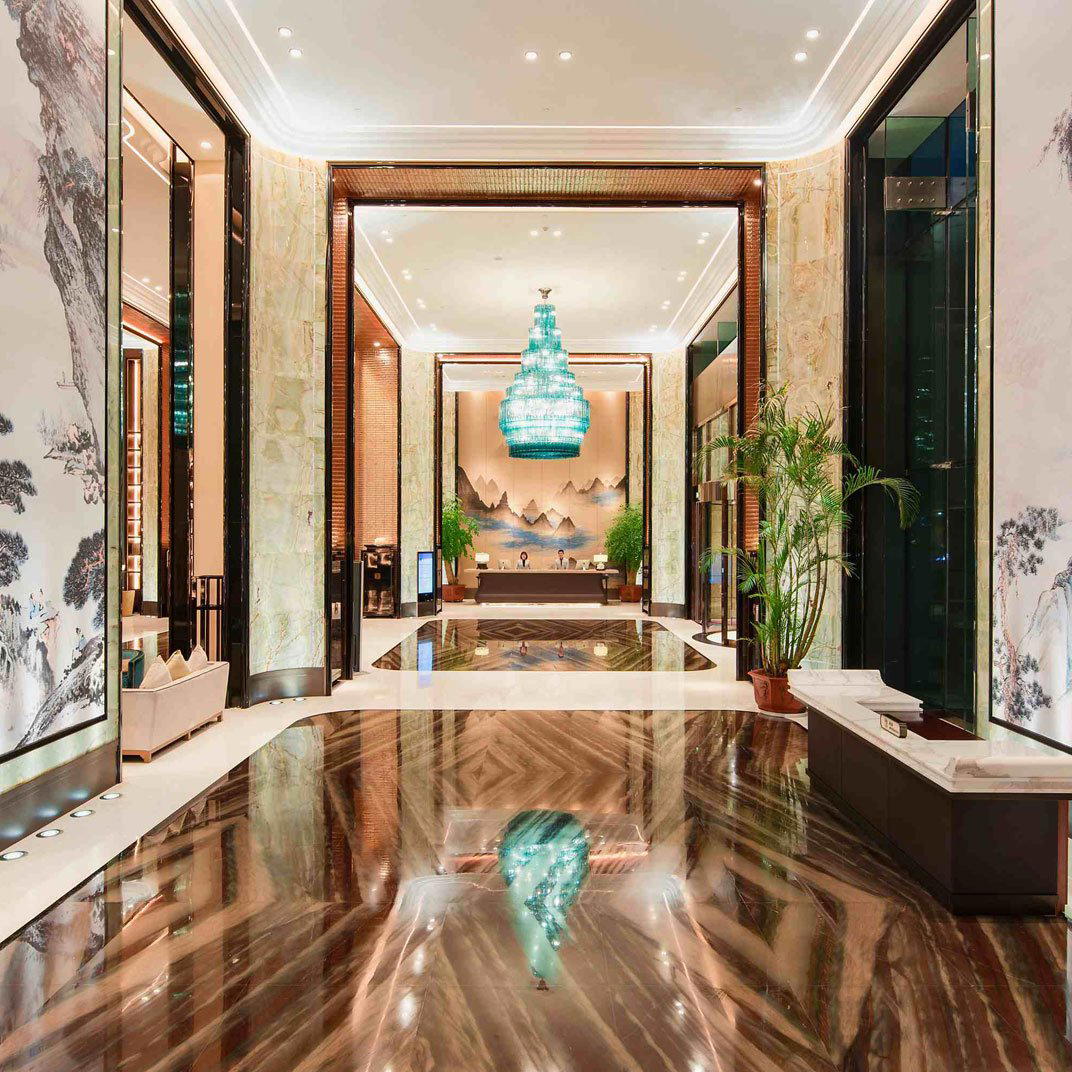
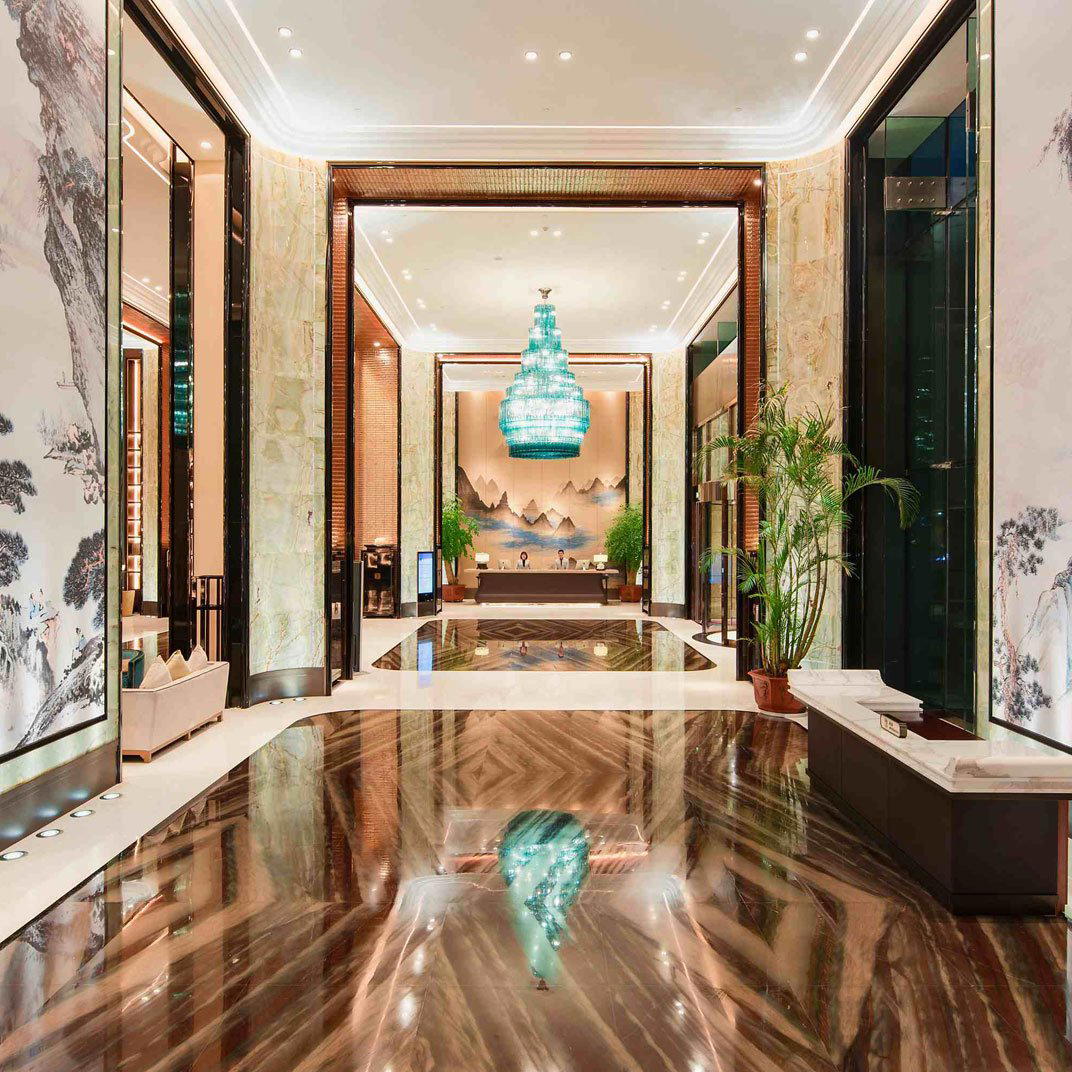
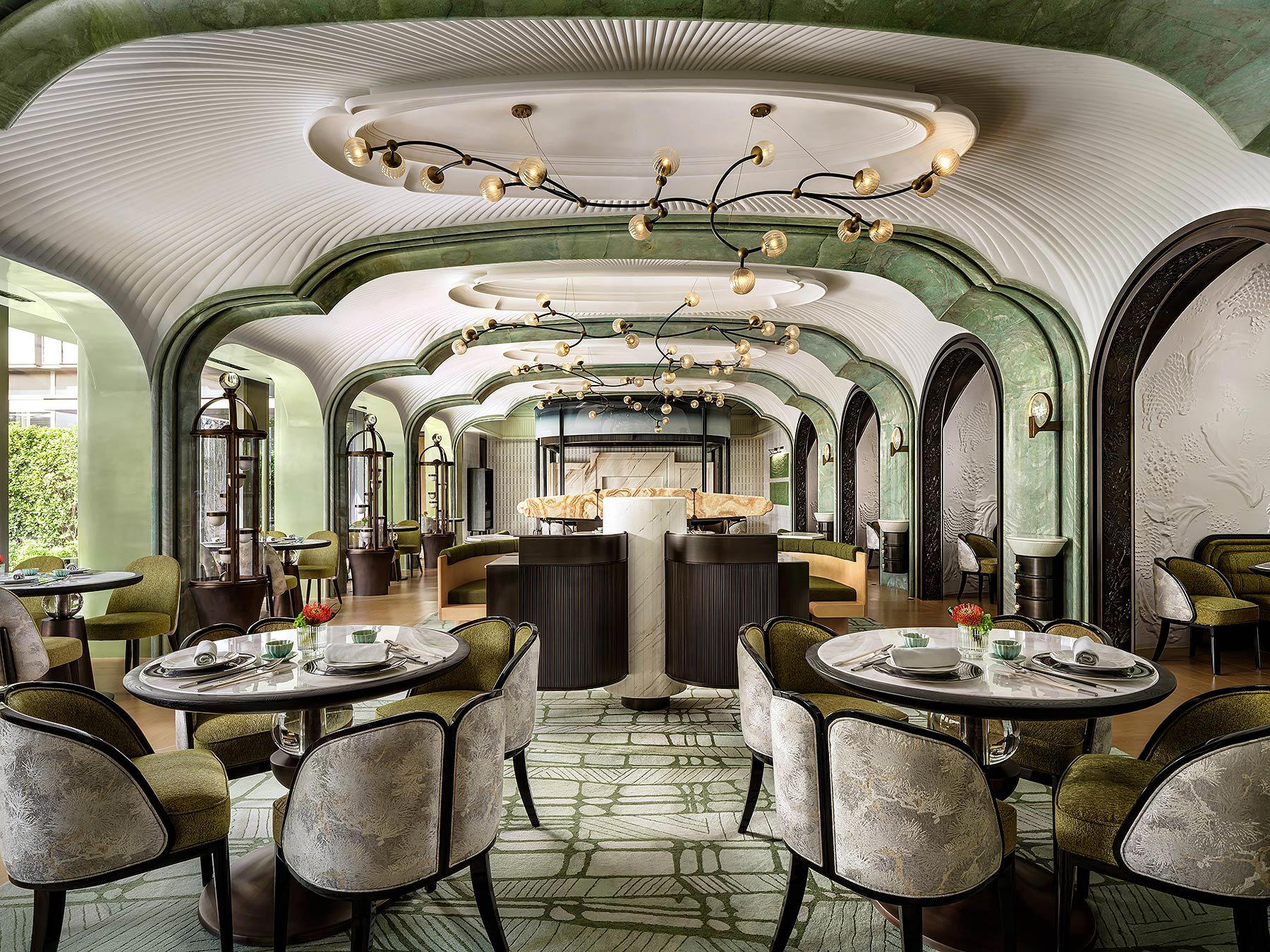
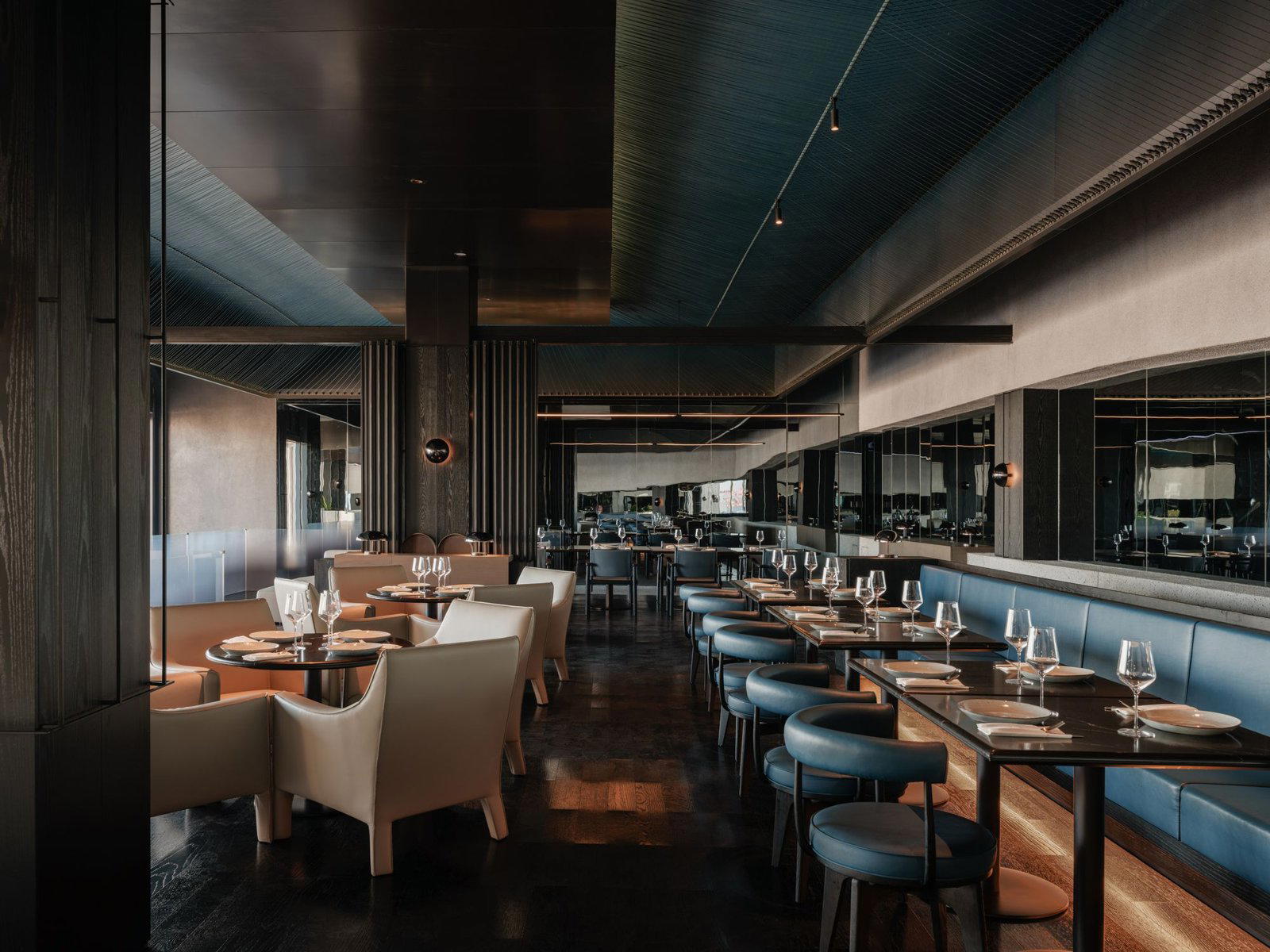
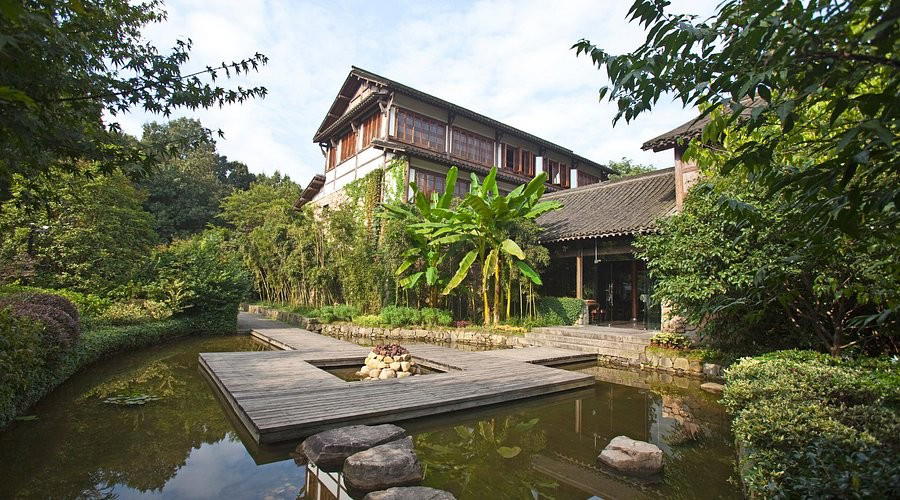
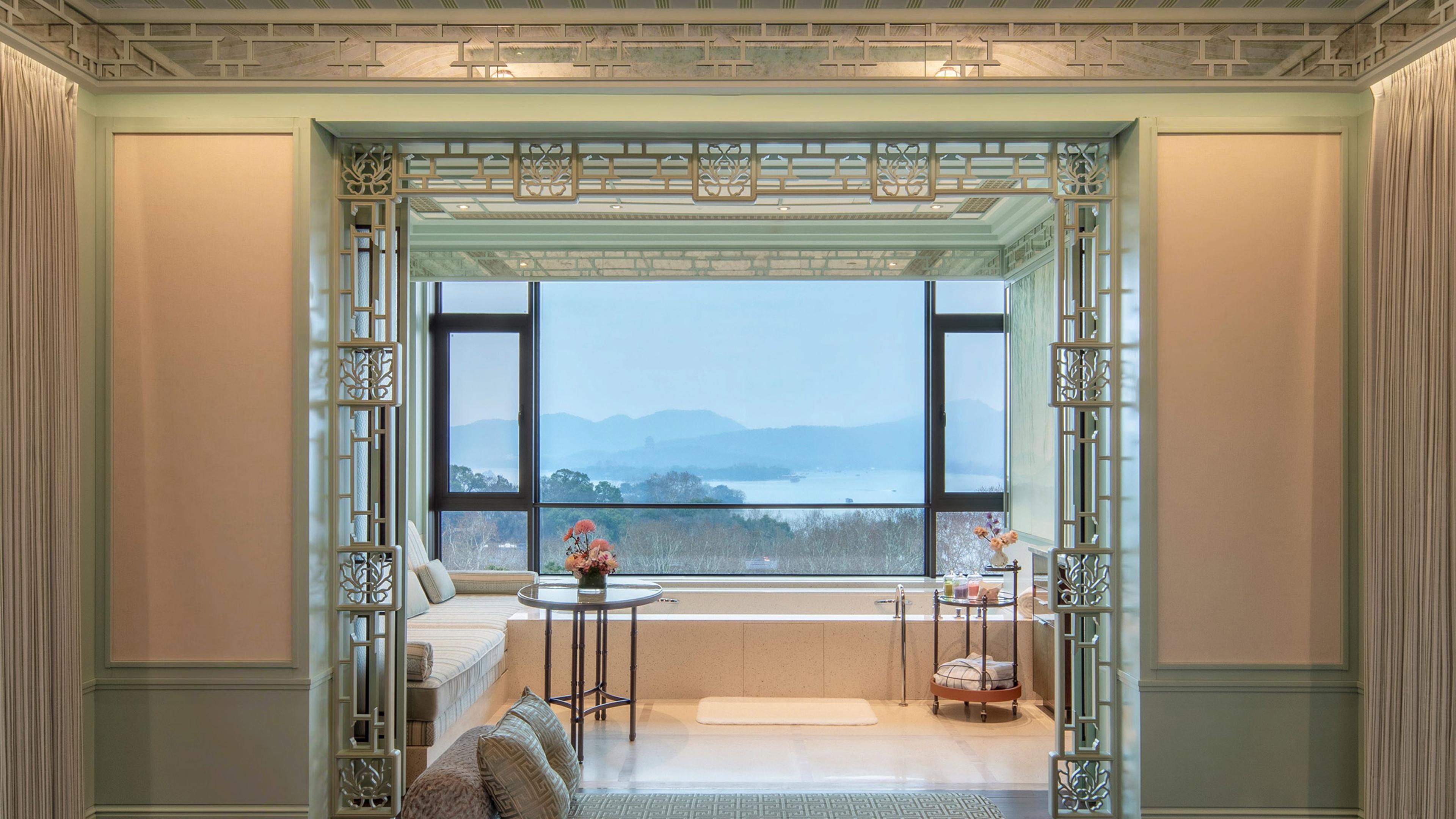
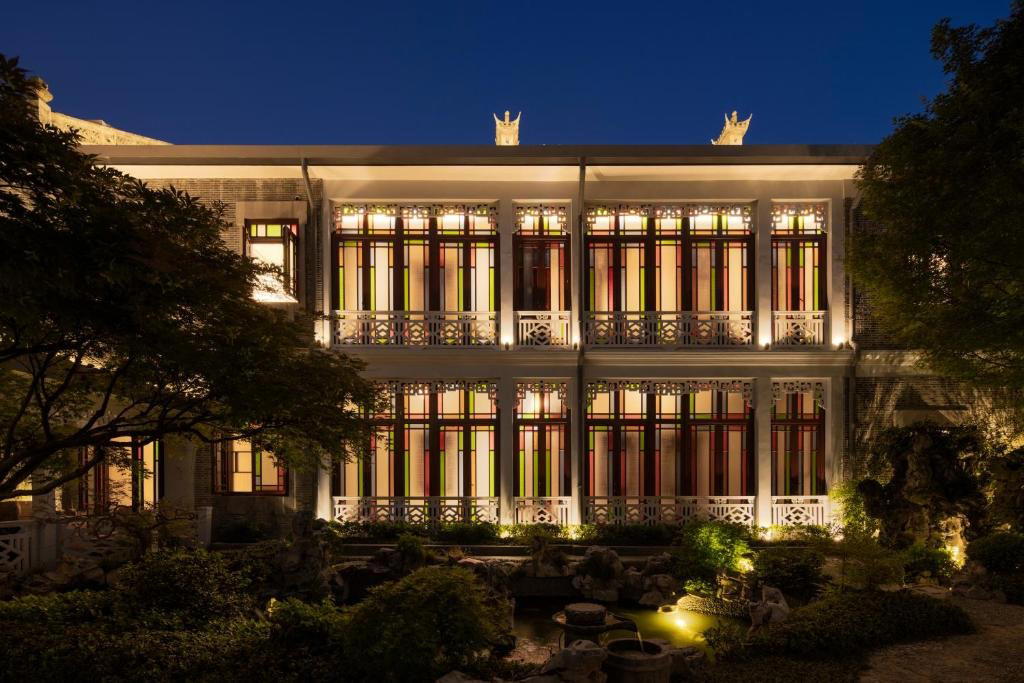
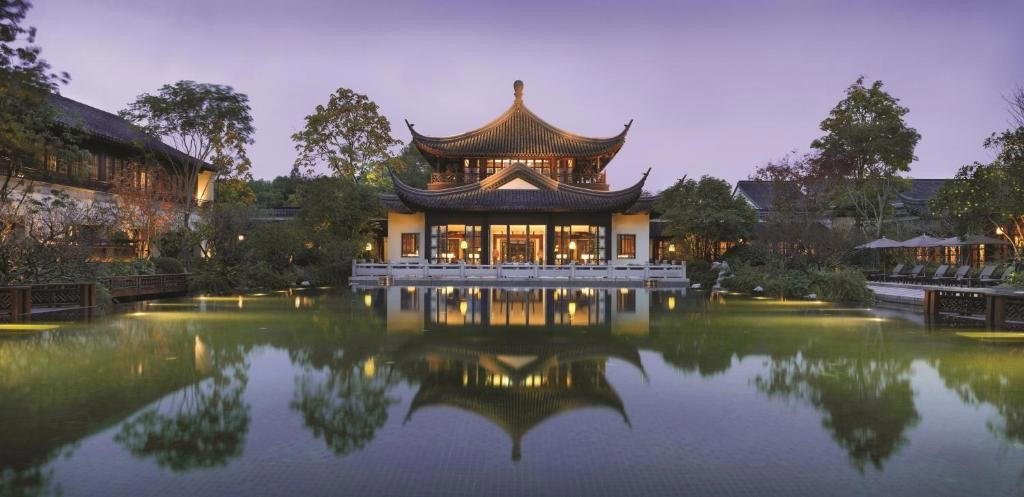
Soft lantern light, stone pathways, bamboo groves, and serene garden setting creating a peaceful Zen atmosphere.