Qiao Lin Hotpot - Downtown
Qiao Lin Hotpot - Downtown sits at 210 E Illinois St in Chicago's Streeterville district, bringing the communal, broth-centered tradition of Chinese hotpot to a neighborhood better known for steakhouses and tourist-facing dining. The format centers the table rather than the kitchen, with diners controlling their own cook times over a shared pot. It occupies a distinct lane in Chicago's expanding East Asian dining scene.
Pearl is the En Primeur Club membership app — saves, bookings, and concierge access live there. Same editors, same standards.
- Address
- 210 E Illinois St, Chicago, IL 60611
- Phone
- +13122852166
- Website
- qiaolinhotpot.com
- Directions
- Get directions
 Saves & bookings on Pearl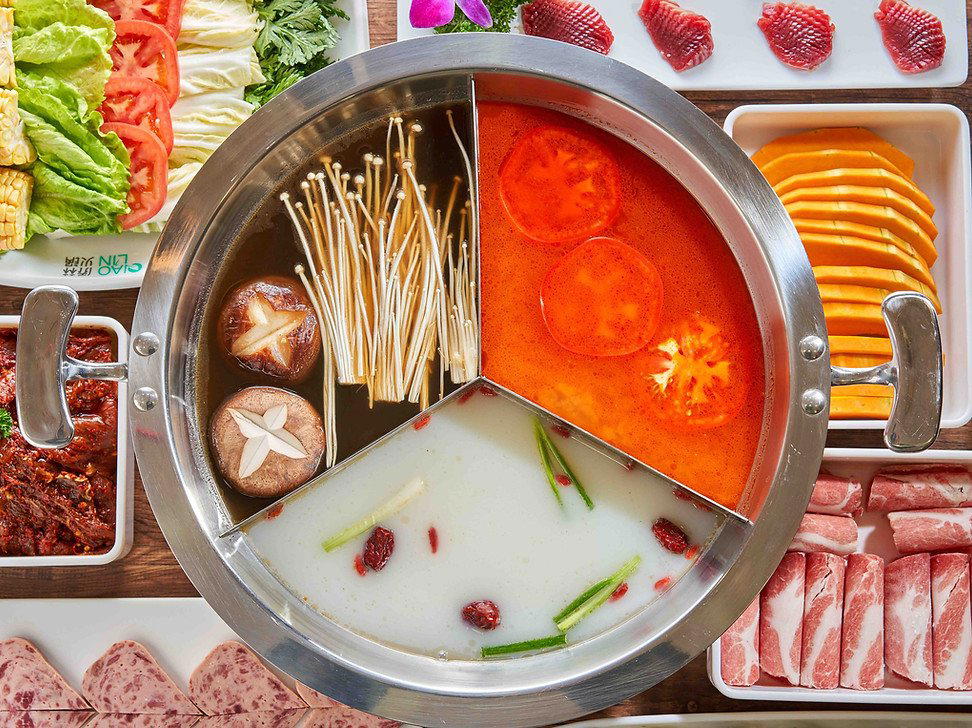
Steam, Broth, and the Ritual of the Table
Walk into a well-run hotpot room and the first thing you register is not the food but the sound: the low rolling simmer of a dozen pots, the clatter of wire ladles, the unhurried rhythm of a meal designed to last two hours rather than ninety minutes. Hotpot is, before anything else, a sensory contract between the kitchen and the guest. The kitchen delivers raw materials at the table; everything after that happens at the table. Qiao Lin Hotpot - Downtown, at 210 E Illinois Street in Chicago's Streeterville neighborhood, operates within that tradition, placing it in a category that functions by entirely different rules than the tasting-menu circuit for which Chicago is internationally recognized.
That distinction matters in a city where the dominant fine-dining conversation runs through Michelin-starred progressives like Alinea, Smyth, and Oriole, or through the tightly structured prix-fixe model practiced at Next Restaurant. Hotpot answers a different kind of appetite: participatory, social, and structured around abundance rather than editorial restraint. The genre has expanded significantly across American cities over the past decade, with Chengdu-style mala broth and Cantonese clear broths each finding audiences well outside their immigrant-community origins. Streeterville, which skews toward corporate dining and hotel-adjacent restaurants, is not the obvious neighborhood for this format, which makes Qiao Lin's address one of its more interesting editorial facts.
Where the Format Fits in Chicago's East Asian Dining Map
Chicago's Chinese restaurant scene is geographically split between Chinatown on the South Side and a scatter of newer, often higher-finish operations in the North Side and downtown corridors. The South Side remains the center of gravity for regional Chinese cooking, with established Sichuan and Cantonese houses that have served the community for decades. The downtown tier, by contrast, tends to calibrate for a broader dining public, which often means cleaner interiors, English-forward menus, and service models built for guests who may be encountering the cuisine for the first time.
Hotpot as a category sits interestingly between those two poles. The format is inherently educational without being didactic: the experience of building your own dipping sauce from a condiment station, selecting between broth types, and timing proteins through a rolling boil teaches you something about the cuisine's logic without requiring any prior knowledge. That accessibility has helped hotpot chains and independent operators expand into non-traditional dining corridors across North American cities. For context on how East Asian fine dining addresses similar questions of education and access through a different format, Atomix in New York City offers one instructive reference point, where the tasting menu explicitly contextualizes Korean culinary tradition for an international audience. Hotpot operates at the other end of the intervention spectrum: the tradition explains itself through direct participation.
The Sensory Architecture of a Hotpot Meal
The table is the stage. In hotpot, the induction burner or gas ring at the center of each table is not equipment; it is the organizing principle of the meal. Everything else orbits it. The broth arrives first, and its color and clarity communicate the flavor register before a single ingredient is cooked: a deep rust-red mala broth signals Sichuan pepper and dried chili; a pale, slightly cloudy stock reads as collagen-rich and mild. The choice of broth is the first real decision of the meal, and in formats that offer split pots, it is also the first social negotiation.
What follows is a sequence of arrivals rather than a narrative arc. Thinly sliced beef and lamb, translucent in their rawness, come stacked on plates. Tofu in its various textures, mushrooms selected for their broth-absorbing properties, hand-pulled noodles that balloon in the pot, fish balls with a particular give when pressed between chopsticks. The sensory experience of hotpot is cumulative: the broth deepens as proteins release their fat and gelatin over the course of a meal, so the last noodles you cook taste fundamentally different from the first. This is not a format that rewards rushing.
Dipping sauce composition is where individual preference becomes visible. A sesame paste base, loosened with broth, cut with garlic and scallion, is a common configuration in northern Chinese styles. A lighter soy-and-sesame oil approach suits Cantonese broths. There are no wrong answers, which is part of the format's appeal for groups with varying palates. The autonomy baked into hotpot's structure makes it one of the more genuinely group-friendly formats in any dining scene, distinct from the shared small-plates model where one strong-willed orderer can dominate the table's direction.
Streeterville and the Neighborhood Context
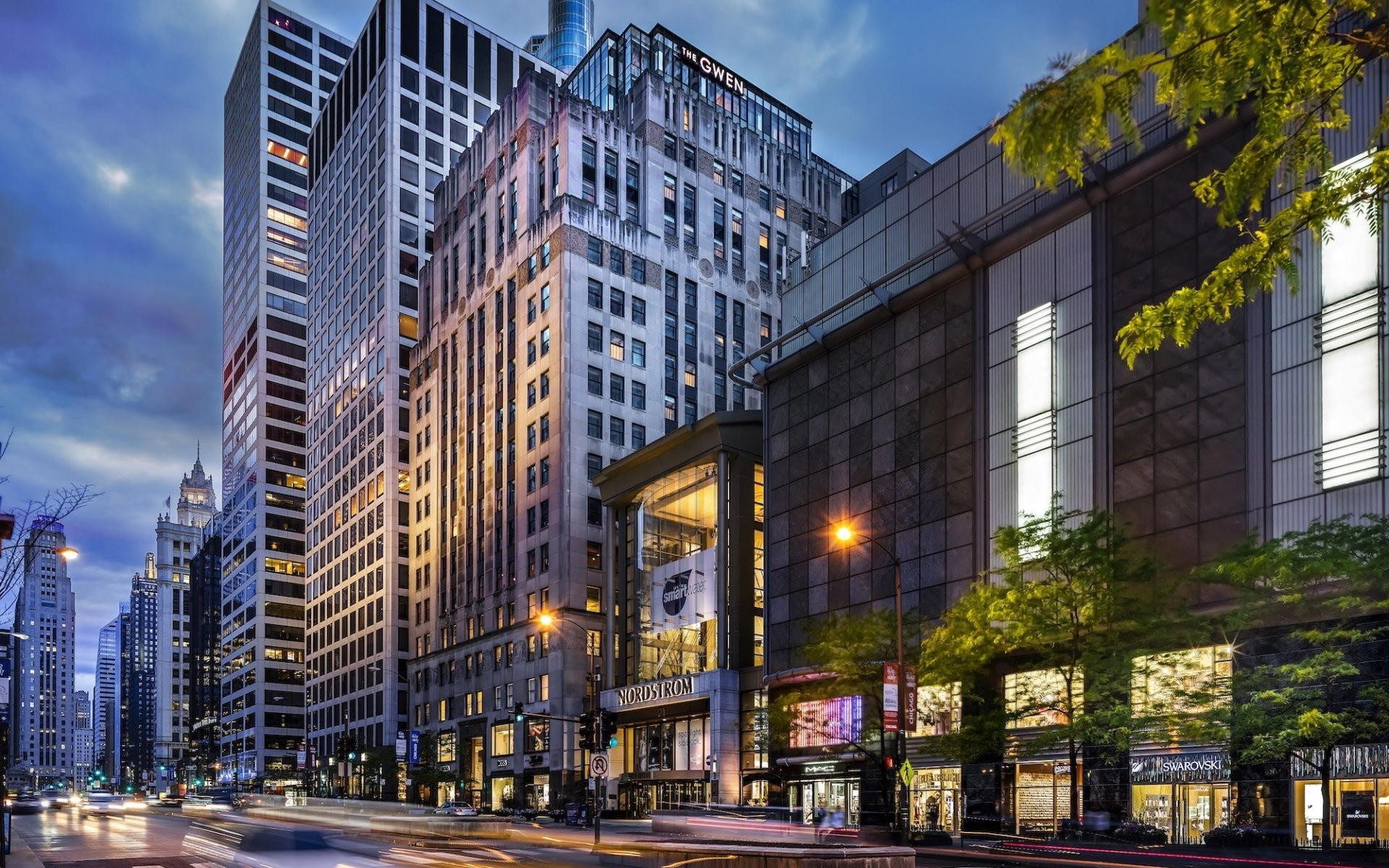
The 210 E Illinois Street address puts Qiao Lin in the block immediately east of the Magnificent Mile, in a corridor dominated by hotel restaurants, chain operations, and a handful of independent spots serving the convention and tourist traffic generated by the area's hotels. It is not a neighborhood where you expect to find format-specific dining with any depth of kitchen tradition, which positions Qiao Lin as something of an outlier against its immediate competitive set. For diners staying in the area who want an alternative to the steakhouse-and-Italian axis that defines most of the downtown dining offer, the hotpot format provides a genuinely different structure for an evening.
The broader Chicago dining scene has developed a range of East Asian dining options across price points, from the $$$$ fixed-price Korean tasting menus at places like Kasama to more casual, format-driven operations. Hotpot occupies a price tier and a social register that neither the tasting-menu circuit nor the casual noodle-shop category fully captures. It is a category that rewards repeat visits more than one-off exploration, because the format's variables, broth selection, protein choices, sauce composition, cook times, reveal themselves gradually across multiple sittings.
For readers mapping premium dining across American cities more broadly, the contrast is instructive. A meal at The French Laundry in Napa, Le Bernardin in New York City, or Providence in Los Angeles places all creative authority with the kitchen. Hotpot inverts that relationship. Venues like Lazy Bear in San Francisco, Single Thread Farm in Healdsburg, Blue Hill at Stone Barns in Tarrytown, Addison in San Diego, The Inn at Little Washington, Bacchanalia in Atlanta, and 8 1/2 Otto e Mezzo Bombana in Hong Kong all operate on the assumption that the kitchen's point of view is the experience. Hotpot operates on the assumption that the table's collective decisions are the experience. Both are valid frameworks; they are simply answering different questions about what a meal is for. Emeril's in New Orleans offers yet another register, where chef personality and showmanship drive the room's energy. Hotpot, by design, puts the showmanship at the guest's table.
Budget Reality Check
Comparable venues nearby, for context on price, style, and recognition.
| Venue | Cuisine | Price |
|---|---|---|
| Qiao Lin Hotpot - DowntownThis venue — the venue you are viewing | Downtown, Authentic Chongqing Hotpot | $$ |
| Nan Xiang Soup Dumplings | River North, Shanghainese Soup Dumplings | $$ |
| Sze Chuan Cuisine | Chinatown, Authentic Szechuan | $$ |
| Pizza Lobo | West Loop, New York-Style Pizza | $$ |
| Hoyt's Chicago | Loop, Modern American Tavern | $$ |
| Andy's Jazz Club | River North, American Jazz Club Fare | $$ |
At a Glance
- Modern
- Lively
- Trendy
- Group Dining
- Casual Hangout
- Open Kitchen
- Sake Program
Current opening hours
- Monday
- 11:30 AM–10 PM
- Tuesday
- 11:30 AM–10 PM
- Wednesday
- 11:30 AM–10 PM
- Thursday
- 11:30 AM–10 PM
- Friday
- 11:30 AM–12 AM
- Saturday
- 11:30 AM–12 AM
- Sunday
- 11:30 AM–10 PM
Hours can change for holidays and private events. Last verified .
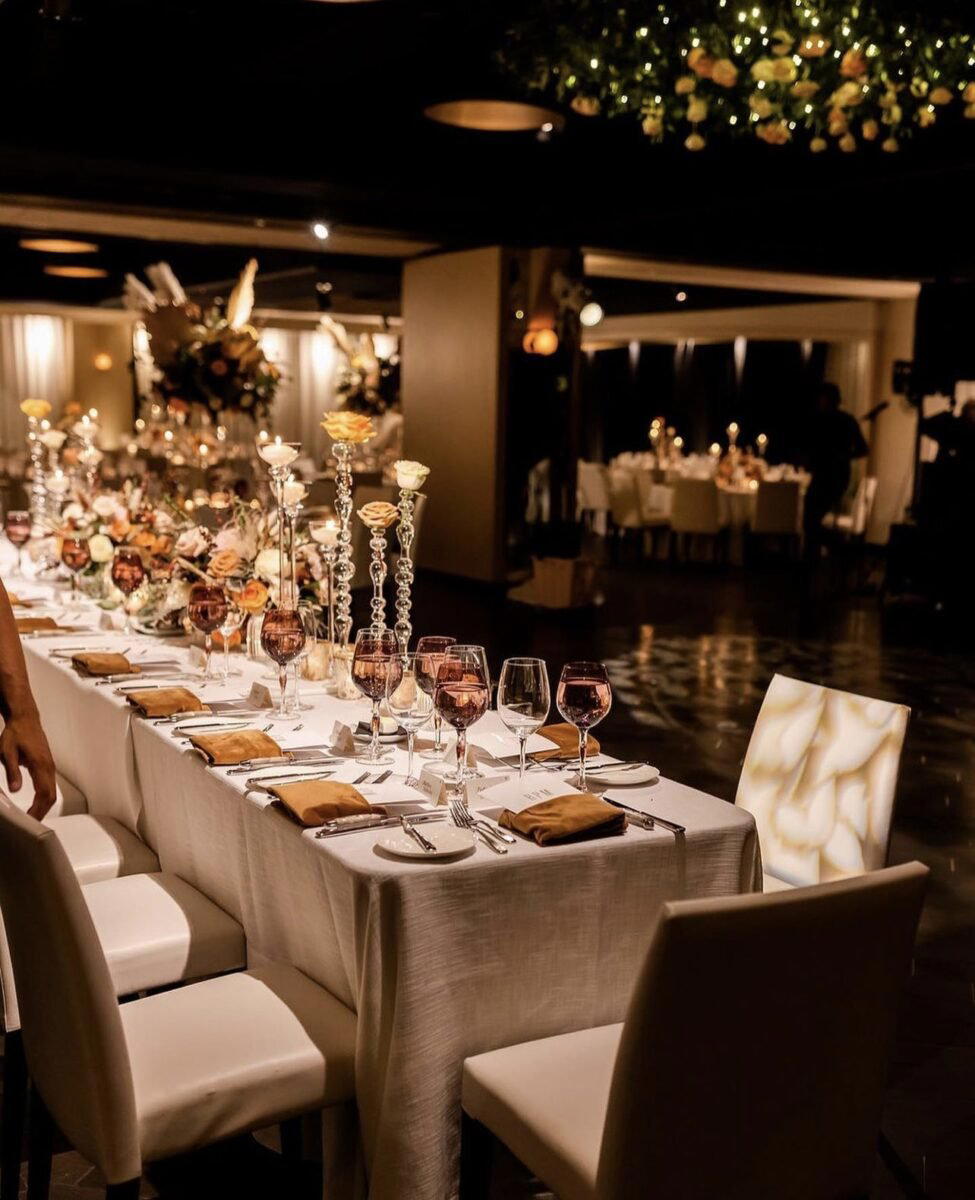
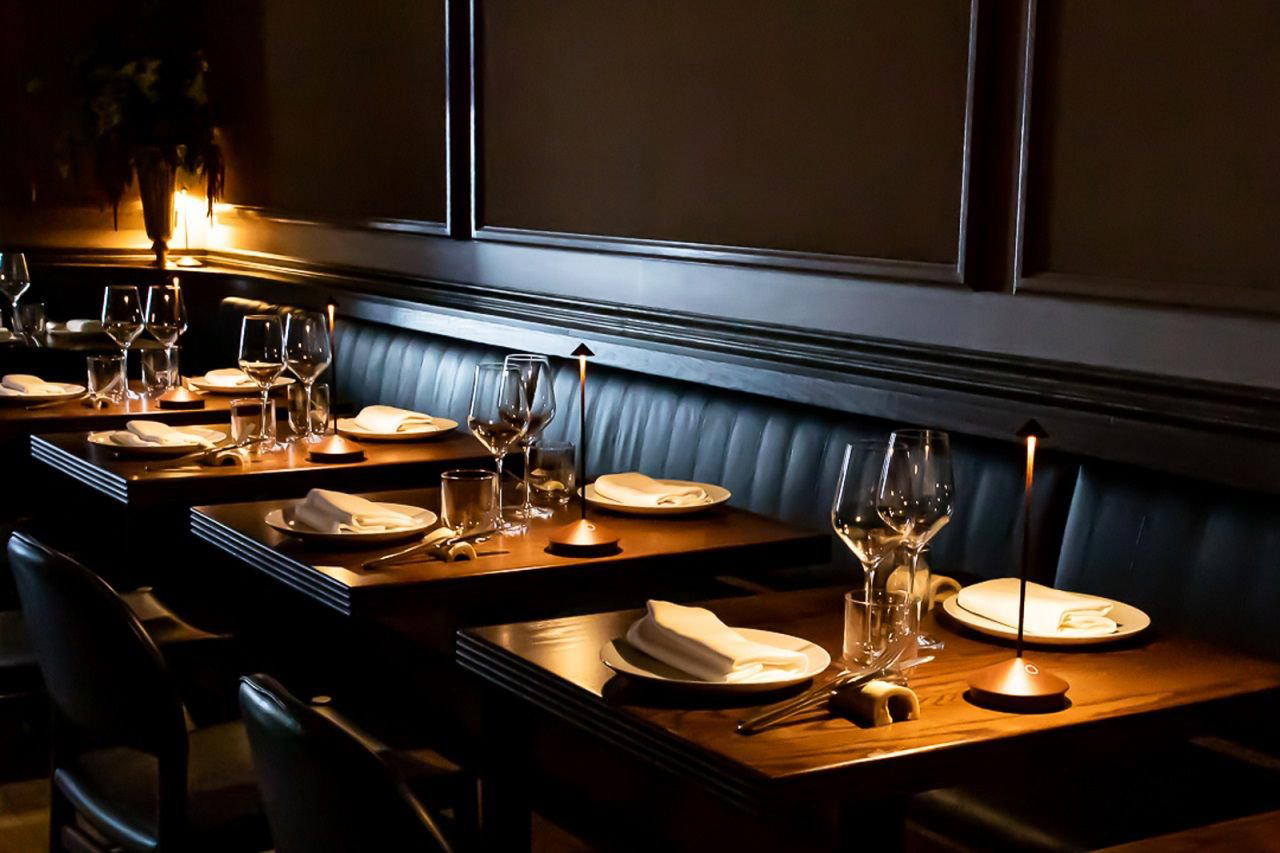
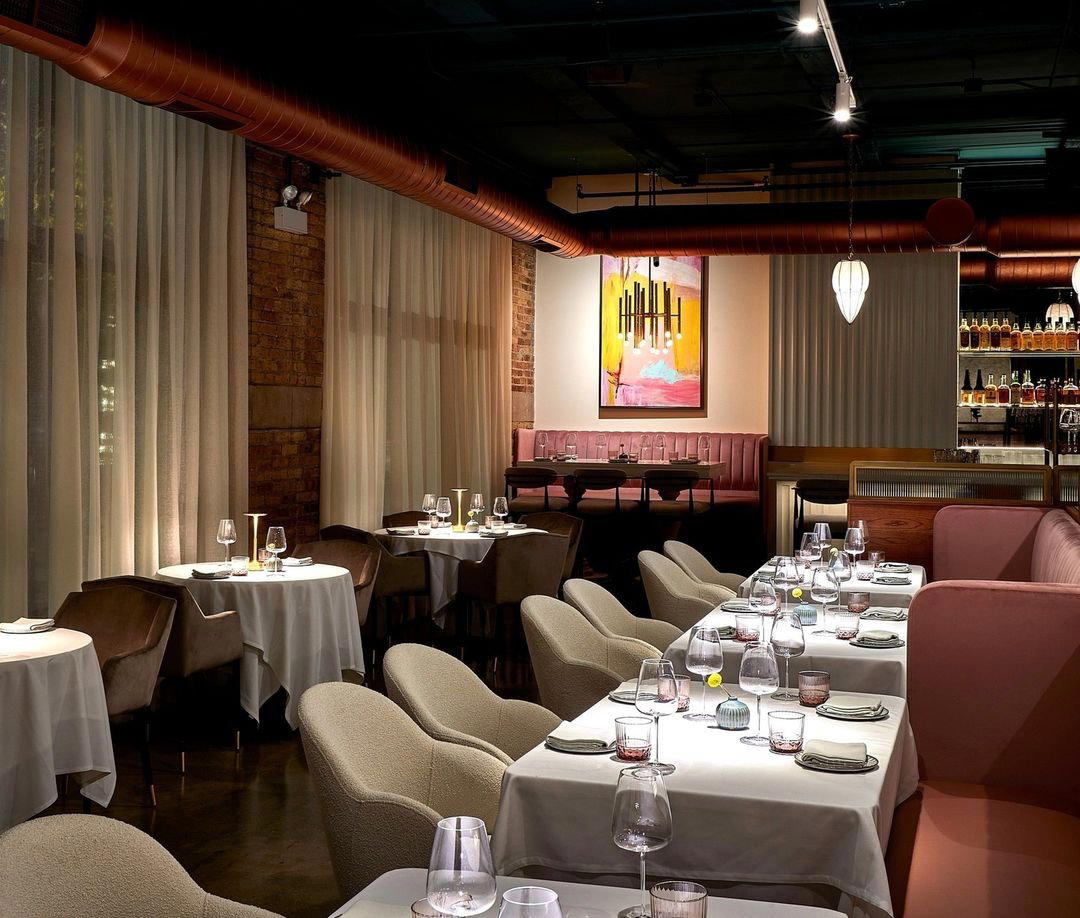
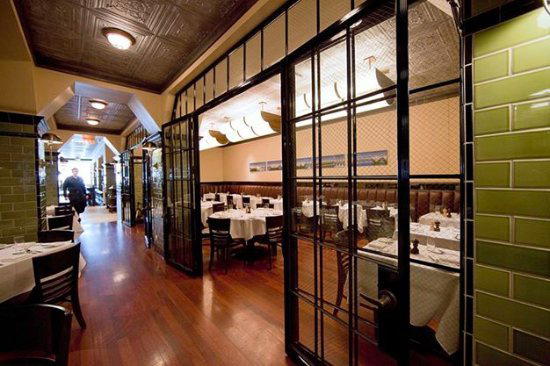
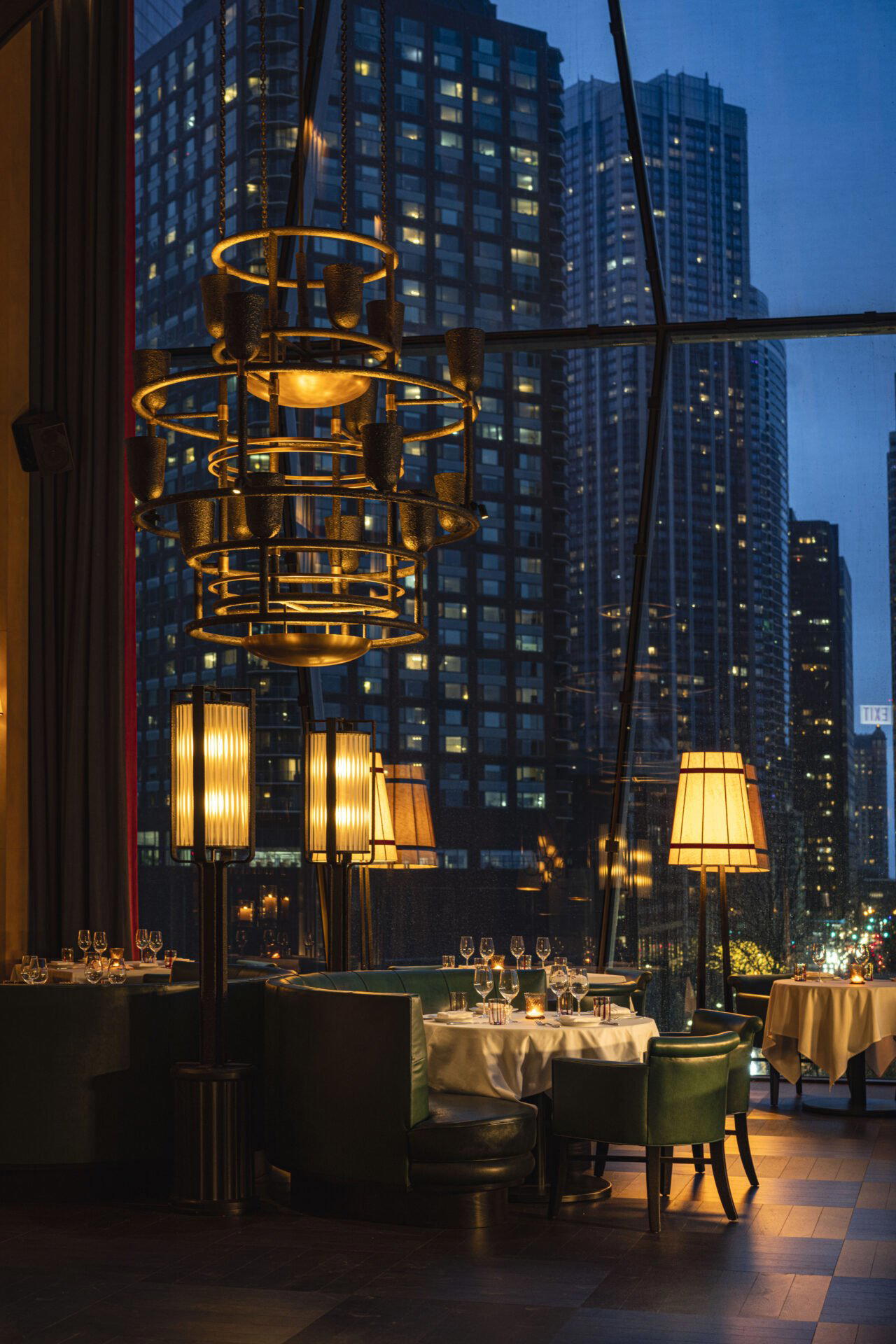
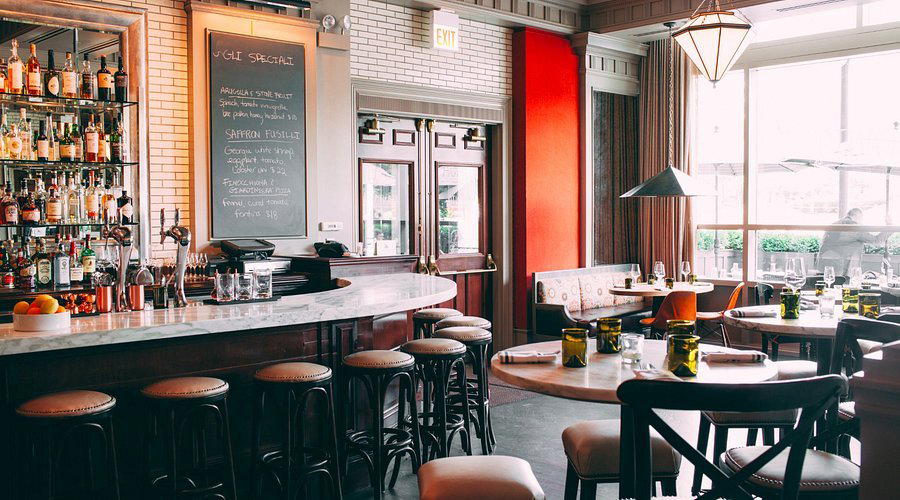
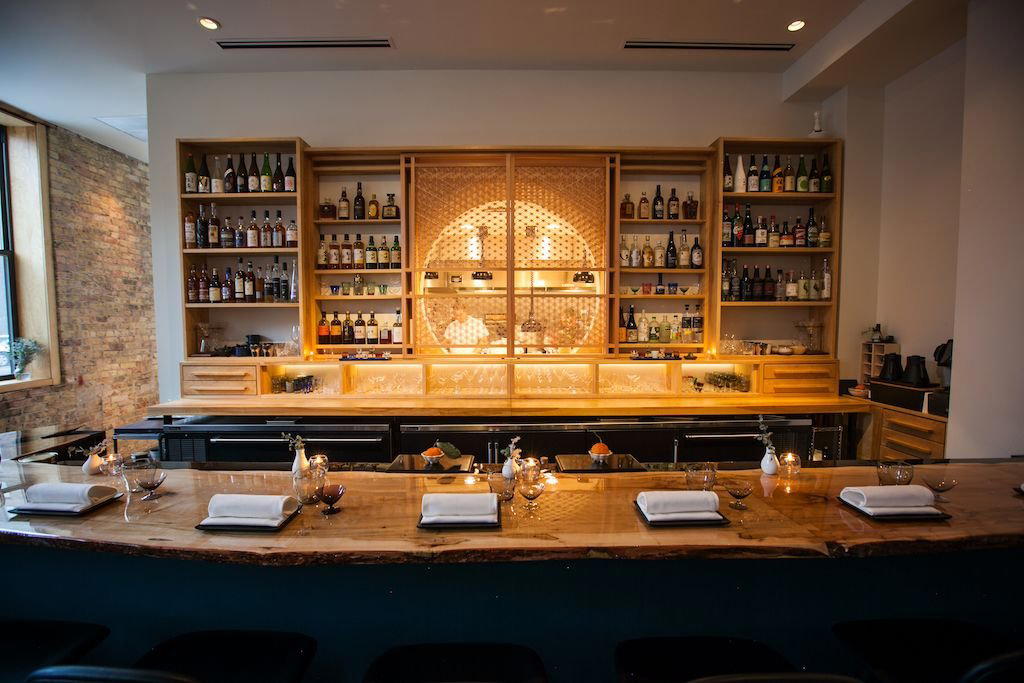
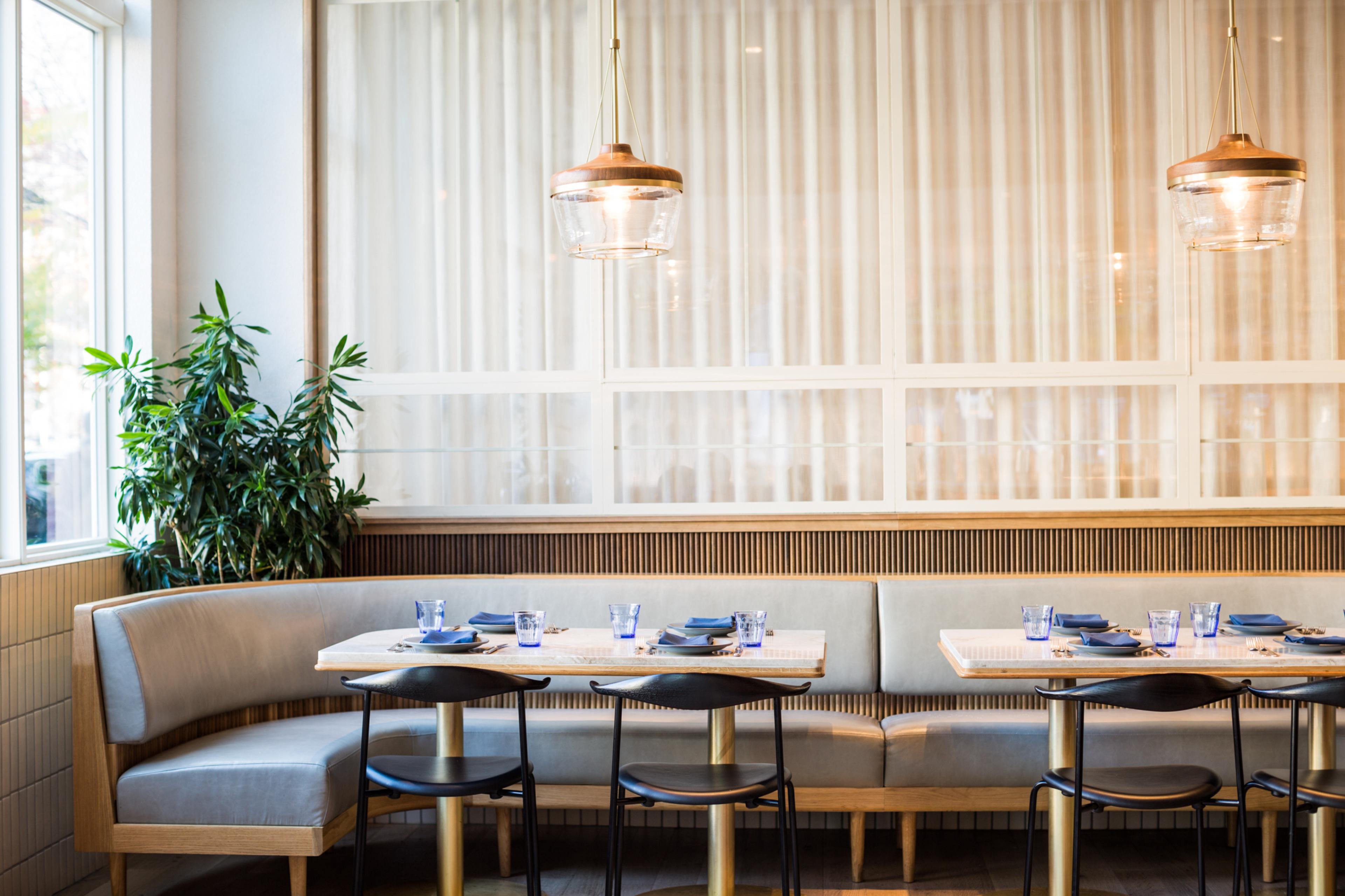
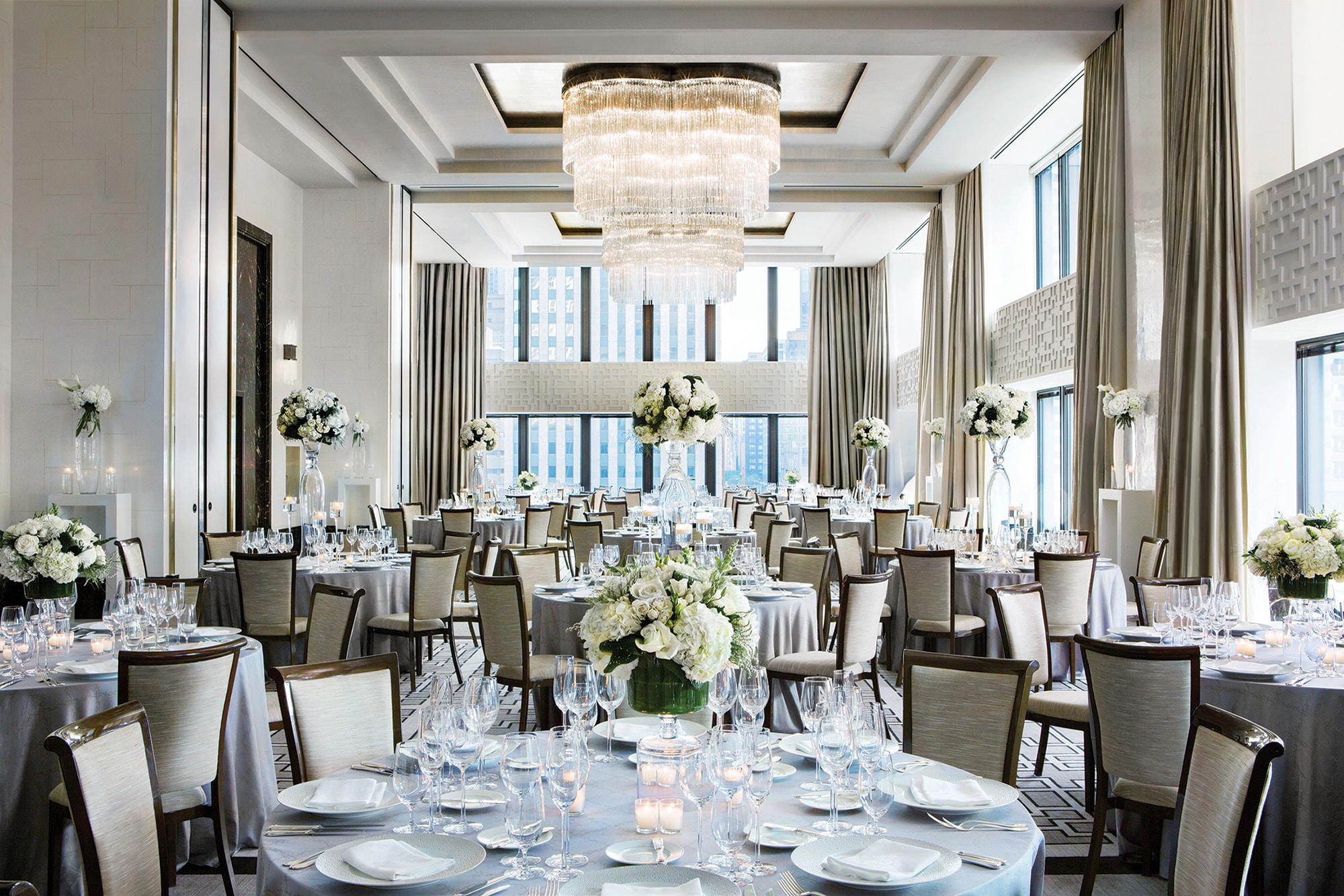
Modern and upscale atmosphere with a sophisticated twist on traditional hotpot dining.