Nan Xiang Soup Dumplings
Our verdict
Nan Xiang Soup Dumplings brings the Shanghai tradition of xiao long bao to River North, occupying a spot in Chicago's increasingly serious Chinese dining conversation. The River North address at 609 N Dearborn places it within walking distance of the city's hotel and entertainment corridor, making it one of the more accessible entry points into hand-pleated dumpling craft on the North Side.

Pearl is the En Primeur Club membership app — saves, bookings, and concierge access live there. Same editors, same standards.
- Address
- 609 N Dearborn St, Chicago, IL 60654
- Directions
- Get directions
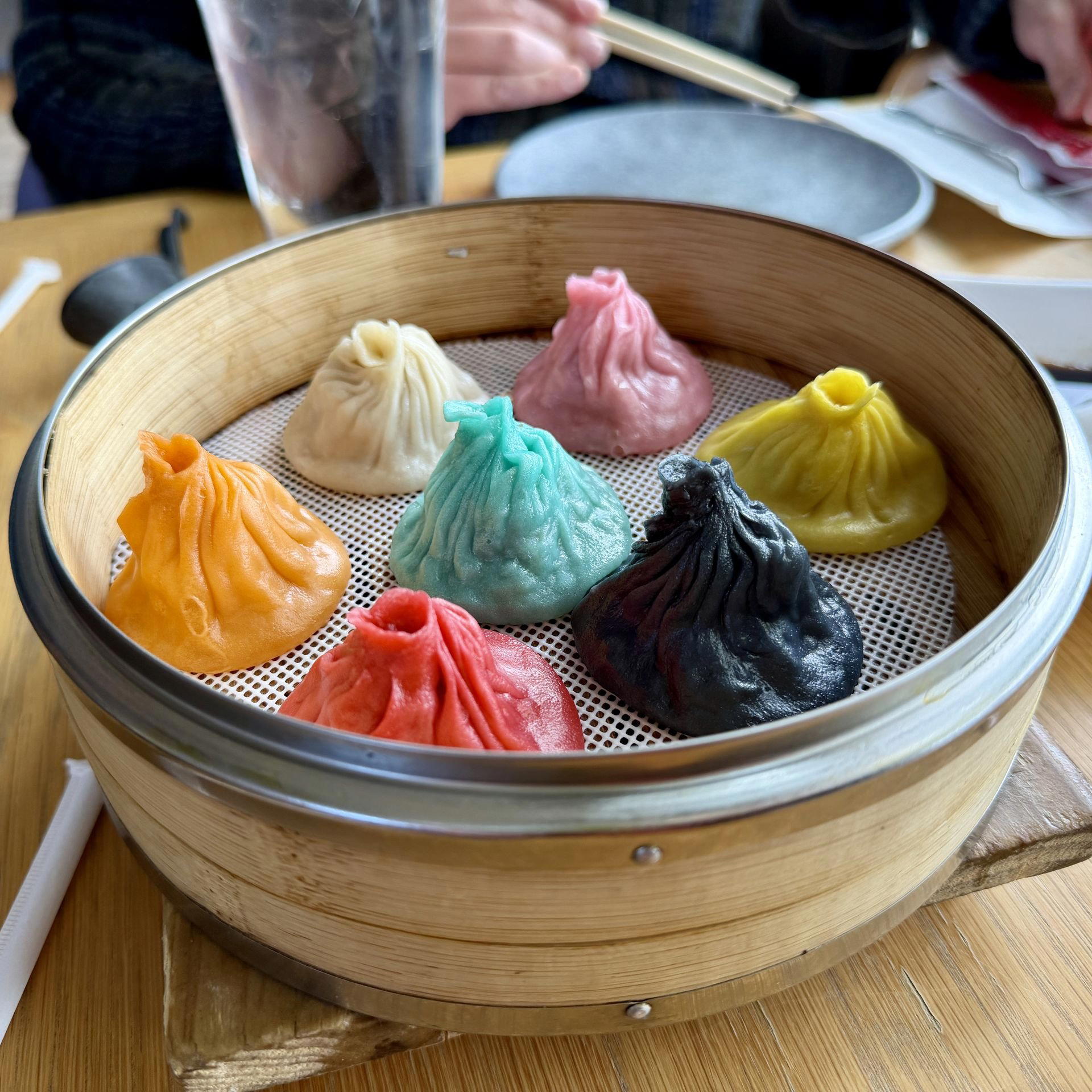
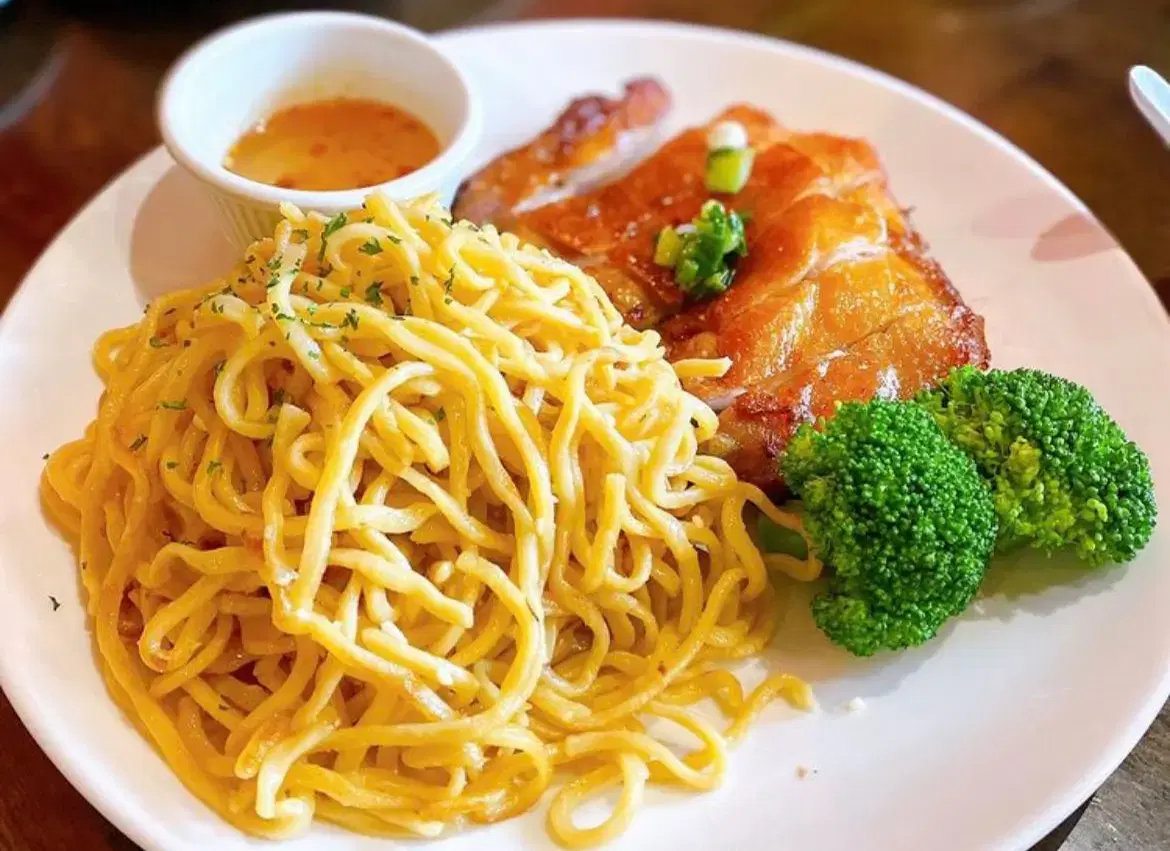
The menu
What to order
- Soup dumplings
- Xiao long bao
Where River North Meets a Shanghai Staple
Chicago's River North has spent the better part of two decades reshuffling its dining identity. What began as a steakhouse and bar district has absorbed waves of new formats: ramen counters, izakayas, fast-casual concepts borrowing from South and East Asian traditions. Nan Xiang Soup Dumplings at 609 N Dearborn St sits inside that shift, representing the kind of specialist Chinese format that once required a trip to Chinatown or the suburbs but has steadily migrated closer to the city's tourist and hotel core.
The xiao long bao tradition it draws from is precise and unforgiving. Originating in the Jiangnan region of China and most closely associated with Shanghai and its Nanxiang district, the soup dumpling is a study in controlled variables: thin, hand-pleated dough, a measured quantity of seasoned pork filling, and a gelatinized broth that liquefies during steaming. The technique demands consistency across every fold. Restaurants that do it well earn a specific kind of loyalty from diners who have eaten enough mediocre versions to recognize the difference immediately.
The Evolution of the Format in Chicago
The broader arc of Chinese regional cuisine in Chicago follows a familiar pattern for major American cities: early consolidation in a defined Chinatown corridor, followed by a gradual dispersal of specialized formats into mixed-use neighborhoods as demand and demographic shifts made those locations viable. Soup dumplings specifically followed that curve, with versions appearing first in Bridgeport and Chinatown-adjacent spots before the format crossed into the North Side market.
Nan Xiang as a brand has its own version of that trajectory. The name references the Nanxiang town in Shanghai's Jiading district, historically credited as the geographic origin of xiao long bao. Operating under that name in a River North context is itself a positioning statement: this is a format with documented provenance, not a generalized pan-Asian menu. That kind of focused identity has become increasingly common as Chinese regional cuisine in American cities moves away from the catch-all approach of earlier decades toward the kind of single-cuisine or single-dish specialization that defines the higher end of Japanese, Korean, and other Asian dining categories in cities like Chicago.
For context, Chicago's premium end runs deep: Alinea, Smyth, Oriole, Kasama, and Next Restaurant represent a city comfortable with both tasting-menu ambition and hyper-focused specialist formats. Nan Xiang occupies a different tier entirely, but the logic of specialization connects them: in a city this serious about food, the generalist middle is the hardest position to hold.
The Case for the River North Address
Location strategy matters for soup dumpling restaurants in a way it does not for more format-flexible concepts. The dish requires equipment, workflow, and a dining pace that suits counter or casual table service. River North, with its density of hotel guests, pre-theater diners, and lunchtime office traffic, provides a customer base that values accessibility over pilgrimage. That trade-off, accessibility against the concentrated expertise of a Chinatown cluster, is the defining tension of the North Side Chinese dining expansion.
The address at 609 N Dearborn puts the restaurant within the River North grid, close enough to Michigan Avenue traffic to capture tourists and conventioneers but embedded enough in the neighborhood to build a regular local base. For visitors staying in the area, it represents a lower-friction alternative to making the trip down to Cermak Road, which remains the anchor of Chicago's most serious Chinese dining options. Whether that trade-off suits a given visitor depends entirely on purpose: if the goal is the broadest possible range of regional Chinese cooking, Chinatown delivers more. If the goal is a focused, competent version of one specific Shanghai tradition within walking distance of a hotel, this address serves that function well.
Planning Your Visit
The restaurant's position in the accessible-casual tier means no advance reservation is typically required, which suits spontaneous itineraries but also means the experience is subject to queue dynamics during peak periods. For travelers building a broader Chicago dining itinerary, our full Chicago restaurants guide provides context across all tiers and neighborhoods, while our Chicago hotels guide, Chicago bars guide, Chicago experiences guide, and Chicago wineries guide cover the rest of the city's hospitality range.
For those building a broader comparative picture of specialist dining at this price point across American cities, the contrast with high-end seafood formats at Le Bernardin in New York City, the California farm-driven approach at The French Laundry in Napa or Single Thread Farm in Healdsburg, and coastal American cooking at Providence in Los Angeles or Lazy Bear in San Francisco illustrates how differently specialization plays out at different price points. Even at the international end, formats like 8 1/2 Otto e Mezzo Bombana in Hong Kong or Alain Ducasse's Louis XV in Monte Carlo operate on the same logic of format discipline, just at a different scale. Closer to home, Emeril's in New Orleans shows how a single-city regional identity can anchor a dining brand across decades. Nan Xiang works a smaller frame, but the underlying commitment to one format done consistently is the same instinct.
Frequently asked questions
Is Nan Xiang Soup Dumplings (River North location) suitable for children?
The format works well for families. Xiaolongbao are a hands-on dish that tends to engage younger diners, and the River North address at 609 N Dearborn St is accessible enough that it doesn't require the kind of planning a more formal Chinese restaurant might. The main practical note is that soup dumplings arrive hot and require a specific technique to eat safely, so younger children should be supervised when handling them.
What's the vibe at Nan Xiang Soup Dumplings (River North location)?
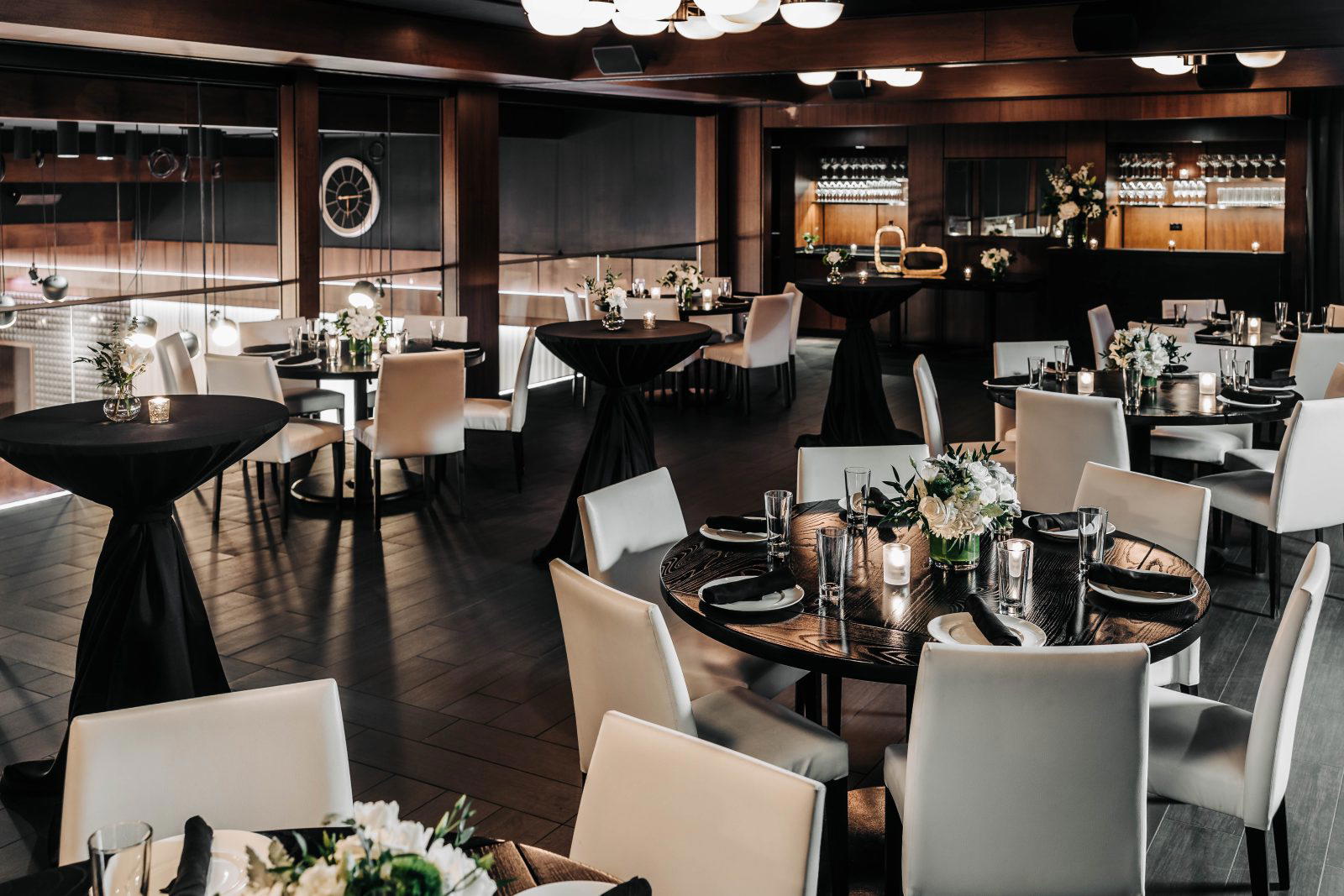
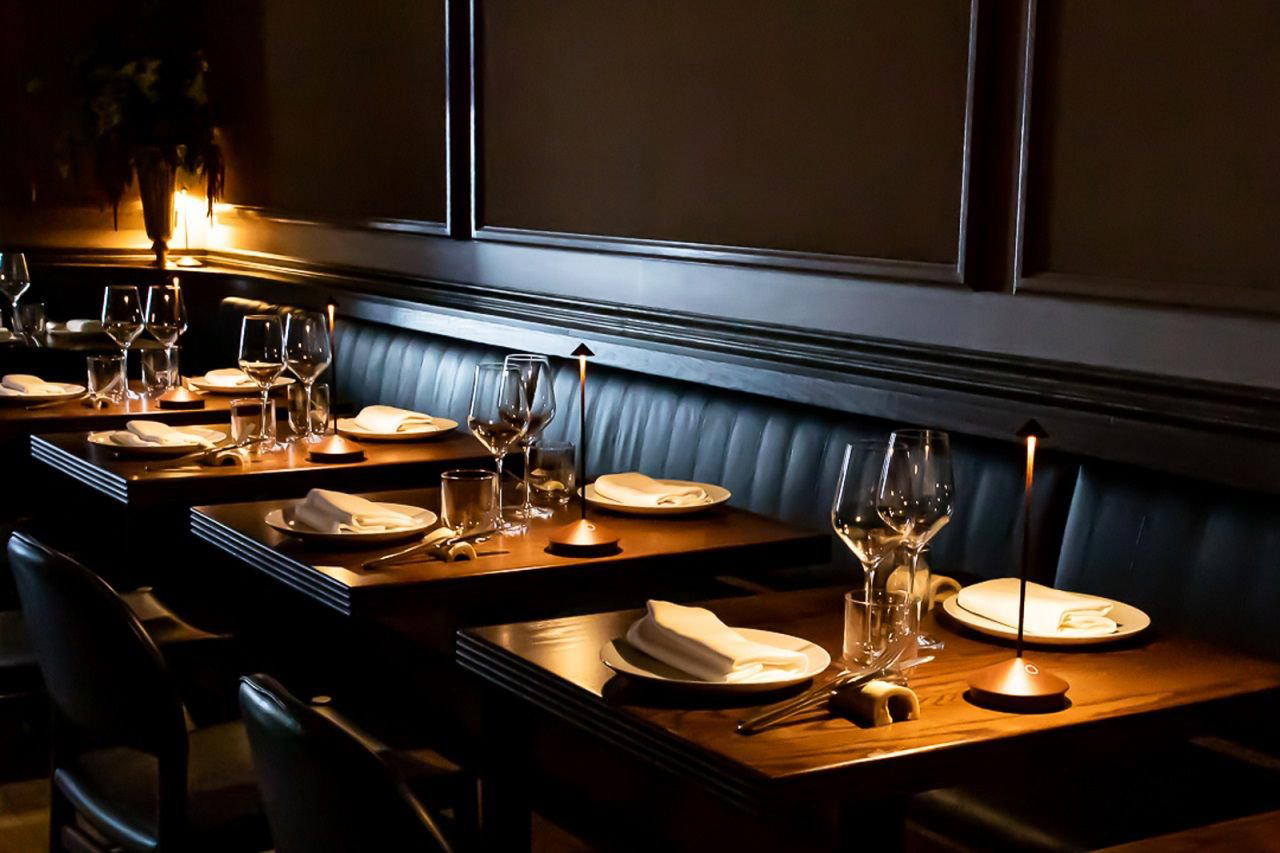
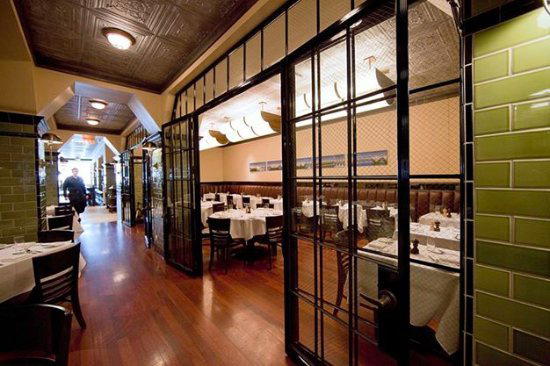
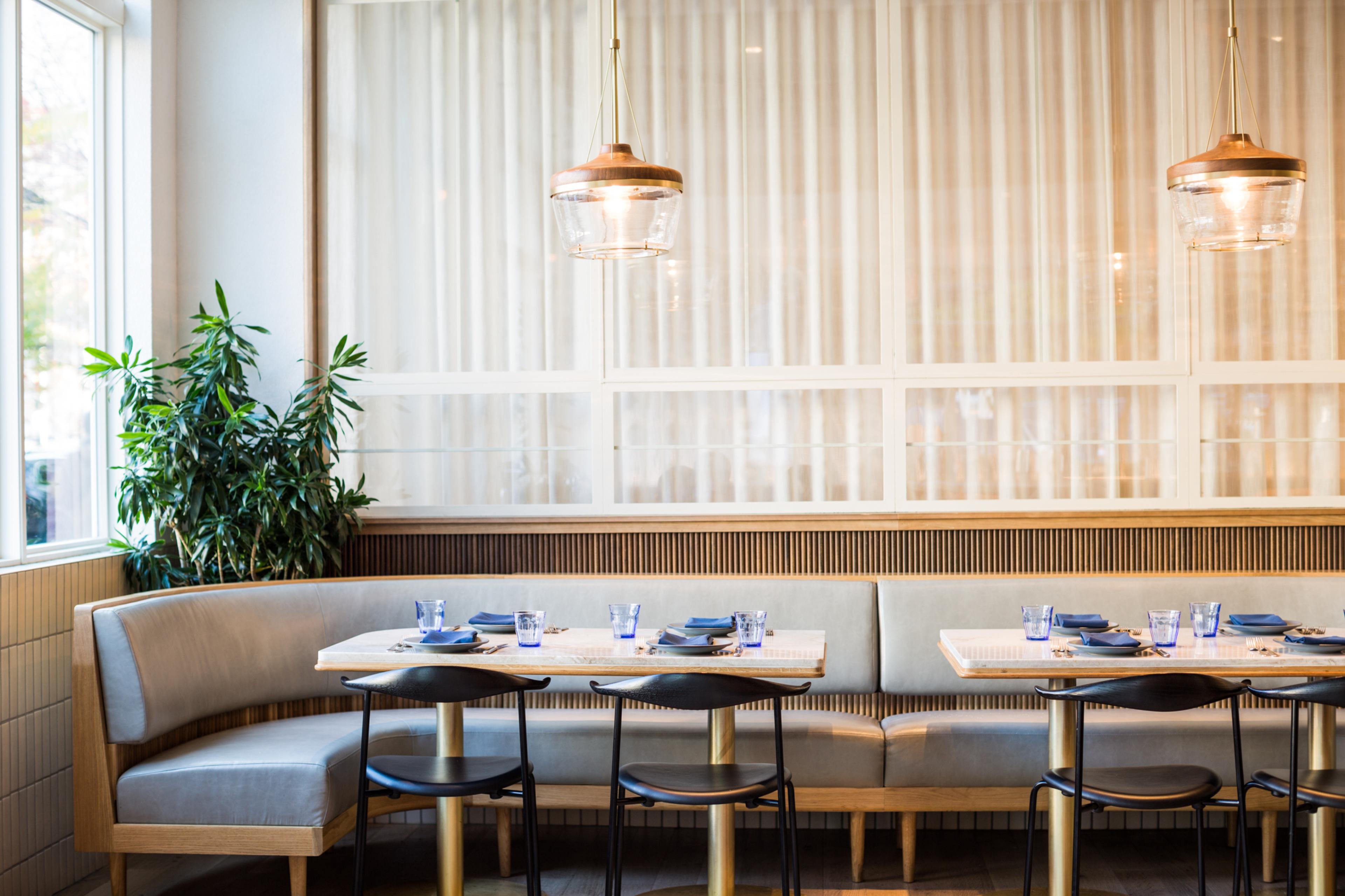
The River North location sits in a neighbourhood that has tilted increasingly toward casual dining alongside its higher-end options, and Nan Xiang fits that register: it's a focused, no-ceremony operation built around a single dish category rather than a broad menu. Expect a functional dining room geared toward turnover rather than lingering. It draws a mix of neighbourhood regulars and visitors who have specifically tracked it down for the xiaolongbao.
How does Nan Xiang's River North location differ from Chicago's Chinatown soup dumpling spots?
The River North address at 609 N Dearborn St positions Nan Xiang outside Chicago's traditional Chinatown corridor, making it the more accessible option for diners based in the city's North Side or Loop neighbourhoods. While Chinatown consolidates most of the city's Chinese regional dining, Nan Xiang's outpost brings Shanghai-style xiaolongbao directly into a high-foot-traffic dining district rather than requiring a dedicated trip south. The trade-off is context: Chinatown locations typically sit within a denser ecosystem of Chinese restaurants, while the River North spot operates more as a standalone destination for the format.
What's the best thing to order at Nan Xiang Soup Dumplings (River North location)?
The xiaolongbao are the reason to visit this Chicago address, and ordering them is the point. Nan Xiang's identity is built around Shanghai-style soup dumplings, so the menu centres on that format rather than spreading across a wider Chinese regional range. First-time visitors should start with the core pork xiaolongbao before branching into any other variants on offer.
What part of town is Nan Xiang Soup Dumplings (River North location) in?
Nan Xiang Soup Dumplings (River North location) is located at 609 N Dearborn St, Chicago, IL 60654, Chicago.
Cuisine Context
Comparable venues nearby, for context on price, style, and recognition.
| Venue | Cuisine | Price | Notes |
|---|---|---|---|
| Nan Xiang Soup DumplingsThis venue — the venue you are viewing | Chinese Dim Sum and Soup Dumplings | $20–30 | Not listed |
| Sze Chuan Cuisine | Authentic Szechuan | Not listed | Chinatown |
| Qiao Lin Hotpot - Downtown | Authentic Chongqing Hotpot | $30–50 | Downtown |
| Phoenix | Authentic Cantonese Dim Sum | $20–30 | Chinatown |
| Little Wok - Wicker Park | Asian Fusion (Chinese, Japanese, Thai) | $20–30 | Wicker Park |
| MCCB | Modern Sichuan & Cantonese | Not listed | Chinatown |


Details
- Casual
- Modern
- Lively
- Casual Hangout
- Solo
- Family
- Standalone
- Open Kitchen
- Sake Program
- Local Sourcing
- A La Carte
- Vegetarian Friendly
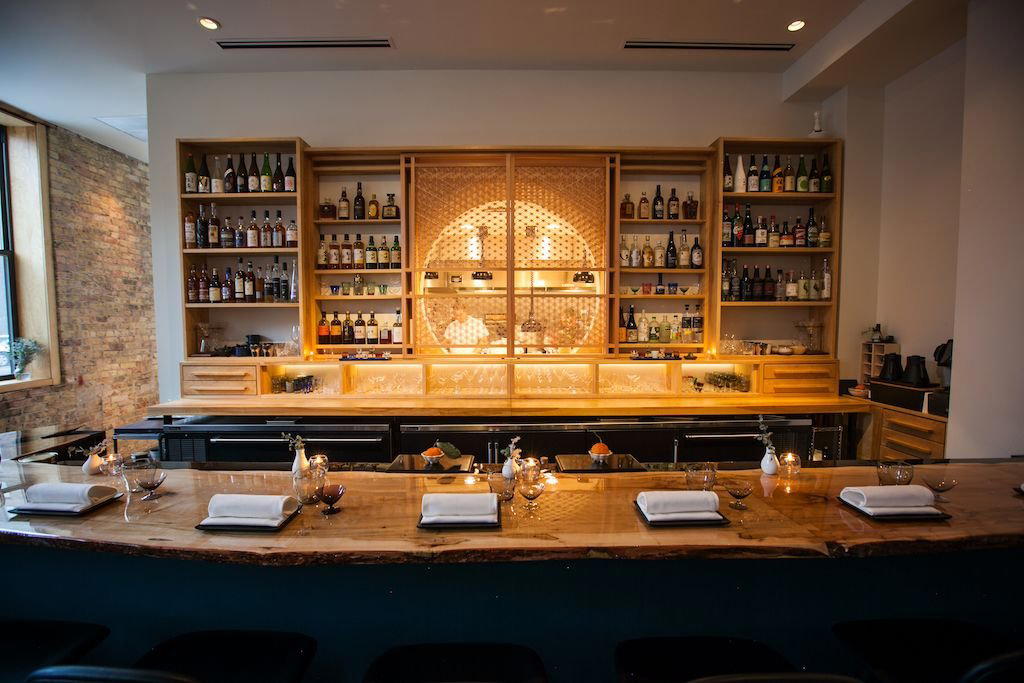
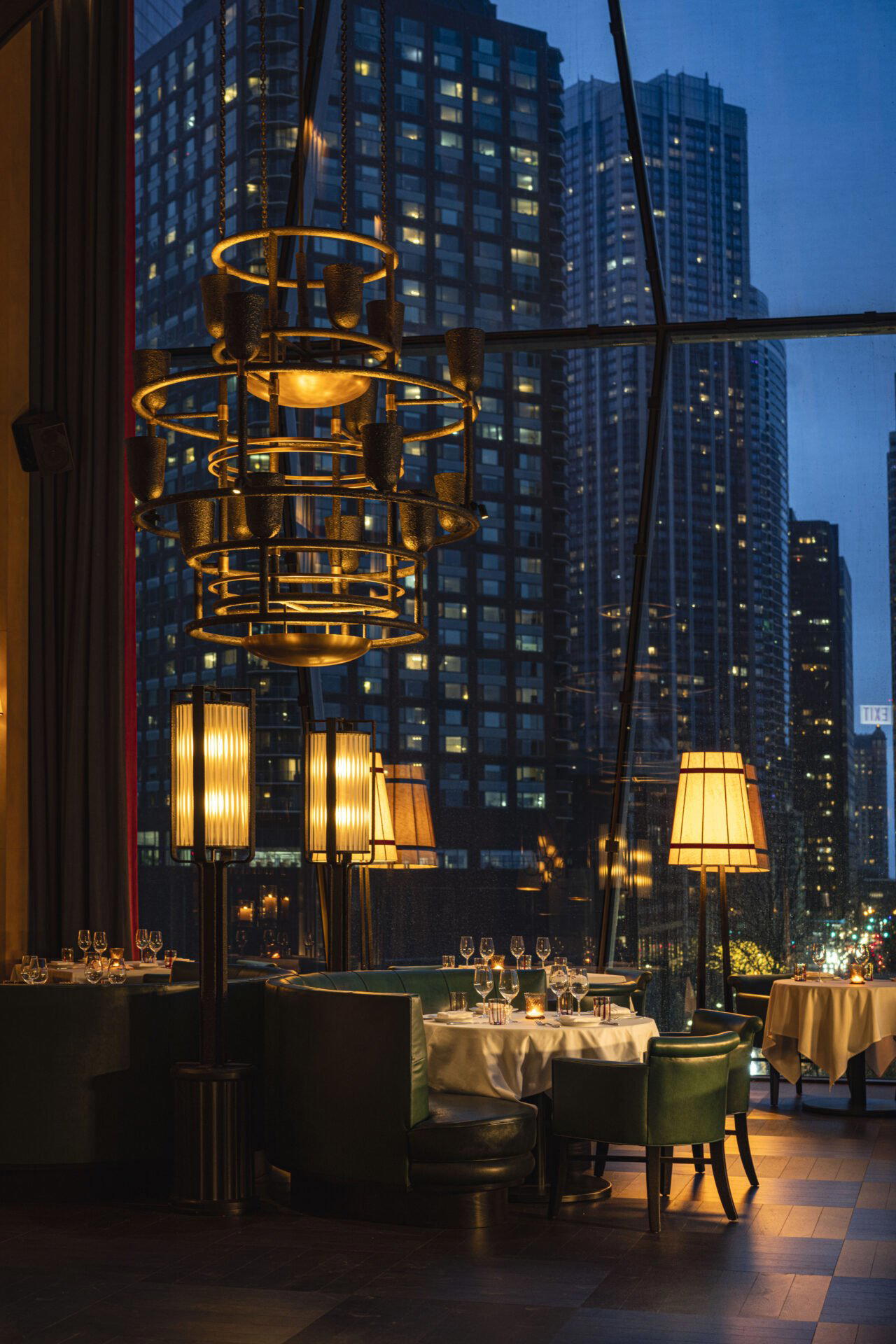
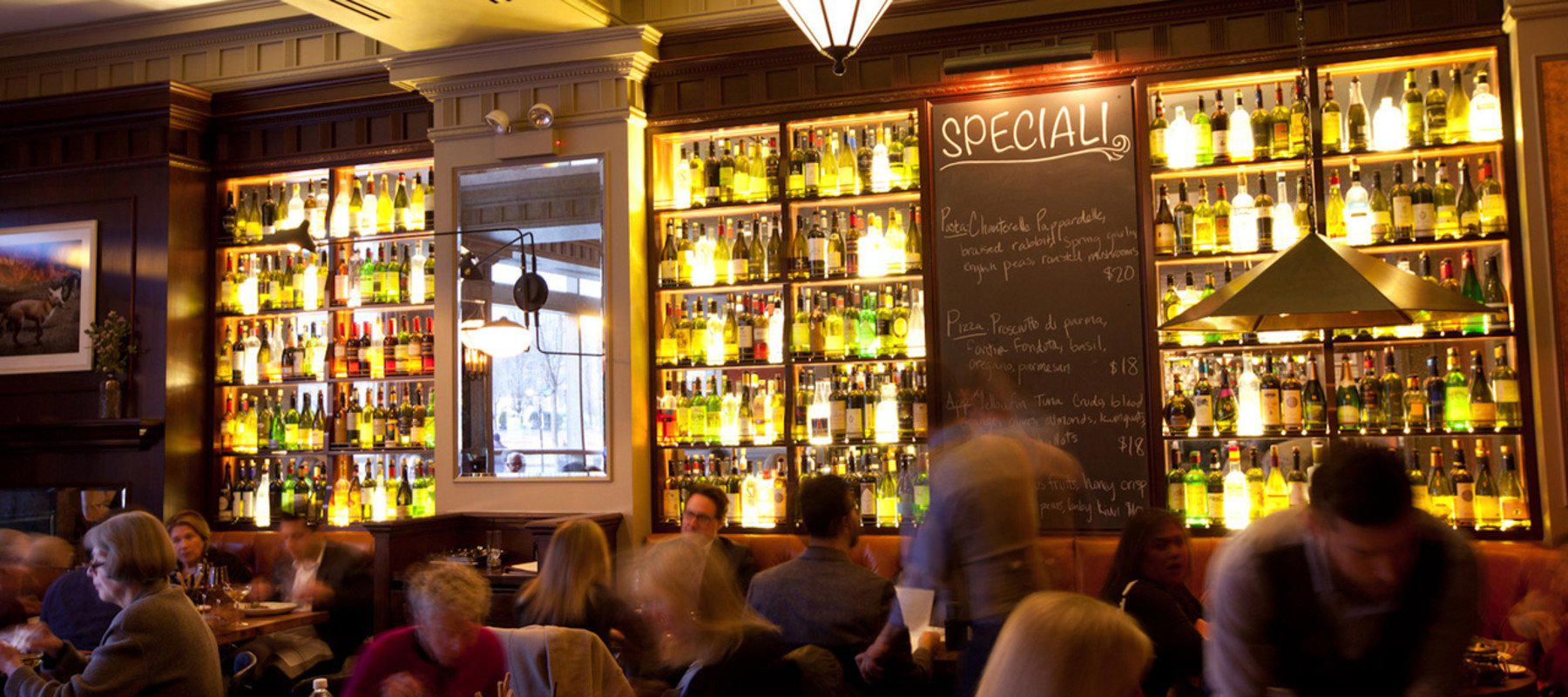
Casual, contemporary, and food-focused, with an approachable dim sum-house feel.