Puntarena
Puntarena brings coastal Mexican seafood cooking to Bosque de las Lomas, one of Mexico City's quieter affluent enclaves. The kitchen draws on Pacific and Gulf coast sourcing traditions at a moment when provenance has become the defining argument in the capital's mid-to-upper dining tier. For a city that has long privileged highland ingredients, a seafood-focused address in this neighbourhood represents a pointed editorial statement.
 Discover on Pearl
Pearl is the En Primeur Club membership app — saves, bookings, and concierge access live there. Same editors, same standards.
- Address
- Bosque de Duraznos 39, Bosque de las Lomas, Miguel Hidalgo, 11700 Ciudad de México, CDMX, Mexico
- Phone
- +525552450924
- Website
- puntarena.mx
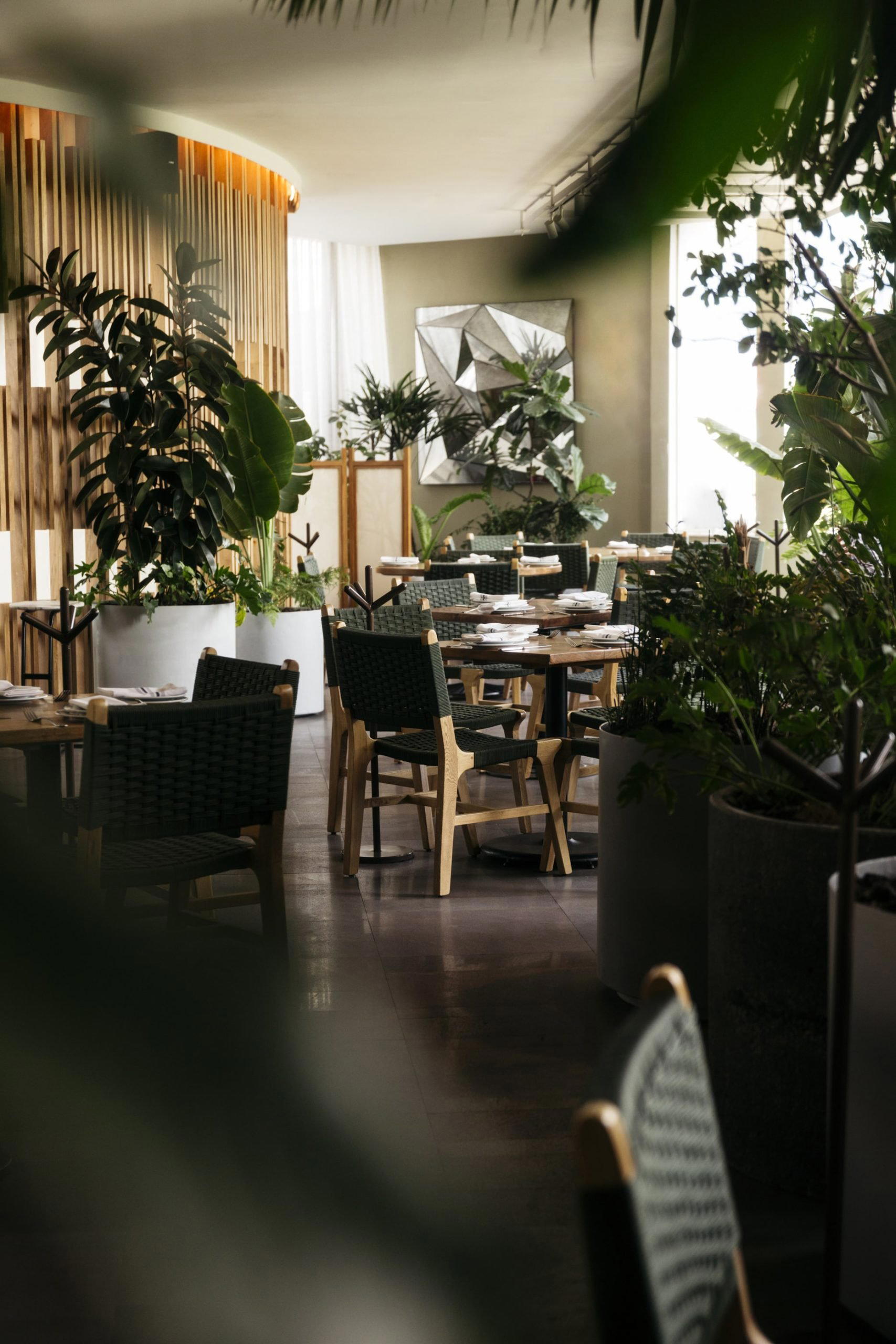
Coastal sourcing in a landlocked capital
Mexico City sits at 2,240 metres above sea level, roughly 300 kilometres from the nearest coastline in either direction. That geography has historically shaped the capital's dominant culinary identity around corn, pulque, chilies dried on highland slopes, and proteins raised or hunted in the central valleys. The emergence of serious seafood restaurants in this city is therefore not simply a menu choice, it is a supply-chain argument. Getting fish worth eating to a high-altitude kitchen requires either serious cold-chain logistics or proximity to producers willing to work directly with urban buyers. Restaurants that do this well are making a claim about sourcing discipline that their menus alone cannot communicate.
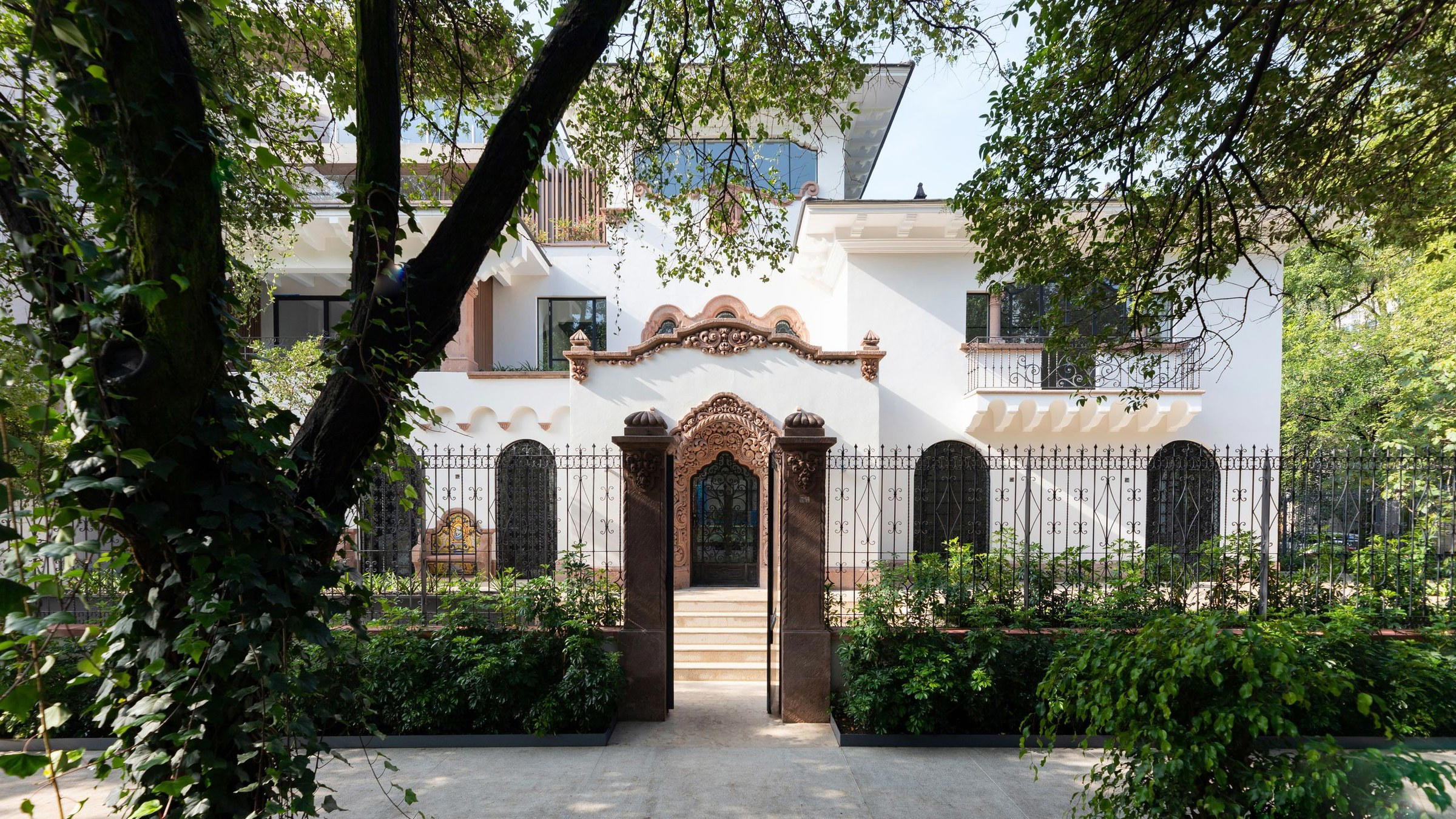
Puntarena operates in Bosque de las Lomas, a calm, tree-lined residential district in the Miguel Hidalgo borough that sits apart from the denser restaurant corridors of Polanco and Roma. The address, Bosque de Duraznos 39, places it within a neighbourhood where the dining room, rather than street theatre or destination-hotel cachet, carries most of the weight. Arriving here, the atmosphere is quieter than the capital's louder dining postcodes: wider streets, less foot traffic, a different rhythm. That physical context shapes expectations before a menu arrives.
Where the food comes from, and why that matters
Across Mexico's premium restaurant tier, the sourcing conversation has sharpened considerably over the past decade. What was once a background detail, a note at the bottom of the menu attributing fish to a cooperative in Ensenada or shellfish to Baja lagoons, has moved to the front of the editorial frame. Restaurants like Animalón in Valle de Guadalupe built their entire identity around hyper-local Baja sourcing. Olivea Farm to Table in Ensenada treats ingredient provenance as the primary dining argument rather than a supplementary one. HA' in Playa del Carmen draws on Caribbean and Yucatecan coastal ingredients as both a flavour system and a regional identity claim.
In Mexico City, the challenge is different. A seafood restaurant here is always negotiating distance, the gap between source and table is real, and diners in the upper tiers of the market are increasingly aware of it. The kitchens that succeed in this context tend to be explicit about their supply relationships: which coast, which species in what season, which fishing communities or producers they are working with. That specificity is what separates a credible seafood program from one that simply lists mariscos without editorial accountability.
Puntarena's position in Bosque de las Lomas rather than in Polanco's denser competitive cluster suggests a deliberate distance from the awards-court circuit, the concentration of Michelin-starred addresses and Latin America's 50 Best contenders that defines the capital's highest-profile dining tier. That tier includes Pujol and Quintonil at the top of the Mexican fine-dining register, alongside newer voices like Em pushing at the boundaries of contemporary Mexican cooking. A restaurant in Bosque de las Lomas is speaking to a different reader: one less interested in the prestige address and more interested in a reliable, neighbourhood-anchored experience.
The seafood restaurant as neighbourhood institution
Mexico's coastal cuisine is not a single tradition but several running in parallel. Pacific coast cooking, Sinaloa, Sonora, Baja California, favours raw preparations, aguachiles, ceviches with minimal intervention, and grilled whole fish. Gulf coast and Veracruz traditions lean toward heavier sauces, rice-based platforms, and a historical Spanish influence that shows up in the treatment of shellfish and white fish alike. Yucatecan coastal cooking operates within its own logic entirely, shaped by Maya technique and the specific ecology of the Gulf's southern arc. A seafood restaurant in Mexico City is always implicitly choosing a lane within this broader taxonomy, even when the menu does not announce the choice explicitly.
The wider Mexican dining scene has produced some of the most compelling coastal programs outside the coastal cities themselves. Le Chique in Puerto Morelos applies high-technique European structure to Caribbean and Yucatecan seafood. KOLI Cocina de Origen in Monterrey frames northern Mexican sourcing, including Baja seafood, within a tasting-menu format that foregrounds ingredient origin. Levadura de Olla in Oaxaca makes the case for ancestral sourcing practice as the primary kitchen logic. These are all different answers to the same question: what does responsible, place-rooted cooking look like in contemporary Mexico?
Internationally, the reference point for serious seafood sourcing at the fine-dining level is a kitchen like Le Bernardin in New York City, where supply-chain discipline over decades has become inseparable from the restaurant's identity. Closer to Puntarena's probable register, Atomix in New York demonstrates how ingredient specificity and cultural framing can carry a restaurant's argument even in a city where competition is relentless. The comparison is instructive: sourcing transparency is no longer a differentiator at the very best of the market, it is a baseline expectation.
Planning a visit
Bosque de las Lomas sits in the Miguel Hidalgo borough, west of Polanco and north of Santa Fe, and is most practically reached by car or ride-share from central neighbourhoods. The area does not generate significant pedestrian dining traffic, so arriving with a reservation is the assumed approach. For visitors building a broader Mexico City itinerary, Puntarena fits logically alongside neighbourhood-anchored addresses rather than within a tight Polanco restaurant run. Those exploring the capital's wider creative cooking scene will find additional reference points in Rosetta in Roma Norte, Sud 777 in Pedregal, and For readers tracing Mexico's broader dining geography, the coastal programs at Alcalde in Guadalajara, Huniik in Merida, Lunario in El Porvenir, and Pangea in San Pedro Garza Garcia each represent distinct regional positions on the same sourcing conversation.
In Context: Similar Options
Comparable venues nearby, for context on price, style, and recognition.
| Venue | Cuisine | Price | Awards | Notes |
|---|---|---|---|---|
| PuntarenaThis venue — the venue you are viewing | Contemporary Mexican Coastal Seafood | $$$ | , | |
| Colonia Meadery | Modern Mexican Fusion with Mead | $$$ | , | Tabacalera |
| La Distral | Contemporary Mexican Grill & Tequila Bar | $$$ | , | Tabacalera |
| Bichi | Modern Mexican Seafood from Oaxaca and Sinaloa | $$$ | , | Bosque de Chapultepec |
| Casa Benell - Roma | Northern Mexican Comfort | $$$ | , | Centro Urbano Benito Juarez |
| Rocasal | Contemporary International with Mexican Influences | $$$ | , | Pedregal de San Jeronimo |
Continue exploring
More in Mexico City
Restaurants in Mexico City
Browse all →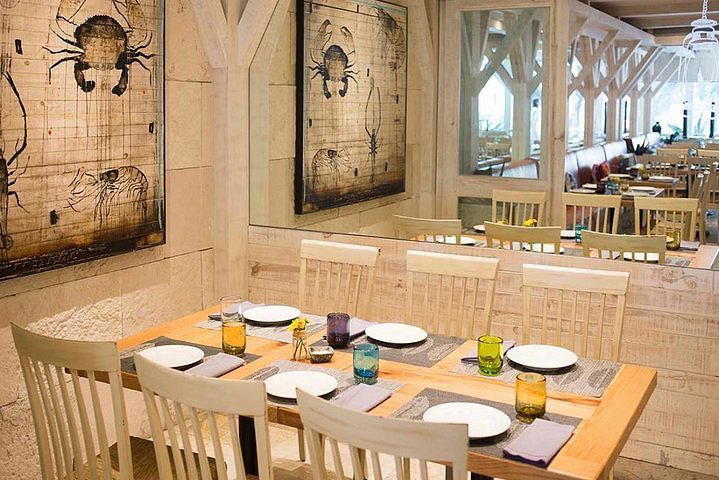
Bars in Mexico City
Browse all →



At a Glance
- Modern
- Trendy
- Elegant
- Family
- Group Dining
- Special Occasion
- Terrace
- Craft Cocktails
- Local Sourcing
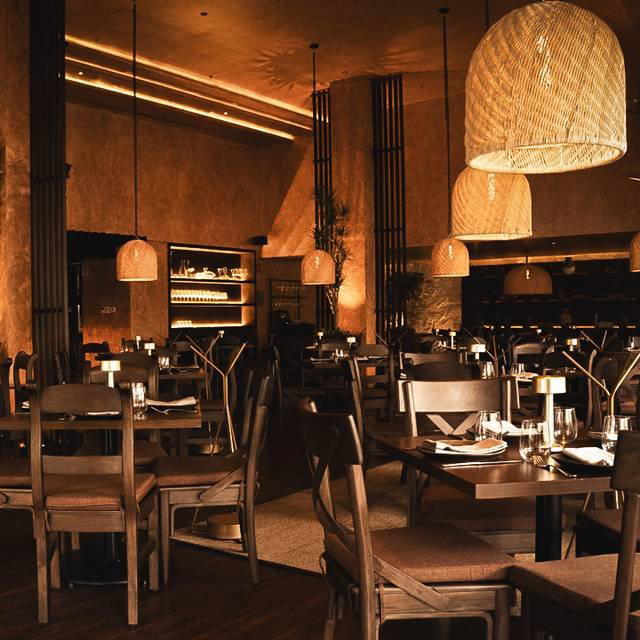
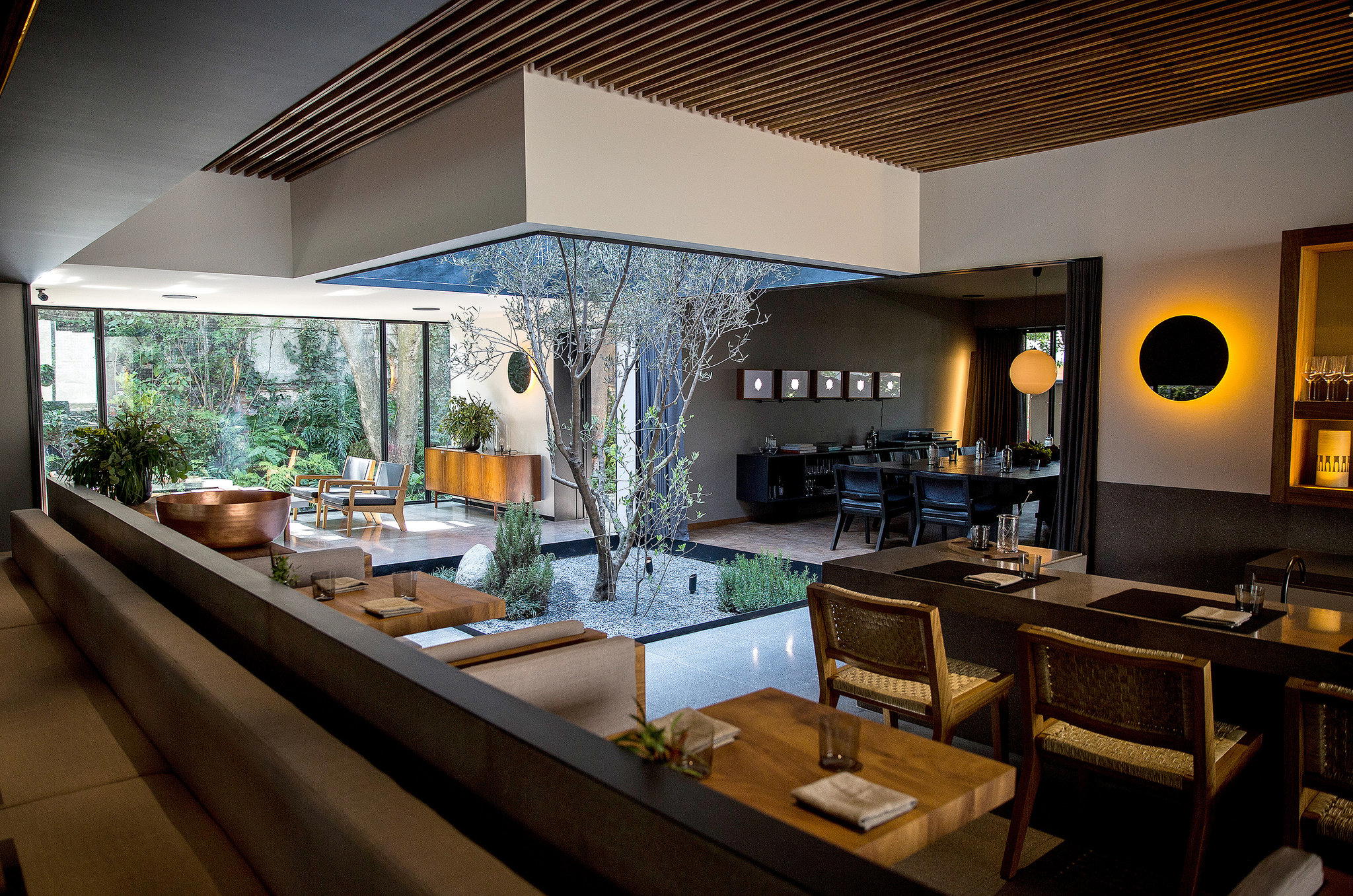
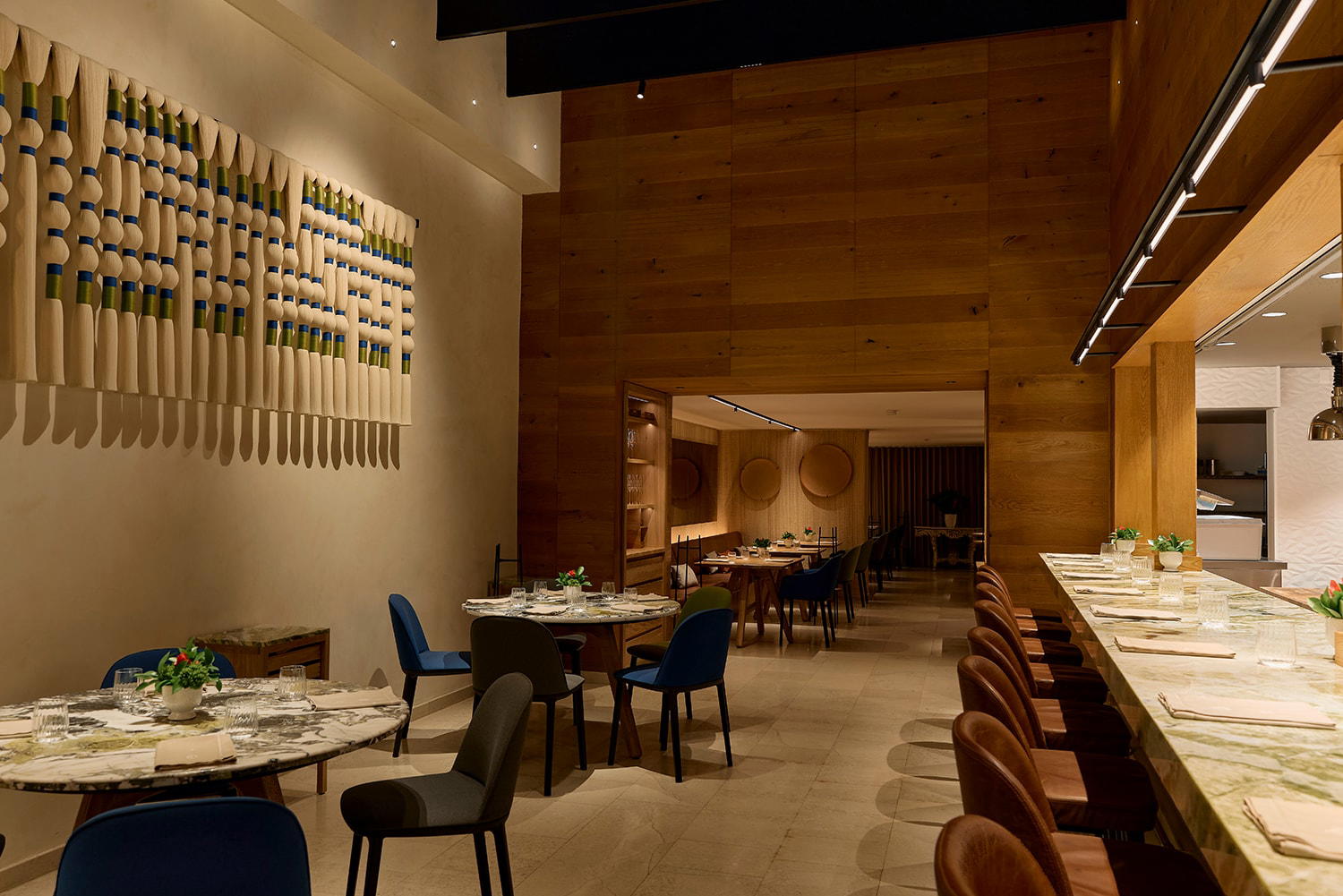
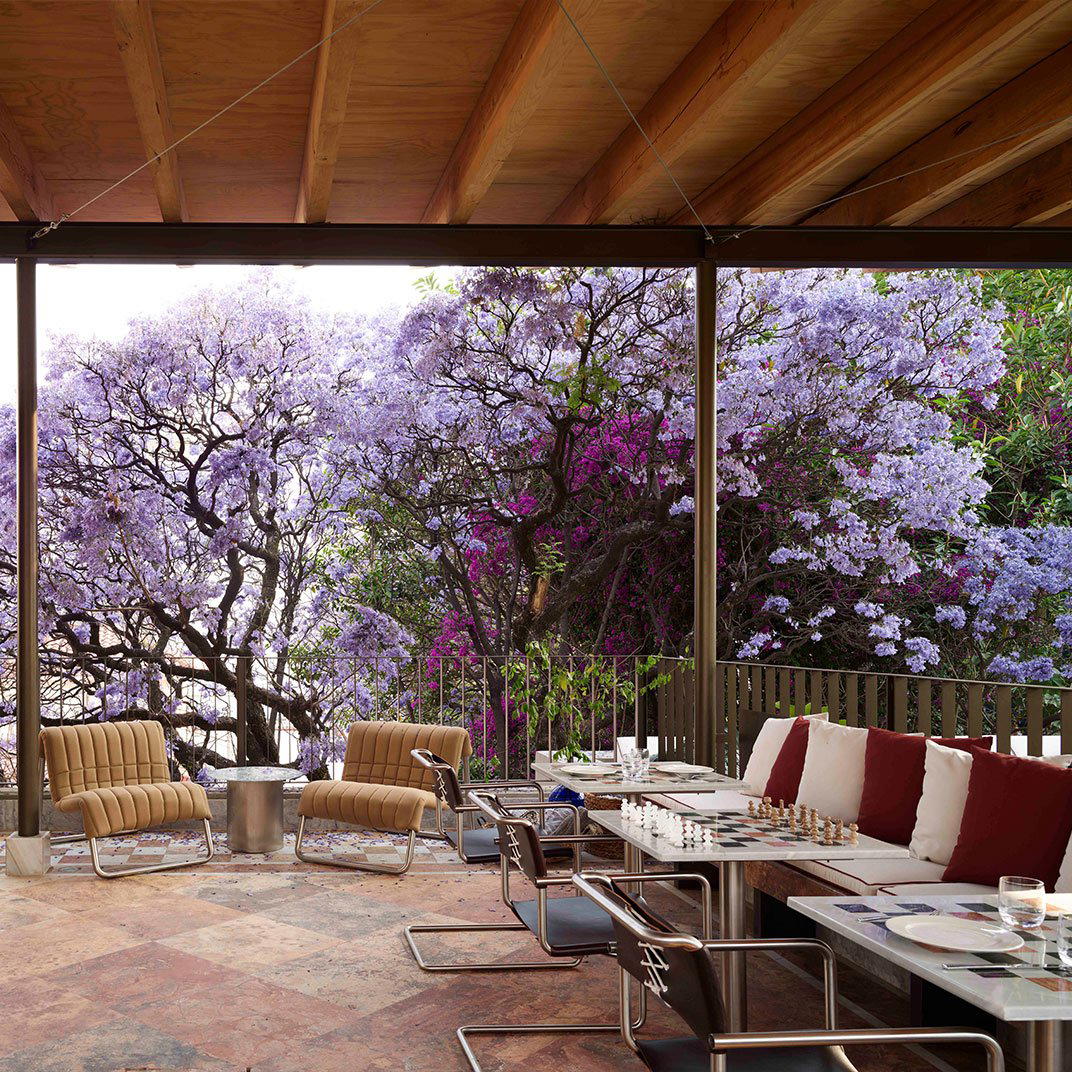
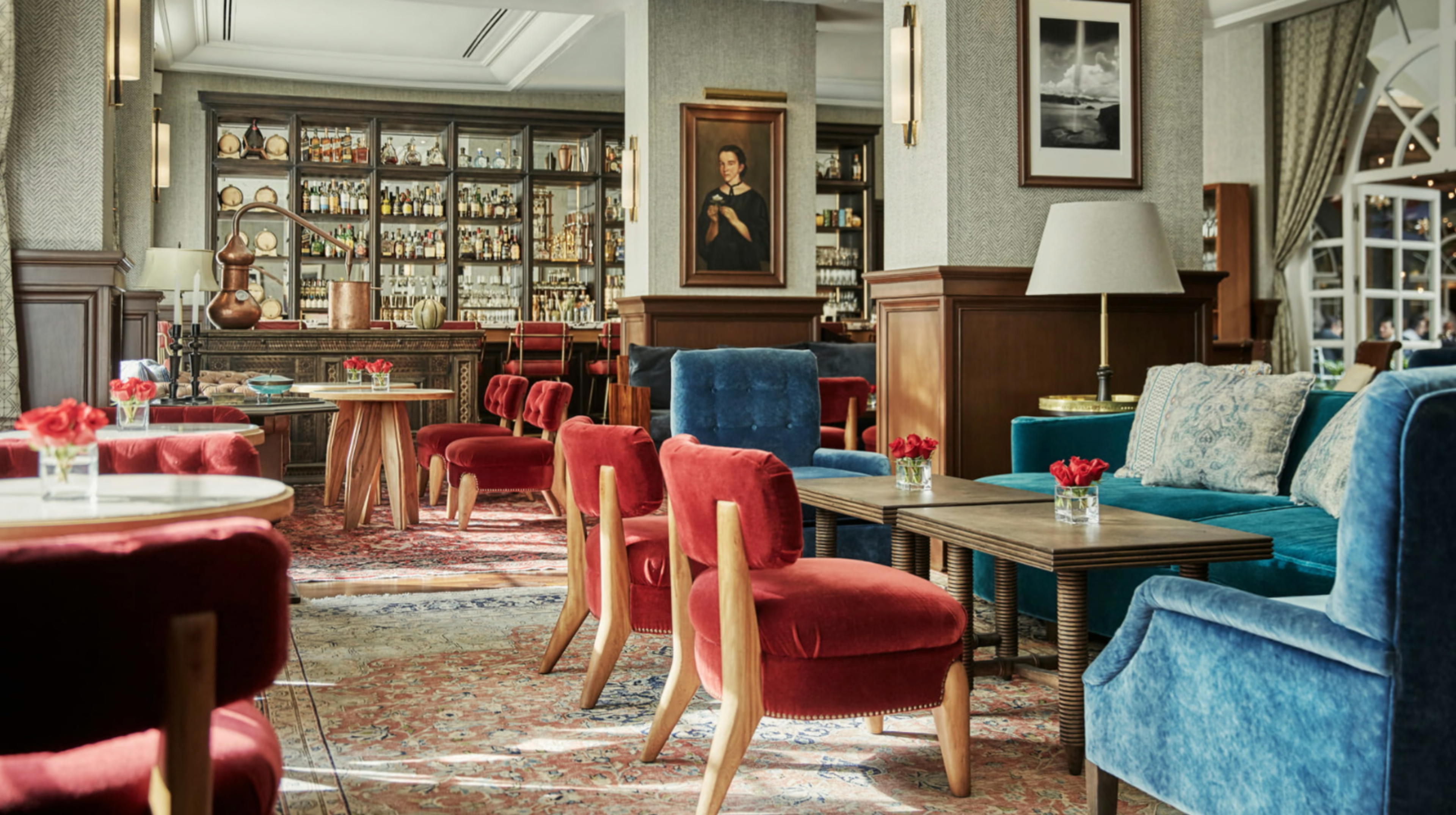
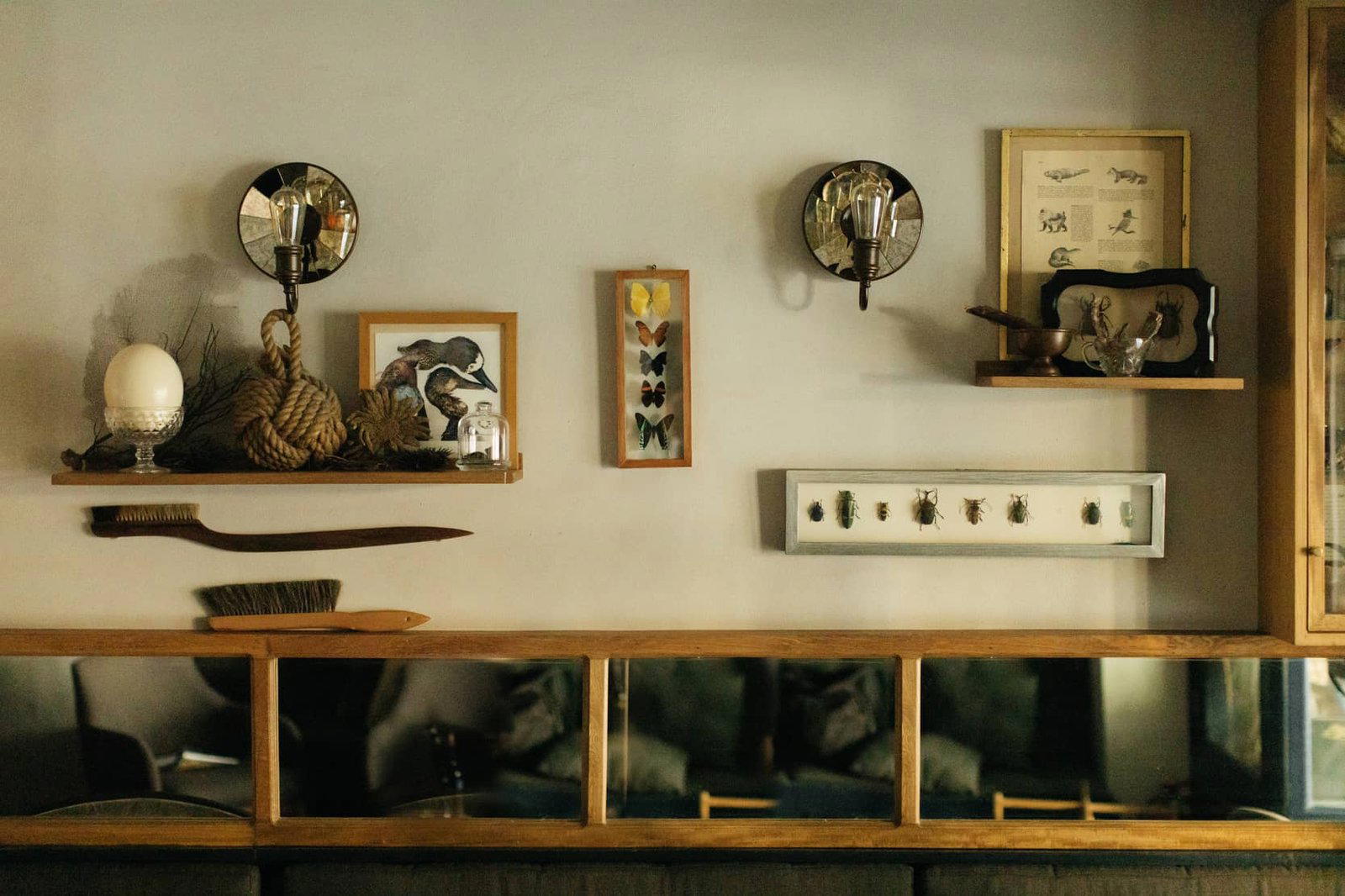
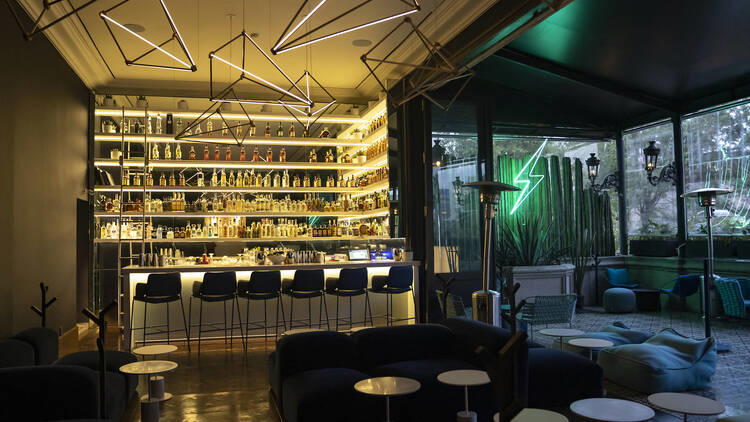
Modern and welcoming atmosphere with terrace seating and vertical garden patio options.