La Distral
Reform Corridor, Hotel Dining, and What Mexico City Expects Now Paseo de la Reforma cuts through central Mexico City with the kind of civic confidence that few urban avenues can sustain. The boulevard carries embassies, corporate towers, luxury...
 Discover on Pearl
Pearl is the En Primeur Club membership app — saves, bookings, and concierge access live there. Same editors, same standards.
- Address
- Fiesta Americana, Av. P.º de la Reforma, Juárez, Cuauhtémoc, 06600 Ciudad de México, CDMX, Mexico
- Phone
- +525551404100
- Website
- fiestamericana.com
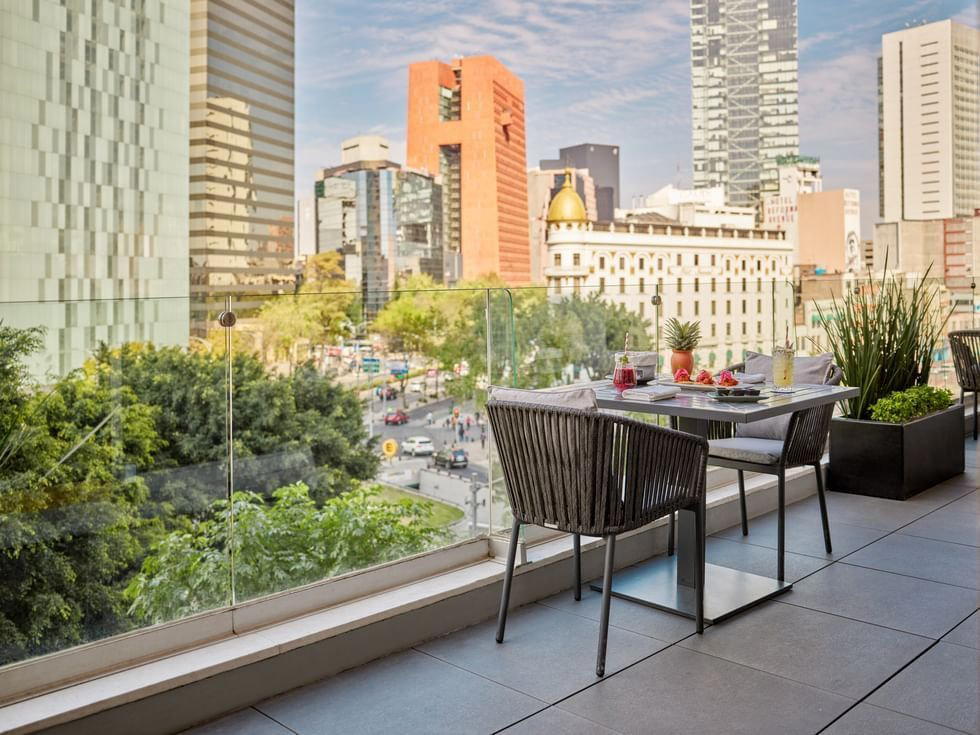
Reform Corridor, Hotel Dining, and What Mexico City Expects Now
Paseo de la Reforma cuts through central Mexico City with the kind of civic confidence that few urban avenues can sustain. The boulevard carries embassies, corporate towers, luxury hotels, and monuments in close succession, and the dining that runs alongside it has long been shaped by that institutional weight. Hotel restaurants on Reforma have historically served a hybrid function: business breakfast, power lunch, foreign visitor dinner. The better ones have spent the past decade recalibrating as Mexico City's independent dining scene raised expectations across every category. La Distral, operating within the Fiesta Americana property on Reforma in the Juárez-Cuauhtémoc corridor, sits inside that ongoing recalibration.
The Fiesta Americana address places La Distral in a specific segment of the city's hospitality map: mid-to-upper hotel dining on the Reforma strip, a tier that competes not just with peer hotel restaurants but increasingly with the independent tables that have made Mexico City a serious destination for international food media. Pujol and Quintonil, both operating nearby in Polanco, set a benchmark that hotel dining rooms cannot ignore. Em in Colonia Roma has demonstrated that a smaller, more focused Mexican menu can carry serious critical weight. The context matters because it defines the standard against which any serious table in this city is measured.
The Technique Question: What Global Training Produces in a Mexican Kitchen
Across Mexico City's contemporary dining tier, one tension appears repeatedly: the relationship between classical European or international culinary training and the depth of Mexico's own ingredient traditions. The restaurants that have resolved this tension most successfully, including Rosetta in Roma, treat imported technique as a tool rather than a framework, subordinating method to product. The less successful version produces menus where French-trained precision is applied to Mexican ingredients without genuine understanding of what those ingredients want to become.
La Distral's positioning on Reforma, within a hotel that serves an internationally mobile clientele, creates a specific editorial pressure: the kitchen must be legible to guests arriving from New York or Madrid while remaining grounded in the market networks and seasonal logic that make Mexican produce worth cooking with. That tension between accessibility and authenticity is not unique to this address. Le Chique in Puerto Morelos and HA' in Playa del Carmen both operate in internationally trafficked resort zones and have found distinct ways to answer the same question. In Mexico City, with the full weight of the country's ingredient diversity available through central and specialty markets, the expectation is higher.
Reforma's Dining Character and Where La Distral Sits in It
The Juárez-Cuauhtémoc stretch of Reforma runs between more residential dining neighbourhoods to the west and the financial district to the east. Colonia Juárez, immediately adjacent, has become one of the city's more interesting dining corridors in recent years, with a concentration of mid-priced, independently operated restaurants that have raised the neighbourhood's food reputation considerably. This matters for any hotel restaurant in the zone, because the local competition has sharpened. A guest stepping off Reforma now has credible alternatives within a short walk.
Hotel dining in this context works well when it offers something the independent neighbourhood cannot: consistent availability, a room that absorbs business and social dining with equal ease, and a kitchen capable of executing across service styles. The broader pattern across Mexico's hotel dining, visible at Pangea in San Pedro Garza García and KOLI Cocina de Origen in Monterrey, shows that the more successful hotel-adjacent tables anchor their identity in regional product specificity rather than generic international comfort menus. In Mexico City, with access to central highland produce, Oaxacan chiles, Veracruz seafood, and Michoacán fruit, the ingredient argument for a focused, sourcing-led menu is as strong as anywhere in the country.
For comparison, Levadura de Olla in Oaxaca and Alcalde in Guadalajara have each built credible identities around regional sourcing discipline. Animalón in Valle de Guadalupe and Olivea Farm to Table in Ensenada operate within direct proximity to their ingredient sources in a way capital-city restaurants cannot replicate, but the capital compensates with access to the country's full supply range. Lunario in El Porvenir and Huniik in Merida demonstrate how regional identity can anchor a dining room's narrative even in smaller markets. The parallel in Mexico City is the expectation that a serious kitchen here should be drawing on that national breadth.
What to Know About Mexico City's Premium Dining Tier
Mexico City's fine-dining tier has compressed at the leading end over the past five years. Tables at Pujol and Quintonil book weeks or months in advance, and the independent mid-tier has expanded enough that competition for the middle ground is real. Hotel dining rooms with a genuine kitchen program occupy a distinct niche: they can absorb walk-in business and corporate bookings that the tasting-menu-only independents cannot, while also serving as a more accessible entry point for visitors who want serious food without the advance planning of a Polanco reservation. Sud 777, operating in Pedregal, offers a useful reference point for what a committed Mexico City kitchen can achieve when sourcing is taken seriously at the creative level.
For international visitors calibrating against familiar reference points, the closest equivalents in approach would be restaurants like Le Bernardin or Atomix in New York, where technical precision and ingredient sourcing are the editorial core of the menu rather than accessories to it. The standard in Mexico City's serious tier is that high, even if the price points remain more accessible by comparison.
Know Before You Go
- Address: Fiesta Americana, Av. P.º de la Reforma, Juárez, Cuauhtémoc, 06600 Ciudad de México, CDMX, Mexico
- Neighbourhood: Juárez-Cuauhtémoc, on Paseo de la Reforma
- Hotel context: Located within the Fiesta Americana Reforma property
- Dress code: Smart casual is standard for Reforma hotel dining in this tier; business attire is common at lunch
Budget Reality Check
Comparable venues nearby, for context on price, style, and recognition.
| Venue | Cuisine | Price | Awards | Notes |
|---|---|---|---|---|
| La DistralThis venue — the venue you are viewing | $$$ | , | ||
| LaMari | Lomas Virreyes, Modern Baja Mexican | $$$ | , | |
| Rocasal | $$$ | , | Pedregal de San Jeronimo, Contemporary International with Mexican Influences | |
| Alfil Restaurante | Condesa, Mexican-Middle Eastern Fusion | $$$ | , | |
| Apego, balcón del sur | $$$ | , | Sociedad Cooperativa Poder Popular, Casual Mexican with terrace | |
| Huset | Roma Norte, Wood-Fired Mexican Grill | $$$ | 1 recognition |
Continue exploring
More in Mexico City
Restaurants in Mexico City
Browse all →
Bars in Mexico City
Browse all →

At a Glance
- Casual
- Intimate
- Sophisticated
- Date Night
- Business Dinner
- Late Night
- Hotel Restaurant
- Open Kitchen
- Craft Cocktails
- Local Sourcing
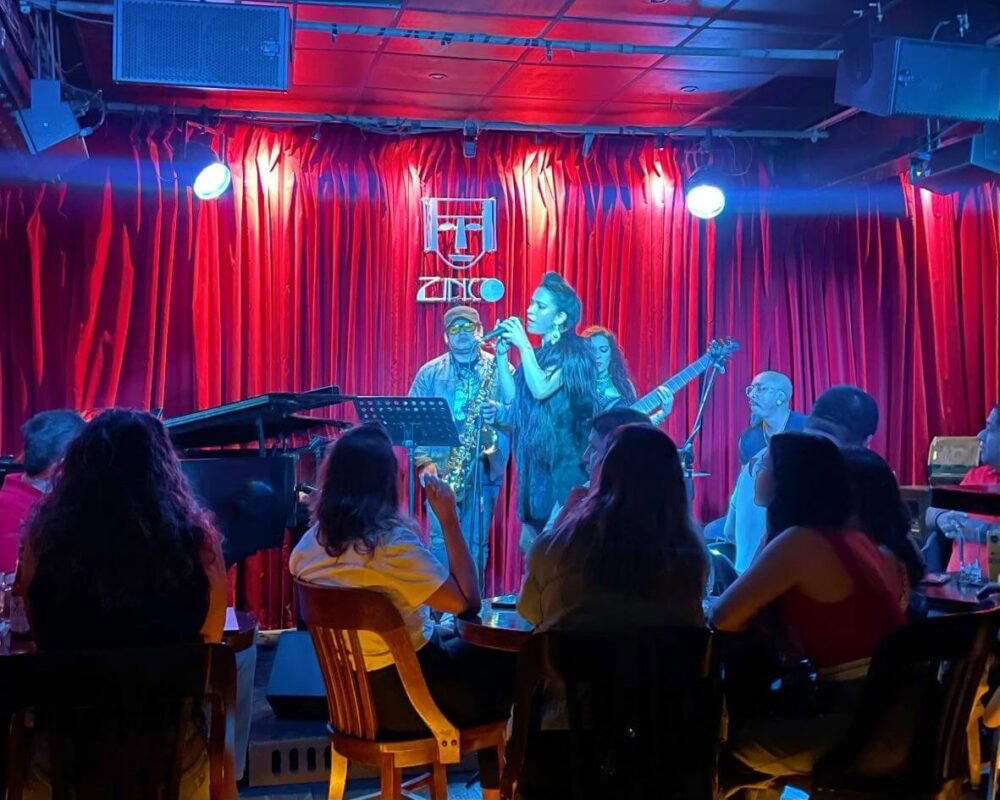
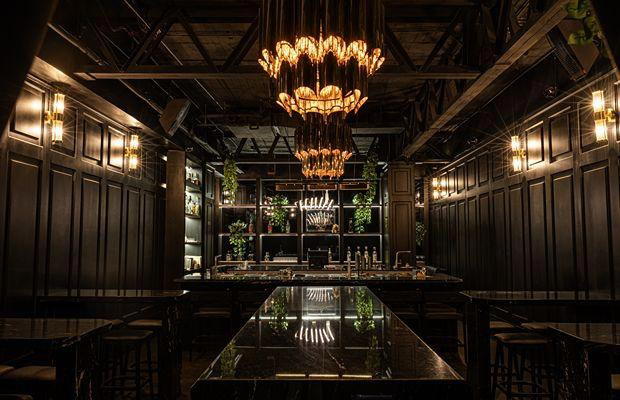
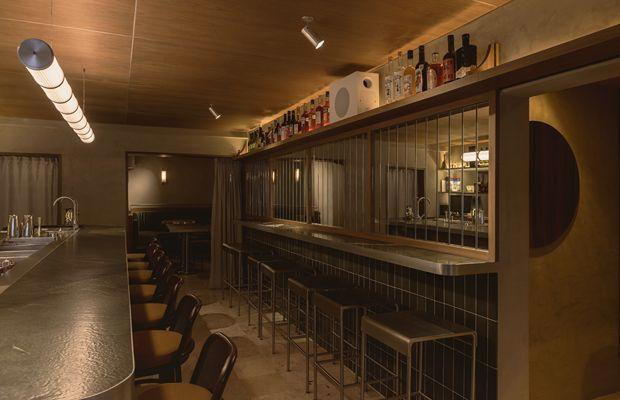
Casual and intimate ambiance with distinguished style, designed for unforgettable dining moments.