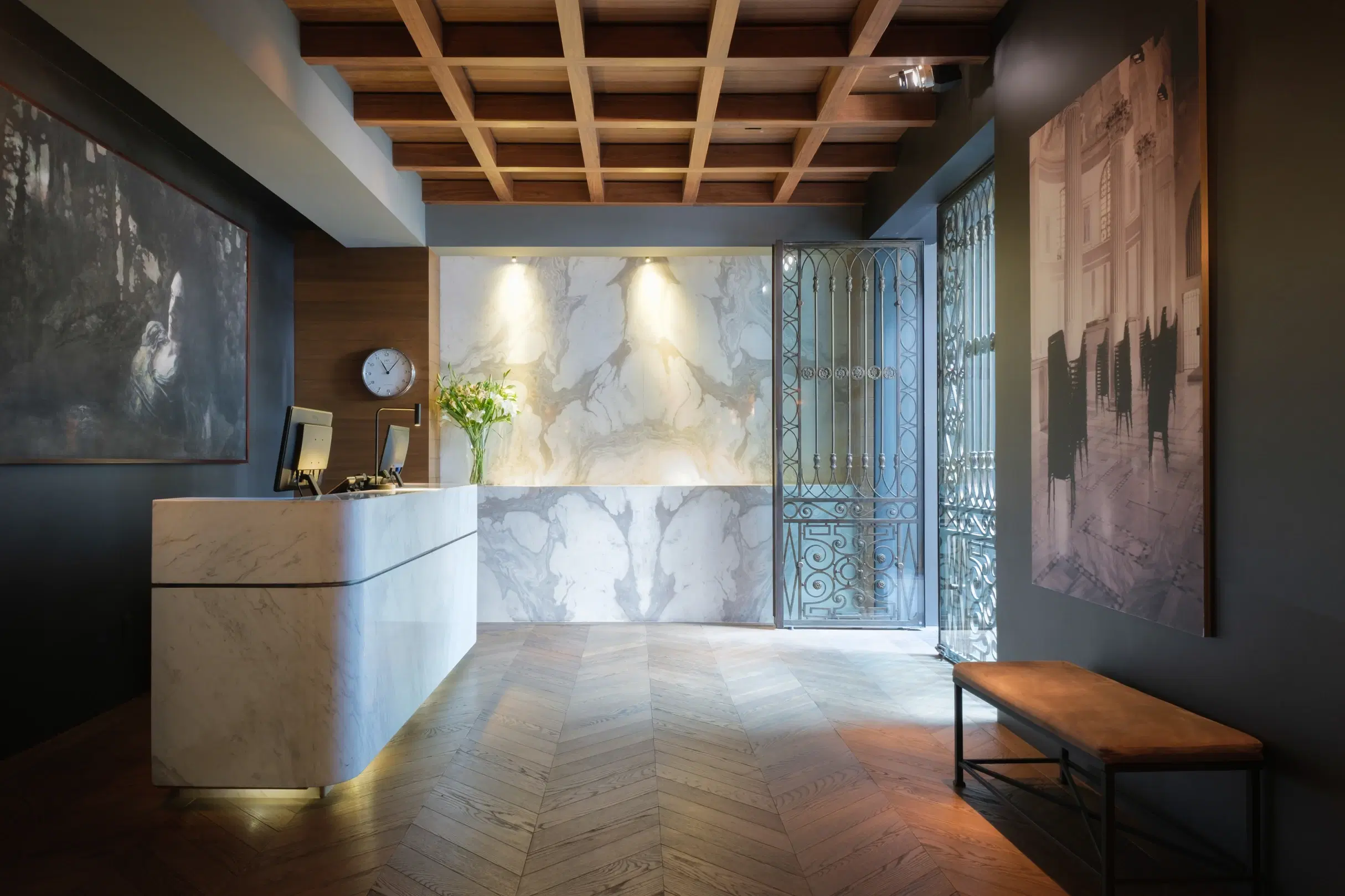
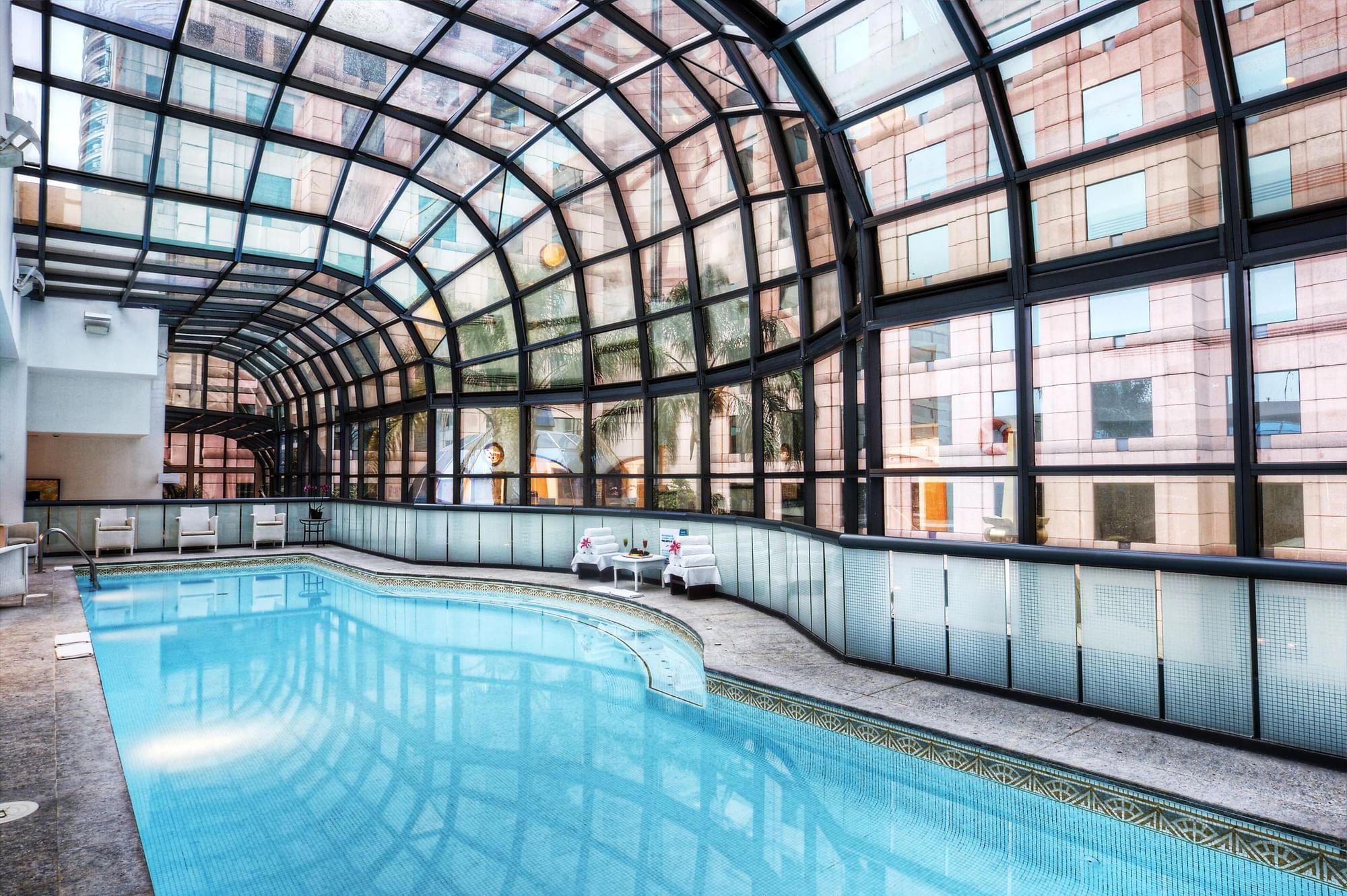
Colonia Meadery
Our verdict
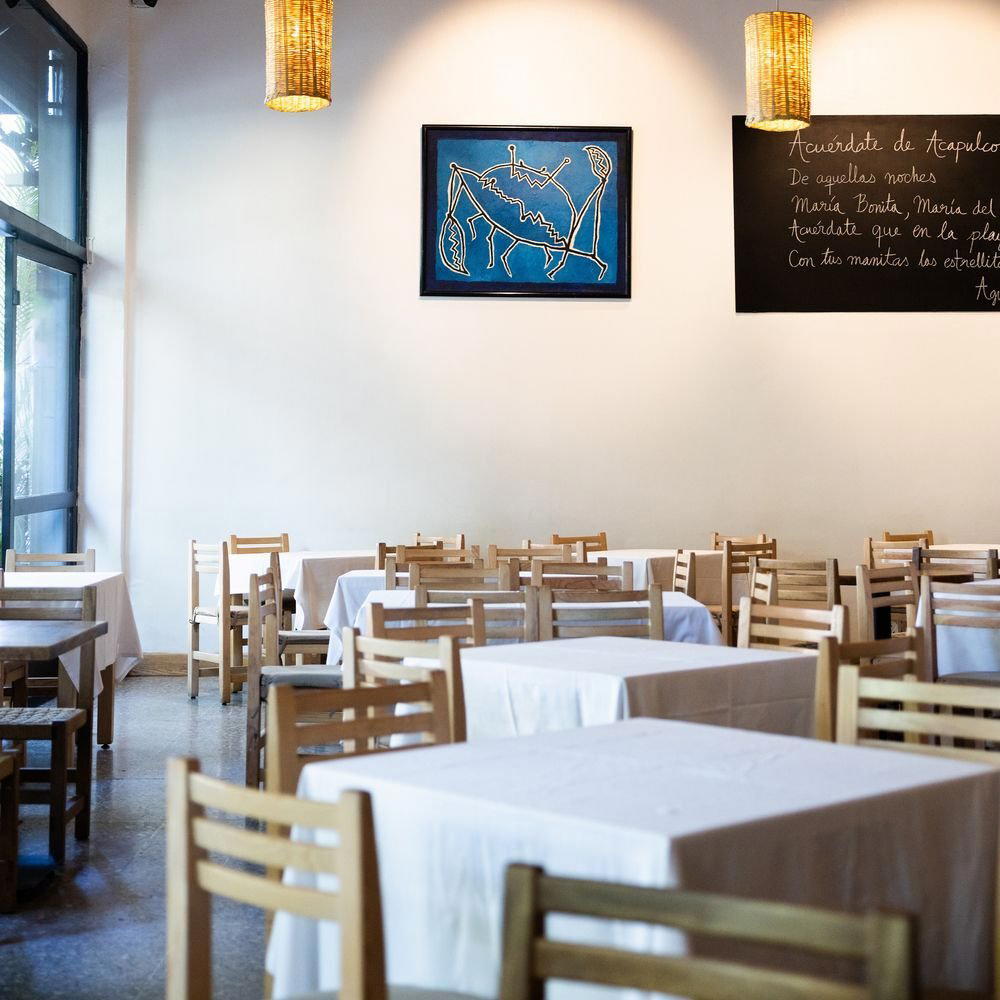
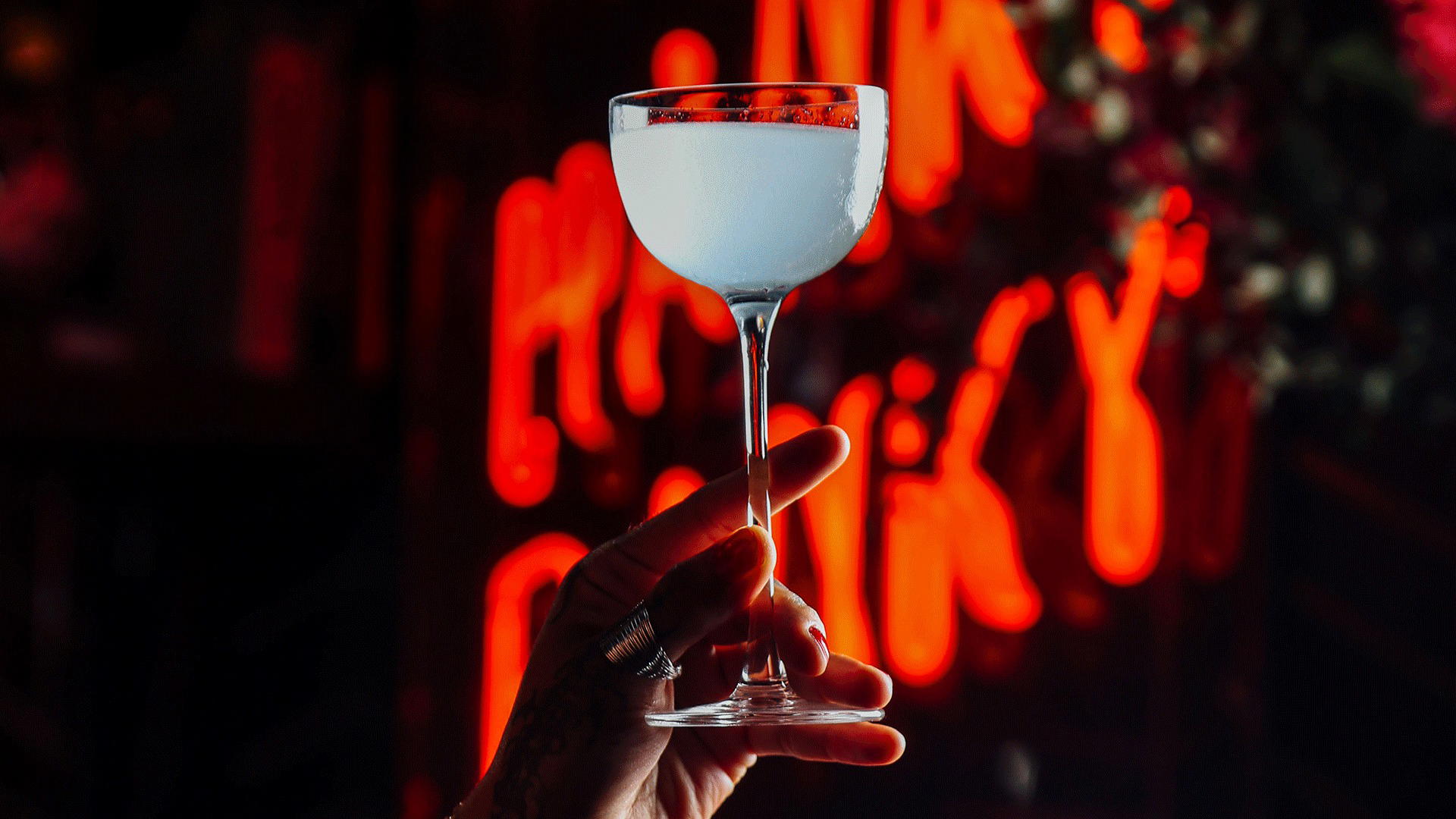
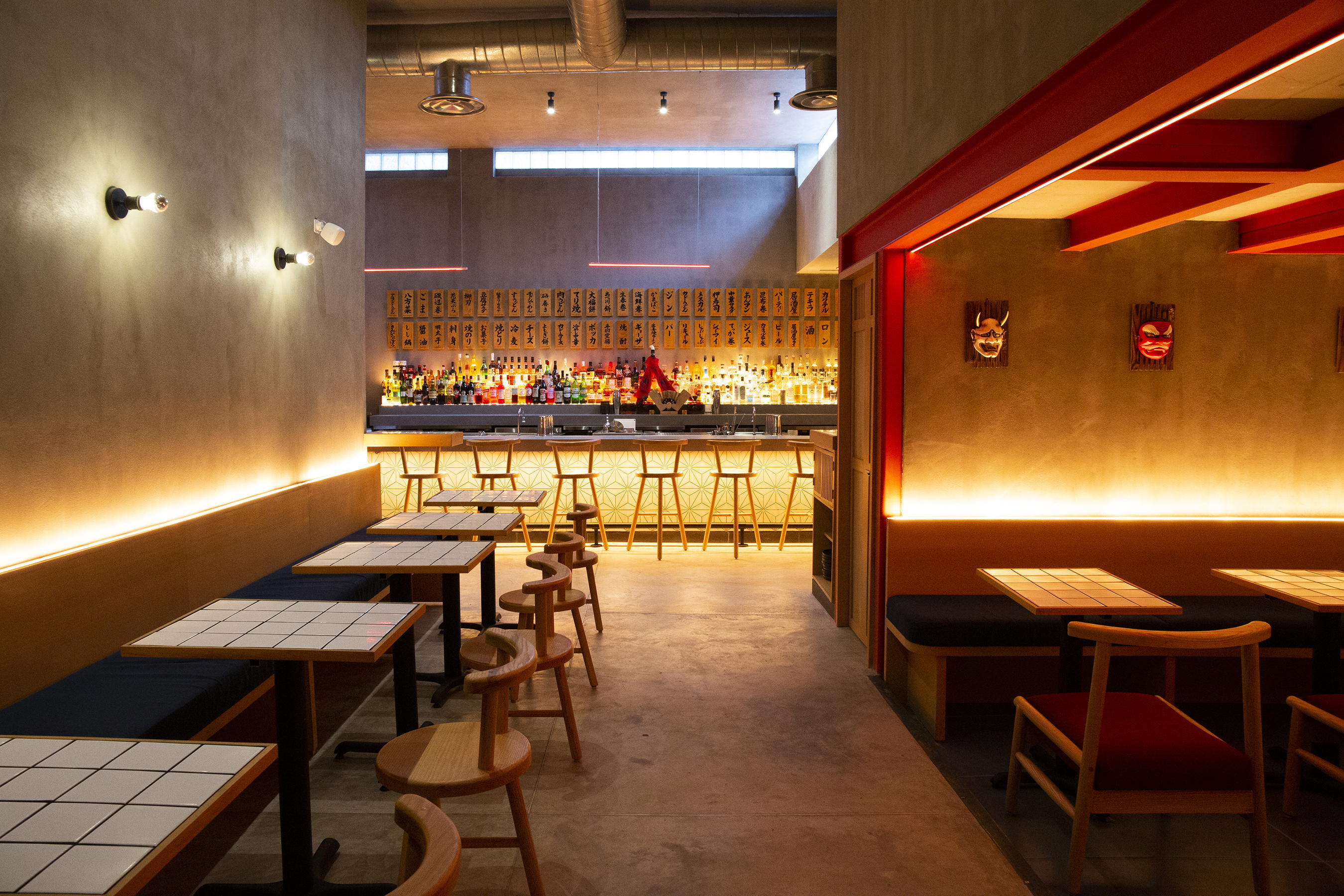
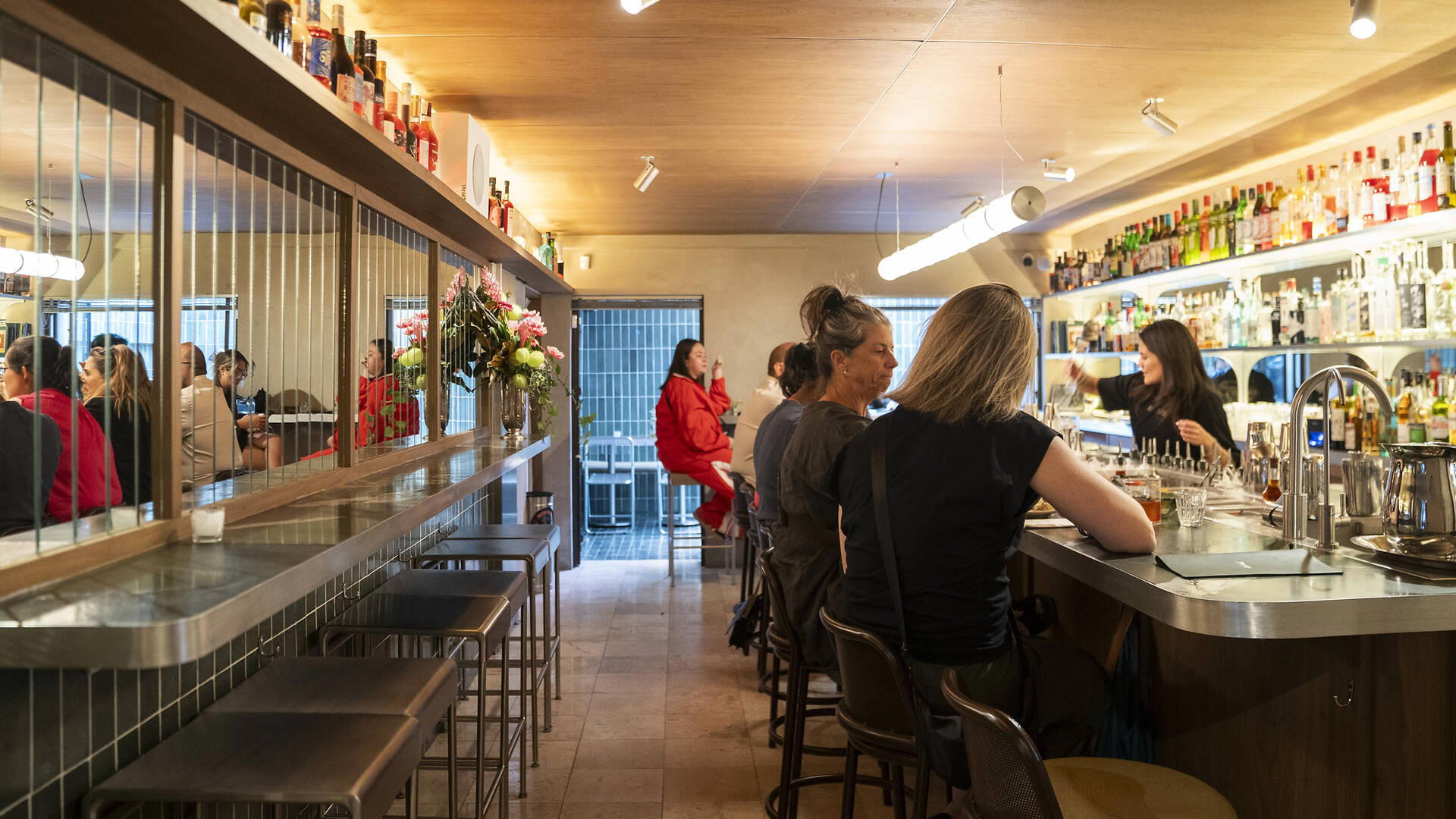
Colonia Meadery serves modern Mexican fusion with mead and natural wine in a casual, conversational setting for dinner and late night.

Pearl is the En Primeur Club membership app, where members save venues, book tables and use the concierge.

The menu
What to order
- Papas Bravas
- Pork Belly Tacos
- Brie with Filo Pastry
Mead in Mexico City: A Category Finds Its Footing in Colonia Juárez
Calle General Prim runs through one of Mexico City’s most compositionally layered neighbourhoods, where 1920s residential architecture sits beside late-night mezcal bars and the occasional gallery front. The stretch between Insurgentes and Reforma has, over the past decade, accumulated a particular density of venues that occupy the specialist tier rather than the mass-market one. Colonia Meadery lands in that context with a premise that remains genuinely rare in the Mexican capital: fermented honey drinks as the organising principle of a drinks program, positioned not as novelty but as serious production.
Mead occupies an unusual position in the global fermented-drinks conversation. It predates wine as a documented beverage, yet it sits at the far edge of most contemporary bar programs. In Mexico, where fermentation culture runs through pulque, tepache, kombucha, and an expanding natural-wine scene, mead has a logical home, honey is abundantly produced across Oaxaca, Yucatán, and Jalisco, and the country’s tolerance for complex, slightly funky ferments gives mead a receptive audience. What Colonia Meadery represents is an attempt to formalise that connection in an urban setting, turning a fermented-honey tradition into a venue-scale operation in one of the city’s most culinarily active corridors.
How the Program Holds Together
The editorial angle that matters most at a specialist drinks venue is not what’s on the glass but how the full team makes the program legible to someone who has never ordered mead before. This is where collaboration between production knowledge, floor expertise, and the food pairing side of the operation determines whether a niche concept sustains or stalls. At venues built around less-familiar categories, think natural wine bars that opened in Mexico City’s Roma Norte in the early 2010s, or the first serious mezcal-forward bars that had to educate a clientele accustomed to mixing the spirit, the front-of-house carries an interpretive burden that mainstream restaurants do not.
A meadery format places that burden squarely on whoever is guiding the guest through the flight or the pairing. Mead varies considerably depending on the honey source, the fermentation length, the fruit or botanical additions, and the residual sugar level. A still, dry mead made from Yucatán jungle honey reads nothing like a sparkling cyser built on apple must, and neither resembles a melomel heavy with tropical fruit. The person across the bar needs to translate those differences without defaulting to wine analogies, which usually mislead. That translation work, done well, is what separates a mead bar that functions as a curiosity from one that functions as a destination.
The Juárez neighbourhood location supports the format. The area has become a reliable address for beverage-forward concepts, venues where the drink is the main event and food, if present, plays a pairing role rather than a headlining one. That positioning aligns Colonia Meadery with a tier of Mexico City venues that prioritises depth over breadth: fewer categories, more expertise per category.
Mexico City’s Fermentation Scene and Where Mead Fits
Context matters here. Mexico City’s drinking culture has expanded rapidly since roughly 2015, absorbing natural wine, craft beer, artisanal spirits, and a revitalised interest in pre-Hispanic ferments. Venues like Pujol and Quintonil helped anchor the city’s reputation for serious, ingredient-led hospitality at the fine-dining end, while a parallel track of more casual, beverage-forward spaces developed in Roma, Condesa, and Juárez. Em occupy different price points and cuisine frames but share a commitment to program integrity that the neighbourhood rewards.
Mead arrives into this scene with the advantage of genuine novelty and the disadvantage of low baseline awareness. The category has expanded in the United States and parts of Europe, but in Mexico it remains at an early commercial stage. That early-stage positioning cuts both ways: it means Colonia Meadery operates without the direct competition that a craft cocktail bar or natural wine venue would face, but it also means the educational lift is higher. For the team, every service is partly a category introduction.
Across Mexico, fermentation expertise is increasingly centred in regions with strong honey production traditions. Levadura de Olla in Oaxaca represents the kind of ferment-literate hospitality that has grown in that state, while Animálón in Valle de Guadalupe and Lunario in El Porvenir show how Baja California’s wine and agricultural identity translates into hospitality concepts. Mead has a logical connection to all of those regional identities, and a city-based meadery that sources honey from those production zones can function as an urban access point to something genuinely rooted in Mexican terroir.
The Juárez Address: Logistics and Positioning
Calle General Prim 66 sits within walking distance of the Reforma corridor and is well-served by metro connections to the broader city. The Juárez neighbourhood, formally part of the Cuauhtémoc borough, runs cooler and quieter than Condesa during peak weekend evenings, which suits a venue where conversation and tasting concentration matter. It’s an area that rewards returning: the concentration of specialist food and beverage venues means a visit to Colonia Meadery can anchor a broader evening itinerary without significant transit overhead.
For travellers already planning a Mexico City dining sequence around venues like Sud 777 or working through the fuller picture at our Mexico City restaurants guide, a meadery stop fits most naturally as a pre- or post-dinner drink destination rather than a standalone evening anchor, though that depends on whether the food program at the venue warrants a longer stay.
Compared to the established Mexican restaurant scene, where Alcalde in Guadalajara, KOLI in Monterrey, and Pangea in San Pedro Garza García all operate within well-defined regional fine-dining frameworks, a specialist urban meadery in Mexico City is navigating less charted territory. That is, in practical terms, both the risk and the interest of the concept.
Planning Your Visit
| Venue | Category | Price Range | Booking Method | Leading For |
|---|---|---|---|---|
| Colonia Meadery | Meadery / Drinks Specialist | Data not confirmed | Data not confirmed | Fermented honey flights, niche category exploration |
| Pujol | Mexican Fine Dining | $$$$ | Online reservation | Tasting menu, full-evening experience |
| Quintonil | Modern Mexican | $$$$ | Online reservation | Contemporary Mexican ingredient focus |
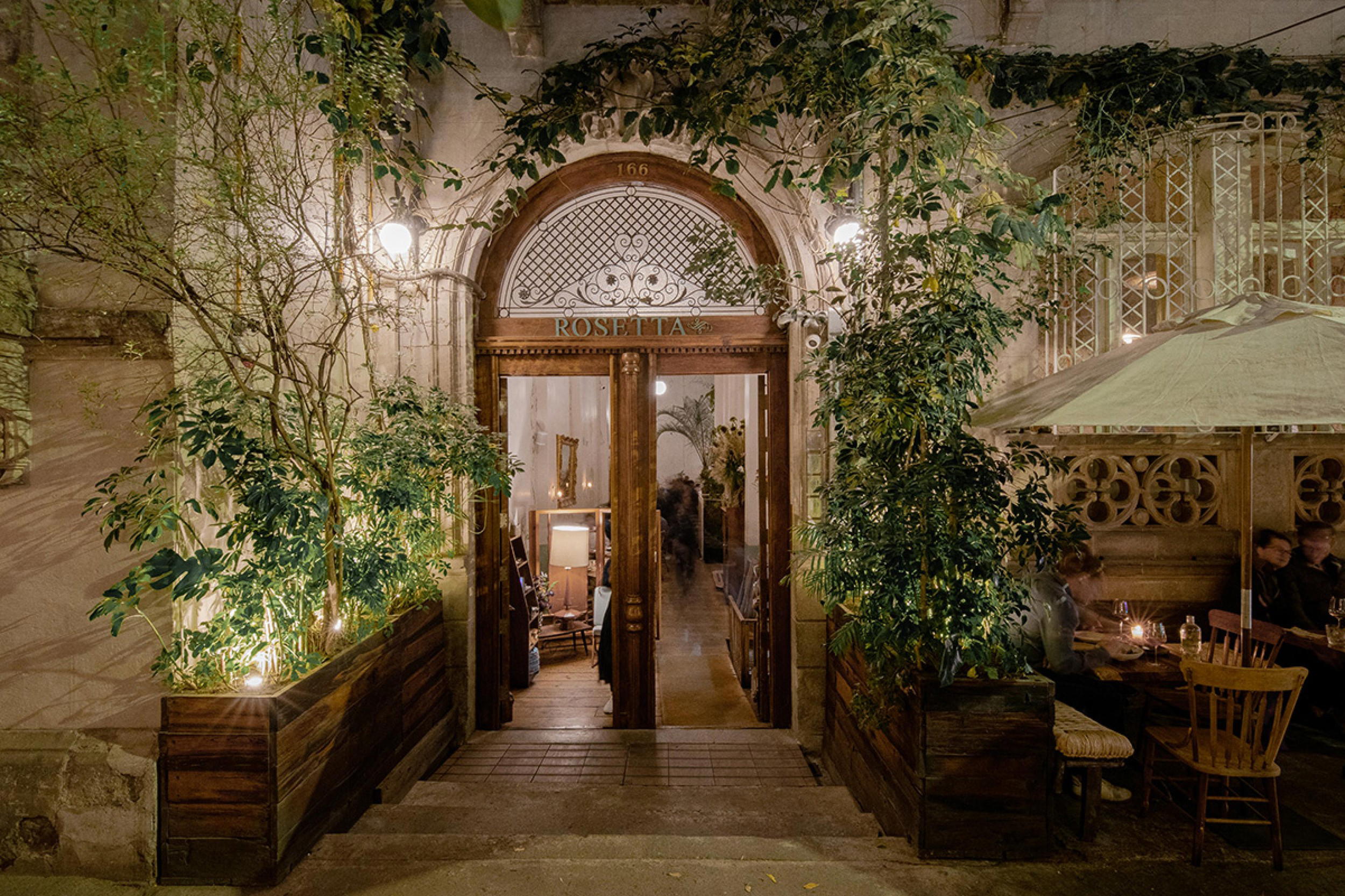
| Rosetta | Italian, Creative | $$ | Walk-in / reservation | Mid-range, neighbourhood dining |
| Em | Mexican | $$$ | Reservation recommended | Seasonal Mexican, mid-high price point |
Frequently asked questions
Where exactly is Colonia Meadery?
Colonia Meadery is located at Calle Gral. Prim 66, Juárez, Cuauhtémoc, 06600 Ciudad de México, CDMX, Mexico, Mexico City.
Is Colonia Meadery one of the only dedicated meaderies in Mexico City?
Dedicated urban meaderies are extremely rare across Latin America, and Mexico City's drinking scene, despite absorbing natural wine, craft beer, and artisanal spirits over the past decade, has not historically included mead as a venue category. Colonia Meadery in Juárez, CDMX, holds a genuinely unusual position in that context: a specialist address built around a fermentation tradition that almost no other Mexico City venue has chosen to anchor a full program around.
What's the best thing to order at Colonia Meadery?
The program itself is the point: mead, in a city where the category has almost no dedicated representation. Ask the staff to walk you through whatever is currently pouring, at a specialist venue of this format on Calle General Prim in Juárez, the best approach is to let the house lead rather than arriving with a fixed order in mind.
What's the best way to book Colonia Meadery?
Given its location in Juárez, a neighbourhood where walk-in culture coexists with tighter-capacity specialist venues, showing up directly at Calle General Prim 66 is a reasonable first move, though contacting them via social channels before a visit is worth attempting.
What's the defining dish or idea at Colonia Meadery?
The defining idea is the category: mead as a serious, production-led drinks format in Mexico City, where fermentation culture has expanded substantially since 2015 but mead has remained almost entirely absent as a venue concept. Colonia Meadery at Calle General Prim 66 is one of the very few addresses in Latin America where honey-based fermentation is the entire premise, not a footnote on a broader drinks list.
Side-by-Side Snapshot
Comparable venues nearby, for context on price, style, and recognition.
| Venue | Cuisine | Price | Awards | Notes |
|---|---|---|---|---|
| Colonia MeaderyThis venue (the venue you are viewing) | Modern Mexican Fusion with Mead | $20–30 | Not listed | Not listed |
| Asaderos Grill Plaza Carso | Mexican Steakhouse Grill | $20–30 | Not listed | Ampl Granada |
| Tahona Mezcal Room | Mezcal Tasting Room with Modern Mexican | Not listed | Not listed | Polanco Chapultepec |
| Xuna | Contemporary Mexican | Not listed | Michelin Plate | Roma Norte |
| LORENZO | Contemporary Mexican | $50–100 | Not listed | Hipodromo de la Condesa |
| La Imperial - Carso | Traditional Mexican Cantina | $20–30 | Not listed | Ampl Granada |