.png)
Puerto Bravo has earned back-to-back Michelin Bib Gourmand recognition in 2024 and 2025, placing it among Toronto's most consistent value-driven dining destinations. Sitting on Gerrard Street East, the restaurant brings focused Mexican cooking to a neighbourhood better known for South Asian grocers than taco counters, and delivers at a price point that makes the Michelin nod all the more pointed.
Pearl is the En Primeur Club membership app — saves, bookings, and concierge access live there. Same editors, same standards.
- Address
- 1425 Gerrard St E, Toronto, ON M4L 1Z7, Canada
- Phone
- +1 416-551-3700
- Website
- puertobravo.ca
 Saves & bookings on Pearl
Gerrard East and the Case for Eating Further from the Centre
Toronto's Mexican restaurant conversation has historically defaulted to a handful of addresses in Kensington Market or along Dundas West, where Campechano and Quetzal have shaped the category's upper register for years. Puerto Bravo operates outside that gravitational pull, sitting at 1425 Gerrard Street East in the stretch of Leslieville that bleeds into Little India, where the retail mix runs to South Asian sweet shops and bulk grocery suppliers rather than the food-media circuit. That displacement is not incidental. Restaurants that choose lower-rent corridors tend to build different cost structures, and those cost structures tend to flow through to the plate.
The surrounding streetscape at this end of Gerrard is unglamorous in the way that often correlates with honest cooking: functional, neighbourhood-serving, indifferent to trends. Approaching from the west on a weekday evening, the block reads as residential and workaday, which makes the warm light spilling from Puerto Bravo's frontage a deliberate signal rather than ambient noise. The room is compact, and the energy inside functions as its own kind of atmosphere, not manufactured, but the product of limited seats and a kitchen working at close range to a dining room that can feel it.
Two Bib Gourmands and What They Actually Mean Here
Puerto Bravo, a Mexican seafood restaurant in Toronto, has earned Michelin Bib Gourmand recognition in 2024 and 2025. It is Michelin's formal acknowledgement of quality-to-value ratio, identifying restaurants where inspectors believe the cooking clears their threshold for serious food without the price point that typically accompanies it. In Toronto's current dining market, where covers at Alo, Sushi Masaki Saito, and Aburi Hana occupy the $$$$ tier and typically require planning weeks or months in advance, a double-recognised Bib Gourmand at the $$ price point is a different kind of argument altogether.
The consecutive recognition matters beyond the headline. A single Bib Gourmand can reflect a strong year or a lucky visit. Two in sequence suggest a kitchen operating with deliberate consistency, not episodic ambition. That kind of repeatability is harder to maintain than most diners appreciate, particularly in a medium-sized independent with a focused menu and modest margins. Chef Lele Usai sits behind that consistency, though the awards reflect the restaurant's output rather than an individual career narrative. The question the double Bib raises is what the kitchen is doing well enough to earn it twice running.
Mexican Cooking in a City That Has Learned to Ask More of It
Toronto's relationship with Mexican food has matured considerably over the past decade. Earlier in that evolution, the focus was largely on accessibility, bringing regional Mexican flavours into a market dominated by Tex-Mex or fast-casual interpretations. The current phase is more demanding: it asks not just for regional specificity but for sourcing accountability, for cooking that can be placed on a map and traced to particular producers and traditions. Across North America, that shift has produced a cohort of Mexican restaurants, from Pujol in Mexico City at the fine-dining end to Alma Fonda Fina in Denver at the neighbourhood register, that treat sourcing as part of the cooking's identity rather than a marketing appendage.
Puerto Bravo's $$ positioning places it squarely in the neighbourhood register. At that price tier, the sourcing conversation tends to be quieter than at flagship Mexican addresses, but the logic of it is not absent. Cooking that achieves Michelin-level recognition at mid-range prices is almost always built on restraint in waste and specificity in ingredient selection, not because of a stated philosophy but because the economics of that tier require it. Menus that work at $$ cannot afford the margin-destroying procurement errors that larger-ticket restaurants absorb more easily. The kitchen's discipline in this regard is structural as much as ethical.
Where Puerto Bravo Sits in Toronto's Wider Food Context
Across the broader Canadian dining conversation, the restaurants drawing the most sustained critical attention are often those using local and seasonal logic to frame otherwise regional or international cuisines. Tanière³ in Québec City anchors Nordic-influenced fine dining to Laurentian provenance. AnnaLena in Vancouver and Jérôme Ferrer's Europea in Montreal each build a sense of place into menus that could otherwise read as generic contemporary. Narval in Rimouski, The Pine in Creemore, and Restaurant Pearl Morissette in Lincoln are doing something similar in smaller markets, all working within the premise that provenance, when specific enough, becomes flavour.
Puerto Bravo is not making that argument explicitly, but it operates in an environment shaped by it. A Mexican kitchen in Toronto in 2025 is working within a city that has, through restaurants like Quetzal, absorbed the idea that Mexican ingredients are as worth tracing to source as Ontario produce. The Bib Gourmand's implicit testimony is that the kitchen at Puerto Bravo is meeting a serious standard within its chosen register, not approximating it.
Planning a Visit: Logistics on Gerrard East
Puerto Bravo's address at 1425 Gerrard Street East puts it beyond walking distance from most downtown Toronto hotels, making it a destination rather than a spontaneous stop. The 506 Carlton streetcar runs along Gerrard and connects directly to the subway network, making the journey from the downtown core manageable without a car. The $$ price point means that a full dinner here, including drinks, typically clears at a fraction of what a comparable evening at the city's Michelin-starred tier would cost. Puerto Bravo represents a value-driven option in Toronto's Mexican category.
Recognition Snapshot
Comparable venues nearby, for context on price, style, and recognition.
| Venue | Cuisine | Price | Awards | Notes |
|---|---|---|---|---|
| Puerto BravoThis venue — the venue you are viewing | Mexican Seafood | $$ | Bib Gourmand | |
| Conejo Negro | Caribbean-Creole-Latin Fusion | $$ | Bib Gourmand | Palmerston-Little Italy |
| Famiglia Baldassarre | Traditional Fresh Handmade Italian Pasta | $$ | Michelin Plate | Davenport |
| Wilbur Mexicana | Mexican Street Food | $$ | , | Fashion District |
| White Lily Diner | Elevated American Diner | $$ | Bib Gourmand | South Riverdale |
| Fonda Lola | Modern Mexican Cantina | $$ | , | Trinity Bellwoods |
Continue exploring
More in Toronto
Restaurants in Toronto
Browse all →
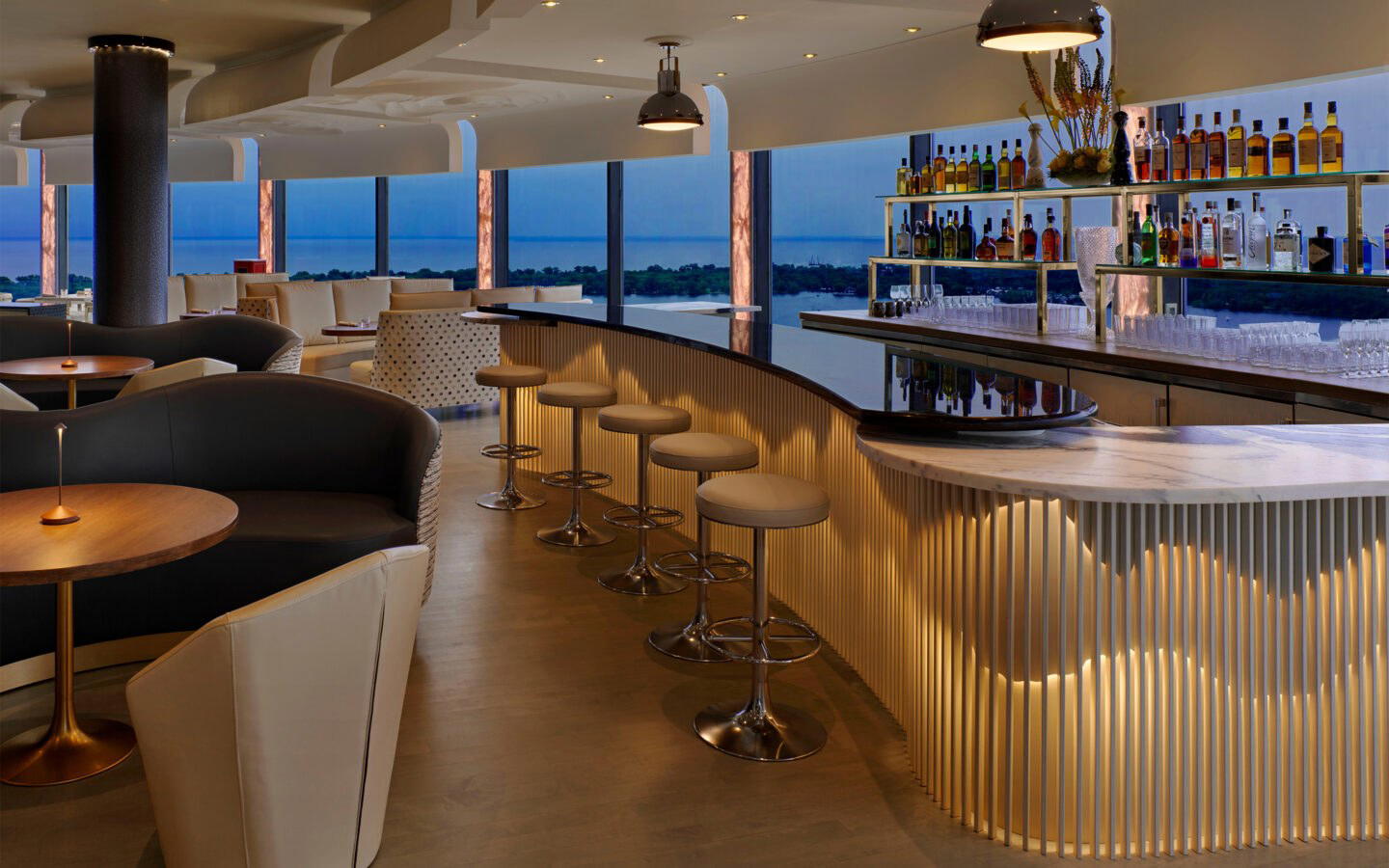
Bars in Toronto
Browse all →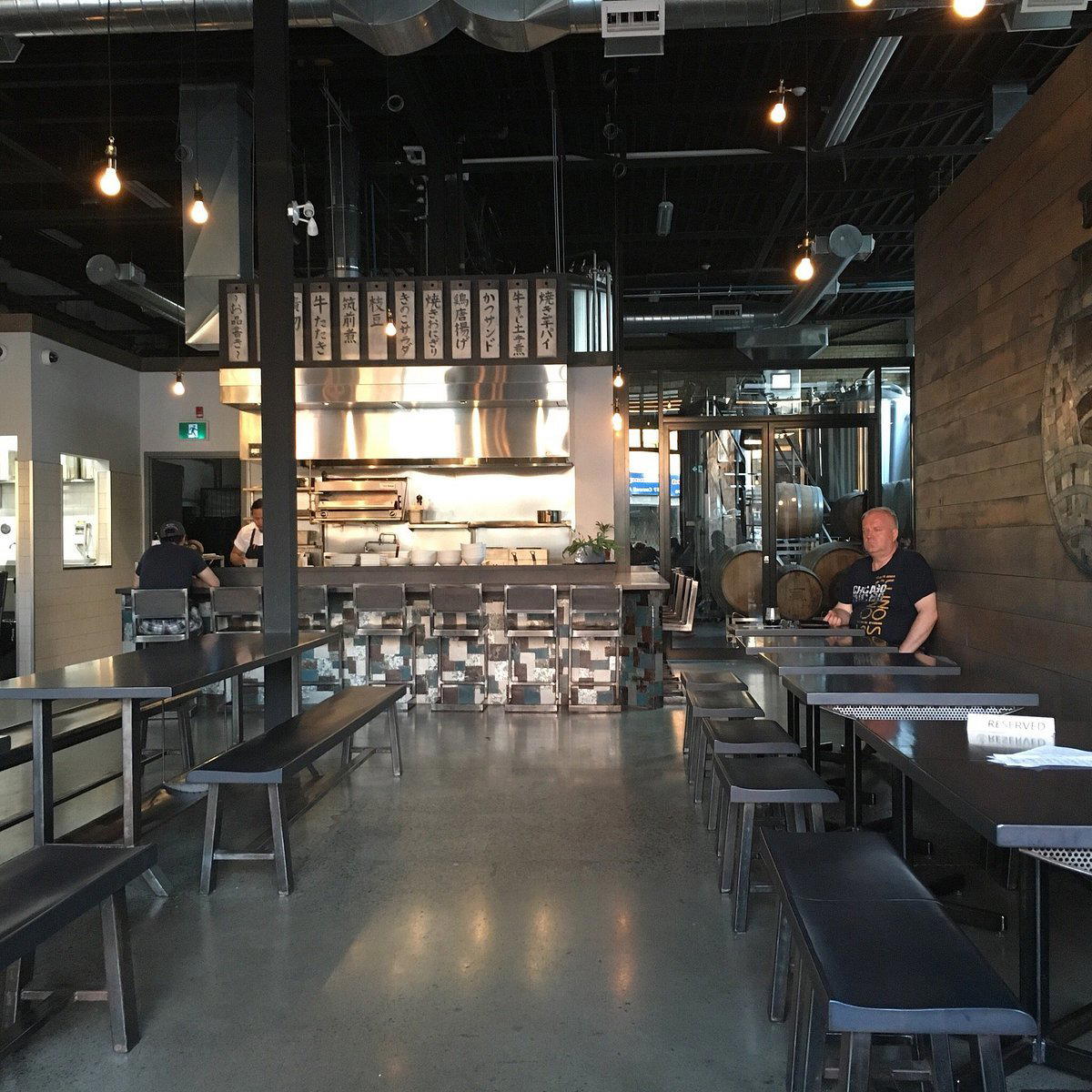
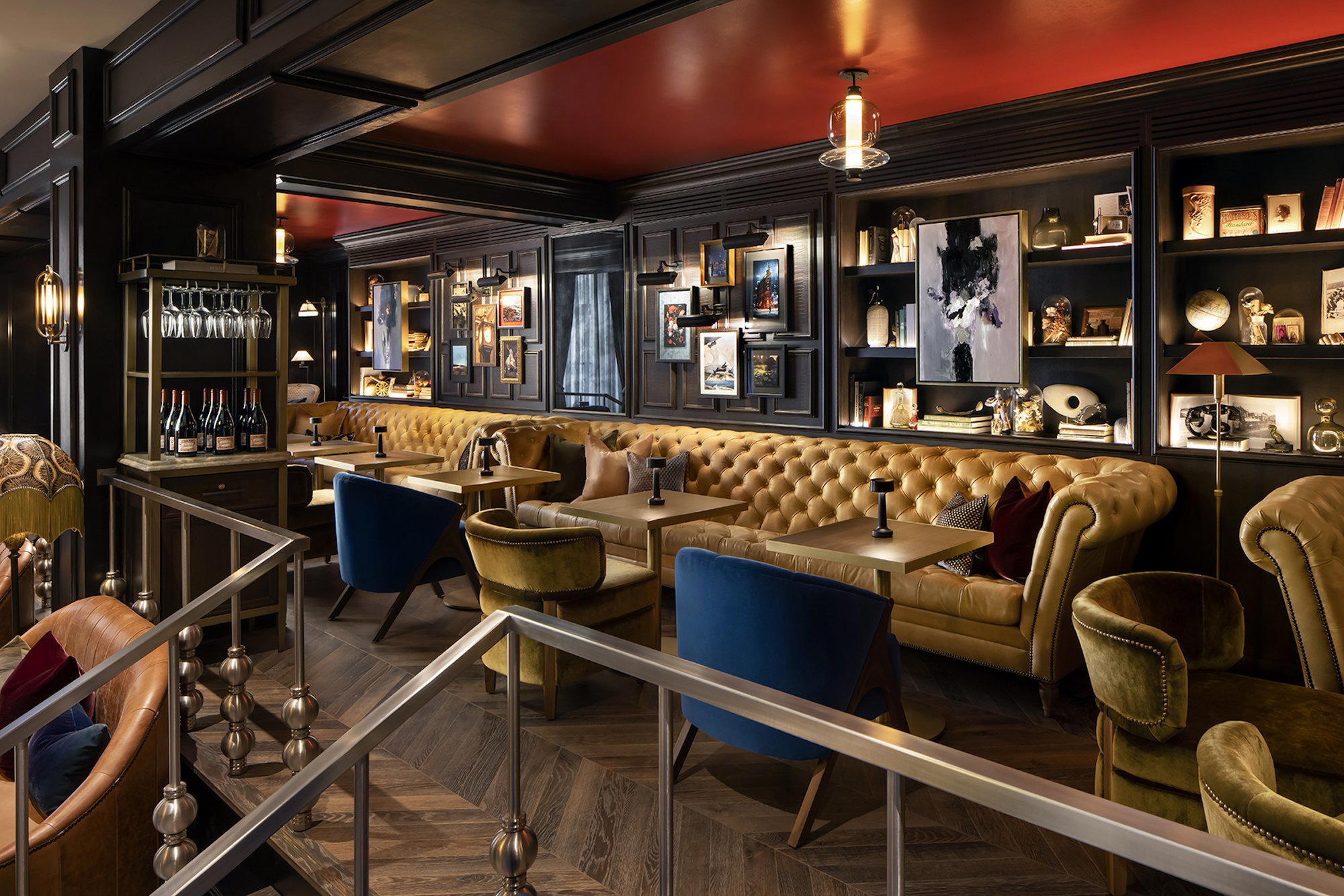
Hotels in Toronto
Browse all →


Wineries in Toronto
Browse all →
At a Glance
- Casual
- Cozy
- Casual Hangout
- Date Night
- Open Kitchen
- Beer Program
Quaint, friendly, and clean casual spot with a compact menu and bold seafood flavors in a no-frills setting.