Lakeward Spirits
The 2 Star designation places it among a selective tier of American craft producers recognised for consistent quality and distinctive character. For those tracking serious distilling outside the established coastal markets, Buffalo is increasingly hard to overlook.

Pearl is the En Primeur Club membership app — saves, bookings, and concierge access live there. Same editors, same standards.
- Address
- 65 Vandalia Street, Buffalo, NY 14204, United States
- Phone
- (716) 796-4651
- Website
- lakewardspirits.com
- Directions
- Get directions
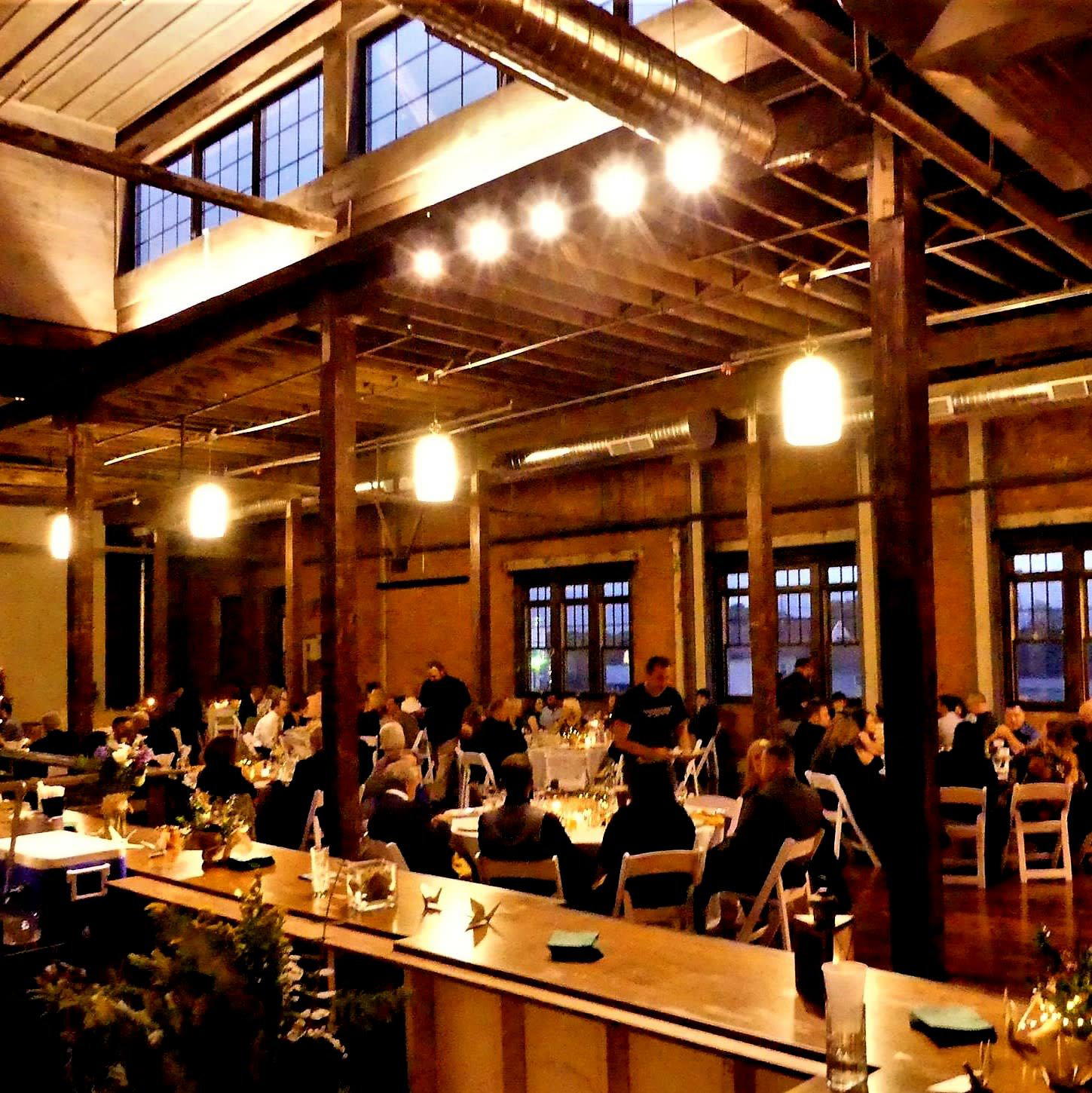
Buffalo's Craft Spirits Scene and Where Lakeward Fits
The American craft distilling movement has long been narrated through Kentucky bourbon trails and Brooklyn gin labs, but the production story has been shifting inland. Buffalo sits at an intersection of industrial heritage and agricultural access that makes it a credible address for serious spirits production. Lake Erie's moderating climate, proximity to grain-growing regions across western New York, and a manufacturing culture that never fully disappeared have together created conditions that reward producers willing to work at the grain level rather than sourcing bulk spirit and finishing it. Lakeward Spirits, at 65 Vandalia Street, occupies that territory.
That credential matters in a market where the distance between a weekend hobbyist setup and a serious production facility is not always legible from the outside. The 2 Star Prestige tier signals the latter.
For context on what serious craft recognition looks like across the American scene, producers like Buffalo Distilling Co. operate in the same Buffalo market, while peers in other American categories such as Accendo Cellars in St. Helena, Adelaida Vineyards in Paso Robles, and Adelsheim Vineyard in Newberg illustrate how regional identity and producer discipline drive recognition at the top of their respective categories. The pattern is consistent: producers that commit to place and process tend to rise above the noise.
Vandalia Street and the Urban Craft Production Corridor
The address itself carries information. Vandalia Street sits within the industrial fringe of Buffalo's East Side, a zone that has attracted production-oriented businesses as warehouse and light-industrial space has become available to smaller operators. This is not a tourism-facing strip designed around tasting room foot traffic. Producers in this part of Buffalo tend to be working operations first, which typically means that what ends up in the bottle reflects production discipline rather than retail theatre.
This pattern is familiar in American craft spirits geography: the producers who occupy former industrial space in second-tier cities often have lower overhead structures that allow longer maturation periods and smaller-batch runs than operations built primarily around visitor experience. The trade-off is visibility.
Buffalo's broader food and drink scene has undergone a sustained recalibration over the past decade. The city's restaurant corridor, its chef-led projects, and its craft beverage producers have collectively moved the address from afterthought to a city worth deliberate travel. Our full Buffalo restaurants guide maps the wider picture for visitors planning time in the city.
Without detailed production data in the public record, the most reliable signal of Lakeward's approach is the award tier it occupies and the regional context in which it operates. Within the rating framework, it implies a measurable threshold of consistency, craft, and distinction. That places Lakeward in a conversation with American producers who approach their category with the same seriousness that drives recognition at wineries like Alban Vineyards in Arroyo Grande or Andrew Murray Vineyards in Los Olivos, where the driver of reputation is accumulated production knowledge applied to a specific place and set of raw materials.
Western New York has the grain supply, the water profile, and the seasonal temperature swings that historically support whiskey production. Those are not incidental advantages. They are the same structural factors that shaped bourbon geography in Kentucky and rye production in Maryland and Pennsylvania. A producer working seriously within that regional framework has material to work with that coastal distillers frequently cannot replicate regardless of technique.
For comparison, look at how producers in analogous positions in other American beverage categories have built their reputations: Artesa Vineyards and Winery in Napa built recognition through site-specific production discipline, while Alexander Valley Vineyards in Geyserville and Alpha Omega Winery in Rutherford have each used regional identity as a structural anchor rather than a marketing overlay. The credential earned is a function of the work done, not the story told about it.
Reading Lakeward Against the Broader American Craft Canon
The American craft spirits category has matured enough that the early-mover advantage of simply being a craft producer has largely expired. What separates the upper tier from the middle tier now is the same thing that separates recognised wine producers from commodity ones: intentional sourcing, controlled production, and a willingness to let the product develop on its own timeline rather than rushing to market. Producers like Au Bon Climat in Santa Barbara and Aubert Wines in Calistoga represent what sustained commitment to a regional identity can yield over time. The analogy is imperfect but instructive: in spirits as in wine, the producers who stay in their lane and refine it tend to outlast those who chase trends.
International precedent reinforces the point. Operations like Aberlour in Aberlour and Achaia Clauss in Patras illustrate how production rooted in geography and long-term discipline generates recognition that newer, less place-specific producers rarely achieve. Closer to home, B.R. Cohn Winery in Glen Ellen shows how regional commitment translates into a durable identity. Lakeward's position in Buffalo follows that pattern.
Planning a Visit
Lakeward Spirits operates at 65 Vandalia Street in Buffalo, New York 14204. Given the production-first nature of the Vandalia Street address, it is worth confirming tasting room hours before arrival rather than assuming drop-in access. Buffalo is accessible by air through Buffalo Niagara International Airport, roughly seven miles from the city core, and the East Side industrial corridor where Lakeward is located is accessible by car. Visitors combining a trip to Lakeward with the wider Buffalo food and drink scene will find the city compact enough to cover multiple destinations in a single day.
Price and Positioning
Comparable venues nearby, for context on price, style, and recognition.
| Venue | Cuisine |
|---|---|
| Lakeward SpiritsThis venue — the venue you are viewing | First Ward, Winery |
| Black Button Distilling | University Avenue, Winery |
| Coppersea Distilling | West Park, Winery |
Continue exploring
More in Buffalo
Wineries in Buffalo
Browse all →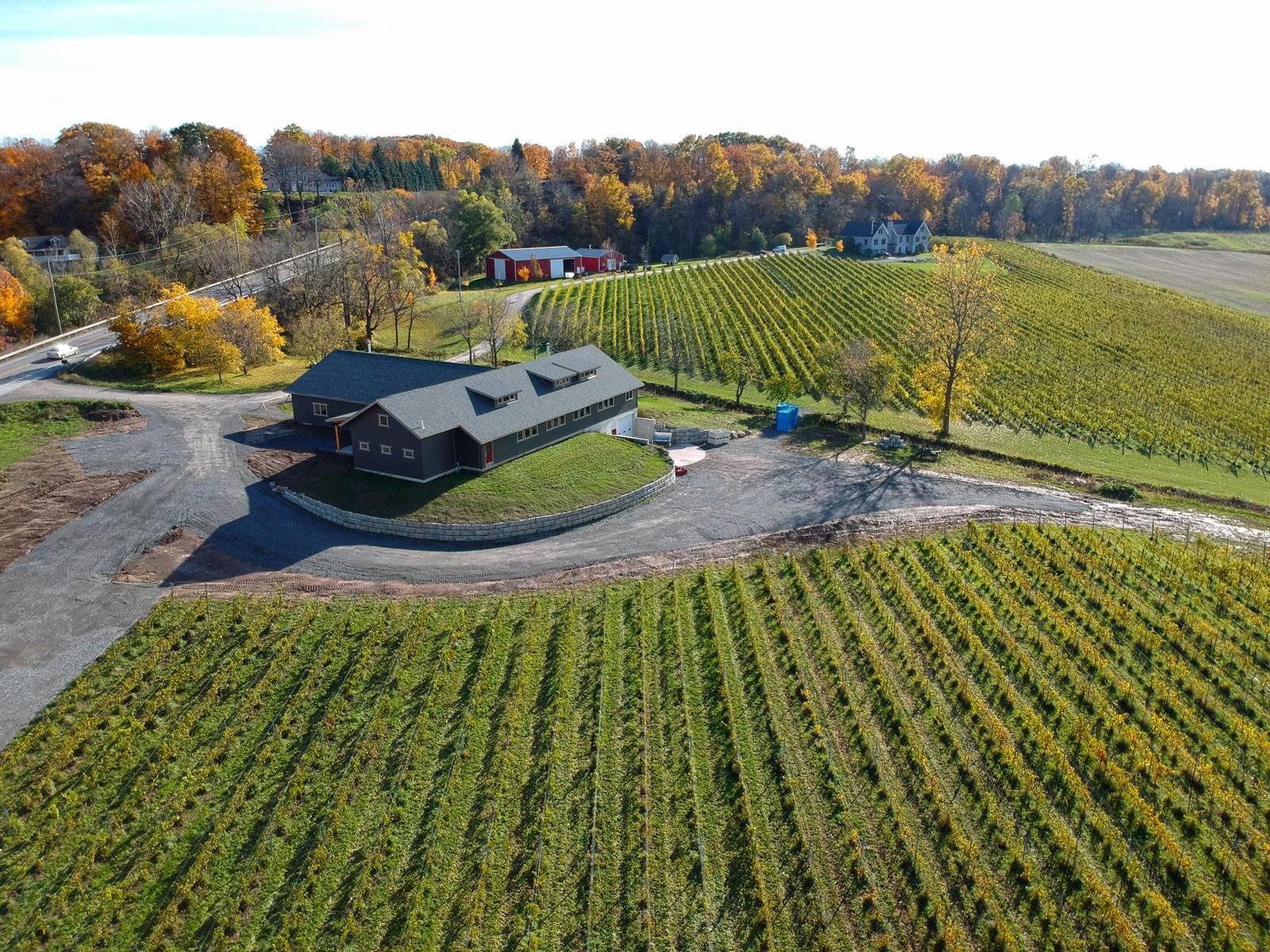

Bars in Buffalo
Browse all →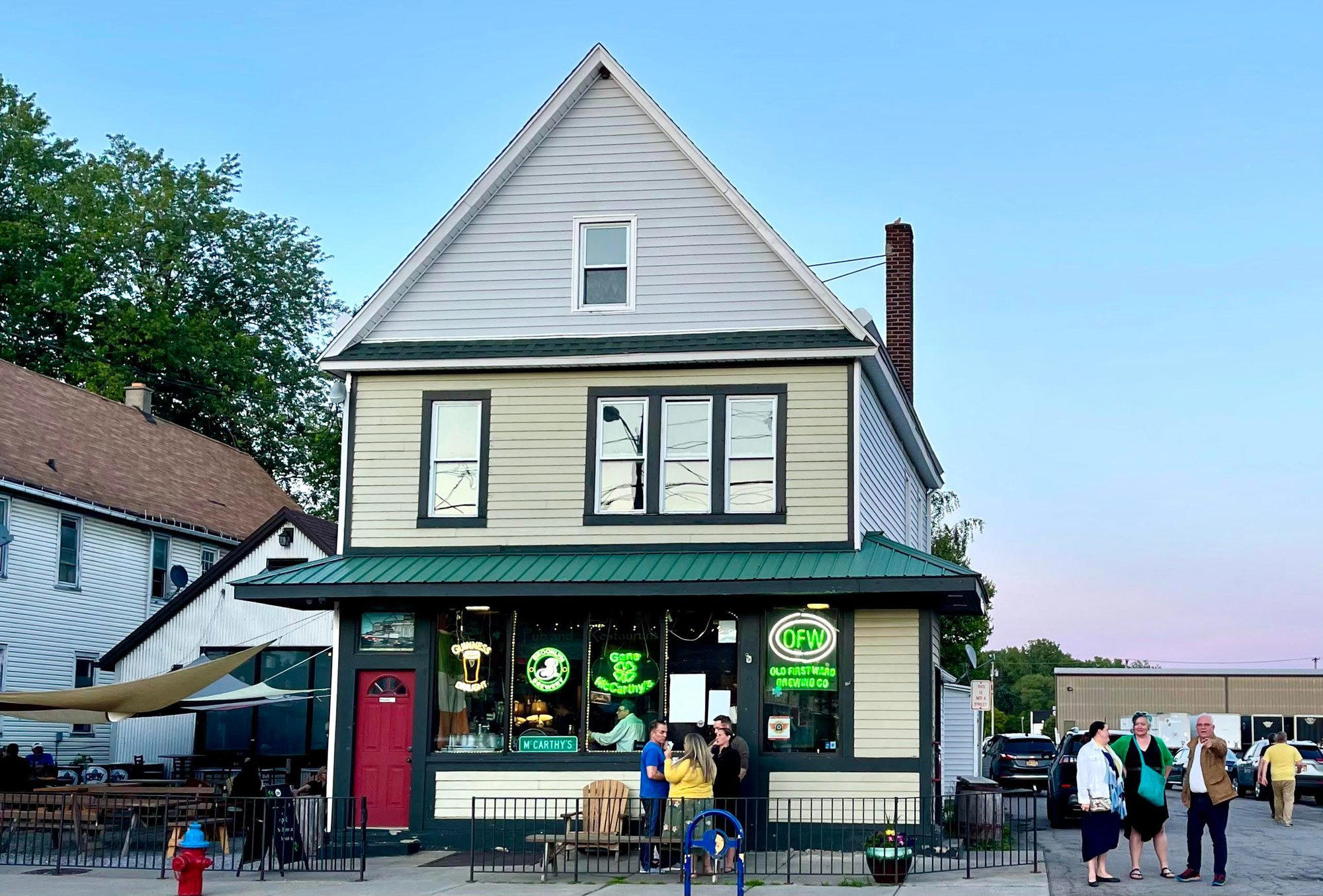
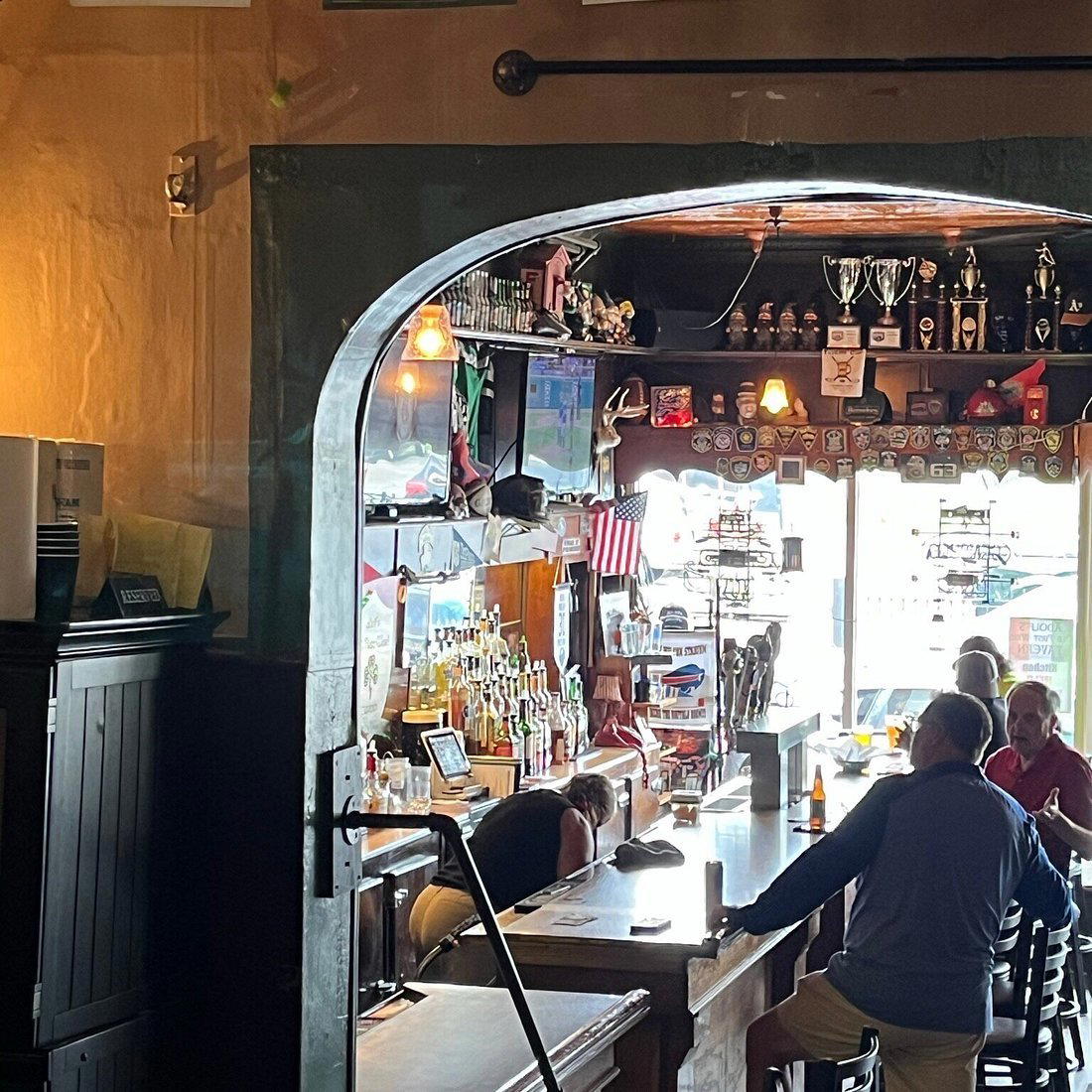
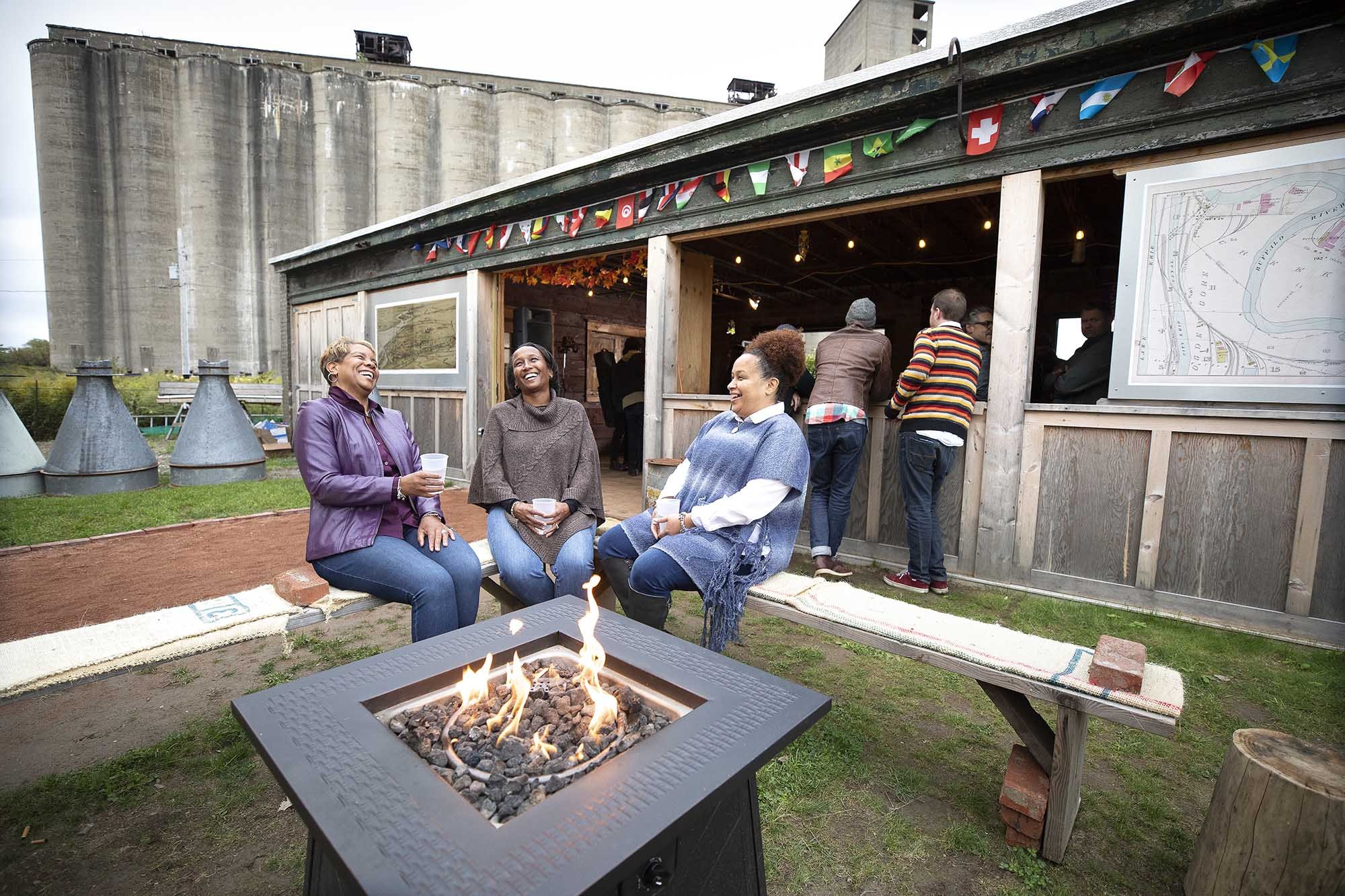

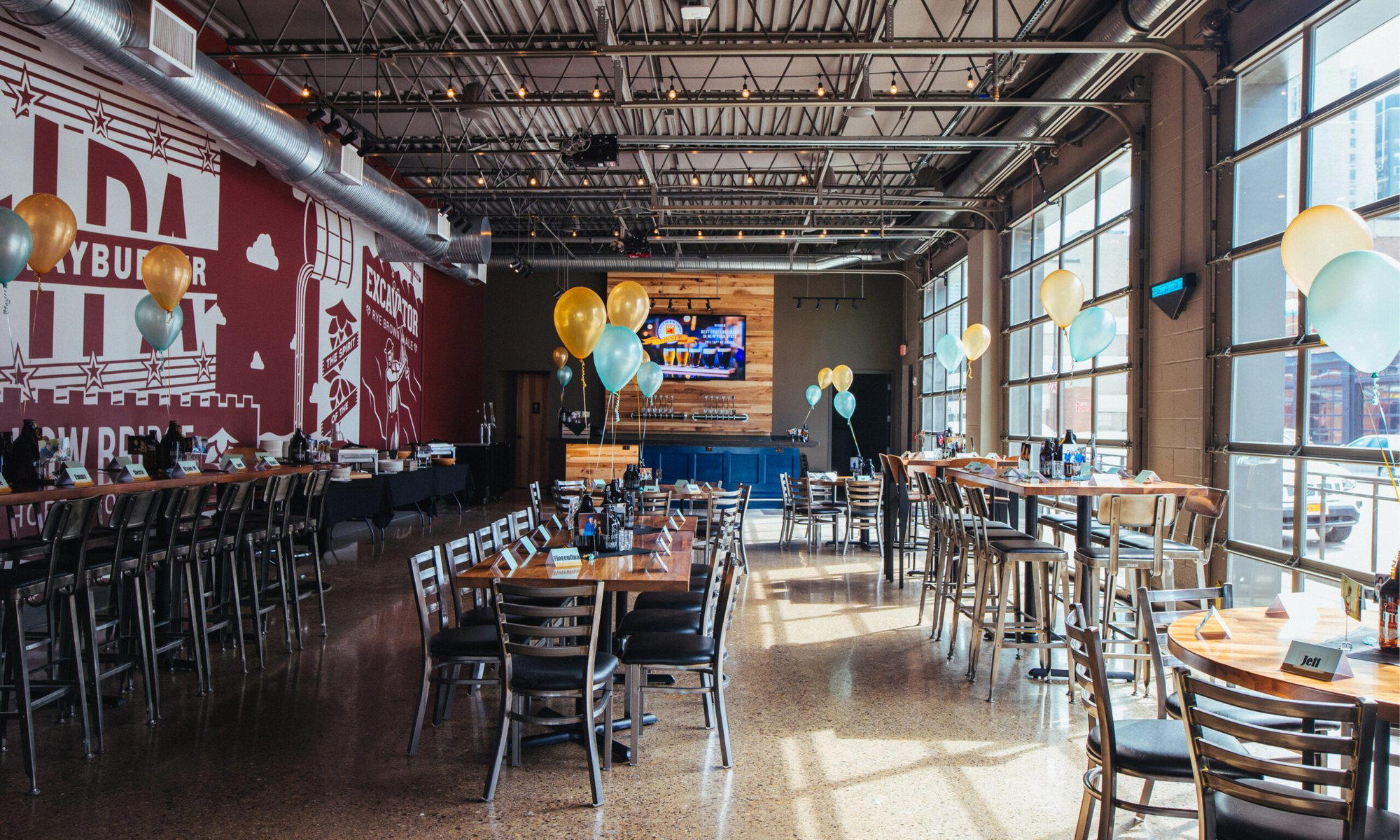
Restaurants in Buffalo
Browse all →
Details
- Industrial
- Rustic
- Cozy
- Historic
- Group Outing
- Historic Building
- Sustainable
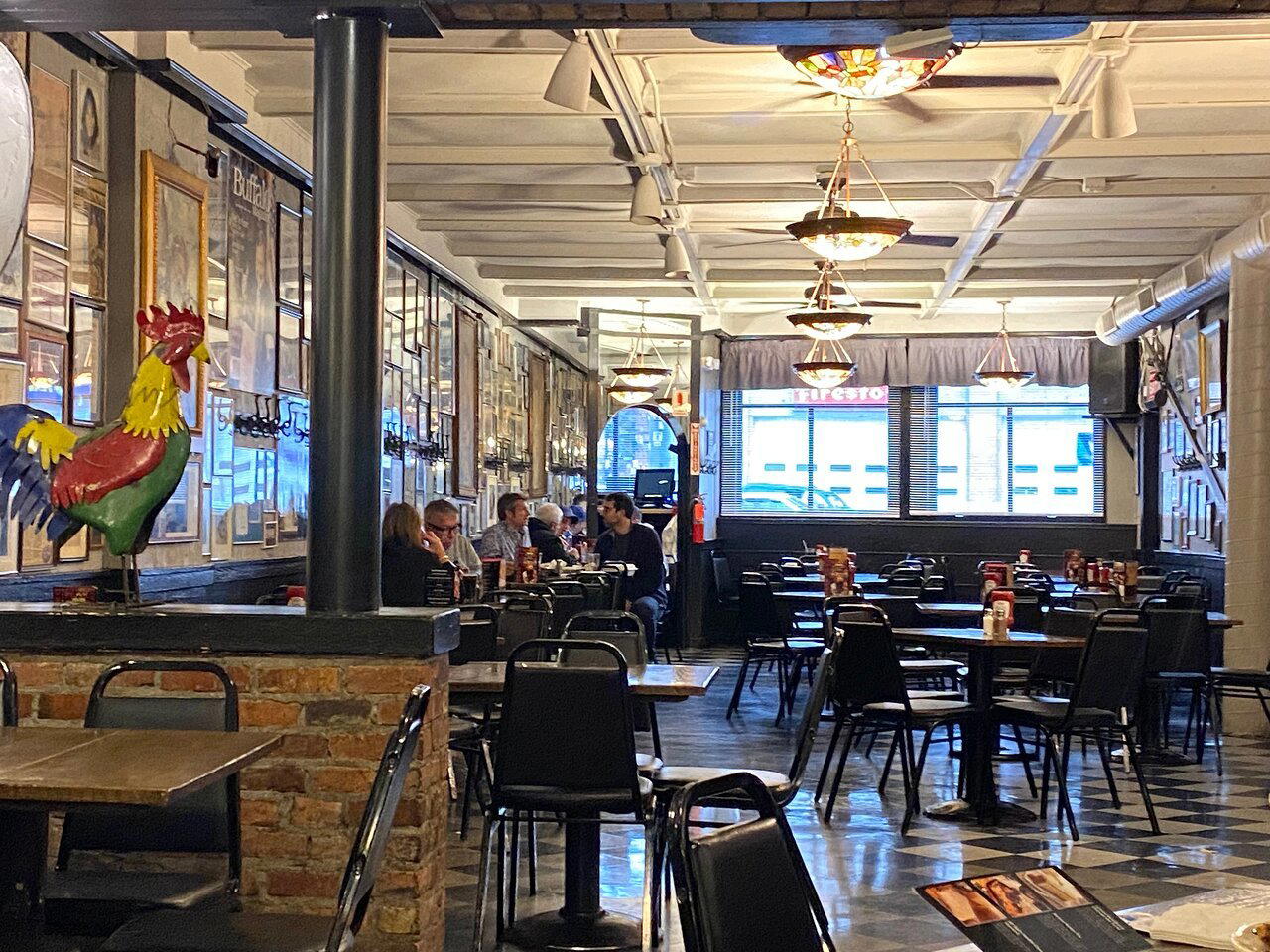
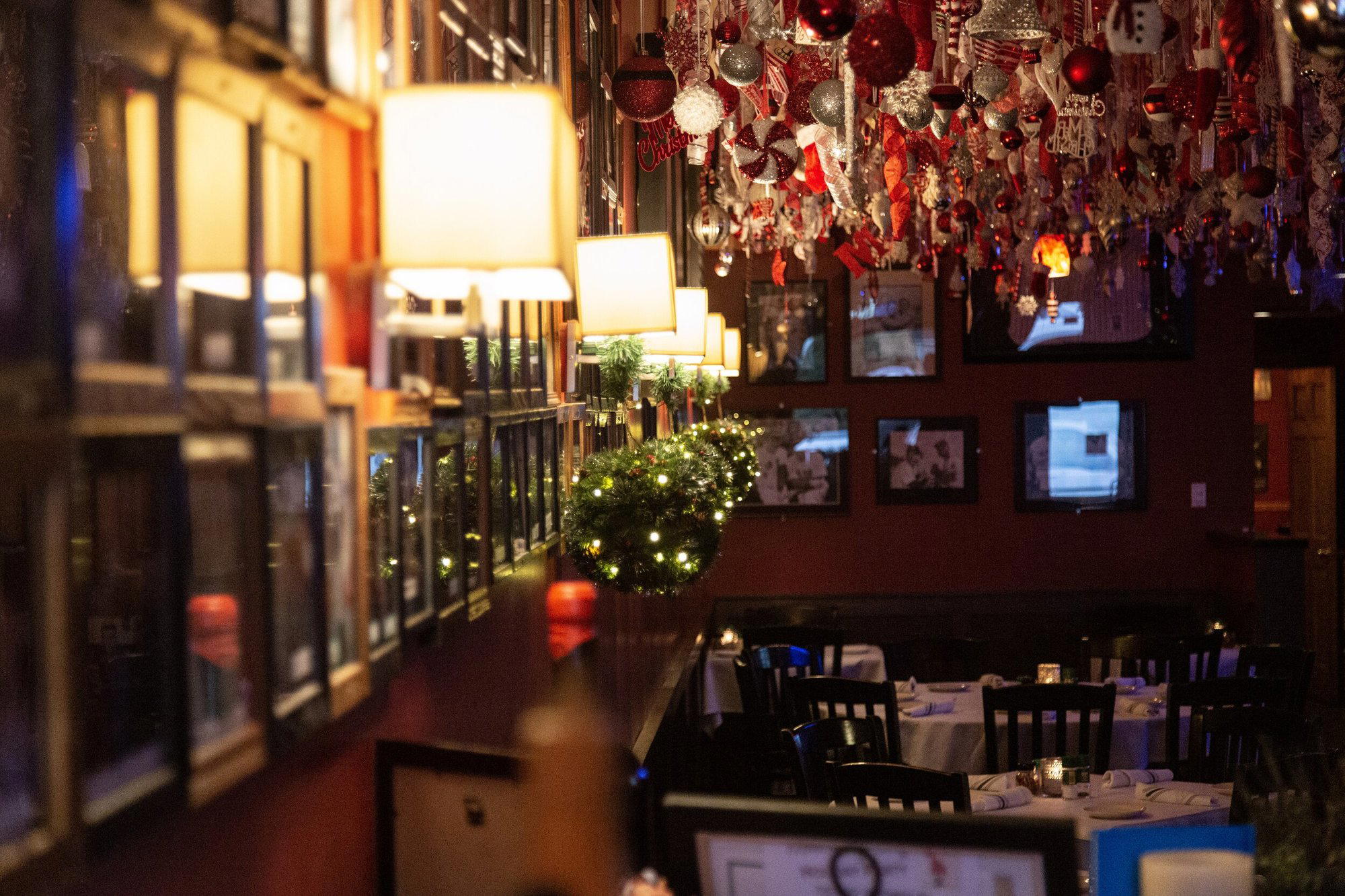
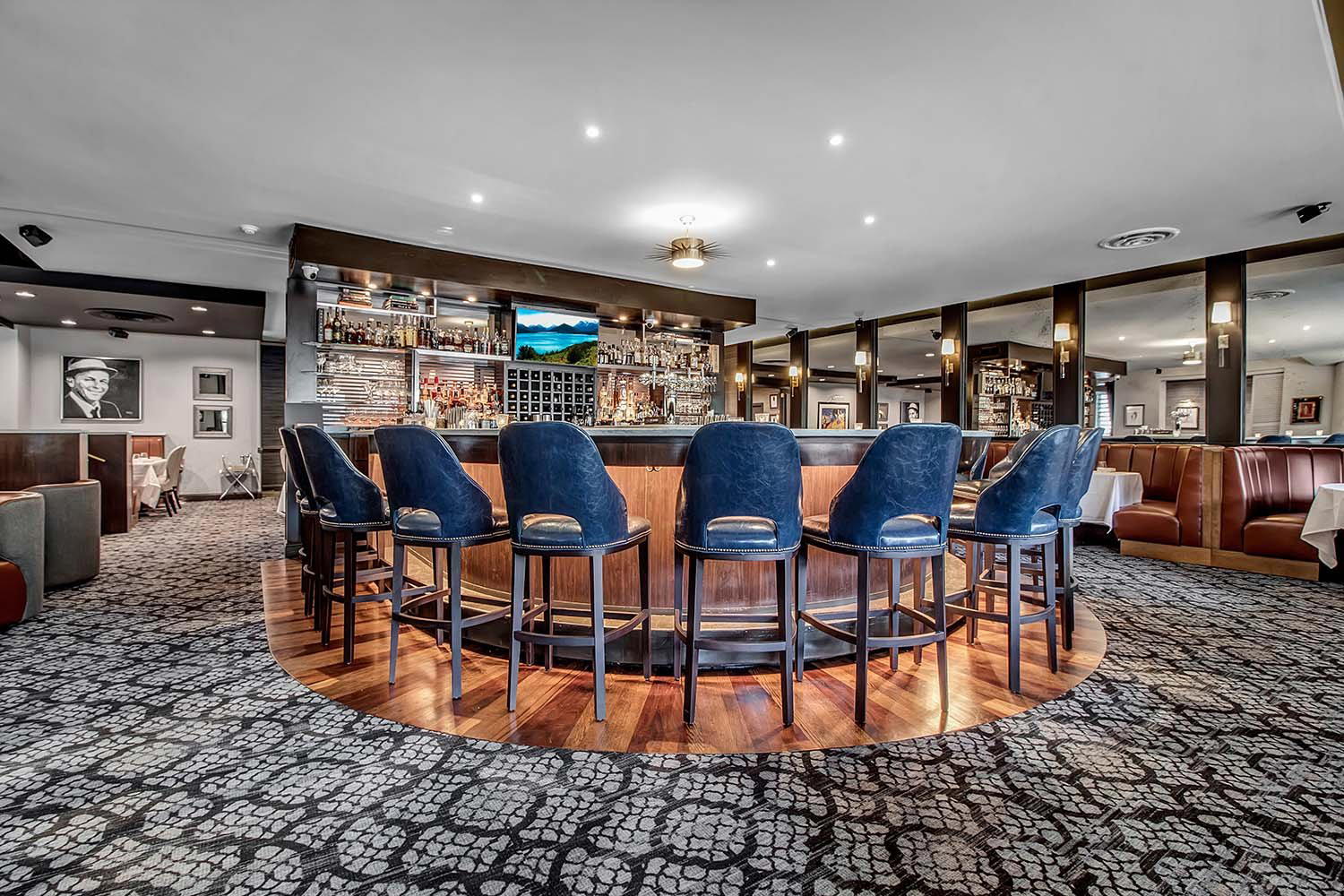
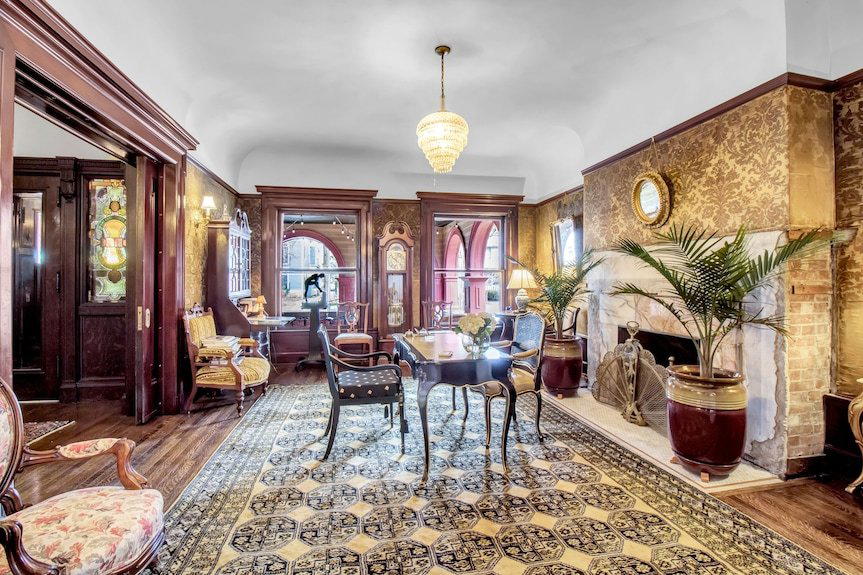
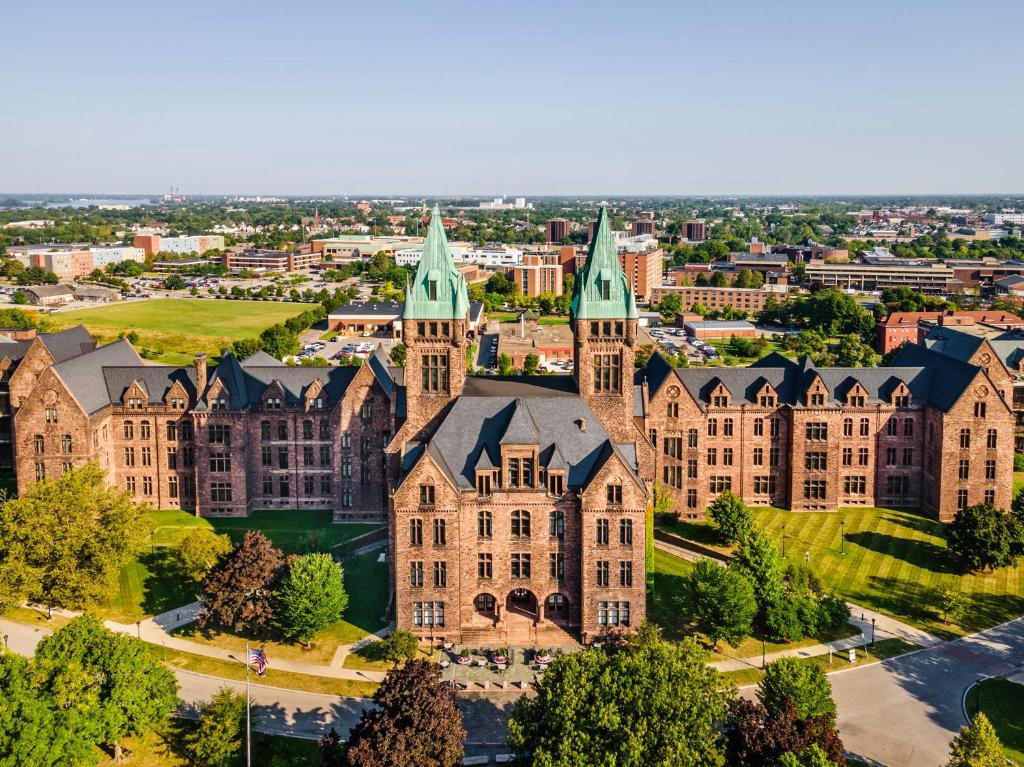
Rustic industrial charm with cozy warmth from repurposed materials in a historic brick-and-beam building, creating an authentic and inviting atmosphere.