On the carless island of Zlarin in the Šibenik archipelago, Prslika operates at the pace the island demands: unhurried, ingredient-led, and shaped by the Adriatic at its doorstep. Dining here sits within a Dalmatian tradition where the distance between sea and plate is measured in minutes, not miles. For travellers arriving by ferry from Šibenik, it is one of the first reasons to stay longer than an afternoon.
Pearl is the En Primeur Club membership app — saves, bookings, and concierge access live there. Same editors, same standards.
- Address
- Ruže put 19, 22232, Zlarin, Croatia
- Phone
- +385996917026
- Directions
- Get directions
 Saves & bookings on Pearl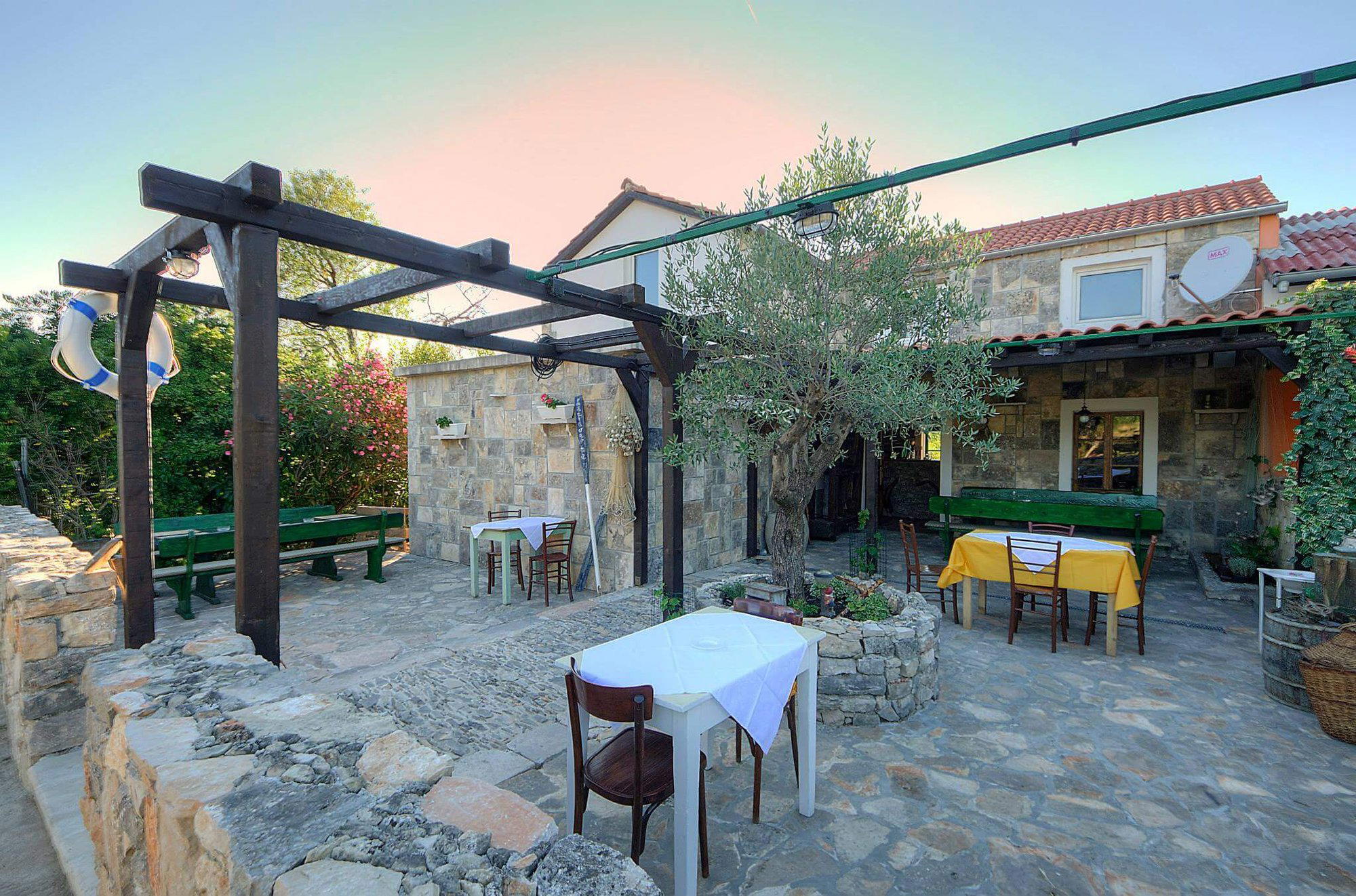
An Island That Moves at Its Own Pace
Zlarin is one of the few inhabited Croatian islands without a single car on it. That fact shapes everything about how the place functions, including how its restaurants work. Supply chains that elsewhere rely on refrigerated trucks here depend on the ferry schedule from Šibenik, on fishing boats returning before dawn, and on whatever the kitchen garden or a neighbour's plot can provide. Prslika, at Ruže put 19 in Zlarin, serves Traditional Dalmatian Seafood in a casual setting.
The broader Dalmatian island dining tradition has long been built on necessity converted into virtue. Islands like Zlarin, Prvić, and Žirje sit in the Šibenik archipelago at a remove from the mainland supply networks that feed Split or Dubrovnik's higher-volume tourist restaurants. What arrives at the table in places like this tends to reflect what was available that morning, not what a centrally printed menu promised weeks earlier. That model of cooking, responsive and proximity-driven, sits at the opposite end of the spectrum from the tasting-menu formality of Pelegrini in Šibenik or the polished international register of Restaurant 360 in Dubrovnik, and it serves a different kind of traveller appetite entirely.
Where the Ingredients Come From
The Šibenik archipelago produces particularly prized shellfish on the Croatian coast. The city of Šibenik itself sits at the mouth of the Krka River, and the meeting of fresh and salt water in the surrounding channels creates conditions that have supported oystering and clamming for generations. Zlarin's own waters, shallower and calmer than the open Adriatic, yield sea urchin, small crustaceans, and the firm-fleshed white fish that appear across Dalmatian menus under the catch-all term bijela riba. For a kitchen on this island, sourcing is not a philosophy choice but a geographic fact.
This places Prslika in a category of coastal Adriatic restaurants where ingredient provenance is part of the daily reality of cooking. Compare this to the more structured approach at LD Restaurant in Korčula, where local sourcing operates within a more elaborately designed format, or to Boskinac in Novalja on Pag, which has built a wine and food program around island-specific production at a higher price tier. Zlarin's version is quieter and less curated in presentation, but the underlying logic of place-driven cooking is the same.
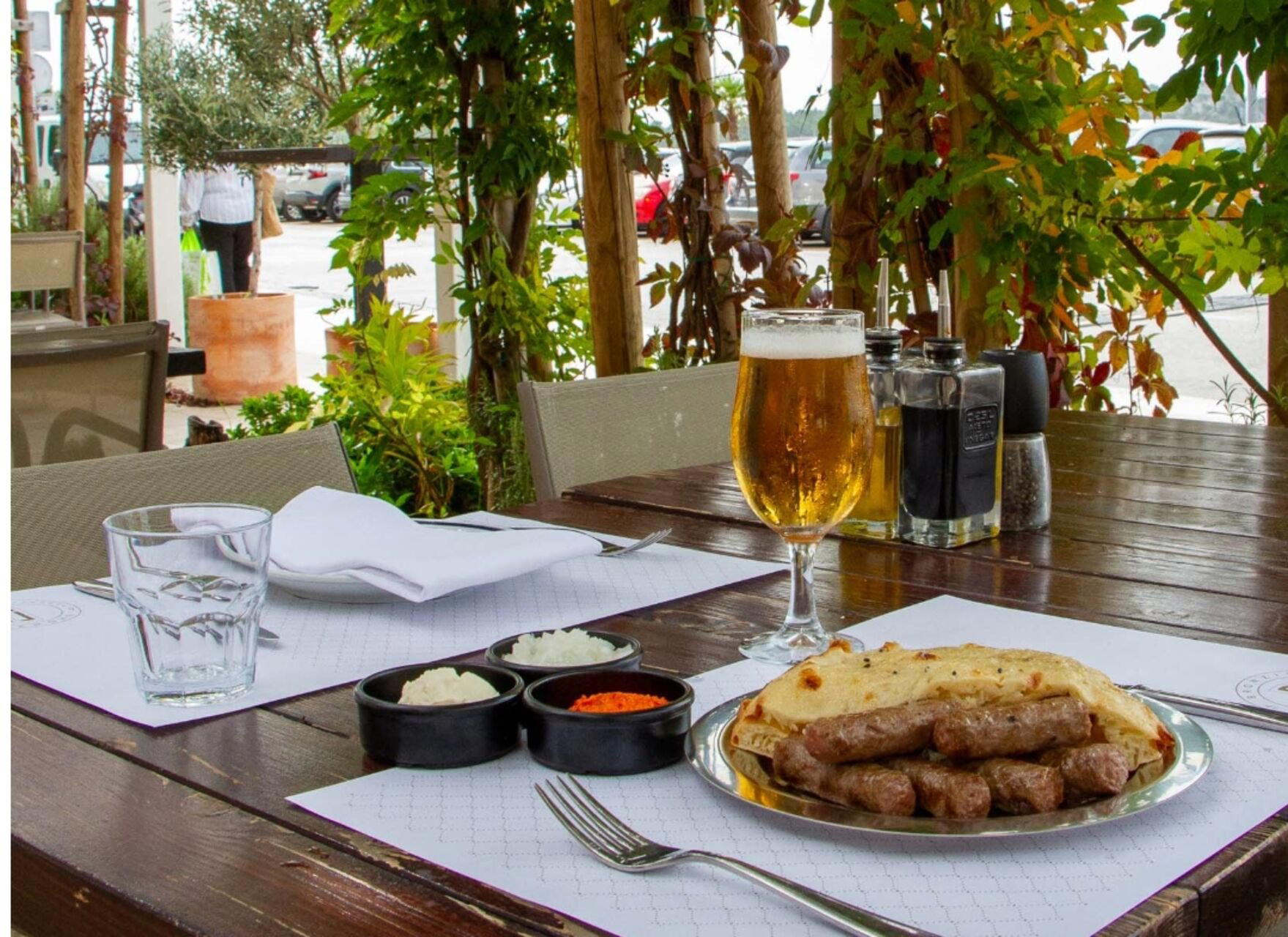
Croatian island kitchens working in this register typically build around a core repertoire: peka (slow-cooked meat or fish under a bell-shaped lid buried in embers), grilled fish dressed with olive oil and capers, and pasta dishes with shellfish or salt-dried fish that reflect centuries of Venetian and Dalmatian cross-influence. The olive oil itself is worth noting as an ingredient category. Dalmatia's oils, particularly those from the islands, tend toward grassier, more peppery profiles than the lighter oils more common in northern Croatia, and they function as a seasoning layer in their own right across these preparations.
Arriving and Staying
Getting to Zlarin requires planning for a day trip. The ferry from Šibenik's city harbour takes roughly twenty minutes, and schedules run several times daily during the summer months, thinning considerably in the shoulder season. Visitors who treat Zlarin as a destination rather than a stop have the advantage of the island before and after the day-tripper ferries, when the pace slows considerably and the village settles back into something closer to its actual rhythm. Booking ahead for Prslika is advisable in July and August, when the island's small accommodation stock fills and ferry arrivals bring more visitors than the handful of restaurants can absorb without notice.
This logistical calculus is not unusual for the Šibenik archipelago, and travellers who have navigated the similarly remote feel of dining on the Kornati islands or eaten at a konoba on Vis will recognise the pattern. The effort of arrival is part of what the meal offers. For context on how this dynamic plays out across the wider Croatian coast, the EP Club Zlarin restaurants guide maps the island's dining options alongside ferry and timing logistics.
Zlarin in the Context of Croatian Island Dining
Croatian island dining in the mid-range has undergone a gradual shift over the past decade. The konoba format, once almost exclusively associated with grilled fish, domestic wine, and oilcloth tablecloths, has bifurcated. One branch has moved toward the more polished contemporary register represented by places like Krug in Split or Nebo by Deni Srdoč in Rijeka. The other has doubled down on the traditional formula, often with better sourcing and more careful execution, but without the design investment or tasting-menu ambition that signals a different price tier.
Prslika sits in the second current. That is not a qualifier on its quality; it is an observation about what kind of dining it represents and who will find it most rewarding. Travellers who arrive from the direction of Agli Amici in Rovinj or Alfred Keller in Mali Lošinj looking for comparable technical precision will find a different register here. Those arriving from a morning on the water looking for grilled fish and local wine in a setting that has not been optimised for Instagram will find exactly that. Other strong regional alternatives worth weighing include Bodulo in Pag, Burin in Crikvenica, and BioMania Bistro Bol in Bol, each operating within a similar island-and-coast context but with distinct local characters. Further afield, Cubo in Opatija, Cantilly Garden Restaurant in Samobor, Korak in Jastrebarsko, and Dubravkin Put in Zagreb represent Croatia's broader dining range for those building a longer itinerary across the country. For a point of contrast at the global scale, the sourcing discipline at places like Le Bernardin in New York City or the ingredient precision of Atomix in New York City shows how the same underlying principle of provenance-first cooking operates across different formats and price points.
Planning Your Visit
Prslika serves Traditional Dalmatian Seafood at Ruže put 19, 22232, Zlarin, Croatia. The restaurant is casual and reservations are recommended. The price per person is about $50.
Prslika is at Ruže put 19, Zlarin, reached by ferry from Šibenik harbour. The island runs on ferry time, which means arrivals and departures shape the rhythm of any meal here. Visiting in late June or September avoids peak summer density while keeping reliable ferry frequency and reasonable weather for eating outdoors, which is how most Dalmatian island meals are best experienced. The recommended price per person is about $50, and reservations are advisable.
Fast Comparison
Comparable venues nearby, for context on price, style, and recognition.
| Venue | Cuisine | Price | Notes |
|---|---|---|---|
| PrslikaThis venue — the venue you are viewing | Traditional Dalmatian Seafood | $$ | Not listed |
| Don Dino Restaurant | Modern Dalmatian Seafood | $$ | Trogir Old Town |
| Konoba Golub | Traditional Dalmatian Grill | $$ | Podselje |
| Kod Kapetana | Traditional Croatian Seafood | $$ | Hvar Town |
| Konoba Matejuska | Authentic Dalmatian Seafood | $$ | Varoš |
| Bistro Pjat | Mediterranean Bistro with Croatian & Italian Influences | $$ | Old Town |
Continue exploring
More in Zlarin
Restaurants in Zlarin
Browse all →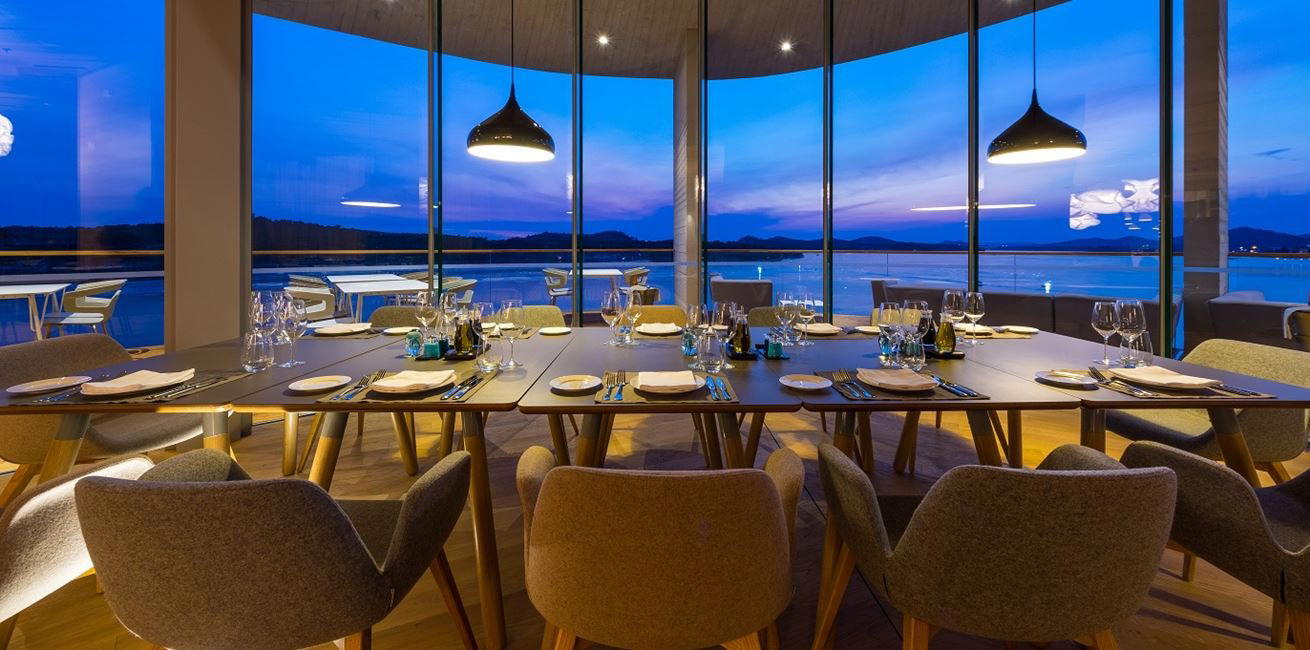
Bars in Zlarin
Browse all →
Hotels in Zlarin
Browse all →

At a Glance
- Rustic
- Cozy
- Scenic
- Date Night
- Family
- Celebration
- Garden
- Extensive Wine List
- Local Sourcing
- Garden
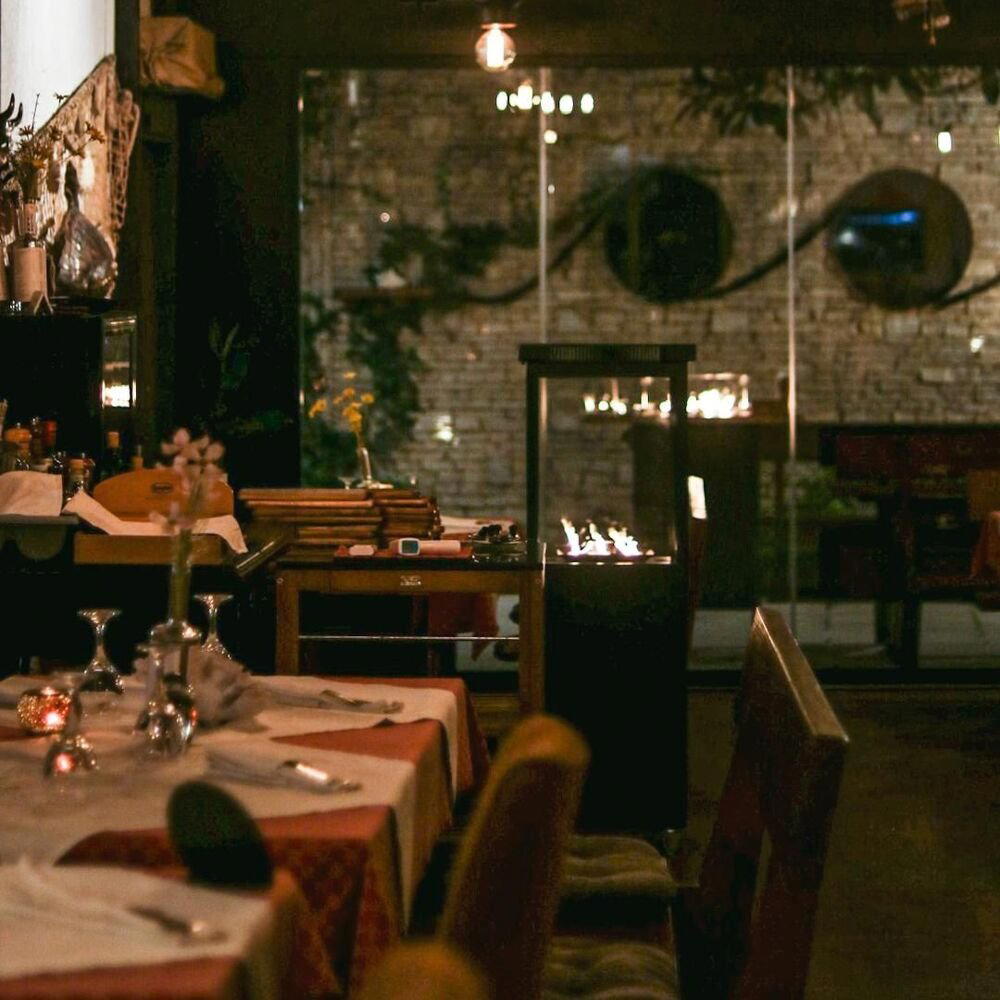
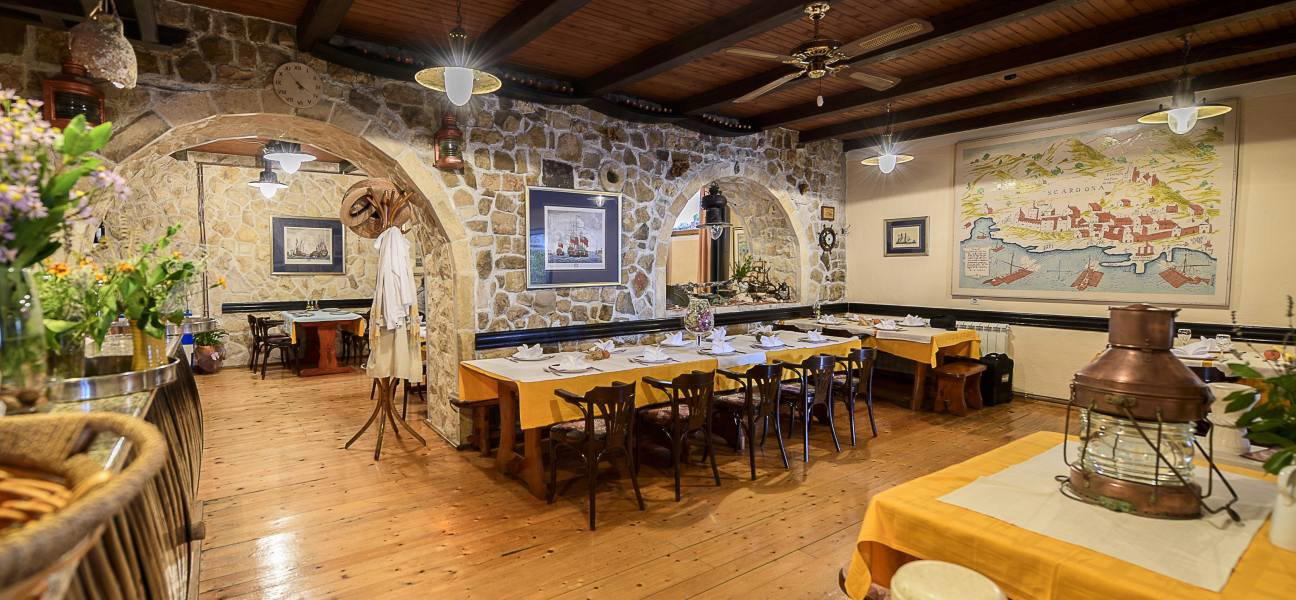
Rustic indigenous interior in a serene olive grove setting with natural, enchanting atmosphere.