
Tri Piruna sits on Ul. Roca Pave in Vodice, a small Dalmatian coastal town where the Adriatic's ingredient calendar shapes what ends up on the table. The restaurant occupies a position in a dining scene defined by proximity to the sea and the productive agricultural hinterland of the Šibenik-Knin county. For visitors working through the Dalmatian coast, it offers a local counterpoint to the better-publicised restaurants further south.
Pearl is the En Primeur Club membership app — saves, bookings, and concierge access live there. Same editors, same standards.
- Address
- Ul. Roca Pave 5, 22211, Vodice, Croatia
- Phone
- +385 91 576 7751
- Website
- konobatripiruna.com
- Directions
- Get directions
 Saves & bookings on Pearl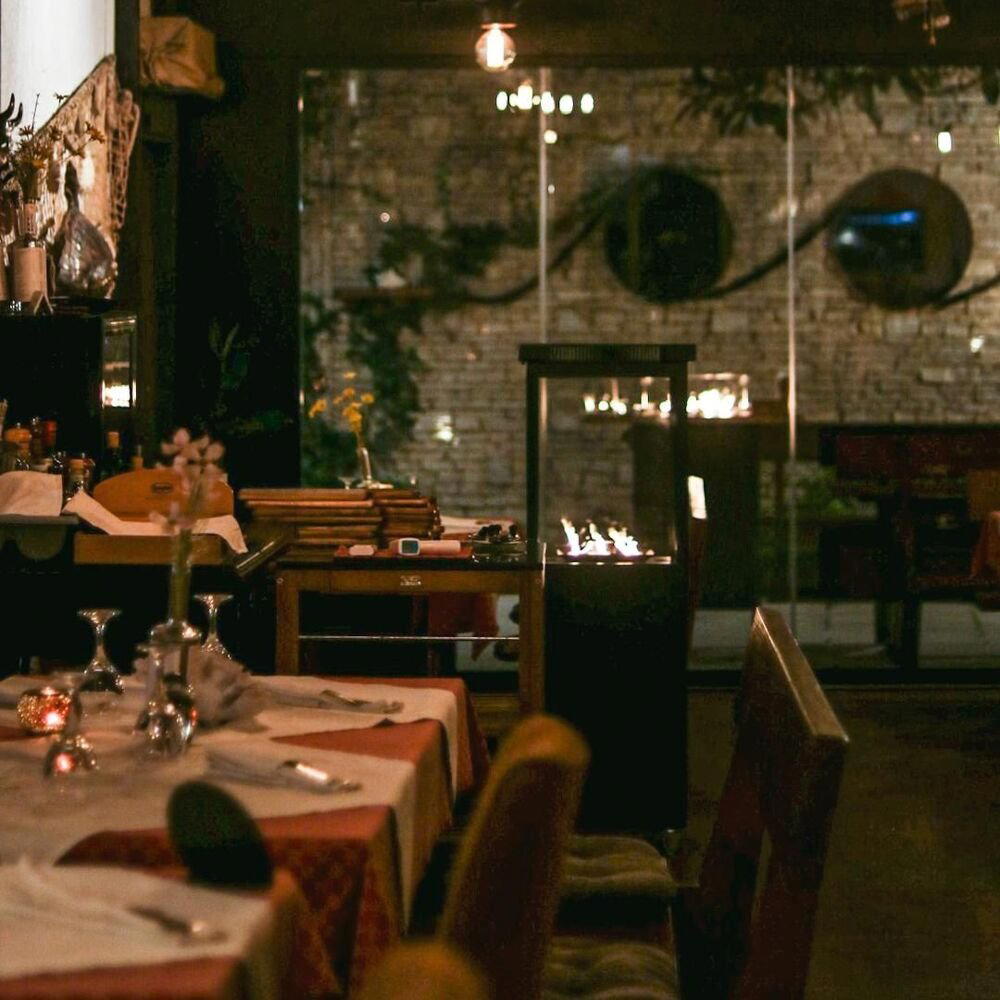
Where the Dalmatian Larder Meets the Table
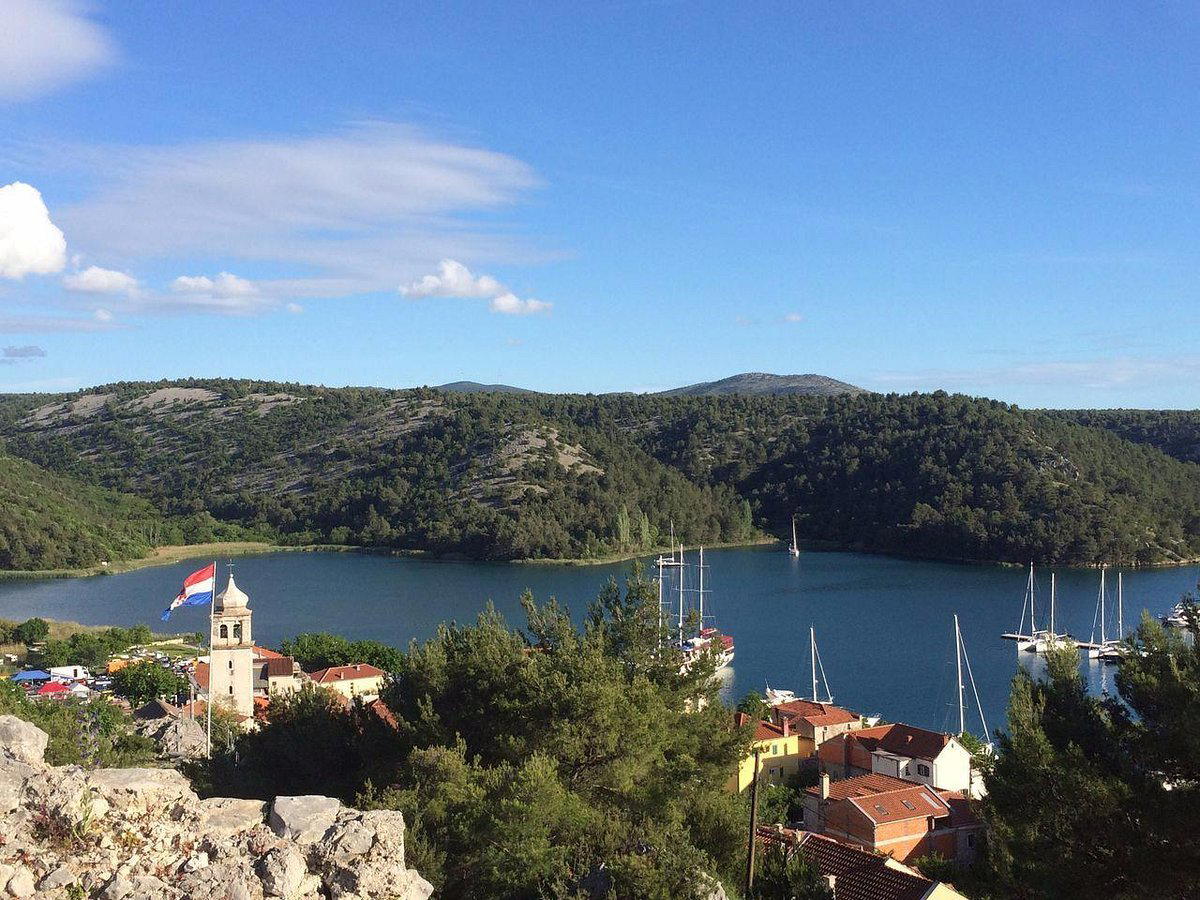
Vodice sits on the northern Dalmatian coast between Šibenik and Zadar, a town that most travellers pass through rather than linger in. That transit habit works in favour of the handful of restaurants that actually deserve attention here. The town is small enough that supply lines are short and producers are known by name. Tri Piruna, on Ul. Roca Pave 5, is a restaurant serving modern Dalmatian steakhouse and seafood in Vodice.
The wider context matters. The Šibenik-Knin region produces some of the Adriatic coast's most consistent raw material: fish pulled from waters that haven't been industrially overfished to the same degree as the northern Adriatic, lamb from the karst plateau behind the coast, and olive oil from groves that predate most of the tourist infrastructure around them. Restaurants along this stretch of coast that pay attention to sourcing have a genuine advantage over peers in more visited cities, where premium ingredients arrive via longer, less transparent supply chains. For a point of comparison, Pelegrini in Šibenik has made ingredient provenance a central part of its identity, and the influence of that approach ripples through the smaller restaurants in the surrounding towns.
The Sourcing Logic of the Northern Dalmatian Coast
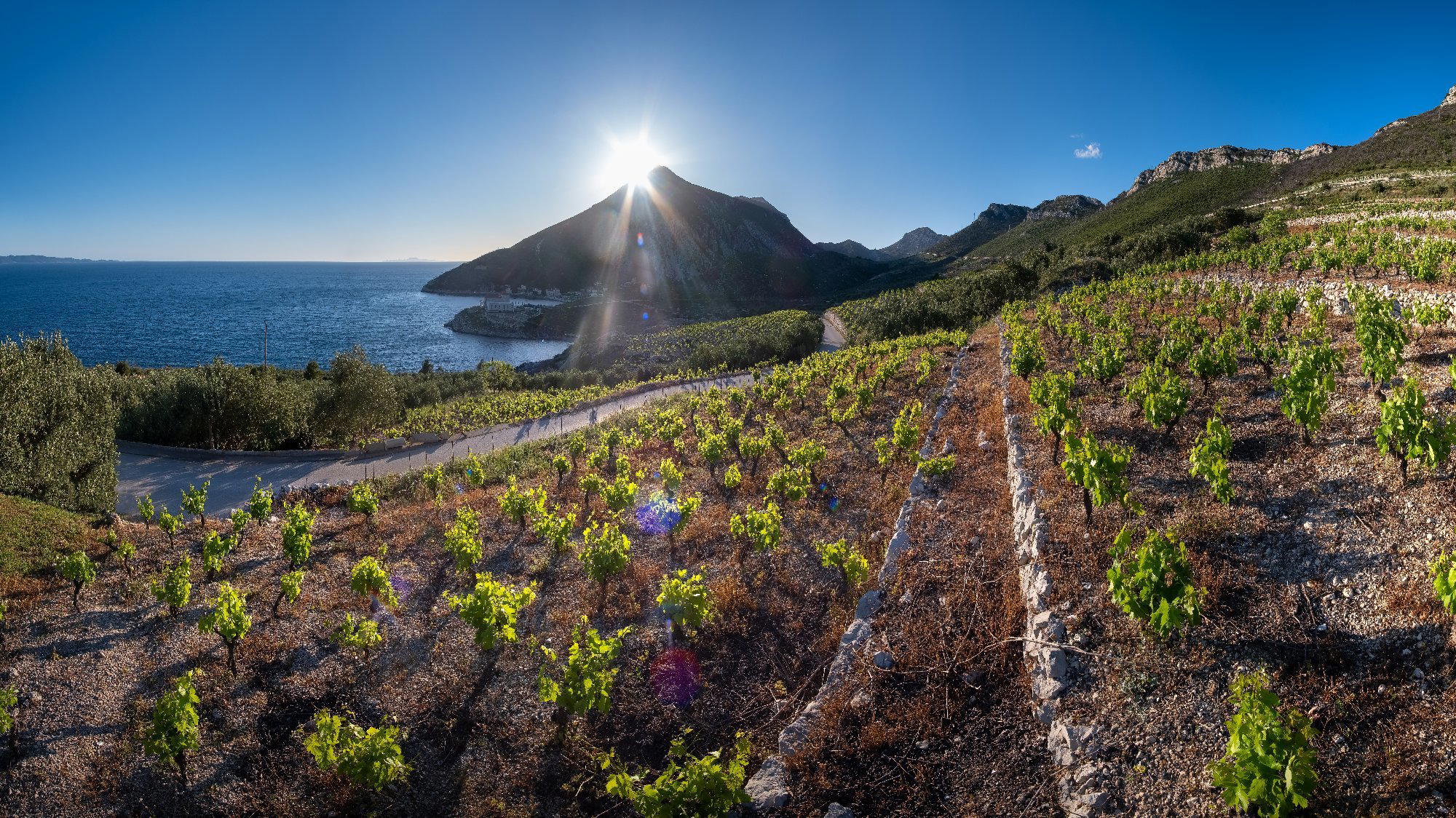
Understanding what makes a meal in Vodice coherent requires understanding the geography. The town sits at the edge of the Kornati archipelago's influence zone, where the sea is shallow enough in places to support diverse fish populations and deep enough offshore to yield quality catches. The inland karst, a limestone plateau that drains quickly and produces thin but mineral-rich soil, is the source of the region's prized lamb and the herbs, particularly sage and rosemary, that define the aromatic register of Dalmatian cooking.
It is something more structural: a coastal dining culture where the distance between the catch and the kitchen has historically been measured in hours, not days. Restaurants along this coast that work within that rhythm produce food with a coherence that longer supply chains rarely achieve. The simplicity of Dalmatian cooking is less a stylistic choice than a reflection of what happens when ingredients are good enough to need little intervention.
For comparison, the approach at Boskinac in Novalja on the island of Pag demonstrates how a slightly more formal Dalmatian address handles the same regional larder with additional investment in wine and production infrastructure. At the other end of the formality spectrum, BioMania Bistro Bol in Bol shows how the island and coastal dining scene has also accommodated lighter, more contemporary sourcing philosophies alongside traditional ones.
Vodice in the Wider Croatian Restaurant Scene
Croatia's higher-end restaurant scene is concentrated in a few locations: Zagreb's upper tier includes addresses like Dubravkin Put; the Kvarner Gulf has Alfred Keller in Mali Lošinj; the Istrian peninsula has Agli Amici Rovinj operating at Italian-influenced contemporary standards; and further south, Restaurant 360 in Dubrovnik anchors the southernmost stretch. Vodice sits outside that formal hierarchy, which is not a criticism. It means the town's restaurants operate without the award-chasing pressure that can distort menus toward international reference points and away from what the local larder actually produces.
That said, proximity to Šibenik gives Vodice restaurants a useful reference point. Šibenik's dining scene has developed enough critical mass, partly through Pelegrini's visibility, to attract suppliers who can now sustain relationships with smaller nearby buyers. Towns like Vodice benefit from that infrastructure without bearing the overhead costs of a more prominent address. Krug in Split and Nebo by Deni Srdoč in Rijeka represent the more formalised end of Dalmatian and Kvarner coastal dining, while Bodulo in Pag and Burin in Crikvenica show how the model scales across different coastal contexts.
There is also a second Tri Piruna-adjacent address in Vodice worth noting: Konoba Tri Piruna, which operates under the konoba format that remains the workhorse category of Croatian coastal dining. The konoba tradition prioritises unpretentious, ingredient-led cooking over formal service structures, and it has proven durable precisely because it aligns with what the coast's larder does well. Similarly, Gostilna Skaručna in Vodice offers another local data point in a town that is more layered than its tourist-transit reputation suggests.
Planning a Visit
The restaurant is located at Ul. Roca Pave 5 in Vodice, reachable from Šibenik in under 20 minutes by car and accessible from the coastal highway that connects Zadar to Split. Vodice is a summer-season town, meaning the practical reality of visiting shifts considerably between July and August, when the Dalmatian coast operates at peak capacity and restaurants at every price point run full, and the shoulder months of May, June, or September, when booking pressure eases and the ingredient quality often improves.
For readers calibrating this stop against destinations that require more advance planning, addresses like LD Restaurant in Korčula or Korak in Jastrebarsko represent the kind of formal reservation-required format that Vodice's dining scene largely bypasses. The town rewards spontaneity more than scheduling, which is partly a function of scale and partly a reflection of the konoba tradition that still governs how most people eat along this stretch of coast.
Fast Comparison
Comparable venues nearby, for context on price, style, and recognition.
| Venue | Cuisine | Price | Awards | Notes |
|---|---|---|---|---|
| Tri PirunaThis venue — the venue you are viewing | Modern Dalmatian Steakhouse & Seafood | $$ | Not listed | Not listed |
| Konoba Tri Piruna | Traditional Dalmatian Mediterranean Fine Dining | $$$ | Michelin Plate | Vodice |
| Hotel & Restoran Degenija | Traditional Croatian Regional Grill | $$ | Not listed | Selište Drežničko, Rakovica |
| Konoba Barba | Traditional Dalmatian Seafood & Grill | $$ | Not listed | Komiza |
| Mario | Traditional Dalmatian Seafood | $$ | Not listed | old part of Rogoznica |
| Konoba Berekin | Croatian Seafood Mediterranean | $$ | Not listed | Jezera |
Recognition history
Dated appearances from independent guides and award organizations, with the underlying list record or original source where available.
Michelin Plate
Michelin · 2026 Michelin Plate
Michelin Plate
Michelin
Michelin Plate
Michelin
Continue exploring
More in Vodice
Restaurants in Vodice
Browse all →
Bars in Vodice
Browse all →
Hotels in Vodice
Browse all →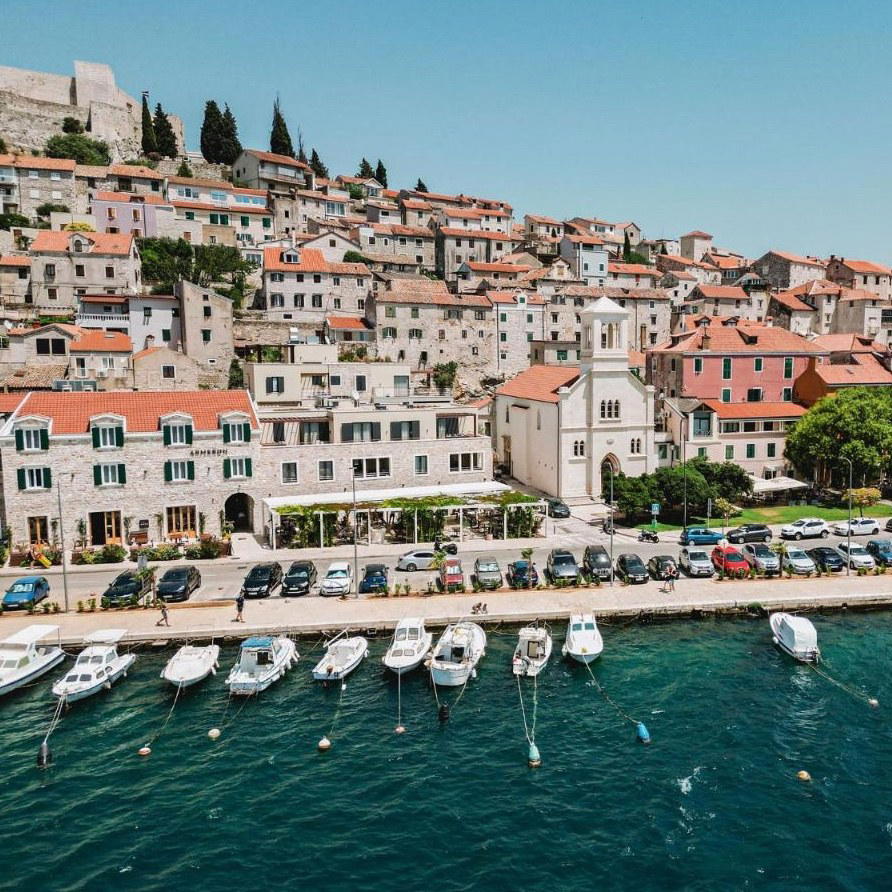

At a Glance
- Rustic
- Cozy
- Intimate
- Date Night
- Family
- Group Dining
- Special Occasion
- Historic Building
- Extensive Wine List
- Local Sourcing
Current opening hours
- Monday
- 5 PM–12 AM
- Tuesday
- 5 PM–12 AM
- Wednesday
- 5 PM–12 AM
- Thursday
- 5 PM–12 AM
- Friday
- 5 PM–12 AM
- Saturday
- 5 PM–12 AM
- Sunday
- Closed
Hours can change for holidays and private events. Last verified .
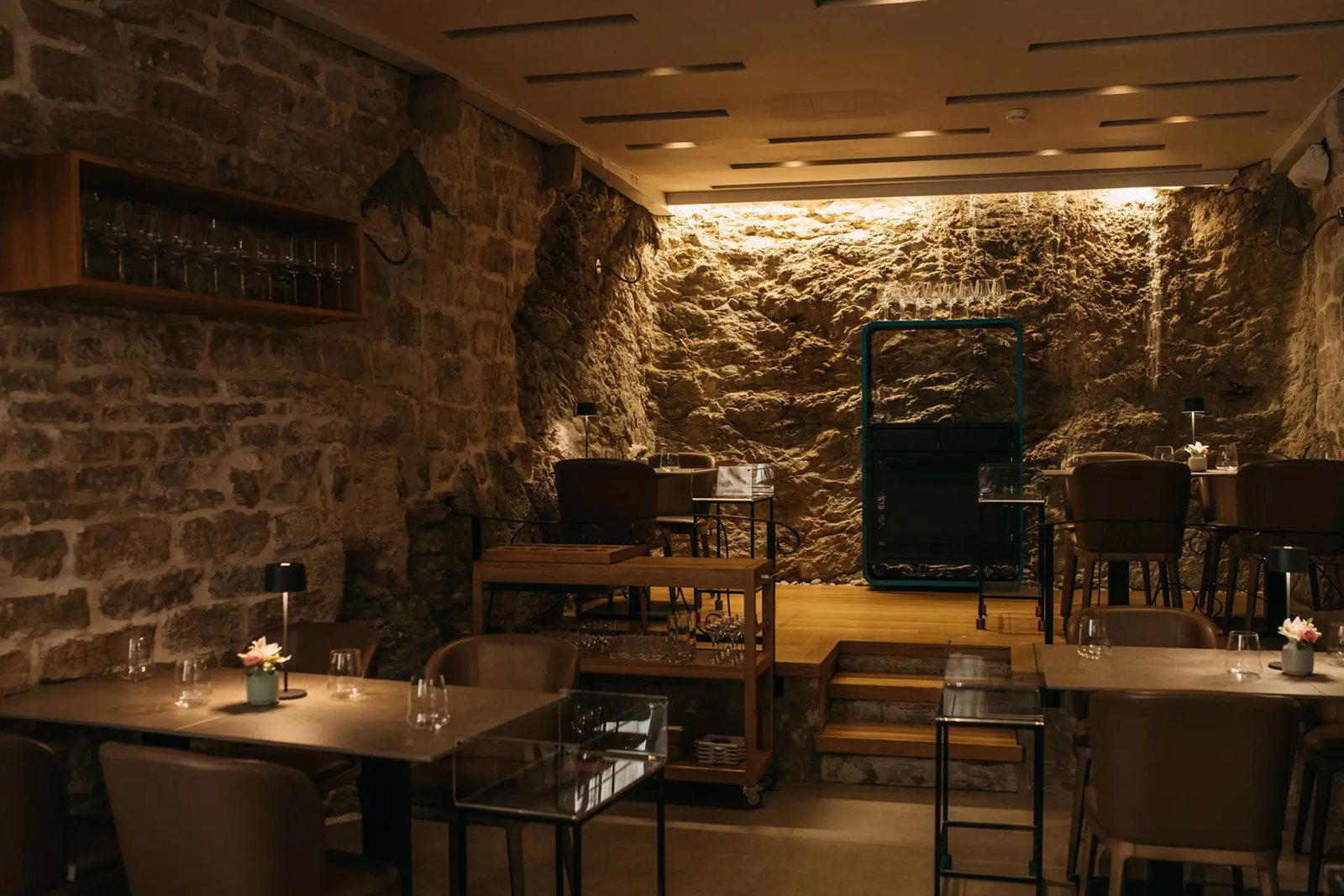
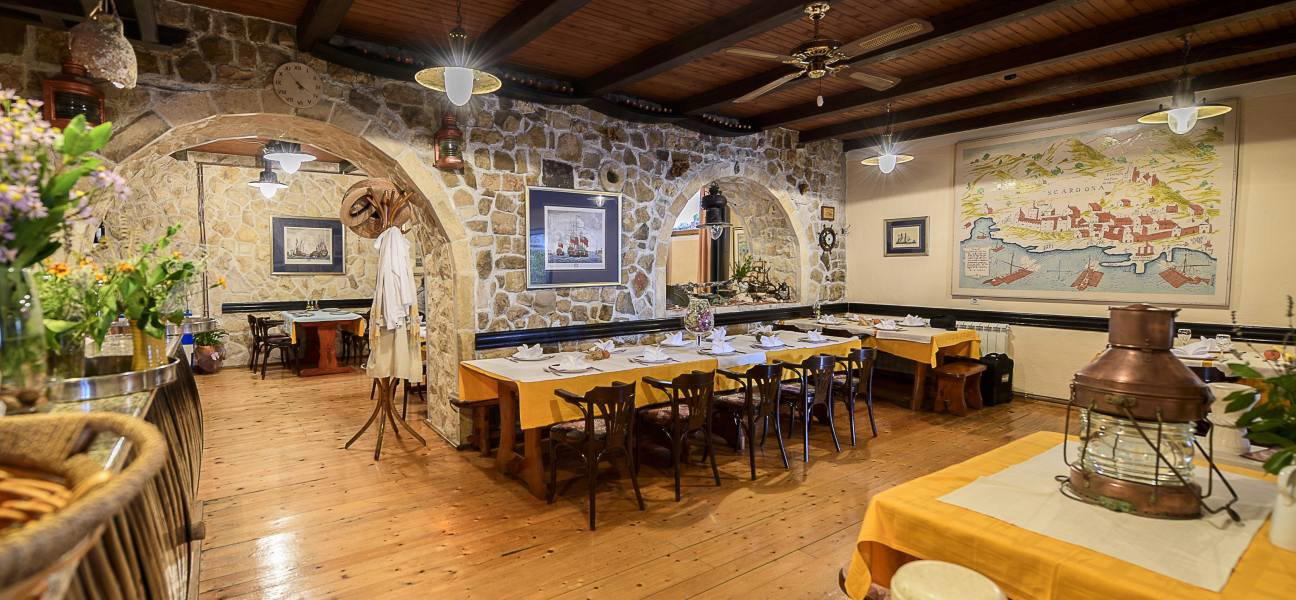
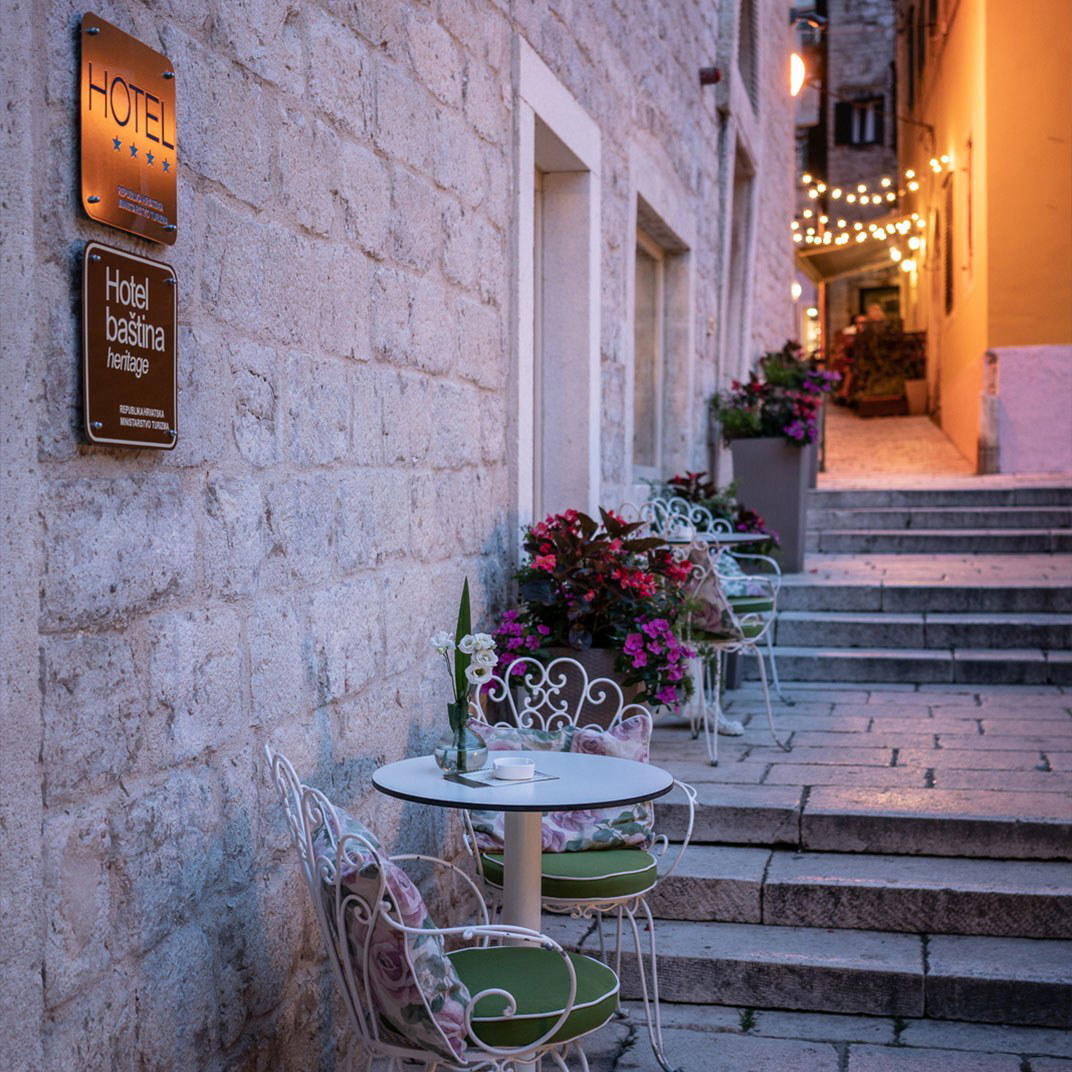
Rustic and welcoming with wood and local stone furnishings, warm and intimate atmosphere.