On Queen Street West, where Toronto's independent retail and food culture runs densest, Prequel & Co. Apothecary occupies an unusual position: part bottle shop, part cocktail and provisions concept, operating in the overlap between pharmacy aesthetics and curated hospitality. The format places it outside conventional bar or restaurant categories, making it one of the more genuinely singular addresses on a strip that trends toward the familiar.
 Discover on Pearl
Pearl is the En Primeur Club membership app — saves, bookings, and concierge access live there. Same editors, same standards.
- Address
- 1036 Queen St W, Toronto, ON M6J 1H7, Canada
- Phone
- +16473686630
- Website
- barprequel.com
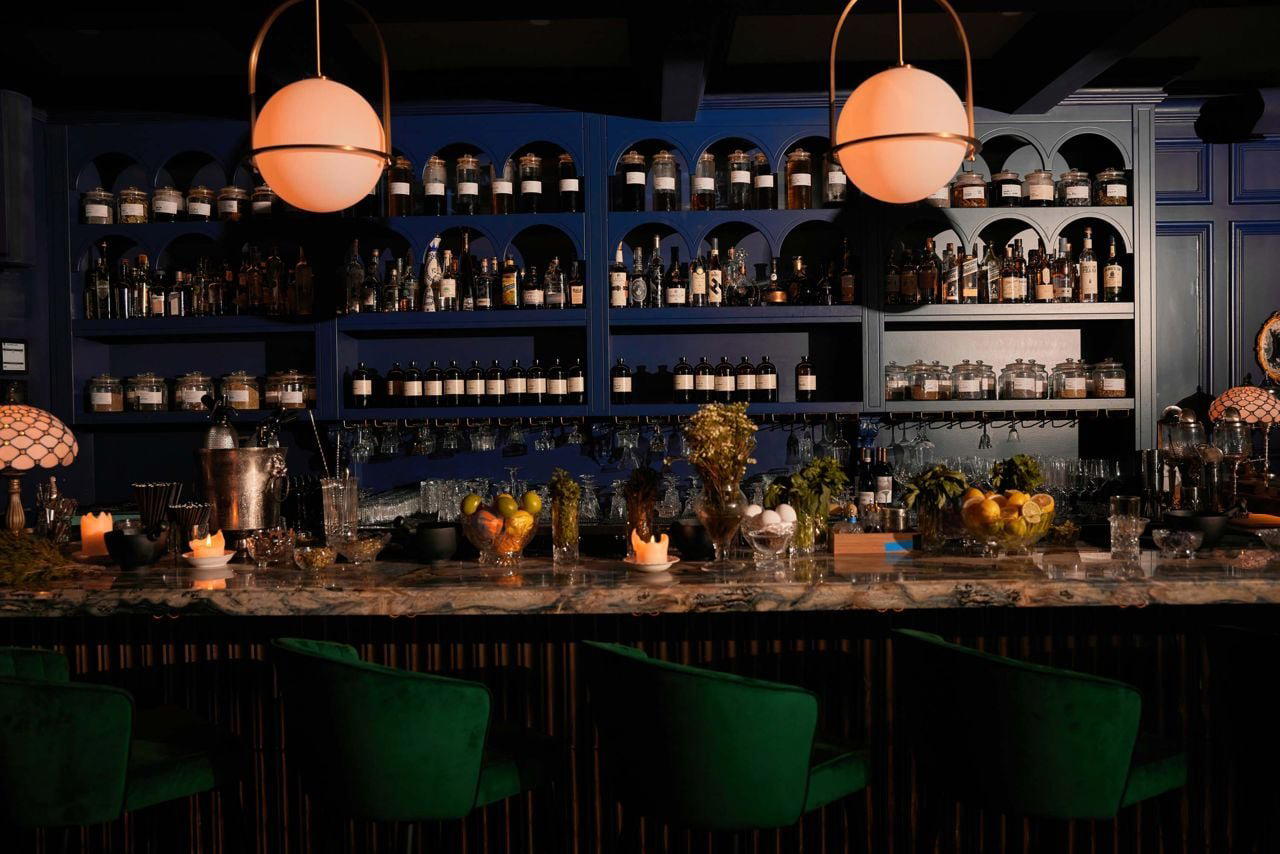
Queen West and the Apothecary Format
Queen Street West has cycled through several identities over the past two decades: artist corridor, vintage strip, casualty of chain retail creep, and now something harder to categorize. The stretch around Ossington and Beaconsfield has stabilized into a mix of independent food and drink operators who have survived long enough to become fixtures. In that environment, the apothecary-as-hospitality format has found real traction, partly because the aesthetic vocabulary of amber glass, labeled tinctures, and clinical shelving translates well to beverage curation, and partly because it signals intentionality without demanding the formal codes of a traditional bar or restaurant.
Prequel & Co. Apothecary at 1036 Queen St W operates inside that logic. The apothecary framing is not purely decorative: it organizes how the space presents its offer, how products are grouped and labeled, and how the guest is meant to move through the experience. This kind of format architecture, where the physical environment doubles as menu navigation, has become one of the more interesting structural experiments in Canadian independent hospitality, sitting somewhere between retail, bar programming, and provisions shop.
Menu Architecture and What It Signals
The apothecary format, when executed with discipline, does something that conventional bar menus rarely manage: it places the guest in a position of inquiry rather than passive selection. Standard cocktail lists arrange drinks by spirit, flavor profile, or occasion. An apothecary arrangement, built around provenance, function, or ingredient classification, asks a different question of the person reading it. The structure itself becomes a point of view.
In the broader Toronto independent bar scene, this kind of conceptual menu architecture has been explored at a handful of addresses, mostly in the west end, where the density of design-conscious operators is highest. The city's premium tier, anchored by destination restaurants like Alo (Contemporary) or highly specialized counters like Sushi Masaki Saito (Sushi, Japanese) and Aburi Hana (Kaiseki, Japanese), operates on menu architectures built around tasting progression and omakase discipline. The apothecary model pulls in a different direction: toward horizontal exploration rather than linear progression, toward the guest assembling their own path rather than following a prescribed one.
What the Prequel & Co. format reveals, structurally, is a preference for curation over choreography. Where Italian destination dining in Toronto, represented by addresses like DaNico (Italian) or Don Alfonso 1890 (Contemporary Italian, Italian), tends to build menus around a narrative of place and season, the apothecary model builds around taxonomy. Both are legitimate organizing principles; they simply produce different guest experiences.
Toronto's Independent Beverage Format Compared
The apothecary-adjacent hospitality model has appeared in Canadian cities at different scales and with different emphases. In Montreal, the emphasis tends toward Old World ingredient reference and wine-bar adjacency, as seen at Jérôme Ferrer - Europea in Montreal. In Quebec City, destination formats like Tanière³ in Quebec City build around regional terroir with a strong tasting-menu architecture. Vancouver's independent operators, including AnnaLena in Vancouver, tend to weight the food program heavily alongside beverages.
The Toronto version, at least in the Queen West corridor, leans more heavily into the provisions and retail dimension. This reflects the neighborhood's commercial character: Queen West has a longer tradition of hybrid retail-hospitality than comparable strips in Vancouver or Montreal, and operators here have learned that a model requiring only a single revenue stream is more fragile than one that can move between service, take-home, and provisions sales depending on the day and season.
For context on how Ontario's independent food culture extends beyond Toronto, operators at Restaurant Pearl Morissette in Lincoln and The Pine in Creemore have built formats that similarly resist easy categorization, combining production, hospitality, and retail in ways that the conventional restaurant model does not accommodate. The apothecary approach in Toronto is an urban version of that same instinct.
Positioning Within the Queen West Strip
Queen Street West between Bathurst and Dufferin is not a dining destination in the same way that Ossington Avenue or Dundas West function as defined restaurant corridors. It is more porous: foot traffic is higher and more varied, the mix of independent operators and chain retail is closer, and the pressure on any individual address to be a destination in its own right is consequently greater. Operators who have lasted on this stretch have generally done so by building enough local repeat business to buffer against the volatility of tourist and discovery traffic.
The apothecary format, with its retail component and accessible entry price point relative to the city's premium dining tier, is reasonably well-suited to that environment. It does not require the booking infrastructure of tasting-menu restaurants or the high per-head spend of counter formats. It can absorb walk-in traffic, provisions buyers, and seated guests within the same physical space, which is a structural advantage on a strip where dwell time and spend per visit are harder to predict than in dedicated dining corridors.
Canadian Comparisons Worth Drawing
The hybrid provisions-hospitality format has precedent across Canada in formats that similarly blur category lines. Eigensinn Farm in Singhampton operates at the extreme end of integration between production, hospitality, and experience. Narval in Rimouski and Barra Fion in Burlington both demonstrate how operators outside major urban centers have developed format discipline that urban addresses often claim but less frequently execute. Internationally, the comparison point for apothecary-inflected beverage programs would be found in New York, where formats at Le Bernardin in New York City and Atomix in New York City demonstrate the upper bracket of structured hospitality programming, though these operate at a formality and price point well above the Queen West independent tier.
Historical Toronto dining culture, with deep roots in neighborhood-specific identity, finds its analog in long-standing heritage formats like Aux Anciens Canadiens in Quebec, which has maintained format integrity across decades by committing to a specific cultural and culinary identity. The apothecary model at Prequel & Co. is earlier in that arc, but the underlying logic, of a format that communicates a specific worldview through how it organizes its offer, is the same.
Planning a Visit
Prequel & Co. Apothecary is a Toronto cocktail bar at 1036 Queen St W, with a Google rating of 4.6 from 1,153 reviews. The Queen West corridor is walkable from Trinity Bellwoods Park and the Ossington strip. As a hybrid format, it operates differently from a conventional seated restaurant: visit expectations should be calibrated accordingly, with provisions browsing, seated service, and take-home options likely available within the same space.
| Venue | Format | Price Tier | Booking Required |
|---|---|---|---|
| Prequel & Co. Apothecary | Apothecary / Provisions / Bar | Not confirmed | Not confirmed |
| Alo | Tasting Menu / Contemporary | $$$$ | Yes, advance booking |
| Sushi Masaki Saito | Omakase Counter | $$$$ | Yes, advance booking |
| DaNico | Italian / À la carte | $$$$ | Recommended |
Standing Among Peers
Comparable venues nearby, for context on price, style, and recognition.
| Venue | Cuisine | Price | Awards | Notes |
|---|---|---|---|---|
| PREQUEL & CO. APOTHECARYThis venue — the venue you are viewing | Apothecary Cocktail Bar | $$$ | , | |
| Poutini’s House of Poutine | Poutine House | $$ | , | West Queen West |
| Henderson Brewing co | Brew Pub & Pizza | $$ | , | Junction Triangle |
| Antler | Canadian Wild Game | $$$ | Michelin Plate | Little Portugal |
| Skippa | Seasonal Japanese Omakase | $$$ | , | Palmerston-Little Italy |
| 1 Kitchen | Farm-to-Table Sustainable Cuisine | $$$ | , | Fashion District |
Continue exploring
More in Toronto
Restaurants in Toronto
Browse all →
Bars in Toronto
Browse all →
Hotels in Toronto
Browse all →
Wineries in Toronto
Browse all →
At a Glance
- Whimsical
- Elegant
- Intimate
- Sophisticated
- Date Night
- Special Occasion
- Design Destination
- Craft Cocktails
- Local Sourcing
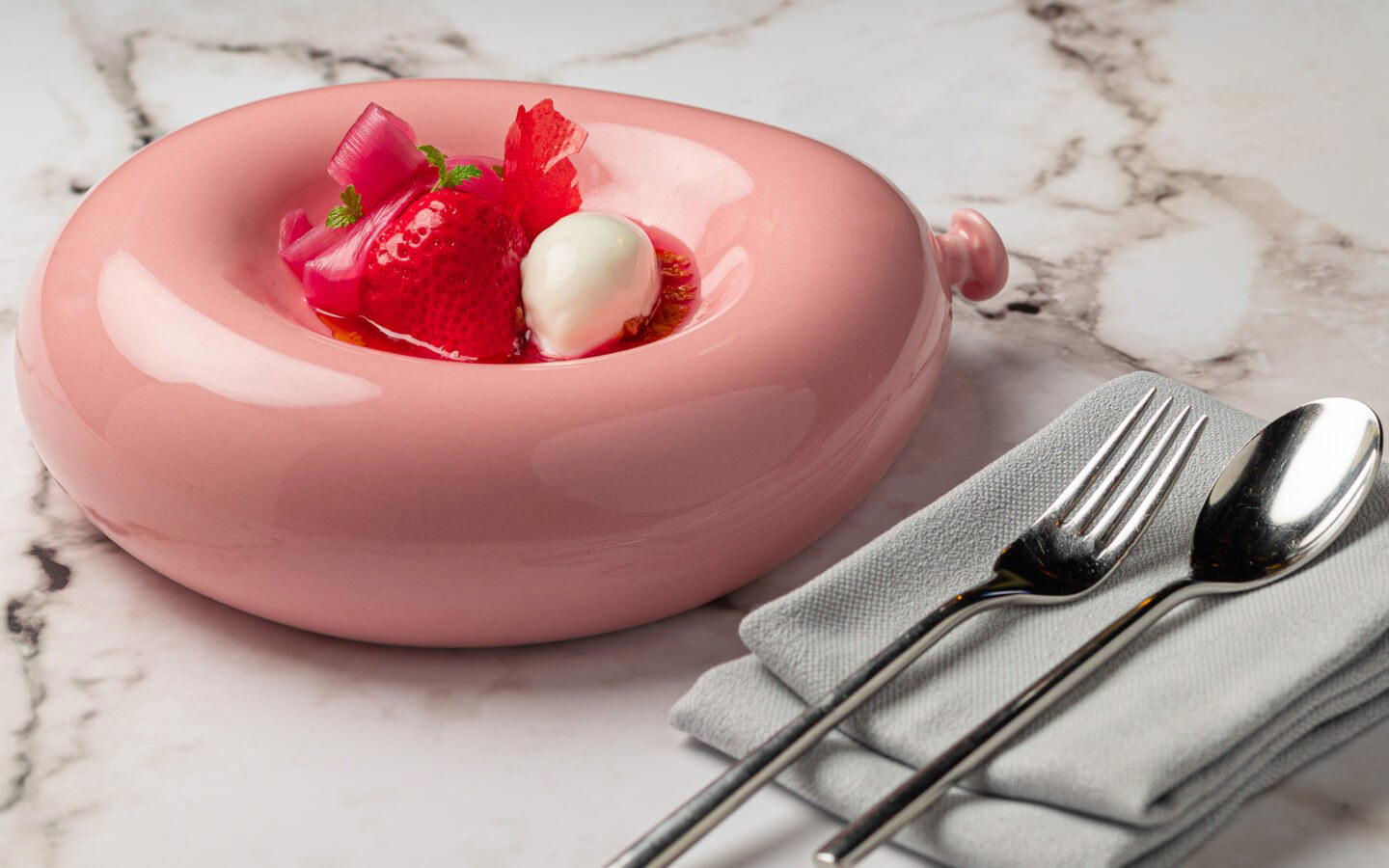
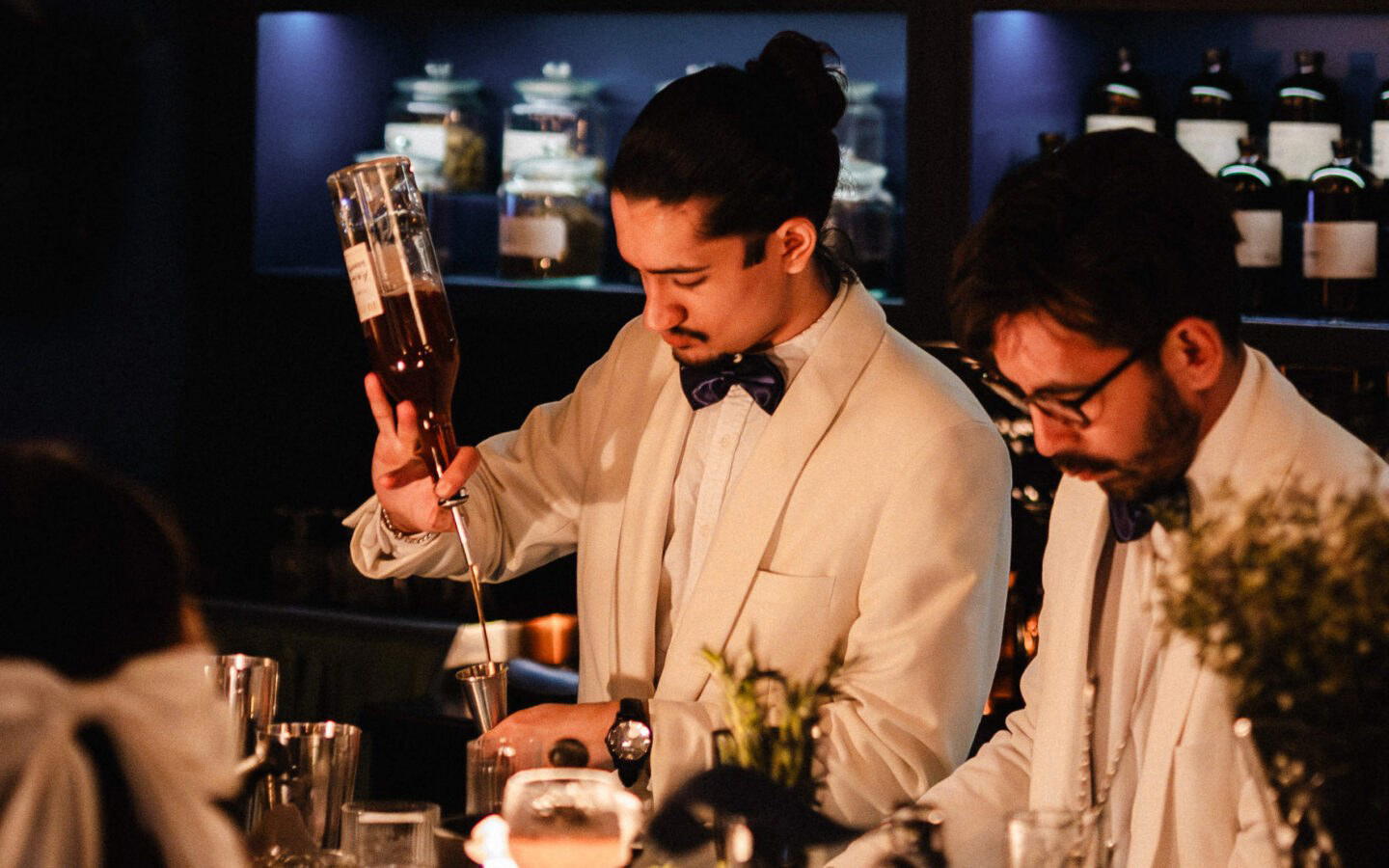
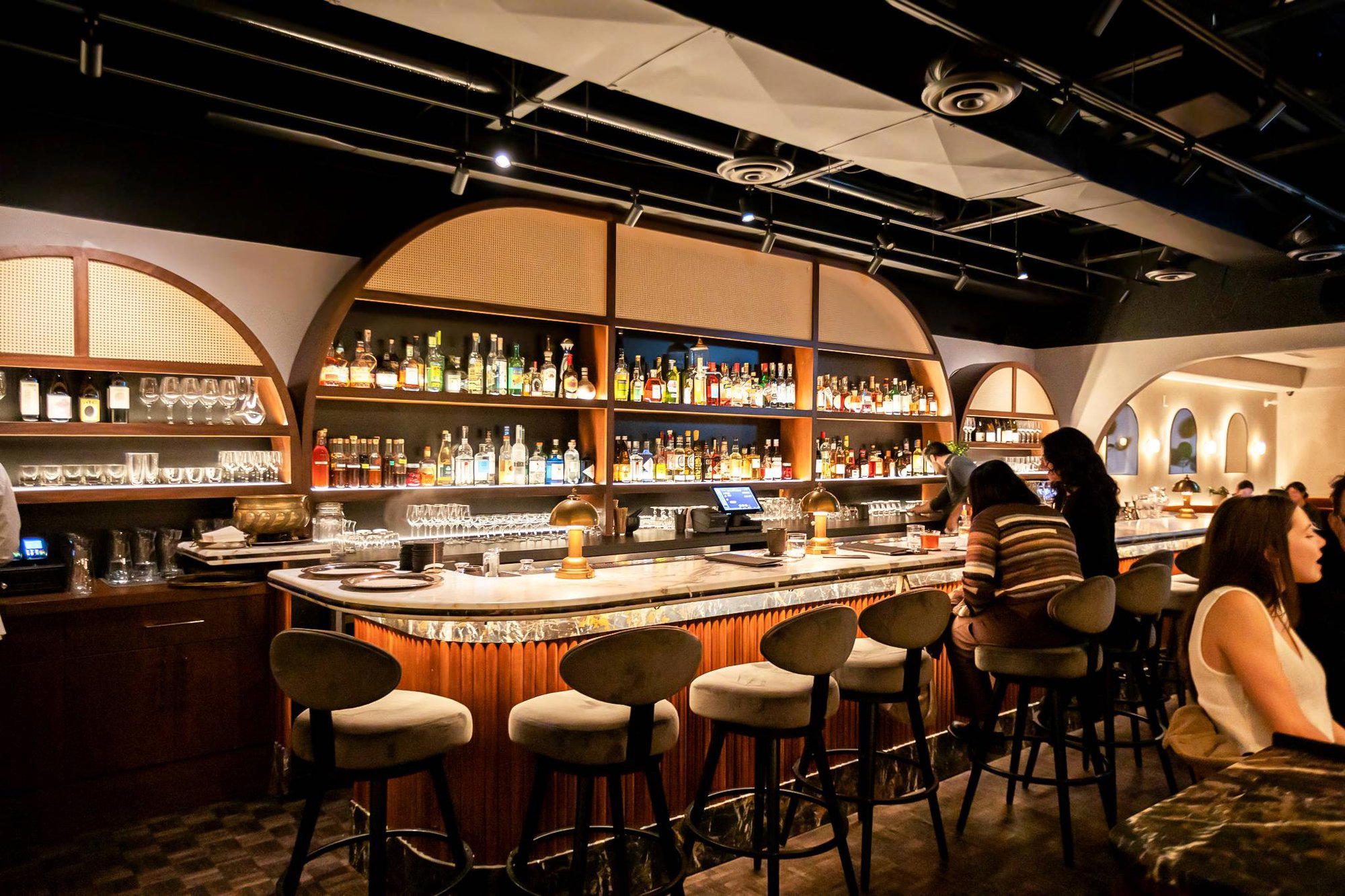
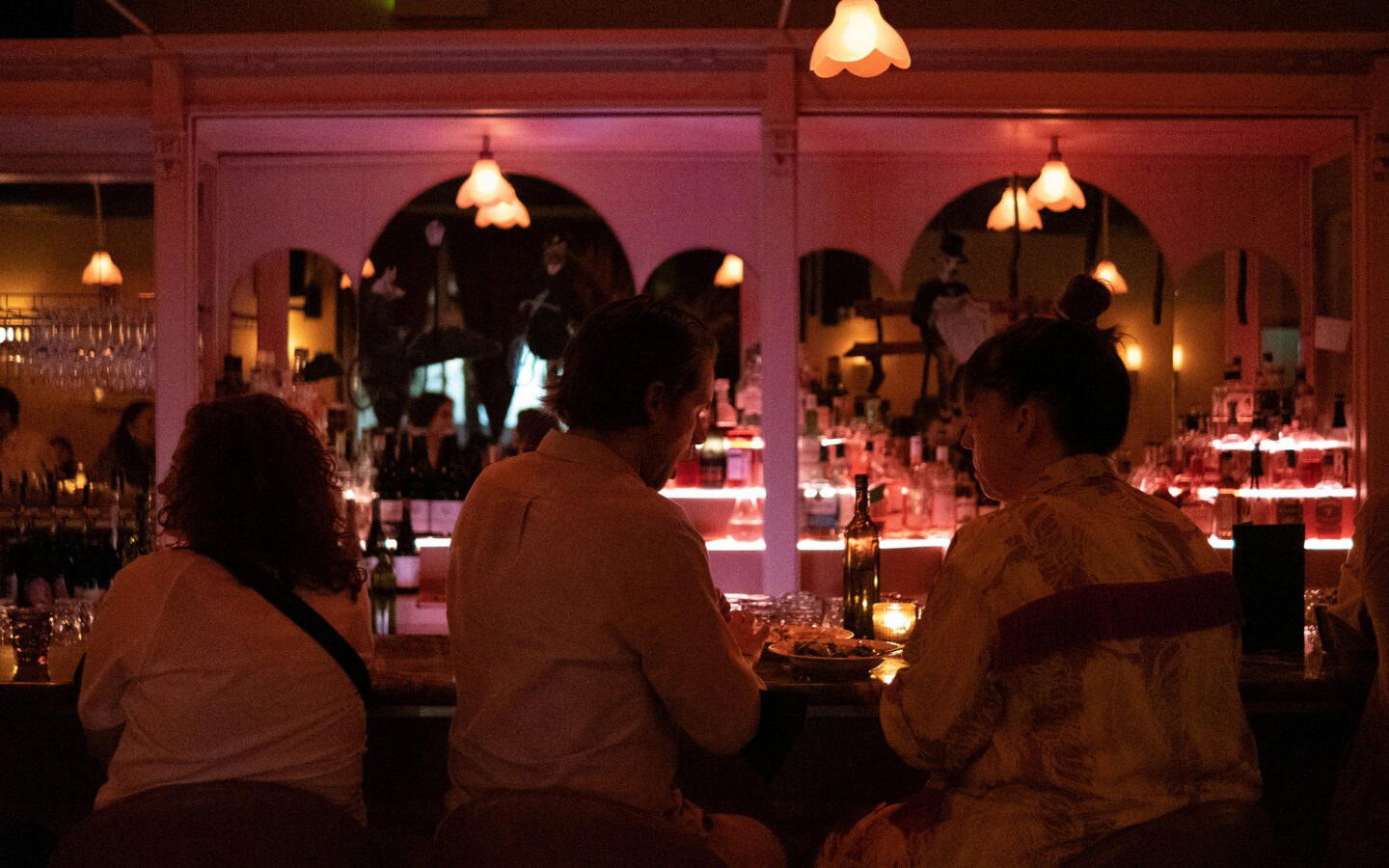
Dimly-lit, wood-and-velvet-clad space with deep-brown oak walls lined in dusty jars of herbs and botanicals, evoking an Art Nouveau apothecary atmosphere.