Prelude at the Opera House
Prelude at the Opera House occupies a singular position in San Francisco's pre-performance dining scene, sitting at 301 Van Ness Ave steps from the War Memorial Opera House. The restaurant draws a crowd shaped by the evening's program as much as by the menu, making the meal itself part of a longer, orchestrated night. It belongs to a small category of venues where the dining ritual and the cultural event inform each other.
Pearl is the En Primeur Club membership app — saves, bookings, and concierge access live there. Same editors, same standards.
- Address
- 301 Van Ness Ave, San Francisco, CA 94102
- Phone
- +14158618150
- Website
- opentable.com
- Directions
- Get directions
 Saves & bookings on Pearl
When the Curtain Is Still an Hour Away
The stretch of Van Ness Avenue that runs past the War Memorial Opera House carries a particular energy on performance nights. The sidewalk fills early, suits and gowns moving with purpose toward the civic buildings that define this part of the city. Prelude at the Opera House, at 301 Van Ness Ave, is a Contemporary American restaurant in San Francisco. It is one of a small number of American restaurants whose identity is shaped not just by what it serves but by the rhythm imposed on the evening from outside: the curtain time, the overture, the intermission that never comes if dinner runs long.
That temporal pressure is the defining feature of the dining ritual here, and understanding it reframes everything about how to approach the meal. San Francisco's upper tier of restaurants, Lazy Bear, Atelier Crenn, Benu, Quince, Saison, operate on their own timetables, often stretching across two to three hours by design. A pre-performance venue does not have that luxury. The meal is structured around departure, which imposes a discipline on the kitchen and a different kind of pleasure for the diner.
The Dining Ritual, Shaped by the Clock
Pre-curtain dining has its own customs, and they differ meaningfully from the open-ended tasting menus that define San Francisco's contemporary fine dining conversation. The pacing is compressed but not rushed, at least at its leading. Courses arrive with intention rather than spectacle. The wine order matters more than it might elsewhere, because there is no lingering over a second glass once the check has arrived. Aperitifs carry more weight, functioning as both welcome and orientation for the hour ahead.
This format places Prelude in a category that exists in most major American arts cities: the pre-performance dining room that earns its place through consistent execution under time constraints. The equivalent model appears at venues near Lincoln Center in New York, at houses adjacent to Chicago's Lyric Opera, and at comparable spots near the performing arts institutions of Los Angeles. What separates the better examples from the functional ones is the degree to which the kitchen treats the constraint as a design condition rather than an obstacle.
The location at the civic heart of the Van Ness corridor places Prelude near the San Francisco Symphony's Davies Symphony Hall as well. That dual adjacency, opera on one side, symphony on the other, means the clientele shifts with the weekly program. A Wagner evening draws a different table than a chamber program or a ballet run, and a kitchen that understands its audience adjusts accordingly.
Where Prelude Sits in the City's Dining Tiers
San Francisco's fine dining scene has consolidated around a small number of formats: the chef's counter omakase, the multi-course tasting room, and the seasonal Californian table. Prelude does not sit cleanly inside any of those categories. Its competitive set is narrower and more specific: restaurants that serve a cultural institution's audience, that operate on performance schedules, and that succeed or fail based on whether the meal enhances or competes with the evening's main event.
Nationally, the benchmark for this kind of positioning includes Alinea in Chicago and the formal rooms near Le Bernardin in New York City, both of which operate adjacent to major cultural infrastructure. Further afield, The Inn at Little Washington and Blue Hill at Stone Barns in Tarrytown represent the American tradition of the destination dining room that doubles as cultural event in itself. Closer to the Bay Area, The French Laundry in Napa and Single Thread Farm in Healdsburg hold the multi-course ceremonial end of the market. Prelude's register is different from all of them: it is a complement to a night out, not the night itself.
That positioning is not a limitation. The pre-performance dining room at its leading is one of the more civilized formats in urban restaurant culture, a place where the food serves the evening rather than competing with it, where conversation moves with a natural arc because both parties know when it ends, and where the room fills with people who are, collectively, oriented toward something beyond the plate.
The Seasonal Angle and When to Go
Opera and symphony seasons in San Francisco run roughly September through June, with the heaviest programming in autumn and spring. Those months represent the periods when Prelude operates closest to its intended context, the room full, the street outside animated, the connection between dinner and performance at its clearest. Summer programming exists but is lighter, and the crowd shifts accordingly. For first-time visitors, an autumn weeknight during a major opera run is the moment when the full logic of the restaurant's position becomes apparent.
Comparative points of reference outside California help calibrate expectations: Providence in Los Angeles, Addison in San Diego, Emeril's in New Orleans, and Bacchanalia in Atlanta all represent the American tradition of the serious dining room that serves a culturally engaged local audience. Atomix in New York City and 8 1/2 Otto e Mezzo Bombana in Hong Kong show how the format translates across different urban registers internationally. Prelude's version is distinctly San Franciscan: civic in its address, Californian in its context, and shaped by the particular mix of old-money arts patronage and tech-adjacent new wealth that defines the War Memorial's audience in the current decade.
Planning Your Evening
The practical logic of dining here begins with the performance schedule, not the restaurant's hours. Reservations are recommended. Dress: smart casual fits the room. Budget: expect about $75 per person. Timing: Autumn and spring align with peak programming; summer visits offer a quieter version of the same room.
Peers in This Market
Comparable venues nearby, for context on price, style, and recognition.
| Venue | Cuisine | Price | Notes |
|---|---|---|---|
| Prelude at the Opera HouseThis venue — the venue you are viewing | Contemporary American | $$$ | Not listed |
| Turntable at Lord Stanley | Rotating Chef Tasting Menus | $$$ | Russian Hill |
| Charmaine's | Modern Californian Small Plates | $$$ | Tenderloin |
| International Smoke | Global BBQ Fusion | $$$ | Financial District/South Beach |
| The Rotunda | Contemporary American | $$$ | Financial District/South Beach |
| Toy Soldier | Modern New American | $$$ | Financial District/South Beach |
Continue exploring
More in San Francisco
Restaurants in San Francisco
Browse all →
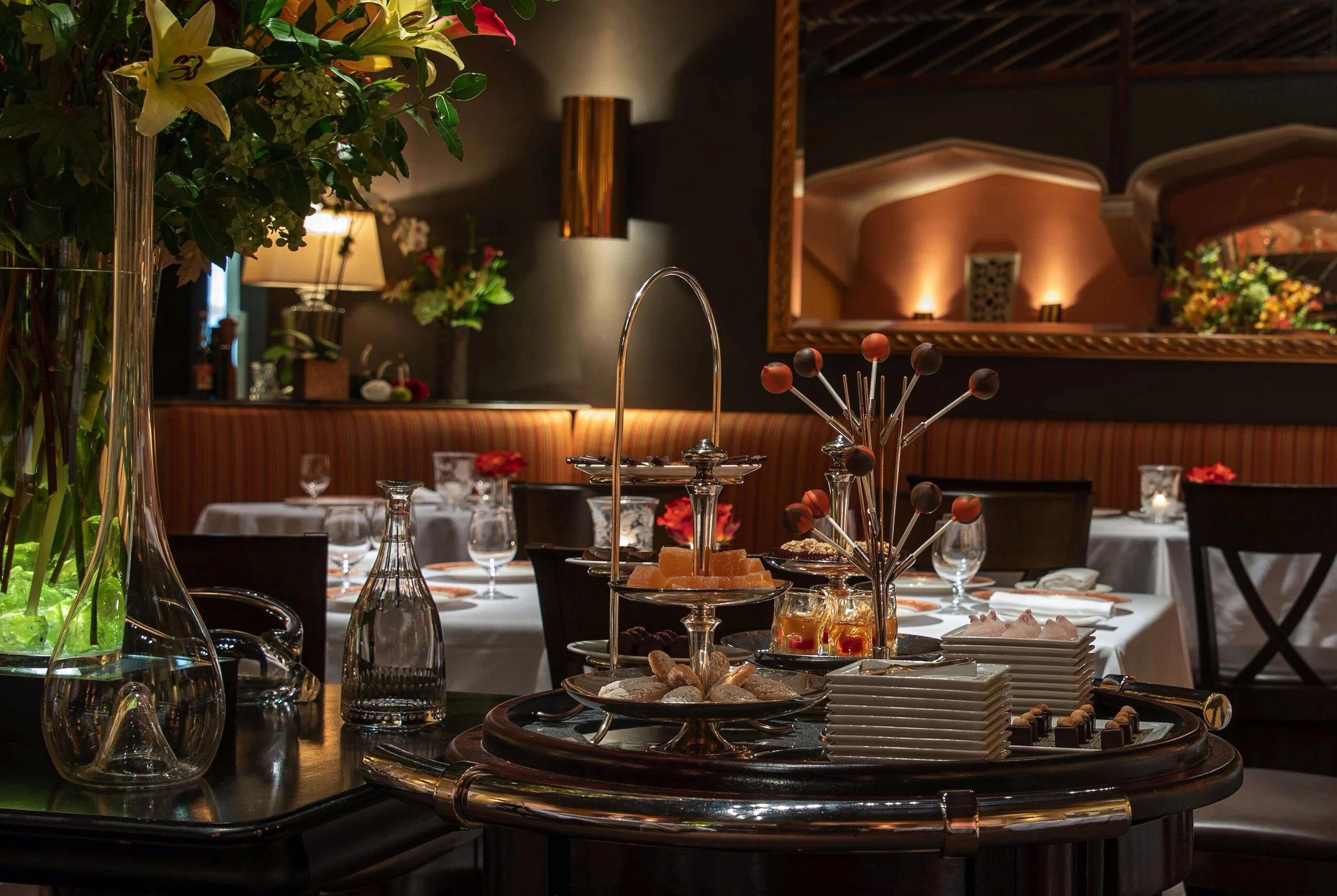
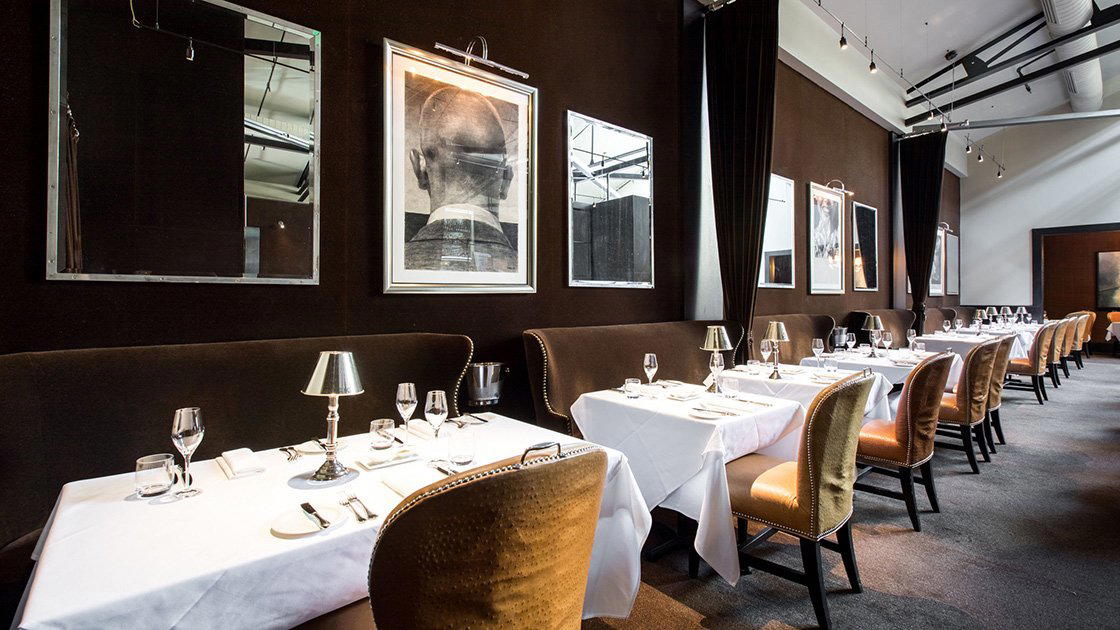
Bars in San Francisco
Browse all →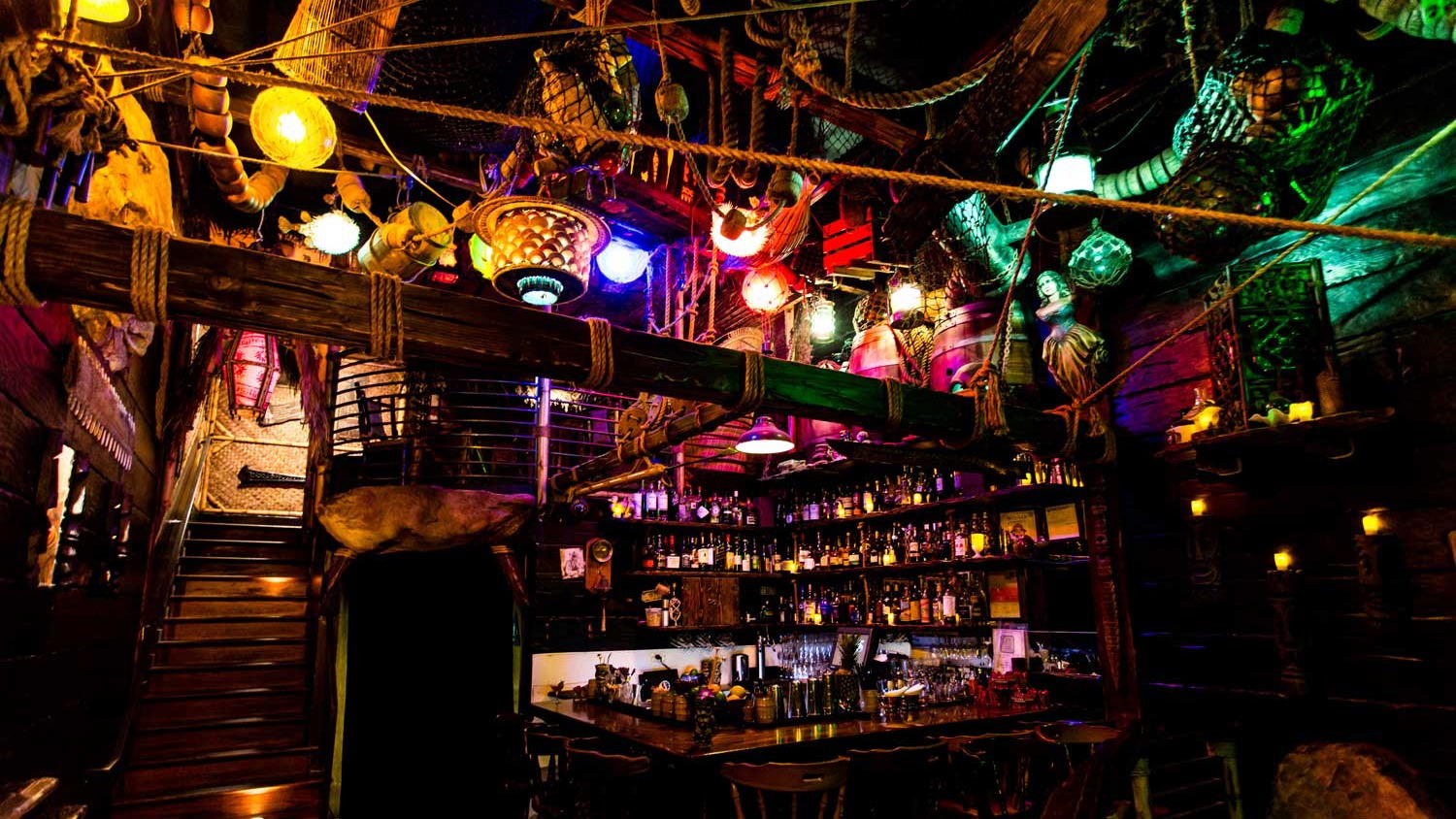
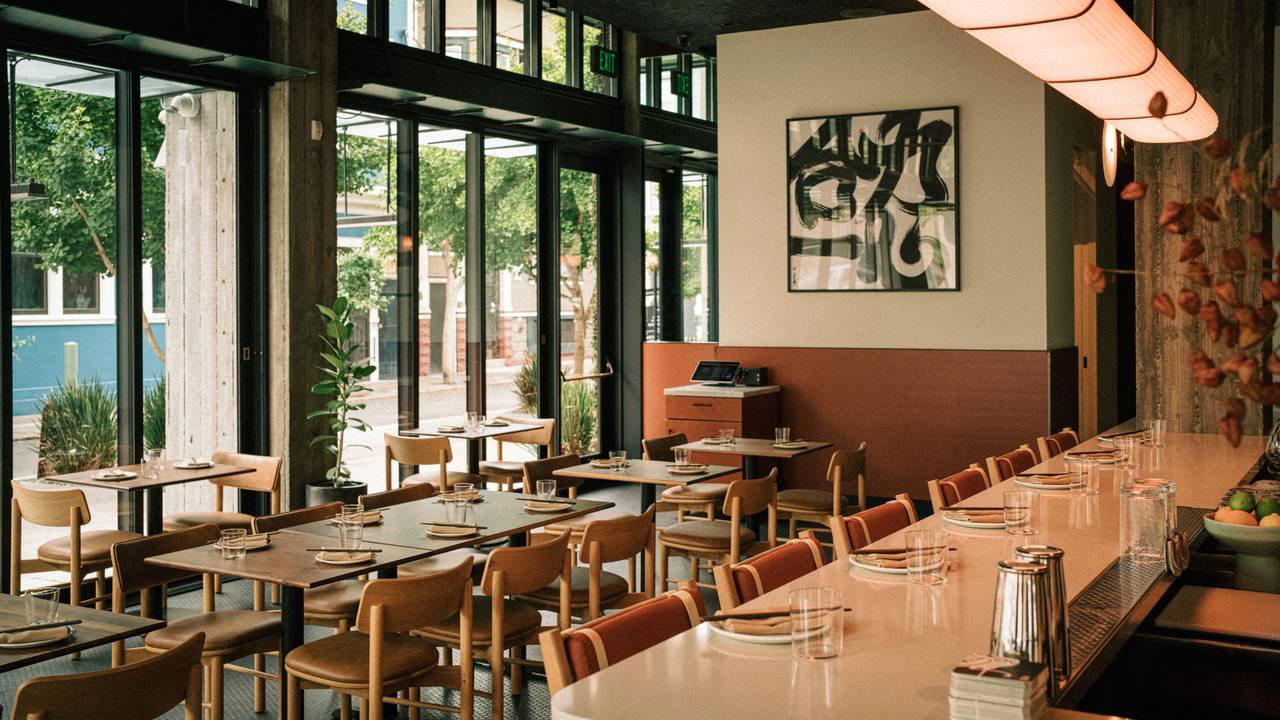
Hotels in San Francisco
Browse all →
At a Glance
- Elegant
- Sophisticated
- Special Occasion
- Date Night
- Historic Building
- Hotel Restaurant
- Extensive Wine List
- Craft Cocktails
- Local Sourcing
Current opening hours
- Monday
- 11:30 AM–4 PM, 5–7 PM
- Tuesday
- 11 AM–8 PM
- Wednesday
- 11 AM–8 PM
- Thursday
- 11 AM–8 PM
- Friday
- 11 AM–8 PM
- Saturday
- 11 AM–8 PM
- Sunday
- 11:30 AM–7 PM
Hours can change for holidays and private events. Last verified .
Sophisticated atmosphere complementing the nearby opera house with a lively yet refined setting.