Toy Soldier
Toy Soldier occupies a slip of space on Belden Place, San Francisco's narrow pedestrian alley that functions as one of the city's most concentrated dining corridors. The address alone positions it within a pocket of the Financial District where foot traffic is local and intentional rather than tourist-driven. Specific menu details and booking arrangements are best confirmed directly before visiting.
Pearl is the En Primeur Club membership app — saves, bookings, and concierge access live there. Same editors, same standards.
- Address
- 52 Belden Pl, San Francisco, CA 94104
- Phone
- +14158759514
- Website
- toysoldiersf.com
- Directions
- Get directions
 Saves & bookings on Pearl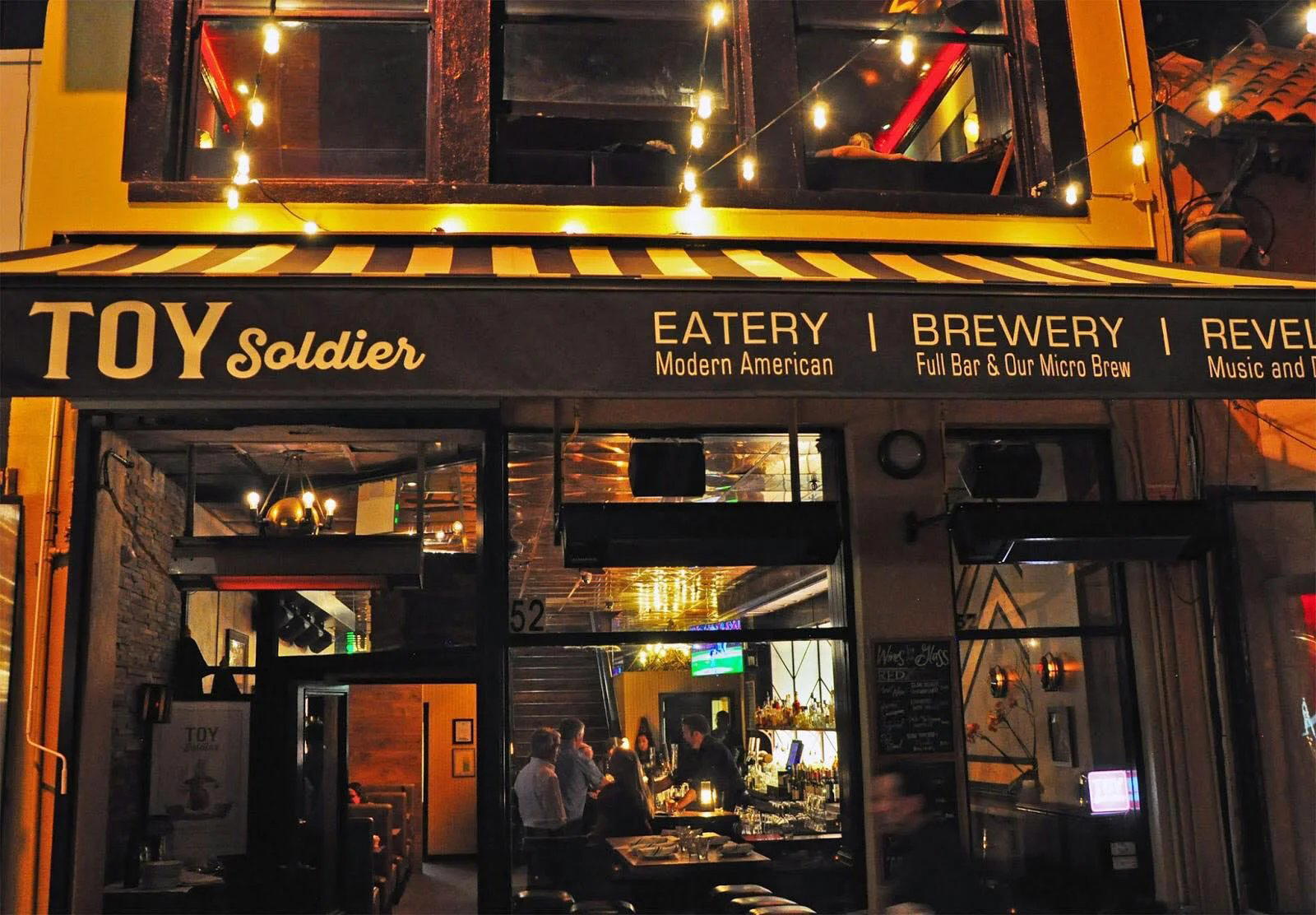
Belden Place and the Anatomy of a San Francisco Dining Alley
San Francisco's most interesting dining decisions have rarely been made on its broadest streets. Belden Place, a one-block pedestrian lane running between Pine and Bush streets in the Financial District, has operated for decades as a shorthand for a particular kind of urban dining confidence: narrow tables, close neighbours, and a crowd that arrives with a specific destination rather than a stroll in mind. The alley format itself shapes expectations before anyone sits down. It is the kind of address that rewards local knowledge over chance discovery, and Toy Soldier, at 52 Belden Pl, fits that geography precisely.
The concentration of restaurants along Belden means that each venue competes for a community of regulars rather than passing foot traffic. That dynamic tends to push kitchens toward specificity. Across the American restaurant scene, urban alley and courtyard formats have consistently produced menus with stronger sourcing narratives than their high-visibility counterparts on main streets, largely because the business model depends on repeat visits from an informed neighbourhood audience rather than a single tourist transaction. Belden's character has been shaped by that logic for a generation.
Sourcing as Argument: What California Produces and Why It Matters Here
Northern California's agricultural position is difficult to overstate as context for any San Francisco restaurant. The Bay Area sits within reach of particularly productive and diverse farming land in the country: the Central Valley to the east, the Sonoma and Marin agricultural belts to the north, and a coastline that supplies Dungeness crab, halibut, and sea urchin with a provenance chain short enough to be meaningful. Restaurants operating at any serious level in this city make sourcing decisions that are, in effect, arguments about which of those regional systems they trust and prioritise.
The farms and fishing operations supplying San Francisco kitchens have also become a competitive differentiator in a way that mirrors what has happened at venues like Single Thread Farm in Healdsburg, where the sourcing apparatus is itself part of the value proposition, or Blue Hill at Stone Barns in Tarrytown, where the farm-to-table relationship is structural rather than incidental. In San Francisco's most attentive kitchens, the same logic applies at a city scale: proximity to supply creates both an opportunity and an obligation to use it well.
Toy Soldier's position on Belden Place places it in this conversation by geography and by the standards the neighbourhood sets. What distinguishes venues in this tier is not the availability of good ingredients, which is nearly universal in this city, but the discipline of the decisions made around them: seasonal rotation, supplier relationships, and the editorial choices about what belongs on a menu at a given moment.
The Financial District Dining Context
The Financial District as a dining neighbourhood operates on rhythms that differ from SoMa or the Mission. Lunch is competitive; dinner depends on drawing guests away from the gravitational pull of Hayes Valley and the broader Civic Center corridor. Belden Place manages this by functioning almost as its own sub-neighbourhood, a destination within a destination, where the pedestrian-only format creates an atmosphere distinct from the surrounding blocks.
San Francisco's upper-tier tasting-menu circuit, represented by venues including Benu, Atelier Crenn, Quince, Lazy Bear, and Saison, all sit in the $$$$ bracket and operate with booking windows that require planning months in advance. The dining options along Belden tend to occupy a different register, one where the experience is more immediate and the commitment per visit is lower, while the sourcing standards and kitchen seriousness can be comparable.
That positioning matters for how Toy Soldier fits into the broader San Francisco picture. The city has a well-documented range of dining registers, from the destination fine-dining venues that draw international comparison with Le Bernardin in New York City, Alinea in Chicago, or The French Laundry in Napa, to the neighbourhood-anchored spots that sustain a local dining culture. The Belden corridor belongs firmly to the latter category, and it is in that category where San Francisco has historically been strongest.
The alley runs one block and is pedestrian-only during dining hours, with tables from multiple restaurants occupying the outdoor lane when weather permits, which in San Francisco's mild microclimate is more often than visitors expect. The Financial District empties quickly after the working week, so weekday visits often yield a more local crowd than weekend evenings, when the neighbourhood dynamic shifts toward those arriving specifically for dinner rather than transitioning from the office.The practical advice that applies broadly to Belden restaurants holds here: arrive with the name and address confirmed, check current hours directly, and treat the alley's compact format as an asset rather than a constraint. The seating density that can feel close indoors opens up considerably when the outdoor lane is in use.
Placing Toy Soldier in a Wider American Context
San Francisco's position in American dining has always been defined by its agricultural adjacency, and that advantage is shared unevenly across the country. Venues in cities like Atlanta, represented by Bacchanalia, or New Orleans, where Emeril's built its reputation on regional supply chains, have made sourcing central to their identity in markets without California's raw material advantages. The West Coast's edge is not simply the quality of what grows here but the density and proximity of the supply network, which allows kitchens to make sourcing decisions at a granularity that is logistically harder elsewhere.
That context is worth holding when assessing any San Francisco restaurant. The baseline expectation for ingredient quality is set by the city's geography, and the question for any individual kitchen is what it does with that baseline. Venues further up the prestige tier, like Providence in Los Angeles or Addison in San Diego, have built sourcing programs that function as formal differentiators. The same instinct operates at smaller scale along corridors like Belden, where the competition is immediate and the regulars notice.
Price and Positioning
Comparable venues nearby, for context on price, style, and recognition.
| Venue | Cuisine | Price | Notes |
|---|---|---|---|
| Toy SoldierThis venue — the venue you are viewing | Not listed | $$$ | Not listed |
| Charmaine's | Not listed | $$$ | Tenderloin, Modern Californian Small Plates |
| International Smoke | Not listed | $$$ | Financial District/South Beach, Global BBQ Fusion |
| The Harlequin | Not listed | $$$ | Financial District/South Beach, New American |
| Town Hall | South Beach, American Southern Comfort | $$$ | Not listed |
| Bix | Chinatown, Modern American Supper Club | $$$ | Not listed |
Continue exploring
More in San Francisco
Restaurants in San Francisco
Browse all →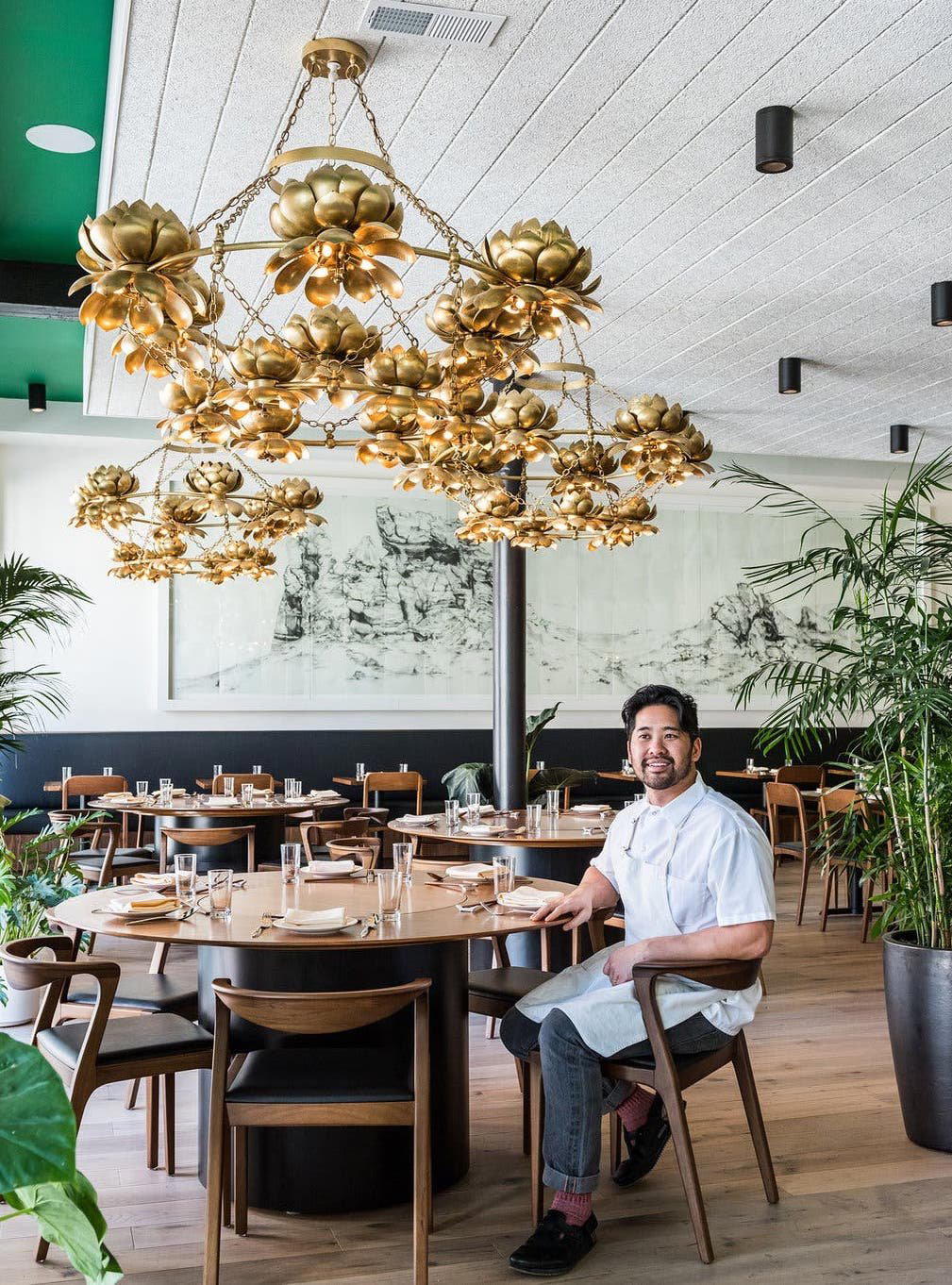
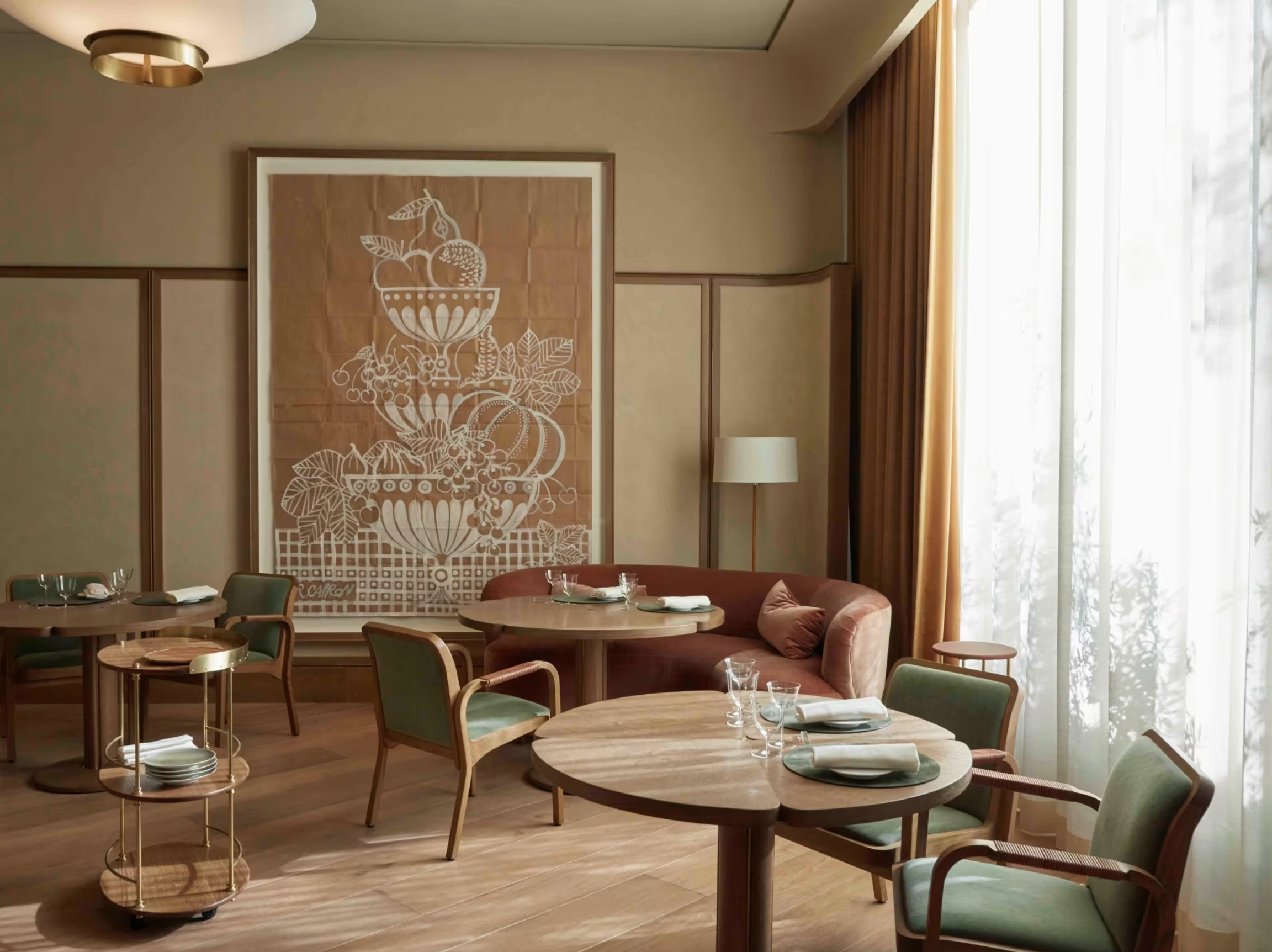
Bars in San Francisco
Browse all →
Hotels in San Francisco
Browse all →

At a Glance
- Lively
- Cozy
- Intimate
- Trendy
- Date Night
- Business Dinner
- Group Dining
- Casual Hangout
- Craft Cocktails
- Beer Program
- Local Sourcing
Current opening hours
- Monday
- 11:30 AM–9 PM
- Tuesday
- 11:30 AM–9 PM
- Wednesday
- 11:30 AM–9 PM
- Thursday
- 11:30 AM–9 PM
- Friday
- 11:30 AM–9 PM
- Saturday
- 5–9 PM
- Sunday
- Closed
Hours can change for holidays and private events. Last verified .
Lively yet intimate atmosphere with twinkling lights in a welcoming alley, featuring a casual lively main dining room, full bar, romantic upstairs lounge, and outdoor area.