

Michelin Plate · Tabelog 100 #35
Our verdict
PONTE VECCHIO occupies a restored building in Kitahama, Osaka's financial quarter, where Italian technique meets Japanese ingredient discipline. Chef Daisuke Yamane's refined approach focuses on local sourcing and restrained plating. The address sits near the Nakanoshima riverfront, within walking distance of the district's early-twentieth-century European-style architecture.

Pearl is the En Primeur Club membership app, where members save venues, book tables and use the concierge.
The menu
What to order
- Potato and caviar ‘world’s most luxurious pauper food’
- Seasonal seafood pasta
- Minimalist composed vegetable dishes
Kitahama's commercial streetscape, banking towers, heritage facades, and a handful of discreet restaurant entries, offers few clues to the sourcing precision inside PONTE VECCHIO. The dining room sits within a converted structure near the Yodogawa River, where the district's heritage designation has preserved masonry detailing and narrow fenestration. Chef Daisake Yamane's stated culinary goal centers on ingredient procurement from Osaka's wholesale markets and farms within day-trip distance, a framework that aligns Italian technique with the seasonal cycles of western Honshu.
Sourcing Protocol and Supplier Networks
Osaka's restaurant scene has moved incrementally toward farm-direct procurement over the past decade, particularly among chefs trained in European kitchens who return with interest in traceability. Yamane's model overlaps with that trend: vegetables sourced from growers in southern Osaka Prefecture, fish delivered daily from Kuromon Ichiba and the central wholesale terminal in Fukushima, and occasional specialty items, Hyogo duck, Shimane pork, shipped overnight. The format resembles the ingredient discipline found at a canto, where Italian training meets Japanese supply-chain habits, though each kitchen interprets the intersection differently.
The menu does not publish supplier names, but the emphasis on seasonality signals reliance on short-chain logistics. Spring means bamboo shoots and fava beans; late autumn shifts toward root vegetables and citrus from Wakayama. That rhythm mirrors the Japanese shun calendar more closely than the fixed repertoire typical of many Italian restaurants in Osaka's central business district. The result is a format that reads Italian in technique, hand-rolled pasta, slow-cooked proteins, emulsified sauces, but Japanese in its ingredient calendar and presentation restraint.
Format, Setting, and Neighborhood Context
The Kitahama area operates as Osaka's historical financial hub, with prewar bank buildings converted into cafés, galleries, and small restaurants. PONTE VECCHIO's address at 1-8-16 Kitahama places it within a two-minute walk of Kitahama Station on the Keihan Main Line and the Osaka Metro Sakaisuji Line, making the location accessible from Kyoto, Nara, or central Osaka without transfers. The immediate vicinity includes .cafe, a specialty-coffee counter in a heritage townhouse, and several European-style bistros serving the district's office workers.
The Kitahama neighborhood has tightened its liquor-licensing and zoning rules in recent years, which has kept restaurant density lower than in Umeda or Namba, and the area's character leans toward low-key professionalism rather than evening-entertainment volume. For context, other restaurants in the district operate within similar constraints: 99 Pizza Napoletana Gourmet runs a compact counter format nearby, while 551 Horai operates as a takeaway-focused format on adjacent blocks.
Travelers comparing Italian-inflected restaurants in Osaka will find PONTE VECCHIO on the ingredient-driven end of the spectrum, closer to [ki:] in Kyoto, where sourcing narratives shape the menu, than to volume-oriented trattorias in Dotonbori. The Kitahama location also suits visitors staying near Nakanoshima or exploring the city's architectural heritage; the neighborhood connects efficiently to hotels in central Osaka and the wider Kansai rail network.
Positioning and Broader Dining Context
Osaka's Italian dining tier splits between high-volume casual formats, many concentrated in Umeda and Namba, and smaller chef-driven venues where technique and ingredient sourcing carry more weight. PONTE VECCHIO sits in the latter category, competing on precision rather than scale. The culinary goal outlined by Yamane, centering local ingredients within Italian technique, places the restaurant inside a recognizable niche shared by several Osaka and Kyoto establishments, where Japanese produce meets European training.
The lack of public Michelin recognition or international awards data means the venue operates outside the highly visible tier occupied by starred Italian restaurants in Tokyo and Kyoto. That does not imply lower quality, but it does suggest a local audience and a format less dependent on tourist traffic. For travelers building an Osaka itinerary, PONTE VECCHIO serves as a quieter counterpoint to the city's marquee dining addresses, suited to visitors interested in ingredient-forward cooking and willing to navigate a less-publicized venue.
The restaurant's proximity to 52CHO-ME BAKERY and other Kitahama specialist food addresses makes it possible to combine a meal here with morning coffee or afternoon pastry in the same district. For a fuller picture of Osaka's dining range, consult our full Osaka restaurants guide, which covers formats from yakitori counters to kaiseki, and our Osaka bars guide for post-dinner options near Kitahama.
Visitors seeking similar ingredient-sourcing narratives elsewhere in Japan might consider .know in Kumamoto or -Grilled beef Sukiyaki- KAMAKURA TANUKIAN 鎌倉 たぬき庵 in Kamakura, both of which emphasize regional supply chains within their respective culinary traditions. In the United States, Jōdo Saké Bar in Los Angeles and Onigiri Time in Pasadena demonstrate how Japanese ingredient discipline translates to Western markets, though the formats differ substantially.
PONTE VECCHIO remains a local reference point for Italian technique applied to Osaka ingredients, suited to diners who prioritize sourcing narrative and seasonal discipline over marquee recognition. The Kitahama setting, with its architectural heritage and low evening foot traffic, reinforces the venue's restrained character. Travelers interested in the intersection of Italian training and Japanese produce will find the format coherent and the neighborhood context historically textured. For broader Osaka planning, see our Osaka experiences guide and winery options in the wider region.
Frequently asked questions
Is PONTE VECCHIO okay with children?
The venue's small format and chef-driven approach suggest a quieter service model typical of Kitahama's converted-building dining rooms. Families with younger children often find better fit in Osaka's high-volume Italian formats in Umeda or Namba. Direct inquiry is recommended if traveling with children under ten.
What's the overall feel of PONTE VECCHIO?
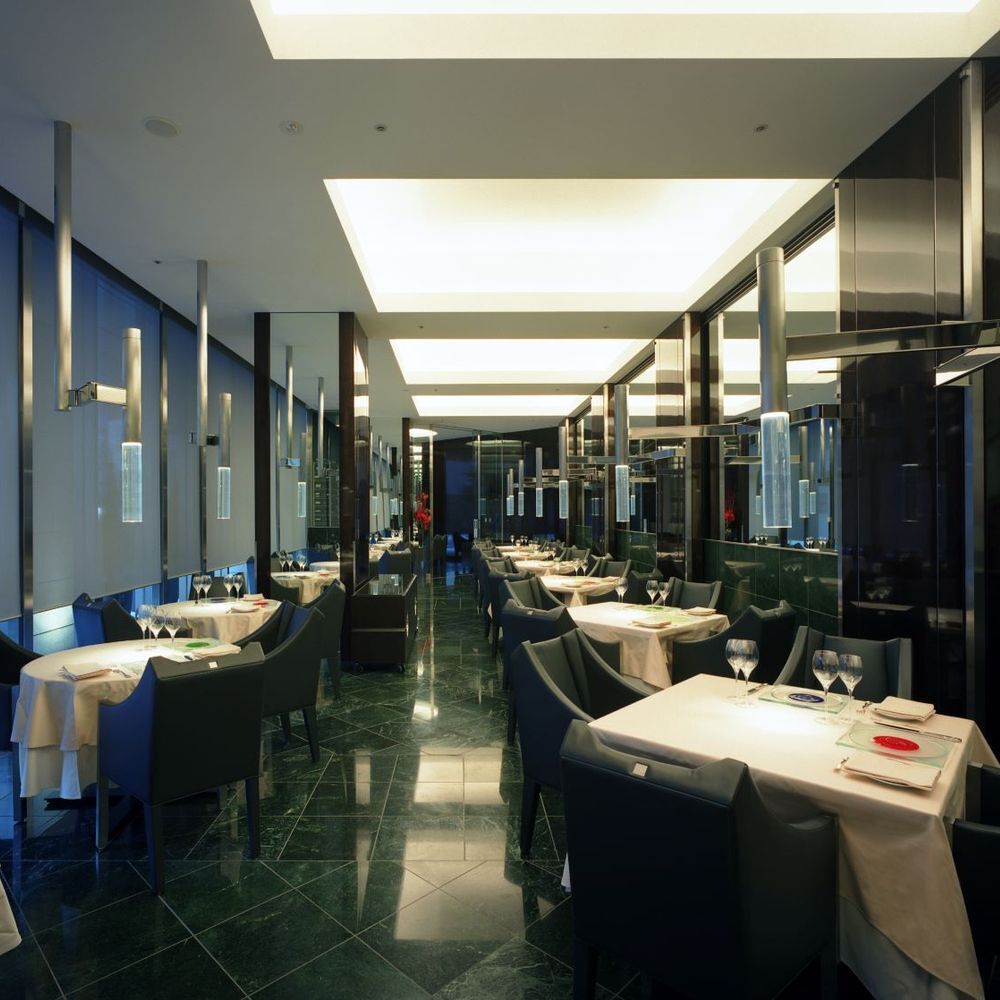
Expect a focused dining room in Kitahama, Osaka's prewar financial district where bank buildings now house galleries and small restaurants. The setting aligns with chef-driven venues that prioritize technique over volume, a departure from the casual Italian formats common in Umeda. Daisuke Yamane's culinary approach anchors the experience.
What awards or recognition does PONTE VECCHIO have?
PONTE VECCHIO has received recognition including: Daisuke Yamane’s culinary goal....
What part of town is PONTE VECCHIO in?
PONTE VECCHIO is located at 1-8-16 Kitahama, Chuo-ku, Osaka, Osaka, 541-0041, JPN, Osaka.
Do I need a reservation for PONTE VECCHIO?
Chef-driven formats in Kitahama typically seat fewer than forty covers and maintain advance booking windows, particularly for dinner. Osaka's Italian dining tier has limited seats at this technical level, and walk-in availability is uncommon during peak service. Reserve at least one week ahead for weekend visits.
What do critics highlight about PONTE VECCHIO?
Recognition centers on Daisuke Yamane's culinary philosophy and the venue's farm-direct procurement model, a hallmark of Osaka's evolving Italian scene. The shift toward local supplier networks marks a broader trend among European-trained chefs operating outside the city's high-volume casual tier.
Is PONTE VECCHIO allergy-friendly?
Small chef-driven kitchens in Osaka often accommodate ingredient restrictions with advance notice, particularly for gluten and shellfish. Italian menus rely heavily on wheat-based pasta and regional seafood, so substitutions may narrow the available courses. Notify the venue at booking if managing severe allergies or cross-contact concerns.
Fast Comparison
Comparable venues by cuisine and price in the same metro.
| Venue | Cuisine | Price | Awards |
|---|---|---|---|
| PONTE VECCHIO | Classic Italian Fine Dining | $50–100 | Wine Spectator Best of Award of Excellence |
| Kitahama Retro | British-style tearoom & cafe | $10–20 | Tabelog 100 #41 |
| OXYMORON Kitahama | Japanese Curry Cafe | Not listed | Tabelog 100 #8 |
| MOTO COFFEE | JPY 999 JPY 1,000 - JPY 1,999 View spending breakdown | $10–20 | Tabelog 100 #85 |
| Gokan Kitahama honkan | Japanese Patisserie & Cafe | $10–20 | Tabelog 100 #62 |
Recognition history
Dated appearances from independent guides and award organizations, with the underlying list record or original source where available.
Michelin Plate
Michelin
Tabelog 100 #35 · No. 35
Tabelog · Tabelog 100 - Italian - WEST - 2025
Continue exploring
More in Osaka
Restaurants in Osaka
All restaurants in Osaka →

Bars in Osaka
All bars in Osaka →


Hotels in Osaka
All hotels in Osaka →



Wineries in Osaka
Browse all →
PONTE VECCHIO
The wine
- Wine program
- Deep wine list
- Extensive wine list
- Sommelier-led
Details
- Elegant
- Romantic
- Sophisticated
- Modern
- Special Occasion
- Date Night
- Business Dinner
- Group Dining
- Wine Cellar
- Design Destination
- Standalone
- Private Dining
- Extensive Wine List
- Sommelier Led
- Local Sourcing
- Sustainable Seafood
- Tasting Menu
- A La Carte
- Set Menu
- Wine
- Allergy Accommodating
Current opening hours
- Monday
- 11:30 AM–3 PM, 6–10 PM
- Tuesday
- 11:30 AM–3 PM, 6–10 PM
- Wednesday
- 11:30 AM–3 PM, 6–10 PM
- Thursday
- 11:30 AM–3 PM, 6–10 PM
- Friday
- 11:30 AM–3 PM, 6–10 PM
- Saturday
- 11:30 AM–3 PM, 6–10 PM
- Sunday
- 11:30 AM–3 PM, 6–10 PM
Hours can change for holidays and private events. Hours as of .
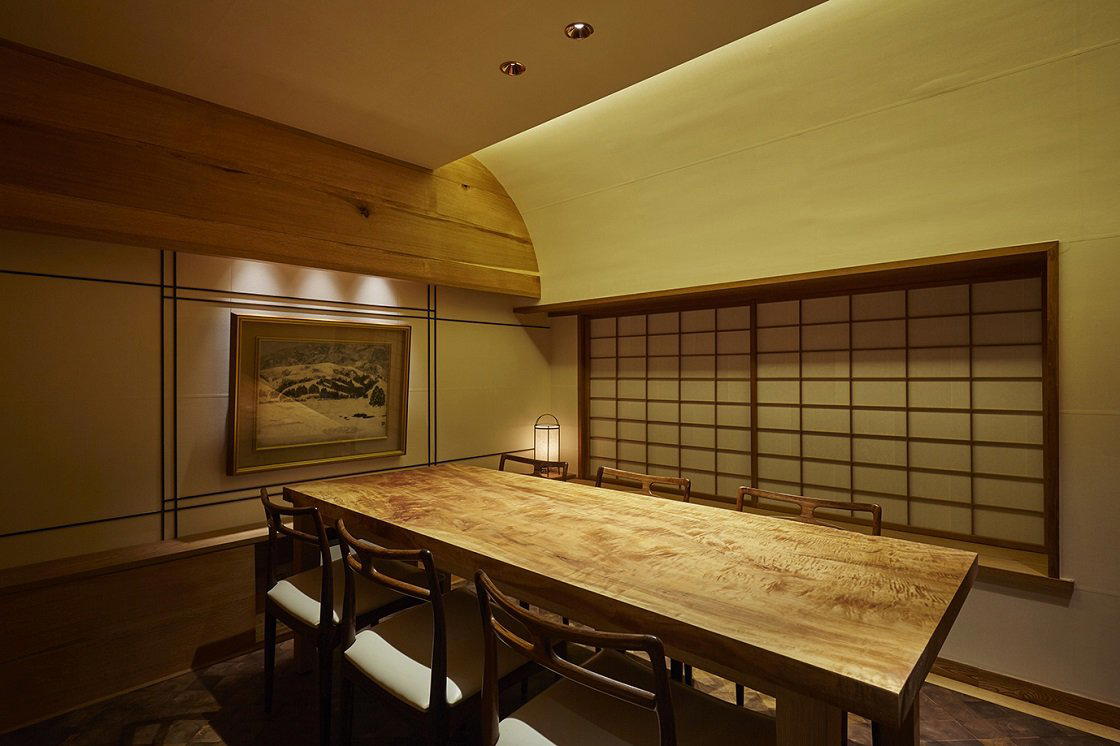
A refined, modern dining room in the Osaka Securities Exchange building with a calm, elegant atmosphere suited to special-occasion dining; service is polished and formal without being stuffy, and the room feels composed and design-driven rather than cozy or boisterous.