
Pont-l'Eveque puts Ama-gun’s bread culture in a rural-Aichi frame: low-priced, bakery-led, and serious enough to earn selection for Tabelog’s Bread EAST 100 in 2017, 2020, and 2022. The draw is less about spectacle than sourcing discipline, a cafe format, and the way Japanese bread shops have turned everyday loaves into destination dining.
Pearl is the En Primeur Club membership app — saves, bookings, and concierge access live there. Same editors, same standards.
- Address
- 愛知県海部郡蟹江町学戸2-38
- Phone
- +81567966646
- Website
- pont-leveque.jp
 Saves & bookings on Pearl
Approaching a house-style bakery in Gakuto, Kanie, the cue is not urban polish but purpose: a bread counter, cafe seating, terrace space, and the steady rhythm of people arriving for baked goods rather than a long restaurant performance. In Aichi’s smaller towns, bread culture often sits between daily provision and weekend outing. Pont-l'Eveque belongs to that middle ground, where the meal can be as modest as a bakery stop or as structured as cafe service built around bread, stew, and hot-pot-adjacent comfort.
The useful way to read this address is through ingredients rather than decoration. Japanese bakeries that earn repeat recognition tend to compete on flour handling, fermentation, oven timing, and how well bread fits into the rest of the table. Pont-l'Eveque’s categories, bread, cafe, and nabe, point to a hybrid format that is more revealing than a pure patisserie model. Bread is not treated only as a takeaway object; it sits inside a casual meal vocabulary where warmth, broth, and family use matter.
Aichi bread culture, seen through a cafe rather than a luxury dining room
Japan’s serious bread scene has never been confined to Tokyo department-store basements. Regional bakeries have built loyal followings by combining French technique with local rhythms: morning buying, lunch sets, takeout, and car-based weekend visits. Selection for Tabelog’s Bread EAST 100 in 2017, 2020, and 2022 places Pont-l'Eveque in that eastern-Japan bakery conversation, not as a white-tablecloth restaurant but as a shop whose bread program has been repeatedly singled out in a crowded category.
That distinction matters because the price tier keeps the experience grounded. At JPY 1,000 to JPY 1,999, this is not a rarefied tasting-menu decision. It competes more directly with everyday regional specialists than with destination fine dining. Nearby comparison venues show the spread clearly: Tsukemen Maruwa Haruta honten and Kodawari Men Kobo Tago sit in the sub-JPY 999 noodle tier, while Manpuku moves into a JPY 6,000 to JPY 7,999 bracket. The restaurant occupies the middle: priced for repeat use, but with enough recognition to justify a detour for travelers who follow Japanese bakery lists.
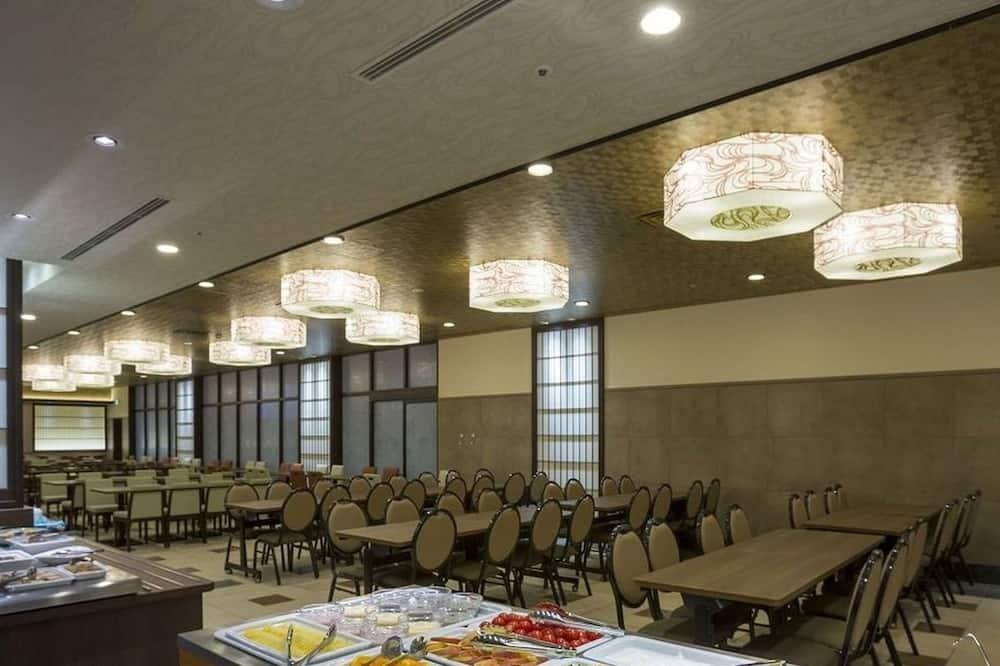
The ingredient angle is also why the bread-and-cafe structure has traction. Bread in Japan is often judged by softness, crust control, sweetness, and filling balance, but a shop with cafe service has to answer a harder question: does the baking hold up when it becomes part of a meal? The presence of wine, takeout, non-smoking service, and a 43-seat room suggests a place designed for mixed use rather than a narrow queue-and-go format. That makes it especially useful for families and groups who want a regional food stop without committing to a formal restaurant cadence.
Why the format works for travelers beyond Nagoya
Ama-gun is not where most visitors begin an Aichi dining itinerary. Nagoya usually claims attention through miso katsu, hitsumabushi, kishimen, and coffee-shop morning culture. Kanie, by contrast, rewards a more granular itinerary: rail access, car access, and smaller food businesses that serve local demand first. For travelers mapping food around Aichi rather than only inside Nagoya, a bakery-cafe with repeated Bread 100 recognition is a cleaner signal than hype. It says the stop has been assessed within a specific craft category.
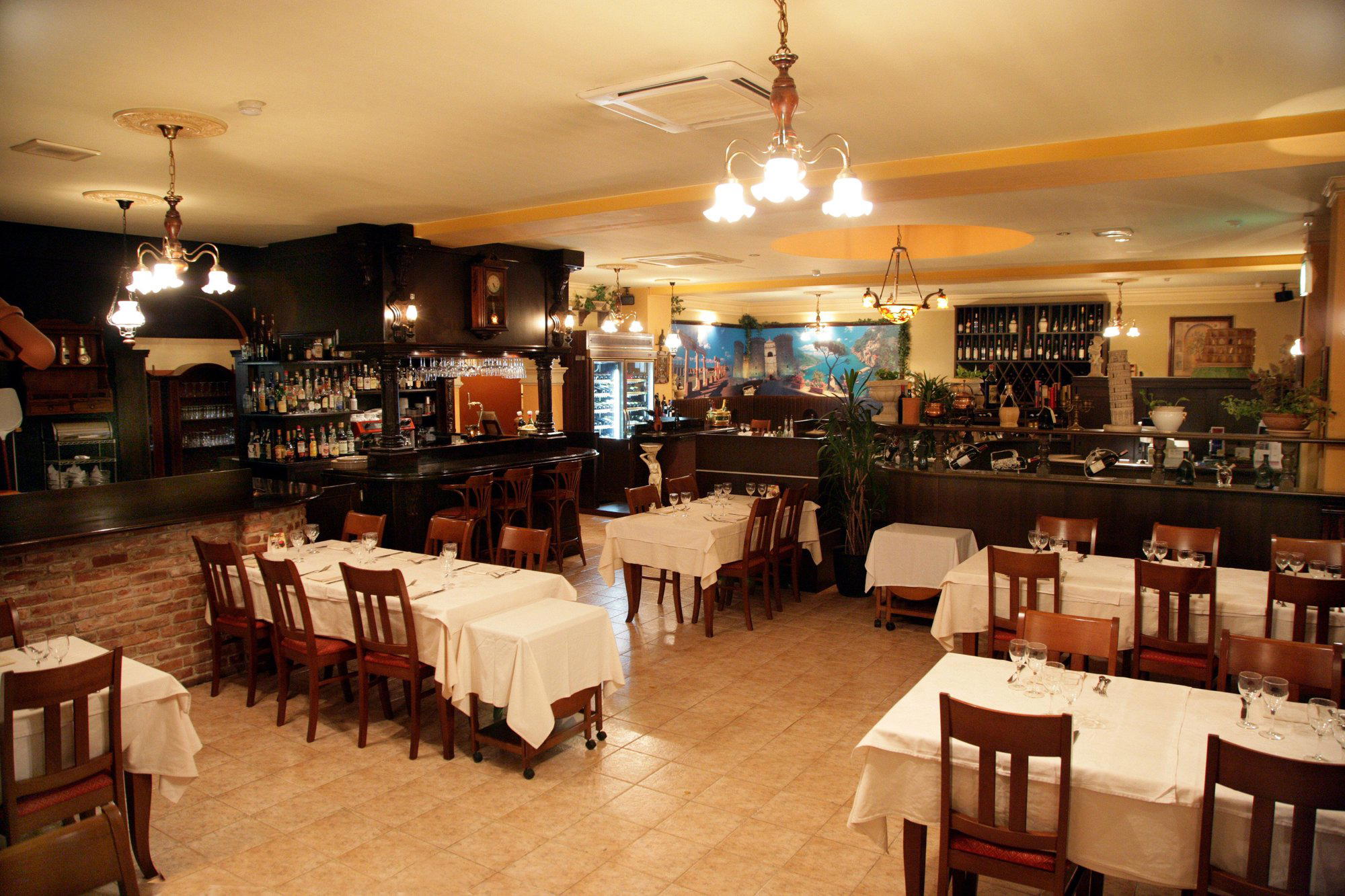
There is a practical local intelligence embedded in the format. The room lists 40 hall seats and three counter seats, with no private rooms and no private-use setup, so this is a public, casual dining environment rather than a secluded occasion restaurant. Children and strollers are explicitly welcomed, which changes the calculus for families moving through western Aichi. Reservations are available for dishes such as stew, but not for seats only, so the booking logic follows the kitchen item rather than the table. That is typical of a place where demand is split between bakery, cafe, and meal service.
Travelers should also understand the car culture around the address. Parking is listed at 30 spaces, but carpooling is recommended, and navigation by phone number may point to the previous location along National Route 1 after the 2010 relocation. That single detail says a great deal about how regional Japanese food stops function: the customer base is often mobile, loyal, and local enough to remember older premises. For visitors, the address is the safer anchor than legacy phone-navigation habits.
For wider planning, place this stop inside a broader Ama-gun food day rather than treating it as a standalone pilgrimage. Start with Our full Ama-gun restaurants guide, then add context from Our full Ama-gun hotels guide, Our full Ama-gun bars guide, Our full Ama-gun wineries guide, and Our full Ama-gun experiences guide. Readers comparing Japanese casual dining formats can also look outward: -Grilled beef Sukiyaki- KAMAKURA TANUKIAN 鎌倉 たぬき庵 in Kamakura, . 鮪と炭火焼き うお炭 秋葉原店 in Tokyo, .cafe in Osaka, .know in Kumamoto, (Shoku) Vietnam in Kawasaki, [Curry Senmon Ten] Maruyama Kyoju. in Sapporo, [ki:] in Kyoto, #肉といえば松田 奈良本店 in Kashihara, 1/3 HAMBURGER FACTORY in Kanazawa, 1000 in Yokohama, 1000mヒュッテ 1000m Hut in Kutchan, Jōdo Saké Bar in Los Angeles, and Onigiri Time in Pasadena.
The editorial read
The restaurant is strongest as an ingredient-led regional bakery-cafe, not as a formal restaurant substitute. The case for going rests on three facts: repeated Bread 100 selection, a low price band, and a format broad enough for takeout, cafe use, and family dining. For travelers who care about how Japan’s bread culture operates outside major-city luxury circuits, that combination has more substance than a polished dining room with weaker craft signals.
Quick Comparison
Comparable venues by cuisine and price in the same metro.
| Venue | Cuisine | Price | Notes |
|---|---|---|---|
| Pont-l'EvequeThis venue — the venue you are viewing | Bakery café with cocotte stews and bread | $ | Not listed |
| Confiture H | Modern patisserie & cafe | $ | Komono-cho |
| International Village | Pakistani & Middle Eastern (Halal) | $ | Yatomi |
| SURIPU | Artisan Bakery & Sandwiches | $ | Naka |
| Pan du Marche | Japanese artisan bakery | $ | Kusatsu |
| Reissue Coffee | Specialty Coffee & Latte Art Cafe | $$ | Harajuku |
Recognition history
Dated appearances from independent guides and award organizations, with the underlying list record or original source where available.
Tabelog 100 #7 · No. 7
Tabelog · Tabelog 100 - Bread - EAST - 2022
Continue exploring
More in Ama-gun
Restaurants in Ama-gun
Browse all →
At a Glance
- Cozy
- Rustic
- Casual Hangout
- Solo
- Family
- After Work
- Standalone
- Local Sourcing
- Zero Waste
Casual, homey bakery-café atmosphere with the feel of a local bread shop where guests can eat in, enjoying simple cocotte dishes and freshly baked bread in a relaxed setting.