
Tabelog 100 #79
Our verdict
A standing-only sake and seafood bar in Osaka’s Fukushima ward, Ponshuya Santoku Rokumi Fukushima honten sits in the city’s tachinomi tradition rather than the tasting-menu lane. Expect a compact 21-person format, a JPY 4,000–4,999 dinner spend, cash-only payment, and recognition in Tabelog 100 Tachinomi 2025.

Pearl is the En Primeur Club membership app, where members save venues, book tables and use the concierge.
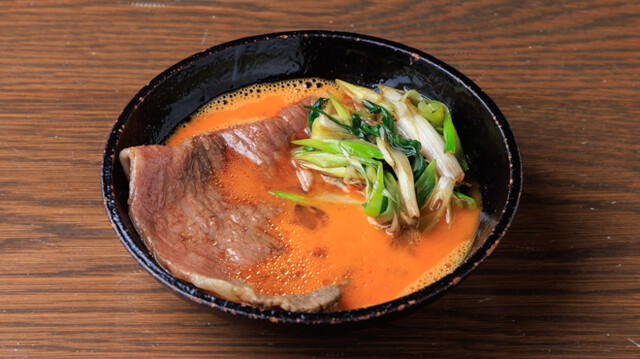
The menu
What to order
- Beef stew (domestic wagyu)
- Kanjang gejang
- Grilled miso thick fried tofu
- Sukiyaki (single)
- Sukiyaki (double)
The approach suits a standing-bar culture: modest presentation, compact scale, and the kind of entrance that rewards diners who read the room rather than scan for spectacle. Fukushima has long worked well for short, drink-led meals, with counters and compact rooms absorbing an after-work crowd. In that setting, tachinomi is not a novelty format. It is a practical language: drink first, eat sharply, keep the group small, and let turnover give the room its pulse.
Ponshuya Santoku Rokumi Fukushima honten belongs to the sake-led side of that tradition. The category matters. Tachinomi can mean anything from simple beer counters to more focused nihonshu programs with food doing the heavy lifting. Here the signal is clear: stand-up bar, seafood, and Japanese sake bar. That combination places the experience closer to a focused drinking counter than a casual restaurant with sake attached.
Why Fukushima's tachinomi culture works at standing height
Great drinking districts tend to reward compression. Fukushima, in particular, has the advantage of density, which means diners can move between counters and other compact dining rooms without turning the evening into a long commute. For a broader sweep of the area, Our full Fukushima restaurants guide maps the dining side, while Our full Fukushima bars guide is useful for planning the second stop. The area also supports daytime detours and unnamed casual stops, each showing a different register of local appetite.
The standing-bar format changes the social contract. A room built around standing asks diners to commit to pace, not linger. That is not a lesser form of hospitality; it can be the point. The meal becomes more elastic than a reserved tasting counter and more disciplined than an open-ended izakaya session. Small groups and solo drinkers tend to fit the format better than large parties.
The Tabelog Hyakumeiten recognition for 2025 gives the venue a category-specific credential rather than a generic popularity signal. It says this is being judged inside a field where value, drink focus, compact service, and repeatability matter. That distinction is important in a city where Yakitori Kokure competes on a different evening, and where casual options like MONDIAL KAFFEE 328 GOLD RUSH or LA PIZZA NAPOLETANA REGALO sit in another lane entirely.
Sake, seafood, and the discipline of a focused counter
A focused menu is central to the appeal, because it keeps the bar aligned with the habits of Japanese drinking food. The point is not a single fixed signature dish to photograph; it is the pairing logic between nihonshu and seafood preparations. In a country where sake bars often divide between encyclopedic bottle lists and food-led counters, this address reads as a place where drink selection and seafood are meant to move together.
That makes it a useful counterpoint to more formal Japanese dining. Rakushin and Otsuki sit in a broader Japanese dining conversation where the meal often centers on seated progression. Tachinomi reverses the hierarchy. The body is upright, the table footprint is small, and choices arrive as part of a drinking rhythm. For travelers comparing Japanese formats, that difference is as meaningful as the cuisine category itself.
Fukushima also rewards cross-format eating, and its compact geography makes those comparisons easy. A night might begin at another local dining room and end with a sake-focused stop; another itinerary might use the area as a base before moving elsewhere. For readers building Japan-wide context, it is better to think in terms of format than hierarchy. Japanese dining culture is not a single ladder of formality; it is a set of formats, each with its own rules.
How to plan the night without fighting the format
The practical choice is to treat this as a focused sake-and-seafood stop rather than a sprawling dinner. The price band sits at JPY 4,000–4,999, which puts the venue in a clear casual-drinking bracket. The location is Fukushima, and the experience is easier to understand by category than by ceremony: stand-up bar, seafood, and Japanese sake bar.
That planning mindset matters because tachinomi is physical. Standing changes the way a group orders, drinks, and leaves. It favors pairs, solo drinkers, and small parties who are comfortable making decisions quickly. For hotel positioning in the area, see Our full Fukushima hotels guide; for wider trip-building beyond restaurants and bars, Our full Fukushima wineries guide and Our full Fukushima experiences guide cover adjacent planning. Readers comparing sake culture more broadly can also use unnamed sake bars and casual Japanese formats as reference points.
The verdict is simple: choose this for standing-bar grammar, not for ceremony. The recognition, price band, category, and sake focus all point in the same direction. This is a sharper choice for drinkers who want Fukushima’s local rhythm than for travelers seeking a long seated dinner.
Frequently asked questions
Is Ponshuya Santoku Rokumi Fukushima honten okay with children?
It works better for adults or older children who are comfortable with a standing-bar format. The venue is categorized as a stand-up bar, seafood venue, and Japanese sake bar.
Is Ponshuya Santoku Rokumi Fukushima honten formal or casual?
Casual, in the tachinomi sense. It is a stand-up bar in Fukushima with a JPY 4,000–4,999 price range, built for sake, seafood, and a shorter stop rather than a formal dinner.
What price level is Ponshuya Santoku Rokumi Fukushima honten?
Pricing at Ponshuya Santoku Rokumi Fukushima honten is listed as JPY 4,000 - JPY 4,999.
What time does Ponshuya Santoku Rokumi Fukushima honten open and close?
Specific opening and closing hours are not provided here; check directly with Ponshuya Santoku Rokumi Fukushima honten before visiting.
Where is Ponshuya Santoku Rokumi Fukushima honten located?
Fukushima.
Budget and Context
Comparable venues by cuisine and price in the same metro.
| Venue | Cuisine | Price | Awards | Notes |
|---|---|---|---|---|
| Ponshuya Santoku Rokumi Fukushima hontenThis venue (the venue you are viewing) | Standing Japanese sake bar & izakaya | $30–50 | Tabelog 100 #79 | Not listed |
| Ichijuu | Yakitori & Izakaya | $30–50 | Tabelog 100 #52 | Fukushima, Yakitori & Izakaya |
| Chuka Soba Mugen | Chukasoba Ramen | $10–20 | Michelin Bib Gourmand · Tabelog 100 #8 | Fukushima, Ramen |
| Sakenameshi Brio | Reservation-only Japanese izakaya course | $50–100 | Tabelog 100 #58 | Fukushima, Reservation-only Japanese izakaya course |
| Sumibiyakitori Coquelet | Modern Yakitori Izakaya | $30–50 | Tabelog 100 #96 | Fukushima, Modern Yakitori Izakaya |
| Shoppe Shoppe | Japanese Ramen | $10–20 | Tabelog 100 #11 | Fukushima, Japanese Ramen |
Recognition history
Dated appearances from independent guides and award organizations, with the underlying list record or original source where available.
Tabelog 100 #79 · No. 79
Tabelog · Tabelog 100 - Tachinomi - 2025
Continue exploring
More in Fukushima
Restaurants in Fukushima
All restaurants in Fukushima →



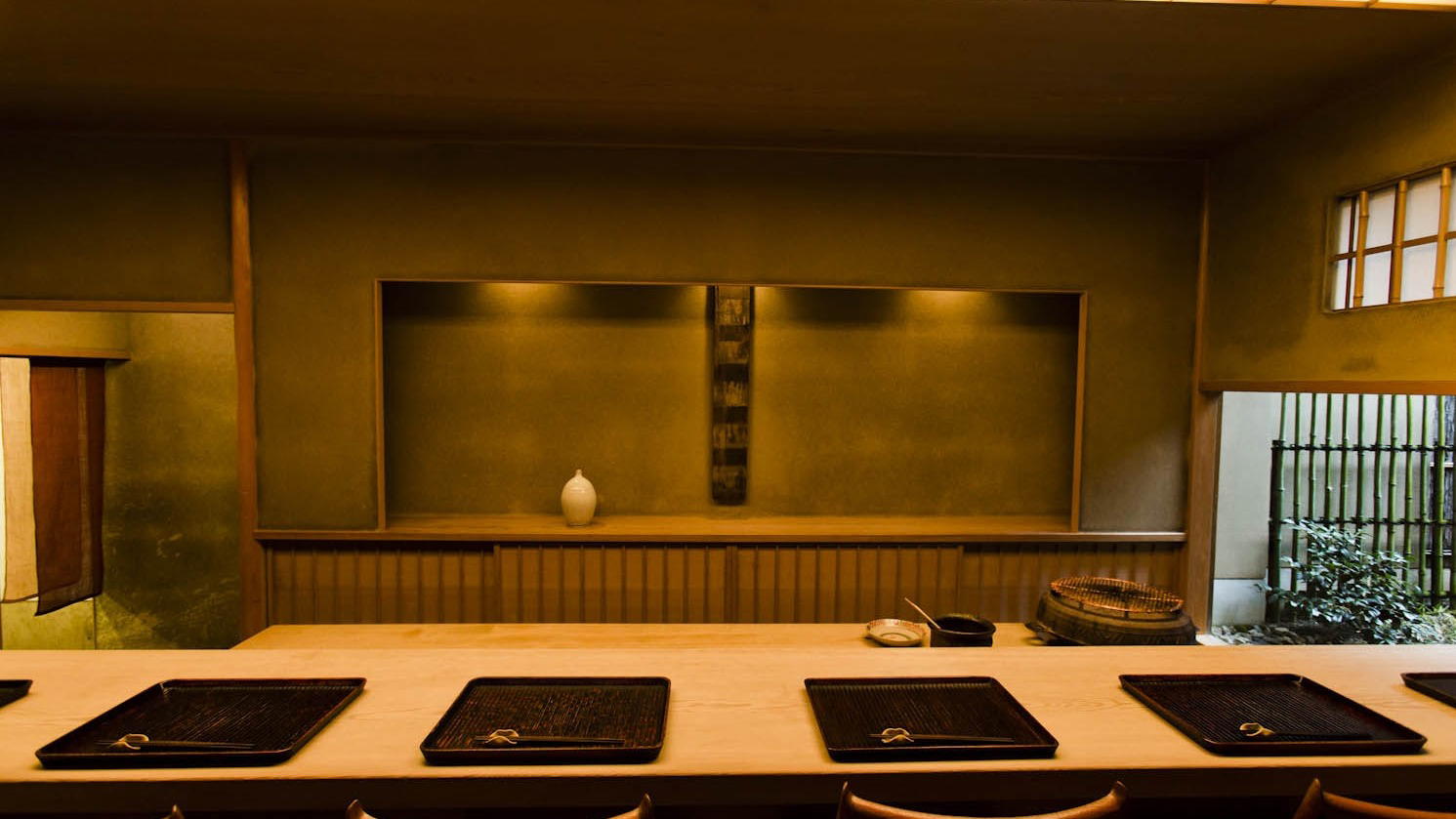
Bars in Fukushima
Browse all →



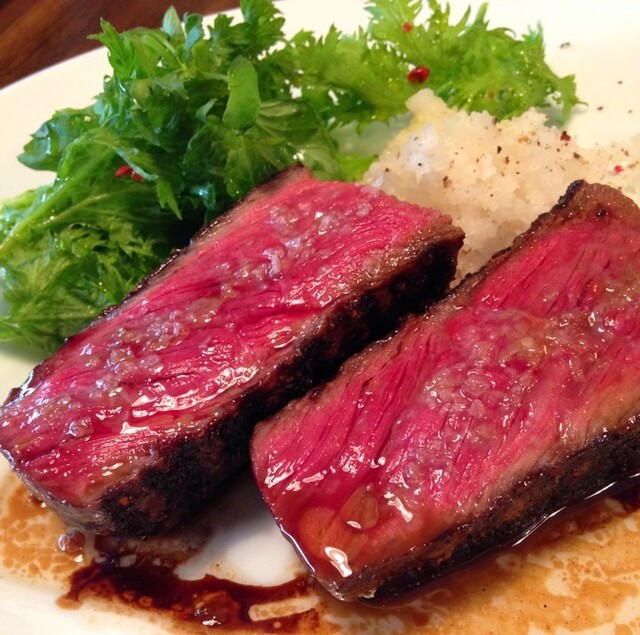
Hotels in Fukushima
Browse all →




Wineries in Fukushima
Browse all →
Details
- Lively
- Cozy
- Intimate
- After Work
- Casual Hangout
- Late Night
- Solo
- Date Night
- Standalone
- Sake Program
- Beer Program
- Small Plates
- A La Carte
- Counter Dining
- Sake
- Beer
Current opening hours
- Monday
- 6 PM–12 AM
- Tuesday
- 6 PM–12 AM
- Wednesday
- 6 PM–12 AM
- Thursday
- 6 PM–12 AM
- Friday
- 6 PM–12 AM
- Saturday
- 5–11 PM
- Sunday
- 5–10 PM
Hours can change for holidays and private events. Hours as of .
Bustling and intimate standing bar atmosphere with a casual, back-street izakaya feel where guests stand shoulder-to-shoulder over drinks and comforting dishes.