
Tabelog 100 #58
Our verdict
Sakenameshi Brio belongs to Osaka Fukushima’s compact, drink-led izakaya tier: small rooms, disciplined pacing, and food built around alcohol rather than the other way around. Its Tabelog 100 Izakaya WEST selections in 2024 and 2025 place it in a serious regional set, while the 10-seat scale keeps the meal closer to a ritual than a casual tavern stop.

Pearl is the En Primeur Club membership app — saves, bookings, and concierge access live there. Same editors, same standards.
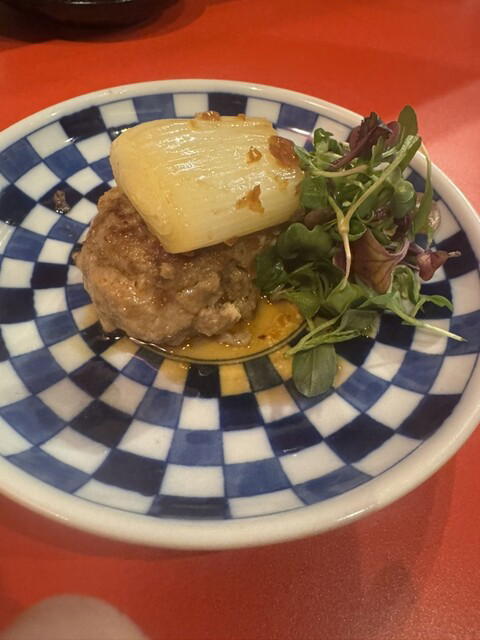
Fukushima’s dining culture rewards attention to format: the way a meal is paced, the way drinks are folded into the evening, and the way a restaurant signals what kind of visit it is built for. In Fukushima, the izakaya form is less about grazing through a loose checklist than about settling into a rhythm of drink, food, pause, and return. Sakenameshi Brio fits that pattern with unusual discipline. The format is izakaya, and the public-facing category is clear about the intended ritual: this is a place for drinks and food together, not dinner with alcohol treated as an optional accessory.
That distinction matters in Japan’s serious izakaya culture. The category can look informal from the outside, but stronger examples run on a code as structured as more formal restaurant genres: the first drink sets tempo, dishes support conversation, and the diner’s appetite is expected to move with the glass. In a city where dining can cover everything from quick meals to planned evenings, Fukushima offers a useful counterpoint: focused formats and restaurants that ask diners to think about how they want the night to unfold.
A drink-led izakaya ritual in Fukushima
The name itself points diners toward the relationship between what is poured and what is eaten. At this tier, the izakaya is judged less by spectacle than by balance: salt, fat, acidity, heat, and starch all need to support the drink-led structure of the meal. Without relying on named dishes or chef mythology, the format tells the story. An izakaya identity turns the meal into a sequence rather than a simple checklist. That also changes etiquette. Diners linger within the rhythm of the restaurant, but they do not treat it as an open-ended drinking den.
Recognition reinforces the point. Selection in the 2025 Tabelog Hyakumeiten frame puts Sakenameshi Brio inside an award context rather than a neighbourhood-only reputation. In practical terms, that means it is being read alongside serious izakaya rather than simply nearby casual counters. Tabelog’s listed score of 3.69 is another signal in a market where scores often reflect accumulated diner response. For readers used to Michelin language, this is a different grammar of status: less ceremony, more public dining consensus.
Fukushima itself helps explain the appeal. The city can sustain a range of dining formats while still drawing diners who plan their evenings carefully. That makes it a useful base for comparing different registers of local eating. Other Fukushima dining rooms point to a place where the interesting question is not cuisine type alone, but how much structure a diner wants from the evening.
Where it sits among Fukushima's serious counters
Price helps separate this meal from an everyday after-work stop. The listed dinner range of JPY 8,000 to JPY 9,999 places it above the most casual end of tavern spending while keeping it within a focused izakaya register. Comparisons with Fukushima peers such as Kashiwaya Yasu Bishu Kakei, Ramen Jinsei JET, Sumiyaki Kobou Gen, かしわや泰 美酒佳鶏, and ぷーれ are useful because value is often misunderstood by visitors: the bill is not just buying volume, it is buying pacing, product selection, and the discipline of a clearly defined format.
The category sharpens that distinction. Sakenameshi Brio is listed as an izakaya, not as a broad all-purpose restaurant. That does not read like a venue chasing every possible dining mood; it reads like a restaurant whose identity is already defined by the relationship between what is poured and what is served. For travellers, that is the useful planning cue. This is not simply a place to add drinks onto dinner, but a venue where the drink-and-food rhythm is central to the experience.
Access expectations should be set before planning an evening around the meal. The venue is in Fukushima, and the listed phone contact is +81-70-9024-3335. Beyond that, diners should confirm current booking, payment, access, and opening details directly with the restaurant or its current listing before making plans. None of these details are incidental: focused izakaya formats often reward diners who arrive prepared, handle logistics cleanly, and understand the social contract of the room.
How to read the meal before choosing it
The strongest reason to choose this address is not breadth. It is focus. Diners looking for a free-form menu, a broad wine-bar posture, or a restaurant that treats alcohol as optional may read the house identity as restrictive. For the right diner, that same identity is the appeal: the meal has a defined purpose, and the izakaya format protects it. In the Fukushima context, that makes Sakenameshi Brio closer to a specialist choice than a general-purpose tavern.
That distinction also helps international readers place it among broader Japan itineraries. A drink-led izakaya in Fukushima serves a different role from formal dining, quick casual meals, coffee stops, or destination bars elsewhere. For comparison across formats, keep the lens generic: Sakenameshi Brio is best understood not by importing another city’s dining template, but by asking whether the evening should revolve around the shared movement of glass and plate.
For a wider read on the area, Our full Fukushima restaurants guide maps the dining spread, while Our full Fukushima hotels guide, Our full Fukushima bars guide, Our full Fukushima wineries guide, and Our full Fukushima experiences guide give the surrounding travel context. Read this meal as a compact Fukushima evening: award-recognised izakaya craft, a listed dinner range of JPY 8,000 to JPY 9,999, and a dining custom that expects the glass and plate to move together.
Frequently asked questions
What's the price range at Sakenameshi Brio?
Pricing at Sakenameshi Brio is listed as JPY 8,000 - JPY 9,999 for dinner.
How do I find Sakenameshi Brio?
Sakenameshi Brio is located in Fukushima.
Do they take walk-ins at Sakenameshi Brio?
Check the venue directly before planning a visit to Sakenameshi Brio in Fukushima.
What's the signature at Sakenameshi Brio?
No single signature dish is listed in the public record. The defining detail is the format itself: an izakaya selected for the 2025 Tabelog Hyakumeiten, with dinner priced at JPY 8,000 to JPY 9,999. Check the venue's official channels for the latest details.
Cuisine Context
Side-by-side context: comparable cuisine and price.
| Venue | Cuisine | Price | Awards | Notes |
|---|---|---|---|---|
| Sakenameshi BrioThis venue (the venue you are viewing) | Reservation-only Japanese izakaya course | $50–100 | Tabelog 100 #58 | Not listed |
| Tempura Osakaya Sotetsu | Tempura | $100–150 | Tabelog 100 #28 | Fukushima |
| Wagyu Ryori Isseki Sanchou | Modern Wagyu Yakiniku & Course Dining | $50–100 | Tabelog 100 #45 | Fukushima Ward |
| Chuka Soba Mugen | Ramen | Not listed | Not listed | Fukushima |
| Ponshuya Santoku Rokumi Fukushima honten | Standing Japanese sake bar & izakaya | $30–50 | Tabelog 100 #79 | Fukushima |
| Sumibi Yakitori Torio | Yakitori Izakaya | $50–100 | Tabelog 100 #1 | Fukushima |
Recognition history
Dated appearances from independent guides and award organizations, with the underlying list record or original source where available.
Tabelog 100 #58 · No. 58
Tabelog · Tabelog 100 - Izakaya - WEST - 2025
Continue exploring
More in Fukushima
Restaurants in Fukushima
All restaurants in Fukushima →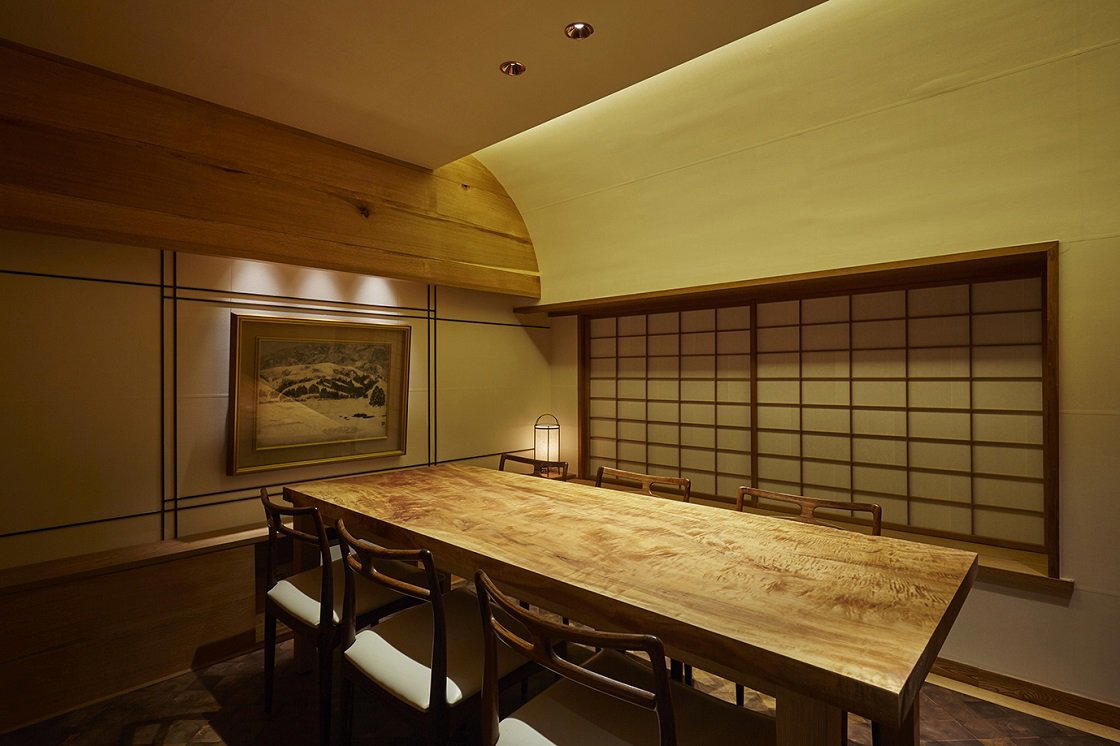
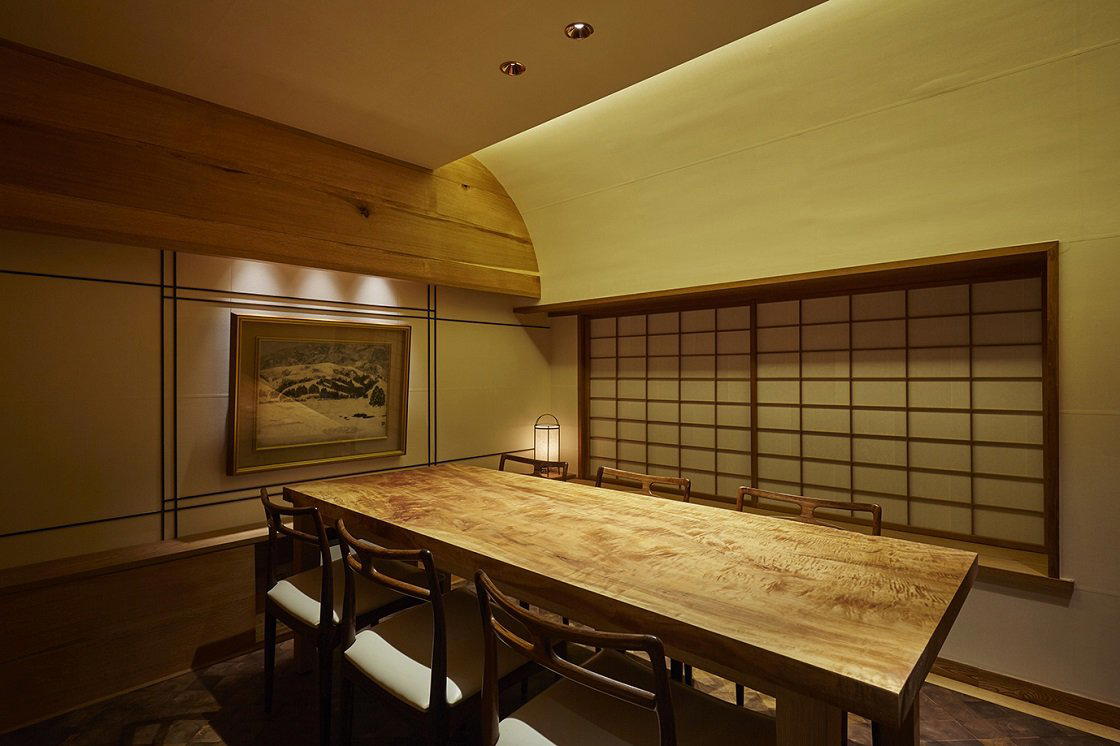
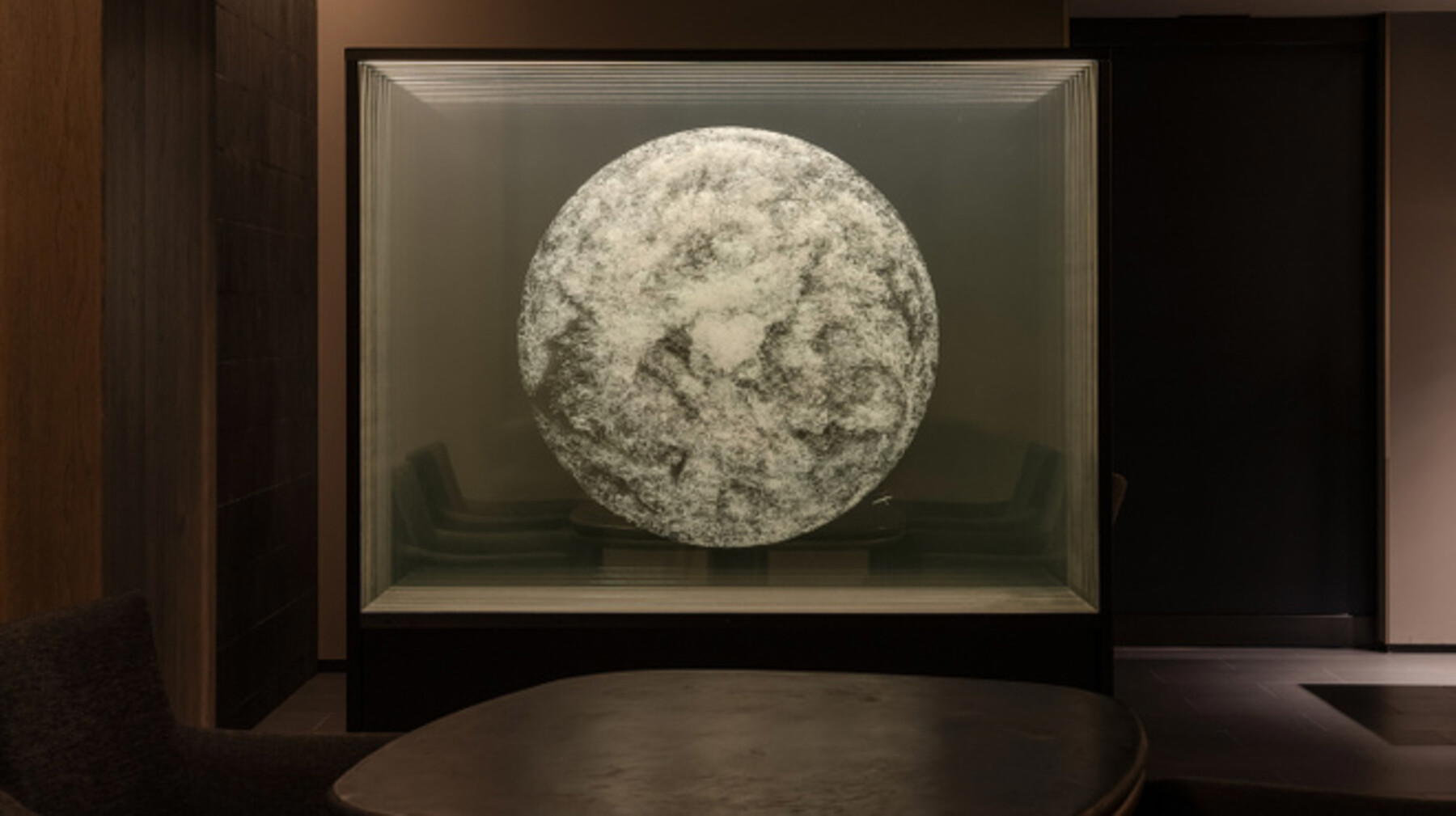


Bars in Fukushima
Browse all →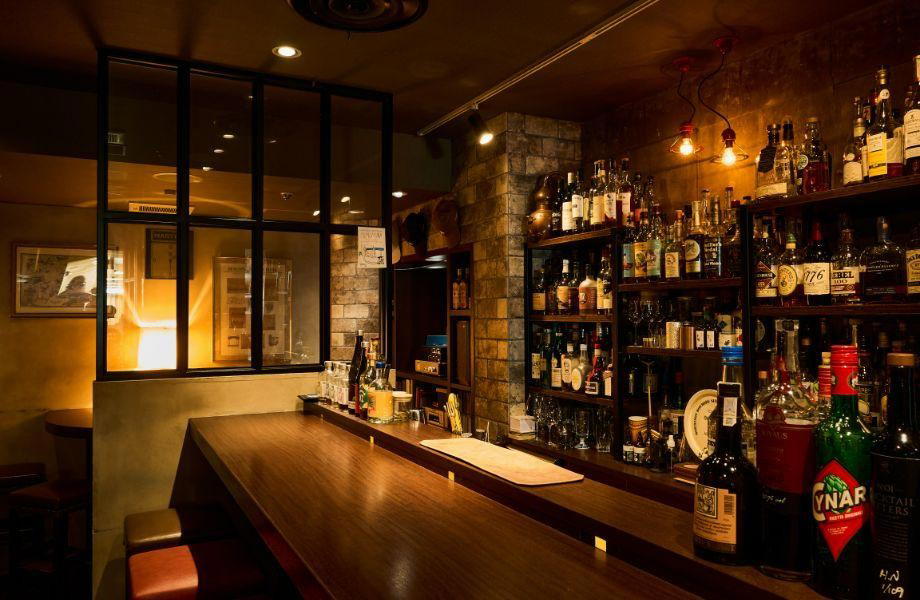
Hotels in Fukushima
Browse all →


Wineries in Fukushima
Browse all →
Details
- Cozy
- Intimate
- After Work
- Date Night
- Group Dining
- Special Occasion
- Casual Hangout
- Standalone
- Sake Program
- Beer Program
- Tasting Menu
- Set Menu
- Sake
- Beer
- Shochu
A small, non-smoking hideout-style izakaya with only 10 seats, creating an intimate, cozy atmosphere that feels like a tucked-away local spot, lively in the evenings as guests focus on drinks and a single course menu.