Tabelog 100 #45
Our verdict
Tokyo’s bread culture is not a side note to sushi and kaiseki; it is a serious daily ritual with its own queues, loyalties, and award lists. pointage in Azabu-Juban sits in that regulars’ category: a bread, bistro, and cafe address recognised in Tabelog’s Bread TOKYO 100 selection, with take-out habits as central to its appeal as the sit-down meal.

Pearl is the En Primeur Club membership app, where members save venues, book tables and use the concierge.
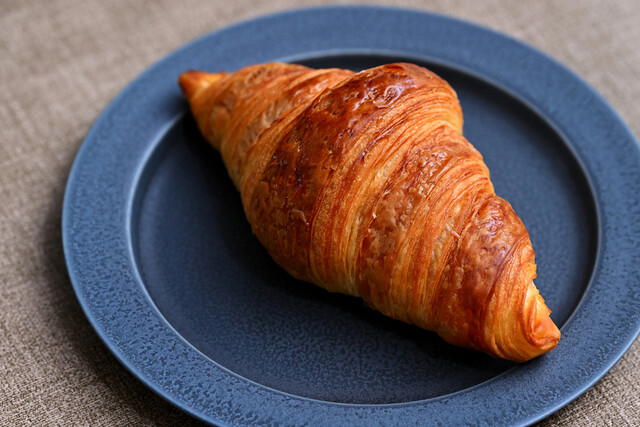
Tokyo has a way of making food feel folded into daily life rather than staged for destination dining. The city’s bakery-cafes sit between errands, office lunches, and the quieter rhythm of residents who know which counters empty first. In that context, pointage reads less as a spectacle than as a working address for bread, bistro cooking, and cafe use, the sort of place regulars return to because it solves several Tokyo dining needs at once.
Tokyo’s bread scene rewards precision as much as novelty. The city has long absorbed French technique, Japanese softness, sandwich culture, and department-store polish, then turned them into an everyday luxury category. Recognition on Tabelog’s Bread list in 2022 places this address inside a competitive bakery bracket where repeat custom matters more than theatrical service. A score of 3.79 on Tabelog is a meaningful signal in a category where local reviewers compare crumb, value, consistency, and timing with forensic patience.
Tokyo regulars treat bread as a meal plan, not an afterthought
The regulars’ perspective matters here because bakery loyalty in Tokyo is practical. People do not return only for a single named item; they return because the format covers breakfast, a desk lunch, something to carry home, and a casual table when the day stretches longer. The listed categories, bread, bistro, and cafe, explain the appeal more clearly than any unsupported backstory could. This is a hybrid format, and in Tokyo that hybridity is often where everyday dining becomes durable.
The food positioning also reflects a broader city pattern: bakery-cafe culture has moved from simple snack stop into a mainstream everyday category. That shift matters in a city where many premium restaurants remain tasting-menu driven and less flexible for casual eating. For travellers, the lesson is simple: Tokyo’s serious food culture is not confined to counters with formal courses. A low-key bakery-cafe can reveal as much about local habits as a high-price sushi room.
Other Tokyo dining decisions can swing from polished Japanese rooms such as Azabujuban Fukuda to sushi-led formats such as Sushiya Shota and Ozaki, while casual specialists elsewhere in the city run their own lanes, from SAVOY Tomato to chiizu ten to Aldebaran. pointage belongs to a different decision set: less ceremony, more frequency, with bread as the organising principle rather than an accessory.
The appeal is the unwritten menu: timing, take-out, and repeatability
Regulars tend to understand bakery-cafes through timing. The official menu is only part of the story; the unwritten menu is knowing when a quick stop makes more sense than sitting down, which categories travel well, and how a bread-focused visit can become lunch without the weight of a full restaurant booking. Formal ceremony is not the point of the format. The repeat behaviour is built around everyday access, with bread, bistro cooking, and cafe use sitting under one practical identity.
Tokyo visitors often over-plan the city around dinner. That is a mistake. The day meal is where neighbourhood intelligence shows itself: bakeries, curry counters, kissaten, department-store food halls, and specialist cafes create a second map of the city. For a broader cross-section of that map, compare pointage with other casual Tokyo dining rooms and the sharper drinking-and-dining expectations that appear in the city’s restaurant, bar, and hotel circuits.
There is also a value signal here. Tokyo’s premium dining reputation is often framed through omakase counters and hard-to-secure tasting menus, but the city’s bakery culture operates on a more democratic axis. The listed spend sits at Dinner: JPY 1,000 - JPY 1,999; Lunch: JPY 1,000 - JPY 1,999, which makes the award recognition more useful: it suggests local traction in a category where frequent purchases, not occasion spending, form the base of judgment. That is exactly why bread lists in Tokyo carry weight with residents.
How to place it within a Tokyo food itinerary
Use this kind of address as a corrective to an itinerary built only around destination dinners. It fits a Tokyo day: a bakery-cafe stop before or after wandering, a casual lunch rather than another formal reservation, or something bread-led when the schedule is running on trains and appointments. The city convenience also matters, because Tokyo rewards places that can be folded into movement rather than isolated as an event.
The recorded profile is simple but useful: Bread, Bistro, Cafe, with a 2022 Tabelog recognition and a 3.79 score. For visitors, those details reduce uncertainty, but they do not define the editorial reason to go. The reason is that a serious bread address in Tokyo can function as local infrastructure, giving an itinerary a softer everyday rhythm between more formal meals.
Readers mapping a wider itinerary can branch from here into our full Tokyo restaurants guide, then balance dining with our full Tokyo hotels guide, our full Tokyo bars guide, our full Tokyo wineries guide, and our full Tokyo experiences guide. For a different register of Tokyo eating, scan the city’s many unnamed casual specialists, from seafood-led counters to yakitori rooms and compact lunch addresses.
Japan’s casual-specialist culture also travels well beyond Tokyo. Compare the regional spread through other unnamed bakeries, cafes, curry shops, grill counters, and compact specialist rooms across Japan. For Japanese drinking and casual-food reference points abroad, similarly narrow formats show how focused ideas can carry cultural weight when they are executed with discipline.
Frequently asked questions
What part of town is pointage in?
Tokyo.
How much does it cost to eat at pointage?
Pricing at pointage is listed as Dinner: JPY 1,000 - JPY 1,999; Lunch: JPY 1,000 - JPY 1,999.
Is pointage reservation-only?
Check the venue's official channels for the latest details.
What's the defining dish or idea at pointage?
The clearest idea here is bread, with a Bread, Bistro, Cafe profile and a Tabelog Bread recognition in Tokyo for 2022.
Do they accommodate allergies at pointage?
For anything specific, use the published contact number, +81-3-5445-4707, and check the venue's official channels for the latest details.
Peers in This Market
Nearby venues at a similar price tier for orientation.
| Venue | Cuisine | Price | Awards | Notes |
|---|---|---|---|---|
| pointageThis venue (the venue you are viewing) | Bakery, bistro & café with French-influenced home cooking | $10–20 | Tabelog 100 #45 | Not listed |
| Sushiya Shota | Edomae Omakase Sushi | $150–200 | Michelin Plate | Sushi |
| Ozaki | Sushi Kaiseki | $200–300 | Not listed | Sushi |
| SAVOY Tomato to chiizu ten | Wood-fired Neapolitan-style pizza | $50–100 | Tabelog 100 #30 | JPY 4,000 - JPY 4,999 JPY 2,000 - JPY 2,999 |
| Aldebaran | Gourmet Wagyu Burgers | $30–50 | Tabelog 100 #35 | Hamburgers |
| Azabujuban Fukuda | Seasonal Kaiseki | $200–300 | 1 Michelin Star · Tabelog 100 #74 | Japanese |
Recognition history
Dated appearances from independent guides and award organizations, with the underlying list record or original source where available.
Tabelog 100 #45 · No. 45
Tabelog · Tabelog 100 - Bread - TOKYO - 2022