L'Espérance sits on Driftweg 1 in De Haan, the Belgian coast's most architecturally preserved resort town, where the dining scene has quietly developed alongside a broader West Flemish fine-dining tradition.
Pearl is the En Primeur Club membership app — saves, bookings, and concierge access live there. Same editors, same standards.
- Address
- Driftweg 1, 8420 De Haan, Belgium
- Phone
- +3259326900
- Website
- l-esperance.be
- Directions
- Get directions
 Saves & bookings on Pearl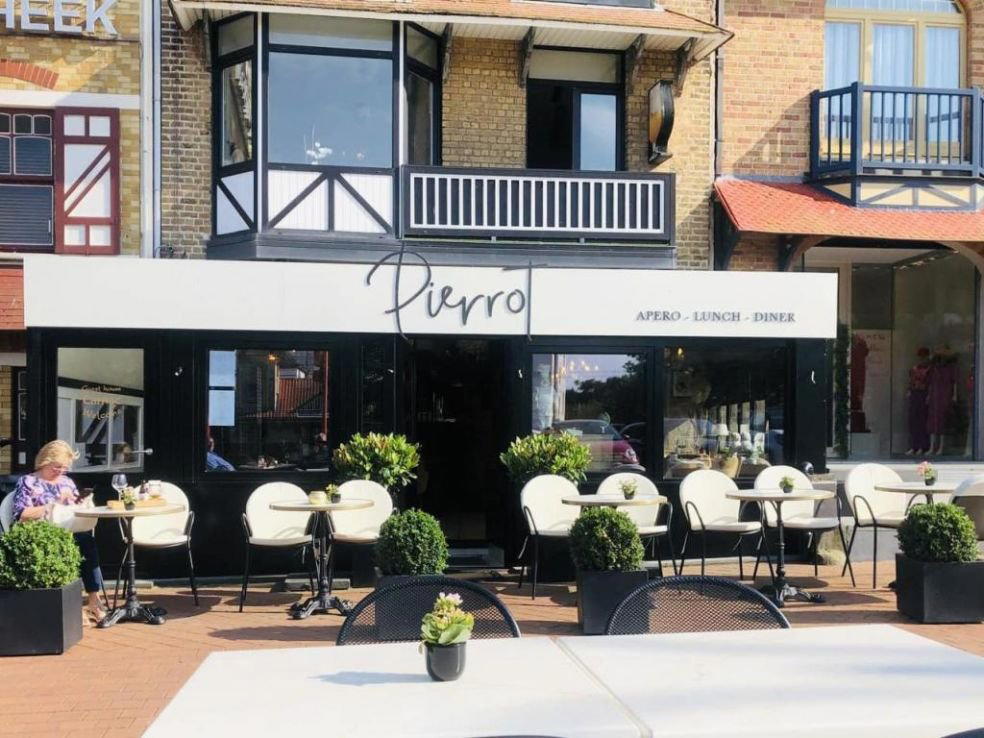
De Haan's Coastal Table and What the Belgian Shoreline Demands of Its Kitchens
The Belgian coast operates under a specific culinary logic. Within a few kilometres of the North Sea, a kitchen either leans into the material reality of that proximity, grey shrimp, razor clams, plaice, the particular brininess of the Flemish littoral, or it risks feeling disconnected from the place entirely. De Haan, unlike its larger neighbours Ostend and Blankenberge, has retained enough of its Belle Époque character to attract a dining public that expects more than fried fish on a terrace. That expectation has quietly shaped the restaurants that have taken root here. L'Espérance, at Driftweg 1, sits within that context: a coastal restaurant in De Haan, Belgium, with a refined French-Belgian seasonal tasting menu at about $72 per person.
The broader West Flemish fine-dining corridor running inland from the coast has produced kitchens of genuine ambition. Boury in Roeselare holds three Michelin stars; Hof van Cleve in Kruishoutem has long anchored the region's top tier. Closer to the coast, Willem Hiele in Oudenburg has built a reputation around hyperlocal sourcing and fermentation, and Bartholomeus in Heist has demonstrated that a seaside postcode is no ceiling for ambition. L'Espérance operates within that same regional tradition, where sourcing proximity to the sea is not a marketing narrative but a practical and competitive baseline.
The Sourcing Logic of a North Sea Address
Belgian coastal kitchens at the serious end of the spectrum tend to organise around a specific sourcing discipline. The North Sea is not the Mediterranean: its harvest is cold-water, often undervalued internationally, and requires a kitchen that understands restraint as well as technique. Grey shrimp peeled by hand in Zeebrugge, day-boat sole from the Ostend fish auction, seasonal eel from the estuaries that thread through the polders inland, these are the materials that define the tradition. Where a restaurant on the French Atlantic coast might anchor itself to oysters and turbot, a West Flemish kitchen at its most coherent works with a narrower, more specific palette.
This sourcing discipline is increasingly what separates the credible coastal tables from the seasonal trade. At venues like Zilte in Antwerp and L'air du temps in Liernu, the sourcing story is inseparable from the cooking itself, each kitchen has built a competitive position on knowing exactly where its raw material comes from and why that specificity matters to the plate. The same logic applies along the coastal strip. A restaurant at a De Haan address has access to particularly direct seafood supply chains in northern Europe, and the question a serious diner asks is how that access is being used.
De Haan Within Belgium's Broader Dining Geography
Belgium's restaurant culture has an unusual structure: it punches well above its population size in terms of Michelin-density, and that density extends beyond Brussels and the major cities into the provinces. Bozar Restaurant in Brussels operates at the capital's cultural and culinary intersection, while coastal and rural Flemish addresses have developed their own self-contained credibility. The pattern holds in De Haan, where a handful of restaurants serve a visitor population that combines weekend trippers from Brussels and Ghent with a more settled community of second-home owners who bring urban dining expectations to a seaside postcode.
Within De Haan itself, the dining options cover a range of registers. Markt XI operates at the €€€ tier with a modern cuisine format. Casanova, Poincaré, and Yelo each occupy their own positions in the local landscape. L'Espérance on Driftweg 1 sits among that comparable set, a restaurant whose name, with its French construction and hopeful resonance, places it in the long tradition of Franco-Belgian fine dining that still shapes the vocabulary of serious Flemish restaurants. For a fuller picture of what De Haan's kitchens offer collectively, the EP Club De Haan restaurants guide maps the scene across formats and price points.
The comparison set extends beyond the coast. De Jonkman in Sint-Kruis, Castor in Beveren, La Durée in Izegem, and d'Eugénie à Emilie in Baudour each represent the broader Belgian tradition of serious cooking outside the urban centres, a tradition that values the sourcing relationship between kitchen and terroir in ways that parallel what the leading French provincial tables have always done. Internationally, the conversation around ingredient-led coastal fine dining runs through venues as different as Le Bernardin in New York City and Atomix in New York City, where sourcing precision is the foundational editorial claim of the menu.
Planning a Visit to Driftweg 1
De Haan is accessible by coastal tram, the Kusttram running the length of the Belgian coast stops in De Haan, connecting it to Ostend (with its rail links to Brussels and Ghent) in under thirty minutes. The town's compact walkable centre means Driftweg 1 is reachable on foot from the tram stop. For visitors combining a coastal restaurant meal with broader Belgian fine dining, the West Flemish circuit from Bruges to the coast and back inland covers some of the country's most concentrated serious cooking within a manageable day-trip radius.
Reservations are essential, and the restaurant is typically open Monday, Thursday through Sunday for lunch and dinner, with Tuesday and Wednesday closed.
At-a-Glance Comparison
Comparable venues nearby, for context on price, style, and recognition.
| Venue | Cuisine | Price | Awards | Notes |
|---|---|---|---|---|
| L'EspéranceThis venue — the venue you are viewing | Refined French-Belgian Seasonal Tasting Menu | $$$$ | Not listed | Not listed |
| Markt XI | Modern Belgian Fine Dining | $$$$ | Michelin Plate | Klemskerke |
| Yelo | Seasonal North Sea Seafood Fine Dining | $$$ | Not listed | Wenduine |
| Casanova | Belgian Seafood with Southern Touch | $$ | Not listed | De Haan |
| Poincaré | Modern Belgian Bistro | $$ | Not listed | Wenduine |
| Les Marronniers | French Bistro | $$$$ | Not listed | Saint-Sauveur |
At a Glance
- Intimate
- Elegant
- Cozy
- Romantic
- Classic
- Date Night
- Special Occasion
- Celebration
- Open Kitchen
- Standalone
- Historic Building
- Local Sourcing
Current opening hours
- Monday
- 12–1:30 PM, 6:30–8 PM
- Tuesday
- Closed
- Wednesday
- Closed
- Thursday
- 12–1:30 PM, 6:30–8 PM
- Friday
- 12–1:30 PM, 6:30–8 PM
- Saturday
- 12–1:30 PM, 6:30–8 PM
- Sunday
- 12–1:30 PM, 6:30–8 PM
Hours can change for holidays and private events. Last verified .
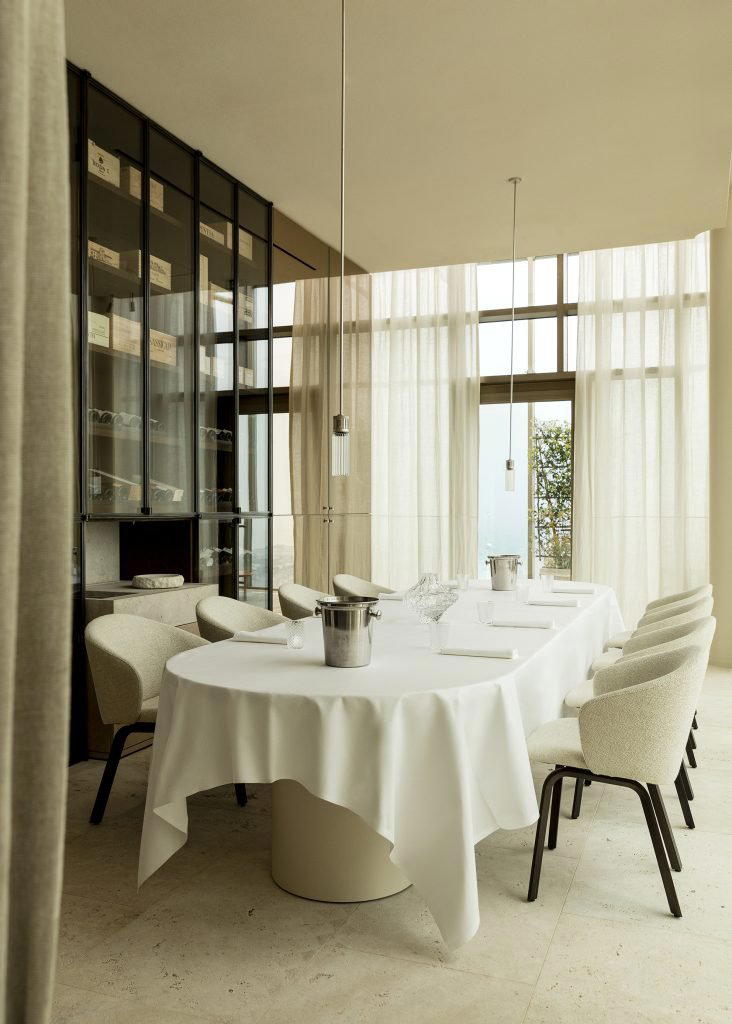
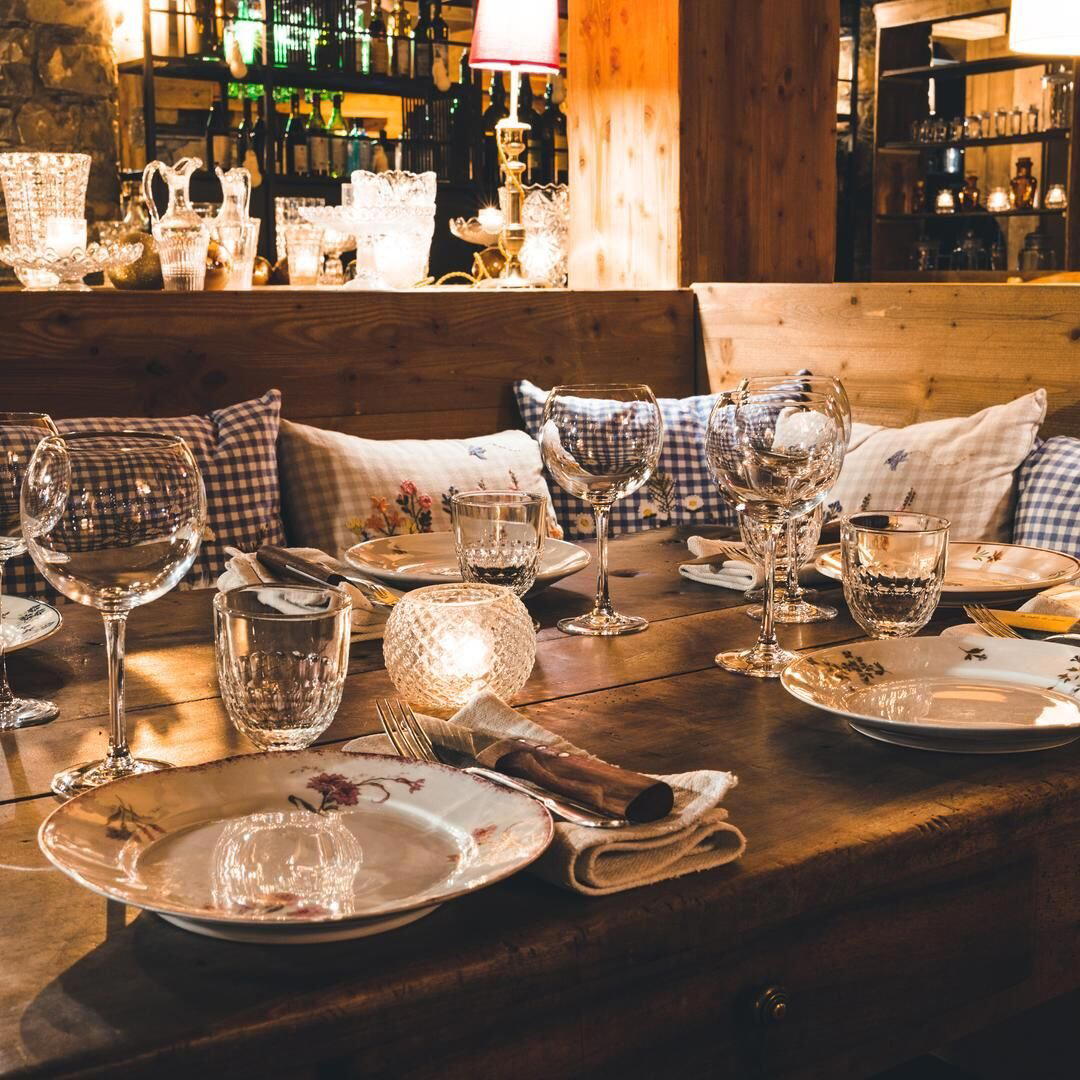
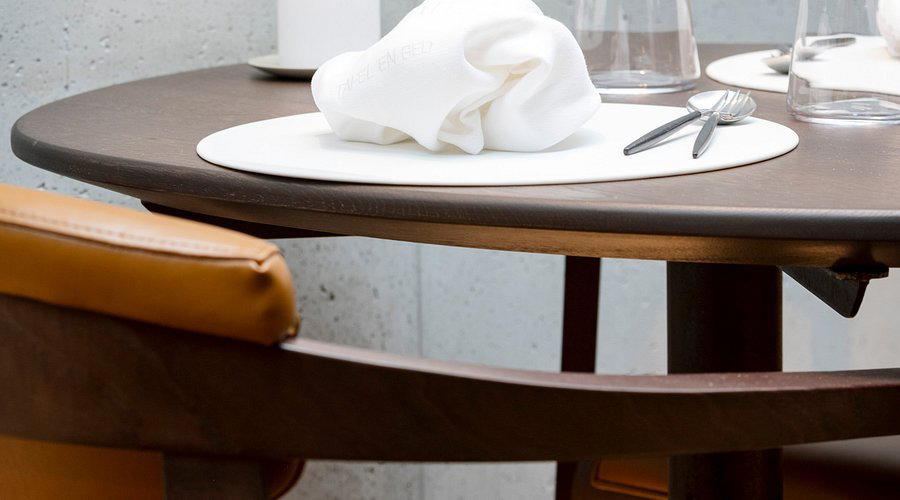
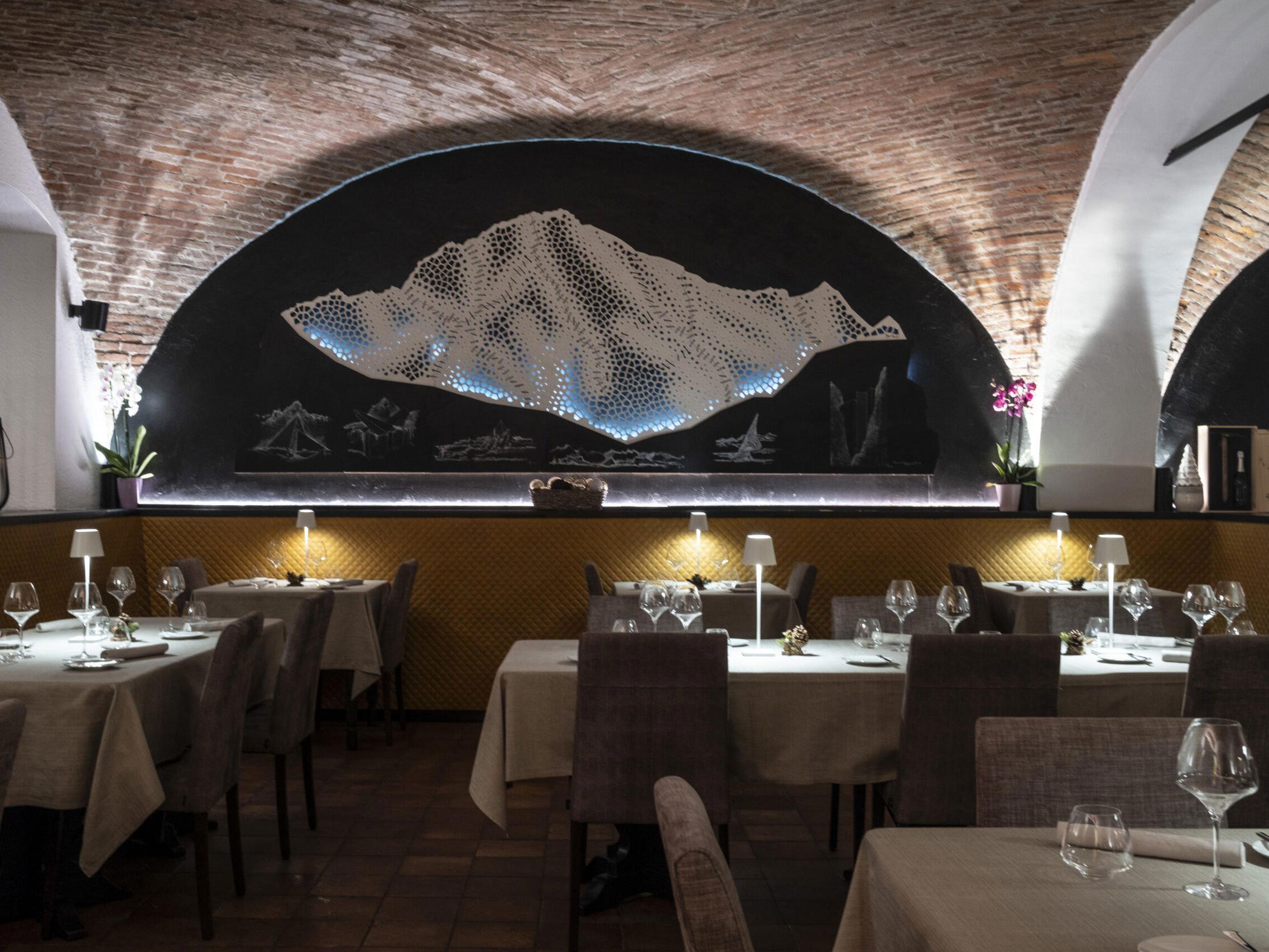
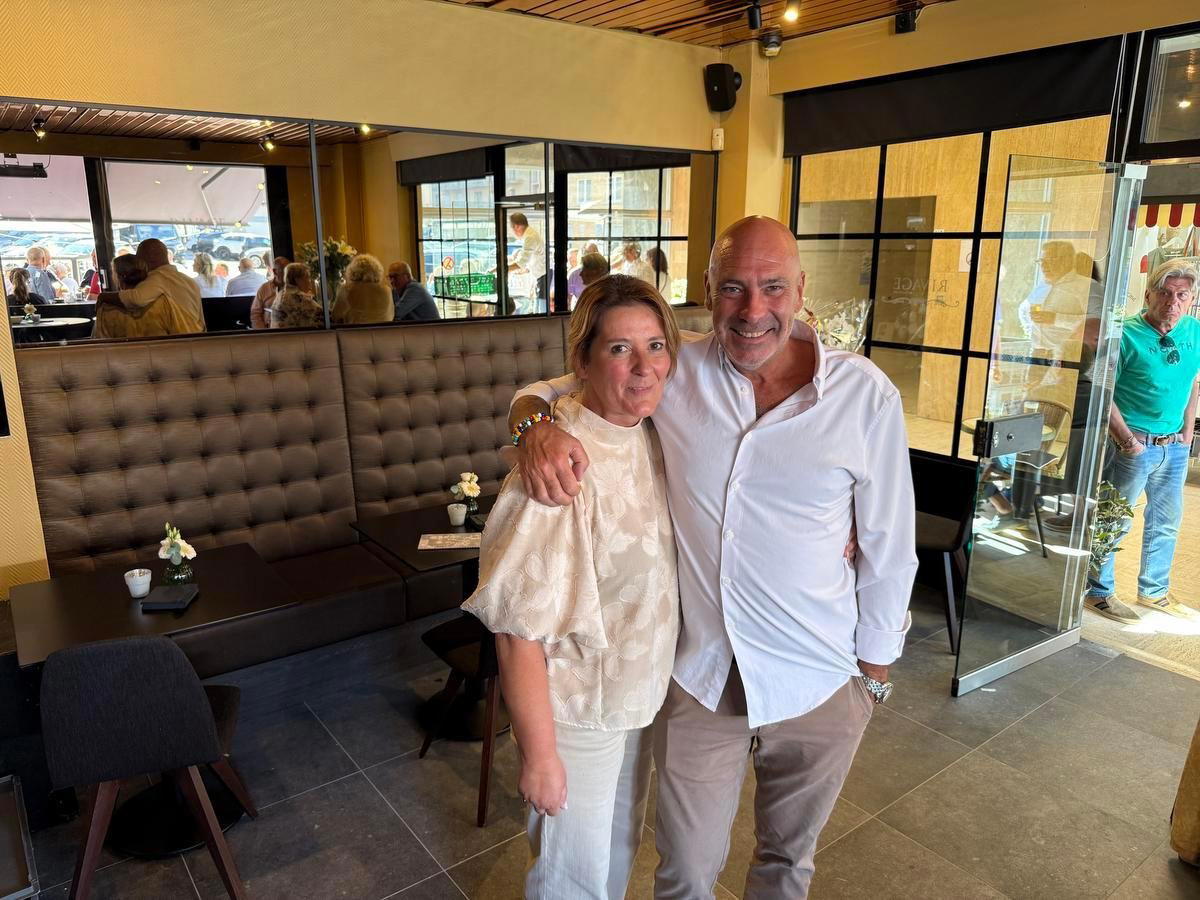
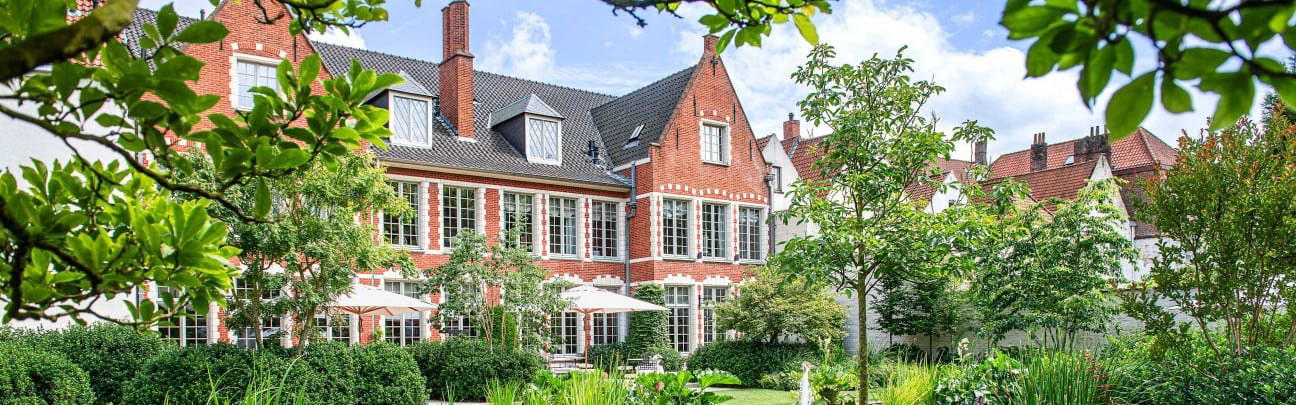
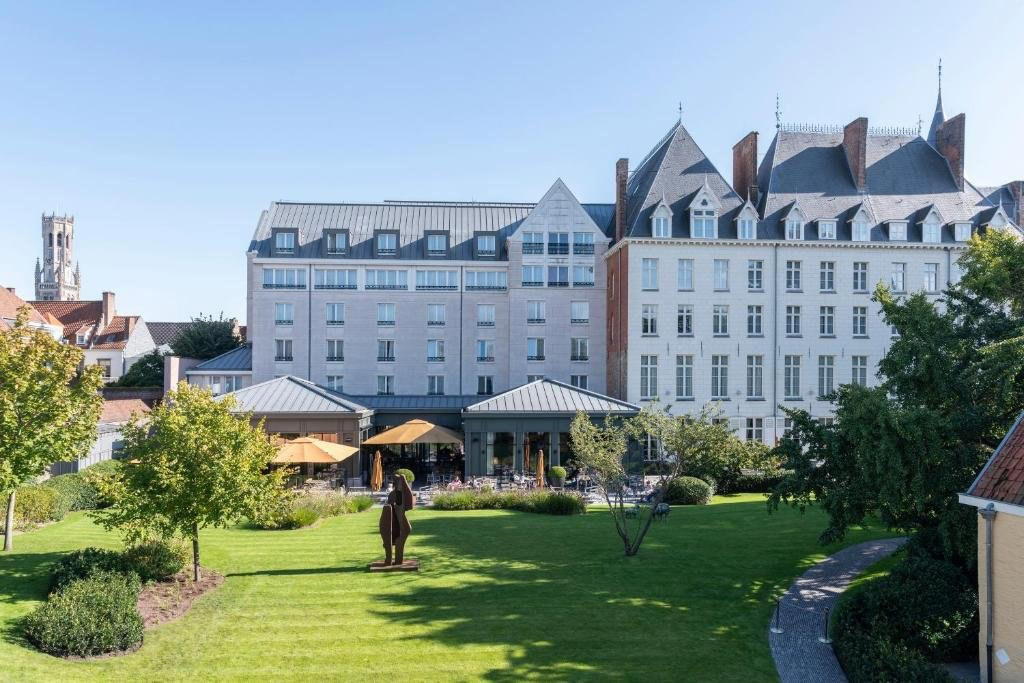
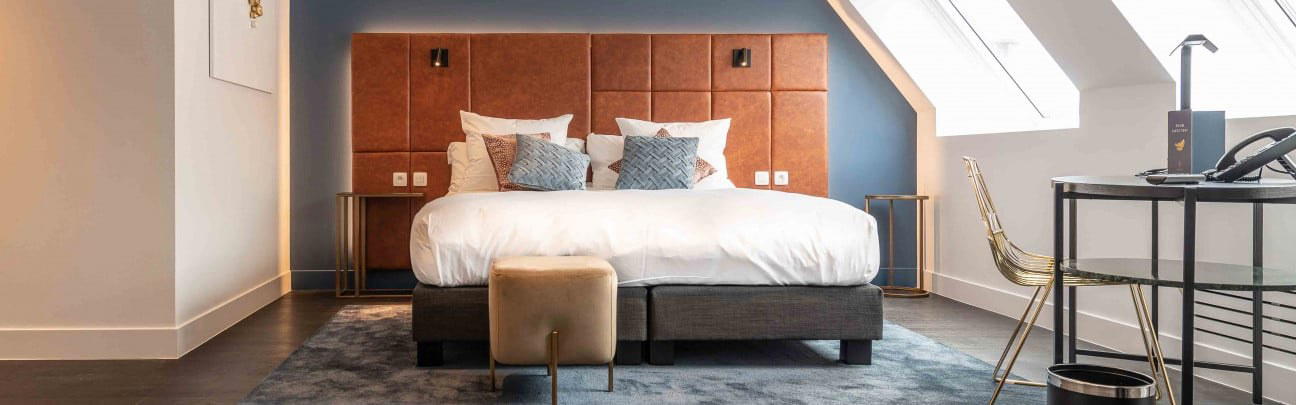
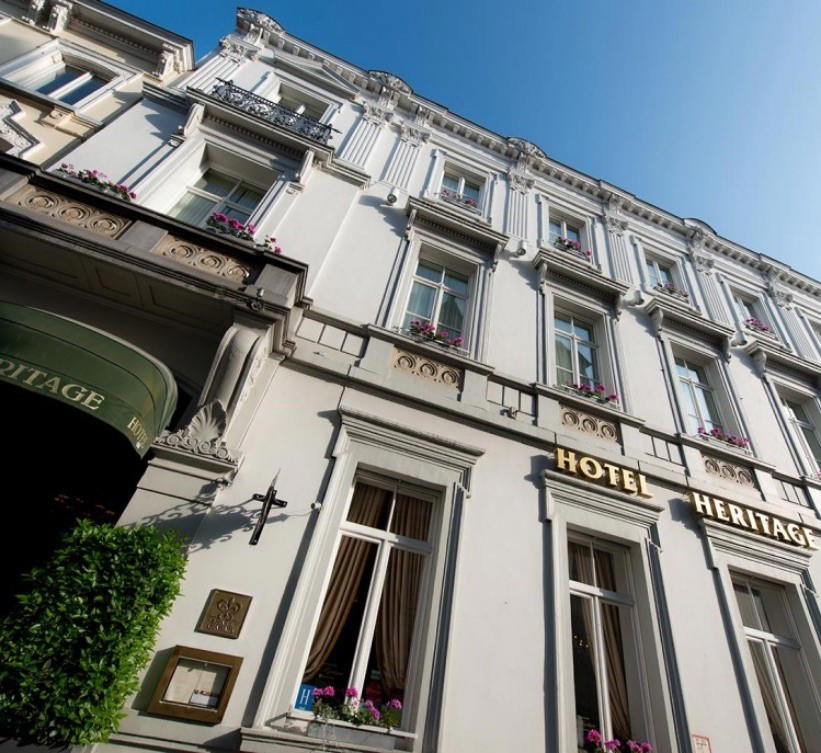
Charming period house with a small, cozy dining room that feels intimate and refined; guests note the warm, welcoming atmosphere despite tight table spacing.