Poelzicht
Poelzicht occupies a quiet address at Kromme Steeg 11 in Kapel Avezaath, a small Gelderland village in the Tielerwaard fruit-growing region between the rivers Waal and Lek. The surrounding agricultural terrain, with its orchards and river-clay soils, positions this as a destination that earns its place by proximity to primary ingredients rather than urban convenience. Travellers making the drive from Utrecht or Nijmegen will find it sits comfortably within the circuit of serious rural Dutch dining.
Pearl is the En Primeur Club membership app — saves, bookings, and concierge access live there. Same editors, same standards.
- Address
- Kromme Steeg 11, 4013 NG Kapel Avezaath, Netherlands
- Phone
- +31344661547
- Website
- poelzicht.nl
- Directions
- Get directions
 Saves & bookings on Pearl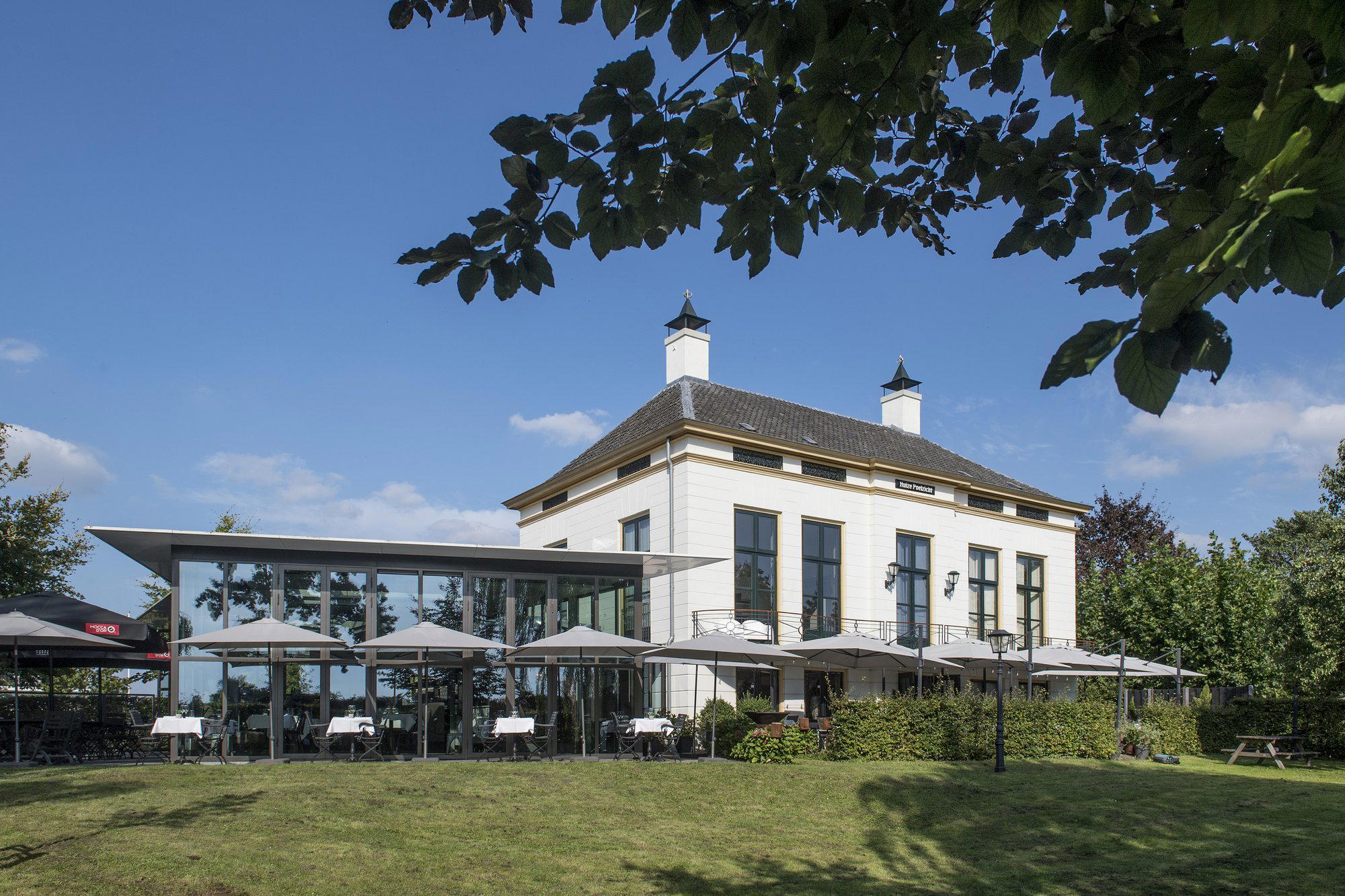
Between the Rivers: Dining in the Tielerwaard
The stretch of Gelderland that lies between the Waal and the Lek rivers has been producing fruit and vegetables on river-clay soil for centuries. Kapel Avezaath sits at the centre of this corridor, a village with fewer than a thousand residents surrounded by orchards and market gardens that supply much of the Netherlands' domestic fruit harvest. It is the kind of place where ingredient provenance is not a menu talking point but a geographic fact: the land that frames the dining room window is, in many cases, the same land that supplies the kitchen. This is the context in which Poelzicht, at Kromme Steeg 11, makes sense as a destination.
Rural fine dining in the Netherlands has found a credible model over the past decade, one that differs from the urban tasting-menu format that defines addresses like Ciel Bleu in Amsterdam or FG in Rotterdam. Outside the major cities, kitchens tend to anchor their identity in what grows or grazes nearby rather than in international technique applied to imported produce. That positioning is most visible in Gelderland and the neighbouring river regions, where orchards, dairy farms, and river fish create a larder that rewards a kitchen willing to work seasonally rather than around a fixed format. Poelzicht's address in this landscape places it in that rural-rooted category, where the setting and the sourcing are effectively the same argument.
Ingredient Logic in the River-Clay Region
The Tielerwaard is one of the Netherlands' most productive agricultural zones precisely because river-clay soil retains moisture and nutrients differently from the sandy or peat-based profiles found elsewhere in the country. Fruit grown here, particularly apples and pears, develops more slowly and at higher sugar concentration than in irrigated growing regions. Asparagus, soft fruit, and field vegetables follow similar patterns. For a kitchen operating in this zone, sourcing locally is not a marketing stance; it is an access question. The supply chain is short enough that harvest-to-kitchen timelines can be measured in hours rather than days, and the seasonal window for specific varieties is tight enough that menus must respond to what is available rather than dictating terms to suppliers.
This approach to ingredient geography has parallels elsewhere in Dutch fine dining. De Nieuwe Winkel in Nijmegen, operating in the same river-region context a short distance to the east, has built a Michelin-starred program around plant-forward sourcing that treats proximity to agricultural land as a culinary advantage. Brut172 in Reijmerstok, further south in Limburg, takes a similar position in relation to its own regional terrain. The pattern across these addresses is consistent: when a kitchen is located inside a productive agricultural zone rather than importing to an urban kitchen, the sourcing story and the food on the plate are harder to separate.
Setting and Approach
Approaching Kapel Avezaath along the river dike roads from the west, the landscape shifts from highway infrastructure to orchard rows and flood-plain meadow within a few minutes. The village itself is compact and quiet, with the agricultural character of the surroundings present in the architecture and scale of the place. Poelzicht's address on Kromme Steeg, a lane name that translates roughly to Curved Alley, is consistent with this character. Rural Dutch dining rooms at this level tend toward interior restraint, allowing seasonal produce and regional provenance to carry the editorial weight that urban restaurants distribute between design, service theatre, and kitchen spectacle.
The regional circuit that includes addresses like De Lindehof in Nuenen, De Treeswijkhoeve in Waalre, and De Bokkedoorns in Overveen demonstrates that the Netherlands has a functioning tier of rural fine dining with genuine geographical identity. These are not country houses converted to approximate urban restaurant formats; they are kitchens whose sense of place comes from the land they sit in. Poelzicht occupies a similar position within the Gelderland-Tielerwaard sub-region, an area that does not yet carry the same recognition as the Veluwe or the Zeeland coast but that offers comparable agricultural quality as a foundation for a kitchen.
Planning a Visit
Kapel Avezaath is not served by mainline rail. The practical approach from Utrecht is by car along the A2 south and then east via Tiel, a drive of roughly 45 to 50 minutes depending on traffic through the Waal crossing. From Nijmegen, the river-road route west runs approximately 30 minutes. For visitors combining Poelzicht with other river-region destinations, the broader Gelderland circuit includes De Nieuwe Winkel in Nijmegen and, further north, De Lindenhof in Giethoorn. For those travelling from further afield and comparing against high-end urban programs, reference points like De Librije in Zwolle or 't Nonnetje in Harderwijk represent the top end of the Dutch provincial fine-dining tier. Contact Poelzicht directly via their address at Kromme Steeg 11, 4013 NG Kapel Avezaath for reservation and opening details, as booking specifics are not publicly consolidated at the time of writing. See our full Kapel Avezaath restaurants guide for additional context on dining in the area.
The spring and early summer window, when Tielerwaard asparagus and early orchard fruit are at their narrowest seasonal peak, is the period when the sourcing argument for this region is most legible on a plate. Autumn brings its own logic, with pear and apple harvests running into early root-vegetable season. Both represent moments when the gap between a kitchen in this location and one importing produce at distance is at its most material.
For international travellers seeking a Dutch regional comparison point, the rural sourcing model practiced in the Gelderland river zone has something structurally in common with what kitchens like Inter Scaldes in Kruiningen do with Zeeland's coastal larder, or what De Groene Lantaarn in Staphorst achieves in the agricultural north. The approach is Dutch in a specific, geography-first sense that differs from the technical internationalism of reference addresses like Le Bernardin in New York or Atomix. That distinction, produce-led and regionally grounded rather than technique-led and globally sourced, is the argument for making the drive to Kapel Avezaath. Also consider 't Amsterdammertje in Loenen aan de Vecht and Tribeca in Heeze when planning a broader Dutch rural fine-dining itinerary.
How Poelzicht Kapel Avezaath compares with similar nearby venues.
| Venue | Cuisine | Price |
|---|---|---|
| Lagrange | French | €€€ |
| Lutum | Creative | €€€ |
| Flicka | Modern Cuisine | €€€€ |
Continue exploring
More in Kapel Avezaath
Restaurants in Kapel Avezaath
Browse all →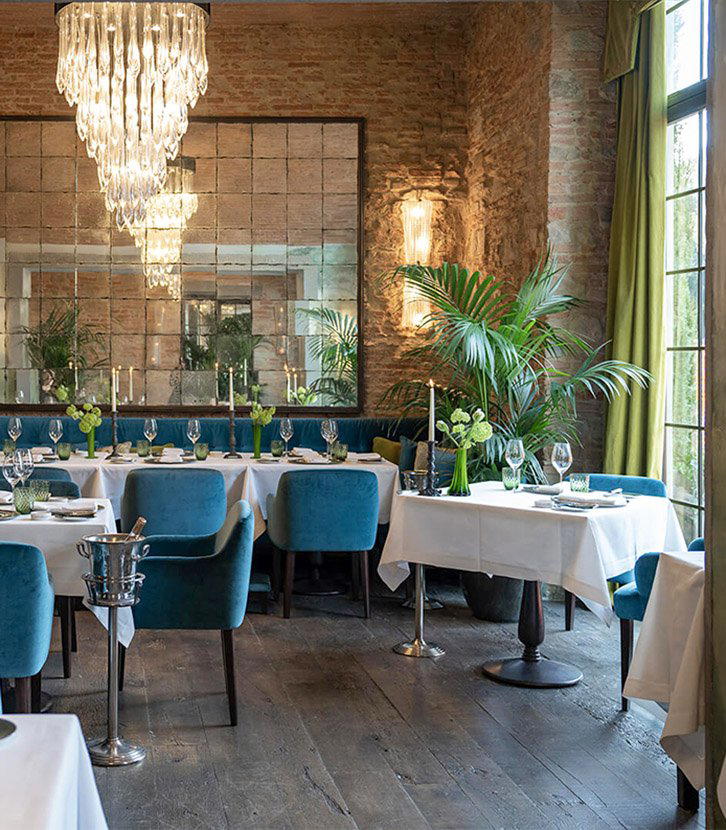
Bars in Kapel Avezaath
Browse all →
Hotels in Kapel Avezaath
Browse all →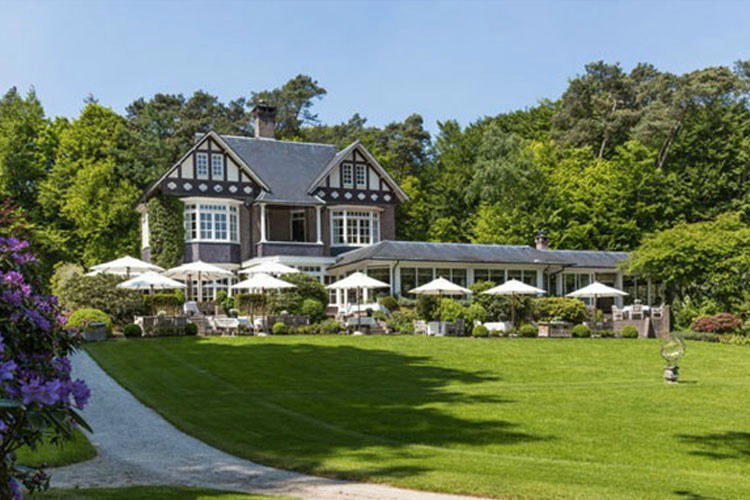
Wineries in Kapel Avezaath
Browse all →
At a Glance
- Cozy
- Classic
- Scenic
- Elegant
- Date Night
- Family
- Group Dining
- Celebration
- Business Dinner
- Private Event
- Garden
- Terrace
- Private Dining
- Standalone
- Extensive Wine List
- Garden
Current opening hours
- Monday
- Closed
- Tuesday
- Closed
- Wednesday
- 12–9 PM
- Thursday
- 12–9 PM
- Friday
- 12–9 PM
- Saturday
- 12–9 PM
- Sunday
- 12–9 PM
Hours can change for holidays and private events. Last verified .
Warm and welcoming, with a cozy, attractively decorated brasserie setting in a country farmhouse and a light conservatory overlooking the garden.
Know Before You Go
- Getting there
- Kromme Steeg 11, 4013 NG Kapel Avezaath, Netherlands