Bouchot
Bouchot sits on Beekstraat in Nuenen, the quiet Noord-Brabant village that once sheltered Vincent van Gogh, placing it in a regional dining scene that punches well above its size. The name itself signals a sourcing philosophy: bouchot mussels, raised on wooden poles along the Atlantic coast, are a reference point for the kind of careful provenance that defines serious Dutch kitchens. For the broader Eindhoven-area restaurant circuit, Bouchot represents a compelling neighbourhood alternative to the region's better-known fine-dining addresses.
Pearl is the En Primeur Club membership app — saves, bookings, and concierge access live there. Same editors, same standards.
- Address
- Beekstraat 1, 5671 CS Nuenen, Netherlands
- Phone
- +31407851666
- Website
- restaurantbouchot.com
- Directions
- Get directions
 Saves & bookings on Pearl
A Village Address With a Sourcing Argument
Nuenen is the kind of place that forces a recalibration of expectations. The Noord-Brabant village, roughly 10 kilometres northeast of Eindhoven, is leading known internationally as the location where Vincent van Gogh lived and painted during the early 1880s, producing the dark, earthy canvases of his Dutch period. The built environment reflects that history: low brick, cycling paths, agricultural flatness. It is not, on first approach, the setting you associate with serious restaurant ambition. And yet the Dutch provinces have quietly developed a pattern of placing destination kitchens in exactly these kinds of understated locations, from De Groene Lantaarn in Staphorst to Brut172 in Reijmerstok. Bouchot, at Beekstraat 1, follows that template.
The name is a direct reference to bouchot mussel cultivation, a French Atlantic coast tradition in which mussels are grown on wooden poles driven into tidal flats, producing smaller, cleaner shellfish than dredged alternatives. Naming a restaurant after a harvesting method is not an accident. It is a statement about where attention is directed: toward the source rather than the spectacle. That framing places Bouchot in a specific tier of Dutch restaurant thinking, one preoccupied with provenance, seasonality, and the argument that what a kitchen chooses to source is at least as consequential as what it does with those ingredients once they arrive.
Provenance as the Central Discipline
The broader shift in Dutch fine dining over the past decade has moved decisively toward ingredient transparency. Restaurants at the level of De Nieuwe Winkel in Nijmegen, which operates an almost entirely plant-based menu anchored in certified organic sourcing, or Inter Scaldes in Kruiningen, where Zeeland's coastal geography dictates the menu's rhythms, have demonstrated that sourcing discipline can carry a restaurant's entire editorial identity. Bouchot's name positions it within that conversation.
Bouchot method itself is instructive as a metaphor for the kitchen's likely orientation. Pole-cultivated mussels require more labour than dredged harvesting, produce a smaller yield, and deliver a product that is demonstrably different in texture and salinity. Choosing them over cheaper alternatives is a decision that costs money and signals a set of priorities. In practical terms, this category of restaurant tends to change its menu more frequently than volume-driven kitchens, because the sourcing constraints demand it. Seasonal availability is not a marketing narrative; it is an operational reality that shapes what can actually be served.
Noord-Brabant region sits at an interesting convergence for this kind of sourcing programme. The province borders Belgium, giving it access to Flemish agricultural networks that differ from the more coastal-focused supply chains of Zeeland or South Holland. Inland waterways, polders, and agricultural land in the Eindhoven hinterland produce a different larder than the North Sea coast, one oriented toward root vegetables, game, dairy, and freshwater protein rather than the saltwater species that dominate menus further west. A kitchen in Nuenen that takes sourcing seriously is working with a specific regional palette, and that palette shapes what provenance-led cooking looks like here versus, say, what De Bokkedoorns in Overveen draws from the North Holland coastal strip.
Where Bouchot Sits in the Eindhoven-Area Dining Circuit
Nuenen's immediate restaurant neighbours set a useful reference frame. De Lindehof, also in Nuenen, operates at the €€€€ tier with a Contemporary Dutch and Creative format, representing the village's most formally decorated address. Restaurant Olijf provides a second local option, rounding out a dining scene that is more concentrated than the village's size would suggest. For the broader Eindhoven region, addresses like Tribeca in Heeze and De Treeswijkhoeve in Waalre extend the circuit into neighbouring municipalities, all within a short drive of the city.
At the national level, the benchmark for provenance-led Dutch cooking sits with addresses like De Librije in Zwolle, where sourcing from the IJsselmeer region has been central to the kitchen's identity for years, or De Lindenhof in Giethoorn, which draws from the Overijssel peat meadow landscape. Bouchot's Beekstraat address places it as a local entry point into this national conversation, with the provincial character of Noord-Brabant as its distinguishing geographical argument rather than the coastal or polder identities that define many of its national peers.
For readers who want to extend the comparison internationally, the sourcing-as-identity approach has parallels with what Lazy Bear in San Francisco does with Northern California's farming networks, or the rigour with which Le Bernardin in New York City approaches seafood provenance. The discipline is the same even when the scale and context differ considerably.
Planning a Visit
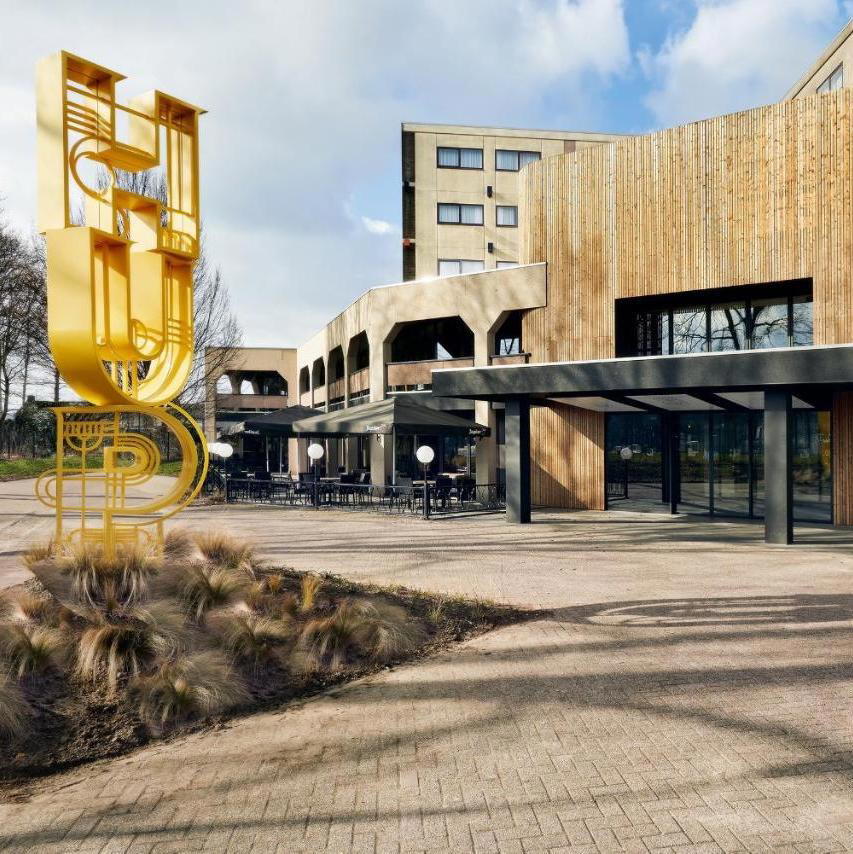
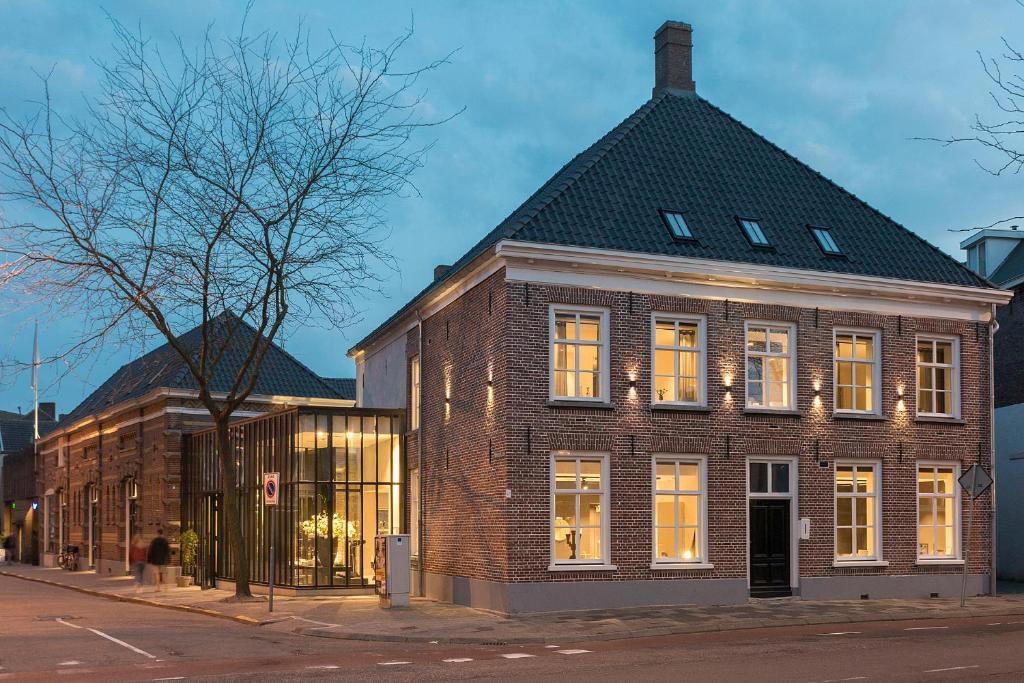
Bouchot's address at Beekstraat 1 in Nuenen places it in a walkable position within the village centre. Nuenen is most practically reached by car from Eindhoven, which sits roughly 10 kilometres to the southwest and connects to the national motorway network via the A270. For those arriving by public transport, bus connections run between Eindhoven's central station and Nuenen, though the village's compact scale makes arrival by car the more convenient option for an evening reservation. Visitors combining dinner with a broader Nuenen itinerary will find the Van Gogh documentation centre and the village's cycle routes a natural complement to a meal, particularly in the spring and autumn seasons when the agricultural landscape around the village is at its most photogenic.
For a comprehensive view of where Bouchot sits within the local options, the full Nuenen restaurants guide maps the village's dining scene against the wider Eindhoven-area circuit. Those planning a longer regional trip might also consider pairing Nuenen with a visit to addresses further afield, from Aan de Poel in Amstelveen or Ciel Bleu in Amsterdam to the north, or FG in Rotterdam and 't Nonnetje in Harderwijk for a fuller survey of the Netherlands' provincial fine-dining map.
At a Glance
- Elegant
- Cozy
- Sophisticated
- Classic
- Date Night
- Business Dinner
- Special Occasion
- Casual Hangout
- Standalone
- Sommelier Led
- Local Sourcing
- Sustainable Seafood
- Street Scene
Current opening hours
- Monday
- 12–4:30 PM, 6–11:30 PM
- Tuesday
- Closed
- Wednesday
- Closed
- Thursday
- 6–11:30 PM
- Friday
- 12–4:30 PM, 6–11:30 PM
- Saturday
- 12–4:30 PM, 6–11:30 PM
- Sunday
- 12–4:30 PM, 6–11:30 PM
Hours can change for holidays and private events. Last verified .
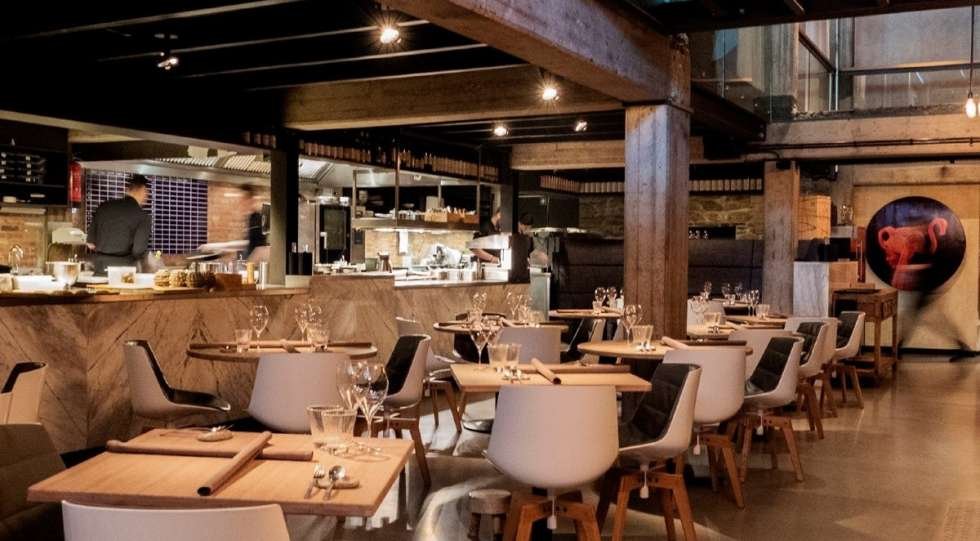
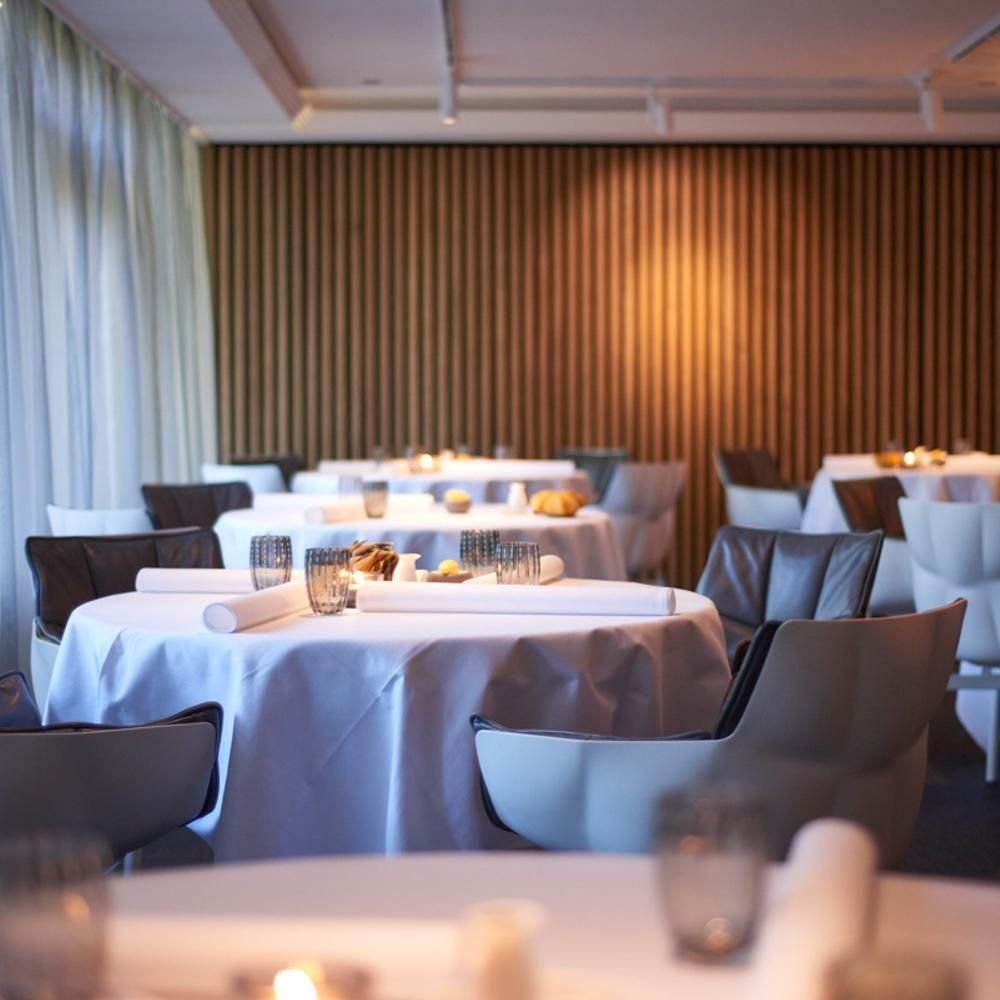
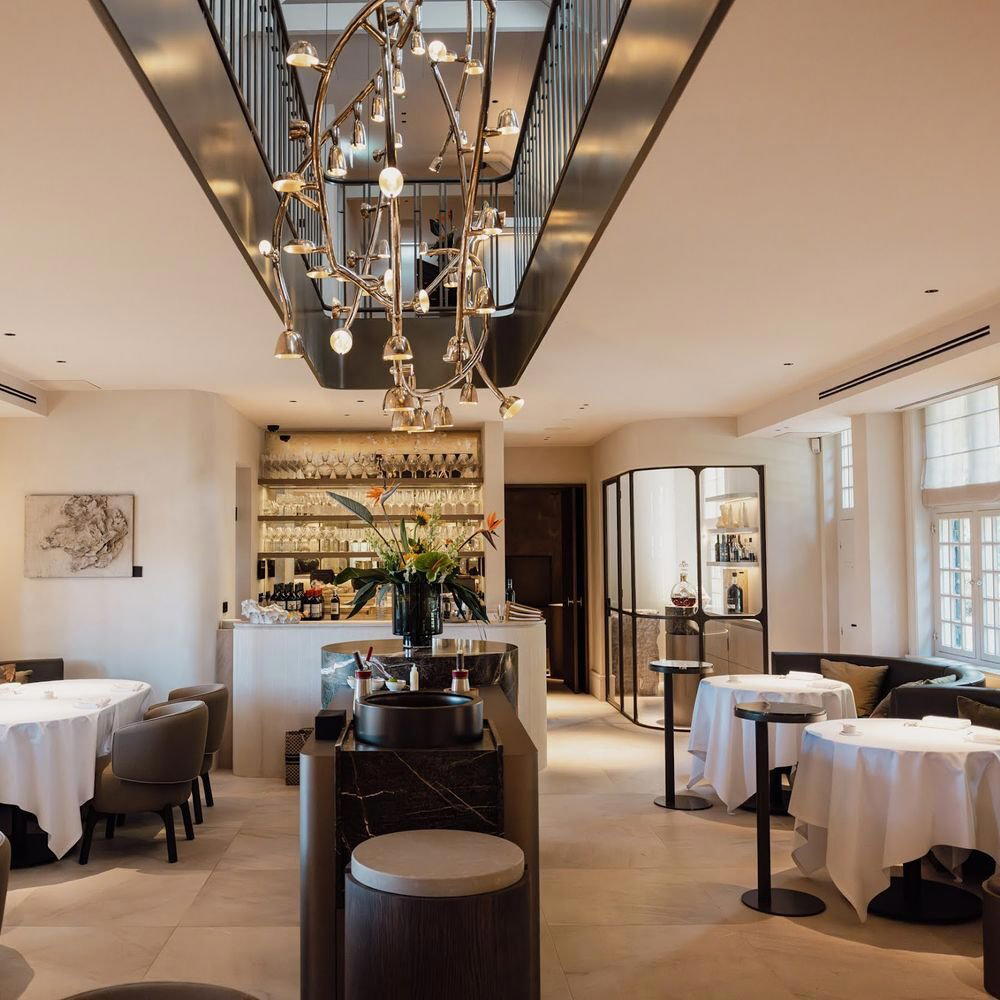
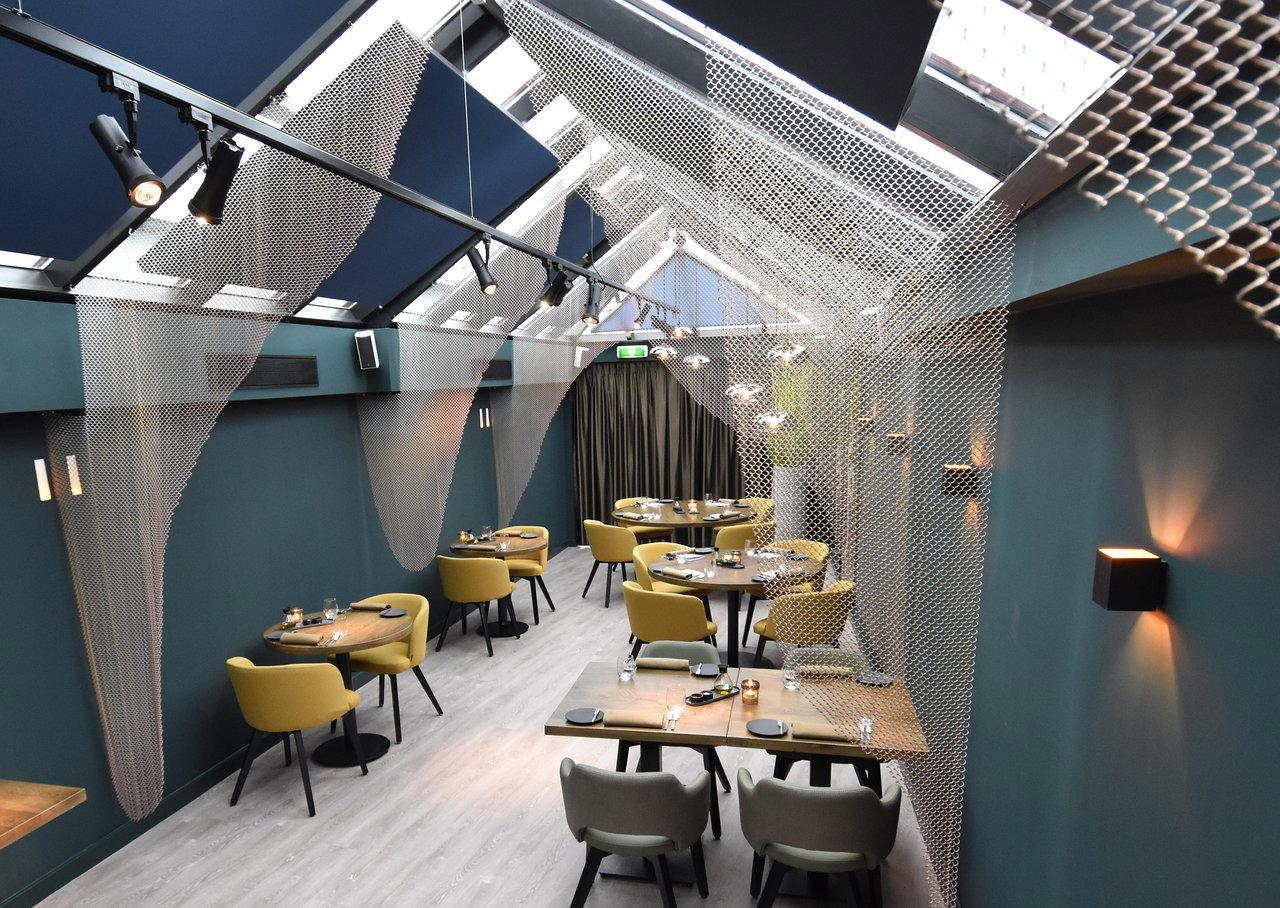
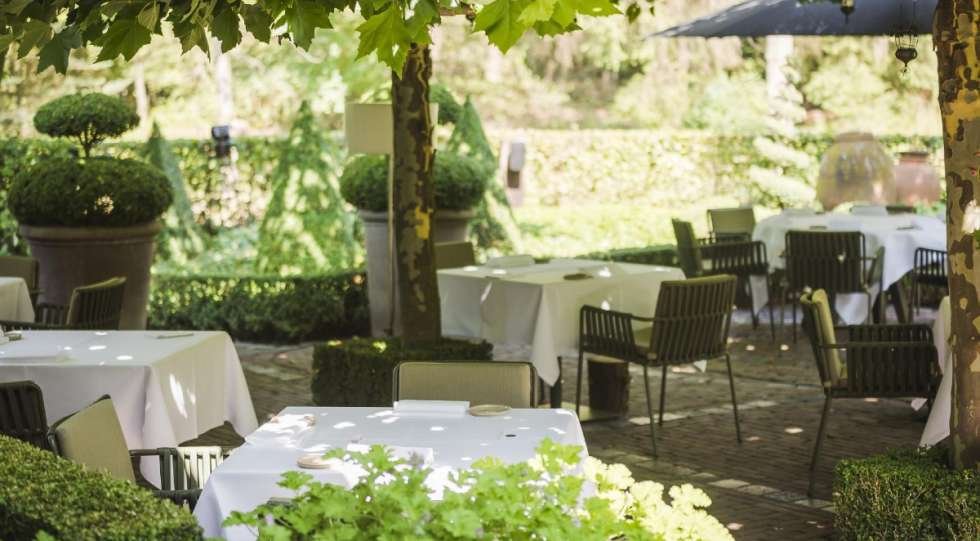
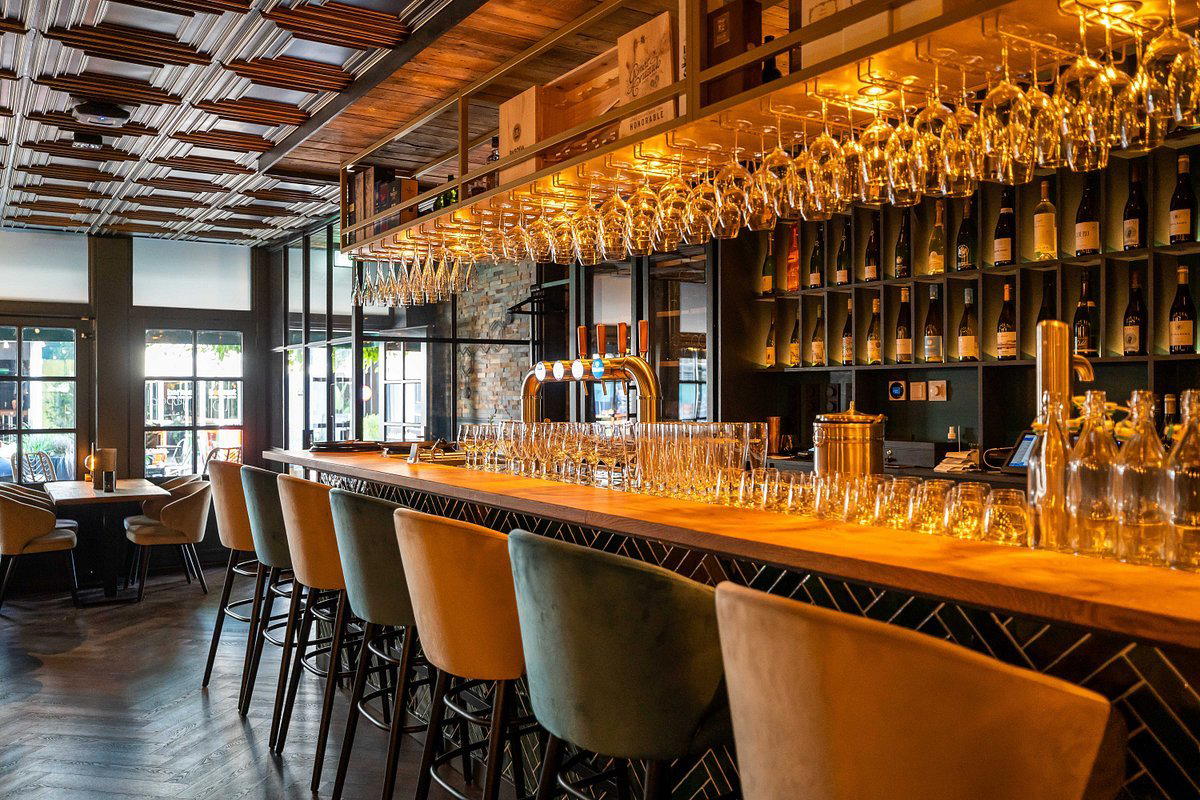
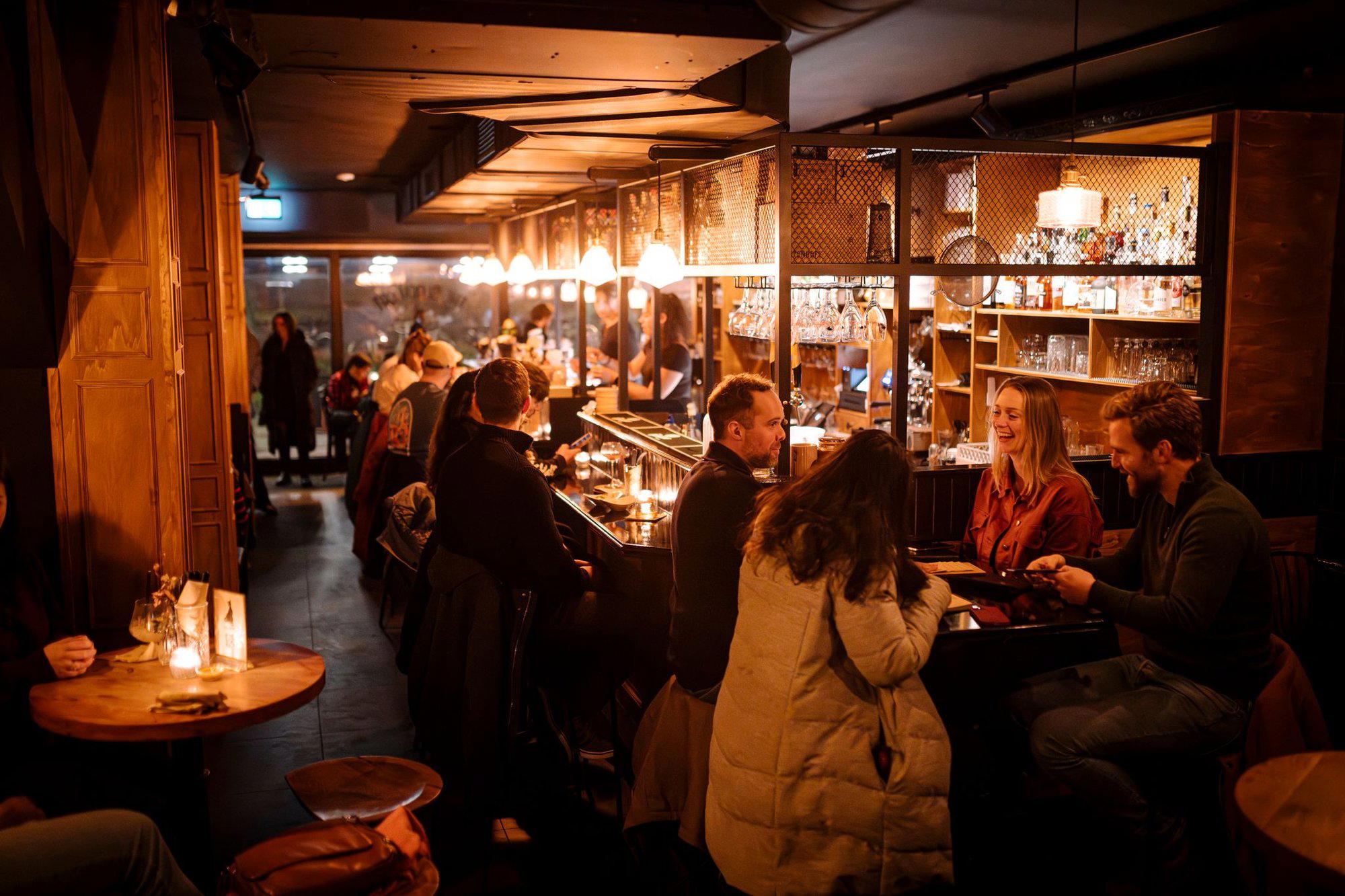
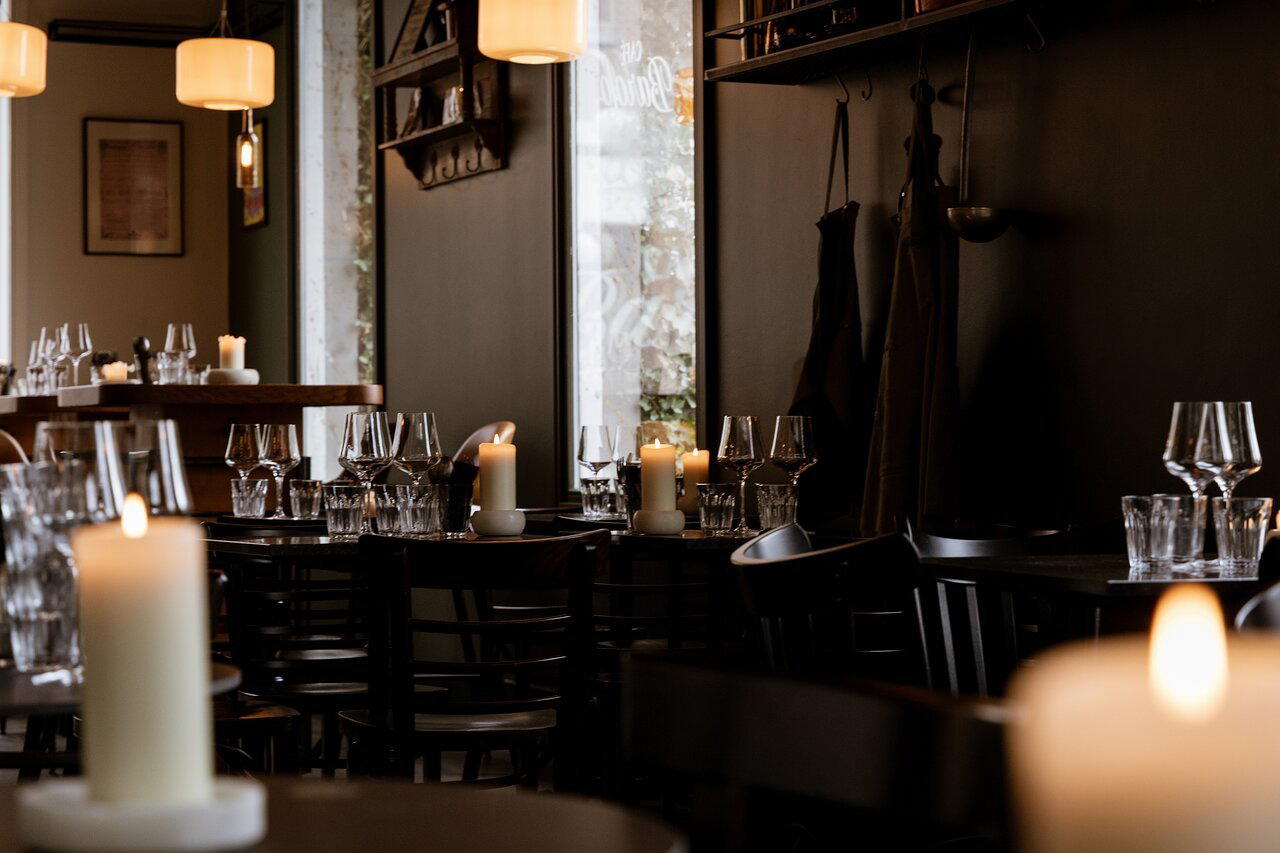
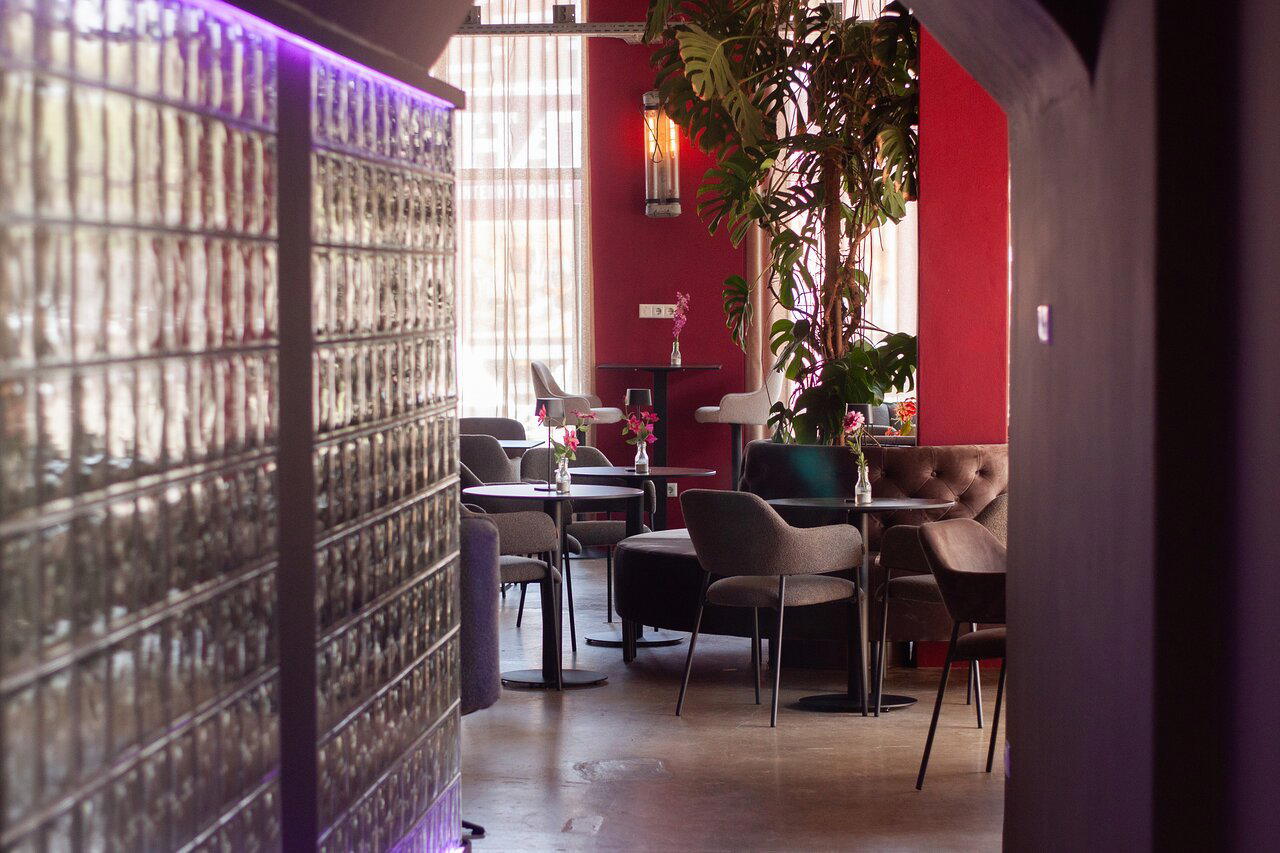
Warm, elegant, and unforced, with a classic French bistro feel and a personal host-led atmosphere rooted in Brabant hospitality.
Know Before You Go
- Getting there
- Beekstraat 1, 5671 CS Nuenen, Netherlands