PODA

A Michelin Bib Gourmand recipient for 2024 and 2025, PODA occupies a restored agricultural warehouse on a quiet street in Montemor-o-Novo, where Chef João Narigueta revives the pronounced flavours of Alentejo regional cooking. The menu spans a five-course tasting format and a concise à la carte, anchored by dishes like the sour-bread soup Sopa Fatia Azeda and the walnut-and-honey sponge Enxovalhada. The wine list draws almost exclusively from local Alentejo producers.
Pearl is the En Primeur Club membership app — saves, bookings, and concierge access live there. Same editors, same standards.
- Address
- R. Sacadura Cabral 25, 7050-304 Montemor-o-Novo, Portugal
- Phone
- +351 968 307 694
- Website
- restaurantepoda.pt
- Directions
- Get directions
 Saves & bookings on Pearl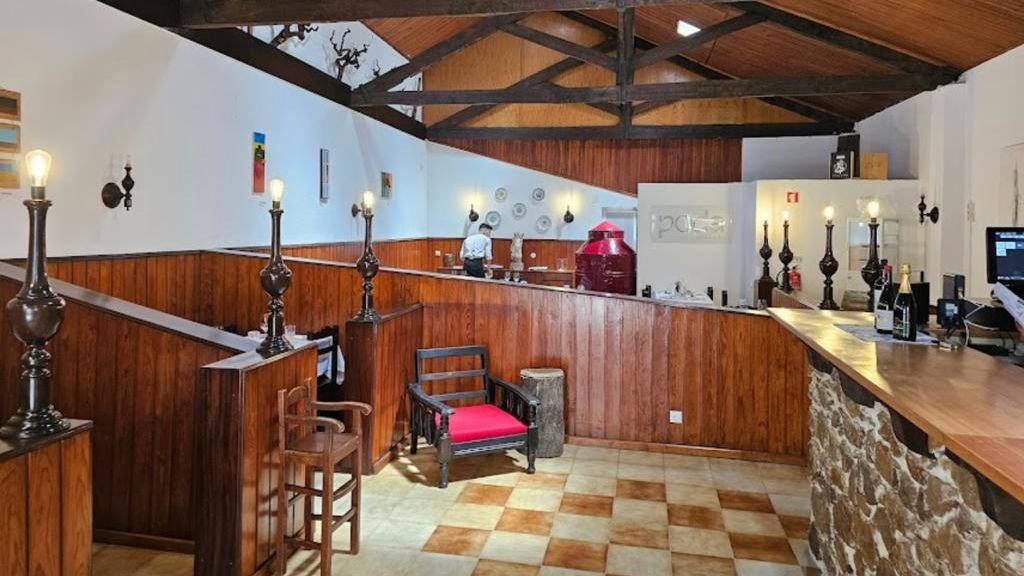
Where Alentejo Cooking Takes Up Residence
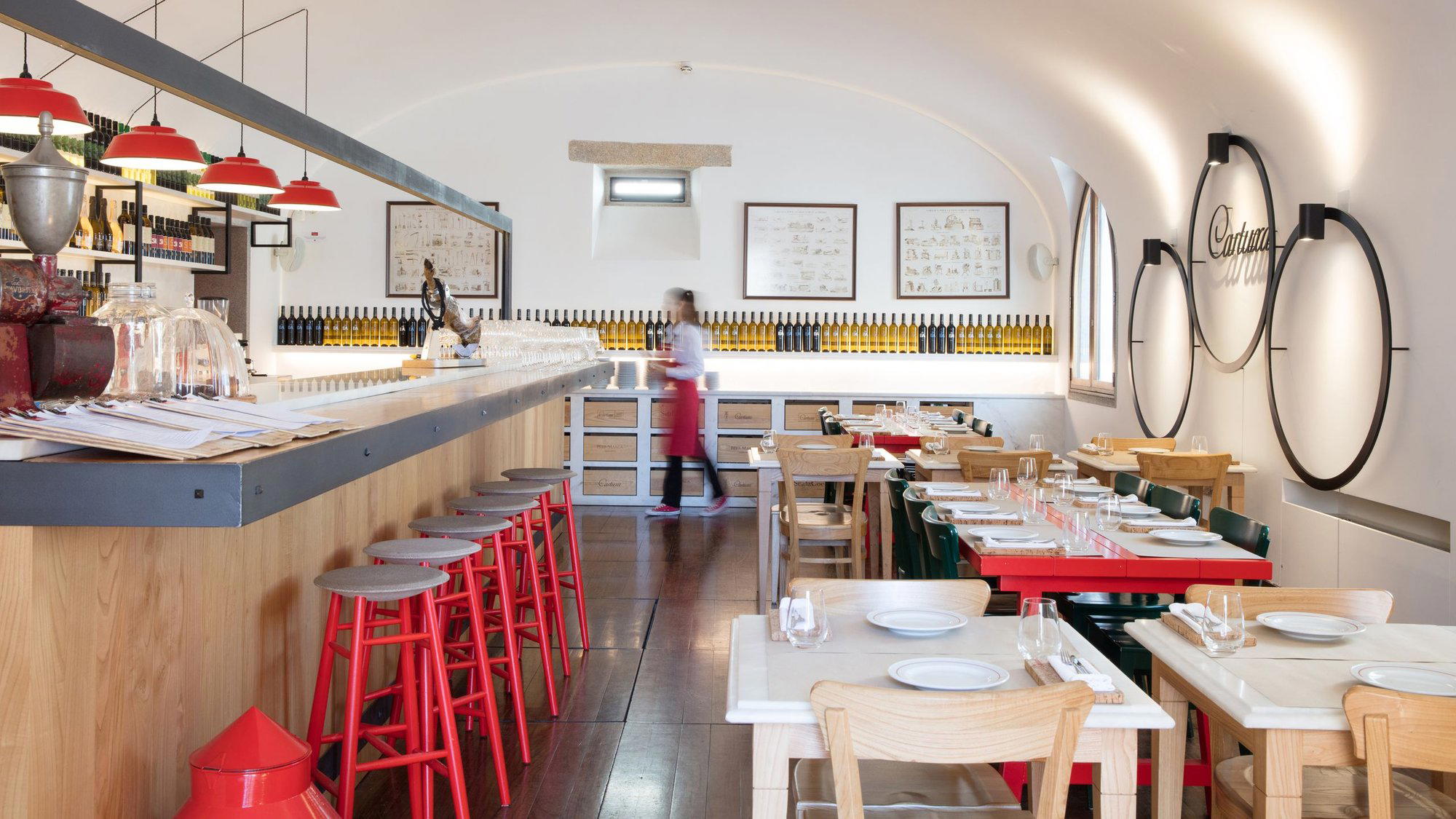
The approach to PODA sets the tone before you reach the door. Rua Sacadura Cabral is the kind of street that Montemor-o-Novo keeps for itself: narrow, unhurried, framed by the bleached stone walls that define the Alentejo's inland towns. The building was once an agricultural warehouse, and the restoration has been careful not to sand that history away. Exposed stonework, the structural bones of a working building, the proportions of a space built for storage rather than spectacle, these details remain, and they anchor the food that follows in something more coherent than décor.
This is consistent with how serious regional cooking in Portugal is being presented at the moment. The country's most recognised dining rooms, Belcanto in Lisbon, Casa de Chá da Boa Nova in Leça da Palmeira, Ocean in Porches, tend toward high-intervention creative formats. PODA operates in a different register: the cuisine is Alentejo, the ingredients are regional, and the ambition is to sharpen and clarify a culinary tradition rather than reimagine it. Michelin awarded PODA the Bib Gourmand in 2024 and 2025, a designation that specifically recognises quality cooking at accessible prices.
The Culinary Tradition on the Plate
Alentejo cooking is among the more distinctive in Portugal, shaped by an inland geography of cork oak, wheat, pork, and a pantry that makes a virtue of economy. The cuisine has always been about depth of flavour over delicacy: long braises, fermented and cured meats, the acid notes of sourdough bread used in soups and bread-thickened sauces. These are not foods that benefit from reduction to a fine-dining concept. They benefit from skill, sourcing, and an understanding of what makes each dish work on its own terms.
At PODA, the Sopa Fatia Azeda is the clearest statement of that position. The regional sour-bread soup arrives with cured sausages and a poached egg, a construction that is modest in presentation and assertive in flavour, built from ingredients that have fed this part of Portugal for generations. The soup is on the à la carte menu as one of the day's options, which means it moves with the seasons and the kitchen's supply rather than existing as a permanent set piece.
The Enxovalhada is the dessert that most marks PODA's commitment to the region's less-documented food culture. A spongey pão-de-ló filled with walnut pieces, finished with honey and dusted with cinnamon, it is described in the venue's own documentation as a sweet that is hard to find outside this region. That claim carries weight: Alentejo's pastry tradition is less internationally promoted than the egg-custard sweets of Lisbon's convents or the almond confections of the Algarve, and dishes like the Enxovalhada exist at the level of local memory rather than tourist menus.
Format and Structure
PODA offers two ways to eat: a five-course tasting menu and a concise à la carte. This dual-format approach allows a single service to address both the guest who wants a structured progression and the one who arrives with a specific appetite. The tasting menu at this price bracket (the venue sits in the €20 price tier) delivers a level of kitchen ambition that places it in an unusually competitive position for a town of Montemor-o-Novo's scale.
The wine list is composed predominantly of local producers. In Alentejo terms, that means access to a wine region that has been among the more dynamic in Portugal over the past two decades, with estates producing structured reds from Aragonez, Trincadeira, and Alicante Bouschet alongside increasingly confident whites. Drinking Alentejo wine with Alentejo food in Montemor-o-Novo, within the walls of a restored warehouse, is a coherence that is rarely this affordable. For context on the wider wine culture of the area,
PODA in the Context of Montemor-o-Novo Dining
Montemor-o-Novo is a market town of around 17,000 people in the central Alentejo, historically significant as the birthplace of São João de Deus, but not a destination that appears on most international food itineraries. That is changing incrementally. The town now has a cluster of restaurants with defined points of view: L'and Vineyards represents the international luxury end of the local dining range, with Portuguese fusion cooking inside a design-hotel setting, while MAPA brings a creative framework to the town's restaurant offer. PODA operates in a different register from both: its authority comes from rootedness rather than from ambition toward a wider stage.
For comparison, the recognition infrastructure that tracks mid-range regional cooking in Portugal, the Michelin Bib Gourmand above all, has begun to mark out a tier of restaurants that take traditional cuisine seriously without requiring the price points of starred dining. Antiqvvm in Porto, A Cozinha in Guimaraes, and A Ver Tavira in Tavira each represent regional cooking that has earned formal recognition in their respective cities. PODA belongs to that generation, with the added context that Alentejo's cuisine has historically received less international attention than Lisbon's or Porto's.
Planning Your Visit
PODA is at Rua Sacadura Cabral 25 in Montemor-o-Novo, roughly an hour's drive east of Lisbon along the A6. The single-euro price designation makes it one of the more accessible Bib Gourmand restaurants in Portugal by cost, and worth factoring in as an anchor for a day trip or overnight stop in the Alentejo. Bookings are recommended. the address also places it within walking distance of Montemor-o-Novo's castle ruins and the town's central streets. For those building a broader Portugal restaurant itinerary, Vila Joya in Albufeira, Il Gallo d'Oro in Funchal, and The Yeatman in Vila Nova de Gaia sit at the formal end of the country's restaurant range, and offer useful contrast to what PODA is doing at the Bib Gourmand tier. Internationally, Fahr in Künten-Sulz and Gannerhof in Innervillgraten both represent regional cuisine traditions worth reading alongside Alentejo cooking for comparative context.
Cuisine and Credentials
Comparable venues nearby, for context on price, style, and recognition.
| Venue | Cuisine | Price | Awards | Notes |
|---|---|---|---|---|
| PODAThis venue — the venue you are viewing | Regional Alentejo Portuguese | $$ | Bib Gourmand | Not listed |
| MAPA | Contemporary Portuguese Mediterranean | $$$$ | Michelin Plate | Herdade das Valadas |
| L'and Vineyards | Modern Portuguese Fine Dining | $$$$ | Not listed | Montemor-o-Novo |
| Café da Viagem | Author & International fusion café and wine bar | $$$ | Not listed | Not listed |
| Solar do Forcado | Traditional Portuguese Regional Cuisine | $$ | Bib Gourmand | Historic Centre of Portalegre |
| Origens | Modern Alentejo | $$$ | Michelin Plate | historic centre |
Recognition history
Dated appearances from independent guides and award organizations, with the underlying list record or original source where available.
Michelin Bib Gourmand
Michelin
Michelin Bib Gourmand
Michelin
Michelin Bib Gourmand
Michelin
Continue exploring
More in Montemor-o-Novo
Restaurants in Montemor-o-Novo
Browse all →
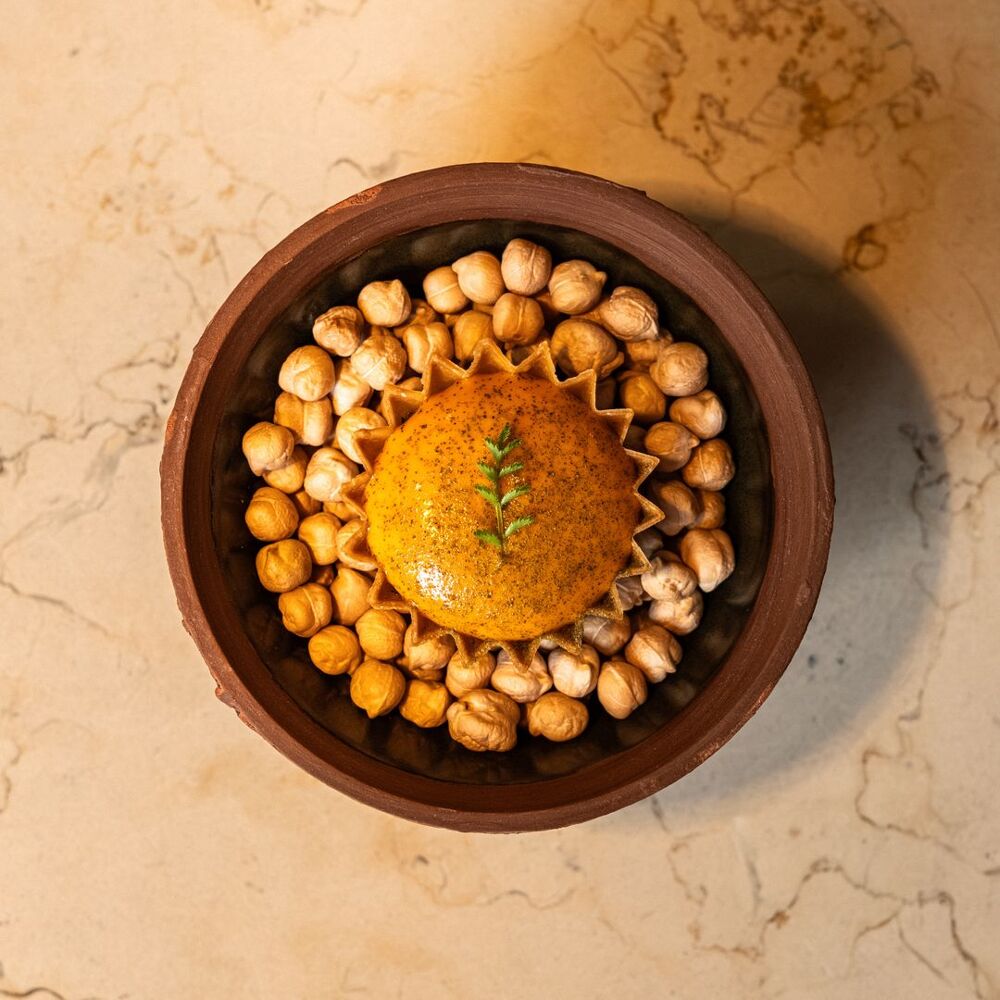
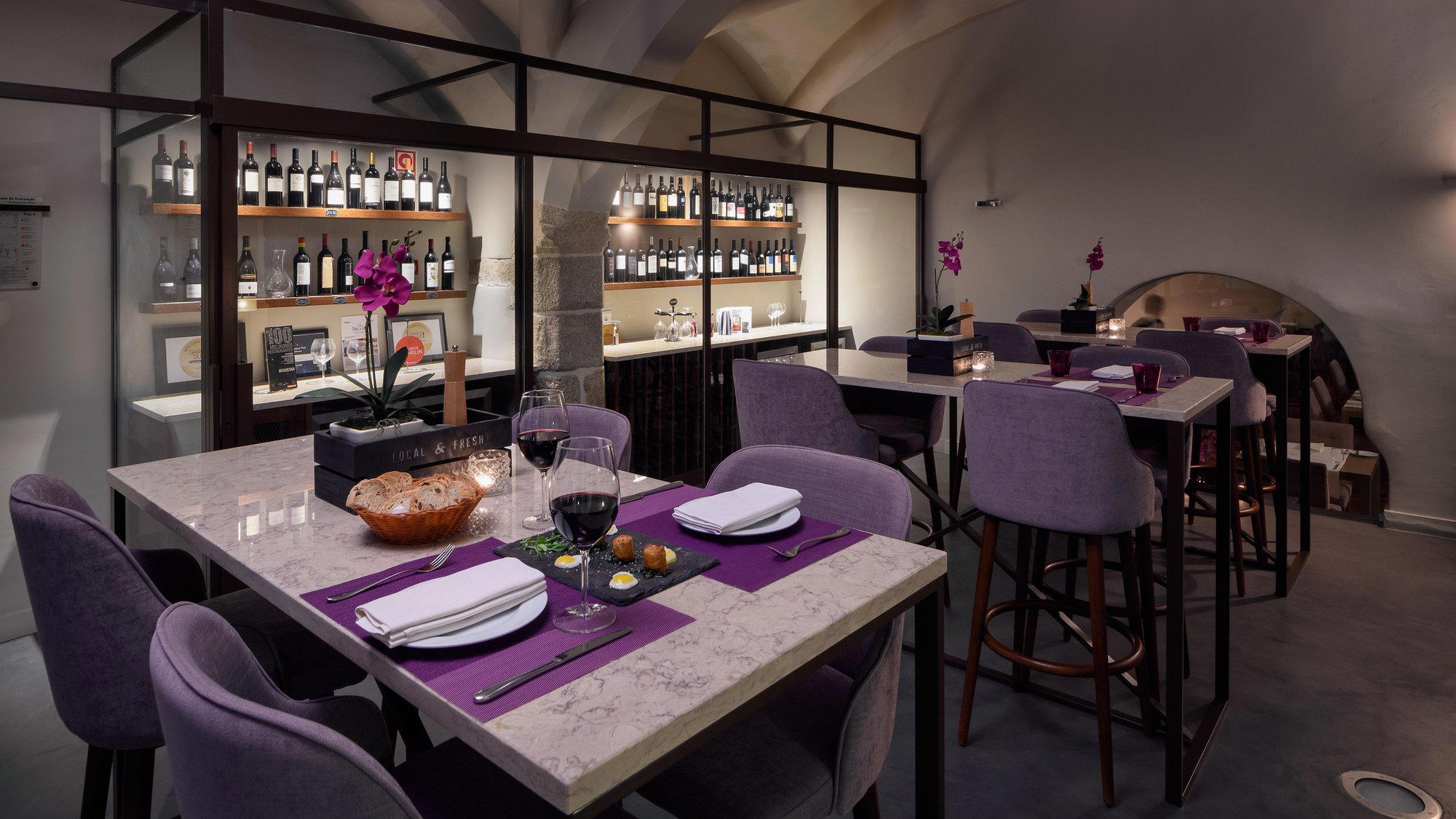
Bars in Montemor-o-Novo
Browse all →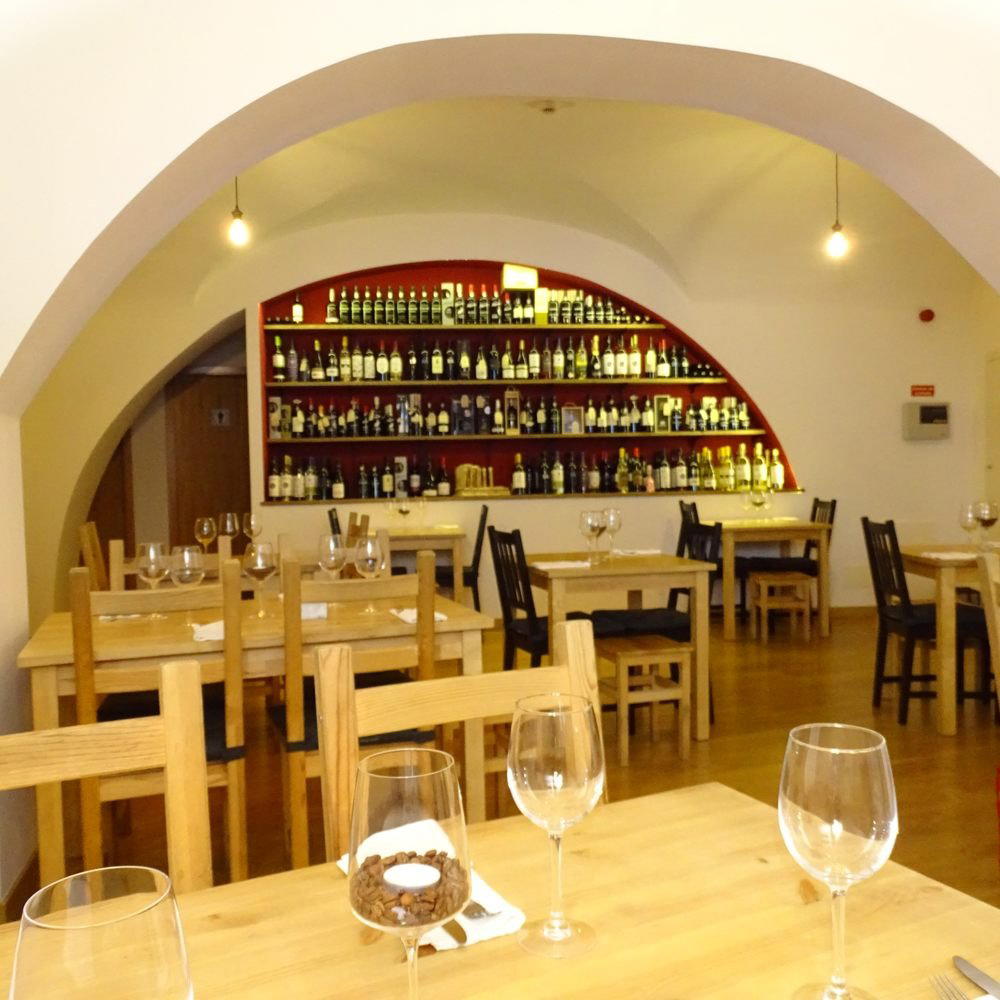
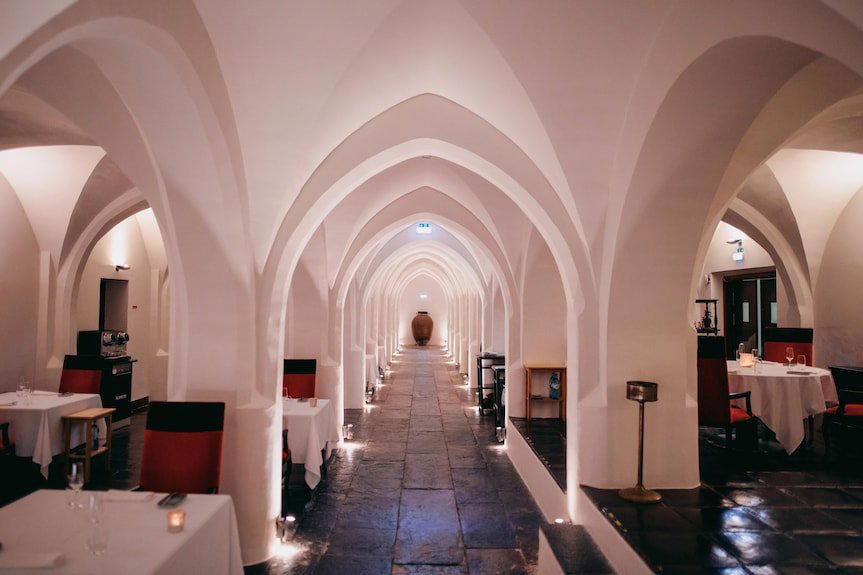
Hotels in Montemor-o-Novo
Browse all →



At a Glance
- Rustic
- Cozy
- Elegant
- Special Occasion
- Date Night
- Historic Building
- Extensive Wine List
- Local Sourcing
Current opening hours
- Monday
- Closed
- Tuesday
- Closed
- Wednesday
- 12:30–3 PM, 7:30–10 PM
- Thursday
- 12:30–3 PM, 7:30–10 PM
- Friday
- 12:30–3 PM, 7:30–10 PM
- Saturday
- 12:30–3 PM, 7:30–10 PM
- Sunday
- 12:30–3 PM, 7:30–10 PM
Hours can change for holidays and private events. Last verified .
Elegant ambience preserving rustic warehouse details with wood elements and modern Alentejo feel.