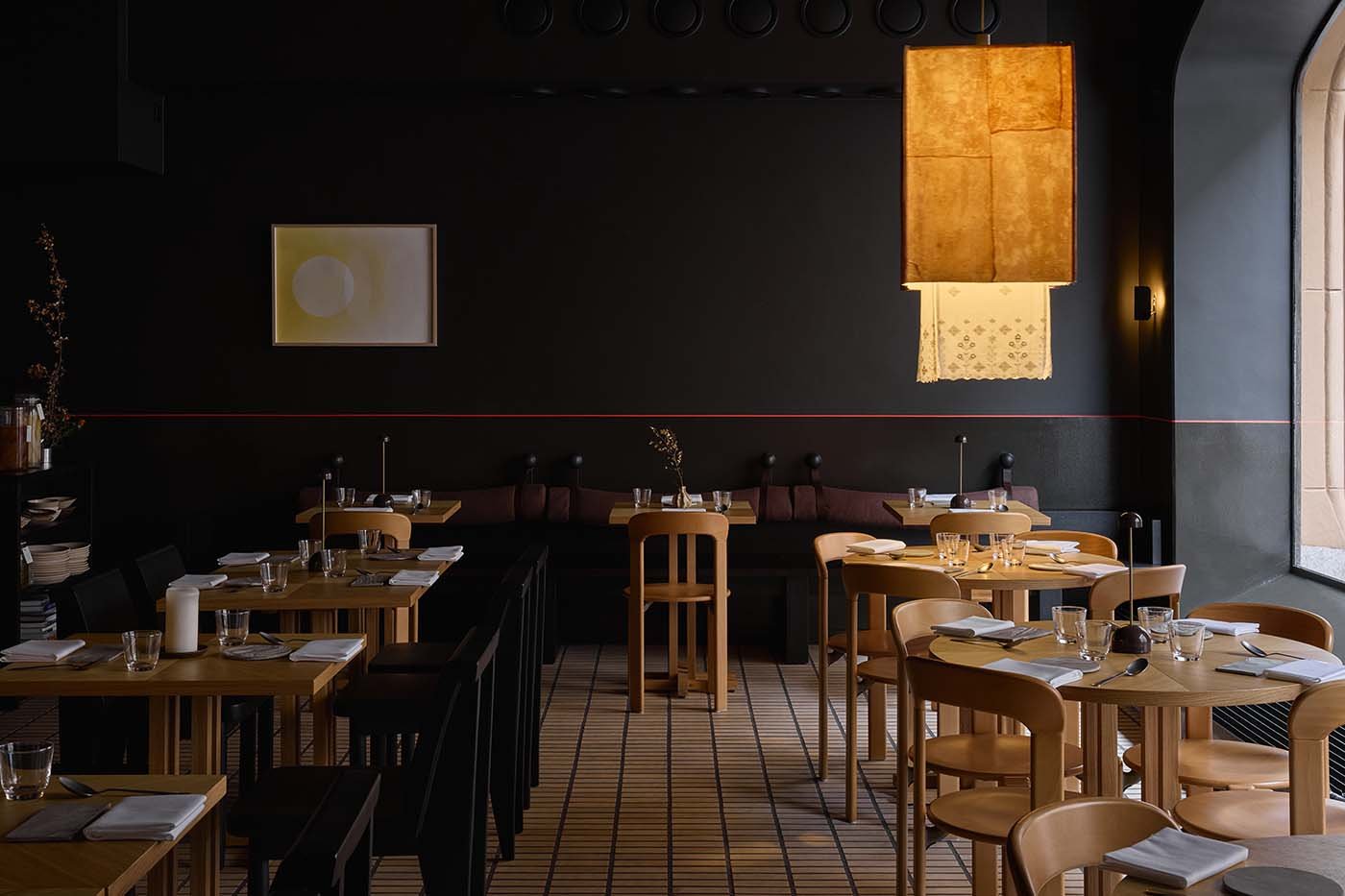
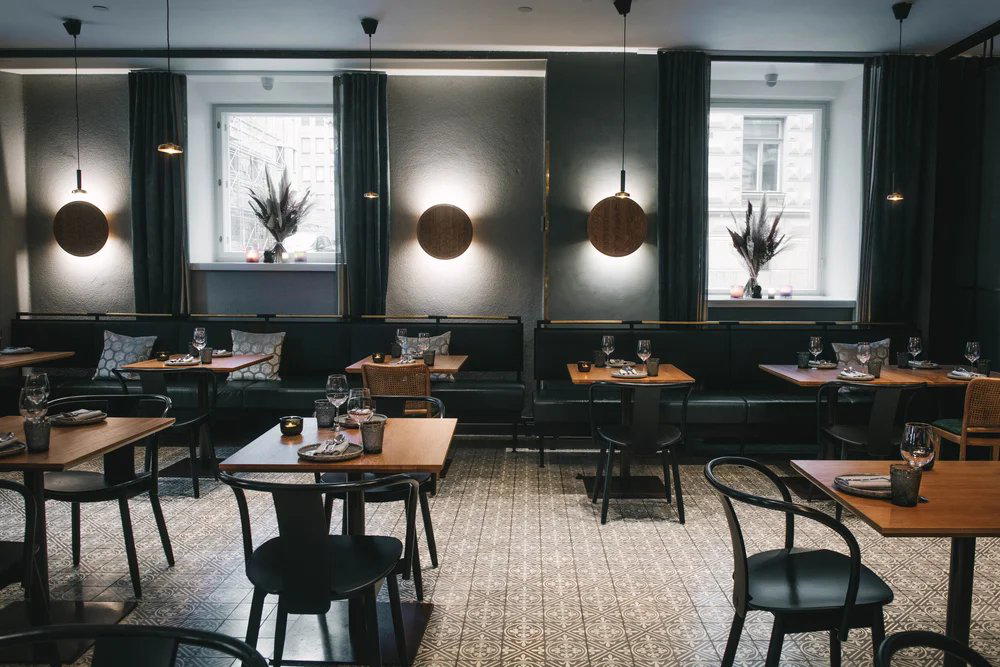
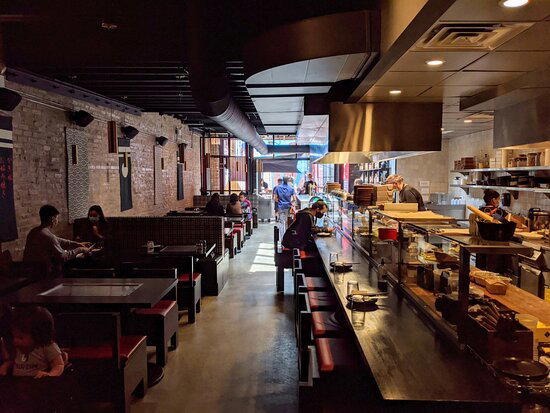
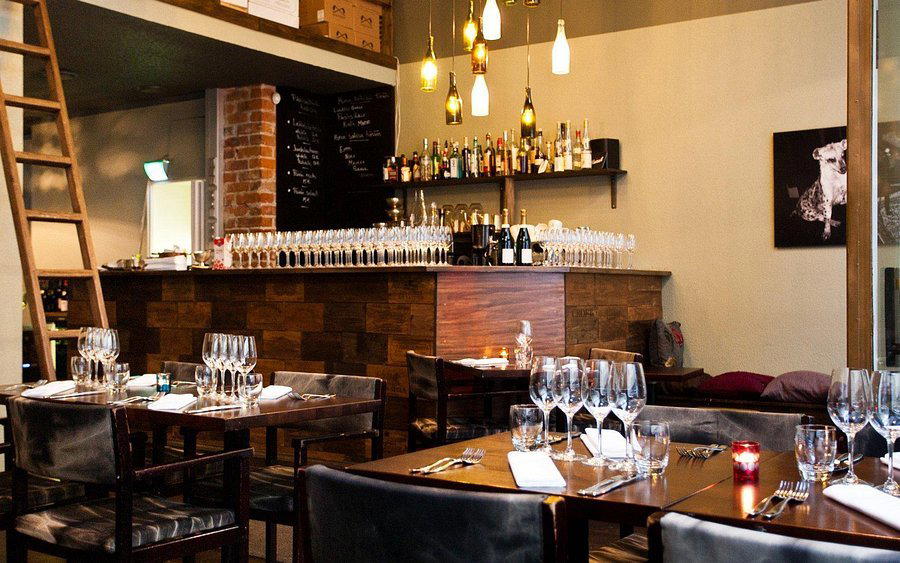
Our verdict
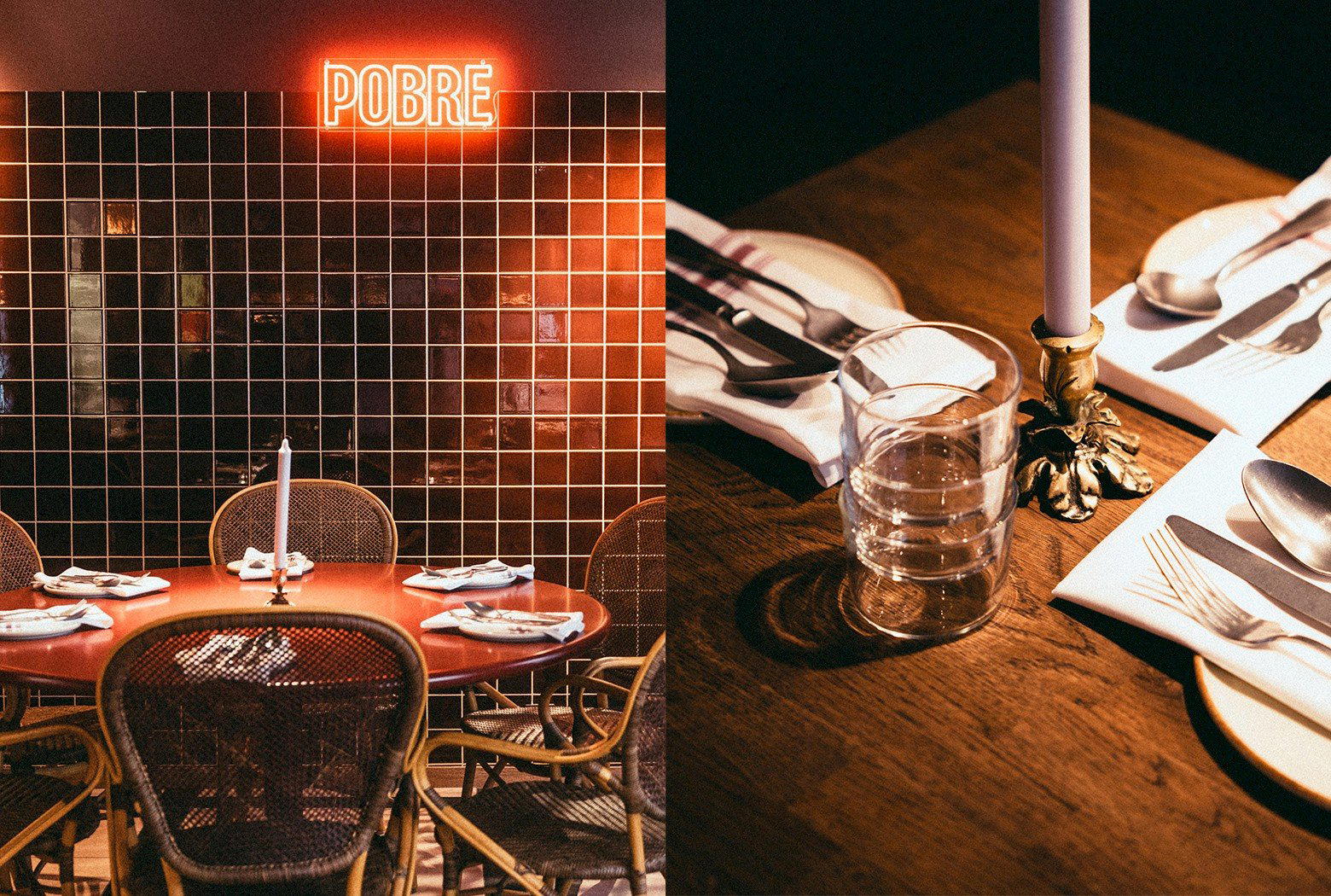
Pobre occupies a address on Annankatu 15 in Helsinki's dense central grid, where the city's restaurant scene ranges from Michelin-starred Nordic tasting menus to neighbourhood spots that survive on repeat business alone. Regulars are the operating model here — the kind of place that fills without advertising and empties only when it wants to. For visitors, that dynamic is worth understanding before you book.

Pearl is the En Primeur Club membership app — saves, bookings, and concierge access live there. Same editors, same standards.
What Annankatu Tells You Before You Walk In
Helsinki's dining scene has sorted itself into two broad operating modes over the past decade. One tier — represented by tasting-menu destinations like Palace, Grön, and Olo — competes on awards, seasonal sourcing credentials, and press attention. The other tier competes on something harder to manufacture: a local following that returns without prompting. Annankatu 15 sits in the second camp. The street runs through the southern edge of the city centre, close enough to Kamppi to draw foot traffic but removed enough from the tourist corridors that the room fills with people who made a decision rather than stumbled in.
That distinction matters when you're reading a room. Venues that survive on regulars in Helsinki tend to operate with a legibility that tasting-menu restaurants don't always offer. The format is usually readable on arrival: a menu length that doesn't require a briefing, a pace that tolerates conversation, and a price point that makes returning three times a year financially viable for someone on a Finnish salary. Whether Pobre meets all those criteria on any given evening is a function of how it's calibrated, but the address and the city's dining geography suggest the frame.
The Logic of the Regular
In any city with a serious dining culture, the restaurants that accumulate genuine regulars, as opposed to tourists cycling through on recommendation, operate by a different set of priorities than destination venues. Helsinki is no exception. The city's most-visited Nordic tasting rooms, including Finnjävel Salonki and The ROOM by Kozeen Shiwan, are built for deliberate, occasion-driven visits. They are not built for a Tuesday in November when someone just wants to eat well without ceremony. Pobre, positioned in central Helsinki without the awards infrastructure of those venues, occupies a different slot: the place you know rather than the place you read about.
For visitors, this creates an interesting calculus. Eating where locals actually eat, not where they take out-of-town guests for special occasions, tends to produce a more accurate read of a city's food culture. The unwritten menu at a regulars' restaurant is usually evident in what the staff don't need to explain, what the kitchen doesn't need to over-present, and what the room's noise level tells you about how comfortable people feel. These are signals worth reading.
Comparable dynamics play out across Finland. Kaskis in Turku and VÅR in Porvoo have both built strong regional followings by operating with consistency rather than novelty. Bistro Henriks in Tampere holds a similar position in its city. The pattern across these venues is the same: a kitchen that has found its register and doesn't feel the need to reinvent it seasonally, a room that reflects the neighbourhood rather than a design concept imposed on it.
Helsinki's Mid-Range Is More Competitive Than It Looks
The common assumption about Helsinki dining is that it splits cleanly between the Michelin tier and the casual end. That reading misses a dense, competitive middle. Venues like Gaijin have shown that Helsinki diners are willing to pay €€€ pricing for genre-specific cooking that doesn't perform Nordic restraint. Nolla has demonstrated that a sustainability-first kitchen can operate at €€ and still carry critical weight. Pobre's position in that landscape, without awards data or a published price tier to triangulate against, makes it harder to place, but the Annankatu address and the pattern of central Helsinki venues suggest it operates somewhere in the middle of that competitive band.
For the international visitor, that middle band is frequently where the most useful meals happen. The full tasting-menu circuit in Helsinki is worth doing, Olo and Palace both warrant the time investment, but a city's dining identity is rarely legible only through its top tier. Restaurants that hold a regular clientele in a mid-range position tell you more about what locals value when they're spending their own money without a special occasion to justify it. That is the more revealing meal.
It's worth drawing the comparison wider. In New York, the difference between Le Bernardin's formal occasion dining and the neighbourhood regulars model is extreme. Atomix occupies a different kind of prestige tier entirely. Helsinki operates at smaller scale, but the structural split between destination venues and neighbourhood anchors is the same. Pobre reads as the latter.
Regional Context: Finland's Dining Geography
Helsinki concentrates most of Finland's dining ambition but not all of its quality. Figaro in Jyväskylä, Hejm in Vaasa, Filipof in Joensuu, and Gösta in Mänttä each hold strong local positions in cities well outside the capital's media radius. JJ's BBQ in Salo and Vintti in Hameenlinna show that genre cooking and regional competition are not limited to the south. Hai Long in Rovaniemi operates in a city that sees international tourism volumes few Finnish restaurants outside Helsinki encounter. The context matters because it frames Helsinki's central venues, including Pobre, within a national scene that is more distributed than it appears from the capital alone.
Within Helsinki itself, the Annankatu corridor is not the city's most prominent restaurant street, which is part of what makes it interesting. Venues that locate here are generally not optimising for walk-in tourist traffic. They're optimising for address legibility among people who already know the city. For the first-time visitor, that's useful orientation: this is a place that knows its audience and isn't pitching to yours. Adjust expectations accordingly, and it becomes a more honest read of the city's dining culture than a table at one of the Michelin-starred rooms on any given night.
Our full Helsinki restaurants guide covers the city's dining tiers in more detail, from the Nordic tasting-menu circuit to the neighbourhood venues that don't require advance planning three months out.
Planning a Visit
Practical information for Pobre, including current hours, booking method, and pricing, is best confirmed directly, as details across Helsinki's mid-range venues shift with the season. The address is Annankatu 15, 00120 Helsinki, in the southern central district. Getting there from the city centre is direct on foot from Kamppi, or a short tram ride from the main railway station. For context on how Pobre fits within a broader Helsinki itinerary, the venues listed in our city guide offer calibration across several price points and formats.
Frequently asked questions
What part of town is Pobre in?
Pobre is located at Annankatu 15, 00120 Uusimaa, Finland, Helsinki.
How does Pobre fit into Helsinki's dining scene compared to its Annankatu neighbours?
Annankatu runs through a stretch of central Helsinki where independent restaurants compete directly with each other for a loyal local clientele rather than tourist traffic. Pobre's position at number 15 places it inside that competitive mid-range corridor, where repeat custom matters more than single-visit buzz. For travellers, that dynamic typically means a room calibrated to people who eat there regularly — a useful signal about consistency.
What should I eat at Pobre?
Specific menu details for Pobre are best confirmed directly with the restaurant at Annankatu 15, as the offering shifts with Helsinki's seasons and supply. What the venue's position in Helsinki's mid-range tier suggests is a kitchen focused on consistency over spectacle. check the venue's official channels for current dishes before visiting.
Should I book Pobre in advance?
In Helsinki's mid-range dining tier, the restaurants that build genuine local followings tend to fill faster than out-of-town visitors expect. Pobre sits on Annankatu 15 in a well-trafficked part of the city. Booking ahead is the safer approach, particularly for weekend evenings.
What's the signature at Pobre?
The restaurant's address on Annankatu 15 places it squarely in Helsinki's competitive mid-range corridor, where kitchens typically earn regulars through consistent execution rather than a single showpiece plate. Confirm the current menu directly.
Is Pobre good for vegetarians?
Dietary accommodation details for Pobre are published details are limited. The practical step is to contact the restaurant at Annankatu 15, Helsinki, directly before your visit to confirm what options the current menu supports. Check the venue's official channels for the latest details.
Should I splurge on Pobre?
Pobre occupies Helsinki's mid-range tier rather than the tasting-menu bracket that runs €150 and above per head at destinations like Ora or Grön. Pricing should be confirmed directly, but the address on Annankatu 15 and the restaurant's profile suggest a spend more in line with a considered neighbourhood dinner than a special-occasion blowout.
Price and Recognition
Comparable venues nearby, for context on price, style, and recognition.
| Venue | Cuisine | Price | Notes |
|---|---|---|---|
| PobreThis venue — the venue you are viewing | Spanish-Filipino Fusion | $20–30 | Not listed |
| BasBas Studio | Modern Fusion Themed Menus | Not listed | Punavuori, Modern Fusion Themed Menus |
| Ravintola Maukku | Modern French | Not listed | Torkkelinmaki, Modern French |
| Cafetino | Authentic Greek Café | $10–20 | Kamppi, Authentic Greek Café |
| Ravintola Jason | Nordic-Asian Fusion | $100–150 | Kamppi, Nordic-Asian Fusion |
| Maxill | International Bistro with French, Italian, and Scandinavian influences | Not listed | Ullanlinna, International Bistro with French, Italian, and Scandinavian influences |