Our verdict
On Uudenmaankatu in Helsinki's Design District, Cafetino occupies a corner of the city where neighbourhood café culture meets considered cooking. The address places it within walking distance of the Finnish capital's most discussed dining rooms, though the register here reads closer to everyday than destination. A useful stop for anyone tracing Helsinki's food scene at street level.

Pearl is the En Primeur Club membership app — saves, bookings, and concierge access live there. Same editors, same standards.
- Address
- Uudenmaankatu 19-21 LH7, 00120 Helsinki, Finland
- Phone
- +358445553844
- Hours
- Daily Closed
- Website
- hellocafetino.com
- Directions
- Get directions
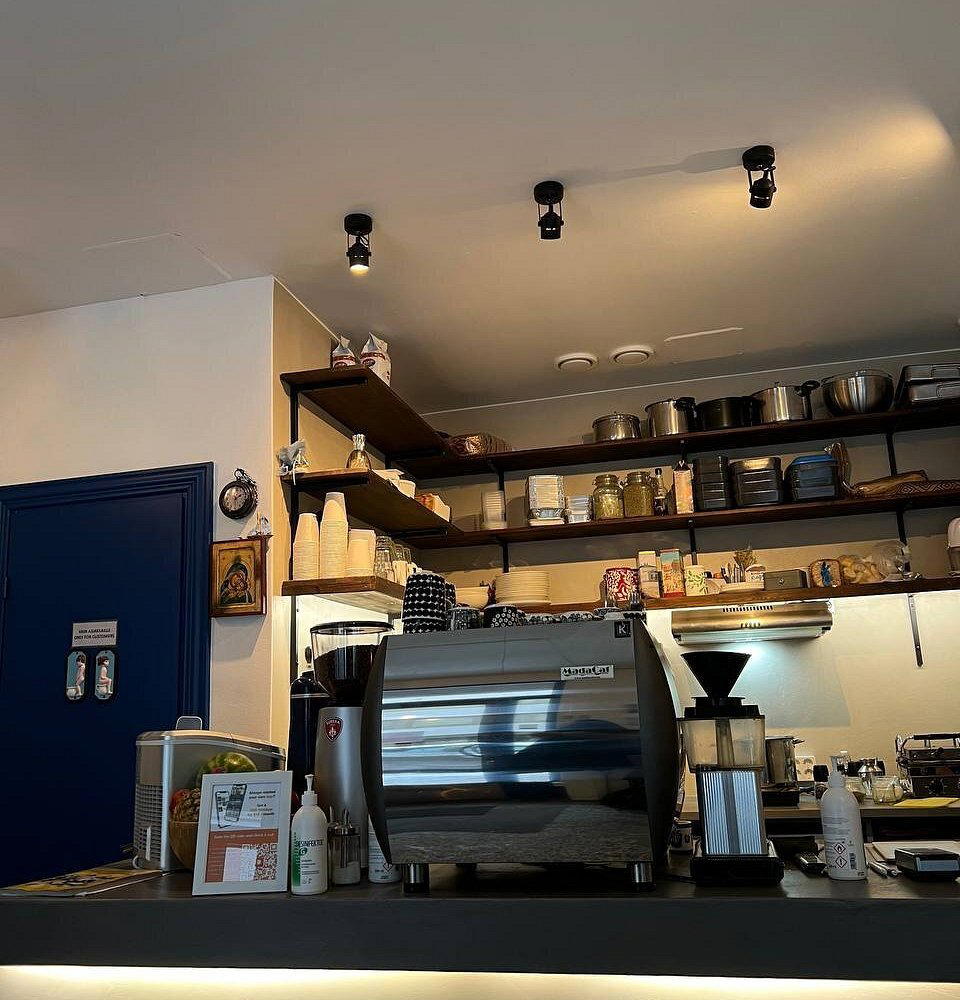
Where Design District Café Culture Meets the Finnish Table
Uudenmaankatu is one of those streets that tells you something about a city's self-image. Running through Helsinki's Design District, it carries independent boutiques, architecture studios, and the kind of café that locals return to on weekday mornings without needing a reason. Cafetino, at number 19–21, sits in that current: a neighbourhood address rather than a destination restaurant, positioned in a part of Helsinki where the food conversation tends to be quieter and more habitual than the high-concept rooms a few kilometres north.
That quietness is worth understanding in context. Helsinki's dining scene has split, over the past decade, into a fairly distinct upper tier and a more everyday stratum. The upper tier is well-documented: Palace, Grön, and Olo anchor the fine-dining end with Michelin recognition and tasting menus priced well above €100 per head. Finnjävel Salonki and The ROOM by Kozeen Shiwan push into creative territory with defined culinary identities. Cafetino occupies a different register entirely, one that the city also needs: a place that functions as part of daily life in its neighbourhood rather than as an event.
The Design District as a Dining Context
To understand what draws people to this part of Helsinki, it helps to know what the Design District is doing to its food and drink scene more broadly. The area around Uudenmaankatu, Iso Roobertinkatu, and Fredrikinkatu has attracted a particular type of operator: smaller, more personal, less interested in the kind of scalability that drives chains. That pattern is visible across European design-heavy districts, from Marais in Paris to Pigneto in Rome, where foot traffic comes from residents and engaged visitors rather than tourists following a top-ten list.
For Helsinki specifically, this part of the city holds a secondary but legitimate position in the food conversation. It is not where you go for the most technically ambitious cooking in Finland, but it is where the city's everyday food culture is most legibly itself. The café format, in particular, has deep roots in Finnish social life: coffee consumption in Finland ranks among the highest per capita in the world, and the ritual of the café stop is less a leisure activity than a structural part of the day. A venue on Uudenmaankatu participates in that tradition whether it intends to or not.
Local Ingredients, Imported Frameworks
The broader trend shaping Helsinki's middle tier of restaurants and cafés is the intersection of Finnish produce with techniques absorbed from elsewhere. This is not a story unique to Finland: the same dynamic has defined much of Nordic cooking since the early 2000s, when the region's chefs began applying French and Japanese precision to ingredients that had always been on the doorstep but rarely treated as worth serious attention. Rye, cloudberries, vendace, forest mushrooms, reindeer: these were farmhouse staples before they became the building blocks of internationally recognised cuisine.
At the neighbourhood level, that influence filters down from the high-concept rooms into more everyday formats. The café that takes its sourcing seriously, the lunch spot that thinks about bread the way a Parisian boulangerie thinks about bread, the counter that applies actual technique to a dish that could have been perfunctory: these are the places where the broader shift in Finnish food culture becomes visible in daily life rather than on a tasting menu. Venues like Kaskis in Turku and VÅR in Porvoo demonstrate how that sensibility travels beyond Helsinki to smaller Finnish cities, suggesting the shift is structural rather than confined to the capital's most-talked-about postcodes.
Further afield, the same conversation plays out in venues like Gastropub Tuulensuu in Tampere, Pöllöwaari in Jyväskylä, and Musta lammas in Kuopio, each of which represents a regional node in Finland's evolving approach to everyday quality. Even in less expected locations, Aurora Restaurant in Luosto shows how far north this attention to Finnish produce has spread. The comparison matters because it places Uudenmaankatu-area venues like Cafetino within a national pattern rather than a purely local anomaly.
Placing Cafetino in the Helsinki Conversation
With limited public-record data available on Cafetino's specific format, menu, and pricing, the most useful thing to say is this: the address is informative. Uudenmaankatu 19–21 in the Design District is not where Helsinki's most ambitious kitchens operate, but it is a street with genuine neighbourhood character, a resident-facing identity, and the kind of pedestrian flow that sustains a well-run café or casual dining room. The LH7 designation suggests a ground-floor unit within a building that may share the block with other uses, which is common in this part of the city.
For a visitor approaching Helsinki's food scene through our full Helsinki restaurants guide, Cafetino sits in the exploratory tier: worth knowing about if you are spending time in the Design District and want to eat at street level rather than at a reservation-only tasting counter. It is a different kind of intelligence from what you would gather at Grön or Olo, but not less valuable if your interest is in how a city actually feeds itself day to day.
Those interested in creative cooking at the upper end of Helsinki's range might also look at Lucy in the Sky in Espoo or Popot in Lahti for regional comparisons, and at DeLorean in Jyväskylä and Viinitupa Vuorenmaja in Mänttä for a sense of how Finland's mid-range dining culture operates outside the capital. For an international frame of reference on what it means to apply serious technique to a specific place and its ingredients, Le Bernardin in New York City and Lazy Bear in San Francisco represent two different models of how precision and locality can coexist at the upper end of the market.
Planning Your Visit
Cafetino is on Uudenmaankatu 19–21, in Helsinki's Design District, a walkable area well-served by tram lines running along Iso Roobertinkatu and connecting easily to the centre. The Design District is most active from late spring through early autumn, when longer daylight hours and higher foot traffic from both locals and visitors give neighbourhood venues their strongest season. Winter mornings in this part of Helsinki have their own logic: the café as shelter and ritual rather than as destination. No booking details are confirmed in the public record, so contacting the venue directly or arriving in person is the practical approach.
Frequently asked questions
What's the overall feel of Cafetino?
Cafetino reads as a neighbourhood address rather than a destination dining room. Its location on Uudenmaankatu 19–21 places it in Helsinki's Design District, a street that runs through one of the city's most design-conscious quarters, populated by independent operators rather than chain formats. That address alone signals a certain editorial sensibility.
What part of town is Cafetino in?
Cafetino is located at Uudenmaankatu 19-21 LH7, 00120 Helsinki, Finland, Helsinki.
Is Cafetino a good option for a café stop while exploring Helsinki's Design District on foot?
Uudenmaankatu is one of the Design District's more walkable corridors, and Cafetino at number 19–21 sits within easy reach of the galleries, studios, and design shops that define the quarter. Helsinki's tram network also connects the area to the broader city centre, making it a practical stop mid-itinerary.
What do regulars order at Cafetino?
The Design District context suggests an operator likely working within Helsinki's broader café culture, where Finnish produce and imported technique intersect at the middle tier. Visiting and asking the counter directly is the most reliable approach.
Is Cafetino reservation-only?
Given its position on Uudenmaankatu in Helsinki's Design District and its neighbourhood café profile, walk-in access is plausible, but contacting the venue directly before visiting is advisable.
Peers You’d Cross-Shop
Comparable venues nearby, for context on price, style, and recognition.
| Venue | Cuisine | Price | Awards | Notes |
|---|---|---|---|---|
| CafetinoThis venue — the venue you are viewing | Authentic Greek Café | $10–20 | Not listed | Not listed |
| HogoHuone | Rum & Cocktails Bar | $20–30 | Falstaff Bar - 88 Falstaff Points | Torkkelinmaki |
| Restaurant Quartier | Nordic Bistro | $30–50 | Not listed | Ullanlinna |
| Paulette | French Brasserie with Nordic Influences | Not listed | Not listed | Ullanlinna |
| Runar | Craft Cocktail Bar | $10–20 | Falstaff Bar - 92 Falstaff Points | Kaartinkaupunki |
Details
- Cozy
- Casual Hangout
- Standalone
- A La Carte
- Vegetarian Friendly
Current opening hours
- Monday
- Closed
- Tuesday
- Closed
- Wednesday
- Closed
- Thursday
- Closed
- Friday
- Closed
- Saturday
- Closed
- Sunday
- Closed
Hours can change for holidays and private events. Last verified .
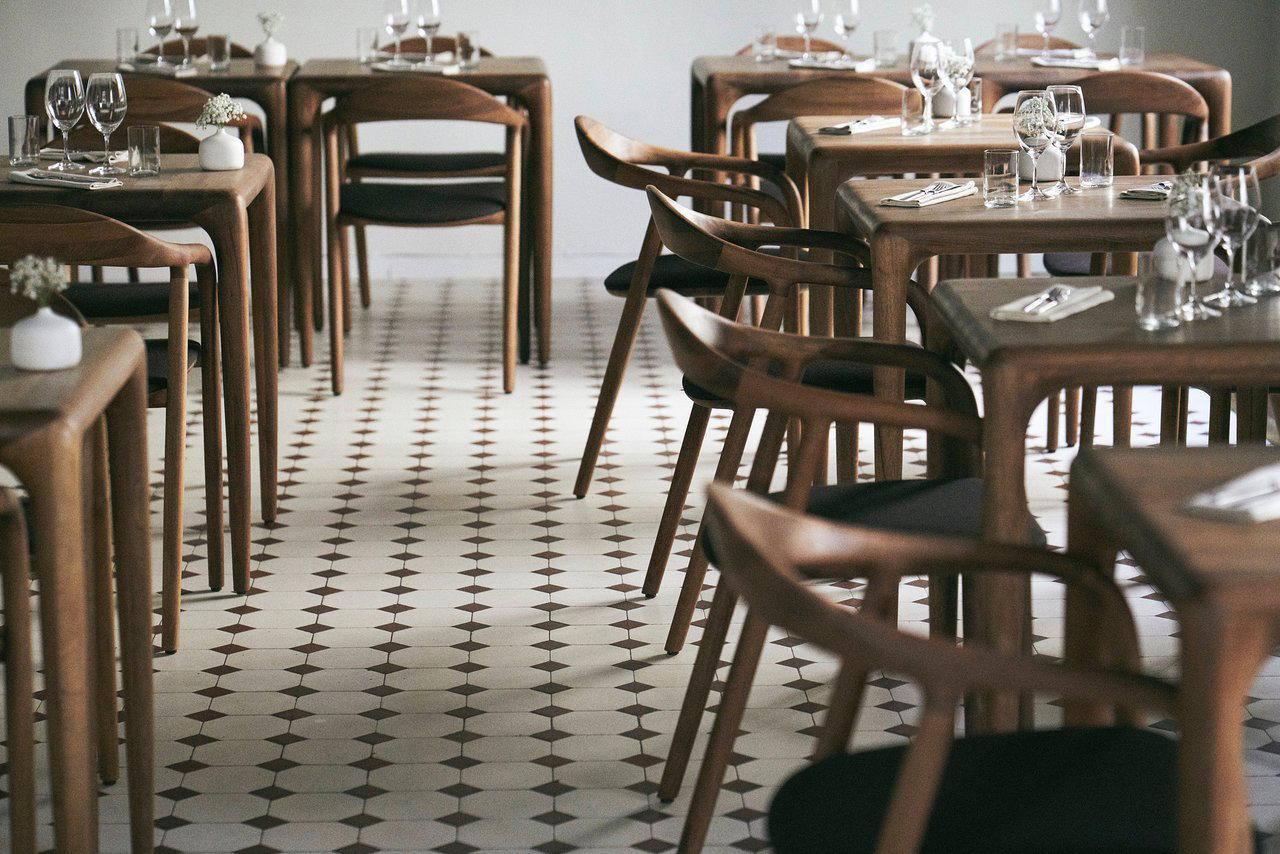
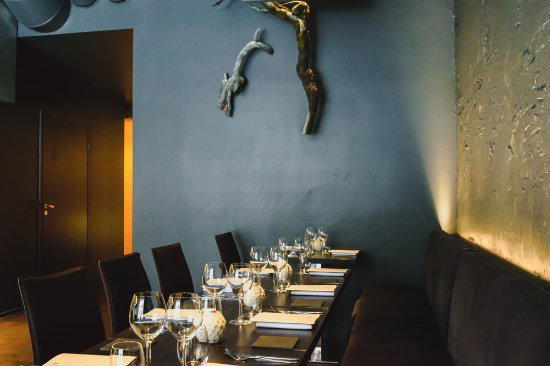
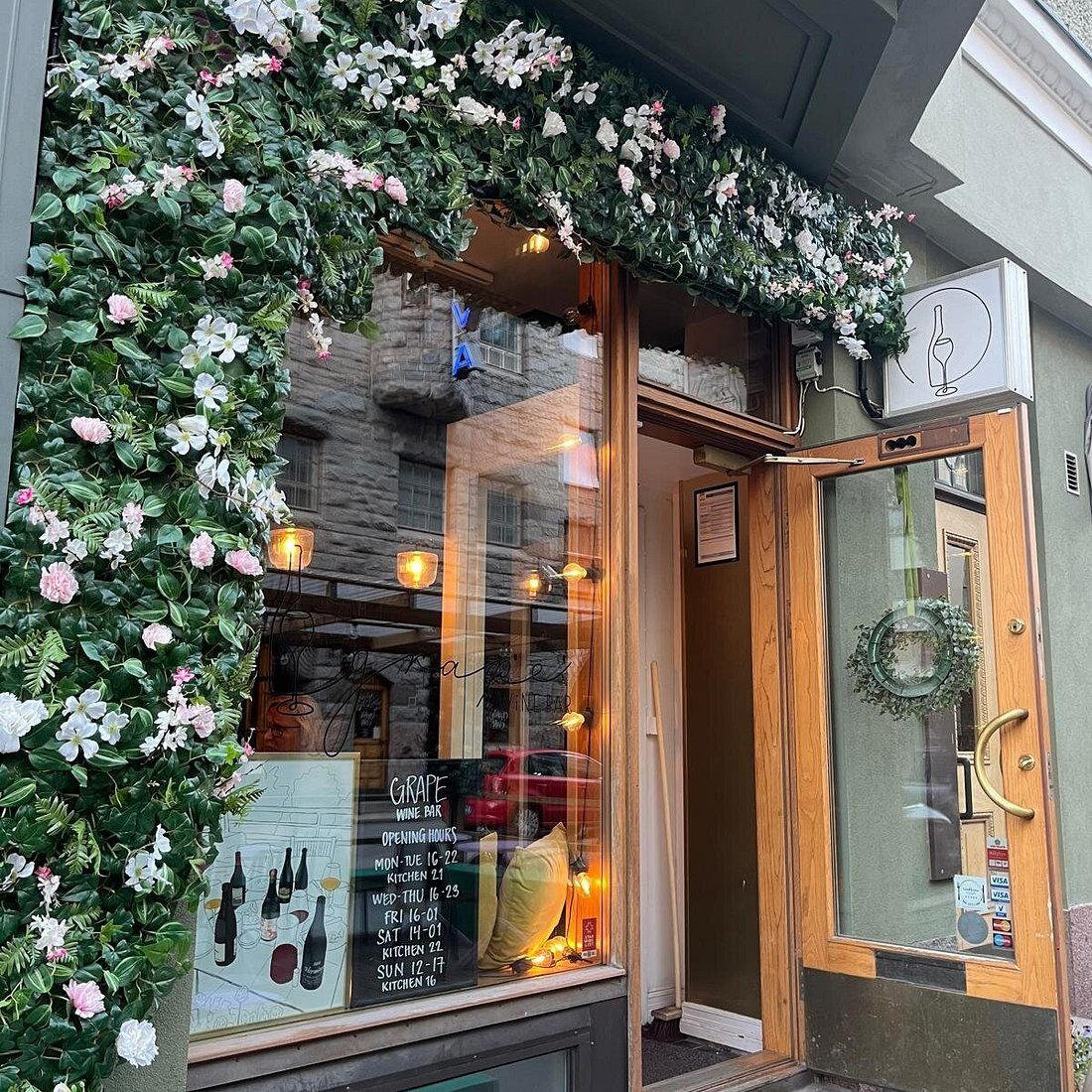
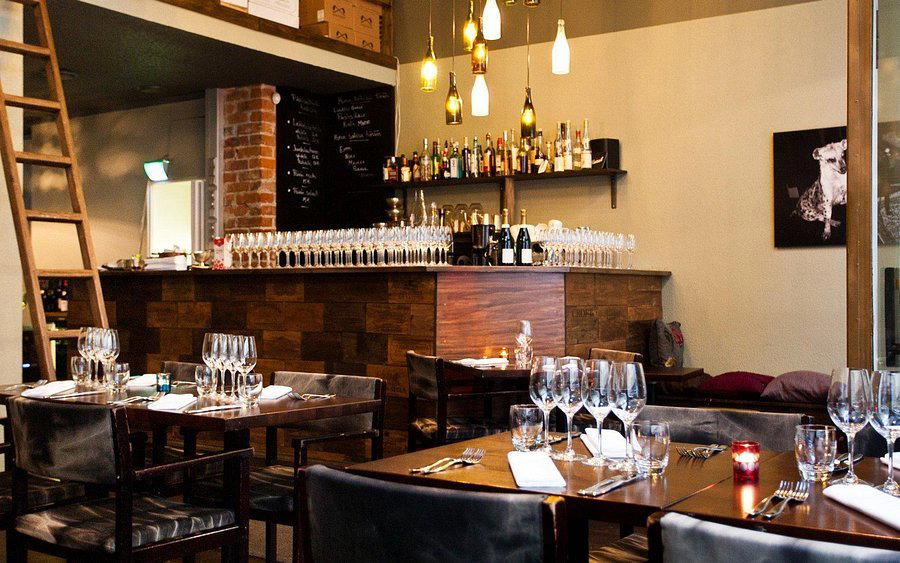
Warm, welcoming, and familial atmosphere with a cozy coffee-shop vibe.