

Michelin Selected · Preferred Hotels Member
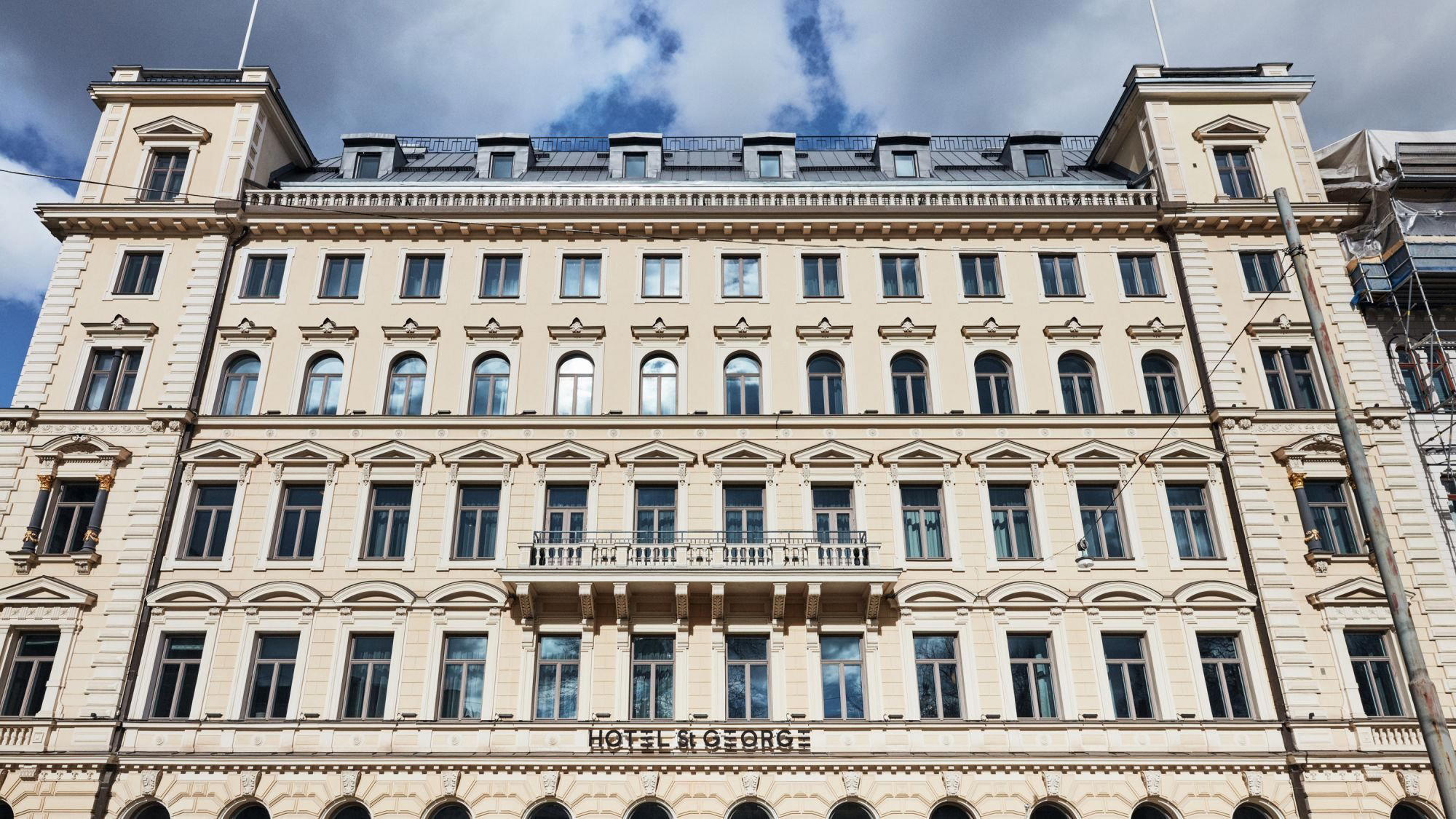
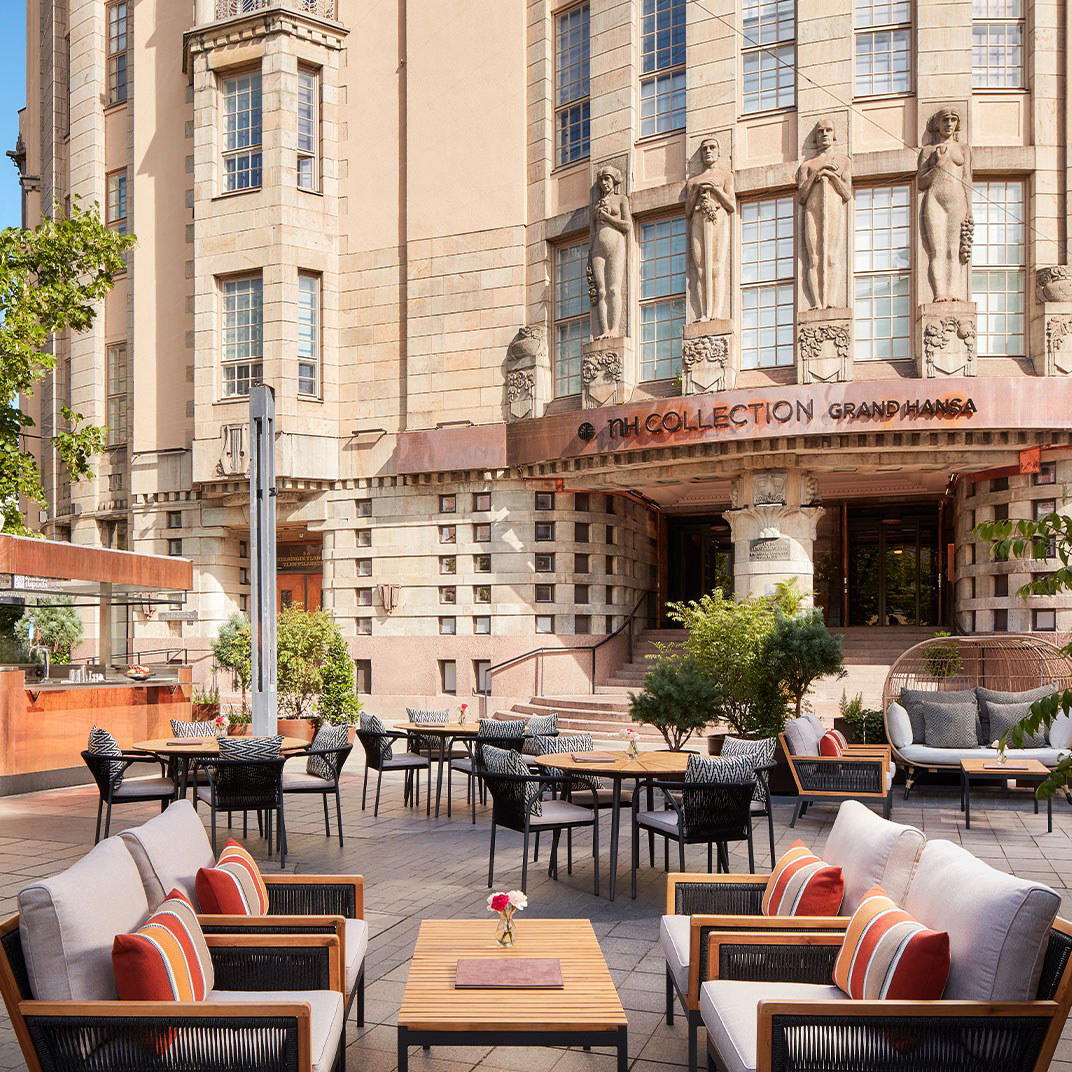
Klaus K Hotel occupies a landmark building on Bulevardi in Helsinki's Design District, positioning guests at the intersection of the city's arts quarter and its most walkable central neighbourhoods. With 171 rooms and a design identity rooted in Finnish Jugendstil architecture, it sits in a distinct tier among Helsinki's independent city hotels, closer in character to Hotel Lilla Roberts and Hotel St. George than to the grand-hotel tradition of Hotel Kämp.

Pearl is the En Primeur Club membership app — saves, bookings, and concierge access live there. Same editors, same standards.
- Address
- Bulevardi 2-4, 00120 Helsinki
- Phone
- +358 20 7704701
- Website
- klauskhotel.com
- Directions
- Get directions
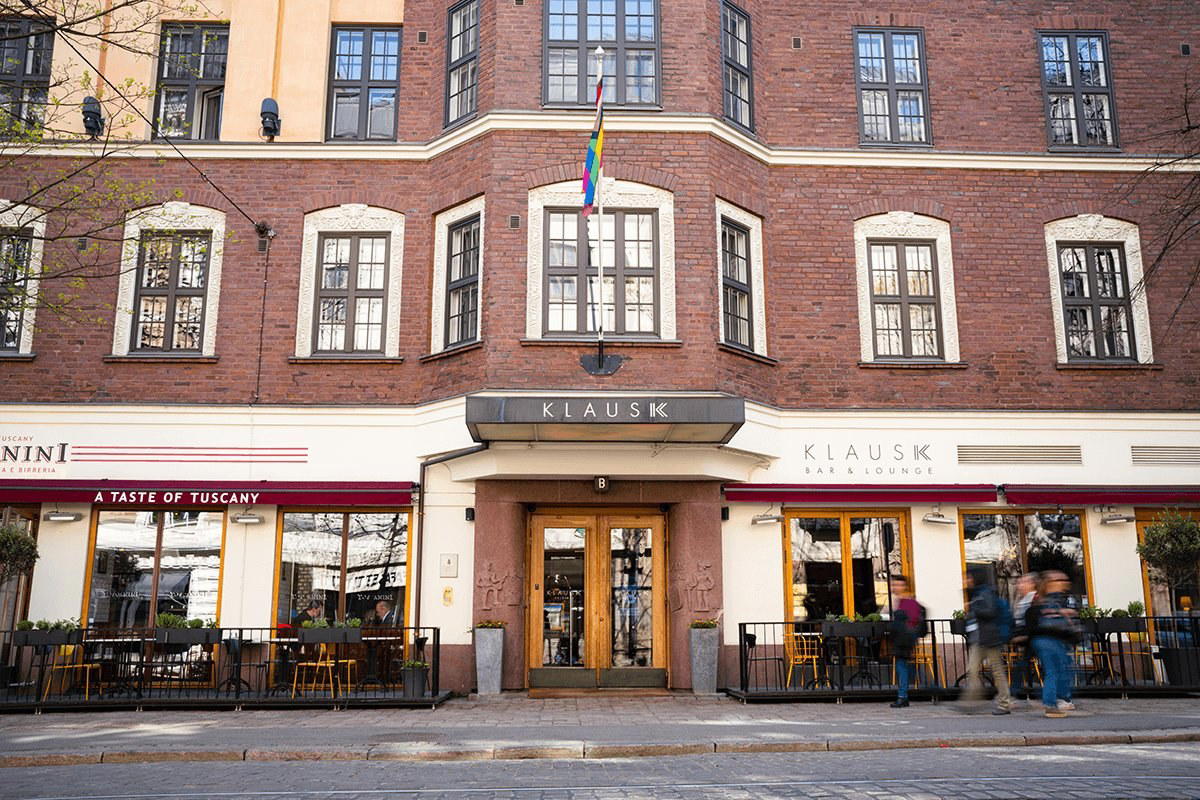
Bulevardi and the Buildings That Define It
Helsinki's Bulevardi is one of those addresses that does a lot of work before a guest even steps inside. The broad boulevard runs southwest from the city's commercial core toward the sea, lined with late-19th and early-20th century architecture that makes the street feel more central European than Nordic in its weight and formality. Klaus K Hotel sits at numbers 2-4, in a building whose National Romantic facade belongs to a generation of Finnish architecture that used Jugendstil ornamentation to assert a cultural identity separate from both Swedish and Russian influence. That architectural context is not background detail; it shapes what the hotel is and how it positions itself among Helsinki's city-centre options.
Among Helsinki's design-led independents, the Bulevardi address places Klaus K in a specific urban corridor. Guests are within walking distance of the Design District's densest concentration of galleries and studios to the south, the Esplanade and Market Square to the northeast, and the Eira residential neighbourhood further along the coast. The Hotel Lilla Roberts, another property in the design-oriented independent tier, sits nearby on Porkkalankatu, while Hotel St. George anchors the opposite end of the Design District on Yrjönkatu. Klaus K's position on Bulevardi gives it a slightly more open, residential feel than either of those, with the boulevard's width and tree cover providing a different street-level experience than the tighter lanes of the arts quarter proper.
171 Rooms Across a Building With Layers
At 171 rooms, Klaus K occupies a scale that sits between Helsinki's smaller boutique offerings and its larger international-brand properties. This mid-scale independent format is common in Scandinavian capitals, where a certain category of hotel has used design identity and neighbourhood positioning to compete without the resources of a global chain or the exclusivity of a small-key luxury property. The room count is large enough to absorb conference and leisure demand simultaneously, which affects the atmosphere in public spaces during peak periods. Guests who prioritise a quieter, more residential feel might weigh this against the trade-off of the Bulevardi location itself, which delivers on neighbourhood access in ways that larger hotels further from the Design District cannot.
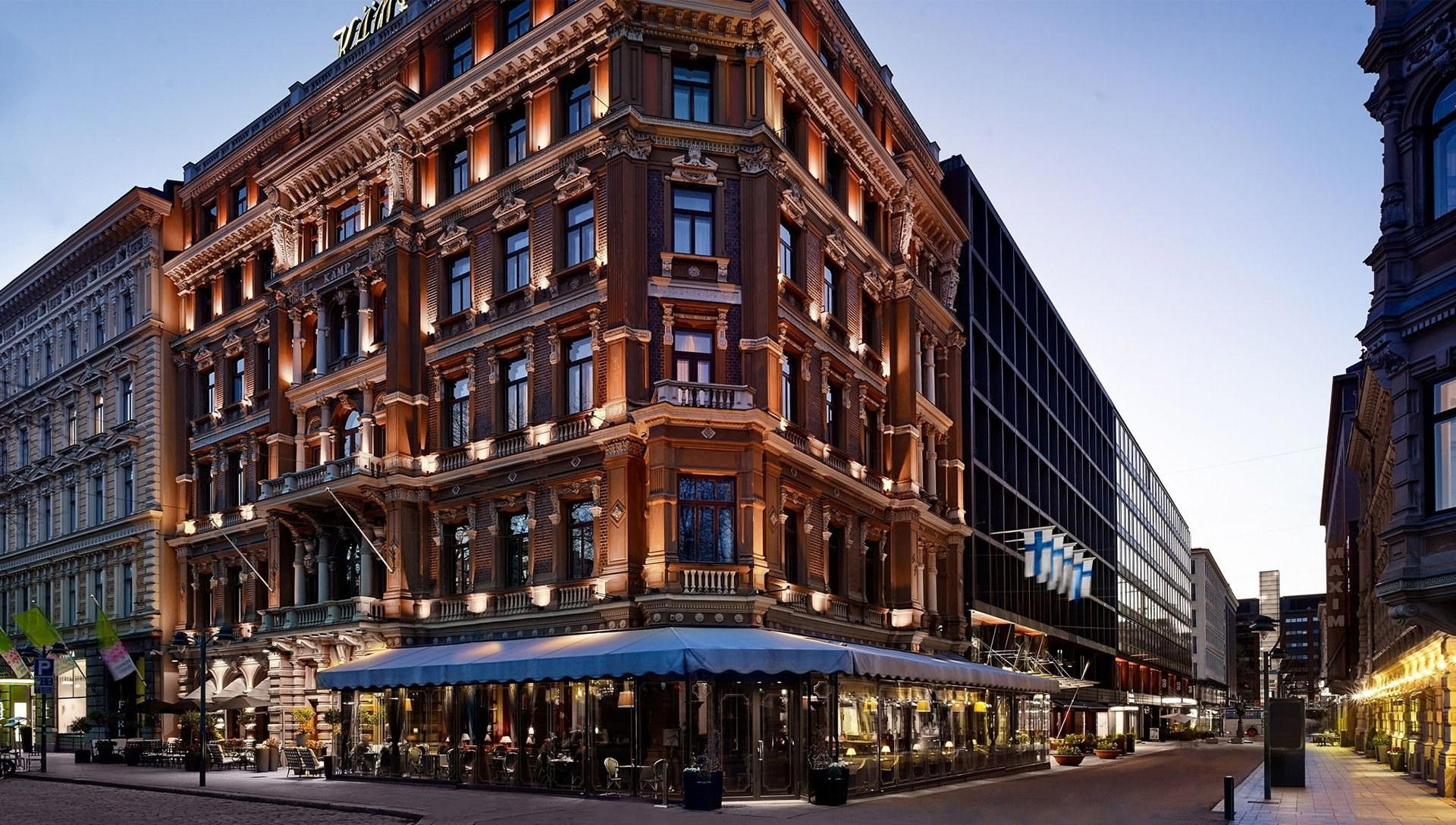
The Jugendstil building structure means room configurations vary more than in purpose-built hotels. Older Helsinki properties of this type tend to have irregular floor plans, higher ceilings in some categories, and more pronounced architectural detail in corner and upper-floor rooms. For visitors who place a premium on spatial character over standardised comfort, requesting a room that reflects the building's original structure rather than a renovation-era neutral finish is the more considered choice. The Hotel Kämp, operating in the grand-hotel tradition on Pohjoisesplanadi, offers a more uniform luxury standard across its rooms, which is a reasonable alternative if architectural consistency matters more than character.
The Design District as Operational Context
Helsinki's Design District designation covers roughly 25 streets south of the city centre and contains over 200 shops, galleries, museums, and studios concentrated enough to be navigable on foot across a morning. Klaus K's Bulevardi position functions as a practical staging point for this area in a way that hotels further north or east cannot replicate. The Museum of Finnish Architecture and the Design Museum are both within a short walk, as is the concentration of independent Finnish design retailers on Fredrikinkatu and Iso Roobertinkatu. For guests whose Helsinki itinerary centres on the design and arts programme rather than the harbour or market district, the address works efficiently.
The broader Helsinki hotel market has developed along two axes over the past decade: international brands consolidating around the railway station and waterfront, and design-led independents clustering in and around the Design District. Klaus K sits firmly in the second group, alongside The Hotel Maria and Hotel AX. The distinction matters for trip planning: the independent tier tends to invest in interior design and neighbourhood identity rather than loyalty programmes and standardised amenities, which shifts the calculus for frequent business travellers versus leisure visitors arriving specifically for the city's cultural output.
Placing Klaus K Against the Helsinki Field
A useful frame for understanding Klaus K's market position is to consider what Helsinki's various mid-to-upper hotel tiers actually deliver. Hotel Haven on the harbour side positions itself around waterfront access and a more international business profile. Hotel Kämp operates as the city's established grand hotel, with the Esplanade address and a formal register that has remained consistent for decades. Klaus K, by contrast, has built its identity around the National Romantic building and the Design District's creative associations, appealing to a guest who wants the city's cultural geography to be immediately accessible rather than reached by transit.
For visitors extending their Finland itinerary beyond the capital, the country's hotel offering fragments sharply by geography. Northern Finland's premium properties, including Lapland Hotels Snow Village in Kittilä and the Arctic TreeHouse Hotel in Rovaniemi, operate in an entirely different register, built around seasonal experience rather than urban cultural access. RUNO Hotel Porvoo and Radisson Blu Marina Palace in Turku serve day-trip destinations from Helsinki that pair naturally with a capital-city base. For the wider regional picture, our full Helsinki guide covers the city's dining and accommodation options across all tiers.
Internationally, Klaus K's format, an architecturally significant building converted into a design-led city hotel with a strong neighbourhood identity, has clear parallels. Properties like Cheval Blanc Paris or Castello di Reschio operate in a related tradition of building-led hospitality, though at considerably higher price points and with more extensive amenity programmes. Klaus K's proposition is more modest in scope but consistent in principle: the building and its address do meaningful work that a generic hotel cannot replicate.
Practical Considerations for Planning
Klaus K sits at Bulevardi 2-4, placing it a short walk from the city's tram network and within easy reach of Helsinki Central Station on foot or by tram. The Design District's pedestrian accessibility makes a car unnecessary for most leisure itineraries, and Helsinki's public transit covers the harbour, Kallio, and the railway station efficiently. Guests arriving from Helsinki Airport should expect a journey of roughly 30 minutes by rail to the city centre. The hotel's 171-room scale means availability is generally more accessible than smaller boutique properties in the same neighbourhood, though summer and major design-event periods tighten both availability and rates across the Design District tier. Checking dates against Helsinki Design Week in September, which draws significant hotel demand across the district, is a sensible step for anyone booking in that window.
A Minimal comparable set
Comparable venues nearby, for context on price, style, and recognition.
| Venue | Price | Awards | Notes |
|---|---|---|---|
| Klaus K HotelThis venue — the venue you are viewing | Not listed | Michelin Selected · Preferred Hotels Member | Not listed |
| Hobo Helsinki | $100–200 | Michelin Selected | Kluuvi, contemporary boutique hotel serving as a community meeting place for curious people |
| Hotel Haven | Not listed | Michelin Selected · World Travel Awards | Kaartinkaupunki, Elegant boutique in historic setting by the sea |
| Waldorf Astoria Helsinki | Not listed | 1 Michelin Key · Forbes 4-Star | near Helsinki Cathedral, Refined Nordic luxury in preserved historic buildings |
| Hotel Lilla Roberts | $100–200 | Michelin Selected · Preferred Hotels Member | Kaartinkaupunki, Art Deco heritage boutique hotel blending 1930s architectural character with contemporary luxury and Finnish design partnerships. |
| Hotel AX | $100–200 | World Travel Awards | Jatkasaari, Contemporary design hotel with integrated art gallery and cultural programming; positioned as an 'Art Experience' rather than traditional hospitality. |
Recognition history
Dated appearances from independent guides and award organizations, with the underlying list record or original source where available.
Michelin Selected
Michelin
Preferred Hotels Member
Preferred Hotels
Details
- Modern
- Trendy
- Cozy
- Sophisticated
- Business Trip
- Weekend Escape
- Terrace
- Historic Building
- Design Destination
- Wi Fi
- Fitness Center
- Room Service
- Concierge
- Restaurant
- Street Scene
- Skyline
- Wheelchair Accessible
- Elevator
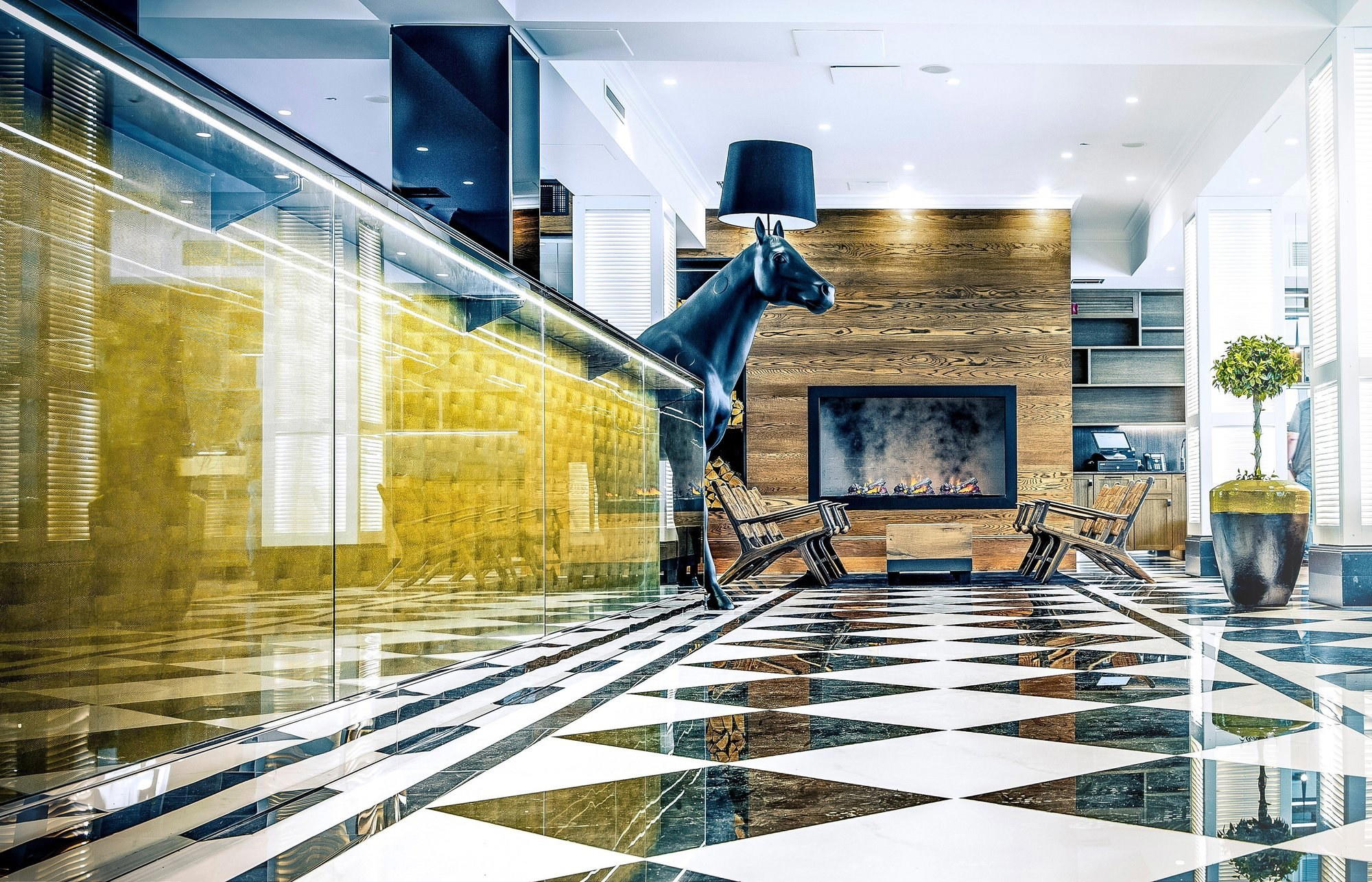
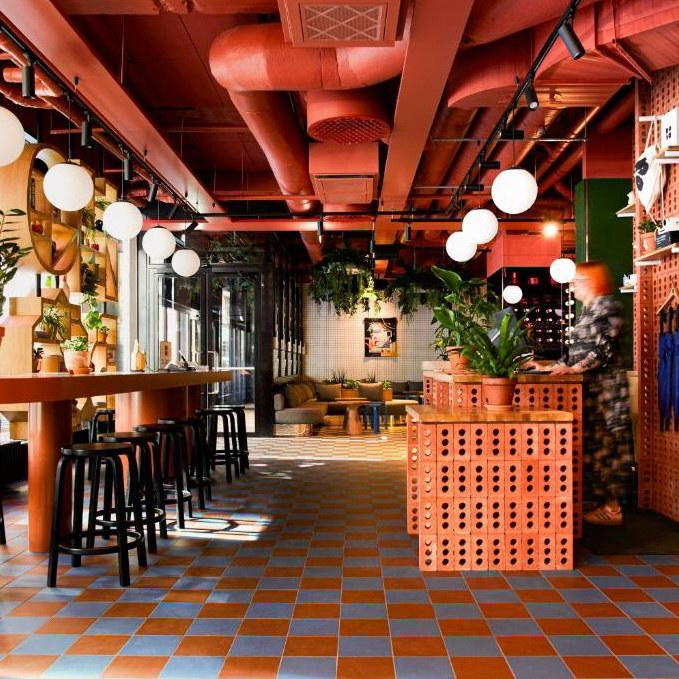
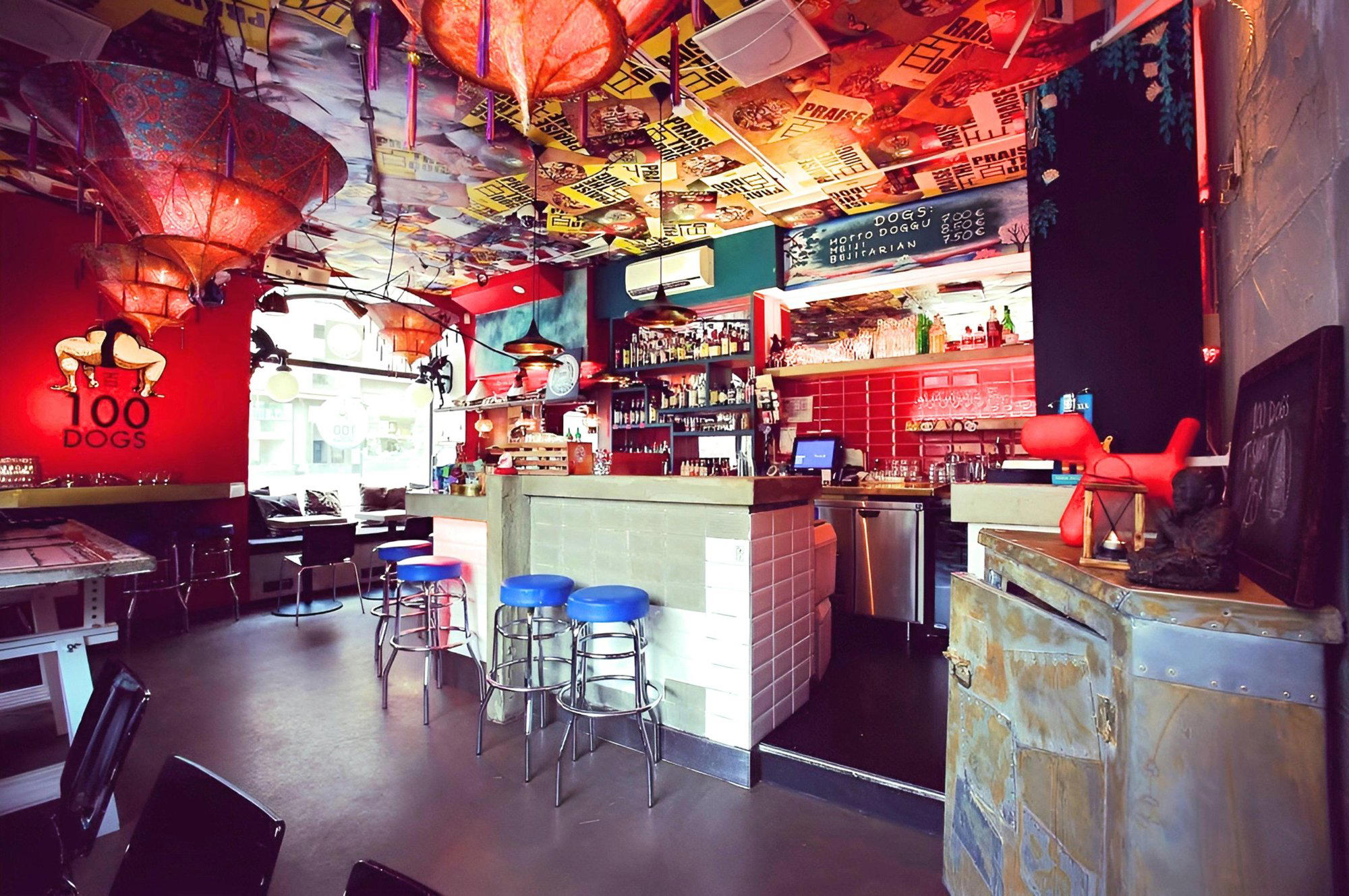
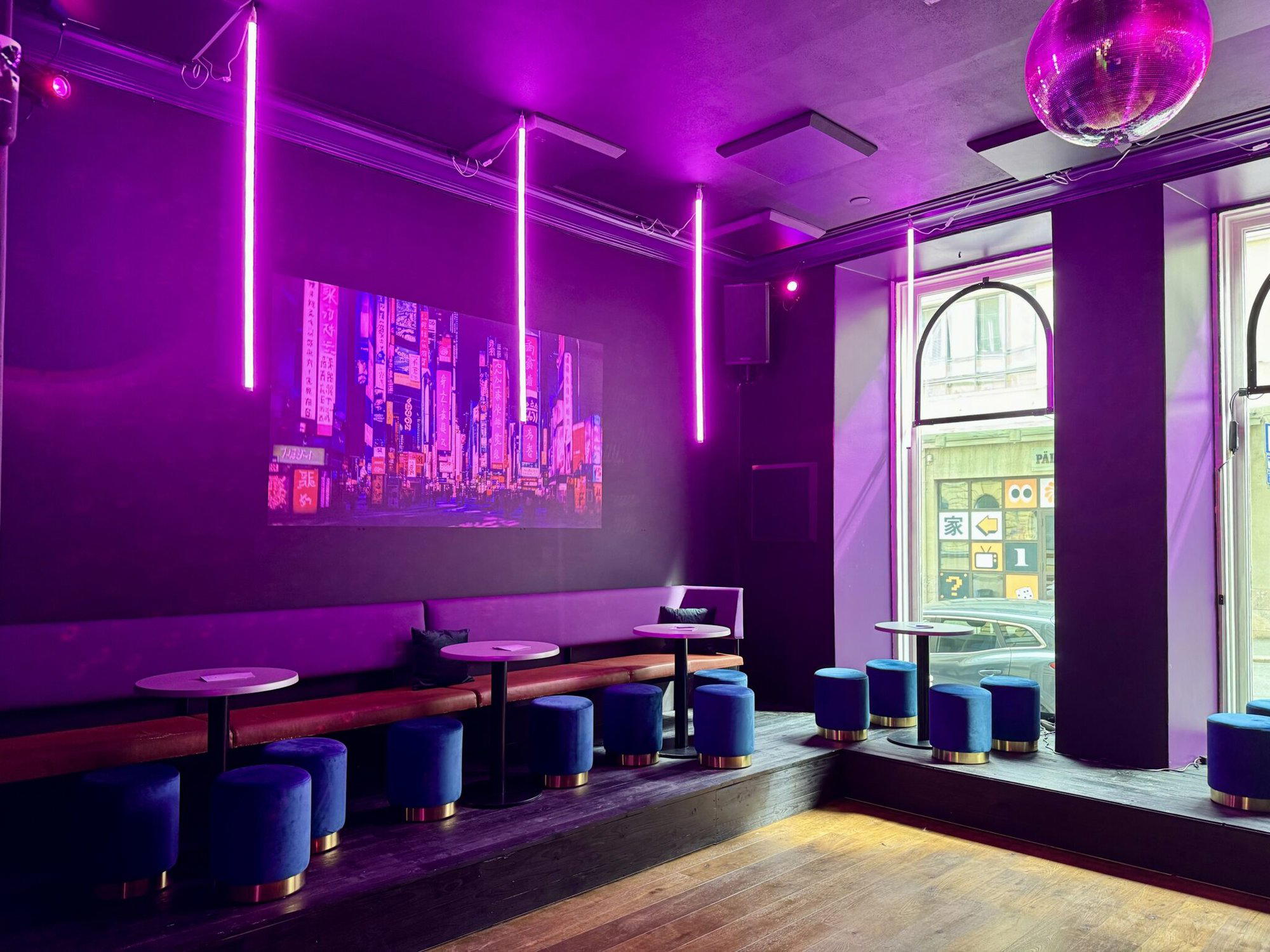
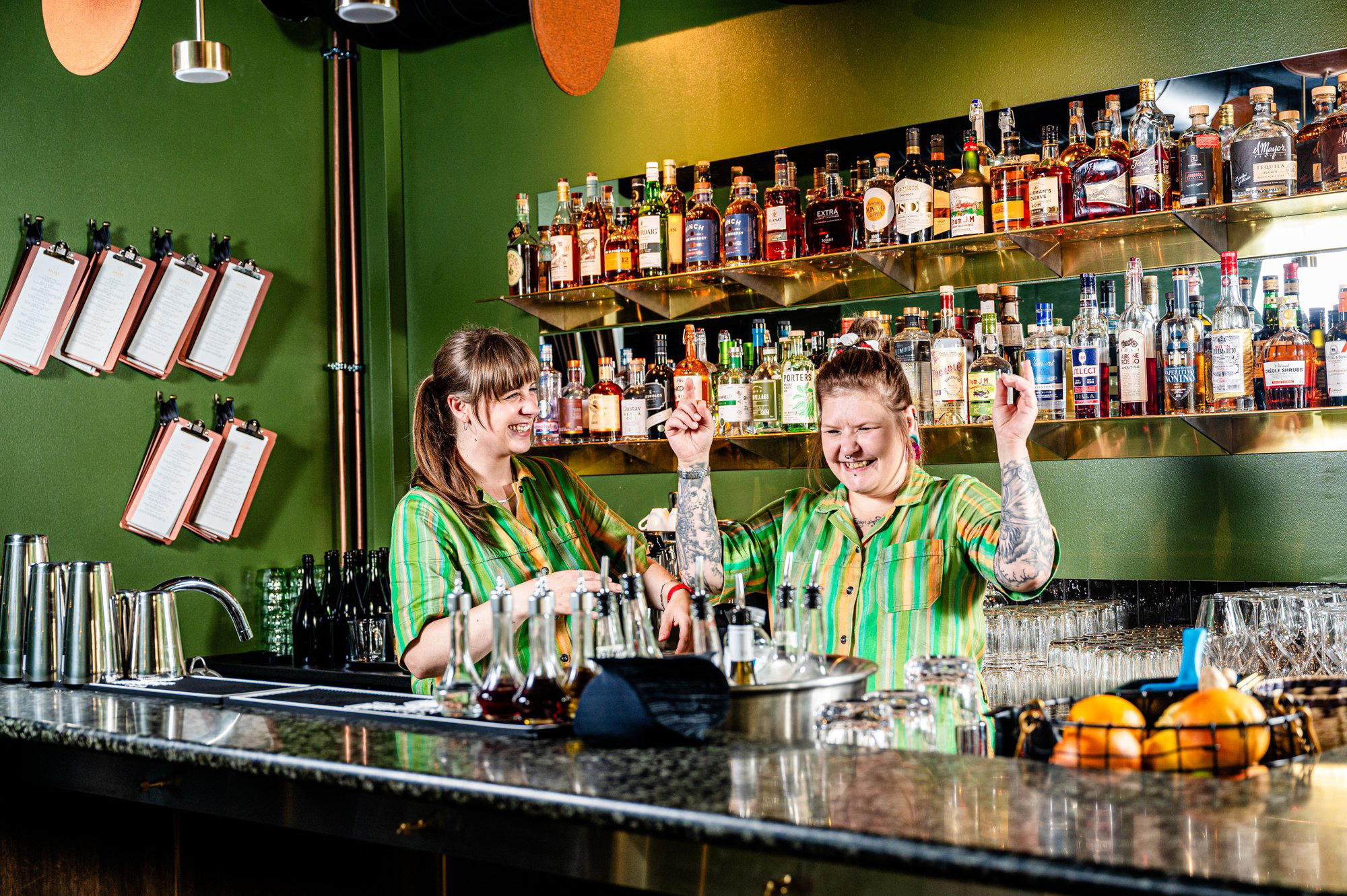
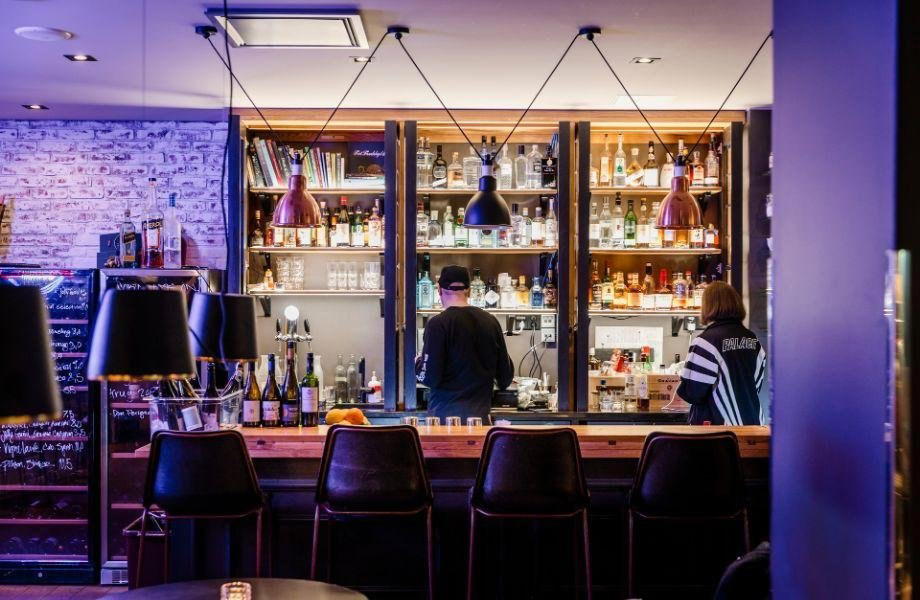
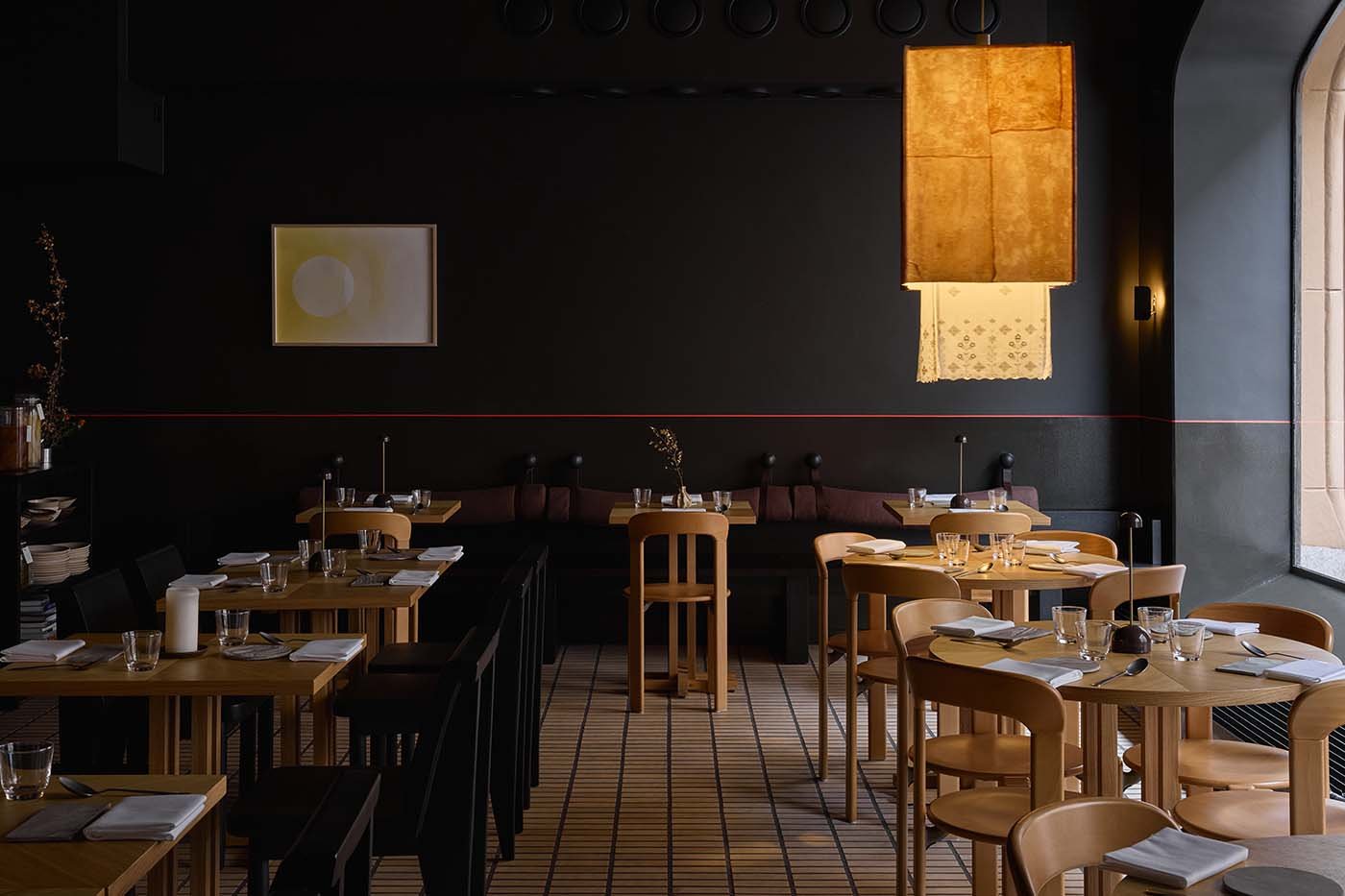
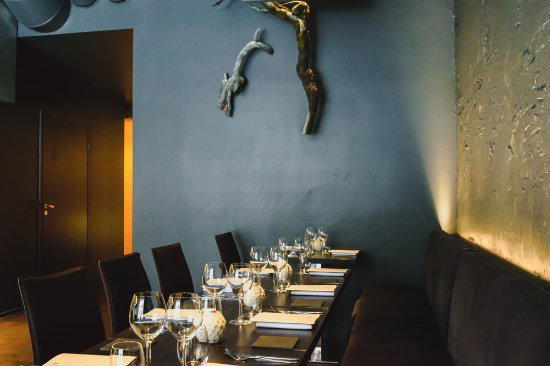
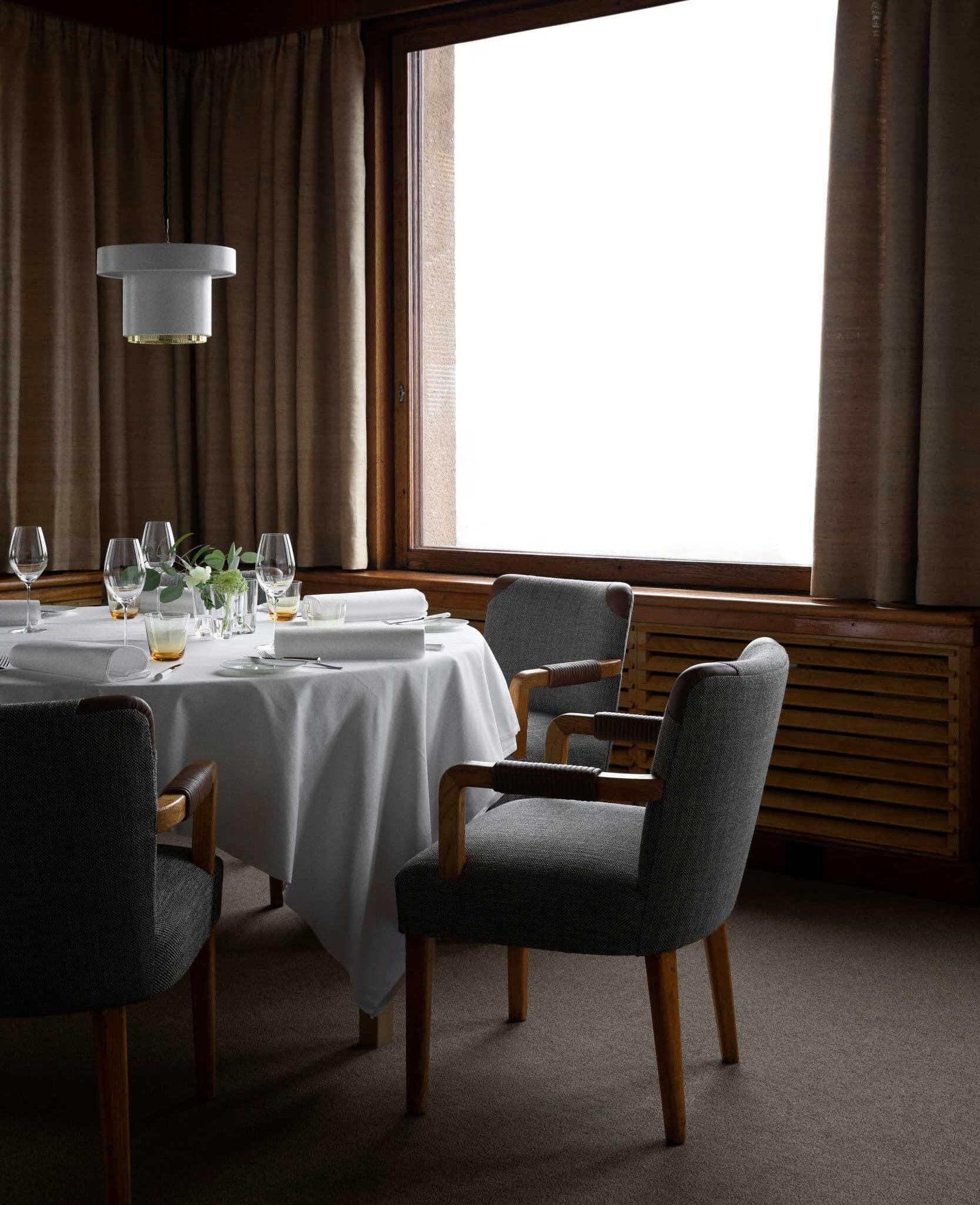
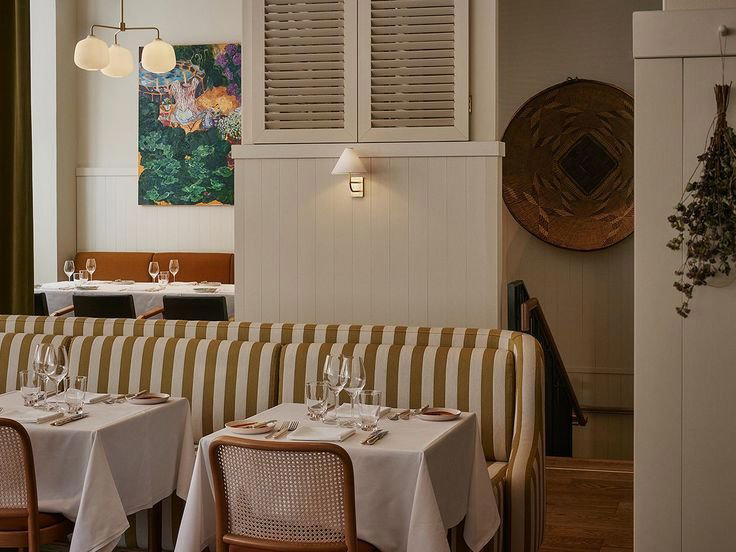
Cozy and intimate boutique atmosphere blending Art Nouveau and modern Scandinavian style with mood lighting and Finnish folklore motifs.