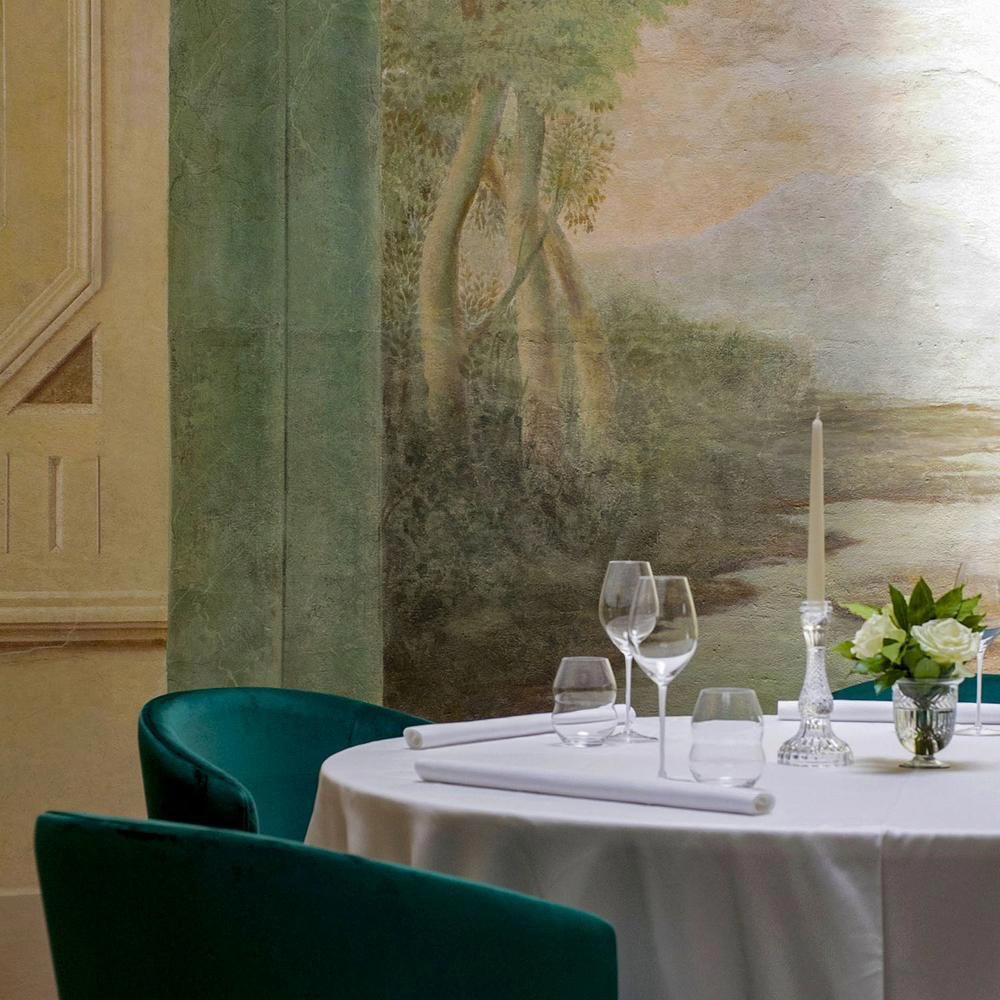
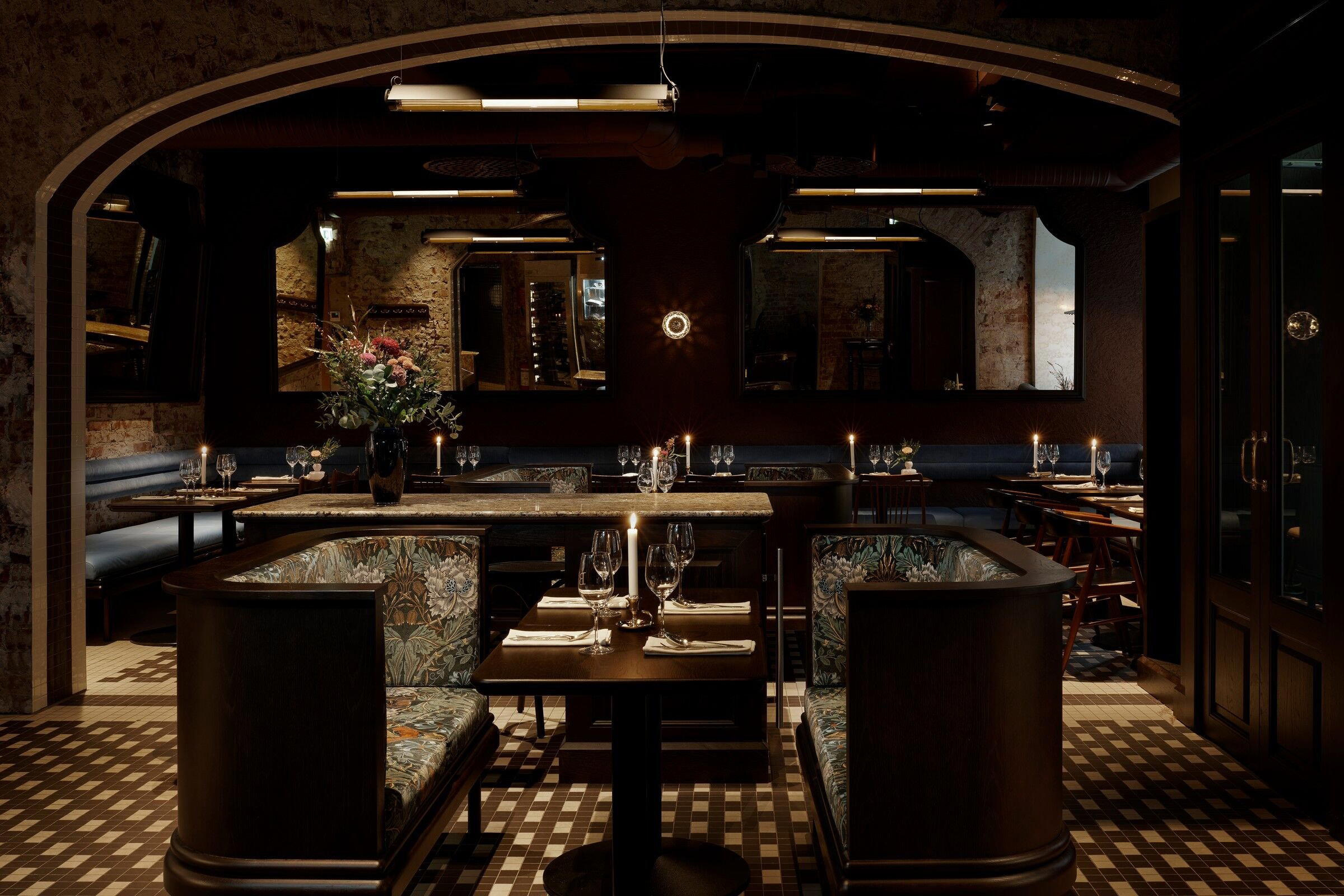
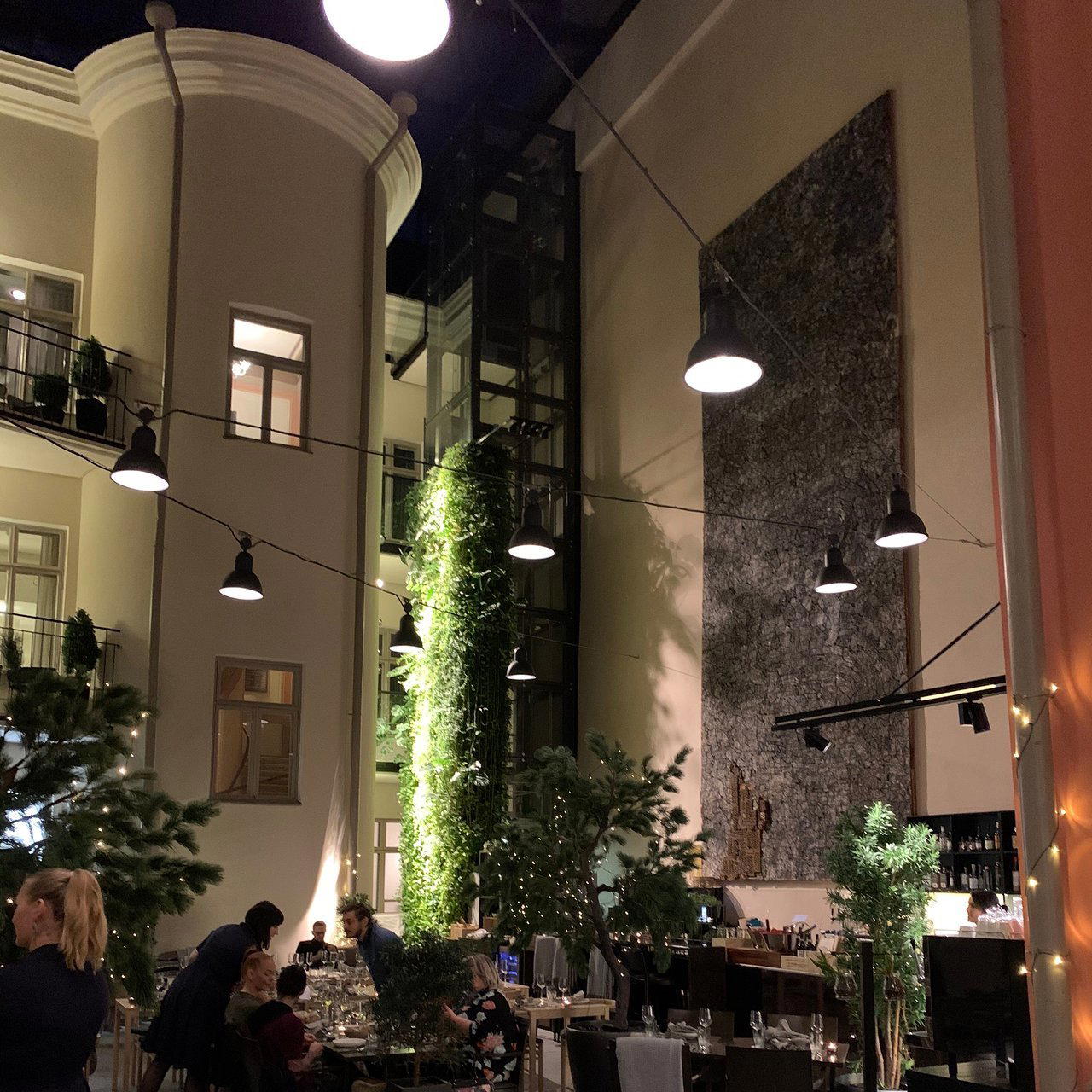
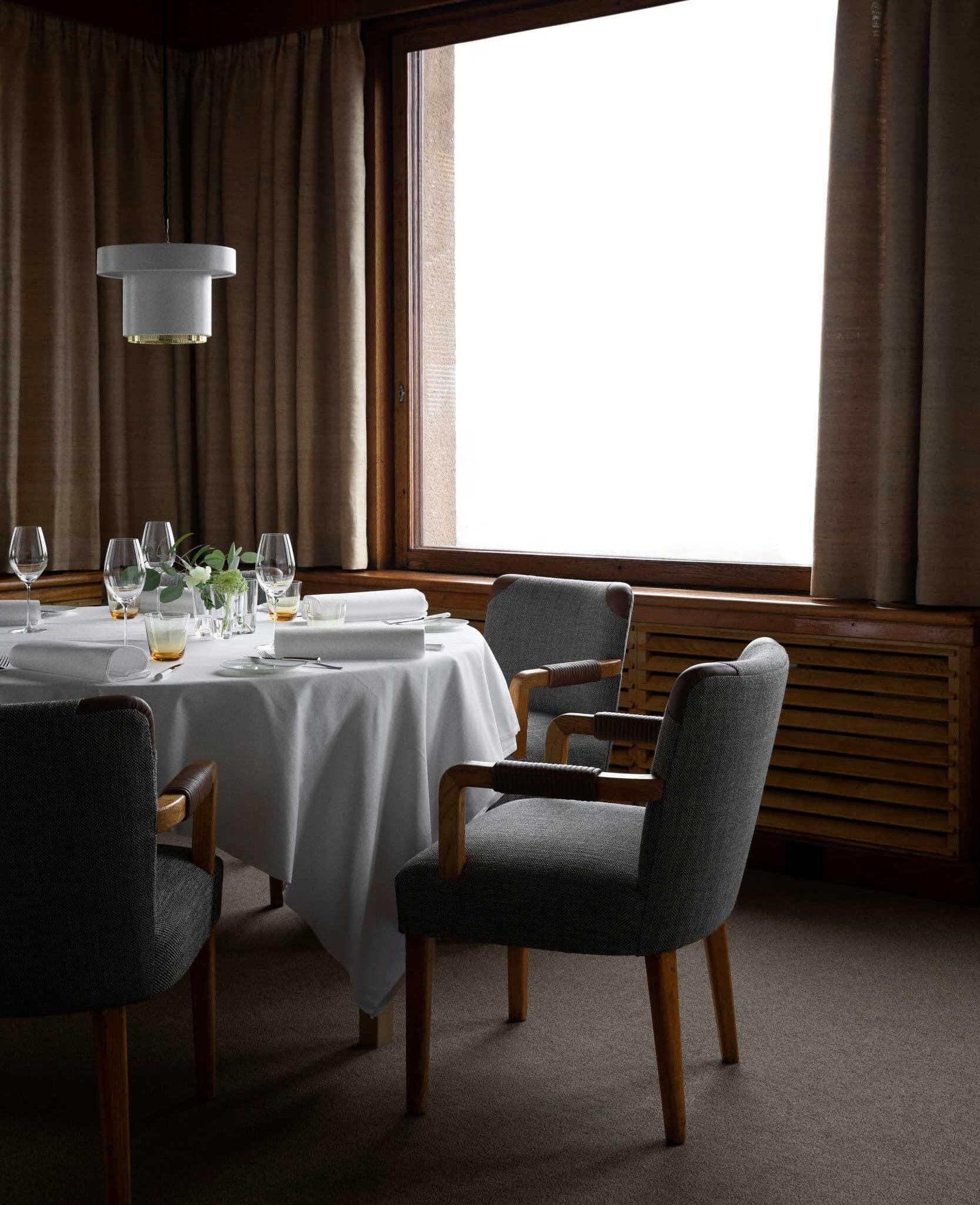
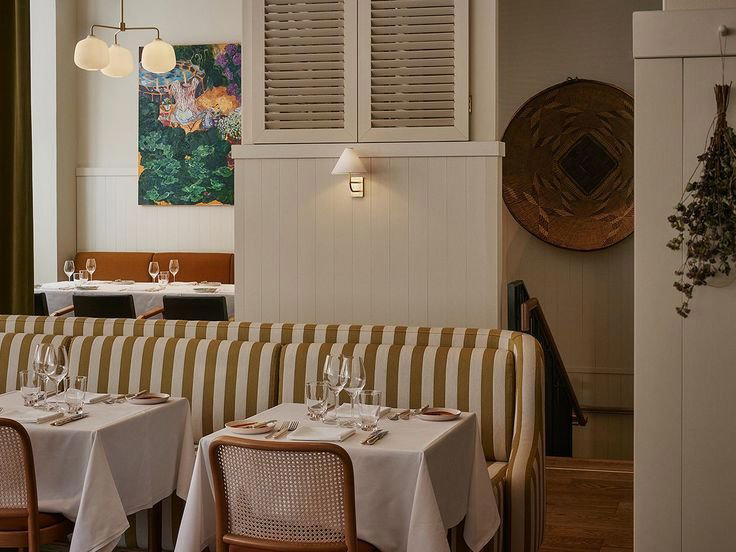
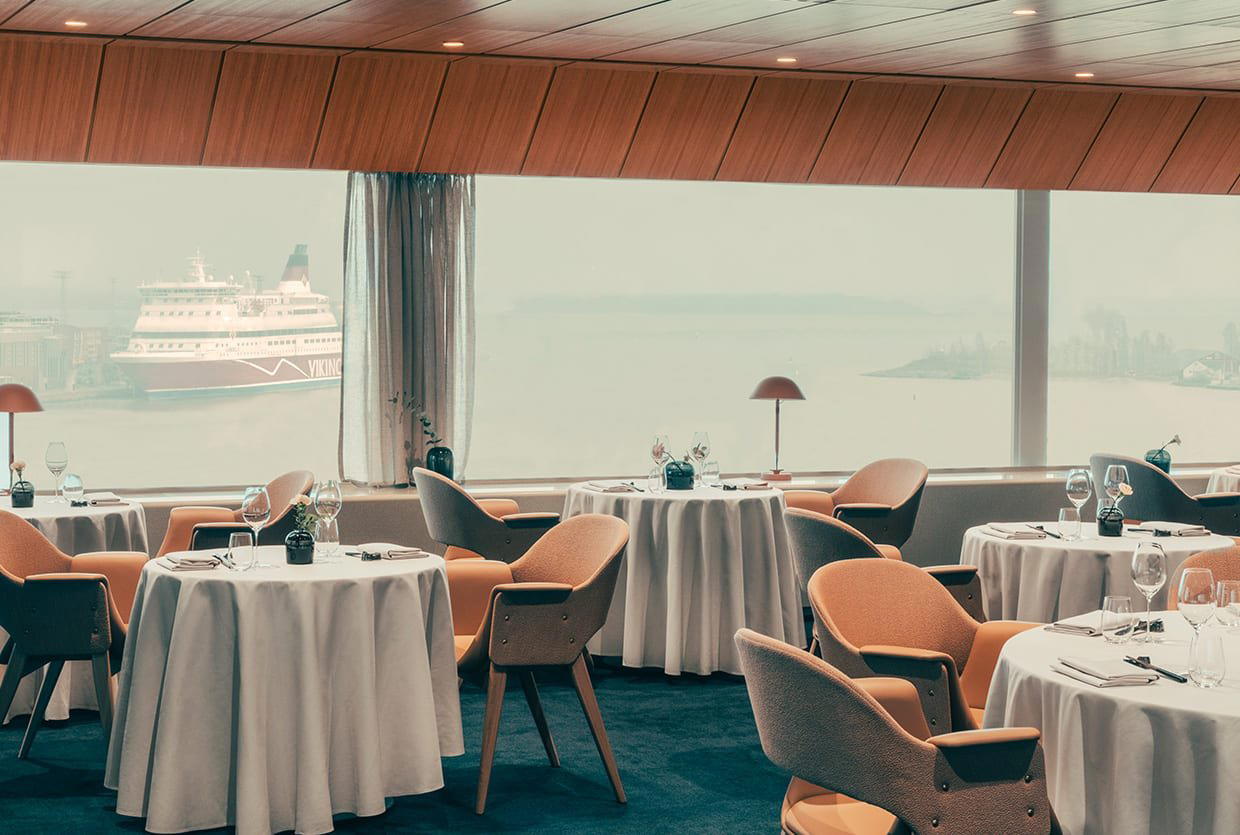
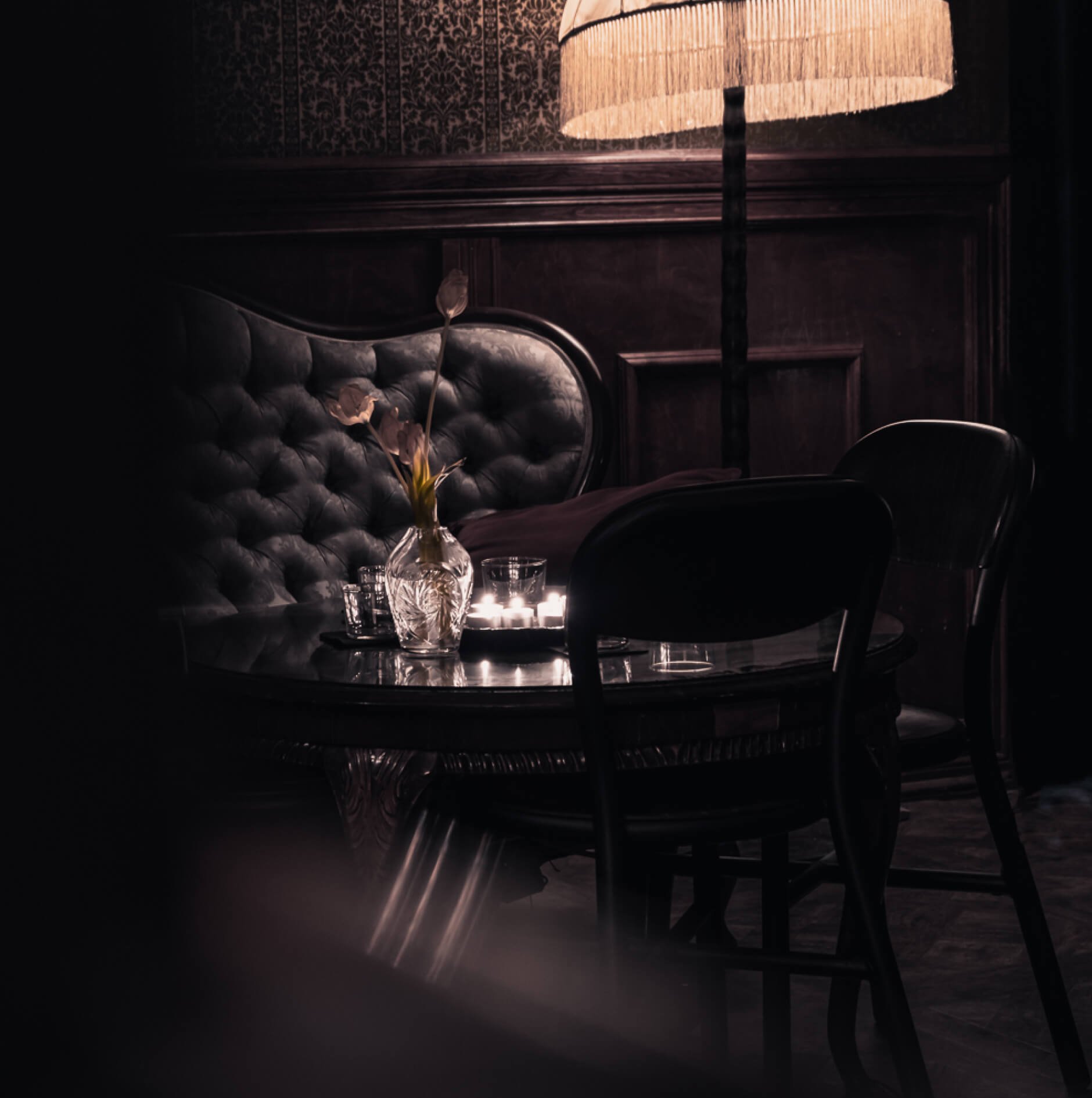
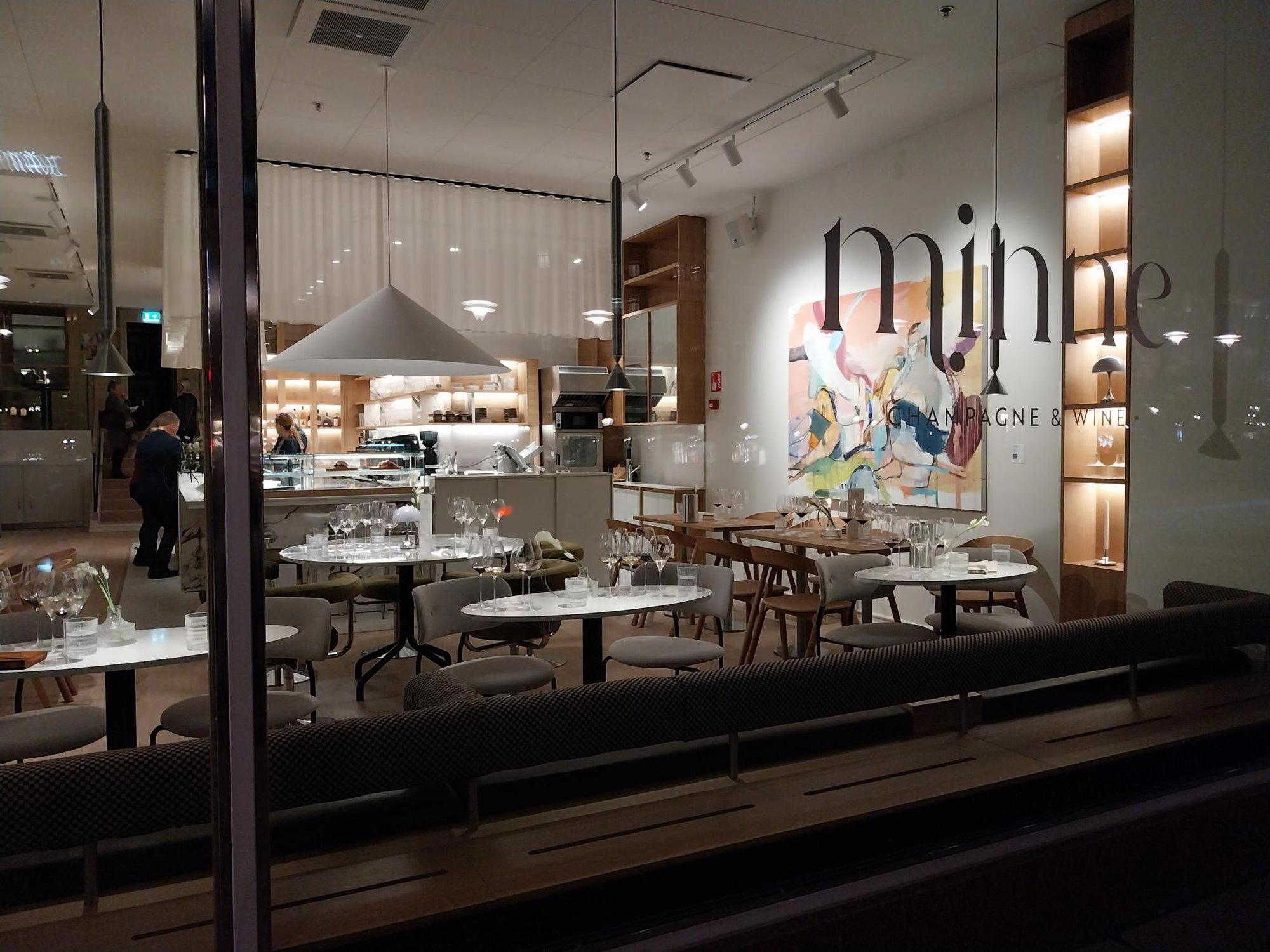
Two consecutive Michelin stars (2024 and 2025) place The ROOM by Kozeen Shiwan among Helsinki's most closely watched creative restaurants. Situated on Pohjoisesplanadi 17, the restaurant operates at the intersection of Nordic ingredient discipline and a distinctly personal culinary vision. For the €€€€ tier, it competes with Palace and Grön as one of the city's most demanding reservations.

Where Helsinki's Creative Dining Tier Has Arrived
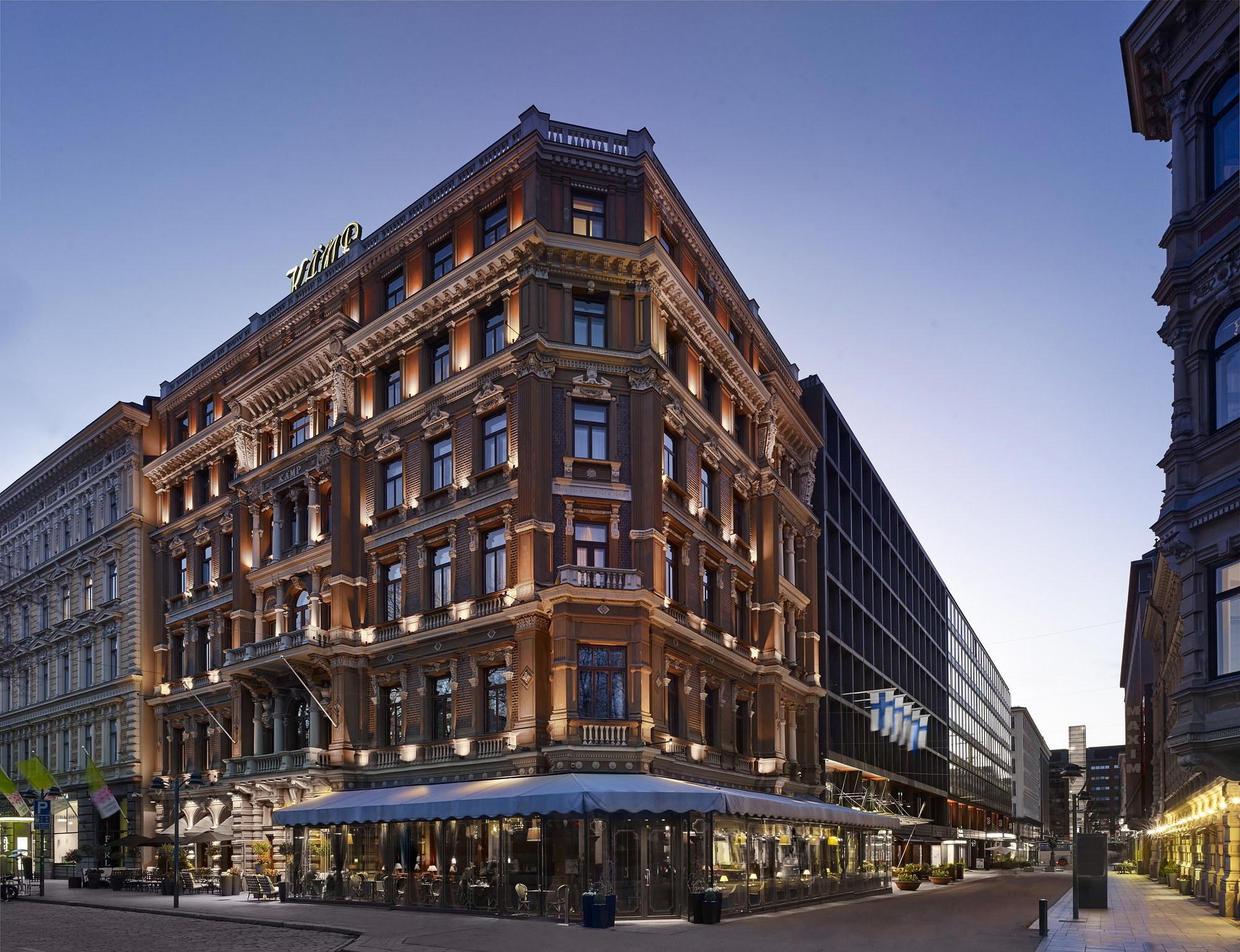
Pohjoisesplanadi is one of Helsinki's most charged addresses: the esplanade boulevard running between the Market Square and the city's design district, lined with embassies, flagships, and the kind of unhurried foot traffic that signals a city at ease with itself. It is precisely the sort of address where a restaurant needs to work against its surroundings rather than rely on them. The ROOM by Kozeen Shiwan, at number 17, occupies that tension deliberately. The address is formal; the restaurant's premise is not.
Helsinki's Michelin-starred creative tier has expanded meaningfully since the mid-2010s, when the city's fine dining identity was anchored almost entirely in Scandinavian technique and local provenance. The arrival of restaurants that reframe those ingredients through non-Nordic culinary traditions has shifted the peer group considerably. The ROOM sits in that expanded set, alongside Palace, Grön, and Olo, all operating at the €€€€ price point, all holding Michelin recognition. What distinguishes The ROOM within that group is the particular angle its kitchen takes toward Finnish produce, and the fact that the Michelin Guide awarded it a star in both 2024 and 2025, confirming consistency rather than a single year's surge.
The Creative Frame: What This Kitchen Is Actually Doing
Chef Kozeen Shiwan's background as a Kurdish-Finnish cook places The ROOM in a category that Helsinki's dining scene has only recently developed the vocabulary to discuss properly. The restaurant is listed under Creative cuisine, which in Michelin's taxonomy signals significant chef autonomy over format and reference points. In practice, that means a kitchen working with Finnish and Nordic seasonal ingredients but refusing to be bound by the flavour logic those ingredients have historically been assigned.
This is a broader phenomenon across European creative dining. In cities like Vienna, Steirereck im Stadtpark has spent decades proving that Central European ingredients can support a cuisine of genuine complexity. In Munich, JAN operates with a similar refusal of geographic inevitability. And in Spain, Quique Dacosta in Dénia has built a body of work in which Mediterranean produce is refracted through conceptual frameworks that have nothing to do with regional tradition. The ROOM belongs to that same broader tendency: chefs who treat their sourcing geography and their culinary reference points as separate, deliberately misaligned variables.
The result, in Helsinki's context, is a restaurant that does not compete with Finnjävel Salonki on Finnish culinary heritage, nor with Grön on New Nordic minimalism. It occupies a narrower and more exposed position: creative cooking that is accountable to a personal logic rather than an established regional tradition. That exposure is exactly what makes two consecutive Michelin stars meaningful here.
Sustainability as Structural Discipline, Not Marketing
The creative dining tier in Nordic cities has a particular relationship with sustainability that differs from the marketing-adjacent version found in much of Europe. In Helsinki, Copenhagen, and Stockholm, ethical sourcing and waste reduction entered professional kitchens as operational constraints before they became restaurant narratives. The infrastructure of short supply chains, small-scale Finnish producers, and seasonal scarcity made minimal-waste cooking a practical necessity at the same time it became a value statement.
Within that context, The ROOM's position on Pohjoisesplanadi connects it to a city-wide conversation about what high-end creative cooking owes to its sourcing relationships. Helsinki's Michelin restaurants, as a group, have pushed Finnish producers toward the kind of specificity more often associated with French terroir: named farms, identifiable animal breeds, documented foraging regions. The ROOM's creative framework, which refuses easy category labels, actually intensifies that sourcing pressure rather than relieving it. When a kitchen is not constrained by a regional tradition, the ingredients themselves have to carry more weight as anchors of identity. That tends to produce closer, more accountable relationships with suppliers.
The sustainability story at restaurants like this one is less about carbon accounting and more about what a Michelin-starred creative kitchen demands from its ingredient chain. Compared to peer restaurants in the same tier across Europe, Helsinki's starred creative restaurants source within shorter geographic radii than almost any comparable city. Alléno Paris au Pavillon Ledoyen and Enrico Bartolini in Milan operate in culinary cultures where the sourcing geography is vast and the supply chain is global by default. In Helsinki, the sourcing radius is narrow by geography and culture alike, which means waste reduction and ingredient accountability are embedded in the kitchen's operating logic rather than layered on leading of it.
The Helsinki Starred Creative Scene: Competitive Position
At the €€€€ price tier, Helsinki's Michelin-starred restaurants form a genuinely competitive peer group, and The ROOM is among the most closely watched. Palace holds a star and operates with a view over the harbour that gives it a significant physical advantage. Grön works within New Nordic constraints that give it a clear editorial identity. Olo brings Scandinavian technique to a format that has remained consistent over years of starred recognition.
The ROOM's competitive position is less anchored in a single legible category, which creates both risk and distinction. A restaurant that cannot be easily summarised in two words has a harder task earning reservation loyalty, but a greater upside if the kitchen delivers on its own terms. Two consecutive stars suggest it is delivering. The 76 Google reviews with a 4.2 average is a relatively small sample for a restaurant at this visibility level, which likely reflects a seat count and booking format that limits volume deliberately. At this price point and creative register, limited capacity is a feature, not a constraint.
For a broader view of what Helsinki's creative and fine dining scene offers across price points, our full Helsinki restaurants guide maps the city's options from neighbourhood bistros to the starred tier. Those planning a longer stay in Finland might also consider Kaskis in Turku, VÅR in Porvoo, or Kajo in Tampere, each of which engages with Finnish produce through a distinct regional lens.
Planning a Visit
The ROOM by Kozeen Shiwan sits at Pohjoisesplanadi 17 in central Helsinki, within walking distance of the city's major transport connections and the Market Square waterfront. At the €€€€ price level, it is positioned alongside the city's other top-tier Michelin addresses, which means the investment is comparable to Helsinki's most serious creative tables. Given the small volume implied by its Google review count and its consistent Michelin recognition, advance booking is the only realistic approach. Those visiting Helsinki around the creative dining scene should also consult our Helsinki hotels guide, our Helsinki bars guide, our Helsinki wineries guide, and our Helsinki experiences guide for a complete picture of the city's premium offerings. Chez Dominique in Copenhagen, linked here for reference as Chez Dominique, offers a useful regional comparator for those building a Nordic fine dining itinerary across multiple cities.
Frequently Asked Questions
What should I order at The ROOM by Kozeen Shiwan?
The restaurant holds a Michelin star for 2024 and 2025 under the Creative cuisine designation, which in practice means the kitchen sets its own agenda rather than following a fixed regional template. At this level, the correct answer is to order the full tasting menu or chef's selection, whatever format is currently offered. Attempting to eat à la carte at a restaurant operating at this creative register, if that option exists at all, tends to produce a fragmented experience. The awards data confirms the kitchen is performing at a high level across its entire output, not just in individual dishes; trust that framework and let the menu sequence do its work.
Need a table?
Our members enjoy priority alerts and concierge-led booking support for the world's most difficult tables.
Access the Concierge