


Michelin Selected · Design Hotels Member
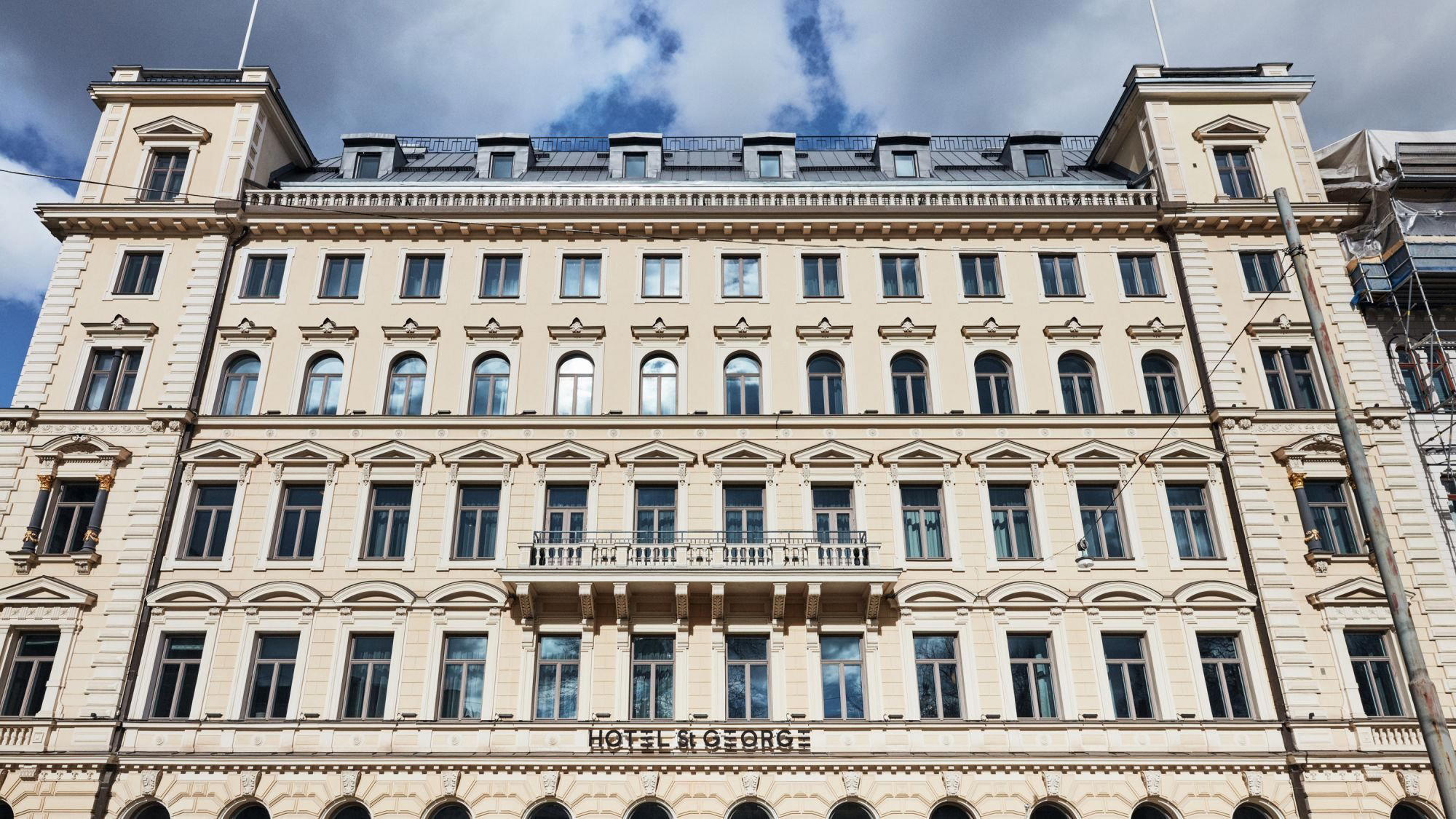
Hotel St. George occupies a historically rich building on Yrjönkatu in central Helsinki, delivering a contemporary hotel experience that reframes what a Helsinki property can offer at the premium tier. The address sits within walking distance of the city's design district and key cultural institutions, positioning it as a credible base for guests who read the neighbourhood as part of the stay.

Pearl is the En Primeur Club membership app — saves, bookings, and concierge access live there. Same editors, same standards.
- Address
- Yrjönkatu 13c, Helsinki 120, Finland
- Phone
- +358 9 4246 00 10
- Website
- marriott.com
- Directions
- Get directions
Helsinki's Premium Hotel Tier and Where St. George Sits Within It
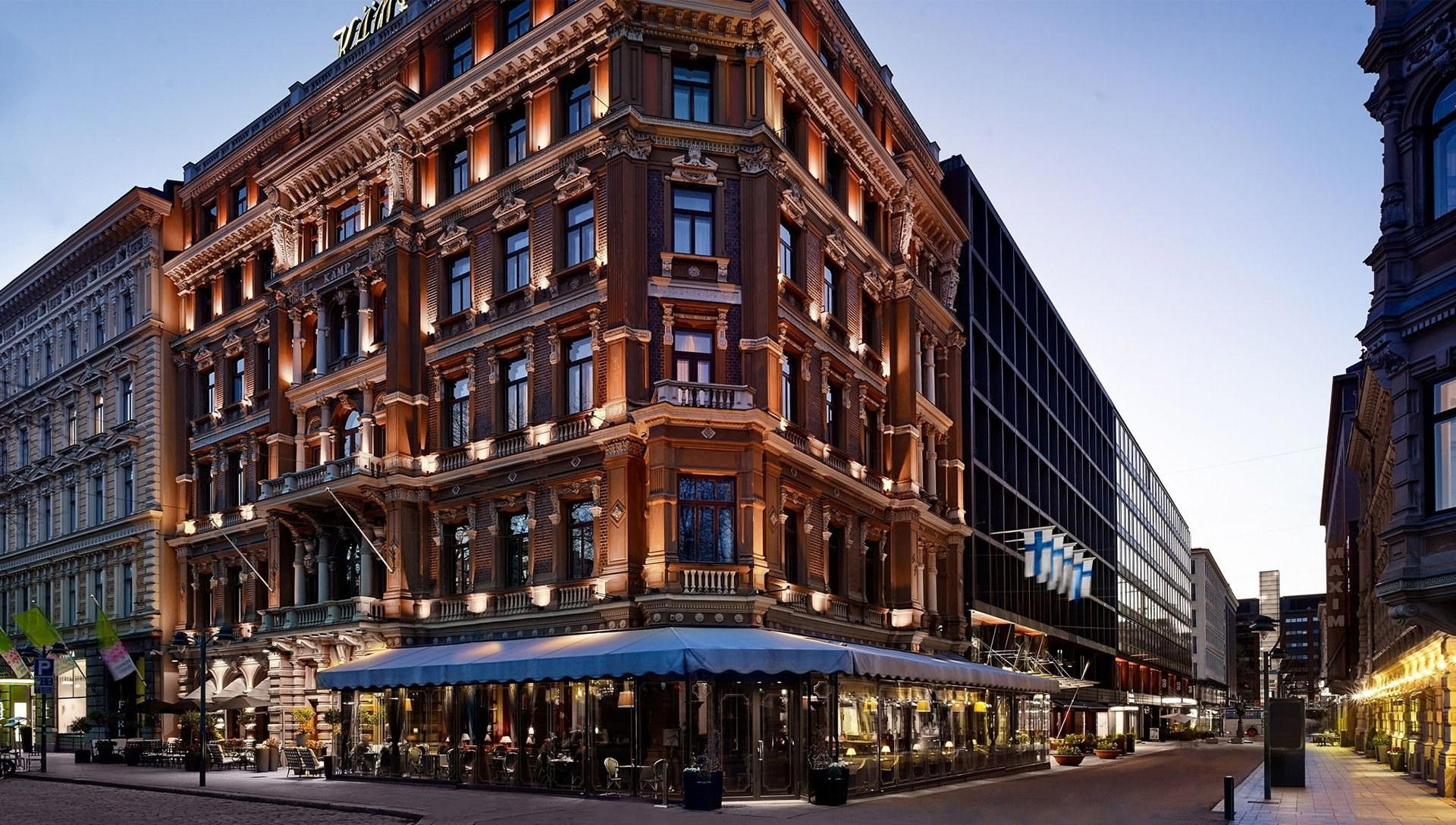
Helsinki's premium accommodation market has consolidated around two distinct postures: grand heritage hotels that trade on continuity and civic prestige, and a newer wave of design-forward properties that use architectural reinvention to argue for a different kind of luxury. Hotel Kämp anchors the heritage end of that spectrum, with its Esplanadi address and century-long association with Finnish cultural and political life. Hotel St. George, on Yrjönkatu in the city's residential south core, belongs to the second camp — a contemporary property operating inside a historically significant shell, where the tension between old fabric and new programme is precisely the point.
That positioning matters because it shapes everything about how the hotel performs as a guest experience. Properties in this category are not selling nostalgia or the comfort of familiar formats; they are selling a rethought relationship between building, city, and service.
Arriving on Yrjönkatu
Yrjönkatu is a quieter residential artery running through the area south of the central railway district, flanked by early twentieth-century apartment blocks and institutional buildings. The street is familiar to Helsinki residents primarily for the Yrjönkatu Swimming Hall, one of the city's oldest public baths, which sits nearby and gives the neighbourhood a civic, unhurried character that separates it from the more trafficked hotel zones around the Senate Square or the harbour. Approaching Hotel St. George from that street, the historically weighted facade reads as a counterpoint to what the interior has been made to do — which is to function as a fully contemporary hotel without erasing the building's accumulated presence. This is a harder architectural and programmatic problem than it looks, and properties that solve it well earn their premium position through the quality of that resolution rather than through conventional amenity stacking.
The Service Philosophy That Defines the Guest Experience
At the tier Hotel St. George occupies, the differentiating variable is rarely the room specification, ceiling heights, mattress quality, and bath fittings have become relatively standardised across serious independent properties globally. What separates the properties that hold their reputation over time from those that flatten out is service culture: whether the staff operate from a script or from genuine read of the guest in front of them.
Contemporary design-led hotels in Northern Europe have generally moved away from the formal hierarchical service model associated with grand palace hotels in favour of something more lateral, staff who are knowledgeable and present without being deferential or distant. This shift reflects broader Scandinavian hospitality norms, where directness and competence are valued over ceremony. In the Finnish context, that approach tends to produce interactions that are measured and unhurried, which suits the pace of the city and the guest who has chosen an address on a quiet residential street over a harbour-front flagship.
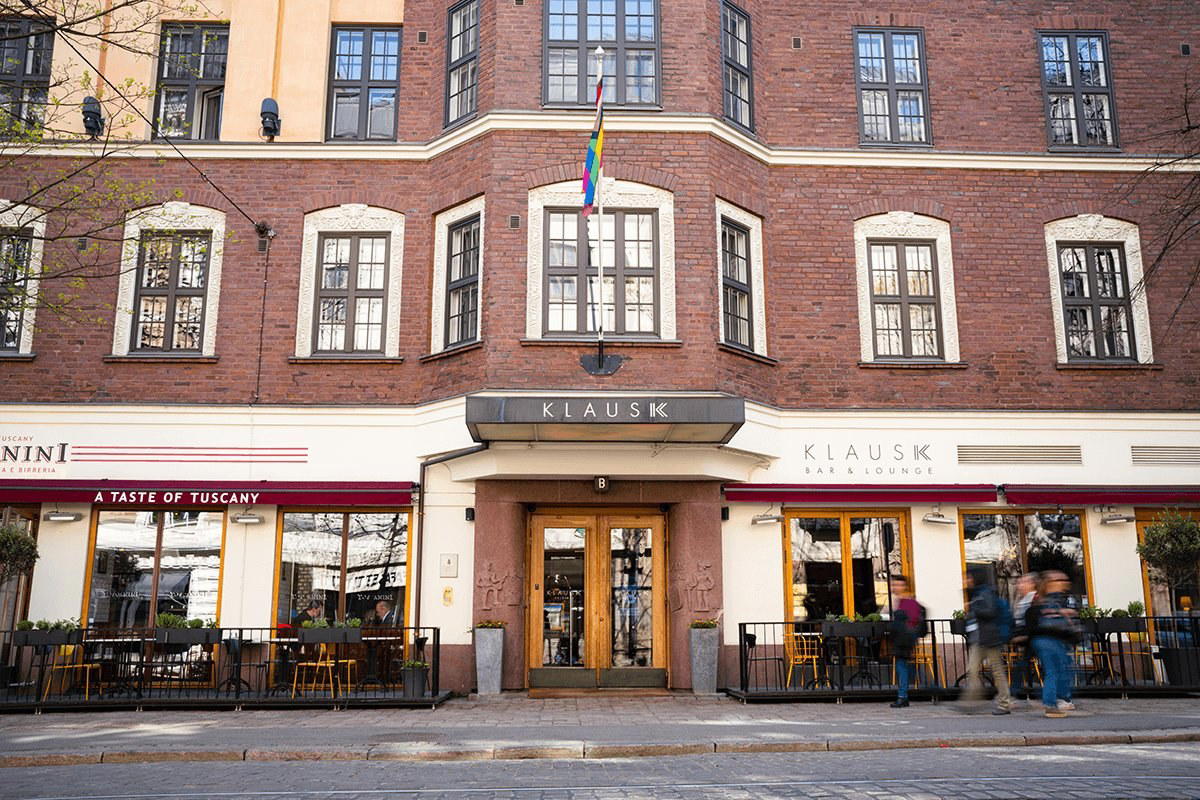
Anticipatory service at this level means the hotel is reading the signals a guest sends before they ask: the preference for a particular breakfast time, the need for a workspace configuration, the question about a neighbourhood restaurant that is actually good rather than simply close. These are the granular decisions that determine whether a stay is merely comfortable or genuinely well-handled. For comparison, Hotel AX and Klaus K Hotel occupy adjacent market positions in Helsinki's design-forward category, but each carries a distinct service signature that distinguishes one stay from another even when the room formats are superficially similar.
Helsinki in Wider Finnish Context
For guests building a longer Finland itinerary around Hotel St. George as an urban anchor, the country's regional hotel offer has developed considerably. Lapland in particular has moved up-market: Lapland Hotels Snow Village in Kittilä and the architecturally considered Arctic TreeHouse Hotel in Rovaniemi both represent serious design investment in the far north. For those staying closer to the capital's orbit, RUNO Hotel Porvoo offers a coastal town alternative less than an hour east, while The Barö in Barösund takes the archipelago proposition further toward an island-retreat format. Inland, Solo Sokos Hotel Torni Tampere and Radisson Blu Hotel Oulu anchor the mid-tier in Finland's second and third cities respectively, while Radisson Blu Marina Palace in Turku and Design Hotel Levi in Levi extend the range of possible routing before or after a Helsinki stay.
Global Comparisons for Independent Design Hotel Guests
Guests who travel primarily through independent design-led properties rather than branded chains will recognise Hotel St. George's positioning immediately. The formula, historically weighted building, contemporary interior programme, personalised service culture, urban neighbourhood integration, appears across markets with consistent success. Cheval Blanc Paris and Aman Venice represent the most capitalised end of that spectrum, where architectural heritage carries enormous brand weight. At a different scale, properties like Castello di Reschio in Lisciano Niccone and Badrutt's Palace Hotel in St. Moritz show how deep heritage can anchor premium positioning across decades. Hotel St. George operates at a more modest scale, but within Helsinki's market it competes for the same guest profile, someone choosing a property for its editorial coherence rather than its loyalty programme. Travellers moving between different continents within the same trip might also hold Bvlgari Hotel Tokyo, Aman New York, or The Fifth Avenue Hotel in New York City as reference points for what this type of property does when fully resourced. Amangiri in Canyon Point and Hotel Bel-Air in Los Angeles show how the category performs in landscape-driven rather than urban contexts. Hôtel de Paris Monte-Carlo provides the maximalist heritage counterpoint to Hotel St. George's restrained Nordic take on the same idea.
Planning Your Stay
Hotel St. George is located at Yrjönkatu 13c in central Helsinki, within reasonable walking distance of the Design Museum, the Old Market Hall, and Esplanadi Park. Helsinki is a compact city where the premium hotel addresses are clustered within a short radius; guests arriving by train from Helsinki Airport (roughly 30 minutes on the Finnair City Bus or the Ring Rail Line) will find the central addresses accessible without requiring a taxi for most evening dining or cultural programming. For the full picture of where to eat and drink around the property, our full Helsinki restaurants guide maps the neighbourhood options by format and price tier.
Cuisine-First Comparison
Comparable venues nearby, for context on price, style, and recognition.
| Venue | Cuisine | Price | Awards | Notes |
|---|---|---|---|---|
| Hotel St. GeorgeThis venue — the venue you are viewing | Modern luxury with holistic wellbeing focus in historic building | Not listed | Michelin Selected · Design Hotels Member | Not listed |
| The Hotel Maria, Helsinki | Historic neo-renaissance buildings restored with modern Nordic luxury. | Not listed | 1 Michelin Key · Forbes 4-Star | Kruununhaka |
| Hotel Lilla Roberts | Art Deco heritage boutique hotel blending 1930s architectural character with contemporary luxury and Finnish design partnerships. | $100–200 | Michelin Selected · Preferred Hotels Member | Kaartinkaupunki |
| Hotel AX | Contemporary design hotel with integrated art gallery and cultural programming; positioned as an 'Art Experience' rather than traditional hospitality. | $100–200 | World Travel Awards | Jatkasaari |
| Hobo Helsinki | contemporary boutique hotel serving as a community meeting place for curious people | $100–200 | Michelin Selected | Kluuvi |
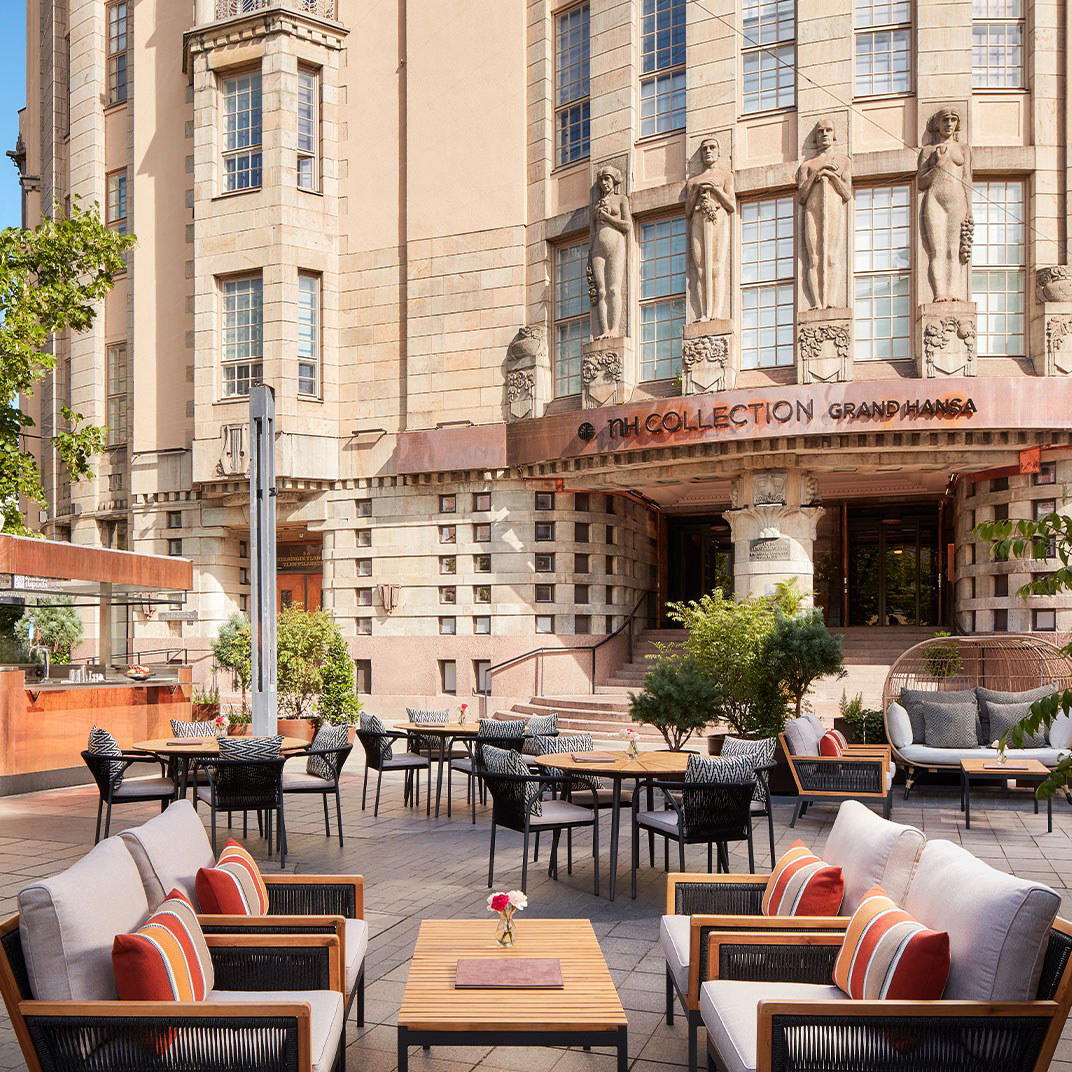
| NH Collection Helsinki Grand Hansa | Heritage luxury hotel merging early 1900s Art Nouveau architecture with contemporary Nordic design and modern amenities. | Not listed | Michelin Selected | Kluuvi |
Recognition history
Dated appearances from independent guides and award organizations, with the underlying list record or original source where available.
Michelin Selected
Michelin
Design Hotels Member
Design Hotels
White Guide Nordic Hotels - Global Exceptional Level
White Guide
Details
- Quiet
- Modern
- Elegant
- Sophisticated
- Cozy
- Romantic Getaway
- Wellness Retreat
- Business Trip
- Weekend Escape
- Historic Building
- Design Destination
- Panoramic View
- Terrace
- Wi Fi
- Pool
- Spa
- Fitness Center
- Room Service
- Concierge
- Sauna
- Restaurant
- Bar
- Skyline
- Garden
- Wheelchair Accessible
- Elevator
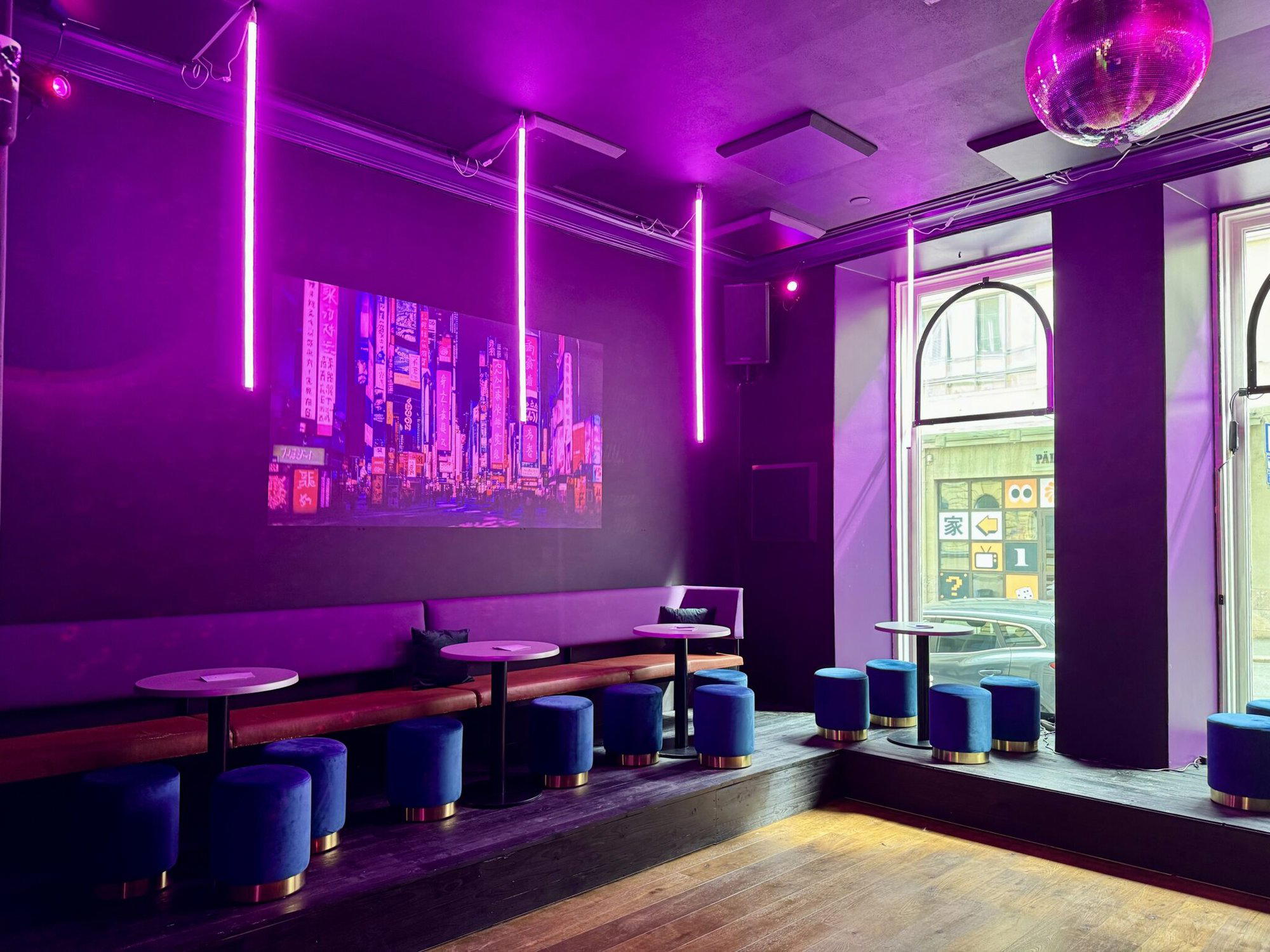
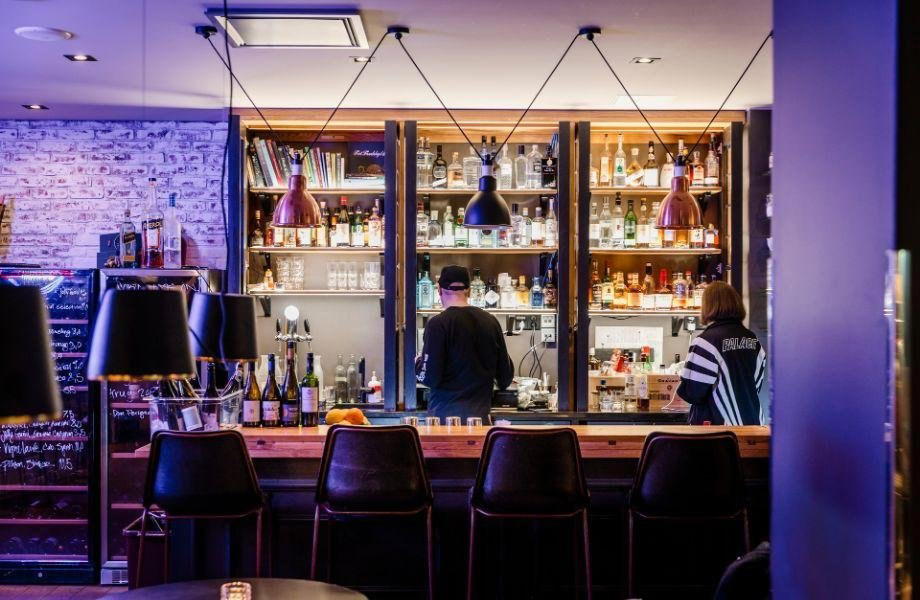
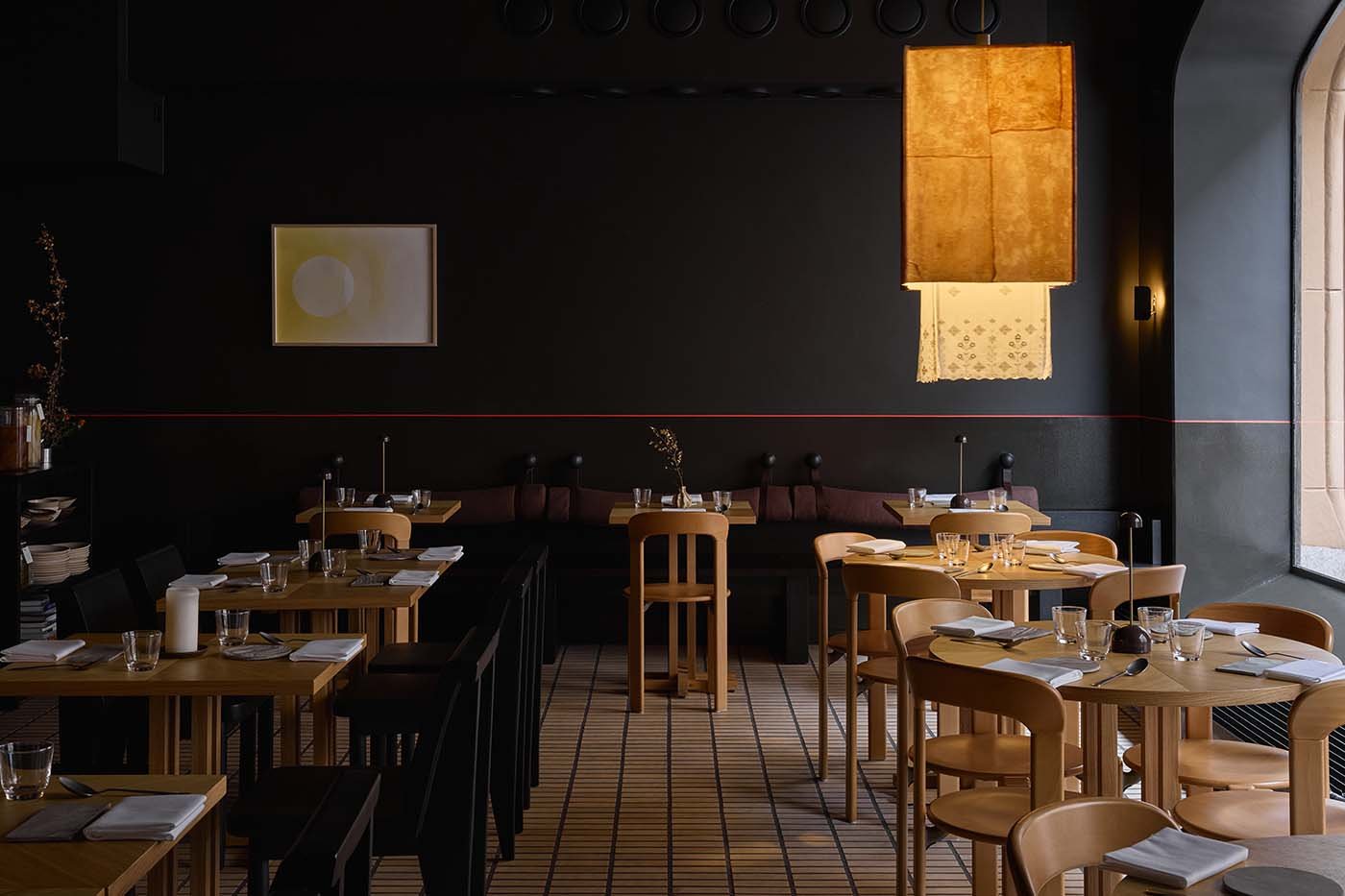
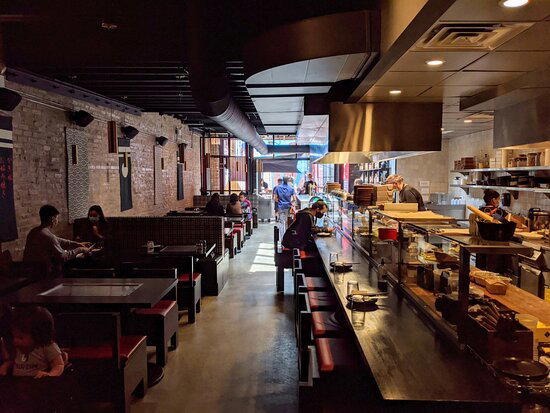
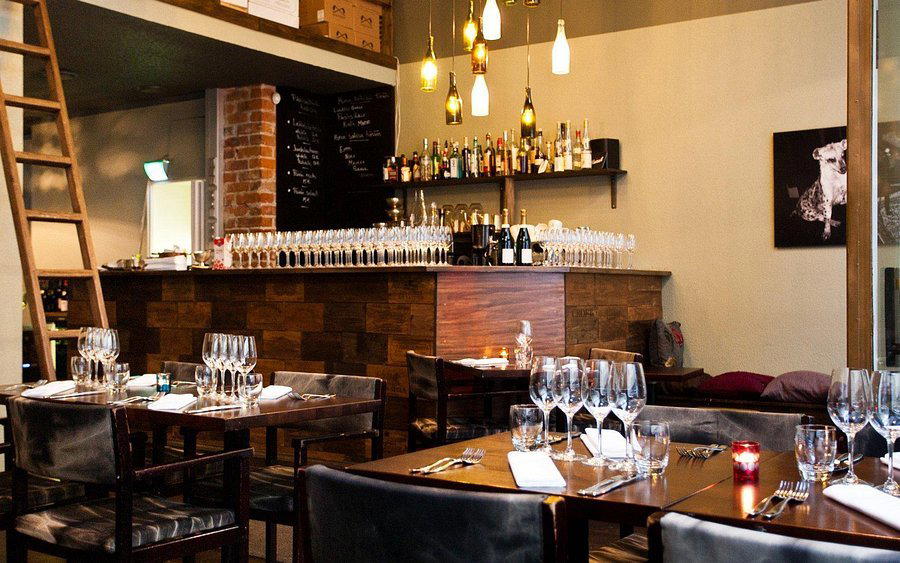
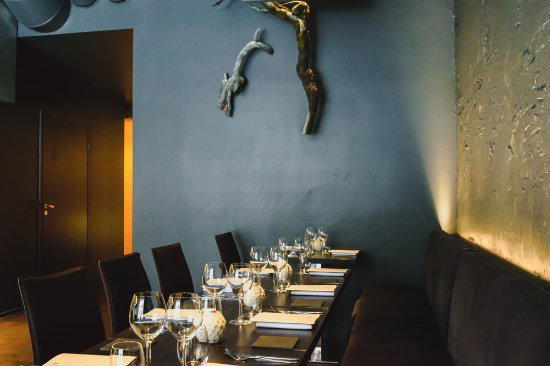
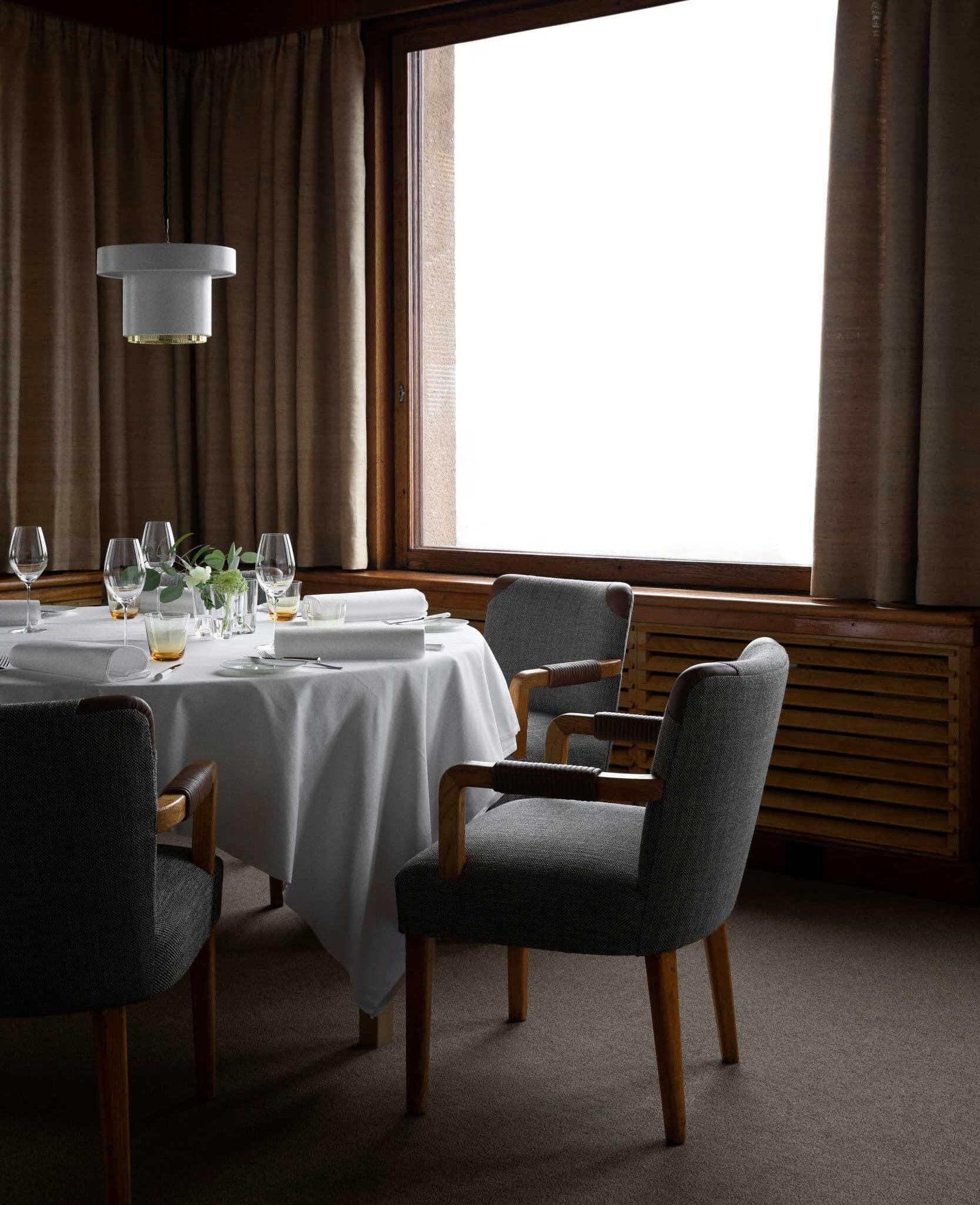
Cozy warmth from Poulsen lighting fixtures, calming colors and textures creating a tranquil oasis, peaceful winter garden views, and sophisticated designer furniture.