

Michelin Selected · Preferred Hotels Member
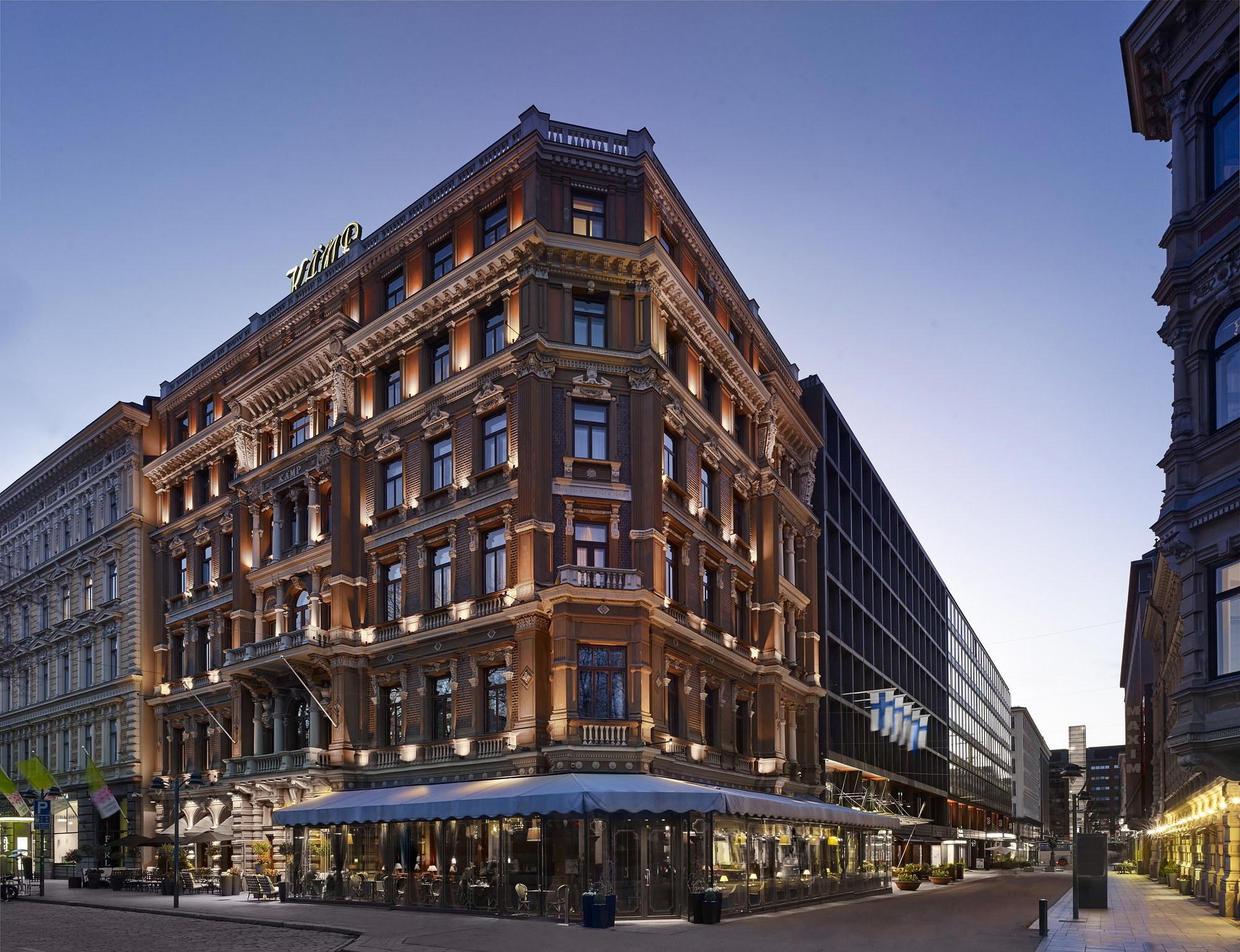
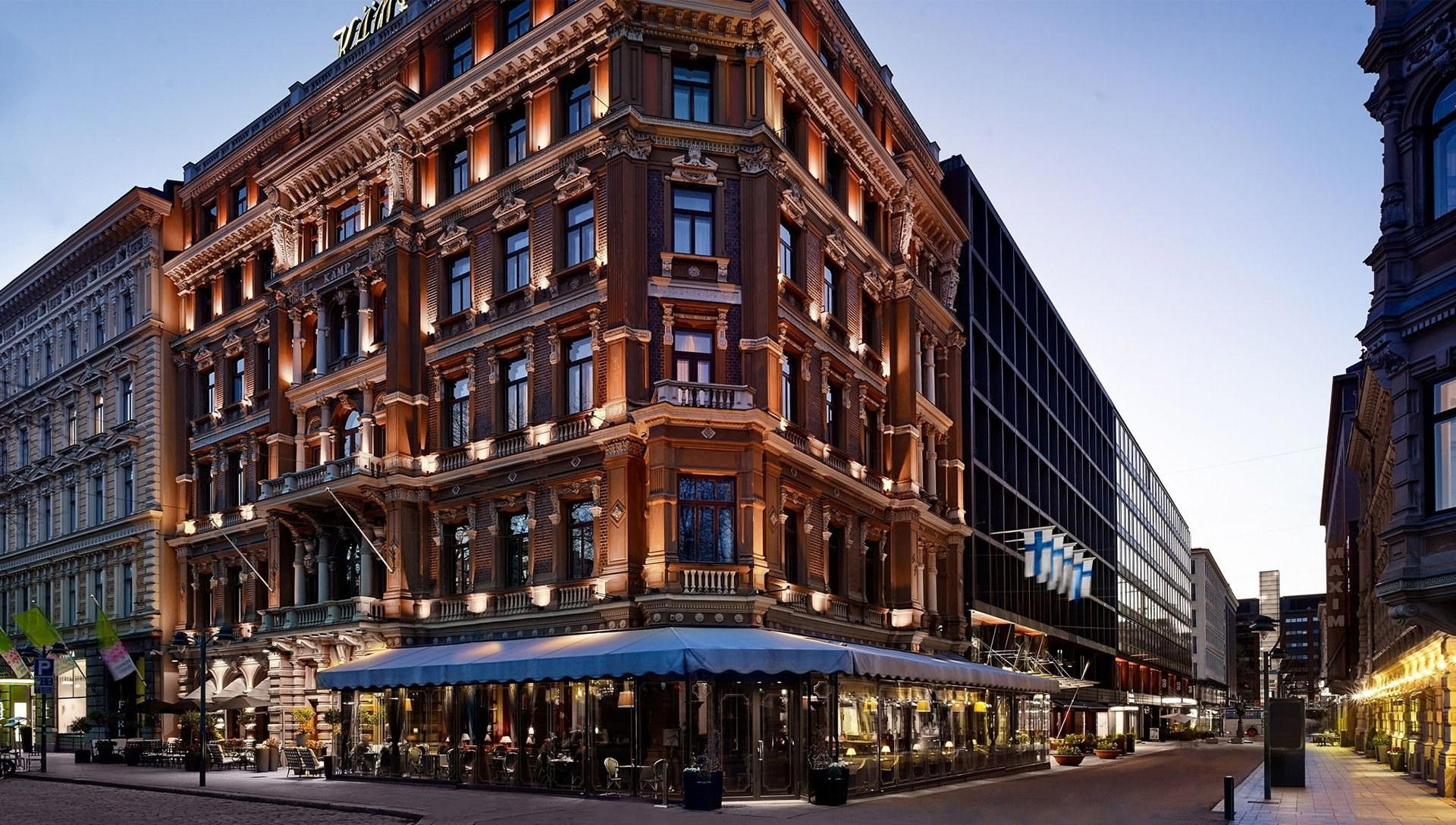
Hotel Lilla Roberts occupies a restored Art Nouveau building on Pieni Roobertinkatu in Helsinki's Punavuori district, operating across 130 rooms with a design-led identity that places it firmly in the city's independent luxury tier. The property sits close to the Design District's core streets and draws a guest profile that tends to favour neighbourhood character over tower-hotel scale.

Pearl is the En Primeur Club membership app — saves, bookings, and concierge access live there. Same editors, same standards.
- Address
- Pieni Roobertinkatu 1-3, 00130 Helsinki
- Phone
- +358 9 6899880
- Website
- lillaroberts.com
- Directions
- Get directions
Where Punavuori's Design District Meets Considered Hospitality
Helsinki's premium hotel tier has reorganised itself over the past decade into two reasonably distinct camps: large-footprint properties concentrated near the harbour and Senate Square, and smaller design-led addresses embedded in residential neighbourhoods with genuine street character. Hotel Lilla Roberts sits in that second group, occupying a restored Art Nouveau building on Pieni Roobertinkatu in Punavuori, a district that also anchors Helsinki's Design District. The address puts guests within walking distance of the gallery clusters, independent boutiques, and café-dense blocks that define the area, rather than the tourist-facing esplanade further north.
At 130 rooms, the property operates at a scale that is neither intimate boutique nor anonymous large-format hotel. That middle register has proven commercially durable in Helsinki, where a guest profile of design-conscious business travellers and culturally curious leisure visitors tends to reward properties that maintain visual coherence without sacrificing operational depth. Comparable properties in the city's mid-to-upper tier, including Hotel St. George, The Hotel Maria, Helsinki, and Hotel Kämp, each occupy distinct positions on that spectrum, from Kämp's grand-hotel tradition to St. George's arts-programme identity. Lilla Roberts positions itself through its neighbourhood anchoring and architectural heritage rather than through programmatic elaboration.
The Art Nouveau Frame and What It Dictates
Historic conversion properties carry structural advantages and constraints that purpose-built hotels do not. The Art Nouveau shell at Pieni Roobertinkatu 1-3 imposes a particular spatial logic: ceiling heights, corridor proportions, and facade detailing that cannot be replicated in new construction. Across European cities that have done this well, from Vienna to Prague to Amsterdam, the results tend to age better than contemporary builds of equivalent specification, because the underlying architecture holds its own visual authority. Helsinki has a concentrated stock of early twentieth-century Jugendstil buildings, and Punavuori holds a meaningful share of them. Lilla Roberts draws on that local architectural identity in a way that Hotel AX or Klaus K Hotel, each with their own distinct architectural approaches, do not replicate.
Eating and Drinking at Lilla Roberts
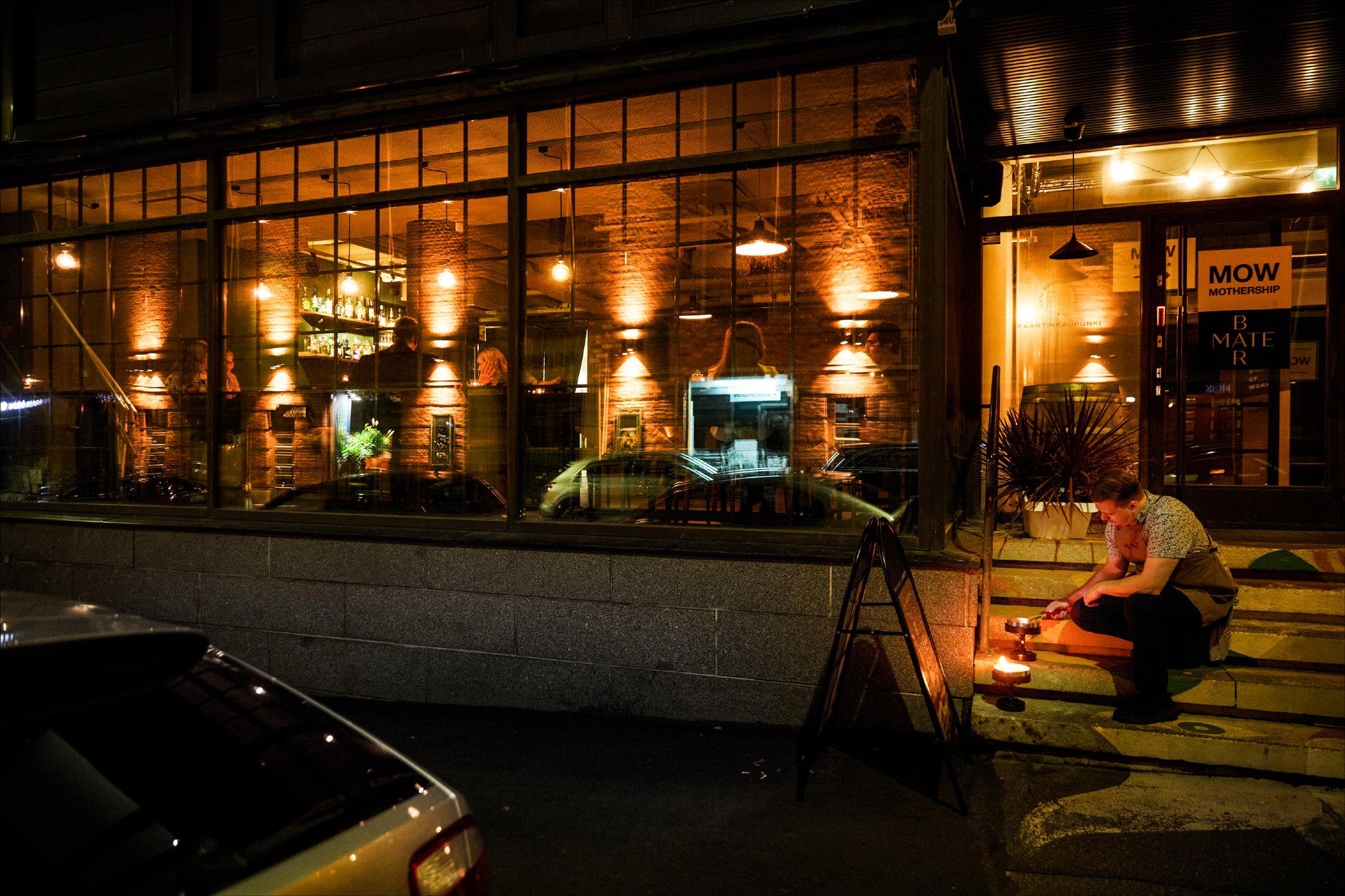
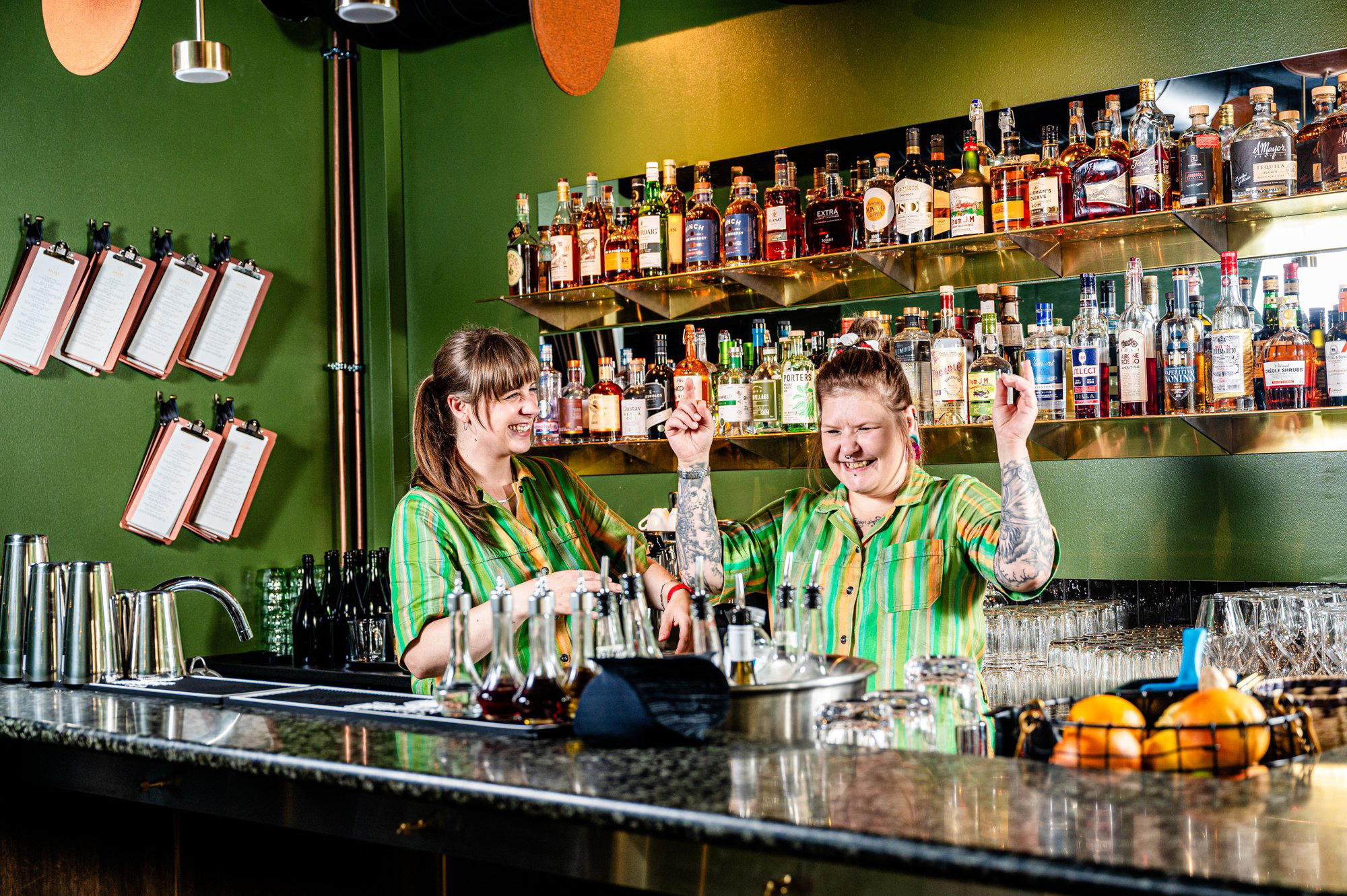
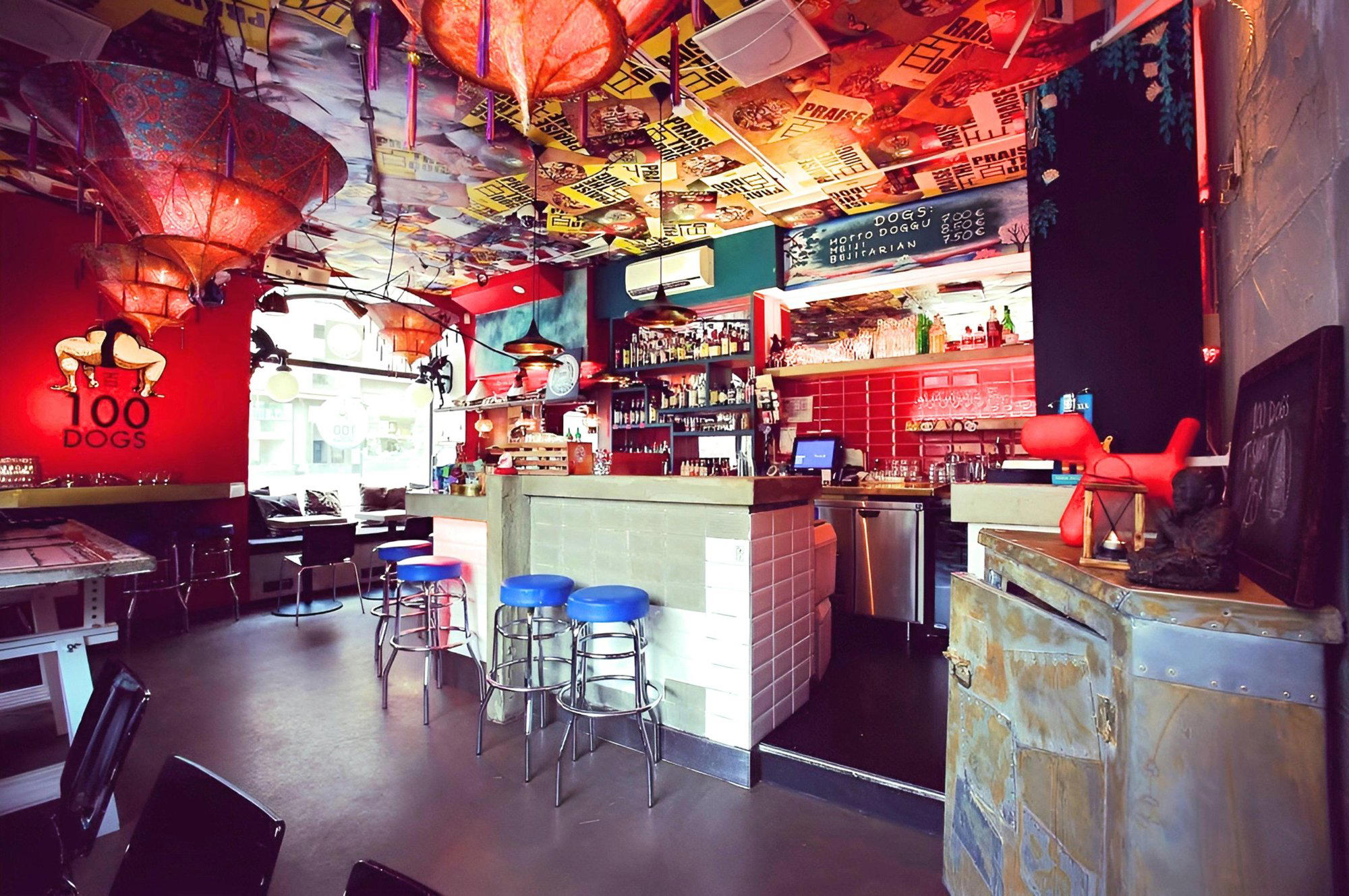
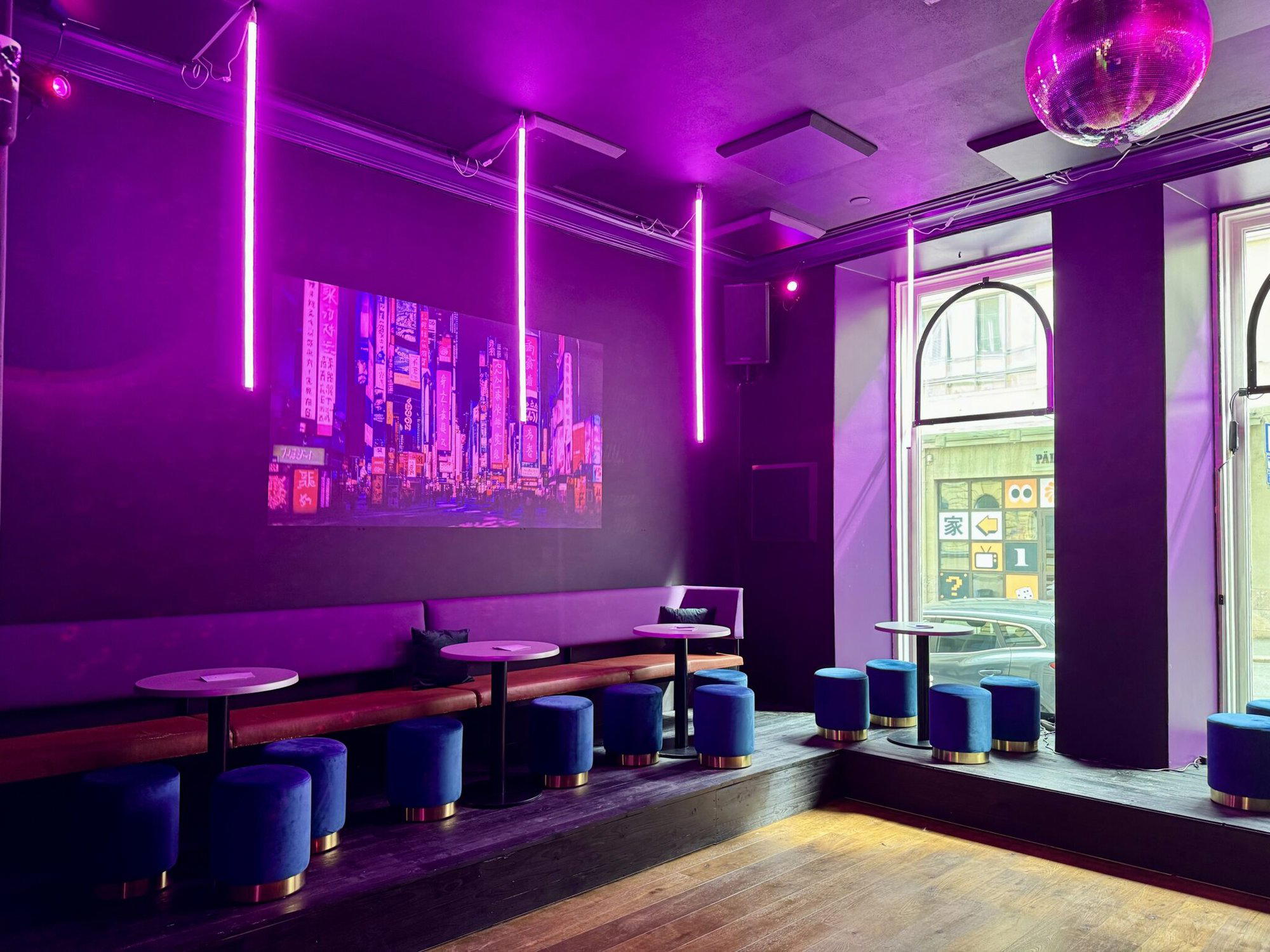
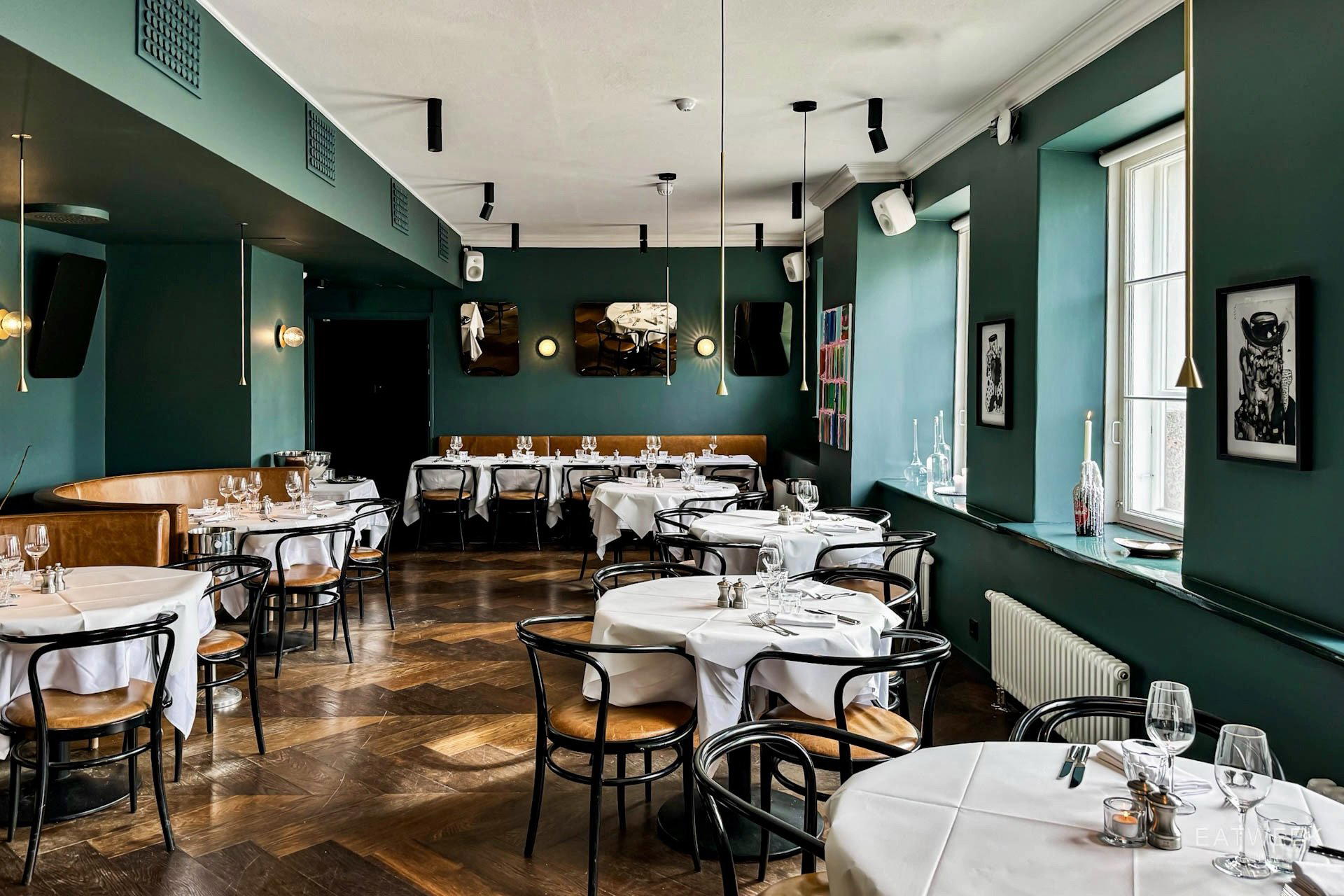
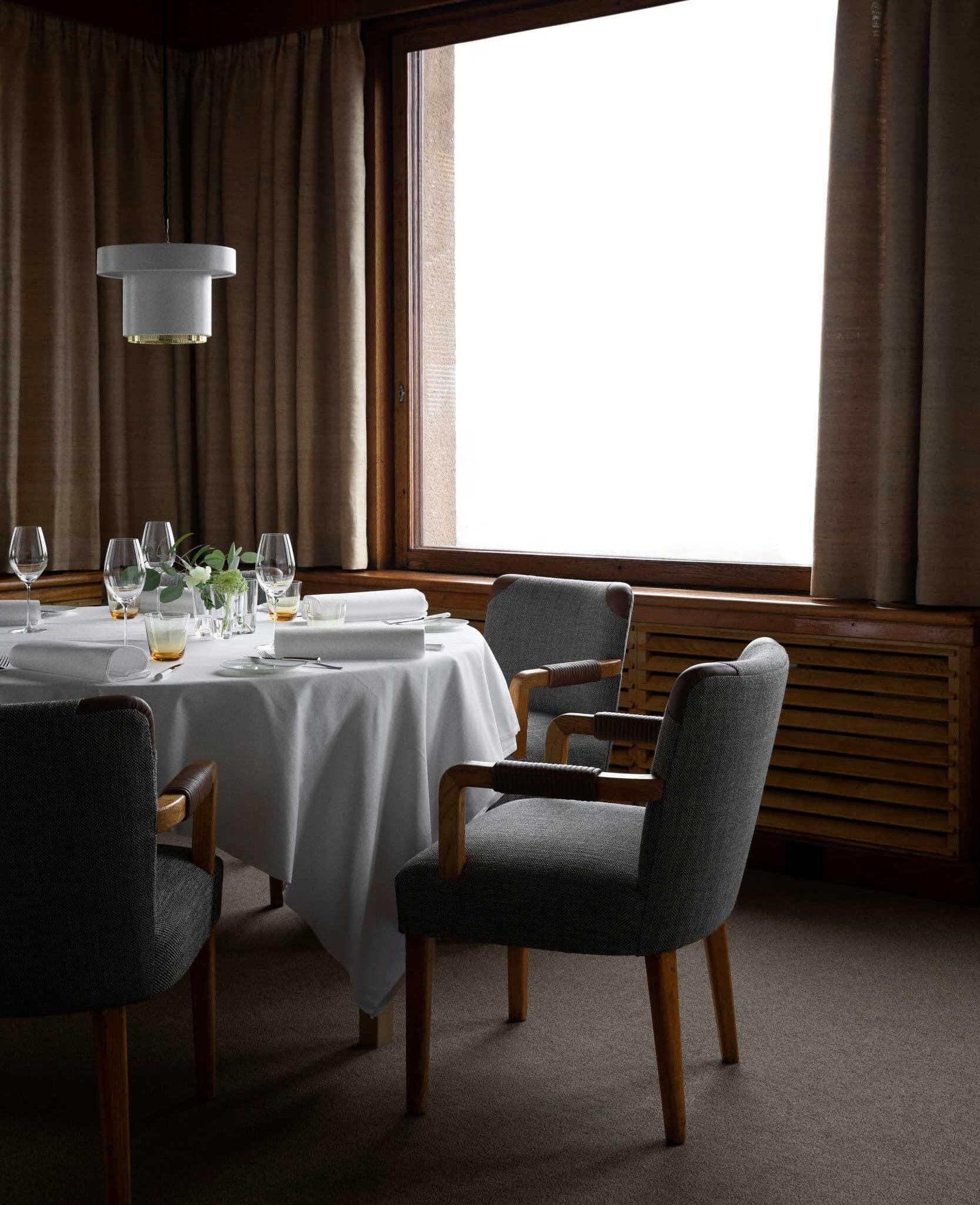
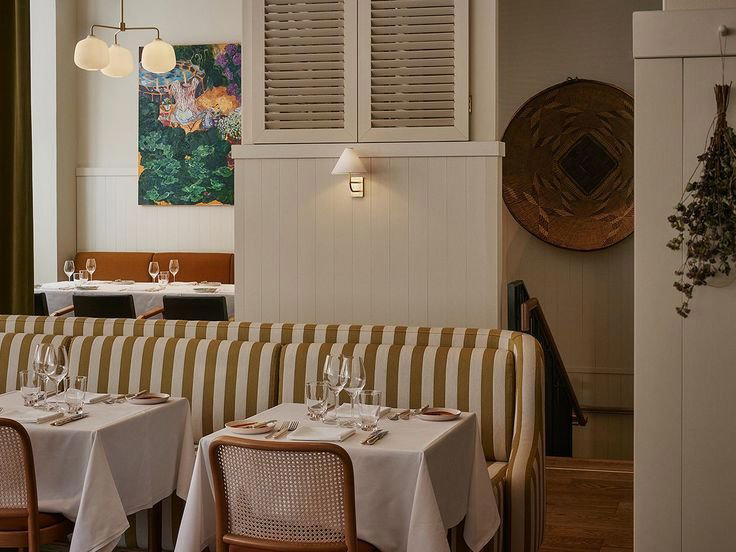
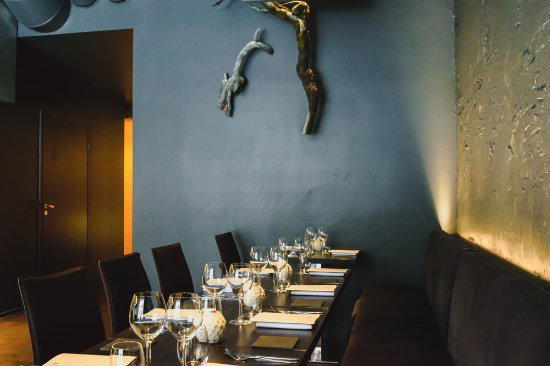
Helsinki's hotel dining has shifted considerably over the past fifteen years. The default model of a hotel restaurant operating as a convenience annex for guests who cannot be bothered to go out has largely given way to food and beverage programmes designed to hold their own against the city's standalone restaurant scene. This is particularly evident in Punavuori, where the surrounding blocks contain some of Helsinki's more serious independent restaurants and bars, creating a competitive context that hotel food and beverage teams cannot ignore.
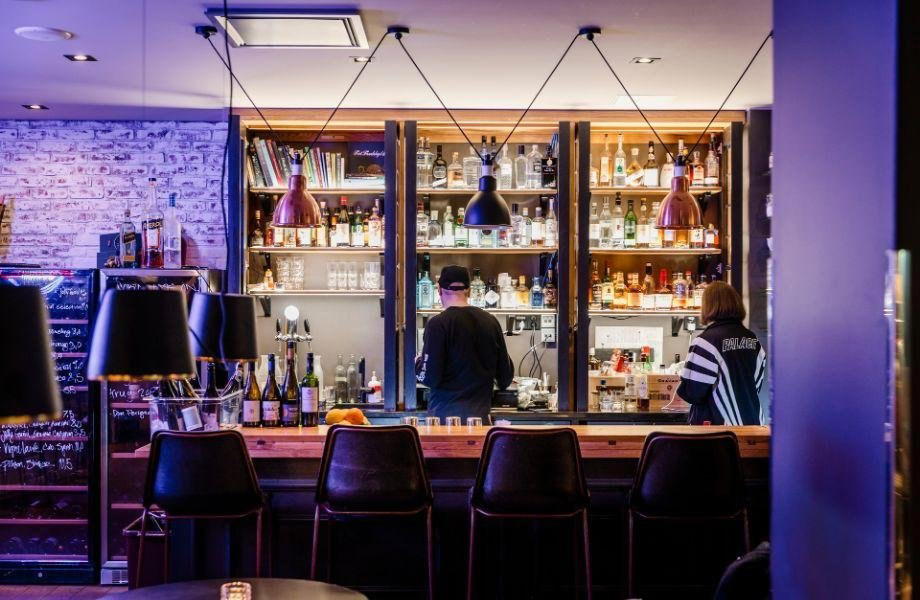
Within this frame, hotel bars in the Punavuori and adjacent Eira districts have tended to perform leading when they anchor a sense of place rather than defaulting to international hotel-bar genericness. The neighbourhood draws locals as well as visitors, which means a hotel's ground-floor spaces can function as genuine neighbourhood venues rather than sealed guest amenities.
For broader Helsinki dining context across the city's current scene, our full Helsinki restaurants guide covers the range from Punavuori through to the harbour and beyond.
Punavuori as a Base for Helsinki
The choice of neighbourhood matters in a city as walkable as Helsinki. Punavuori sits south of the city centre, close enough to the main transit infrastructure to be operationally practical, but with enough street-level identity to reward guests who want to use a hotel as a genuine base rather than a transit point. The Design District designation is not purely marketing: the concentration of Finnish design studios, concept stores, and architecture-focused galleries in the surrounding blocks is documentable on the ground. For guests whose interests extend to Nordic design, craft, or food culture, the immediate surroundings do the work that many hotel properties in more central but less characterful locations cannot.
Helsinki's hotel market is geographically concentrated enough that most major properties are reachable from one another on foot or by short tram journey. Hotel Haven sits closer to the harbour; Hotel Kämp occupies the Esplanadi axis. Lilla Roberts' Punavuori address represents a different spatial relationship with the city, one that prioritises residential character and design-district adjacency over the postcard views of the waterfront tier.
Finland's Wider Hotel Context
Helsinki is the natural entry point for Finland's hotel market, but the country's lodging character extends well beyond the capital. The contrast between city-based properties like Lilla Roberts and the landscape-driven experiences available further north is considerable. Lapland Hotels Snow Village in Kittilä and Arctic TreeHouse Hotel in Rovaniemi represent the northern Finland experiential tier, where season, light, and terrain dictate the programme in ways that Helsinki urban hotels cannot replicate. For itineraries that combine both registers, Helsinki properties like Lilla Roberts function as the urban bookend to a journey that moves northward. Other Finnish city alternatives such as Solo Sokos Hotel Torni Tampere in Tampere, Radisson Blu Marina Palace in Turku, and RUNO Hotel Porvoo in Porvoo each serve distinct regional characters for guests extending beyond the capital.
Planning a Stay
Hotel Lilla Roberts is located at Pieni Roobertinkatu 1-3, 00130 Helsinki. At 130 rooms, availability during Helsinki's peak periods, which run from late spring through August and again around major design and trade events in autumn, tightens faster than the room count alone might suggest. The property's position in the Design District makes it a natural choice during Helsinki Design Week, typically held in September, when the surrounding neighbourhood operates at its highest intensity. Booking a month or more ahead for peak-season travel is a practical minimum; for event-adjacent dates, earlier is advisable. Direct booking via the hotel's own channels typically yields the clearest rate information and any available room-type upgrades. Guests arriving by air will find Helsinki-Vantaa Airport connected to the city centre via rail, with the Punavuori area reachable onward by tram or taxi from the central station.
Pricing, Compared
Comparable venues nearby, for context on price, style, and recognition.
| Venue | Price | Awards | Notes |
|---|---|---|---|
| Hotel Lilla RobertsThis venue — the venue you are viewing | $100–200 | Michelin Selected · Preferred Hotels Member | Not listed |
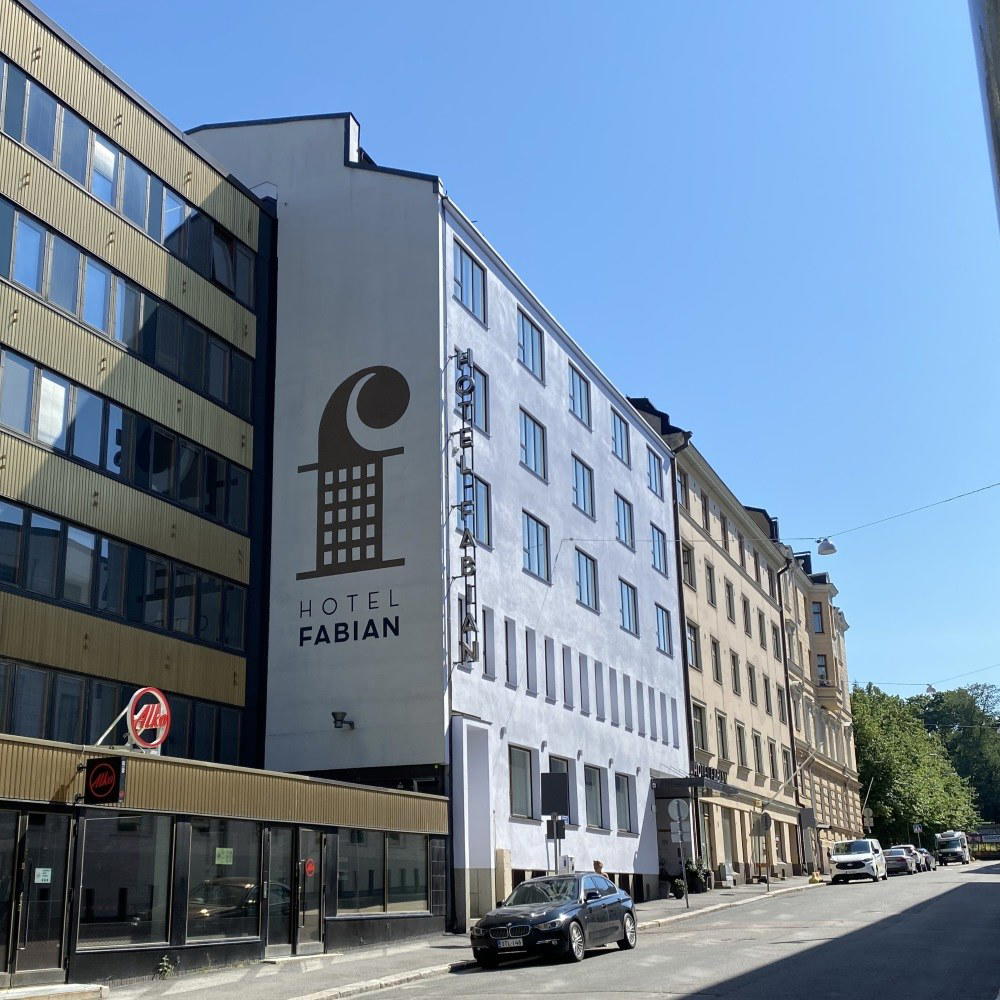
| Hotel Fabian | Not listed | Michelin Selected | Kaartinkaupunki, Charming boutique hotel in renovated historic building offering homey comforts in central Helsinki. |
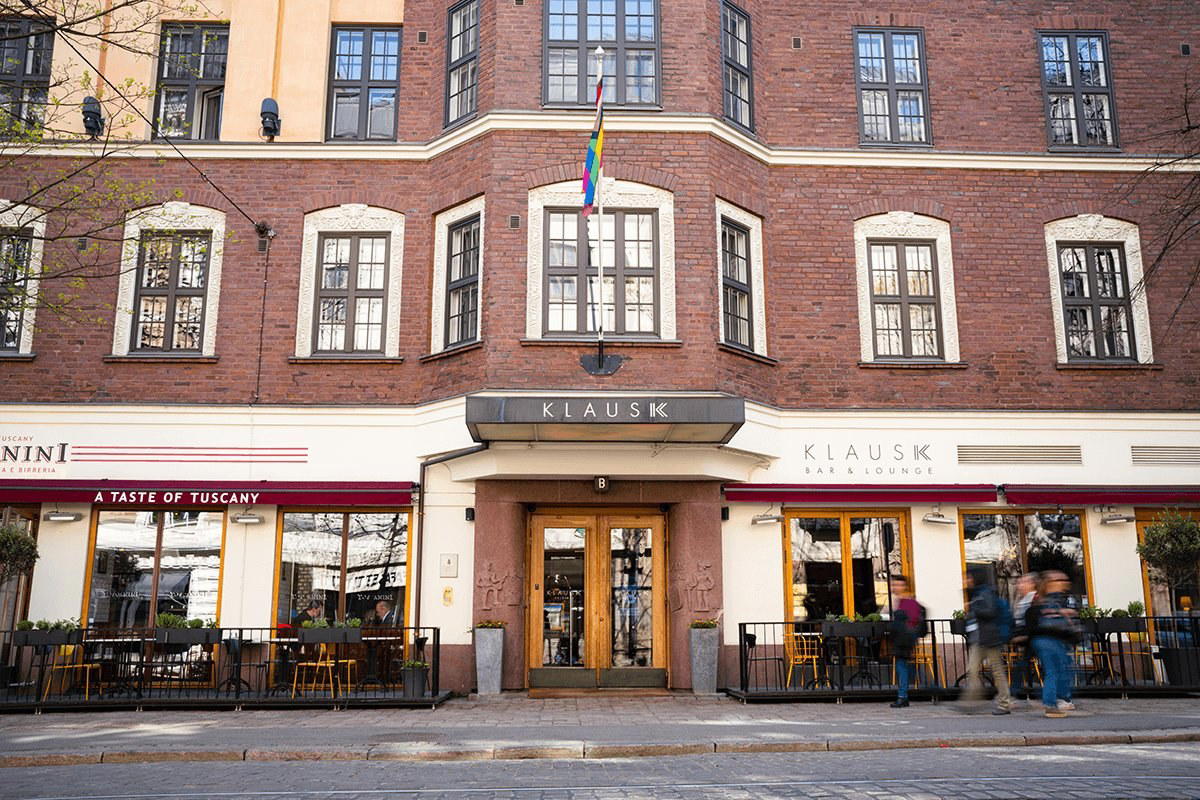
| Klaus K Hotel | Not listed | Michelin Selected · Preferred Hotels Member | Kamppi, Boutique lifestyle hotel emphasizing humanity, openness, and bravery. |
| Hotel Indigo Helsinki - Boulevard | Not listed | Michelin Selected | Kamppi, Boutique hotel reflecting the Design District's creative character with distinctive murals and modern Scandinavian interiors. |
| Hotel Haven | Not listed | Michelin Selected · World Travel Awards | Kaartinkaupunki, Elegant boutique in historic setting by the sea |
| Scandic Paasi | Not listed | Michelin Selected | Siltasaari, Storytelling design hotel in historic landmark building |
Recognition history
Dated appearances from independent guides and award organizations, with the underlying list record or original source where available.
Michelin Selected
Michelin
Preferred Hotels Member
Preferred Hotels
Details
- Elegant
- Romantic
- Sophisticated
- Modern
- Romantic Getaway
- Business Trip
- Weekend Escape
- Anniversary
- Historic Building
- Design Destination
- Terrace
- Garden
- Wi Fi
- Fitness Center
- Restaurant
- Bar
- Room Service
- Concierge
- Business Center
- Sauna
- Laundry Service
- Street Scene
- Wheelchair Accessible
- Elevator
- Accessible Restroom
- Step Free Entrance
- Accessible Parking
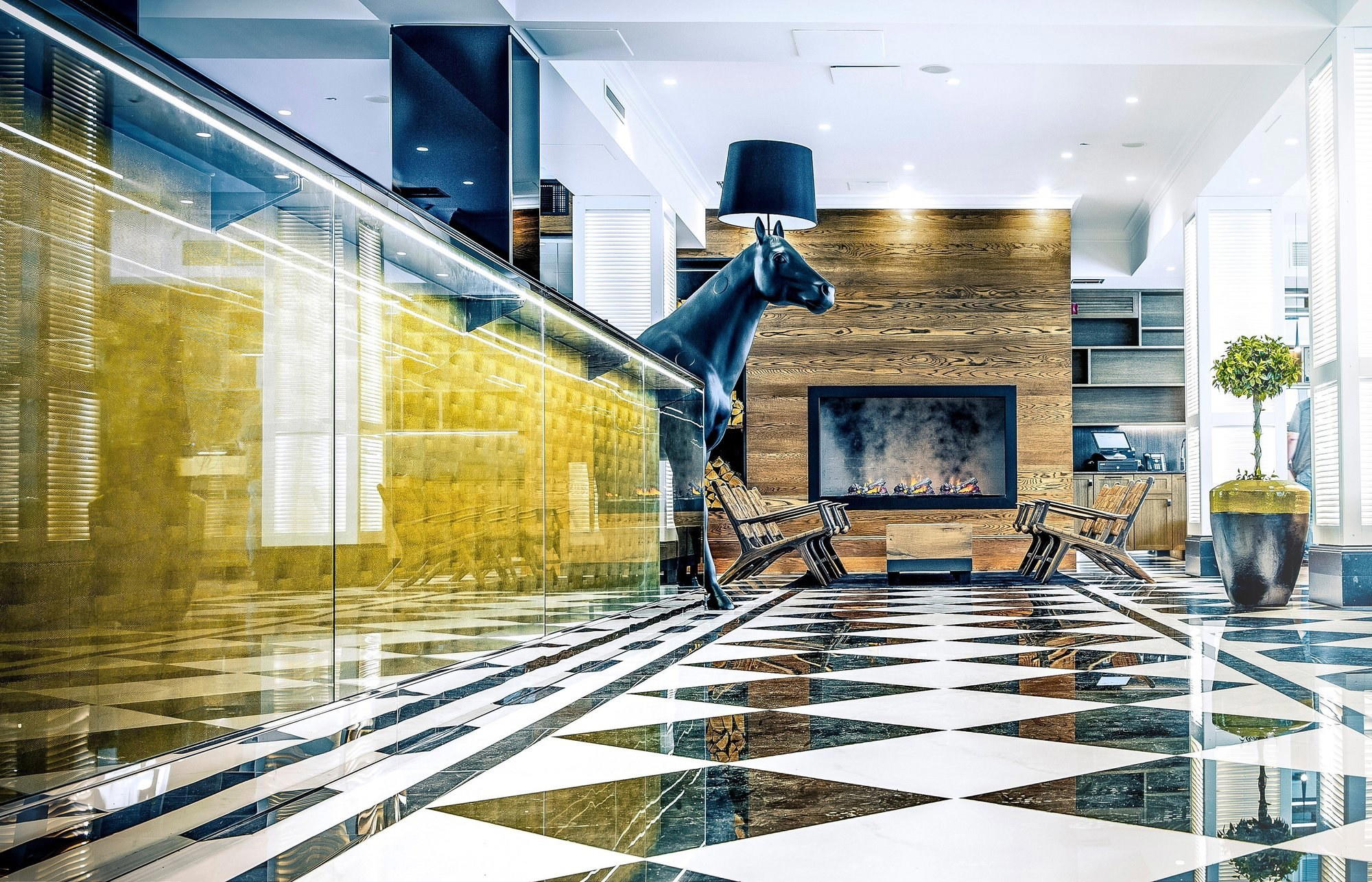
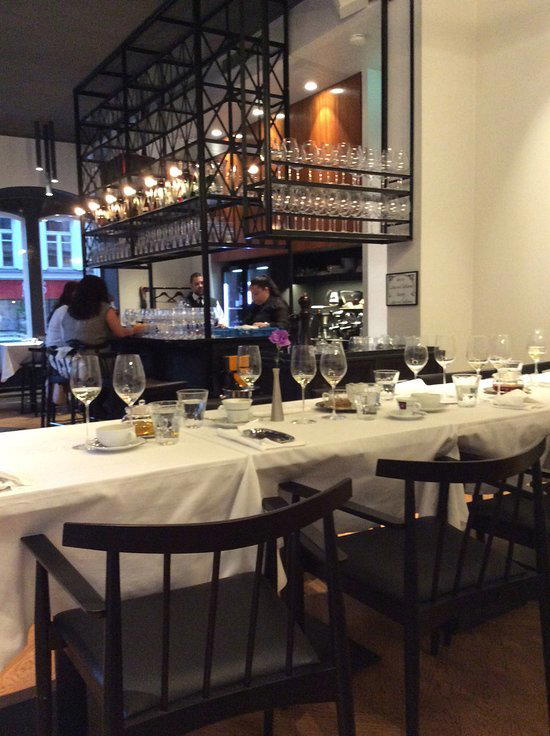
Warm and inviting with high ceilings, fireplace in lobby, tastefully decorated in 1930s Art Deco style blended with contemporary elegance; guests praise the cozy yet sophisticated atmosphere.