On Korkeavuorenkatu in Helsinki's Punavuori district, Maxill occupies a position within the city's growing cohort of sustainability-conscious restaurants, venues that treat ethical sourcing and waste reduction as structural commitments rather than menu footnotes. How it compares to Helsinki's Michelin-decorated fine dining tier, and what it signals about the direction of Nordic restaurant culture, is the more interesting question.
Pearl is the En Primeur Club membership app — saves, bookings, and concierge access live there. Same editors, same standards.
- Address
- Korkeavuorenkatu 4, 00150 Helsinki, Finland
- Phone
- +3589638873
- Website
- maxill.fi
- Directions
- Get directions
 Saves & bookings on Pearl
The Street, the Quarter, the Expectation
Korkeavuorenkatu runs through Punavuori, one of Helsinki's denser residential neighbourhoods, where the gap between design studios, independent cafés, and serious restaurants has narrowed considerably over the past decade. The street itself carries a certain low-key authority: no tourist infrastructure, no hotel lobbies anchoring the block. Restaurants that open here do so because they want a particular kind of guest, one who arrives by intention, not by accident. Maxill, at number 4, sits within that logic.
Helsinki's fine dining scene has matured in a direction that few Scandinavian capitals have matched so directly: a strong pull toward sourcing transparency, seasonal constraint, and the kind of kitchen discipline that treats waste as a culinary problem, not just an ethical one. Grön and Olo sit at the sharper end of this movement at the €€€€ tier, while Nolla has built its entire identity around zero-waste operating principles at a more accessible price point. Maxill enters this conversation at Korkeavuorenkatu 4, and the address alone places it in a neighbourhood where guests arrive with considered expectations.
Sustainability as Kitchen Structure, Not Brand Language
One meaningful shift in Nordic restaurant culture over the past several years has not been the addition of foraged garnishes or the rotation of a seasonal menu. It has been the restructuring of kitchen operations around waste reduction, supplier relationships, and what happens to a product across its full lifecycle inside a professional kitchen. The restaurants in Helsinki that have earned sustained attention, from the Michelin Guide's Finnish selections to the broader Nordic food press, have done so partly by making these commitments structural rather than decorative.
Palace, with its position on the waterfront and its Michelin recognition, operates within a framework of Finnish ingredient provenance that treats local sourcing as a fine dining credential. Finnjävel Salonki applies a similar logic through a contemporary lens on Finnish culinary heritage. What these venues share, and what the sustainability-oriented tier of Helsinki dining shares more broadly, is a resistance to importing prestige through ingredients that could be sourced domestically or regionally. The archipelago, the forests, the lakes: these are treated as supply chains, not atmospherics.
Maxill's placement on Korkeavuorenkatu positions it within walking distance of this broader Punavuori and Design District conversation, where the overlap between thoughtful retail, ethical production, and considered hospitality has been building for years. The neighbourhood itself functions as a kind of editorial context for what a restaurant here is expected to be.
How Helsinki's Mid-Tier Has Shifted
Understanding where Maxill sits requires some clarity about how Helsinki's restaurant tiers have reorganised. The city's leading end, Olo, Grön, Palace, The ROOM by Kozeen Shiwan, operates with tasting menus, advance booking requirements, and price points that cluster around the €€€€ bracket. Below that, a growing number of restaurants have found traction by applying fine dining sourcing standards to more casual formats: fewer courses, lower price floors, but the same commitments to producer relationships and seasonal discipline.
This is the structural shift that matters most for a venue at Maxill's address. The question for any restaurant in Punavuori is whether it is competing with the tasting menu tier or whether it has staked out a position in the more accessible but still serious middle ground. Helsinki's dining culture rewards both approaches, but they require different operational commitments and attract different guest profiles.
For comparison across Finland's wider dining geography, the pattern holds in other cities too. Kaskis in Turku and VÅR in Porvoo have both built reputations around ingredient-led, producer-focused cooking at a regional scale. Bistro Henriks in Tampere operates in a similar register. The through-line across these venues is a kitchen culture that treats the sourcing question as primary, answered before the menu is written, not after.
The Nordic Context, Placed Globally
The sustainability argument in Nordic restaurant cooking has occasionally been flattened into a marketing position, all moss and birch, all provenance labels and foraged footnotes. The restaurants that have held serious critical attention have done so by going further: integrating waste reduction into prep workflows, building genuine exclusivity agreements with small producers, and treating the menu as a document of seasonal and ecological constraint rather than seasonal decoration.
At the international level, kitchens like Le Bernardin in New York and Atomix demonstrate that sourcing philosophy and technical rigour are not in tension, they are, in particularly serious kitchens, the same discipline applied at different scales. Helsinki's top tier has largely absorbed this lesson. The more interesting question now is whether it filters into restaurants operating below the Michelin bracket, where the commercial pressures are different and the sourcing commitments require more deliberate structural support.
Maxill's address on Korkeavuorenkatu places it in that test zone: a neighbourhood where the expectation exists, where the guest profile supports it, and where the comparison set includes venues that have made the commitment work at scale.
Planning a Visit
Korkeavuorenkatu 4 is in central Helsinki, walkable from the Design District and accessible from the city centre within fifteen minutes on foot or a short tram ride. Helsinki's better-regarded restaurants in this neighbourhood book out several weeks ahead, particularly on Thursday through Saturday evenings, so advance planning is advisable regardless of price tier.
Travellers moving through Finland more broadly will find that the sourcing-led kitchen culture Maxill inhabits in Helsinki extends to restaurants in other cities: Figaro in Jyväskylä, Filipof in Joensuu, Hejm in Vaasa, Vintti in Hämeenlinna, Gösta in Mänttä, and JJ's BBQ in Salo each represent different expressions of a national dining culture that takes ingredient provenance seriously, whether the format is formal or relaxed. Hai Long in Rovaniemi applies a similar discipline in a different geographic and culinary context, demonstrating that the commitment to ethical sourcing in Finnish restaurant culture is not confined to the capital.
Compact Comparison
Comparable venues nearby, for context on price, style, and recognition.
| Venue | Cuisine | Price |
|---|---|---|
| MaxillThis venue — the venue you are viewing | Not listed | $$ |
| The Plaza Wine & Craft Beer | Kamppi, European Wine & Craft Beer Bar | $$ |
| Ravinteli Olkkari | Linjat, Modern European Fusion | $$$ |
| Johan & Nyström - Kanavaranta | Kruununhaka, Specialty Coffee & Cafe | $$ |
| Bistro Le Coin | Siltasaari, French Bistro | $$ |
| Runar | Kaartinkaupunki, Craft Cocktail Bar | $$ |
At a Glance
- Cozy
- Relaxed
- Intimate
- Business Dinner
- Casual Hangout
- Standalone
- Extensive Wine List
Current opening hours
- Monday
- 11:30 AM–11 PM
- Tuesday
- 11:30 AM–11 PM
- Wednesday
- 11:30 AM–11 PM
- Thursday
- 11:30 AM–11 PM
- Friday
- 11:30 AM–12 AM
- Saturday
- 1 PM–12 AM
- Sunday
- Closed
Hours can change for holidays and private events. Last verified .
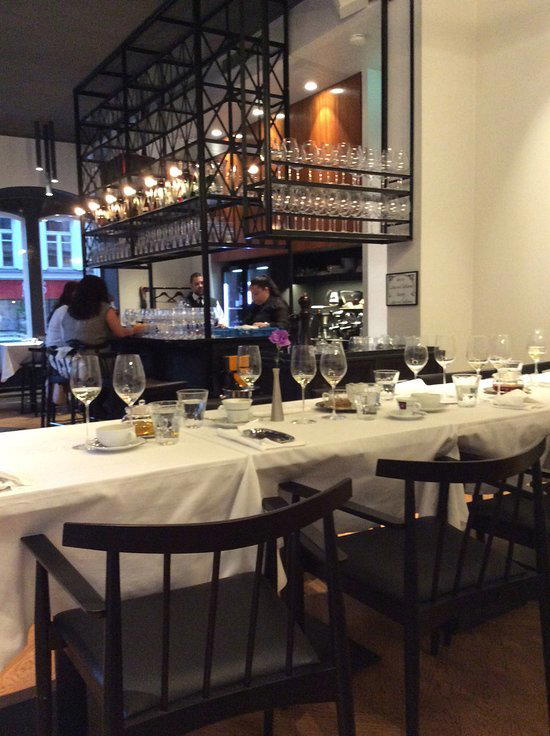
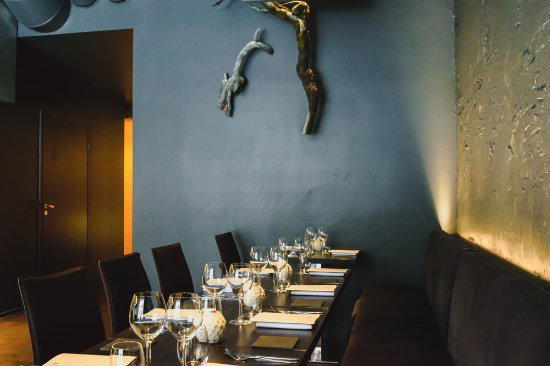
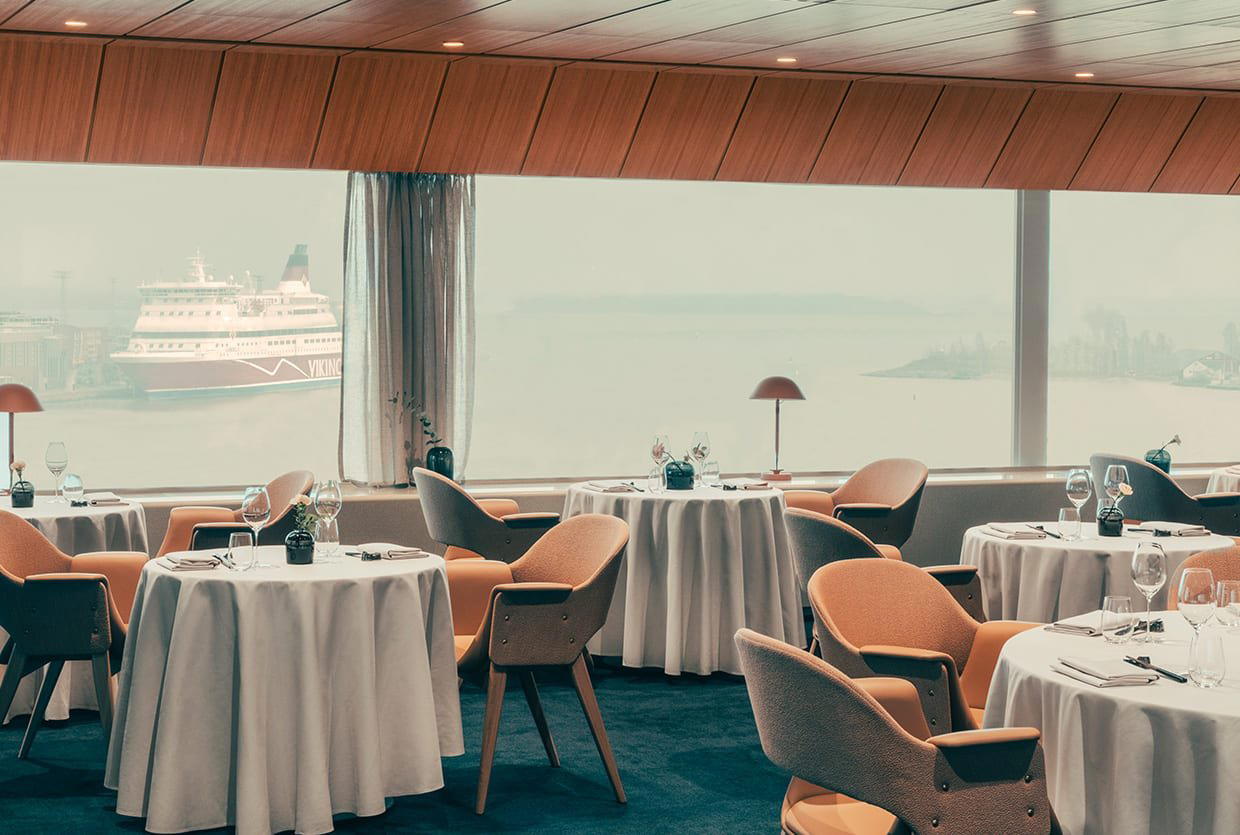
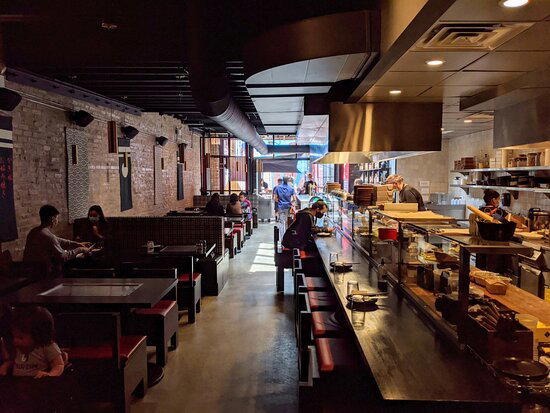
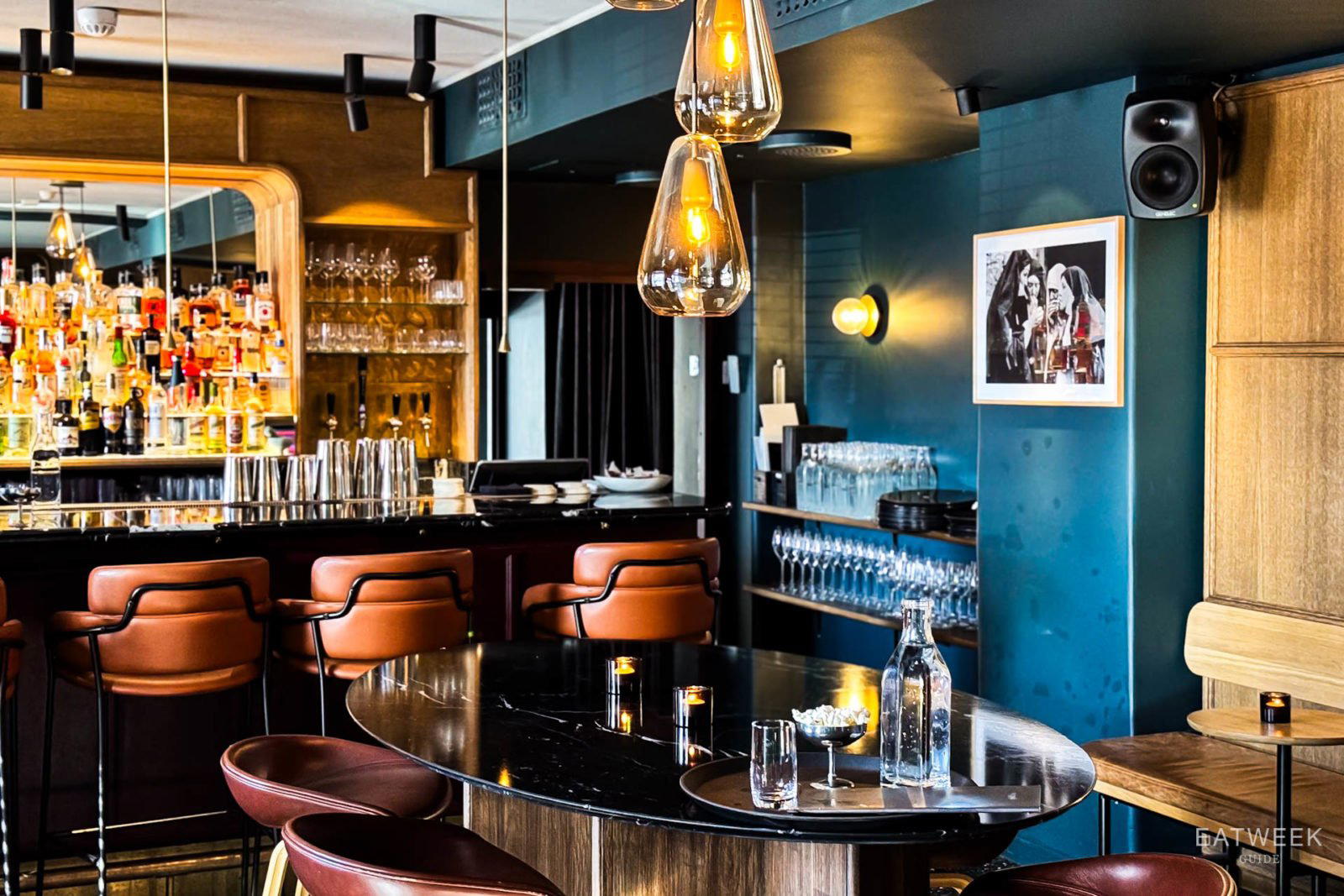
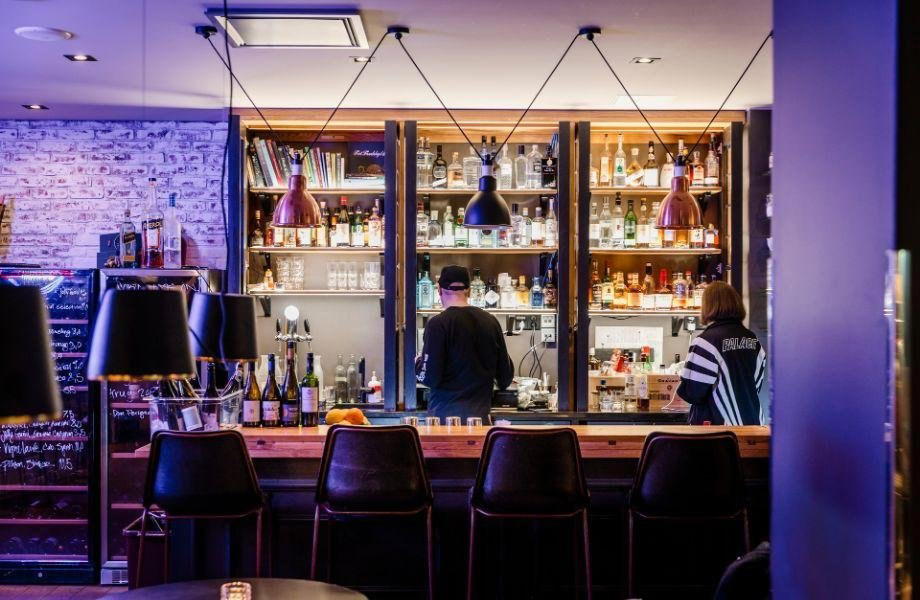
Relaxed and homely with white tablecloths meeting easy-going charm, creating a welcoming environment for casual and professional meetings.