Ravintola Maukku occupies a corner of Hämeentie 26 in Helsinki's Kallio district, one of the city's most food-curious neighbourhoods. The restaurant sits within a dining scene that prizes ingredient provenance and seasonal discipline, placing it alongside a broader Finnish movement that treats sourcing as the primary act of cooking. For visitors exploring Helsinki beyond the waterfront fine-dining belt, Maukku offers a more grounded point of entry.
Pearl is the En Primeur Club membership app — saves, bookings, and concierge access live there. Same editors, same standards.
- Address
- Hämeentie 26, 00530 Helsinki, Finland
- Phone
- +358505051794
- Website
- maukku.fi
- Directions
- Get directions
 Saves & bookings on Pearl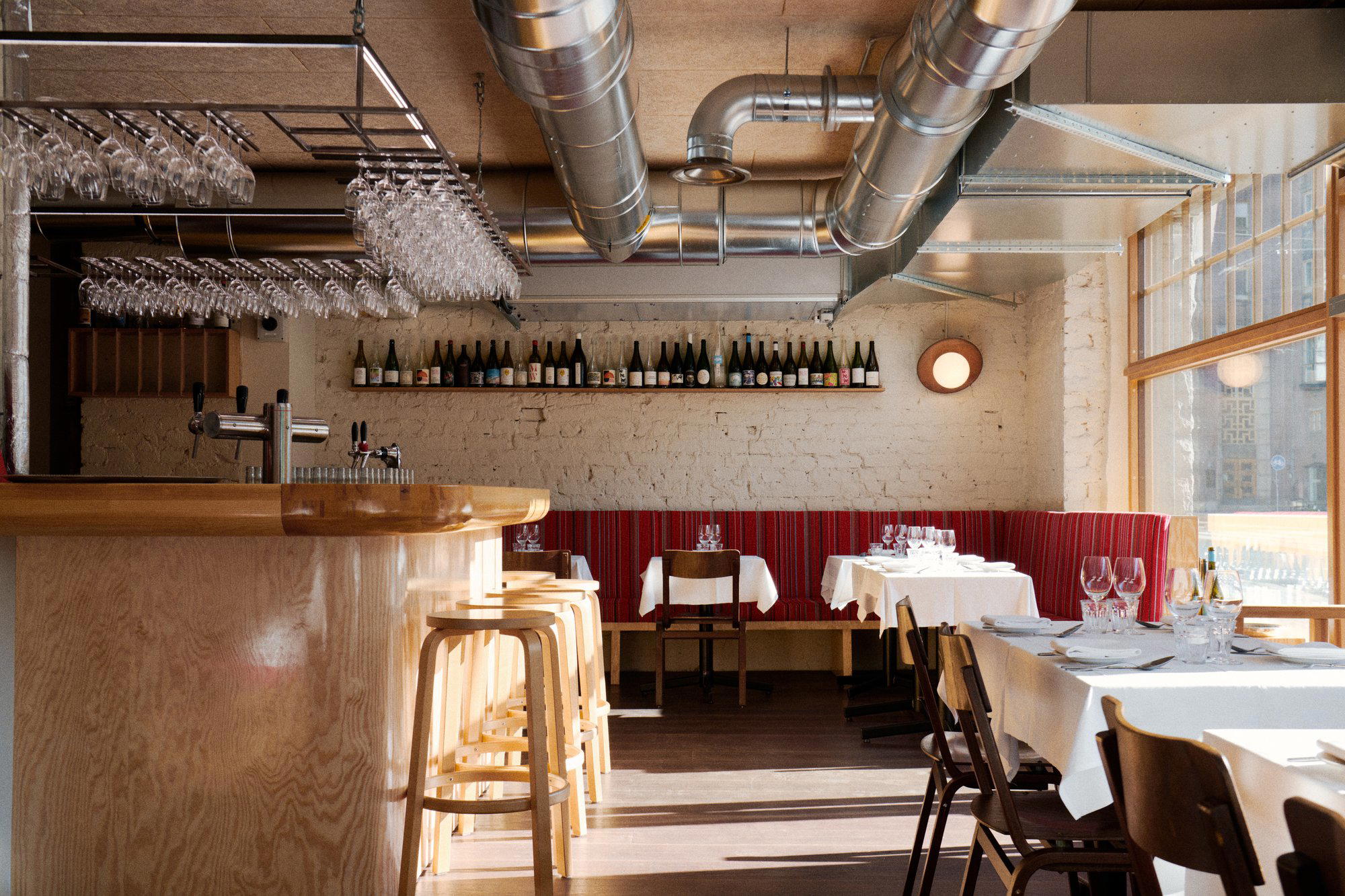
Kallio's Appetite: Where Helsinki Eats Without Ceremony
Hämeentie is not a street that announces itself. Running north through Kallio, one of Helsinki's densest and most restaurant-active neighbourhoods, it moves between tram stops and apartment blocks with the matter-of-fact energy of a district that has been feeding people long before Nordic cuisine became an international talking point. Ravintola Maukku sits at number 26 on this stretch, and its address alone says something about the kind of dining it represents: not the waterfront fine-dining corridor where Palace and Olo operate, but the neighbourhood tier that keeps a city's food culture honest.
Helsinki's restaurant scene has developed a clear two-speed structure over the past decade. On one side, tasting-menu houses with Michelin recognition, long booking windows, and price points that position them against European peers. On the other, neighbourhood restaurants in Kallio, Vallila, and Sörnäinen that absorb the same sourcing ethic and seasonal discipline but apply it without the formality. Maukku belongs to this second current, and understanding that split matters when deciding where to eat on any given night in the city.
The Sourcing Argument at the Centre of Finnish Cooking
Finnish cuisine's most consequential shift over the past fifteen years has not been stylistic, it has been logistical. The decision, made collectively by a generation of cooks across the country, to treat the supply chain as a creative constraint rather than a background variable changed what ended up on the plate. Reindeer from Lapland, perch and pike from inland lakes, chanterelles from boreal forests, rye in nearly every form: these are not decorative gestures toward local identity. They are the load-bearing elements of a cooking tradition that Grön and Finnjävel Salonki have each made central to their respective programs at the fine-dining tier.
At the neighbourhood level, the same logic applies with less ceremony and, often, more directness. Ingredient sourcing in this tier is not a marketing column on the menu, it is the reason certain dishes appear in October and not in March, and why the kitchen's vocabulary shifts with the Finnish agricultural and foraging calendar rather than against it. This seasonal fidelity is what connects restaurants across different price points in Helsinki, from the tasting counters in the city centre to the everyday dining rooms of Kallio.
For visitors who have eaten at precision-sourced restaurants in other Northern European cities, say, a produce-led room in Copenhagen or a hyper-local counter in Stockholm, Helsinki's neighbourhood tier will feel recognisable in its values while distinct in its material. Finnish forests and waterways produce ingredients that do not appear on menus elsewhere in Scandinavia, and that specificity becomes apparent quickly once you are eating inside it rather than reading about it.
Kallio in the Context of Helsinki's Food Geography
Kallio's dining identity has been shaped partly by real estate and partly by demographic gravity. Lower rents relative to Punavuori or Ullanlinna allowed independent operators to take on space without the financial pressure that pushes restaurants toward safer, higher-margin formats. The result is a neighbourhood with a higher concentration of owner-operated rooms, shorter menus, and cooking that changes in response to what is available rather than what is on the printed card. This structural condition, cheap enough to experiment, dense enough to sustain foot traffic, has made Kallio consistent incubator of mid-market quality dining in the city.
Hämeentie functions as Kallio's main artery, and restaurants on or adjacent to it benefit from the tram lines that run along the street, making the area accessible from the city centre in under ten minutes. For travellers staying near the railway station or in the design district, Kallio is an easy evening commitment, not a detour. The neighbourhood rewards walking: the density of options means that even without a fixed reservation, an hour on Hämeentie will surface something worth eating. Maukku at number 26 is one point on that circuit.
Where Maukku Sits in the Broader Finnish Restaurant Picture
Helsinki is not the only Finnish city with restaurants worth planning around. Kaskis in Turku has built a reputation for seasonal Finnish cooking at a high level, while VÅR in Porvoo operates from a smaller city with a focused local-produce agenda. Bistro Henriks in Tampere and Figaro in Jyväskylä represent the regional tier that shows how far ingredient-led cooking has spread beyond the capital. Further afield, Hai Long in Rovaniemi and Filipof in Joensuu demonstrate that the appetite for serious cooking is not concentrated in Helsinki alone. Even smaller towns contribute: Gösta in Mänttä, JJ's BBQ in Salo, Vintti in Hameenlinna, and Hejm in Vaasa each occupy a specific local position that reflects the decentralisation of food ambition across Finland.
Within Helsinki specifically, the price-tier spread is worth understanding before booking. The leading end, Palace, Grön, The ROOM by Kozeen Shiwan, operates at €€€€ with advance booking requirements that can stretch weeks. The mid-tier, where Kallio restaurants including Maukku sit, offers the same sourcing seriousness at a lower cost of entry and, often, greater spontaneity. For a full picture of where to eat across the city, our full Helsinki restaurants guide maps the options by neighbourhood and format.
For international reference points, the relationship between a city's fine-dining tier and its neighbourhood undercurrent is not distinctive to Helsinki. In New York, the distance between a tasting-counter room like Atomix and the city's daily restaurant fabric mirrors the gap between Helsinki's Michelin-recognised houses and its Kallio dining rooms, different budgets, different formats, but a shared commitment to what ends up on the plate. Even a seafood institution as established as Le Bernardin in New York reminds us that sourcing discipline at the leading creates permission and expectation throughout the tiers below it.
Planning a Visit
Ravintola Maukku is located at Hämeentie 26, 00530 Helsinki, in the Kallio district. Tram lines running along Hämeentie stop within steps of the address, and the journey from central Helsinki takes roughly ten minutes. Hours are Mon: Closed; Tue: Closed; Wed: 5 PM to 12 AM; Thu: 5 PM to 12 AM; Fri: 5 PM to 12 AM; Sat: 4 PM to 12 AM; Sun: Closed. Reservations are recommended.
Awards and Standing
Comparable venues nearby, for context on price, style, and recognition.
| Venue | Cuisine | Price | Notes |
|---|---|---|---|
| Ravintola MaukkuThis venue — the venue you are viewing | Modern French | $$ | Not listed |
| Brasserie Grand | Modern French Brasserie | $$ | Kluuvi |
| Paulette | French Brasserie with Nordic Influences | $$ | Ullanlinna |
| BisouBisou | Modern French Brasserie | $$$ | Kalasatama |
| Cafe Savoy | Southern French Bistro | $$$ | Kaartinkaupunki |
| Maxill | International Bistro with French, Italian, and Scandinavian influences | $$ | Ullanlinna |
At a Glance
- Cozy
- Date Night
- Casual Hangout
- Open Kitchen
- Wine Cellar
- Natural Wine
- Local Sourcing
- Organic
Current opening hours
- Monday
- Closed
- Tuesday
- Closed
- Wednesday
- 5 PM–12 AM
- Thursday
- 5 PM–12 AM
- Friday
- 5 PM–12 AM
- Saturday
- 4 PM–12 AM
- Sunday
- Closed
Hours can change for holidays and private events. Last verified .
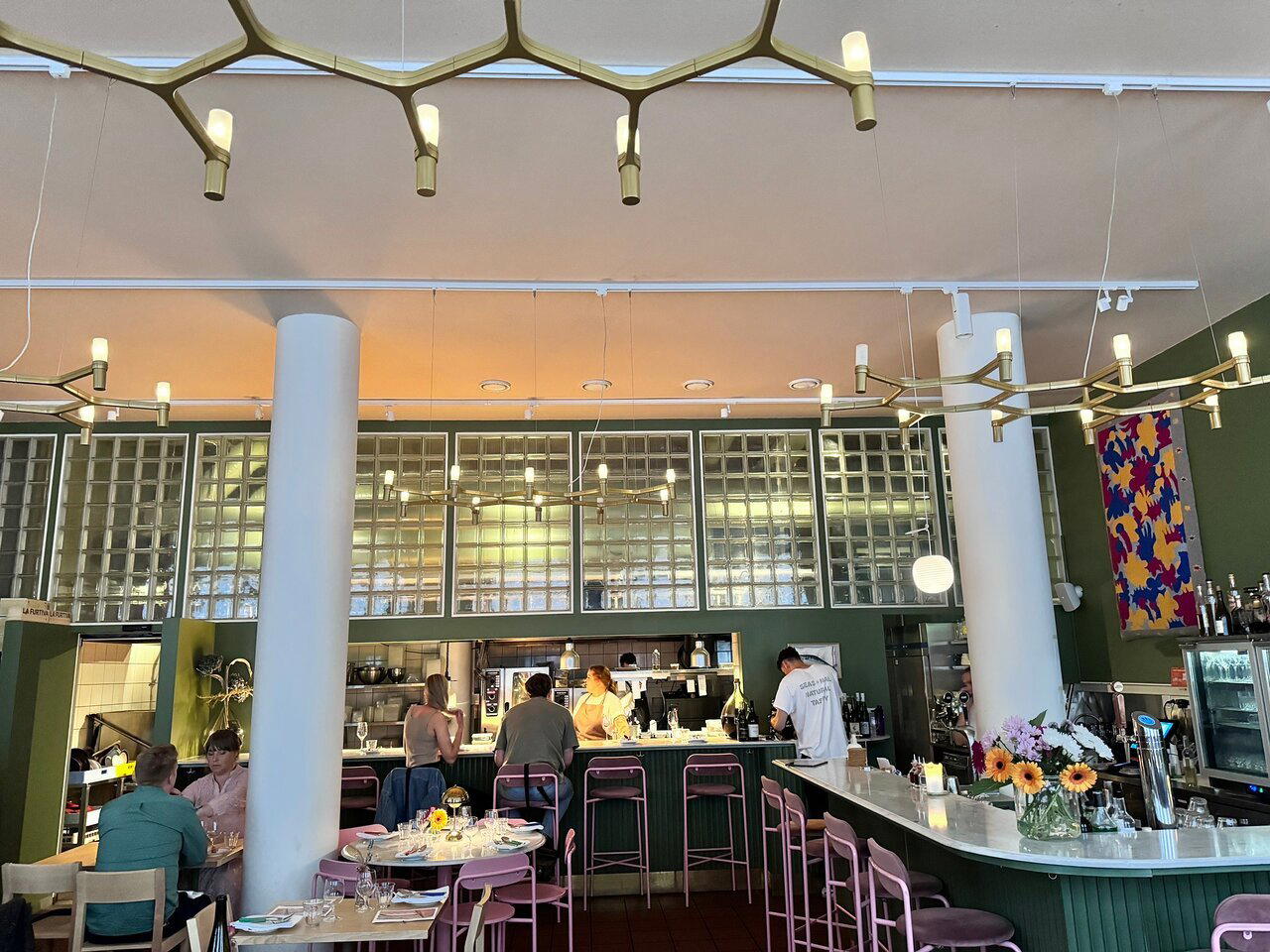
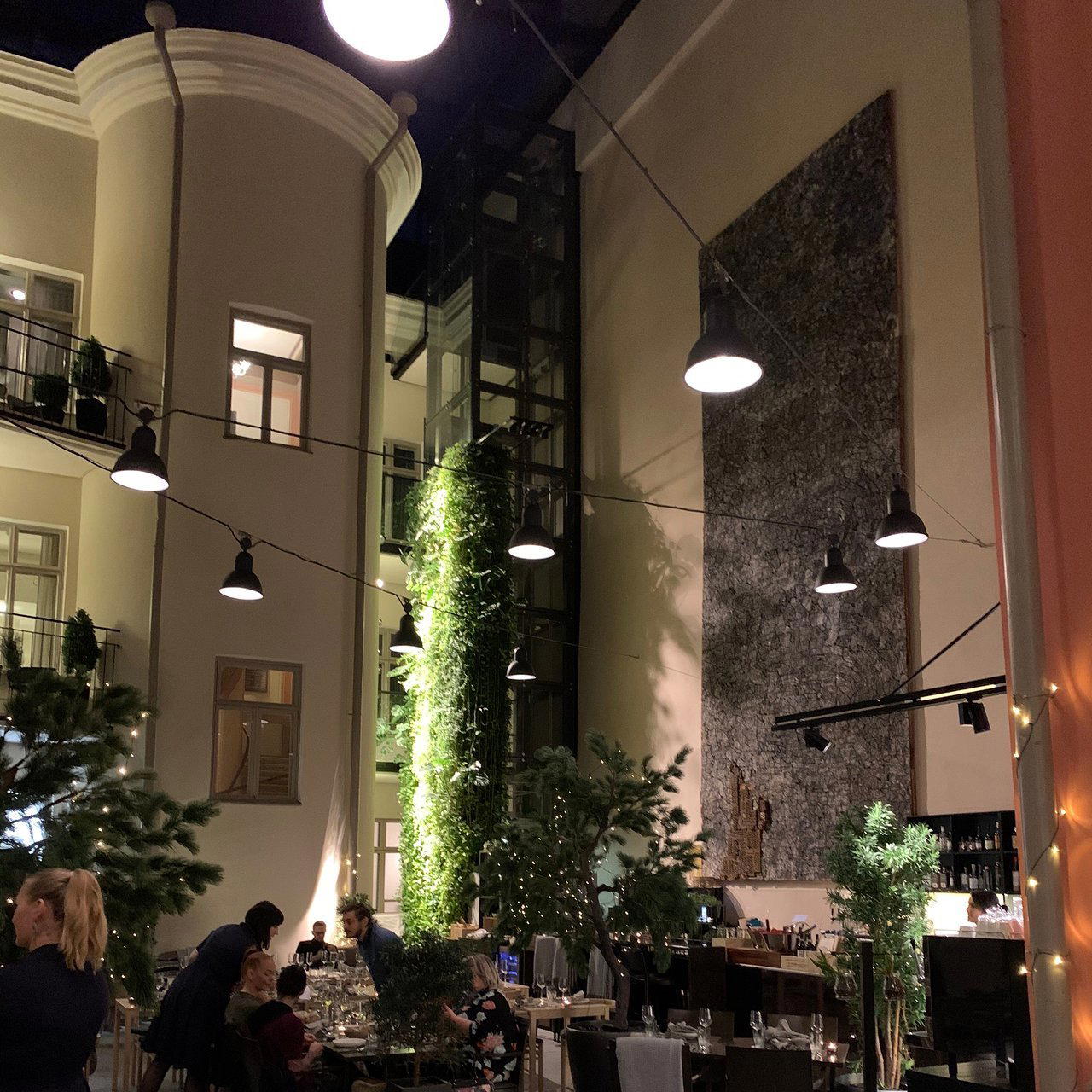
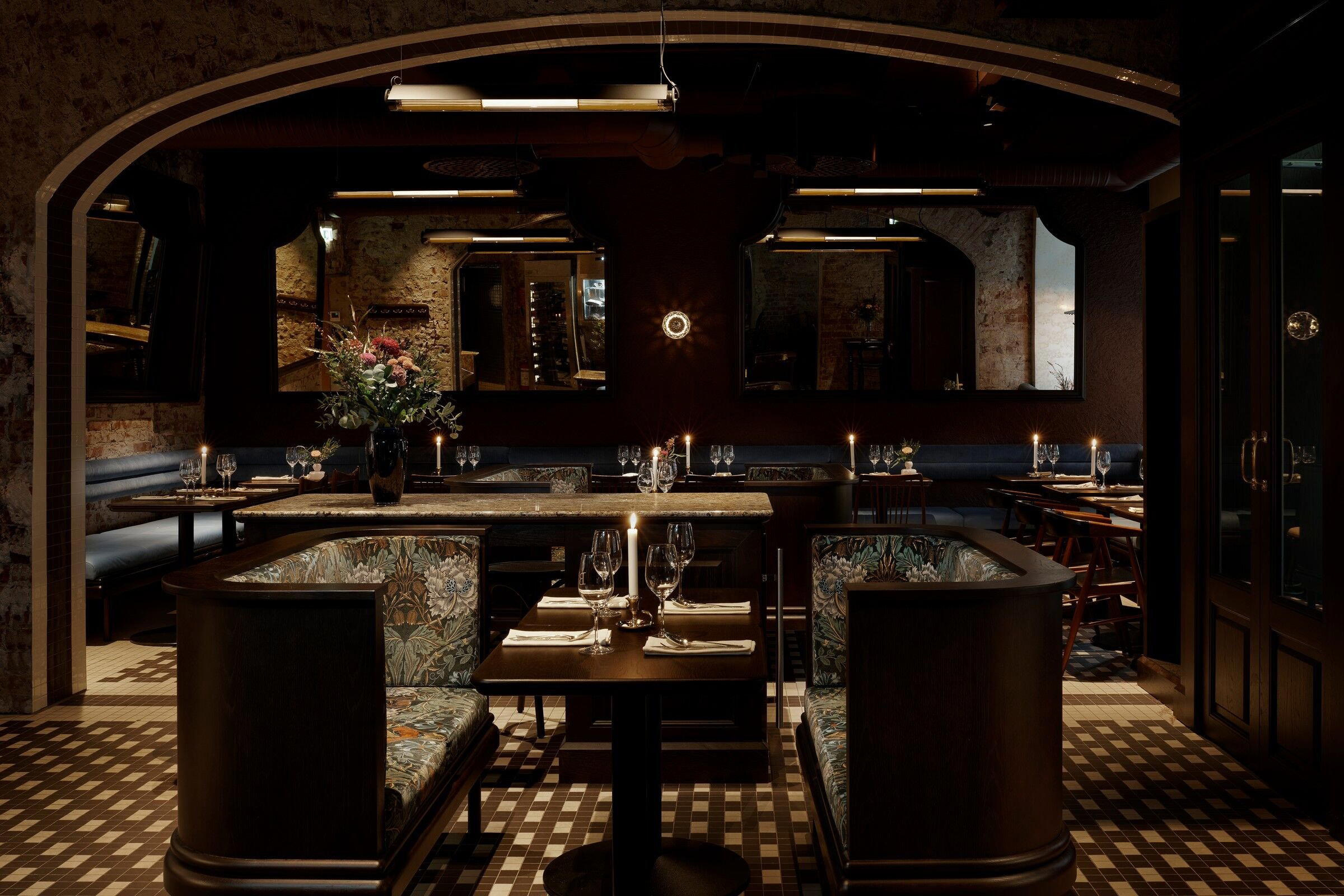
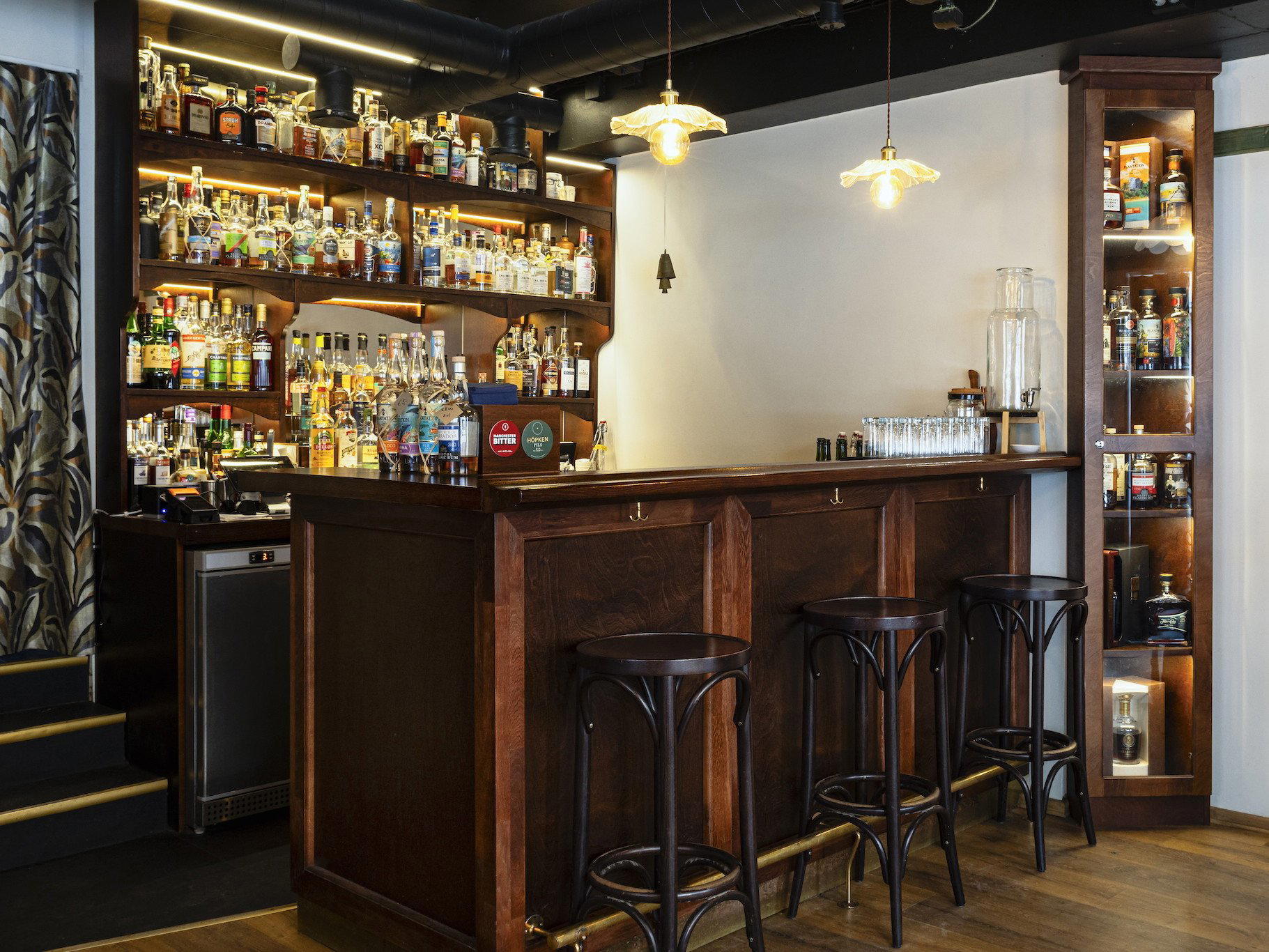
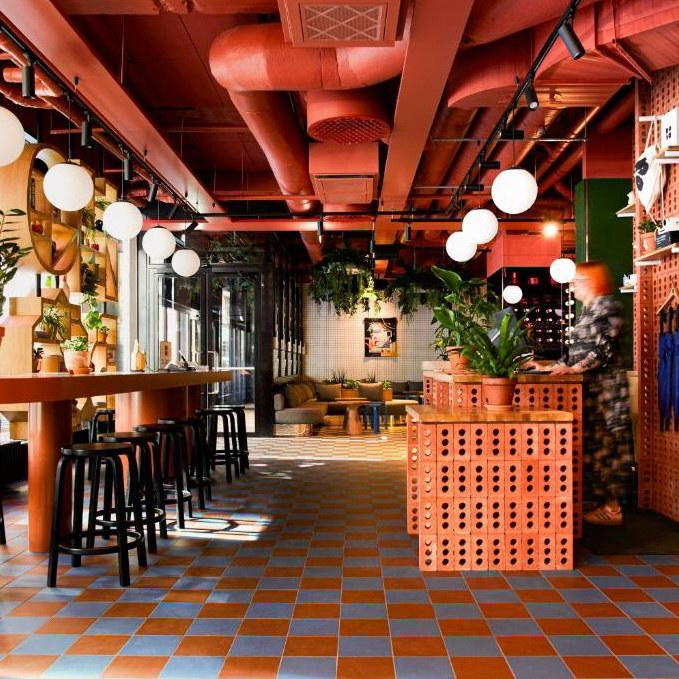
Laid-back and welcoming atmosphere with an open kitchen view.