
Kamakura’s French dining scene is small, personal, and shaped by the city’s residential scale rather than metropolitan theatre. Poa Jie fits that register: a 12-seat French and bistro address in Komachi, selected for Tabelog French EAST “Tabelog 100” 2025, with fish-led cooking and wine as its stated axis.
Pearl is the En Primeur Club membership app — saves, bookings, and concierge access live there. Same editors, same standards.
- Address
- 神奈川県鎌倉市小町1-11-9
- Phone
- +81467252258
- Website
- poiger.cocolog-nifty.com
 Saves & bookings on Pearl
Komachi changes quickly once the station traffic thins: souvenir lanes, side streets, small houses, and restaurants that feel scaled to regulars rather than crowds. In that setting, Kamakura’s French cooking tends to read differently from Tokyo’s grand-menu dining. The appeal is not ceremony for its own sake. It is intimacy, a short room, a tighter rhythm, and cooking that can absorb the coastal character of the city without turning into seaside cliché.
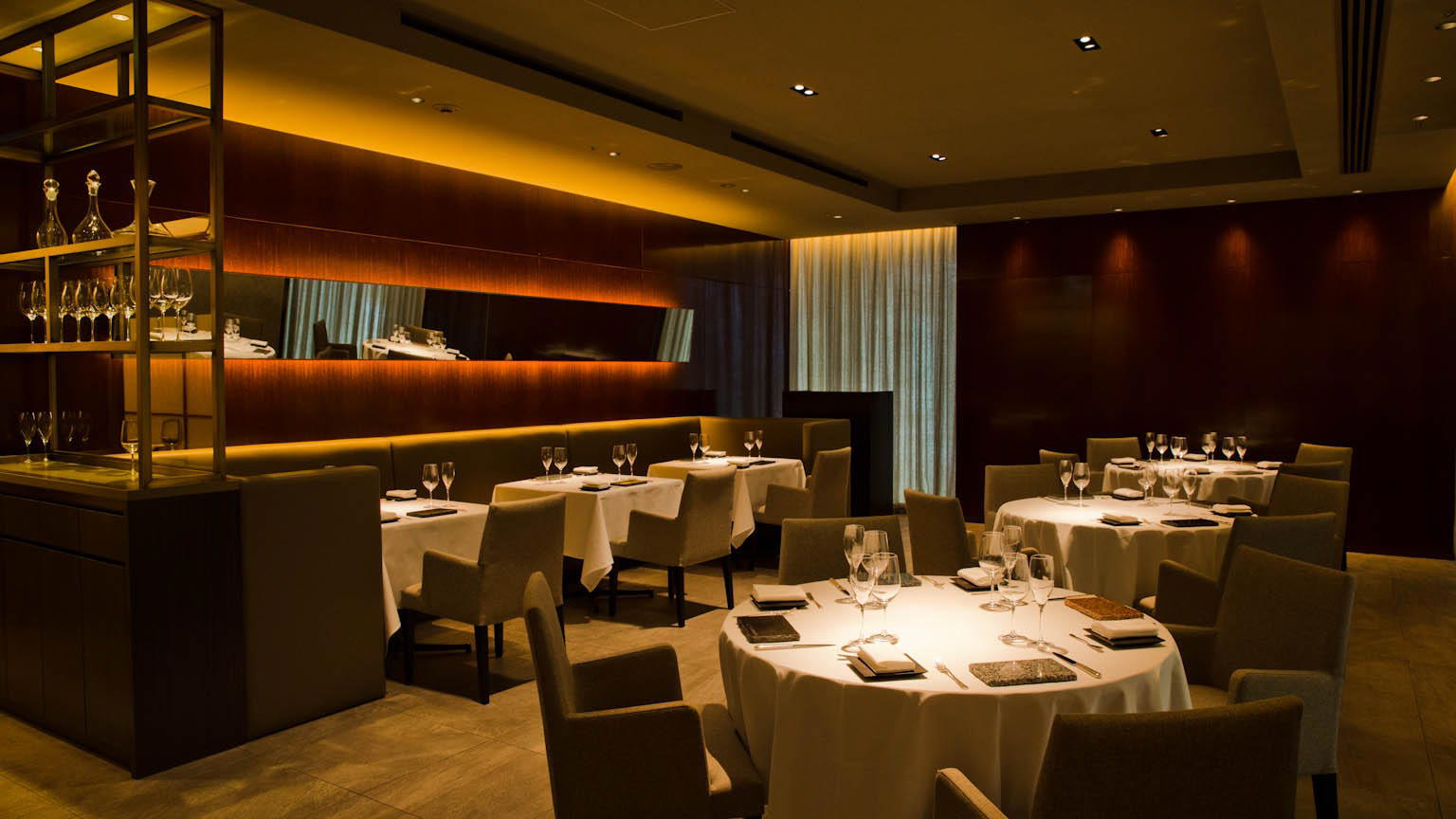
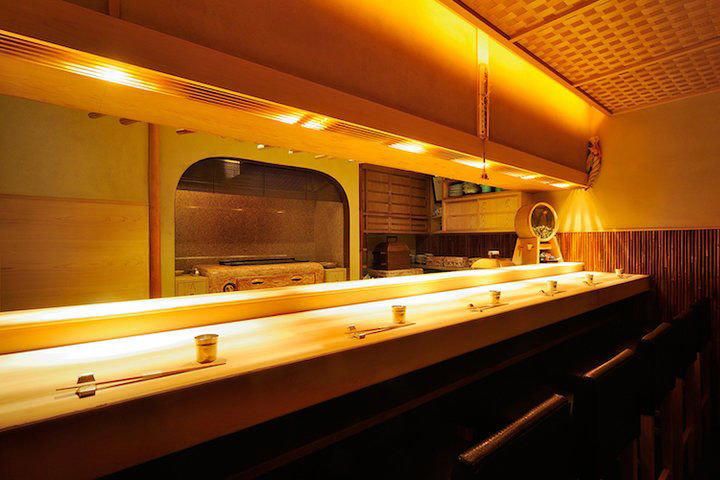
Poa Jie belongs to that quieter Kamakura category. The address is listed as a house restaurant with counter seating, a compact 12-seat format, and French and bistro classification. Those details matter because they place the meal closer to a neighbourhood counter than a formal destination dining room. The restaurant’s selection for Tabelog French EAST “Tabelog 100” 2025 gives it external recognition within eastern Japan’s French category, while its earlier Tabelog 100 selections in French and bistro categories point to a reputation built across more than one label.
Kamakura French, cut to a 12-seat neighbourhood scale
French dining in Japan often splits into two visible modes: urban gastronomy with long menus and service choreography, and smaller bistro-rooted rooms where technique is present but the social contract is looser. Kamakura favours the second mode. The city’s dining culture is fragmented across cafés, sweets shops, seafood counters, bakeries, and compact restaurants rather than concentrated into a single high-gloss district. A French bistro here has to sit comfortably among everyday local use and visitor traffic.
That is where Poa Jie’s format becomes meaningful. A 12-seat room creates a different kind of pressure from a large restaurant: fewer covers, less anonymity, and a meal that depends on pacing rather than spectacle. The listed emphasis on fish and wine also makes geographic sense. Kamakura sits within a coastal prefecture where seafood is part of the broader eating grammar, but the French framing moves the experience away from the directness of a fish-market meal and toward sauce, structure, and cellar logic.
The price band puts it in the same spending conversation as Oryori Tomiyama among the comparison addresses supplied for Kamakura, while sitting far above casual sweet-shop or café stops such as Kamakura Naniwaya, Nagon Shiruko Ten, Romi-Unie Confiture, and Iwata Coffee Ten. That contrast is useful for planning: this is not the pause between temple visits. It is the meal that defines the evening or the long lunch slot.
Recognition matters here because the category is easy to misread
Kamakura visitors often arrive with a mental map built around temples, the beach, and Komachi-dori snacks. Serious small-room French can be missed because it does not announce itself with the visual language of a resort restaurant or a Tokyo dining room. Tabelog’s French EAST “Tabelog 100” 2025 selection gives Poa Jie a clearer position inside a competitive regional category, and the restaurant’s Tabelog score of 3.76 adds another public signal for readers comparing options before committing a meal slot.
The bistro tag is equally important. In Japan, “French” can mean anything from Parisian comfort food to highly codified tasting-menu dining. “Bistro” narrows the expectation toward a more compact, food-and-wine meal, while the fish emphasis indicates the kitchen’s stated centre of gravity. The point is not to expect a long catalogue of luxury ingredients. The stronger reading is a Kamakura-scale French meal where seafood, wine, and counter proximity carry the experience.
For travellers mapping the wider city, the restaurant pairs naturally with a day that treats Kamakura as more than a sightseeing circuit. Nearby and adjacent EP Club coverage includes Our full Kamakura restaurants guide, plus city guides for Kamakura hotels, Kamakura bars, Kamakura wineries, and Kamakura experiences. Within the restaurant map, the city’s range becomes clearer beside arbre noir YAKUMI, Bergfeld Kamakura honten, Cabbage Batake, Cafe Vivement Dimanche, and CALVA.
The reader decision: choose it for intimacy, not breadth
The strongest reason to choose this restaurant is the combination of small capacity, fish-led French-bistro cooking, and Komachi placement. A traveller looking for a broad à la carte spread, a large dining room, or a highly visible destination address will read the format incorrectly. The better fit is a diner who wants Kamakura’s quieter after-hours register: a compact room, wine in the frame, and a meal that sits outside the city’s more obvious snack-and-café economy.
That makes the restaurant a useful corrective to the way Kamakura is often consumed. The city is frequently treated as a day-trip checklist, but its better meals reward staying past the rush or giving lunch proper weight. For broader Japan planning, EP Club’s restaurant files also track different formats, from 鮪と炭火焼き うお炭 秋葉原店 in Tokyo and.cafe in Osaka to.know in Kumamoto, (Shoku) Vietnam in Kawasaki, [Curry Senmon Ten] Maruyama Kyoju. in Sapporo, and [ki:] in Kyoto. For readers comparing Japanese food culture abroad, Jōdo Saké Bar in Los Angeles and Onigiri Time in Pasadena show how format changes once the cuisine leaves Japan.
The editorial call is clear: use the restaurant when the evening calls for a small French-bistro room with a seafood and wine centre, not when the brief is casual grazing around Komachi-dori. Its recognition inside Tabelog’s 2025 French EAST selection gives the reservation a stronger rationale than charm alone, and its scale keeps the experience firmly tied to Kamakura’s residential dining rhythm.
The Short List
Comparable venues by cuisine and price in the same metro.
| Venue | Cuisine | Price | Notes |
|---|---|---|---|
| Poa JieThis venue — the venue you are viewing | Kamakura, French Bistro Prix Fixe | $$$ | Not listed |
| Koga Tei | Kamakura, Modern Spanish | $$$ | Not listed |
| ナチュール エ サンス Nature et Sens | Kamakura, Seasonal French | $$$ | Not listed |
| Oryori Tomiyama | Not listed | $$ | Kamakura, Traditional Japanese donburi & set meals |
| リストランテ イルノード | Not listed | $$$$ | Kamakura, Kamakura Vegetable Italian Fine Dining |
| イザ | Not listed | $$$$ | Kamakura, Modern Italian with Local Japanese Seafood |
Recognition history
Dated appearances from independent guides and award organizations, with the underlying list record or original source where available.
Tabelog 100 #20 · No. 20
Tabelog · Tabelog 100 - French - EAST - 2025










At a Glance
- Cozy
- Romantic
- Intimate
- Classic
- Date Night
- Celebration
- Group Dining
- Special Occasion
- Solo
- Standalone
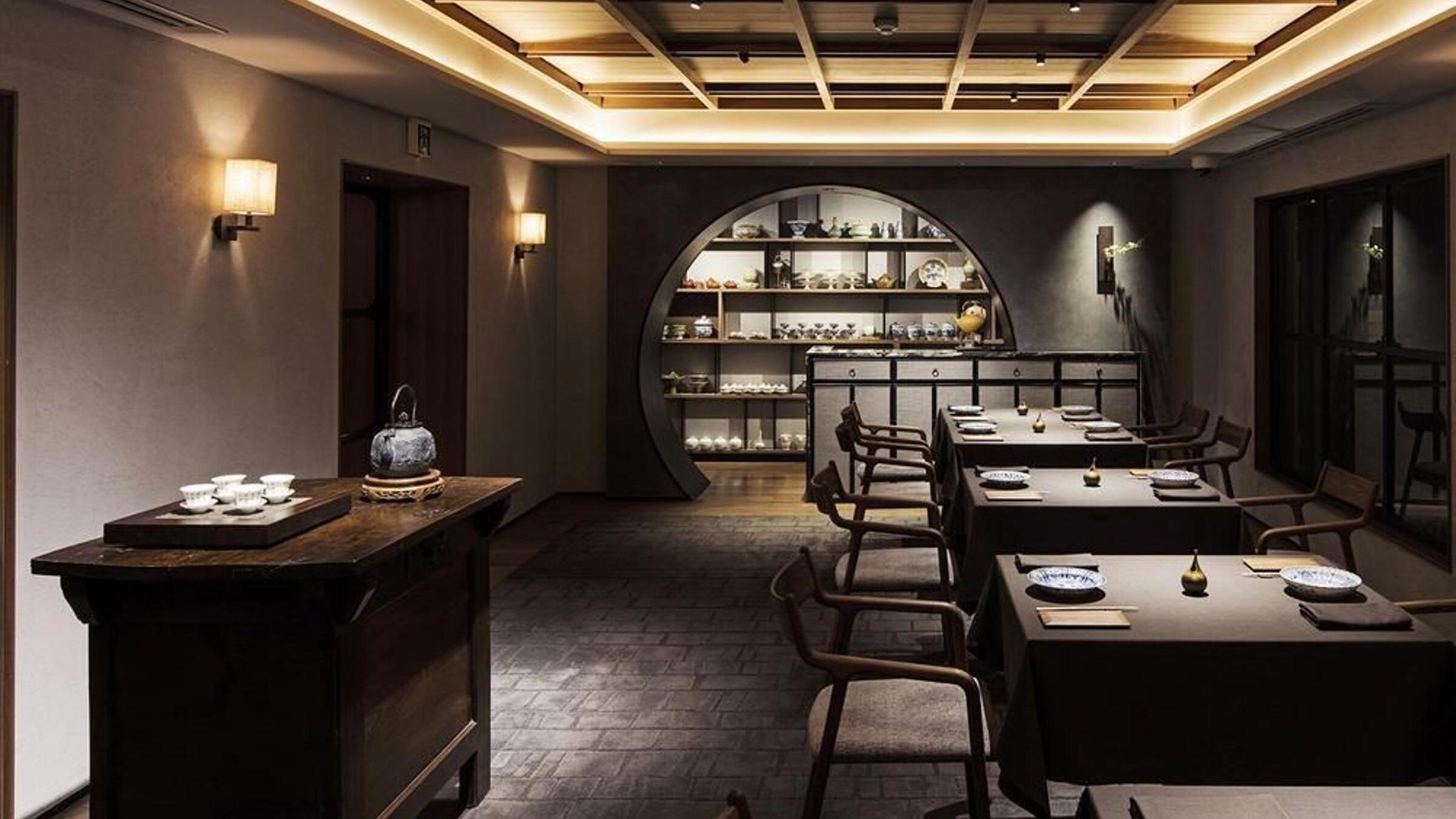
Relaxed and cozy bistro atmosphere with counter seating, suited to quiet dates or meals with close friends rather than large, boisterous groups.