PLANTA Queen
PLANTA Queen brings its plant-based pan-Asian format to Washington D.C.'s West End, occupying a stretch of New Hampshire Avenue where few restaurant concepts of this ambition have landed. The menu draws from Japanese, Korean, and Chinese cooking traditions without relying on animal proteins, positioning itself in a small tier of D.C. restaurants where dietary commitment and culinary technique occupy the same space.
Pearl is the En Primeur Club membership app — saves, bookings, and concierge access live there. Same editors, same standards.
- Address
- 1200 New Hampshire Ave NW, Washington, DC 20036
- Phone
- +12027905972
- Website
- plantarestaurants.com
- Directions
- Get directions
 Saves & bookings on Pearl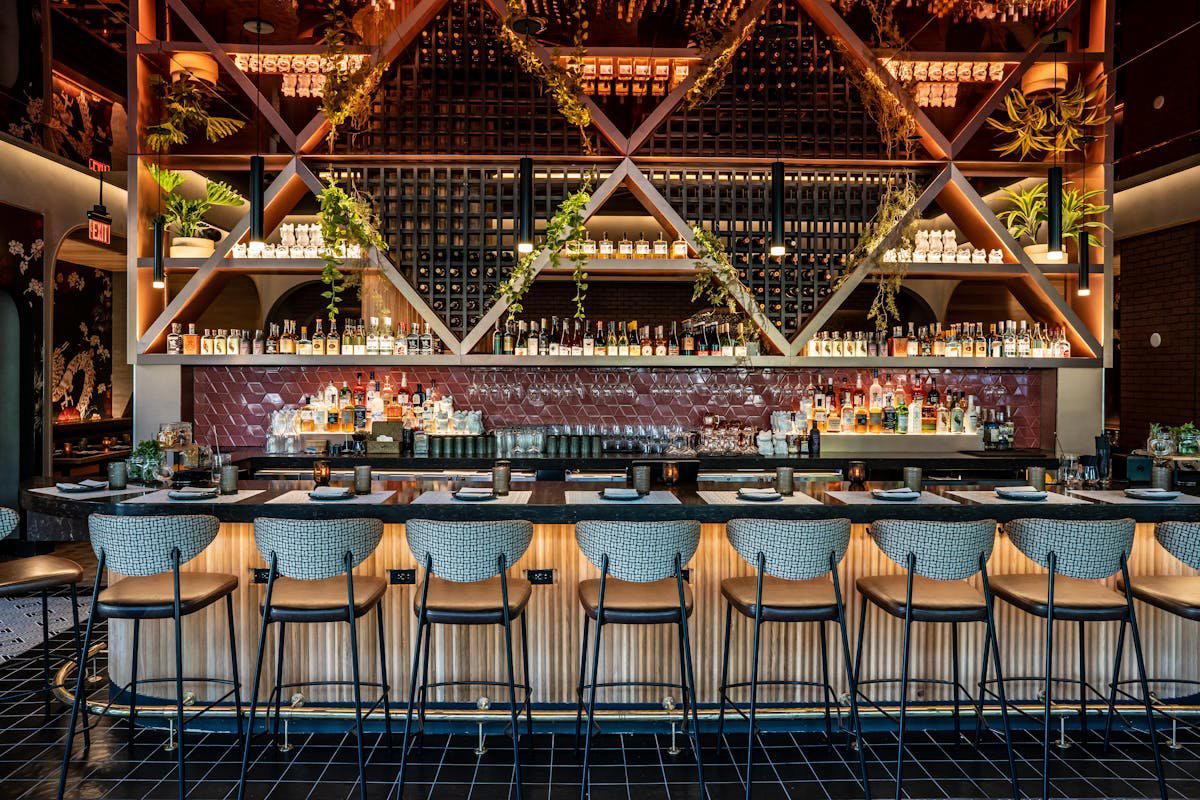
West End, Plant-Based, and Why the Address Matters
Washington D.C.'s West End sits at a particular kind of crossroads: dense with embassy staff, K Street professionals, and hotel guests cycling through the area's business-class properties, yet historically thin on restaurants that justify a dedicated trip from elsewhere in the city. Plant-based dining at this level of kitchen ambition tends to cluster in neighborhoods with strong residential identity, places like Logan Circle or Columbia Heights where a local following can sustain a concept through slow midweek nights. Dropping that format into the West End is a calculated bet on a different diner: one who is already in the vicinity, probably hotel-adjacent, and open to something that isn't a steakhouse or a power-lunch American bistro.
The PLANTA group operates across multiple North American cities, which gives the D.C. outpost a framework that solo-concept operators rarely have at launch. The Queen format within that group leans toward pan-Asian references, drawing from Japanese izakaya structure, Korean barbecue logic, and broader Chinese cooking traditions without using animal proteins as the backbone. In a city where the plant-based conversation has largely been dominated by fast-casual formats or by tasting menus that treat vegetables as a philosophical exercise, PLANTA Queen sits in the middle register: shareable, social, and built for a table rather than a solo counter experience.
How the D.C. Plant-Based Scene Sets the Context
D.C.'s plant-forward dining has matured considerably over the past several years, though it remains split between very different approaches. Oyster Oyster operates at the serious end of sustainable dining, with a format built around Pacific Northwest oysters and hyper-local sourcing that has earned it sustained critical attention in the $$$ tier. That restaurant's approach is rooted in a single ecosystem; PLANTA Queen's is rooted in a culinary tradition spanning several countries. The comparison is less about competition than about how D.C. has developed space for multiple plant-conscious formats that don't cannibalise each other.
Elsewhere in the city, the high-end conversation is dominated by tasting-menu formats. Jônt and minibar operate in the multi-course, counter-seated register where technique and provenance carry the ticket price. Causa and Albi both hold the $$$$ tier with cuisine traditions that bring geographic specificity, Peruvian and Middle Eastern respectively, to a D.C. audience that responds to that kind of culinary grounding.
For readers building a broader D.C. itinerary, our full Washington D.C. restaurants guide maps the city's dining tiers with neighbourhood-level detail.
The Pan-Asian Format and What It Demands
Pan-Asian menus carry a structural risk that single-tradition kitchens don't face: the wider the geographic reference, the harder it is to maintain coherence at the table. The strongest versions of this format, whether in New York, Toronto, or Los Angeles, resolve that tension by treating the shared-plate structure itself as the unifying logic. Diners aren't moving through a narrative of regional cuisines; they're assembling a table from a menu that happens to draw from several traditions. The format succeeds when execution is consistent across that range, and when plant-based substitution doesn't feel like a subtraction from dishes designed around protein.
That's the editorial question PLANTA Queen faces in D.C. and it's one the wider restaurant industry has been working through as plant-based dining has moved from niche positioning into mainstream menu planning. Restaurants like Blue Hill at Stone Barns in Tarrytown built their reputation on making the vegetable the structural centre of a plate, not an accommodation. Providence in Los Angeles and Le Bernardin in New York City have each demonstrated that serious kitchen discipline doesn't require a conventional protein hierarchy. PLANTA Queen's version of that argument is made through a different format, one that is louder, more casual, and more social than a white-tablecloth tasting counter.
Across North American fine-casual and premium-casual dining, the restaurants that have built durable reputations over the past decade share a few structural characteristics: a menu that gives regulars reasons to return without a full reset, a price point that keeps the table's total bill from triggering friction, and a physical environment that earns its own attention. Lazy Bear in San Francisco built a community-dinner format around exactly this logic. Alinea in Chicago operates at the far end of the formality spectrum, but its durable recognition comes from a similar consistency of vision across many visits and many years.
PLANTA Queen isn't competing with those formats directly. Within D.C. specifically, that category has been underserved relative to the city's size and its concentration of internationally travelled diners. The West End address puts PLANTA Queen in front of exactly that audience.
For reference points at the fine-dining end of the spectrum, The French Laundry in Napa, Single Thread Farm in Healdsburg, Addison in San Diego, Atomix in New York City, The Inn at Little Washington, Emeril's in New Orleans, and 8 1/2 Otto e Mezzo Bombana in Hong Kong all demonstrate what sustained kitchen ambition looks like across different formats and price points. PLANTA Queen operates below that tier by design, and the category it's building in D.C. is one where consistent execution over time will matter more than opening-week critical attention.
Know Before You Go
Address: 1200 New Hampshire Ave NW, Washington, DC 20036
Neighbourhood: West End, D.C. — walkable from Foggy Bottom Metro station (Blue, Orange, Silver lines)
Format: Shared-plate pan-Asian, plant-based menu throughout
Leading for: Groups of three or more who want a social table rather than a structured tasting format
Dietary note: The menu is built entirely around plant-based cooking, so dairy-free and egg-free diners do not need to negotiate accommodations item by item
How PLANTA Queen Washington, D.C. compares with similar nearby venues.
| Venue | Cuisine |
|---|---|
| Bully Spanish Steakhouse | Spanish steakhouse / grilled meats and seafood |
Continue exploring
More in Washington DC
Restaurants in Washington DC
Browse all →
Bars in Washington DC
Browse all →
Hotels in Washington DC
Browse all →
At a Glance
- Trendy
- Modern
- Elegant
- Energetic
- Sophisticated
- Date Night
- Group Dining
- Casual Hangout
- Late Night
- Open Kitchen
- Private Dining
- Craft Cocktails
Current opening hours
- Monday
- 11:30 AM–10 PM
- Tuesday
- 11:30 AM–10 PM
- Wednesday
- 11:30 AM–10 PM
- Thursday
- 11:30 AM–10 PM
- Friday
- 11:30 AM–11 PM
- Saturday
- 11 AM–11 PM
- Sunday
- 11 AM–10 PM
Hours can change for holidays and private events. Last verified .
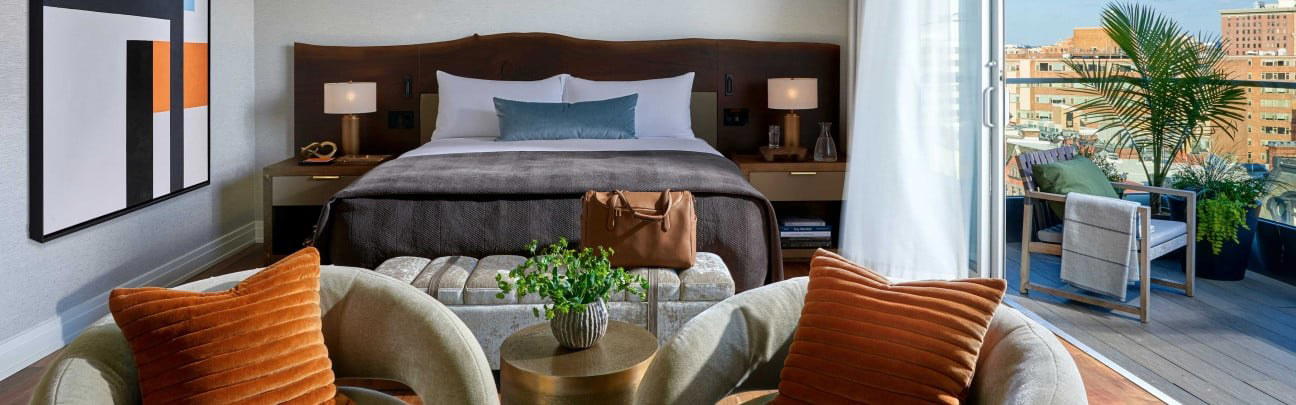
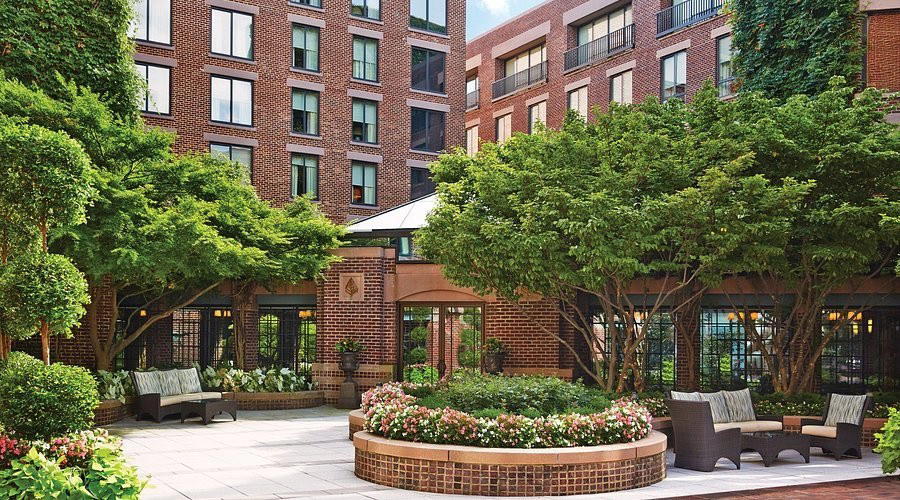
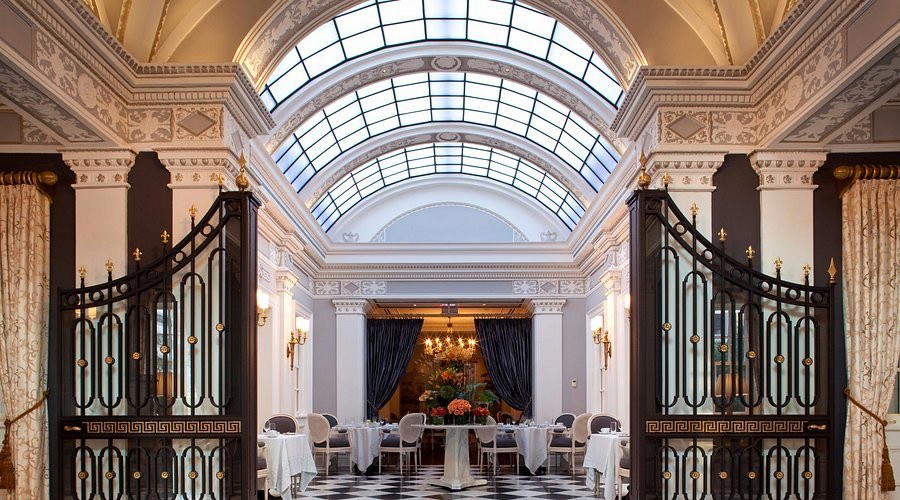
High-energy atmosphere inspired by elegant traditional Chinese courtyards and Asian architectural gems, with fun late-night vibes.
Know Before You Go
- Getting there
- 1200 New Hampshire Ave NW, Washington, DC 20036