Bar Betsie
Bar Betsie belongs to Washington, D.C.’s quieter cocktail conversation: the after-dark layer that sits apart from hotel grandeur, restaurant bars, and headline-driven speakeasy theatrics. With public data sparse, the useful way to read it is by context: as a bar for drinkers comparing mood, pacing, and neighborhood fit against the city’s more documented cocktail rooms.

Pearl is the En Primeur Club membership app — saves, bookings, and concierge access live there. Same editors, same standards.
Where Bar Betsie Fits in D.C.'s Cocktail Map
Washington, D.C. bar culture announces itself in fragments rather than a single grand boulevard: hotel lounges around power corridors, restaurant bars attached to serious kitchens, basement rooms with literary moods, and neighborhood counters where the drink list matters more than the address. Bar Betsie sits inside that last, more atmospheric part of the city’s drinking life. The available public record does not supply a chef, bartender, address, price range, awards, hours, seat count, booking method, or signature list, so the responsible reading is not to invent a mythology around it. The more useful question is what kind of D.C. night it answer: a smaller-scale cocktail stop in a city where the category has matured beyond Prohibition costumes and into mood, technique, and format discipline.
D.C. has a particular relationship with bars because it is not only a capital but a work city. Weeknight drinking can be brisk, precise, and professional; weekend drinking can shift toward group energy and late reservations. The city’s strongest cocktail rooms tend to understand that split. Some lean theatrical, some academic, some casual, some deeply polished. For a fuller sweep of that scene, Our full Washington, D.C. bars guide gives the broader map.
The useful context is that Washington’s cocktail identity has become less dependent on novelty. The stronger programs now compete through clarity: how a menu is organized, whether the room encourages a second drink, how service handles both cocktail regulars and guests who simply want something balanced. In that context, Bar Betsie is not a place to evaluate through invented tasting notes. It is a venue to place in the city’s ongoing move toward bars that function as proper evening anchors rather than pre-dinner holding rooms.
The Cocktail Programme, Read Through the City Rather Than the Press Release
That absence matters. In cocktail writing, the temptation is to fill gaps with lush descriptions: citrus oils, cut crystal, herbal finishes, slow ice. EP Club avoids that when the source record does not support it.
Washington’s stronger cocktail rooms increasingly fall into several tribes. There are narrative rooms, where the menu reads almost like a set of essays. There are hotel bars, where the demand is consistency, polish, and enough range for guests who may not be cocktail obsessives. There are restaurant-adjacent bars, where food and drink have to share authority. Then there are neighborhood-scale bars, where the creative challenge is sharper: build a list that is interesting without turning every order into a lecture. It is a name to weigh against more documented rooms when deciding whether the night calls for ceremony, technical display, or a less formal drink.
For technical cocktail culture in Washington, Allegory is a useful counterpoint because the city’s literary and design-led side has become part of its drinking identity. Service Bar represents another D.C. register, one where serious drinks can sit inside a more casual rhythm. Silver Lyan brings the hotel-bar question into sharper focus, with a higher-profile setting and a more internationally legible cocktail language. Bar Cana points toward the city’s ability to sustain more specific bar concepts rather than only generalist cocktail rooms. Bar Betsie should be read among these contrasts, not as an isolated name floating without context.
Atmosphere Before Biography
That means the editorial work has to be more disciplined. Rather than inventing what the door looks like or how the bar sounds at 9 p.m. the sharper point is that atmosphere has become a competitive category in D.C. cocktail culture. In a city full of professional obligations and reservation-led dining, the bar’s real job is to manage tempo. The difference between a low-key room and a high-energy room changes the whole evening: date-night pacing, post-dinner decompression, group tolerance, and how long a guest wants to sit with one drink.
Bar Betsie’s public footprint, as represented in the provided record, does not disclose capacity, price, dress code, or booking rules. That makes it difficult to assign a firm mood label. The correct approach is to treat it as a candidate for a bar-led evening and then verify the practical details through current channels before planning around it. This is not a criticism; many small or independent bars have thinner structured data than hotels and award-tracked restaurants. It does mean the reader should approach it differently from a venue with published tasting menus, timed seatings, or award citations.
D.C. rewards that kind of pre-visit calibration. The city’s dining schedule can compress around office exits, theater times, and late dinners, so a bar that feels calm at one hour may become more social later. It belongs in the flexible portion of a night: a place to verify directly, then slot around dinner, a hotel check-in, or a second drink elsewhere.
Why Sparse Data Can Be Editorially Useful
In travel writing, sparse data often reveals the difference between a venue with a media machine and a venue that circulates through local recommendation. Not every worthwhile room is built for awards databases. Some bars matter because they help complete the city’s evening geography: the place between dinner and a late train, the address that suits a quieter drink, the room that gives a neighborhood more than restaurants alone.
The trust signal here is contextual rather than award-based. Washington, D.C. has developed a serious cocktail reputation through multiple formats, from high-profile hotel bars to independent rooms with deep regular followings. Bar Betsie’s relevance comes from appearing within that city category rather than from a documented external accolade. When a venue lacks Michelin-style or 50 Best-style citation, the fairest test becomes peer comparison and planning utility. Does it help answer a specific travel question? Does it fill a gap between known bars? Does it suit a night when a guest wants cocktails without a dining-room commitment?
That is where Bar Betsie has editorial use for EP Club readers. It gives another point of comparison in a city where drinking well rarely means choosing a single obvious address. The sharper D.C. itinerary pairs categories: a restaurant with a serious bar, a hotel lounge with design pedigree, and a smaller cocktail room where the focus is the drink and the evening’s rhythm. For the restaurant side of that equation, Our full Washington, D.C. restaurants guide helps match dinner to a bar plan. For visitors anchoring the evening around where they sleep, Our full Washington, D.C. hotels guide adds the lodging context that often decides whether a second stop is sensible.
How to Compare It With Bars Beyond Washington
One way to understand a D.C. bar is to compare it with other American cocktail cities. New York tends to reward density and specialization: one room for minimal Martinis, another for Japanese technique, another for a high-volume late-night crowd. Chicago often folds cocktail ambition into hospitality warmth and neighborhood identity. Washington sits between those models. It has international travelers, political regulars, strong hotel demand, and a local audience that notices when a bar is over-designed or under-delivers.
That is why comparisons outside the city can help. Bar Contra in New York City belongs to a market where technical identity can become the whole premise. Bisous in Chicago belongs to a city where hospitality tempo and bar personality often matter as much as the printed list. Sip & Guzzle in New York City shows how layered formats can divide a night into distinct drinking modes. Bar Betsie, by contrast, should be read through Washington’s more measured social code: less spectacle-first, more dependent on how well the room fits the hour.
This comparative lens is useful because cocktail travelers increasingly plan by mood and format, not only by award. A guest might want a bar with published recognition one night and a quieter local-feeling room the next. Its potential value is more situational: useful when the aim is a D.C. cocktail stop that can be weighed against better-documented names, with the final decision based on current hours, availability, and proximity.
Planning the Night Around Bar Betsie
That is unusual for a fully planned travel evening, so Bar Betsie should be treated as a flexible bar target rather than the only anchor of the night until current details are confirmed through a reliable live source. In Washington, this matters. Neighborhood-to-neighborhood movement can be easy at certain hours and irritating at others, especially when dinner reservations, rideshare demand, and event traffic overlap. Without a verified address, no distance or transit claim should be made.
The safest strategy is to pair it with a broader D.C. plan rather than building the whole evening around a single unknown. If the night is restaurant-led, use the bar as a possible before-or-after stop once location and hours are confirmed. If the night is drinks-led, compare it with documented alternatives such as Allegory, Service Bar, Silver Lyan, and Bar Cana, then decide which format suits the group. If the trip is broader than bars, Our full Washington, D.C. experiences guide can help shape the non-dining part of the itinerary, while Our full Washington, D.C. wineries guide is useful for readers tracking wine-focused stops in and around the city category.
Price is also unverified. That means no claim should be made about affordability, premium positioning, or cocktail cost. In D.C. cocktail pricing can vary sharply by neighborhood, hotel association, and level of technique, so guests should check current menus if available before assuming the spend. The same applies to reservations. Some bars work on walk-ins, some accept limited bookings, and some change policies by day of week.
What Bar Betsie Adds to a D.C. Drinking Itinerary
Bar Betsie is useful because it broadens the conversation beyond the city’s better-documented cocktail addresses. Washington’s bar scene needs those smaller question-mark venues: they keep the city from becoming a checklist of award citations and hotel lounges. For travelers, the editorial value is not in pretending there is a verified signature drink or a documented bartender narrative. It is in recognizing that a good D.C. night often depends on the second choice, the room that fits after dinner, after a meeting, or after a more formal first stop.
The bar should be approached as a context-sensitive pick. If current details confirm the mood, hours, and availability that suit the night, it can function as a compact cocktail stop within a wider Washington plan. If the evening requires certainty, choose a venue with more public information. That distinction is not a downgrade; it is the difference between exploratory drinking and itinerary-critical planning. In a city where the cocktail category now spans hotel polish, narrative menus, neighborhood counters, and restaurant bars, that distinction helps readers make better decisions.
FAQ
Comparable venues nearby, for context on price, style, and recognition.
| Venue | Cuisine | Price | Notes |
|---|---|---|---|
| Bar BetsieThis venue (the venue you are viewing) | cocktail_bar | Not listed | Not listed |
| Brixton | pub | Not listed | Cardozo |
| Atlas Brew Works Ivy City Brewery & Taproom | beer_bar | Not listed | Ivy City |
| Madam's Organ | dive_bar | $20–30 | Reed-Cooke |
| The Pursuit Wine Bar & Kitchen | Italian | Not listed | Near Northeast |
| Mr. Henry's Restaurant | pub | $20–30 | Capitol Hill |
Continue exploring
More in Washington DC
Bars in Washington DC
All bars in Washington DC →
Restaurants in Washington DC
All restaurants in Washington DC →
Bar Betsie
The drinks
- Craft cocktails
- Mezcal
- Tequila
Signature drinks: Prick These!.
Details
- Lively
- Cozy
- Trendy
- Energetic
- Date Night
- After Work
- Late Night
- Group Outing
- Casual Hangout
- Standalone
- Design Destination
- Seated Bar
- Booth Seating
- Craft Cocktails
- Mezcal
- Tequila
- Draft Cocktails
Current opening hours
- Monday
- 5 PM–12 AM
- Tuesday
- 5 PM–12 AM
- Wednesday
- 5 PM–12 AM
- Thursday
- 5 PM–2 AM
- Friday
- 5 PM–2 AM
- Saturday
- 2 PM–2 AM
- Sunday
- 2 PM–12 AM
Hours can change for holidays and private events. Last verified .
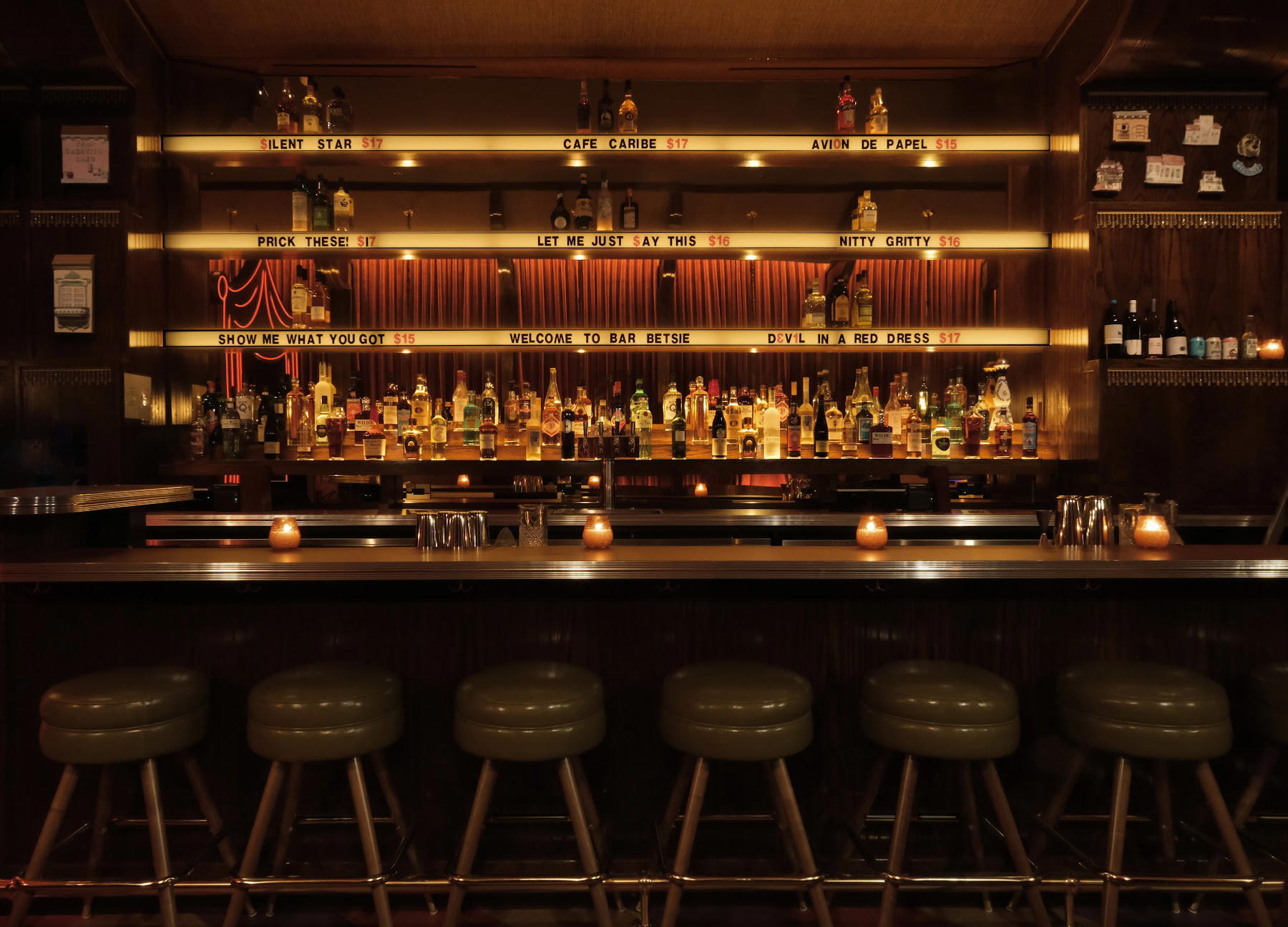
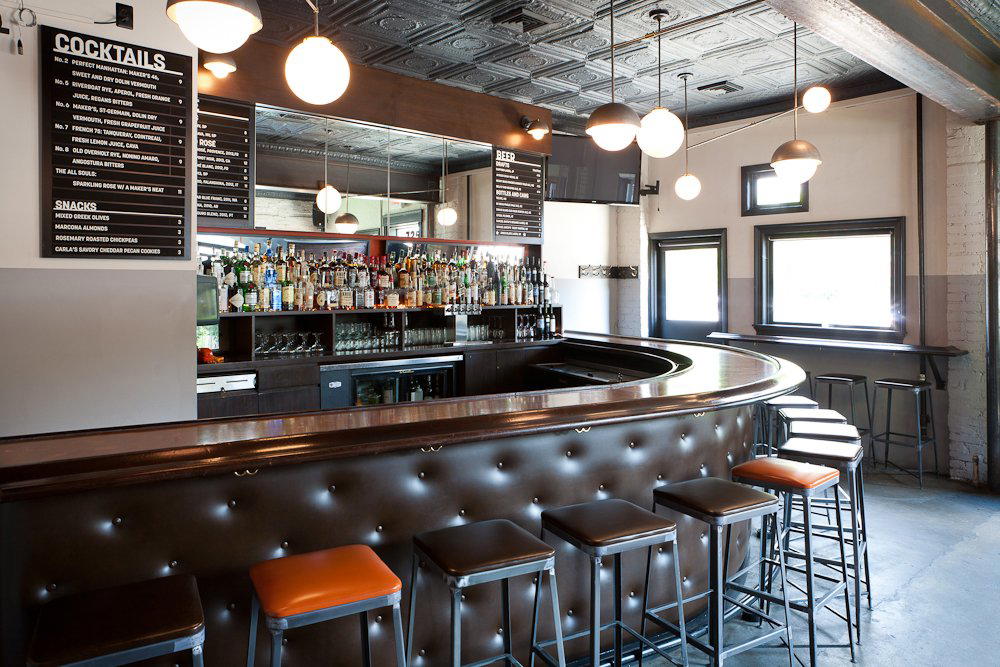
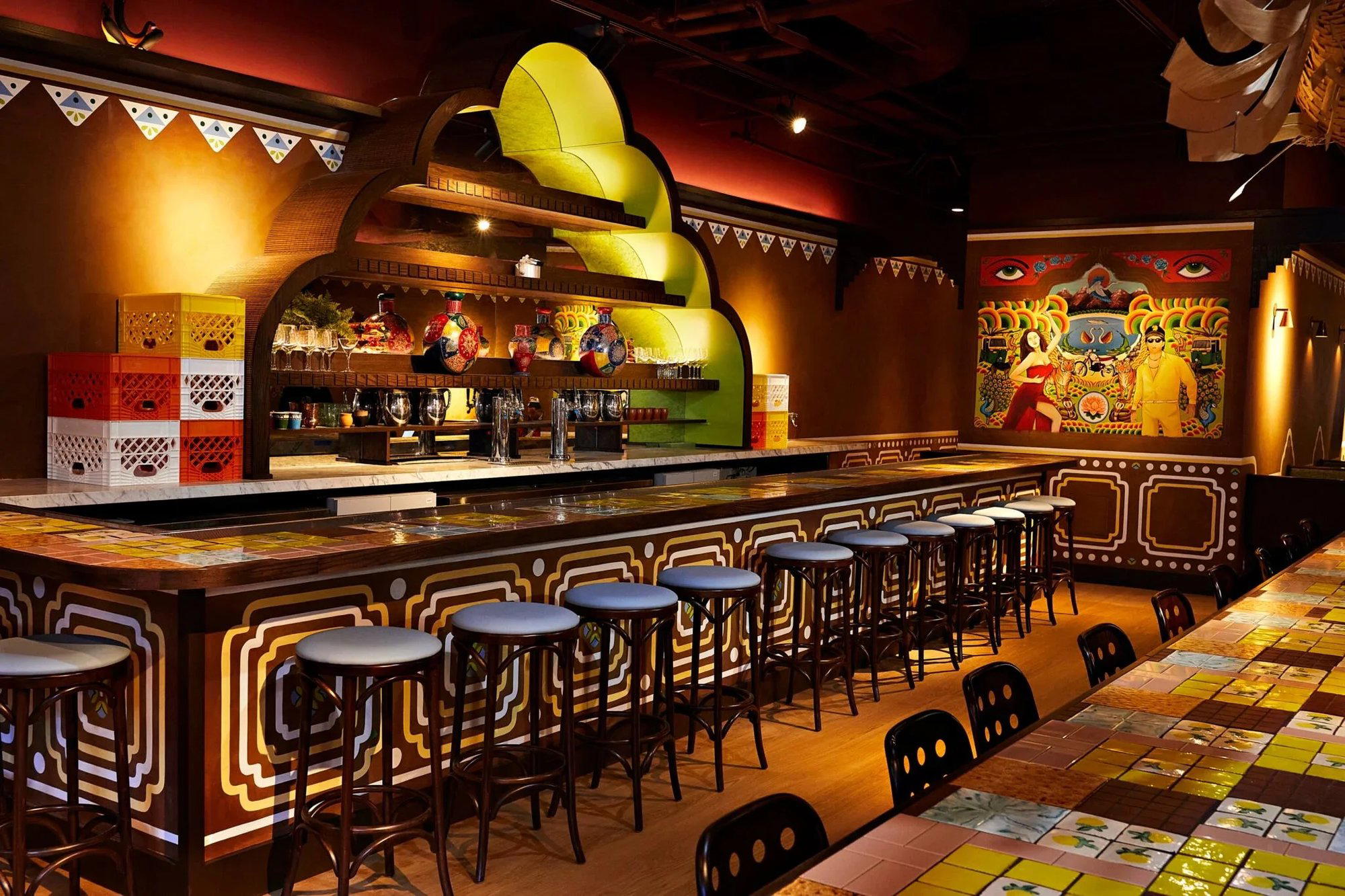
Cozy yet dramatic, with neon red curtains, dark wooden booths, and a laid-back but lively neighborhood-bar feel.