Imperfecto



A counter within a counter, Imperfecto: The Chef's Table holds a Michelin star and a seat count that keeps it among Washington D.C.'s most intimate tasting experiences. Chef Enrique Limardo works directly above a handful of diners, delivering an elaborate Latin American menu where technique and ingredient quality carry equal weight. Esquire named it among the 35 best new restaurants in the country in 2021.
Pearl is the En Primeur Club membership app — saves, bookings, and concierge access live there. Same editors, same standards.
- Address
- 1124 23rd St NW, Washington, DC 20037
- Phone
- (202) 964-1012
- Website
- sevenreasonsgroup.com
- Directions
- Get directions
 Saves & bookings on Pearl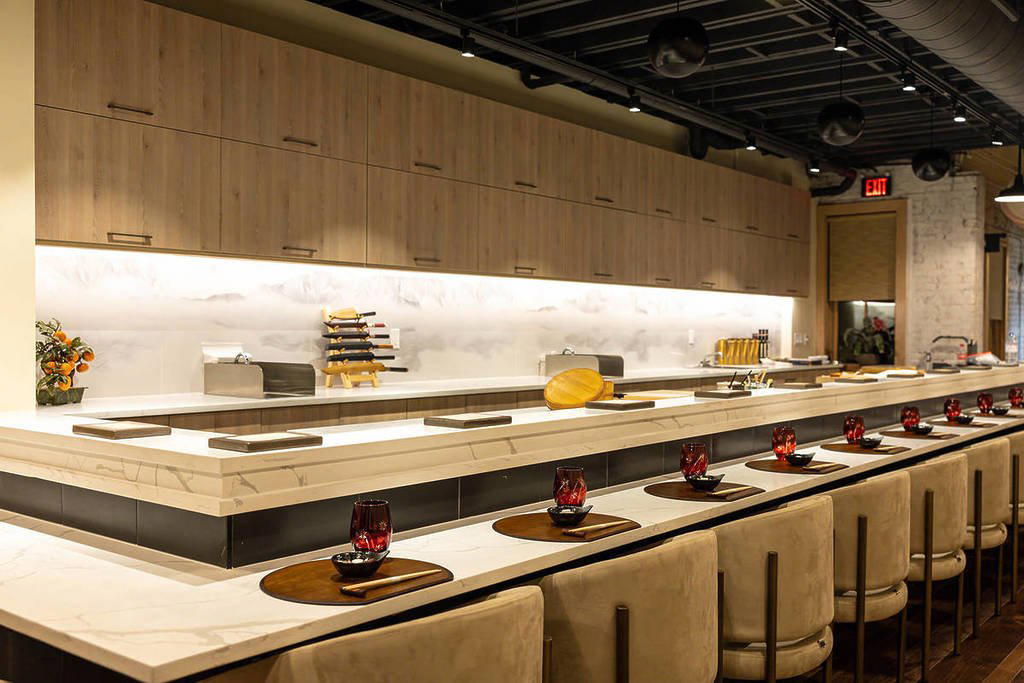
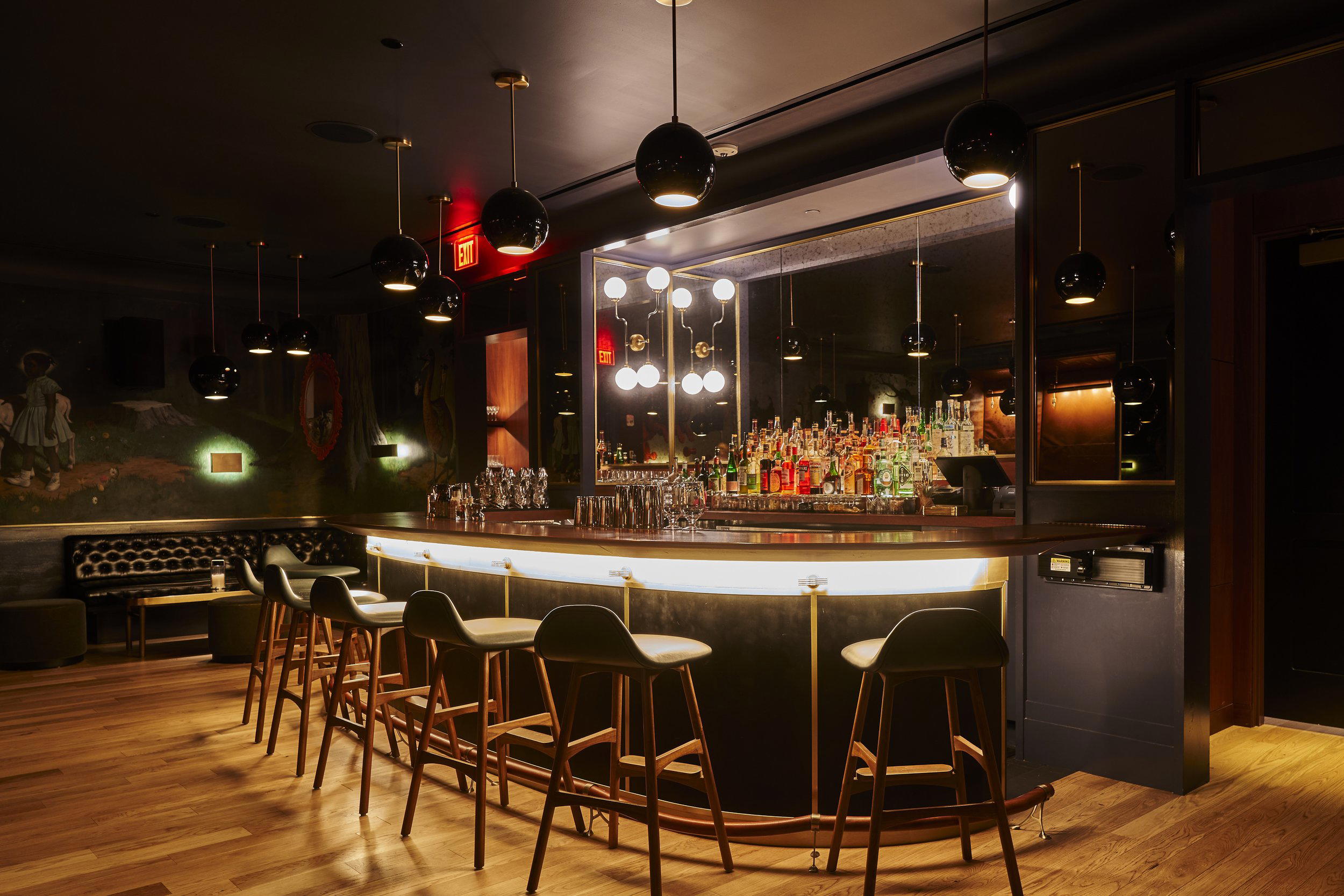
Glass, Marble, and a Counter That Commands the Room
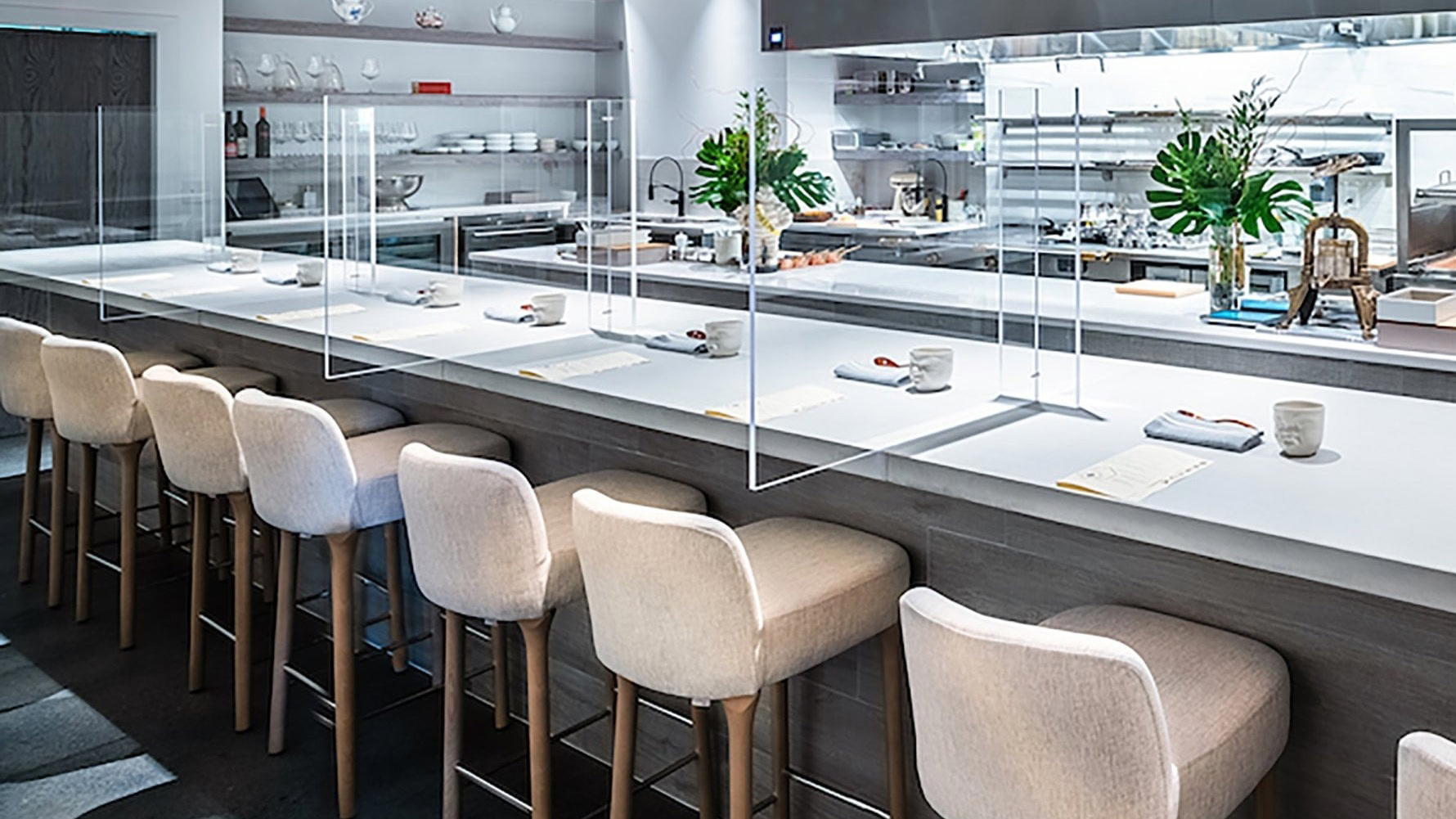
The building on 23rd Street NW announces itself before you reach the door: a soaring glass-and-marble structure with brass accents and terra-cotta details that read more like a financial institution than a neighborhood restaurant. That architectural confidence is a clue about what happens inside. Washington D.C.'s upper-tier tasting format has evolved over the past decade from stiff, hotel-dining-room formality toward a more theatrical, counter-led model, where the kitchen is the room and proximity to the cook is the point. Imperfecto: The Chef's Table is a Michelin-starred restaurant in Washington, D.C. led by Chef Enrique Limardo, with an estimated price of $175 per person. It operates at the far end of that spectrum, with a tight counter positioned directly beneath Chef Enrique Limardo's station. The handful of seats available at any given service are not simply a premium add-on to a larger restaurant, they function as a restaurant within a restaurant, with their own format, their own pacing, and their own logic.
That physical setup matters because it shapes everything else. At this scale, the distance between a dish being plated and a dish being eaten collapses to almost nothing. The intimacy is structural, not atmospheric styling. Washington has a handful of counters operating at similar intensity, Causa works the Peruvian nikkei tradition at the same price tier, and Albi brings an equally serious approach to Middle Eastern cooking, but Imperfecto's Latin American framework, filtered through Venezuelan-born Limardo's training, occupies a distinct lane within that competitive set.
Latin American Technique and the Logic of Complexity
The editorial angle most useful for understanding Imperfecto's cooking is not fusion, and it is not modernist cuisine repurposed for Latin ingredients. The more instructive frame is the tradition of complex sauce-making that runs through Mexican, Venezuelan, Colombian, and Brazilian kitchens, moles and their regional cousins. A well-made mole negro from Oaxaca involves upward of 30 ingredients: multiple dried chiles, charred tomatoes and tomatillos, spices including cumin, cloves, and Mexican cinnamon, chocolate, nuts, seeds, charred tortilla for body, and often a long, low simmer that can run past two hours. The result is not a sauce in the European sense, it is a concentrated, layered medium that carries a dish's entire intellectual weight. Regional variation is extreme: mole amarillo differs from mole rojo not just in color but in structural logic, and the mole of Puebla reads differently from that of Oaxaca or from the pipián tradition of central Mexico.
What this tradition requires, technically, is patience with complexity, the willingness to work with ingredients that resist simplification, to layer bitter against sweet against acidic against umami without letting any single element dominate. That sensibility appears throughout the Latin American cooking that earns serious recognition. Dishes described in Imperfecto's Michelin documentation, aged grouper with BBQ lettuce and broccolini tabbouleh, duck with Carolina rice, pickled peach with matcha sponge cake, reveal a similar structural logic: multiple techniques applied to a single plate, ingredients that pull in different flavor directions, and fermentation or aging used to add depth that raw ingredients cannot supply alone. This is not simple cooking with a Latin label. It is cooking that takes the complexity principle seriously.
For context on how that approach travels internationally, Mono in Hong Kong and ZEA in Taipei both work within the Latin American framework at a serious level, and both operate within similar tasting-menu formats. The tradition is coherent enough to travel, precisely because its complexity is technique-based rather than ingredient-dependent.
Awards and Where This Counter Sits in the City
Michelin awarded Imperfecto: The Chef's Table one star in 2024, placing it alongside a group of Washington restaurants, including Causa, Albi, and Oyster Oyster, that have collectively shifted the city's fine-dining identity away from its old reputation for safe, politically cautious cooking. The Opinionated About Dining guide ranked it 391st in North America in 2024 and carried a recommended listing in 2023. Esquire placed it 35th on its Leading New Restaurants list in 2021. That progression, from high-profile debut recognition to sustained critical placement, is the pattern that separates restaurants with genuine staying power from opening-year hype.7 across 1,001 reviews reinforces the pattern: the audience that books this counter is not sampling it once and moving on.
The peer comparison is instructive. Washington's one-star group now operates across a wider range of cuisine traditions than it did a decade ago, Middle Eastern, Peruvian, sustainable New American, Latin American. The city's Michelin portfolio reads less like a French-technique monoculture and more like a map of serious cooking from regions that were historically underrepresented in this tier. Imperfecto sits at a particular coordinate on that map: technically ambitious, Latin American in framework, and counter-format in delivery. For diners choosing between this and a more conventional tasting room like Royal or Seven Reasons, the decision is partly about format preference: do you want to watch the cooking happen or receive the result at a table removed from the kitchen?
For reference on what this counter format looks like at higher Michelin tiers elsewhere in the country, Alinea in Chicago and The French Laundry in Napa operate at the two- and three-star level with similar commitments to tasting-format discipline, while Lazy Bear in San Francisco and Single Thread Farm in Healdsburg demonstrate how counter and communal tasting formats have expanded across American fine dining. Le Bernardin in New York City and Emeril's in New Orleans represent an earlier generation of the refined tasting tradition that today's Latin American counters are consciously departing from, in format if not in ambition.
Planning a Visit
The kitchen counter at Imperfecto operates Tuesday through Sunday, with dinner service beginning at 5:30 PM on weekdays and 5 PM on Fridays and Saturdays. Weekend brunch runs Saturday and Sunday from 11 AM to 2:30 PM, which offers a second entry point into the kitchen's cooking at the same address, likely at a different format and price structure. The restaurant is closed Mondays. The address is 1124 23rd St NW in Washington D.C.'s West End neighborhood, a short walk from several major hotels and easily reached from Foggy Bottom station. The price range sits at the summit of the city's scale, $$$$, consistent with the tasting counter format and the peer group it operates within. Given the limited counter seating and the restaurant's sustained award presence, advance booking is strongly advisable; the combination of small capacity and active critical recognition tends to compress availability at this tier. For broader planning across Washington D.C. EP Club maintains full guides to restaurants, hotels, bars, wineries, and experiences across the city.
Cuisine Lens
Comparable venues nearby, for context on price, style, and recognition.
| Venue | Cuisine | Price | Awards | Notes |
|---|---|---|---|---|
| Imperfecto: The Chef's TableThis venue — the venue you are viewing | Modern Latin Fine Dining | $$$$ | Michelin 1 Star | Not listed |
| Masseria | Modern Puglian Italian Fine Dining | $$$$ | Michelin 1 Star | Capital City Market |
| Pineapple and Pearls | Modern American Fine Dining | $$$$ | Michelin 1 Star | Capitol Hill |
| Gravitas | Modern American Fine Dining | $$$$ | Michelin 1 Star | Ivy City |
| Rania | Modern Indian Fine Dining | $$$$ | Michelin 1 Star | East End |
| Xiquet by Danny Lledo | Modern Spanish Valencian Fine Dining | $$$$ | Michelin 1 Star | Glover Park |
Recognition history
Dated appearances from independent guides and award organizations, with the underlying list record or original source where available.
Opinionated About Dining Top Restaurants in North America Recommended
Opinionated About Dining
Michelin 1 Star
Michelin
Michelin 1 Star
Michelin
Opinionated About Dining Casual in North America Ranked #391
Opinionated About Dining
Opinionated About Dining Top Restaurants in North America Recommended
Opinionated About Dining
Esquire Best New Restaurants #35
Esquire
Continue exploring
More in Washington DC
More from Chef Enrique Limardo
Browse all →
Restaurants in Washington DC
Browse all →
Bars in Washington DC
Browse all →
Hotels in Washington DC
Browse all →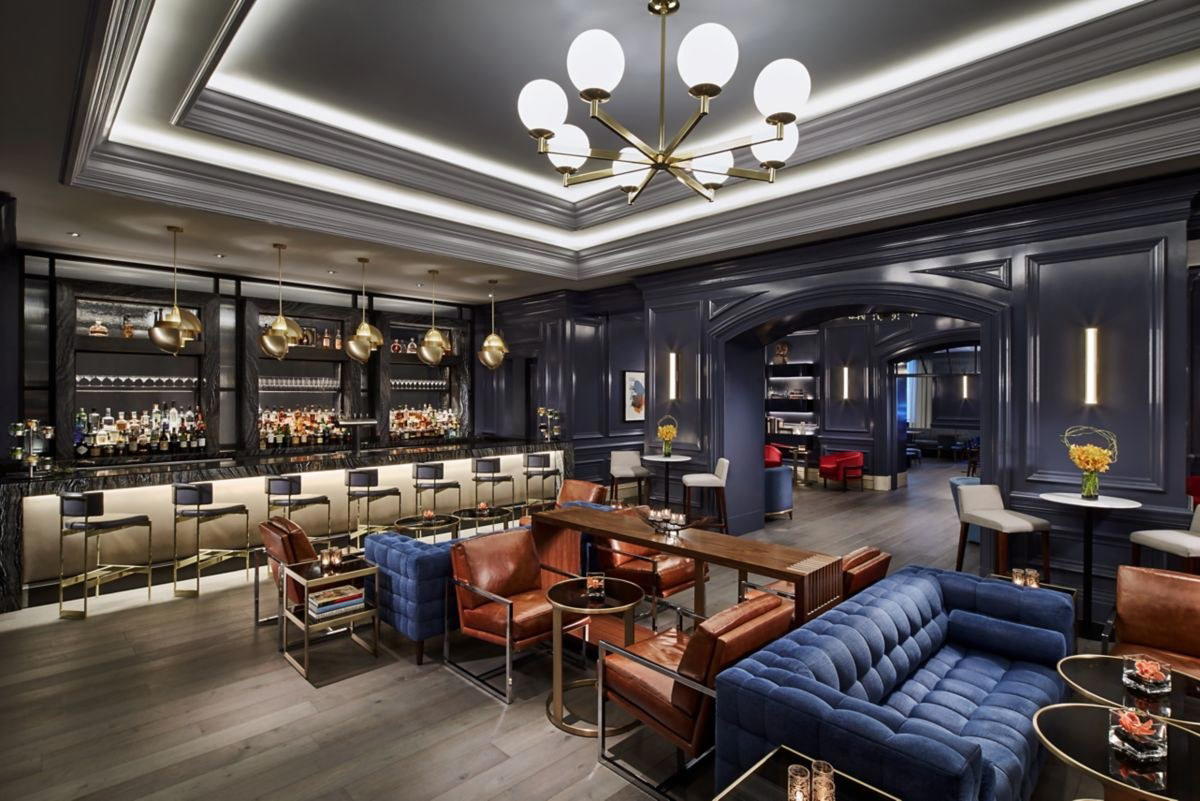




At a Glance
- Elegant
- Modern
- Sophisticated
- Intimate
- Date Night
- Special Occasion
- Celebration
- Chefs Counter
- Open Kitchen
- Craft Cocktails
- Extensive Wine List
Current opening hours
- Monday
- 5:30–9:30 PM
- Tuesday
- 5:30–9:30 PM
- Wednesday
- 5:30–9:30 PM
- Thursday
- 5:30–9:30 PM
- Friday
- 5–10 PM
- Saturday
- 11 AM–2:30 PM, 5–10 PM
- Sunday
- 11 AM–2:30 PM, 5–9 PM
Hours can change for holidays and private events. Last verified .
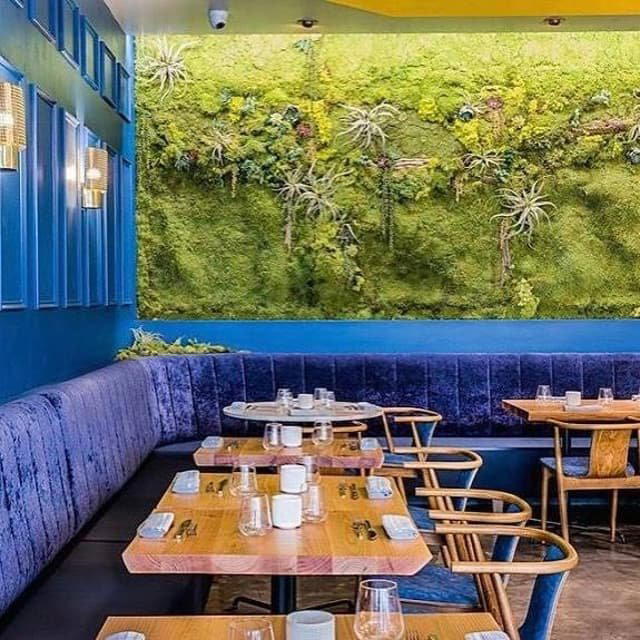
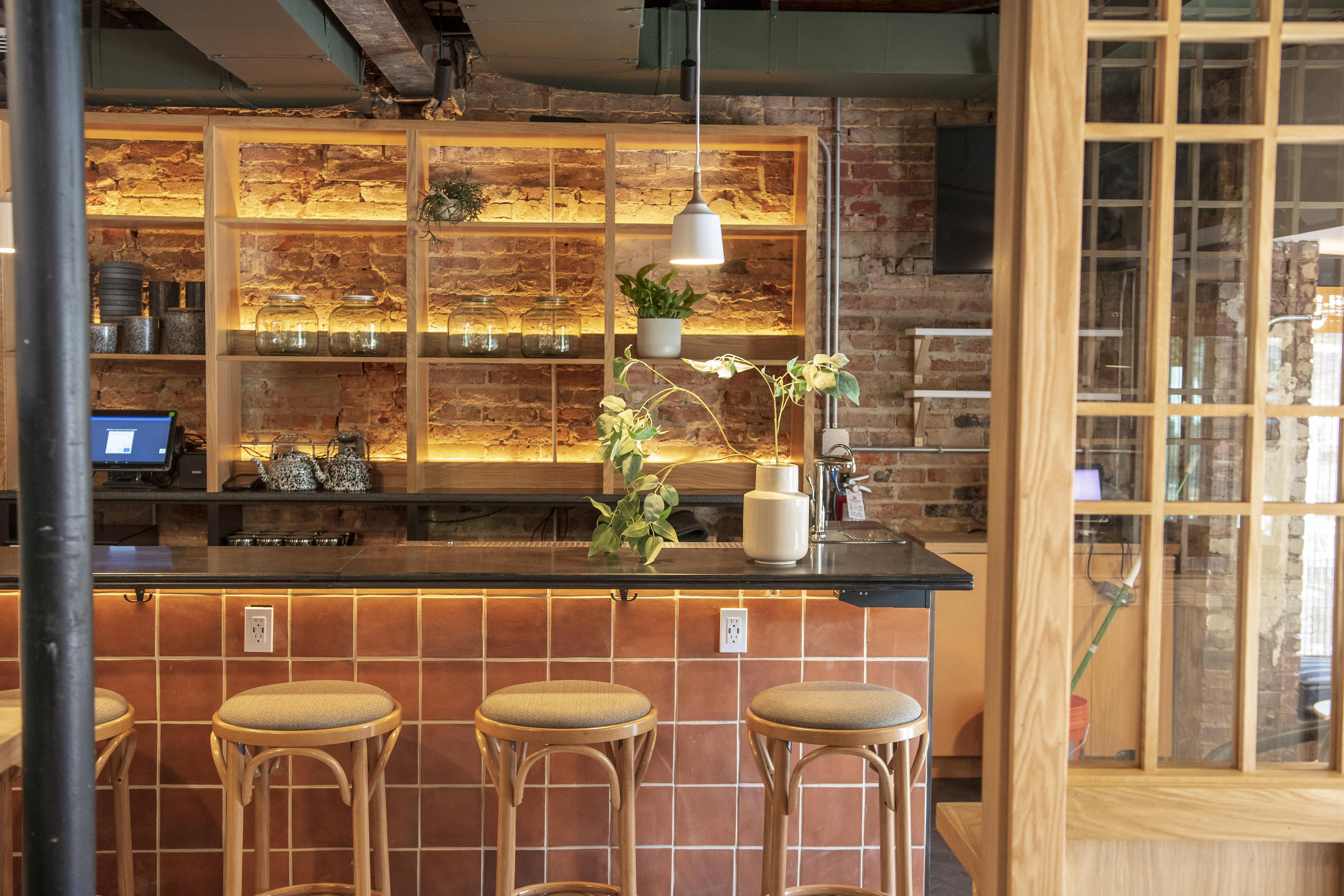
Soaring glass and marble space with brass accents and terra-cotta, creating a modern, elegant atmosphere with a tight intimate counter.