Hotel Ulysses


Hotel Ulysses on East Read Street plants itself in Baltimore's Mount Vernon neighbourhood and draws its identity from three figures who shaped the city's cultural character: filmmaker John Waters, writer Edgar Allan Poe, and jazz singer Billie Holiday. The result is a property where cinematic drama, literary darkness, and musical soul coexist in a deliberate, stylized environment that reads as a neighbourhood artifact rather than a corporate import.
Pearl is the En Primeur Club membership app — saves, bookings, and concierge access live there. Same editors, same standards.
- Address
- 2 E. Read Street, Baltimore MD 21202, USA
- Phone
- +14436828578
- Website
- marriott.com
- Directions
- Get directions
 Saves & bookings on Pearl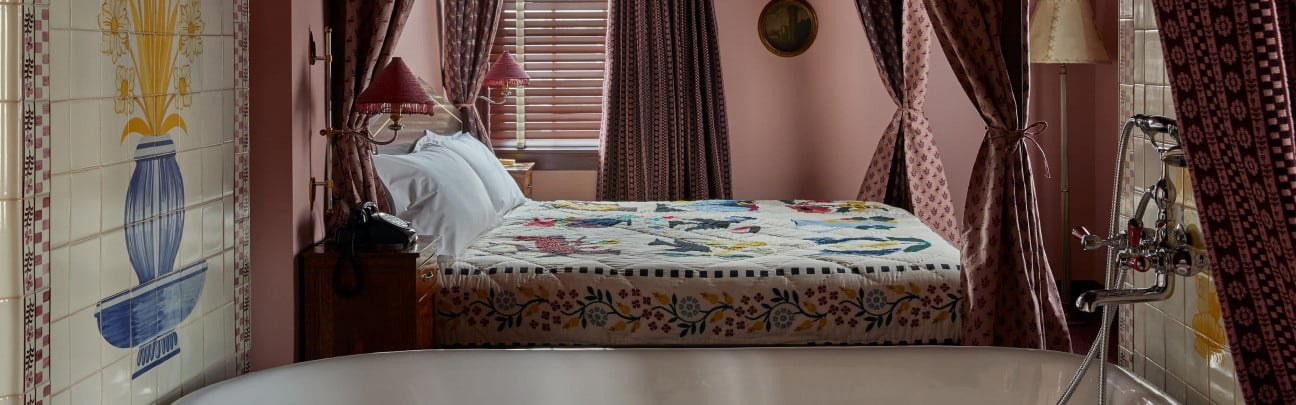
Baltimore's Literary and Cinematic Quarter
Mount Vernon has always occupied a different register from Baltimore's waterfront hotel corridor. Where the Inner Harbour properties — among them the Four Seasons Hotel Baltimore and the Sagamore Pendry Baltimore — orient themselves toward the water and the convention economy, Mount Vernon tilts toward the arts institutions, independent restaurants, and brownstone blocks that give Baltimore its actual residential texture. East Read Street, where Hotel Ulysses sits at number 2, is a short walk from the Walters Art Museum, the Peabody Institute, and the cluster of independent venues that define the neighbourhood's evening character. The address puts guests inside the city rather than adjacent to a curated waterfront version of it.
That positioning matters in a city where the gap between tourist infrastructure and lived urban culture can be wide. Smaller design-led properties in American cities have increasingly staked their identity on neighbourhood embeddedness over brand affiliation, and Hotel Ulysses reads as a deliberate exercise in that approach. Where the The Ivy Hotel occupies the grand-residence end of the Mount Vernon spectrum and the Hotel Revival Baltimore plays a mid-century modernist note, Ulysses stakes out a third position: theatrical, referential, and rooted in specific Baltimore personalities rather than generic luxury codes.
Three Figures, One Interior Logic
The property frames itself as a tribute to John Waters, Edgar Allan Poe, and Billie Holiday, three figures whose relationship to Baltimore spans camp provocation, Gothic darkness, and jazz tragedy. The combination is not as arbitrary as it first appears. All three are artists who worked at the edge of mainstream acceptance, and all three are claimed by Baltimore in the particular way that cities claim difficult, singular figures once they have been sufficiently mythologized. The hotel's stated identity as a world full of drama, mystery, and playfulness draws directly from that triptych.
Design-led hotels that commit to a strong cultural reference point tend to split between properties that execute the concept with genuine depth and those that reduce it to surface decoration. The Ulysses concept, organized around figures with distinct aesthetic signatures, offers enough internal friction to avoid easy resolution: Waters's camp sensibility and Poe's Gothic compression do not blend smoothly, and the tension between them is more interesting than either would be alone. Holiday's presence adds a third register, one rooted in sound and loss rather than image or text, that prevents the interior logic from collapsing into a single mood.
Hotels that take on this kind of cultural programming as a structural commitment rather than a marketing layer tend to attract guests who use the city differently from those drawn by harbour views or convention proximity. The guesthouse by good neighbor and the Pendry Baltimore represent different points on the Baltimore accommodation spectrum; Ulysses occupies a position defined more by its cultural stance than by its category or price tier.
What the Address Provides
East Read Street's location in upper Mount Vernon puts Hotel Ulysses within walking distance of several of Baltimore's most substantial cultural institutions. The Walters Art Museum, which holds one of the more significant art collections on the East Coast assembled across a relatively compact campus, is close enough to visit on foot. The Peabody Institute's performance calendar brings a regular stream of concerts and recitals to the neighbourhood. The concentration of independent restaurants along Charles Street and its cross-streets means that guests are not dependent on hotel dining for the full range of the city's food scene.
For context on how neighbourhood positioning translates to actual experience, the contrast with Inner Harbour properties is instructive. Guests at waterfront hotels in Baltimore have immediate access to the tourist infrastructure but typically need transportation to reach the neighbourhoods where the city's independent restaurant and bar culture is densest. Mount Vernon guests, by contrast, step out into a functioning urban neighbourhood where the density of walkable options is higher. The EP Club's full Baltimore restaurants guide maps the city's dining options by area; the Read Street address performs well by that metric.
The broader question of what a city-centre neighbourhood address provides beyond walkability is one that the American boutique hotel sector has addressed in varying ways. Properties like the Chicago Athletic Association in Chicago and The Fifth Avenue Hotel in New York City have built their appeal partly around their positions inside dense urban grids that guests can move through on foot. Hotel Ulysses operates on the same logic at a smaller city scale, where the Mount Vernon neighbourhood carries cultural weight disproportionate to its geographic size.
Where Ulysses Sits in the Baltimore Spectrum
Baltimore's premium accommodation market has sorted itself across several distinct positions. The large international operators anchor the Inner Harbour. Smaller design-led properties have established themselves in Mount Vernon and the surrounding historic neighbourhoods, each with a different identity proposition. Against that field, Hotel Ulysses presents the most explicitly local-cultural stance in the city's current inventory, drawing on three figures with genuine Baltimore provenance rather than generalized historic or architectural references.
That specificity is a differentiator in a segment where many properties default to either broad heritage positioning or design-object minimalism. The Waters, Poe, and Holiday framework gives the property a legible cultural personality without requiring guests to already know Baltimore well enough to decode it; the three names carry enough independent recognition to work as an introduction to the city's cultural self-image as much as an expression of it.
For travellers whose reference points are design-forward boutique hotels in other American cities, whether the nature-embedded logic of Post Ranch Inn in Big Sur, the farm-to-table integration of SingleThread Farm Inn in Healdsburg, or the resort scale of Amangiri in Canyon Point, Hotel Ulysses represents a different category: the urban cultural artifact hotel, where the building's relationship to its city's specific mythology is the primary offering.
Other points of comparison in the broader American boutique market include Troutbeck in Amenia, which similarly draws its identity from literary history, and the Raffles Boston in Boston, which operates at the intersection of heritage and contemporary programming. Internationally, properties like Aman Venice in Venice and Badrutt's Palace Hotel in St. Moritz demonstrate how deeply embedded cultural or social mythology can anchor a property's identity across decades. Ulysses is working in that tradition at a more intimate and specifically local scale.
Planning a Stay
Hotel Ulysses is located at 2 East Read Street in Baltimore's Mount Vernon neighbourhood, a district that rewards guests who arrive without a fixed itinerary and are willing to move through the city on foot. The property's position at the northern edge of downtown puts it close to the cultural institutions along Charles Street and within a short drive or ride of the Inner Harbour's transport connections. For broader context on Baltimore's hotel market and restaurant programming, the EP Club's full Baltimore city guide covers the options by neighbourhood. Additional reference points for the American boutique segment include 1 Hotel San Francisco in San Francisco, Aman New York in New York City, Hotel Bel-Air in Los Angeles, Four Seasons at The Surf Club in Surfside, Kona Village, A Rosewood Resort in Kailua Kona, Little Palm Island Resort & Spa in Little Torch Key, Canyon Ranch Tucson in Tucson, and Sage Lodge in Pray.
Recognition history
Dated appearances from independent guides and award organizations, with the underlying list record or original source where available.
Design Hotels Member
Design Hotels
Mr & Mrs Smith Smith Seal of Approval
Mr & Mrs Smith
Michelin Selected
Michelin
At a Glance
- Trendy
- Modern
- Elegant
- Intimate
- Sophisticated
- Romantic Getaway
- Weekend Escape
- Business Trip
- Historic Building
- Design Destination
- Wi Fi
- Fitness Center
- Room Service
- Concierge
- Restaurant
- Bar
- Street Scene
- Wi Fi
- Fitness Center
- Room Service
- Concierge
- Restaurant
- Bar
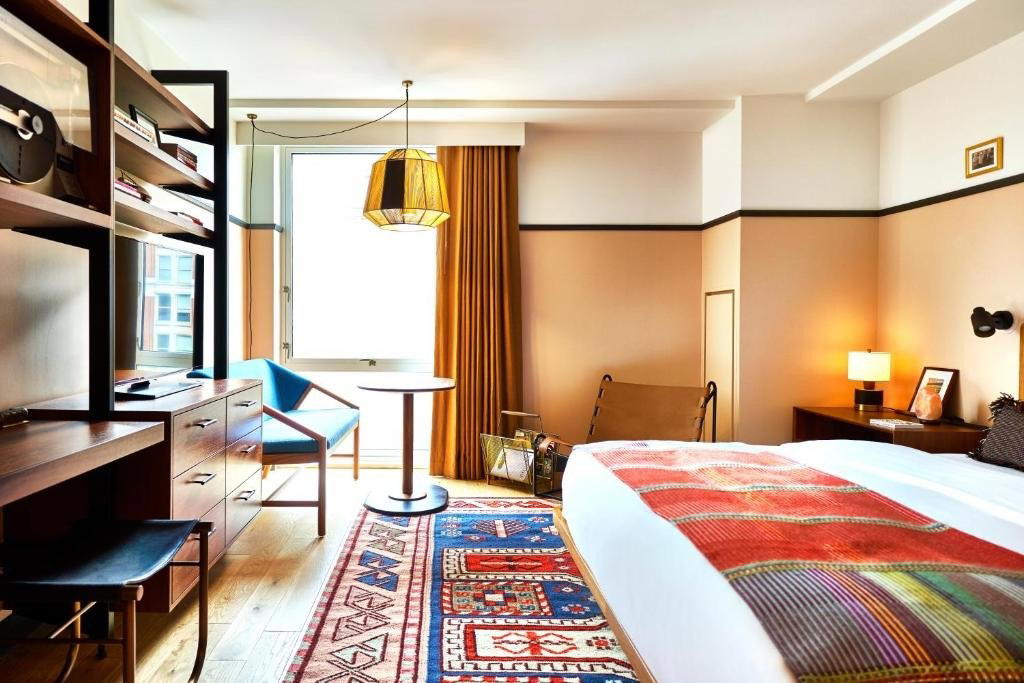
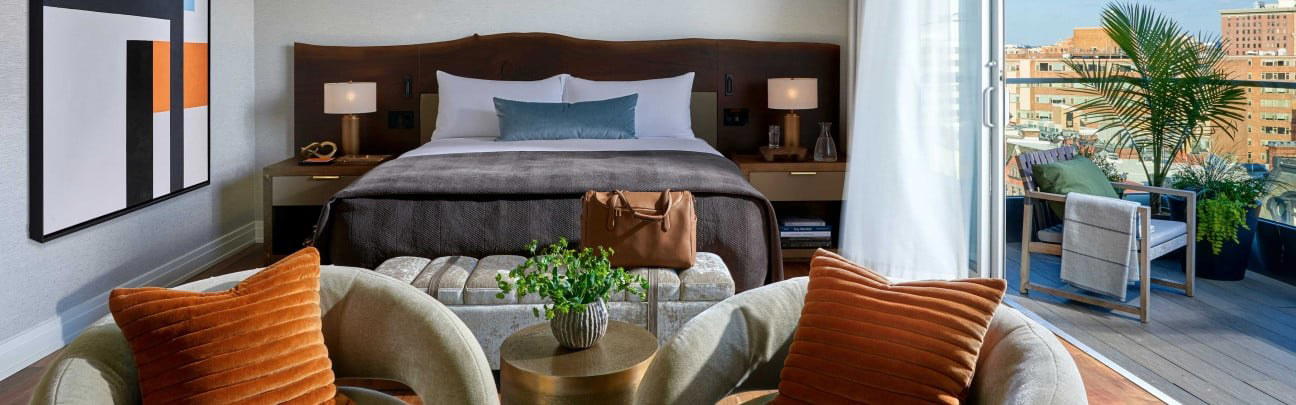
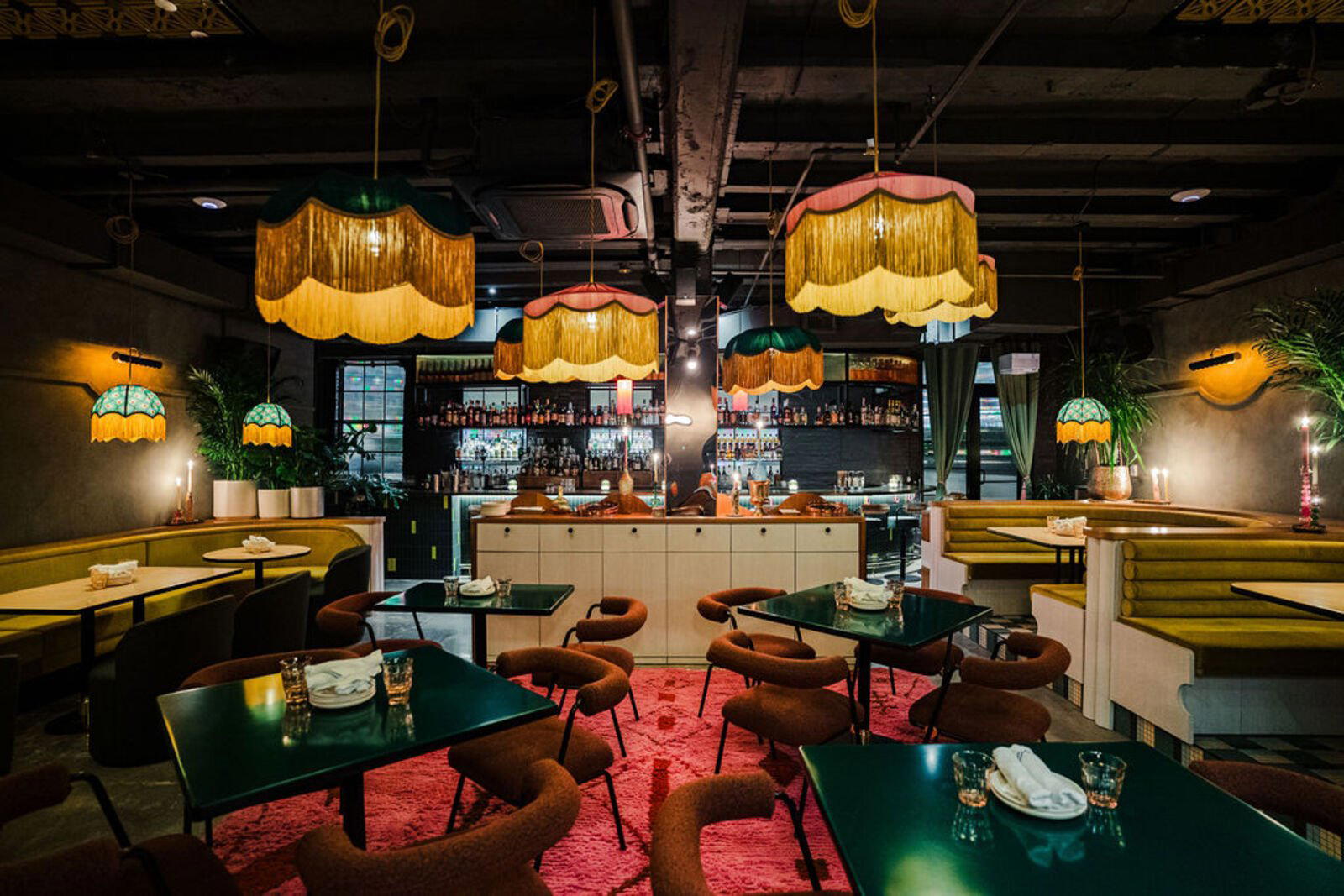
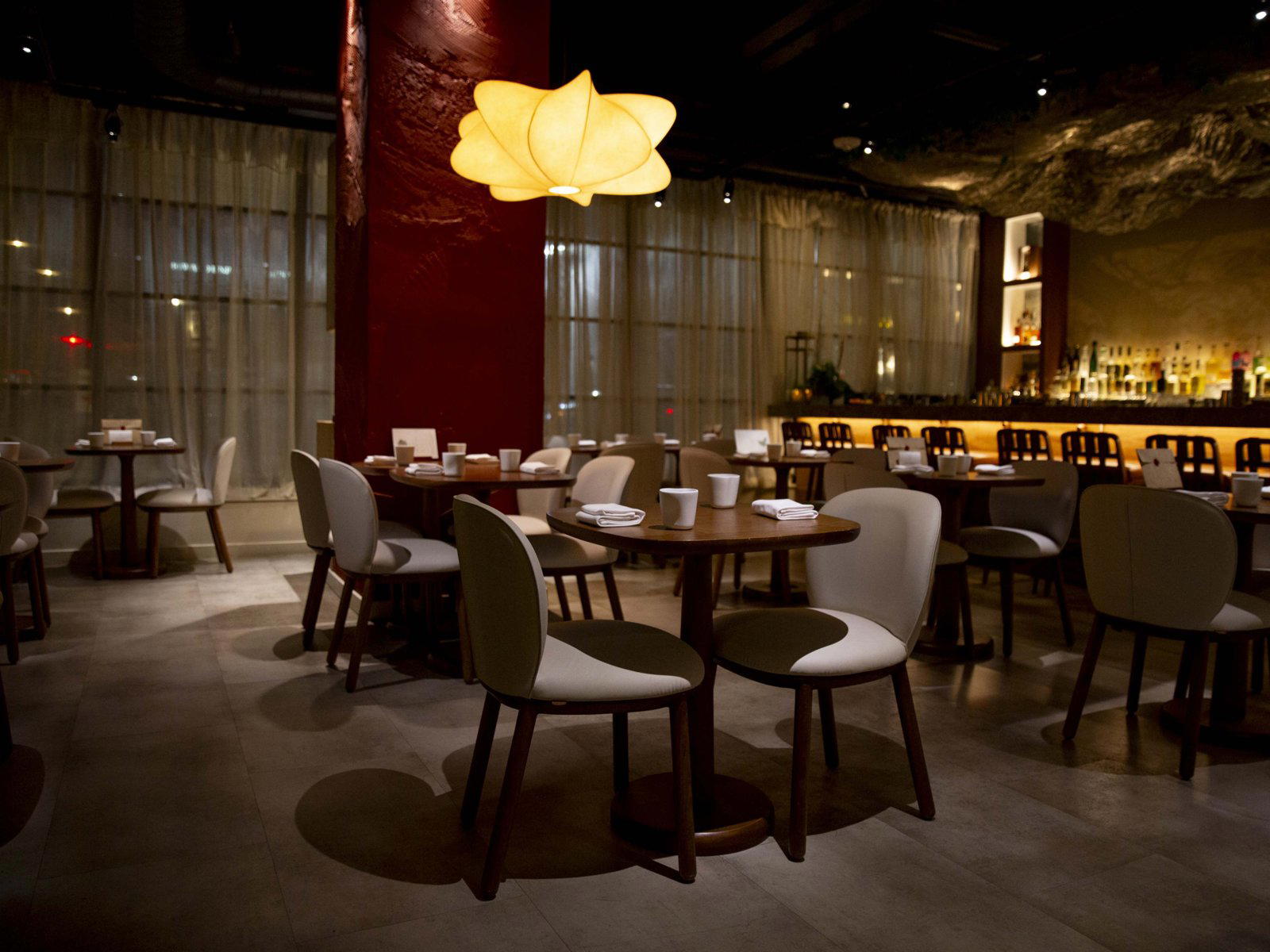
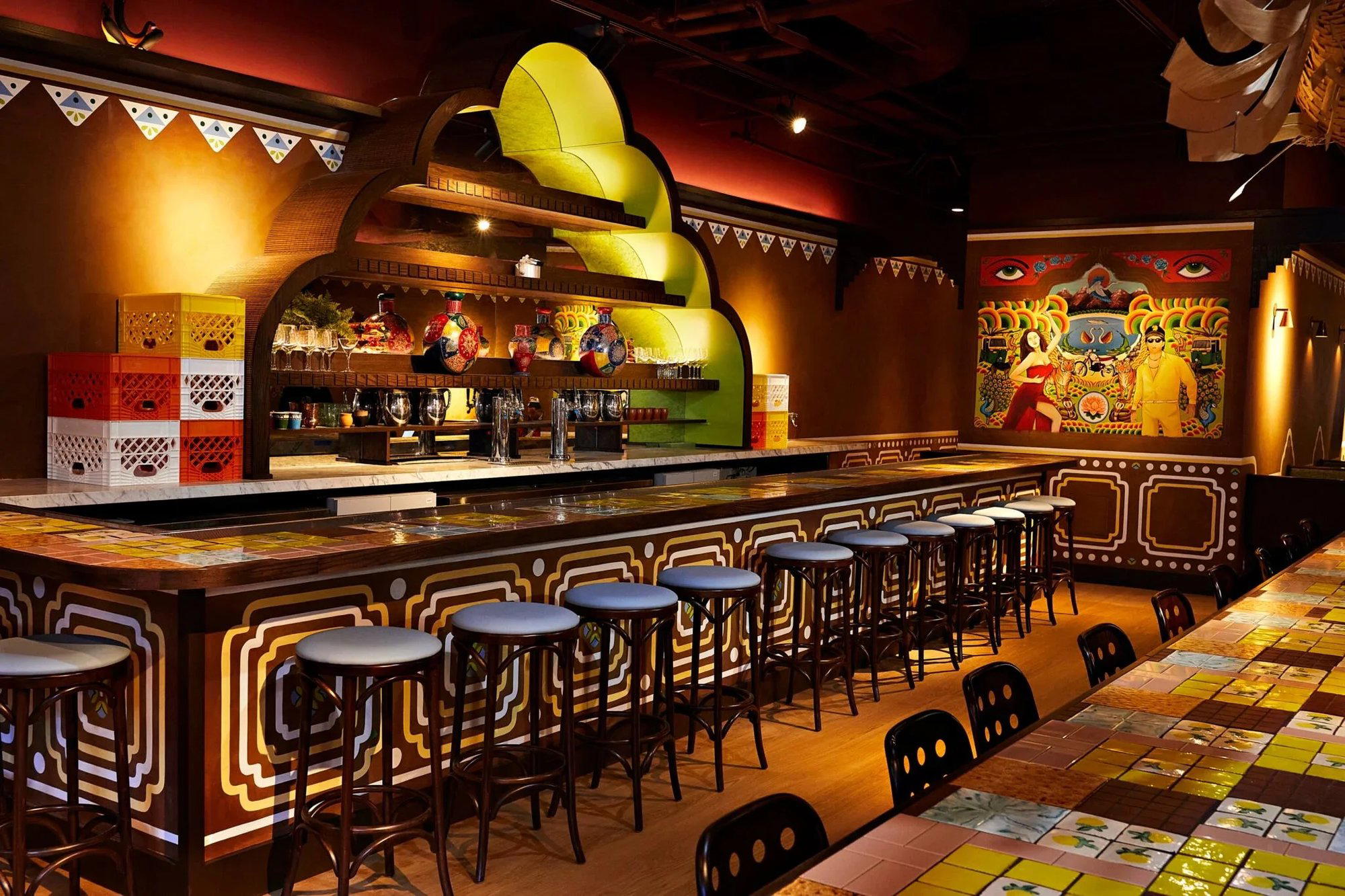
Dim lighting with eclectic maximalist decor featuring canopy beds, vintage finds, leopard prints, and plush cocktail lounges evoking Art Deco glamour and 1980s disco vibes.
Know Before You Go
- Getting there
- 2 E. Read Street, Baltimore MD 21202, USA