
PULPO places Spanish cooking inside Fukuoka’s seafood-first dining culture, with a wine-bar rhythm rather than a formal tasting-menu posture. Its Tabelog 100 Spanish cuisine selections in 2024 and 2026, fish focus, counter seating, and Chuo Ward port-side address make it a precise choice for travellers who want the city’s produce translated through an Iberian lens.
Pearl is the En Primeur Club membership app — saves, bookings, and concierge access live there. Same editors, same standards.
- Address
- 2 Chome-8-25 Minato, Chuo Ward, Fukuoka, 810-0075, Japan
- Phone
- +81 92-712-3710
- Website
- instagram.com
 Saves & bookings on Pearl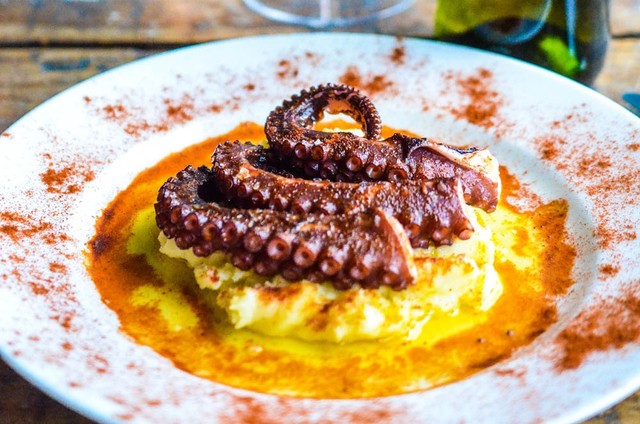
Approaching Minato after dark, Fukuoka’s restaurant mood shifts. The city’s central dining map is often read through Hakata ramen, seafood izakaya, sushi counters, and yatai culture, but the harbour side of Chuo Ward offers another angle: compact rooms where wine, counter seats, and seafood-led cooking feel closer to a European port-town bar than a formal Japanese dining room. PULPO fits that register. The name points to Spain; the local logic is Fukuoka: fish matters, wine matters, and the room is scaled for diners who plan rather than drift in.
That planning context is the point. Fukuoka’s deep casual-food identity has a more interesting layer: small, ingredient-led, and category-fluid. Spanish cooking here need not imitate Madrid or San Sebastián; it works when it meets Kyushu seafood and a drinking culture comfortable with long evenings. PULPO’s inclusion in Tabelog 100 for Spanish cuisine in 2024 and 2026 is a clear trust signal within that narrower field, not a trophy detached from place, but evidence that this genre has a serious city audience.
Spanish cooking in Fukuoka works when seafood leads the room
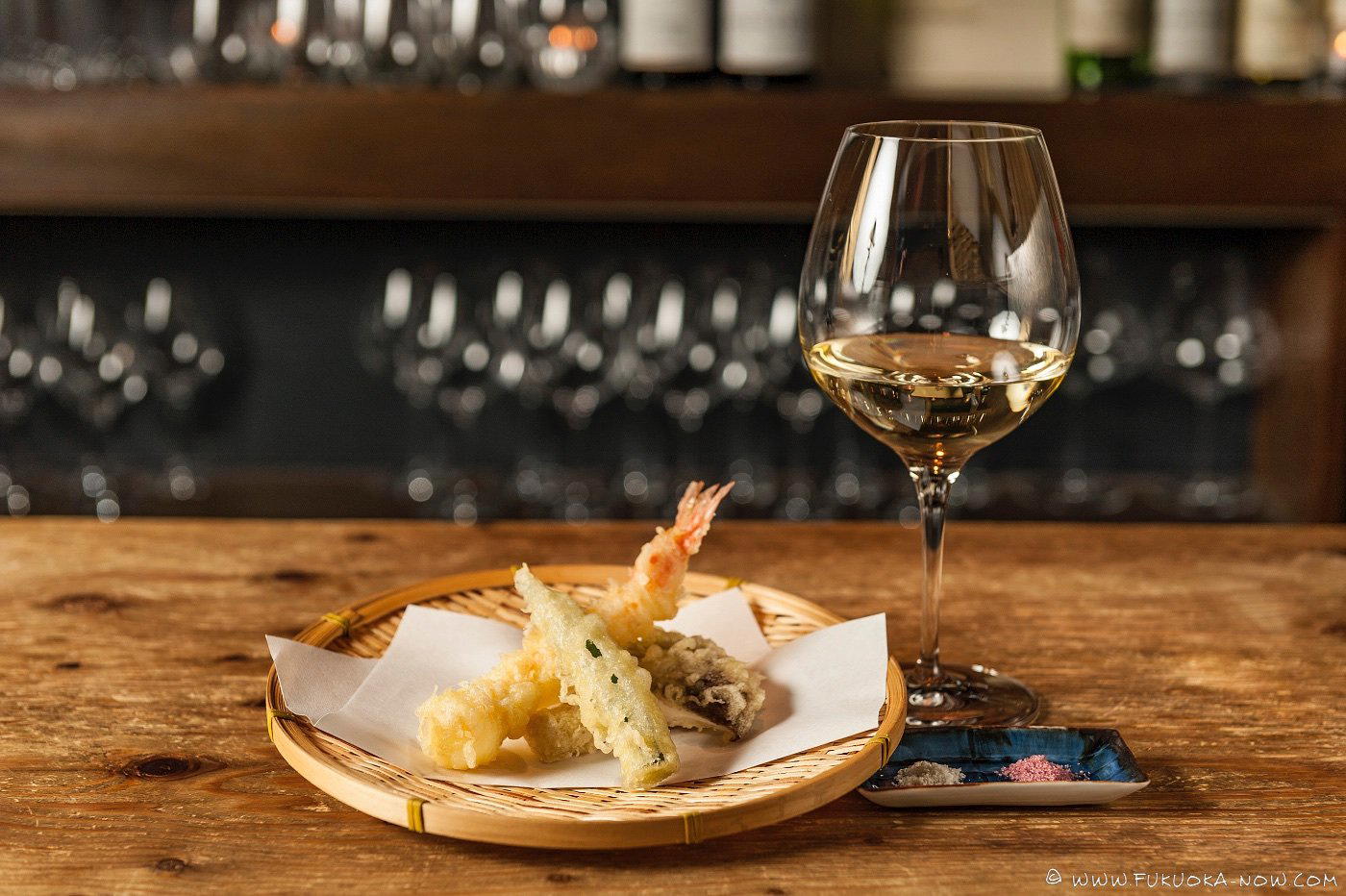
Fukuoka is a fish city before it is a Spanish-dining city. That matters because Spanish cuisine at this scale is judged less by elaborate technique than by handling seafood, oil, heat, salt, and wine. PULPO is categorized as Spanish, wine bar, and dining bar, with a stated focus on fish and wine. Those labels separate it from two common traps: the rigid dégustation room and the loose international bar with Iberian branding. The appeal sits between them.
For travellers building a Fukuoka itinerary, this is not a replacement for the city’s Japanese staples; it is a counterpoint. A night here makes more sense after seeing how varied the city’s dining culture has become. South Indian cooking at 106 South Indian Fukuoka tenjin ten, spice-led dining at Afterglow, local Japanese cooking at Aji Dokoro Taro Gen Sougyou ten, fried fish specialists such as Aji Furai Shokudo Kaba, and katsudon culture around Aji no Katsueda show the city’s broad appetite. Spanish cooking earns its place when it connects to that appetite rather than arriving as imported theme.
The comparison set clarifies the decision. TTOAHISU occupies a French lane, Sushi Ryori Ichitaka points toward sushi formality, while Onokoro Hanjou, meek, and HAKKO Shokudo sit at lower listed dinner bands. PULPO’s Spanish-and-wine-bar identity places it in a different evening category: less ceremonial than sushi, more structured than a casual bar, and more produce-dependent than a generic Western restaurant. That middle ground is where many stronger Fukuoka independent rooms operate.
The recognition matters because the category is narrow
Tabelog’s genre lists are useful in Japan because they surface restaurants outside the international-awards circuit. A Tabelog 100 Spanish cuisine selection in 2026, following selection in 2024, positions PULPO among restaurants Japanese diners actively evaluate within a specific cuisine category. The listed score of 3.63 adds another data point, but repeated selection in a field where consistency, not spectacle, carries weight is the more meaningful signal.
That distinction matters for travellers. Fukuoka lacks the same foreign-visitor dining shorthand as Tokyo or Kyoto, where reservations, chef lineages, and Michelin language dominate. Here, credible choices require reading category, neighbourhood, seating style, and price band together. Spanish cooking with a wine-bar frame is not the obvious first dinner for a short trip, yet it can show how Fukuoka’s better independent restaurants use local demand rather than tourist theatre to define themselves.
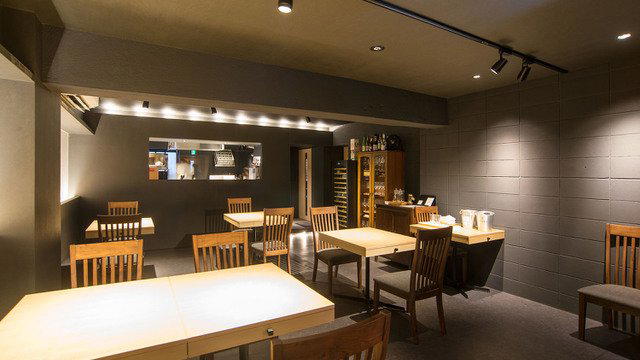
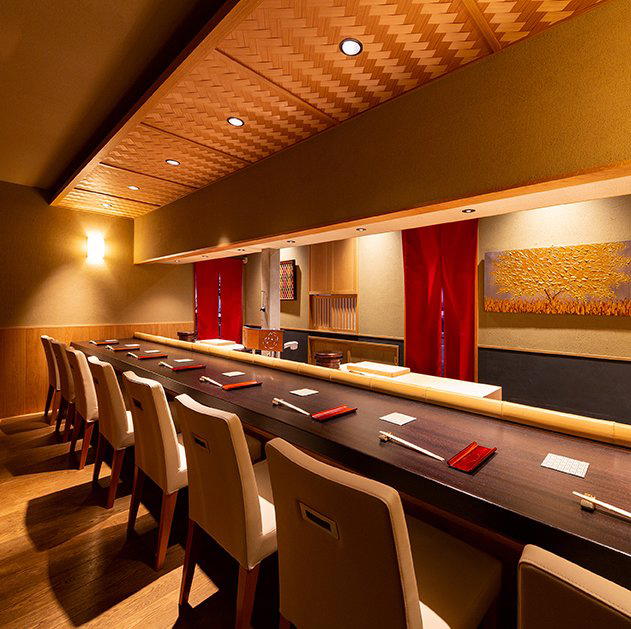
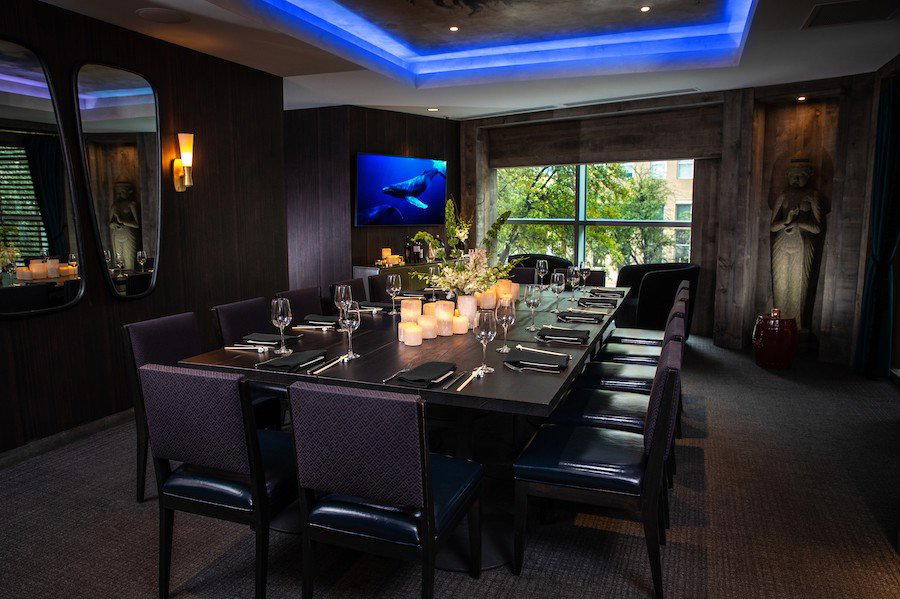
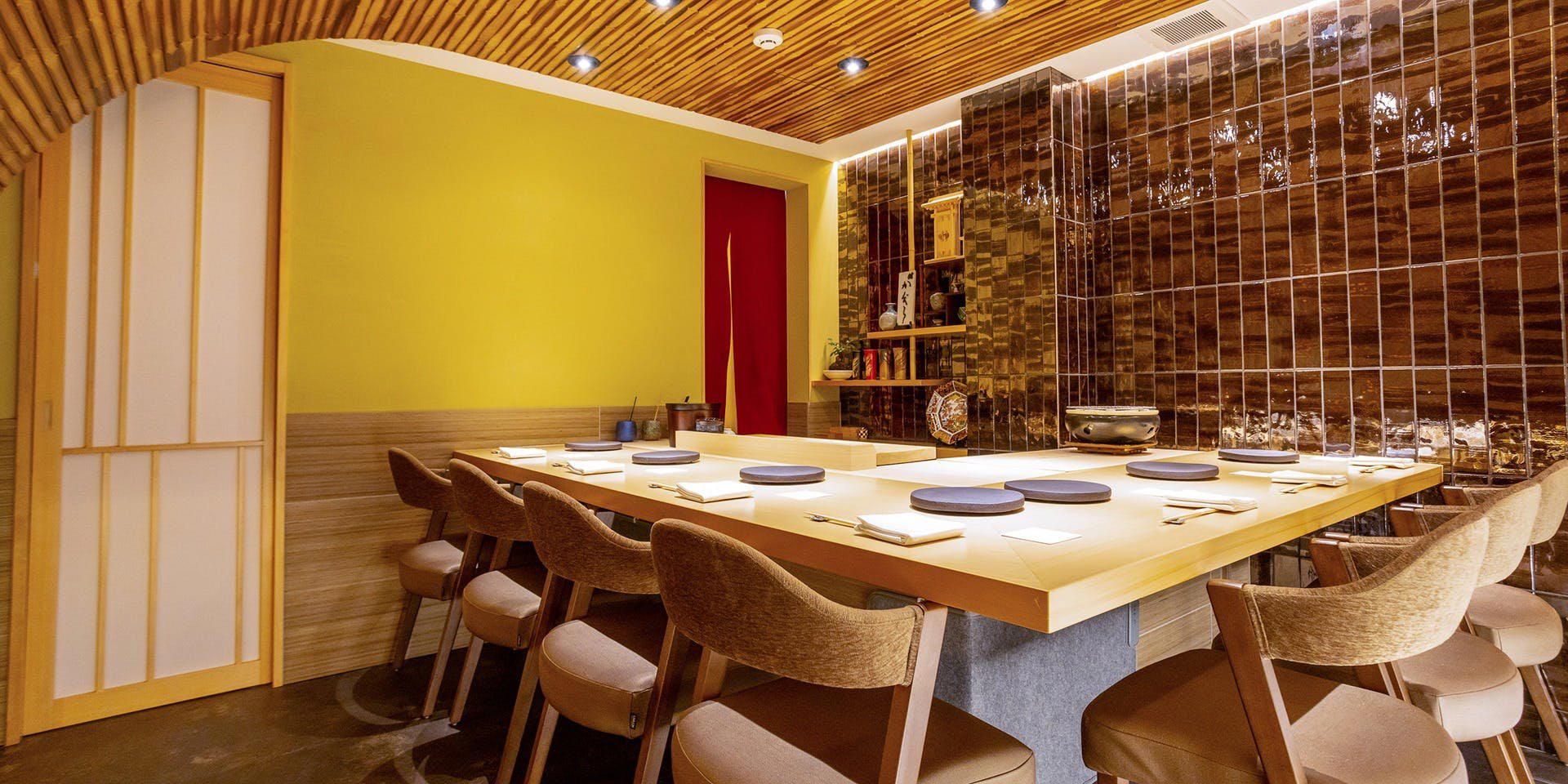
The room format reinforces that reading. Counter seating changes the tempo of a Spanish restaurant, pulling it away from large-table tapas grazing toward a more attentive, cook-facing meal. Several tables keep it flexible, but the counter is the clue. In Japan, counter dining creates accountability, shortens the distance between preparation and guest, and suits seafood cookery because timing becomes visible. Without naming dishes not publicly specified, the category says enough: fish-led Spanish cooking with wine is better for diners who care about pace and product than for groups seeking a loud, share-everything night.
How to place it in a Fukuoka itinerary
PULPO works well as a planned evening, not a fallback after sightseeing. Its value is not only the Spanish label; it is how that label intersects with Fukuoka’s port-city instincts. Travellers often organize the city around Hakata, Tenjin, and the ramen circuit, then treat everything else as secondary. Minato and the Ohori Koen area reward a slower plan: dinner built around wine and seafood, followed by a late return to the centre rather than another checklist round.
The practical decision is about appetite. Diners seeking formal chef-counter ceremony may find sushi or French more direct. Those wanting a low-commitment snack crawl have other Fukuoka lanes. This address suits the middle: a full dinner with wine, a compact room, and enough recognition to justify advance planning without turning the meal into a status exercise. The listed dinner band sits in the city’s accessible-premium range, while the seat charge and small-room reservation notes make usual Japanese courtesy rules relevant: settle numbers early, avoid last-minute changes, and do not assume seating choice can be controlled.
For a broader city plan, use Our full Fukuoka restaurants guide alongside Our full Fukuoka hotels guide, Our full Fukuoka bars guide, Our full Fukuoka wineries guide, and Our full Fukuoka experiences guide. Travellers extending the same food-first itinerary across Japan can compare regional formats through -Grilled beef Sukiyaki- KAMAKURA TANUKIAN 鎌倉 たぬき庵 in Kamakura. 鮪と炭火焼き うお炭 秋葉原店 in Tokyo.cafe in Osaka.know in Kumamoto, (Shoku) Vietnam in Kawasaki, [Curry Senmon Ten] Maruyama Kyoju. in Sapporo, Jōdo Saké Bar in Los Angeles, and Onigiri Time in Pasadena.
The editorial case is clear: choose PULPO when the night calls for Fukuoka seafood seen through Spanish technique and wine service, not a maximalist tasting menu or casual bar hop. Its repeated Tabelog 100 Spanish cuisine recognition, fish-and-wine orientation, and compact format make it a sharp specialist choice in a city whose dining range is broader than its ramen reputation suggests.
Cuisine Context
Comparable venues in the metro at similar price points.
| Venue | Cuisine | Price | Notes |
|---|---|---|---|
| PULPOThis venue — the venue you are viewing | Galician-style Spanish restaurant | $$ | Not listed |
| comodo | Casual Spanish Bar & Tapas | $$ | Chūō |
| Tonkatsu Wakaba | Tonkatsu (Japanese pork cutlet) | $$ | Chūō |
| Yakitori Inada | Traditional Yakitori & Izakaya | $$ | Hakata |
| Shokudo Shiotosake | Dining | Not listed | Sawara |
| 枯淡 | japanese | Not listed | Chūō |
Recognition history
Dated appearances from independent guides and award organizations, with the underlying list record or original source where available.
Tabelog 100 #25 · No. 25
Tabelog · Tabelog 100 - Spanish cuisine - 2026


At a Glance
- Date Night
- Group Dining
- Casual Hangout
- After Work
- Standalone
Current opening hours
- Monday
- 5–10 PM
- Tuesday
- 5–10 PM
- Wednesday
- 5–10 PM
- Thursday
- 5–10 PM
- Friday
- 5–10 PM
- Saturday
- 5–10 PM
- Sunday
- Closed
Hours can change for holidays and private events. Last verified .