Pizzeggiando
In the shadow of the Alps, Pizzeggiando brings Aosta's mountain larder into focus through pizza as a format shaped by local sourcing. The Valle d'Aosta's altitude, climate, and pastoral traditions define what lands on the plate here, placing this address within a regional dining story that goes well beyond the dish itself. A useful stop for anyone reading Aosta's food scene seriously.
Pearl is the En Primeur Club membership app — saves, bookings, and concierge access live there. Same editors, same standards.
- Address
- Via Édouard Aubert, 81, 11100 Aosta AO, Italy
- Phone
- +39165715175
- Directions
- Get directions
 Saves & bookings on Pearl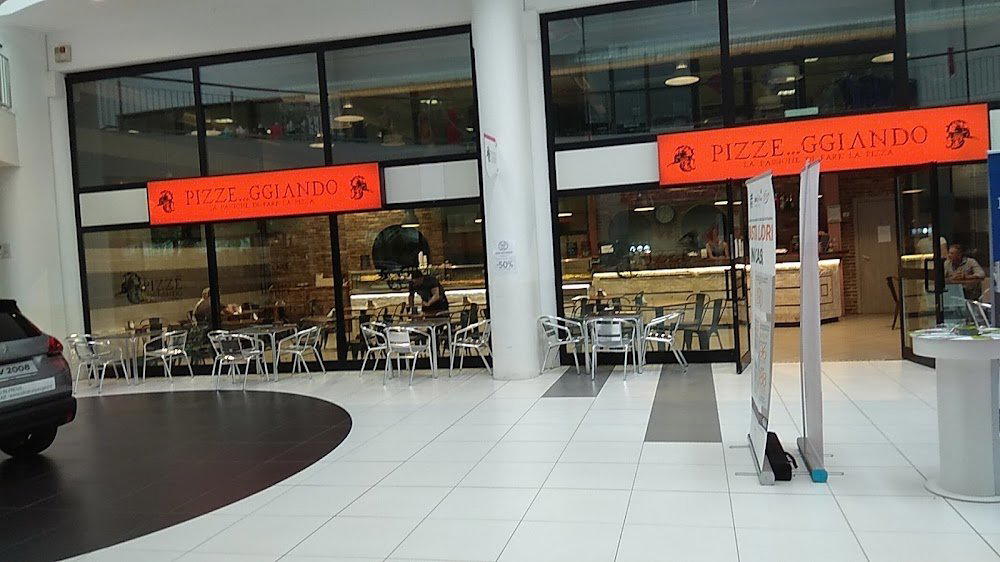
Pizza at Altitude: Reading Aosta's Mountain Larder
Valle d'Aosta occupies a particular position in the Italian food conversation. The region is tiny, landlocked on three sides by the highest peaks in the Alps, and produces ingredients shaped by conditions found almost nowhere else on the peninsula: raw-milk fontina aged in mountain caves, lard seasoned with herbs and packed into Arnad's stone troughs, honeys from alpine meadows above 1,500 metres, and meats from cattle breeds adapted to steep grazing terrain. These aren't decorative local touches. They are the actual substance of what a serious kitchen here should put in front of a guest.
Pizzeggiando is a casual Pizza al Taglio restaurant in Aosta, Italy, with. Pizzeggiando sits on Via Édouard Aubert in central Aosta, a street that runs within walking distance of the Roman remains that mark this as one of the ancient gateways into transalpine Italy. The location is practical rather than scenic: a working part of the town used by residents as much as visitors. That grounding matters in a city where the pull toward ski-resort tourist formats is constant across much of the hospitality offer.
Where the Sourcing Argument Starts
The sourcing question in Valle d'Aosta is more pointed than in most Italian regions because the regional supply chain is genuinely short. Producers are few, quantities are limited, and the ingredients that define this corner of northern Italy, particularly fontina DOP and the cured meats produced under the Vallée d'Aoste label, have protected designation status that anchors them to specific altitude bands, breeds, and production methods. A pizzeria in Aosta that works with these materials is drawing on a supply chain that cannot simply be replicated at scale or substituted with commodity equivalents.
This matters because pizza, as a format, has spent the last decade being asked serious sourcing questions across Italy. The Neapolitan tradition that dominates the form has always emphasized flour origin, fermentation time, and tomato variety as primary quality signals. In northern mountain contexts like this one, those same questions sit alongside a regional ingredient layer that shifts the toppings argument entirely. Fontina rather than fior di latte. Lardo di Arnad rather than generic cured pork. Honeys and alpine herbs as finishing elements rather than imported basil. The format is familiar; the regional expression is specific.
Atelier Moessmer Norbert Niederkofler in Brunico has built an alpine sourcing philosophy into a Michelin-level tasting format, and Piazza Duomo in Alba anchors its offer to Piedmontese producers with equal rigour. What makes the Aosta context distinct is that the ingredient density here, the number of genuinely protected and altitude-specific products within a small geographic radius, gives even an accessible-format kitchen real material to work with.
The Alpine Pizza Format in Context
Italy's pizza scene has split into broadly three tiers over the past decade: the certified Neapolitan camp, the contemporary high-fermentation independent, and the regional-expression house that treats pizza as a vehicle for local produce rather than a standardised product. The third category is particularly interesting from an ingredients perspective, and also the hardest to evaluate without knowing what the kitchen is actually sourcing.
In Aosta specifically, the regional argument is direct on paper but requires execution. Fontina DOP, which must be produced only in Valle d'Aosta from the milk of Valdostana cattle on alpine or sub-alpine pastures, has a specific melting behaviour and fat profile that interacts differently with a fired crust than the more common southern mozzarella variants. Lardo di Arnad, produced in a single valley commune using stone containers called doïls, carries a herb and spice character that a generalist supplier cannot replicate. These are ingredients with stories embedded in geography, and a kitchen that uses them honestly is placing itself inside a regional food tradition rather than simply decorating a standard product with local colour.
For context on how other serious Italian kitchens handle regional anchoring at fine dining scale, see Dal Pescatore in Runate, Osteria Francescana in Modena, and Le Calandre in Rubano. Each operates in a different regional idiom, but all share a sourcing discipline that treats local producers as collaborators rather than suppliers. Enoteca Pinchiorri in Florence and Enrico Bartolini in Milan represent the other end of the northern Italian fine dining register, where creative ambition operates at the highest price tier. Pizzeggiando occupies a different category entirely, but the regional sourcing logic applies across all of them.
Aosta as a Dining Destination
The Province of Aosta receives most of its visitor traffic in winter, when the Courmayeur and Cervinia ski areas pull a clientele focused on mountain sport rather than food exploration. Summer brings hikers and climbers, and a smaller set of travellers specifically interested in the region's Roman ruins, medieval castles, and agricultural traditions. The dining scene reflects this: a core of locally-oriented restaurants serving Valdostano cuisine alongside a broader hospitality offer shaped by resort economics.
Within that context, the case for a regionally-grounded pizzeria in the town centre is clear. Aosta functions as the commercial and administrative heart of the valley, and Via Édouard Aubert sits close enough to the town's main thoroughfare and Roman forum to capture both resident and visitor traffic across lunch and evening service. The format, accessible and relatively informal by the standards of Italian mountain dining, broadens the audience without abandoning the regional sourcing argument.
Italy's other serious coastal and inland restaurant addresses, from Uliassi in Senigallia to Quattro Passi in Marina del Cantone and Reale in Castel di Sangro, each demonstrate how geography shapes a kitchen's core identity. In the Alps, that identity is built on altitude, season, and a supply chain measured in kilometres rather than supply chain logistics. Gambero Rosso in Marina di Gioiosa Ionica, Villa Crespi in Orta San Giulio, and Casa Perbellini 12 Apostoli in Verona all operate in northern Italian contexts where regional specificity is a point of distinction. Da Vittorio in Brusaporto and La Pergola in Rome show the range of what serious ambition looks like at the summit of the Italian tier. And for international comparison on how sourcing discipline operates at the highest levels outside Italy, Le Bernardin in New York City and Atomix in New York City each make the sourcing argument central to their critical positioning.
Planning Your Visit
Pizzeggiando is located at Via Édouard Aubert, 81, 11100 Aosta AO, Italy, in the centre of Aosta and within the old Roman grid of the town. It is a walk-in-friendly spot with casual dress, open Monday through Saturday from 10 AM to 8:30 PM and closed on Sunday.
How It Stacks Up
Comparable venues nearby, for context on price, style, and recognition.
| Venue | Cuisine | Price | Notes |
|---|---|---|---|
| PizzeggiandoThis venue — the venue you are viewing | Pizza al Taglio | $$ | Not listed |
| La Brasserie du Bon Bec | Alpine Italian Brasserie | $$ | Cogne town center |
| The Lido | Italian Lakeside Pizzeria & Beach Club | $$ | Cernobbio |
| Signorvino Torino | Italian Wine Bar | $$ | Centro |
| Venchi Cioccogelateria | Italian Chocolate Gelateria | $$ | San Marco |
| Trattoria Ca' D'Oro - Cucina Tipica Veneziana | Traditional Venetian Trattoria | $$ | Cannaregio |
Continue exploring
More in Province Of Aosta
Restaurants in Province Of Aosta
Browse all →
Bars in Province Of Aosta
Browse all →
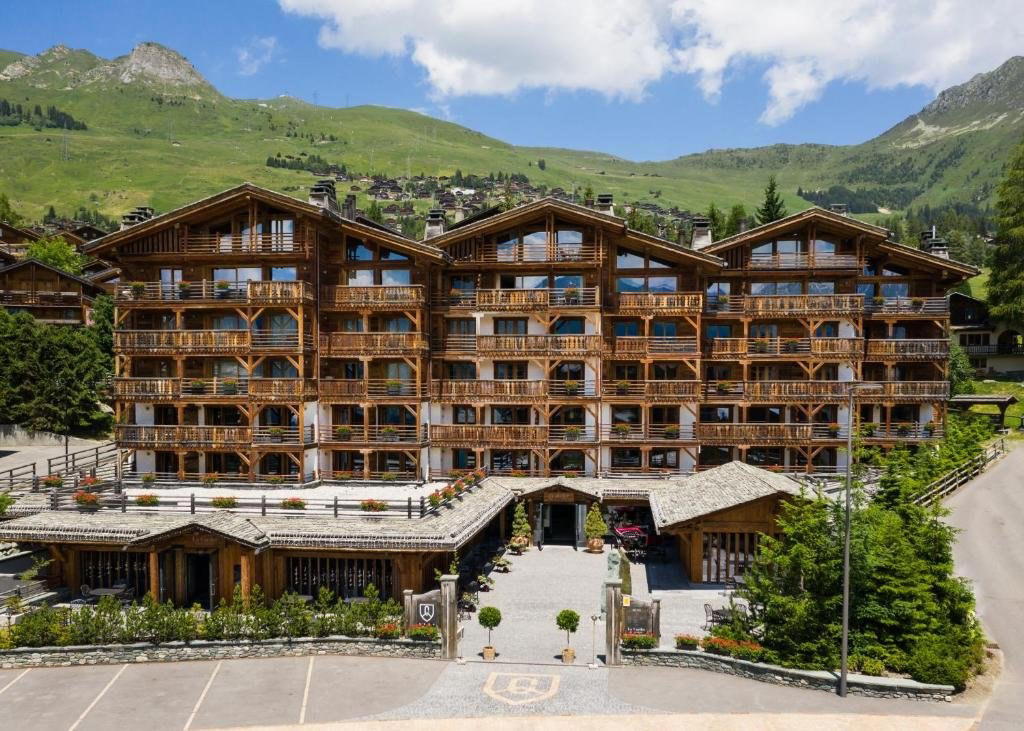
Hotels in Province Of Aosta
Browse all →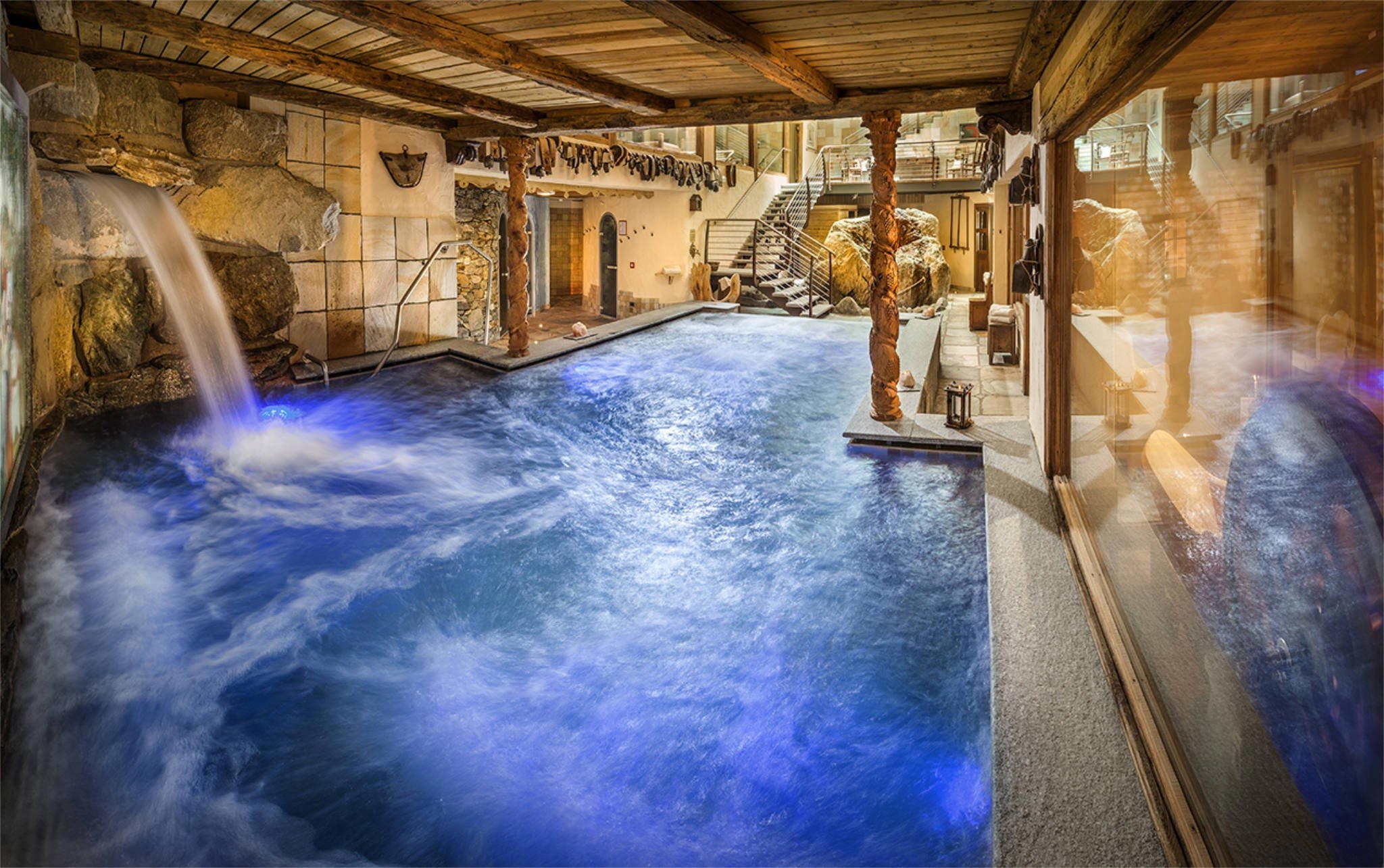
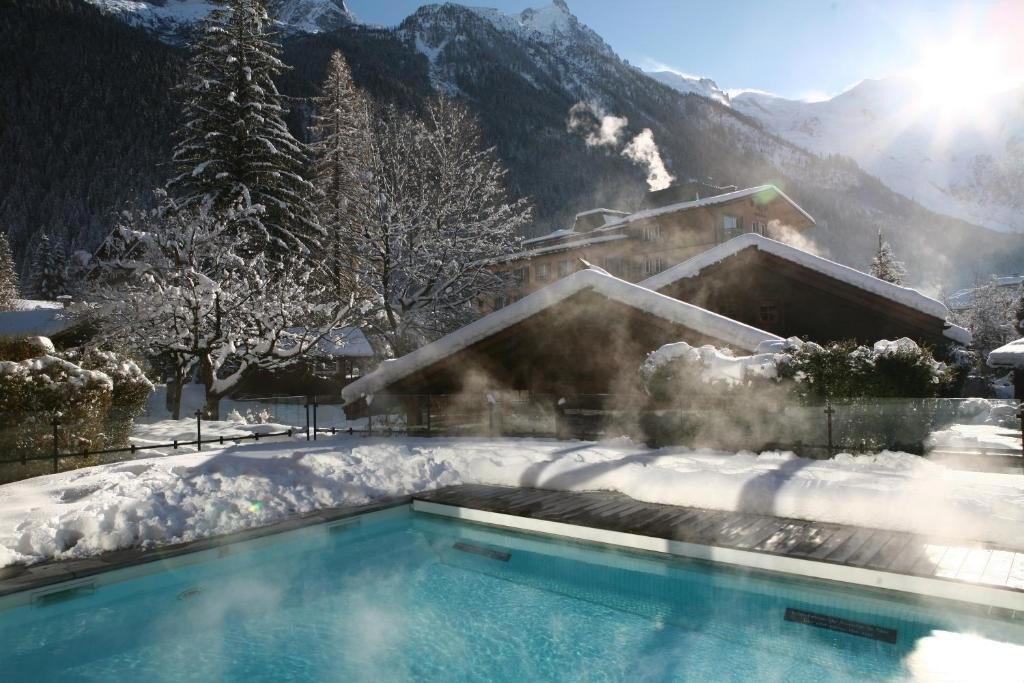
Wineries in Province Of Aosta
Browse all →
At a Glance
- Cozy
- Rustic
- Casual Hangout
- Family
- Open Kitchen
- Street Scene
Current opening hours
- Monday
- 10 AM–8:30 PM
- Tuesday
- 10 AM–8:30 PM
- Wednesday
- 10 AM–8:30 PM
- Thursday
- 10 AM–8:30 PM
- Friday
- 10 AM–8:30 PM
- Saturday
- 10 AM–8:30 PM
- Sunday
- Closed
Hours can change for holidays and private events. Last verified .
Casual and welcoming atmosphere with clean interior and pleasant outdoor tables, praised for its friendly service and relaxed vibe.