
La Brasserie du Bon Bec reads Cogne through a brasserie lens: sharing dishes, fondue, mixed grills, and informal cooking tied to Aosta Valley habits rather than destination-restaurant theatre. It suits travellers who want the region’s mountain appetite in a relaxed room, with tradition doing the work instead of ceremony.
Pearl is the En Primeur Club membership app — saves, bookings, and concierge access live there. Same editors, same standards.
- Address
- Rue Grand Paradis 22
- Website
- menumodo.com
- Directions
- Get directions
 Saves & bookings on Pearl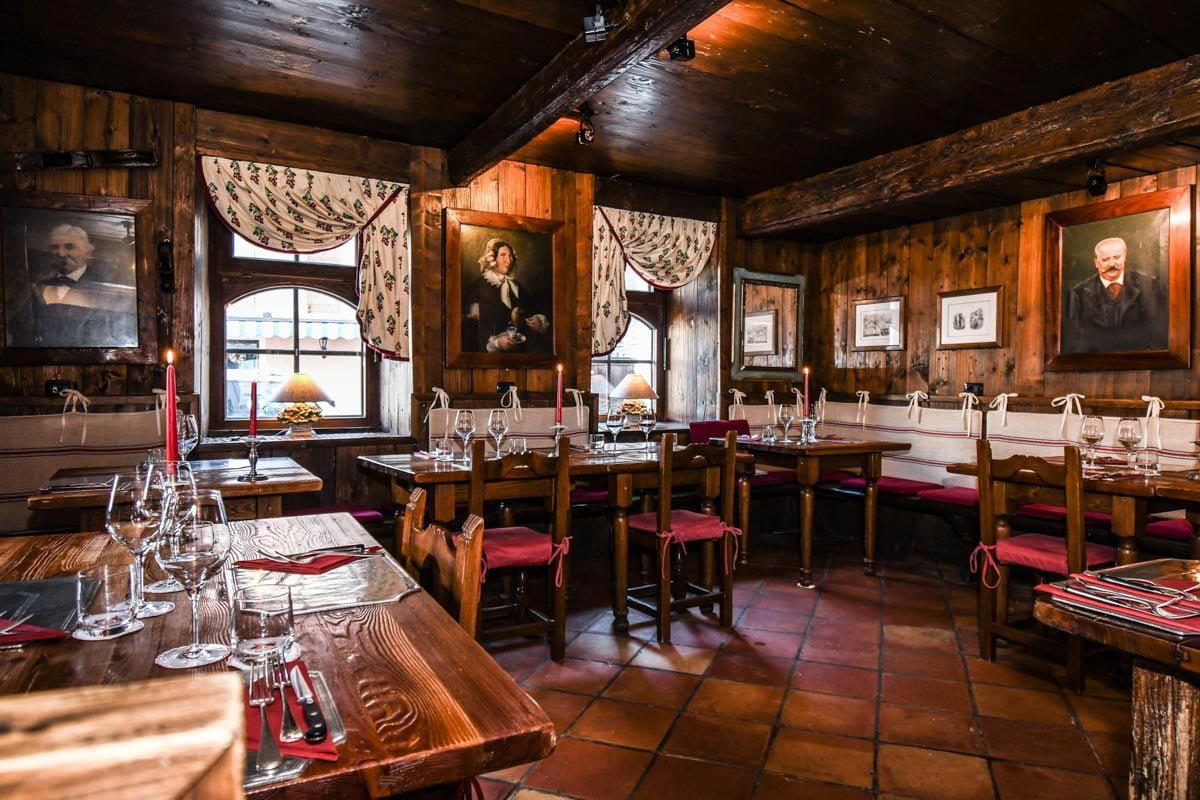
In Cogne, the dining mood changes with the valley air: stone, timber, heavy coats at the door, and a table culture built for cold evenings rather than performance. La Brasserie du Bon Bec belongs to that register. The point is not novelty; it is the local grammar of convivial food, where fondue and mixed grills make sense because the mountains have long favoured heat, dairy, smoke, and dishes placed in the centre of the table.
Aosta Valley cooking occupies a different lane from the Italy of coastal fish, long tomato sauces, or urban tasting menus. The region’s food is Alpine first and Italian by border, shaped by pasture, winter storage, cheese, polenta, cured meats, and the practical pleasure of eating after time outdoors. In Cogne, that identity becomes especially legible because the village sits inside the orbit of Gran Paradiso National Park, where the landscape pushes restaurants toward warmth and substance. A brasserie format works here because it can absorb both local families and visitors coming off the mountain without turning regional food into a museum piece.
Fondue, mixed grills, and the Aosta Valley habit of sharing
The useful way to read this kitchen is through format. Dishes to share, including fondue and mixed grills, place La Brasserie du Bon Bec closer to the valley’s social table than to the plated, chef-led model found in many resort towns. That matters in Cogne, where regional restaurants often compete not through technical display but through fidelity to appetite: melted cheese, grilled meat, and everyday dishes that hold their shape across generations.
This is also where provenance becomes more than a menu word. Aosta Valley cuisine is built around ingredients that historically travel short distances: mountain cheeses, livestock, potatoes, grains suited to altitude, and preparations designed for long winters. Fondue carries that logic clearly. It turns dairy into a main event, not a garnish, and it rewards the table that eats collectively. Mixed grills perform a similar role, making the meal less about a single composed plate and more about abundance, timing, and the comfort of repetition.
Within Cogne’s small restaurant field, that simplicity has value. Bar à Fromage and Coeur de Bois also speak the language of Aosta Valley cooking, while Le Petit Bellevue points toward a more contemporary Italian register. Lou Ressignon reinforces how strongly the town’s dining identity is tied to regional tradition. La Brasserie du Bon Bec sits in the informal camp: less choreographed, more direct, and better understood as part of Cogne’s everyday mountain-food circuit than as a special-occasion statement.
A brasserie shape for mountain cooking
The term brasserie can mislead in Italy if read only through Paris. Here it is better understood as a service attitude: accessible, sociable, and built around familiar dishes rather than a narrow tasting sequence. The venue’s own recognition centres on simplicity, pleasant features, everyday dishes, and informal cuisine that closely follows tradition. That is a useful trust signal because it identifies the restaurant’s real lane. It is not trying to compete with metropolitan fine dining; it is working inside a regional vocabulary where restraint means not overcomplicating the plate.
That distinction matters for travellers comparing Cogne with larger Alpine destinations. In higher-profile resort towns, rustic food often gets polished until it loses its working logic. Cogne’s stronger meals tend to keep a clearer relationship between land and table. The cooking can be generous without becoming theatrical, and the atmosphere can be warm without requiring a luxury script. In that context, the restaurant offers the kind of meal that explains the valley better than a forced innovation menu would.
Compared with out-of-metro bistro-style peers such as Bistrot Hermitage, Le Trappeur Restaurant, Bar & Bistrot Principe, Dolce Provenza, and Lobby, the relevant distinction is not a ranked hierarchy but place. Bistro-style cuisine changes meaning depending on where it lands. In Cogne, the category bends toward Alpine comfort and shared dishes; elsewhere it may lean hotel-lounge, Provençal, or urban-casual. That is why the local lens matters more than the label.
How to place it in a Cogne itinerary
This is a practical choice for a meal anchored in regional identity, especially when the group wants a table that can handle different appetites without ceremony. Families, couples, and mixed-generation parties will understand the appeal faster than diners seeking a tightly scripted chef counter. The absence of a named chef in the public-facing identity also tells its own story: the restaurant’s draw is the tradition and format, not a personality-led narrative.
For a wider read on the town, use our full Cogne restaurants guide alongside our full Cogne hotels guide, our full Cogne bars guide, our full Cogne wineries guide, and our full Cogne experiences guide. Travellers comparing regional Italian dining beyond the valley can also look at 'E Curti Ristorante Tipico di Angela Ceriello & Co SAS in Sant Anastasia, 'l Trippaio di San Frediano in Florence, ‘O Fiore Mio in Faenza, ‘O Scugnizzo in Arezzo, [àbitat] in San Fermo della Battaglia, [bu:r] in Milan, and /gu.stà.re/ oltrecucina in Rome. For the same bistro-style category outside Italy, Artefact, Bistro-style cuisine in Québec and Avaton Bar, Bistro-style cuisine in Halkidiki show how flexible the format becomes once local produce and hospitality customs change.
At-a-Glance Comparison
Comparable venues by cuisine and price in the same metro.
| Venue | Cuisine | Price | Awards | Notes |
|---|---|---|---|---|
| La Brasserie du Bon BecThis venue — the venue you are viewing | Alpine Italian Brasserie | $$ | Not listed | Not listed |
| Lou Ressignon | Authentic Aosta Valley Trattoria | $$ | Michelin Plate | Cogne |
| Bar à Fromage | Traditional Aosta Valley Cheese-Focused | $$ | Michelin Plate | Cogne |
| Coeur de Bois | Aosta Valley Italian Fine Dining | $$$$ | Michelin Plate | Cogne |
| Le Petit Bellevue | Contemporary Alpine Italian | $$$$ | Michelin 1 Star | Cogne |
| Pizzeggiando | Pizza al Taglio | $$ | Not listed | Aosta center |
Recognition history
Dated appearances from independent guides and award organizations, with the underlying list record or original source where available.
Relais Chateaux Award
Relais Chateaux
Continue exploring
More in Cogne
Restaurants in Cogne
Browse all →
Bars in Cogne
Browse all →
Hotels in Cogne
Browse all →
Wineries in Cogne
Browse all →
At a Glance
- Cozy
- Classic
- Rustic
- Scenic
- Group Dining
- Casual Hangout
- Family
- Hotel Restaurant
- Historic Building
- Local Sourcing
- Mountain
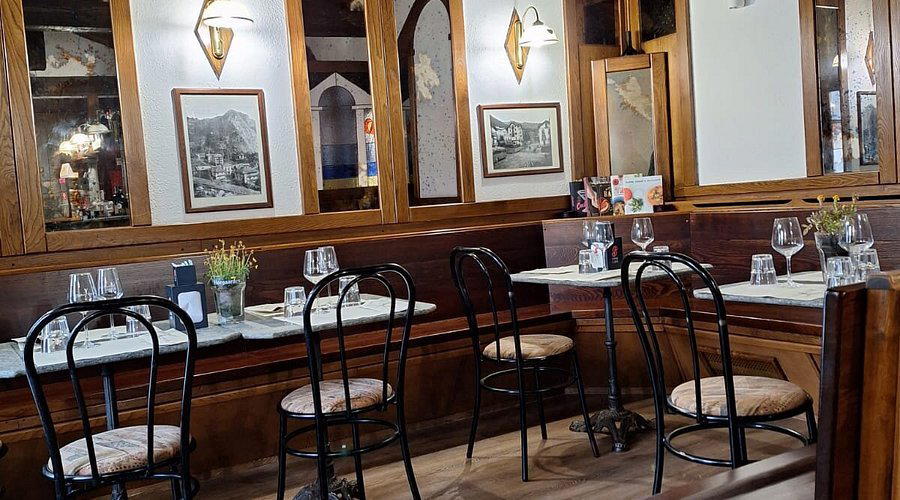
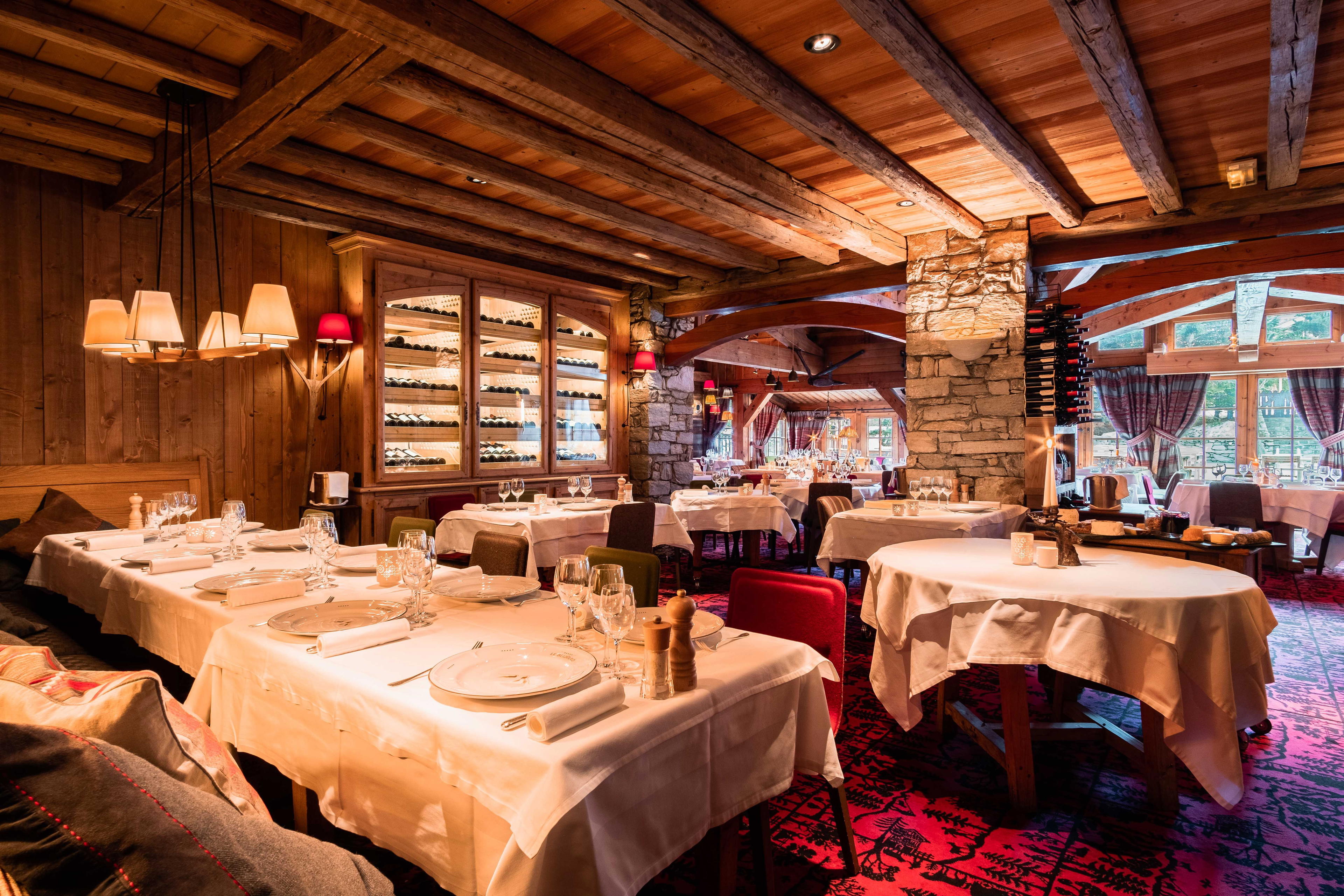
Warm, informal, and carefully styled, with a simple brasserie feel rooted in Alpine gastronomic tradition.