On Rua Inácio Francisco de Souza in Penha's Armação neighbourhood, Pizzaria Don Diovani sits inside a coastal pizza tradition shaped by Santa Catarina's Italian immigrant heritage and proximity to fresh local produce. The restaurant draws a loyal local crowd in a city better known for its theme park than its food scene. For travellers passing through the northern coast of Santa Catarina, it represents the kind of neighbourhood pizzaria that anchors daily life in smaller Brazilian cities.
Pearl is the En Primeur Club membership app — saves, bookings, and concierge access live there. Same editors, same standards.
- Address
- R. Inácio Francisco de Souza, 234 - Armação, Penha - SC, 88385-000, Brazil
- Phone
- +5547992251625
- Directions
- Get directions
 Saves & bookings on Pearl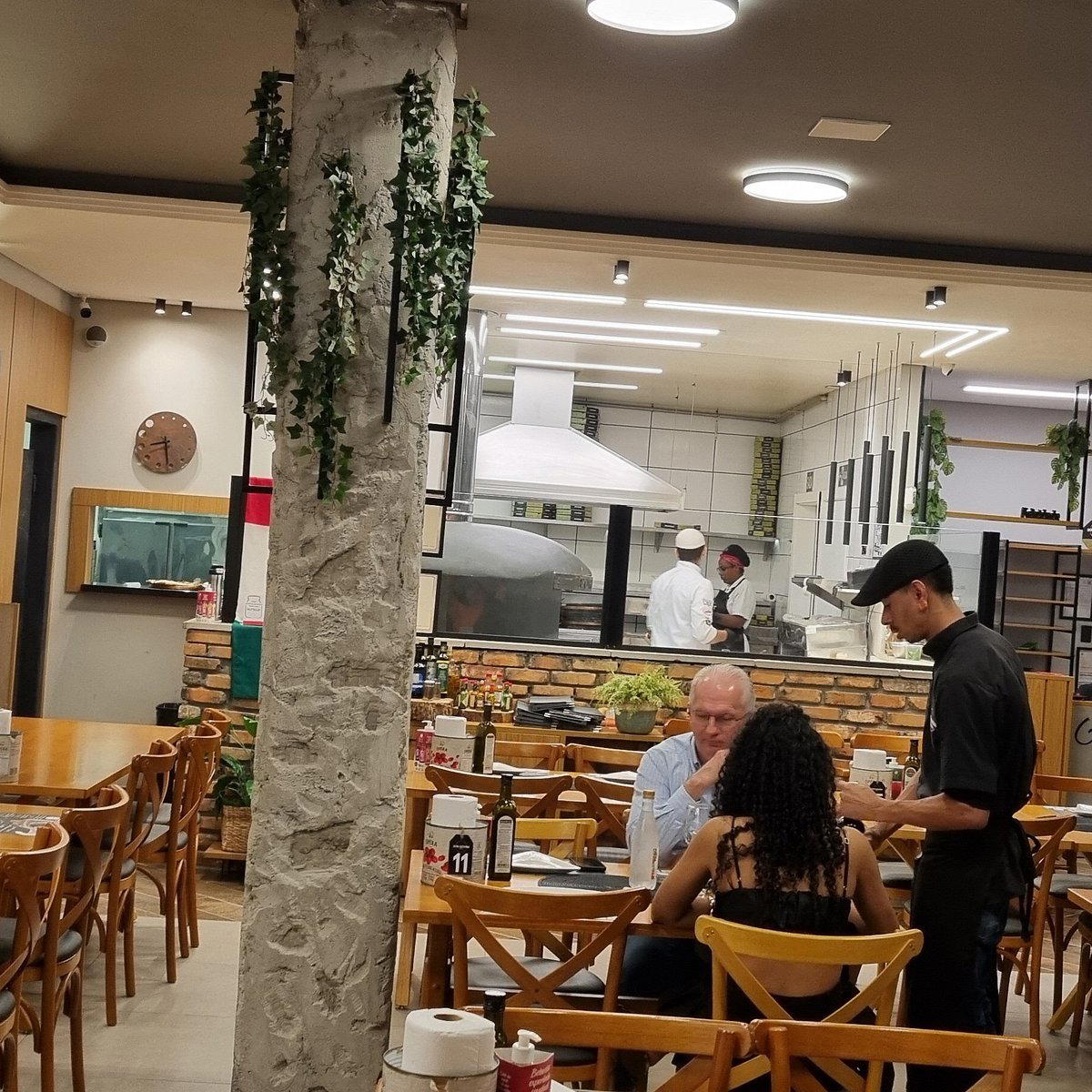
Pizza on the Santa Catarina Coast: What the Setting Tells You
Penha occupies a stretch of the northern Santa Catarina coastline where beach tourism and small-city permanence coexist in a way that shapes what restaurants here actually are. Unlike the gastronomic ambition of São Paulo or the refined regional cooking you find at places like Lasai in Rio de Janeiro, the dining culture in cities like Penha runs closer to the ground: family-run spots, neighbourhood anchors, and kitchens that feed people who live here rather than people passing through on a tasting itinerary. Pizzaria Don Diovani, on Rua Inácio Francisco de Souza in the Armação district, fits that pattern precisely.
The Armação neighbourhood sits near the waterfront, and approaching the street on a weekday evening, the activity is modest and residential. This is not a tourist corridor. The rhythm is local: families returning from the beach, neighbours walking to dinner, the particular unhurried pace of a smaller Brazilian coastal city. That context matters when you are thinking about what to expect from the food. The frame here is neighbourhood pizzaria, not destination dining, and understanding that distinction prevents misplaced expectations in either direction.
Southern Brazil's Pizza Tradition and Where It Comes From
Santa Catarina has one of the densest concentrations of Italian and German immigrant descendant communities in Brazil, a demographic reality that has shaped the state's food culture in durable ways. In cities across the state, from the interior to the coast, Italian-inflected cooking is not a niche or an affectation but a baseline. Pizza, in this context, carries different weight than it does in São Paulo's competitive pizzaria scene or the more self-conscious wood-fired revival happening in cities like Passo Fundo. In coastal Santa Catarina, a neighbourhood pizzaria is often one direct expression of that Italian lineage, filtered through decades of local adaptation.
What that lineage tends to produce, practically speaking, is a style of pizza that prioritises generosity over precision: thicker doughs, substantial toppings, portions calibrated for sharing families rather than solo diners with tasting notes. It is a register that sits at a considerable distance from the $$$$ modern creative cooking of D.O.M. in São Paulo, but it occupies its own legitimate place in the Brazilian dining spectrum.
Ingredient Context: Coastal Proximity and the Santa Catarina Supply Chain
One of the defining advantages for kitchens operating along the Santa Catarina coast is access to seafood that moves from water to kitchen without travelling far. The state's fishing industry, particularly around the northern coast, produces quality catches that inform local menus in ways that are largely invisible to outside observers. For a pizzaria in this context, that can mean seafood-topped pies that draw on fresher local catch than you would find in a landlocked city running the same style of restaurant.
Beyond seafood, the southern Brazilian agricultural supply chain benefits from a temperate climate and the food production legacy of those same immigrant communities. Dairy, cured meats, and vegetables from the interior of Santa Catarina reach coastal kitchens through regional distribution networks that have been operating for generations. This is the supply infrastructure that neighbourhood restaurants in cities like Penha depend on, and it is a meaningful part of what separates regional Brazilian cooking from the kind of context-free ingredient sourcing that characterises fast-casual chains. The contrast is worth noting when comparing this kind of local spot to more nationally prominent restaurants such as Camarões Potiguar in Natal, which have built reputations precisely on foregrounding regional ingredient stories.
For a broader sense of how ingredient sourcing defines restaurant identity across Brazil, the cooking at Bistro Fitz Carraldo in Manaus and the Italian heritage tradition at Cantina Pozzobon in Santa Maria illustrate how differently locality can express itself across the country's regions.
How Don Diovani Sits in the Penha Dining Picture
Penha is a city where the dining scene has not developed the kind of critical mass that produces restaurant guides or generates significant press coverage. The local restaurant economy runs on neighbourhood loyalty and word-of-mouth. A pizzaria operating in this context competes for a local customer base that has consistent expectations and returns regularly, which tends to produce a different kind of quality pressure than the kind generated by critic visits and social media exposure.
For travellers who arrive in Penha primarily for Beto Carrero World, the large theme park that defines much of the city's tourism economy, the question of where to eat is usually resolved by proximity and practicality. Pizzaria Don Diovani, in the Armação district, is positioned for the kind of direct dinner that a family wants after a long day, rather than for the extended tasting experience that brings people to restaurants like Madê in Santos or Bistrô Vila Graziella in Bauru.
That positioning is not a limitation so much as a category definition. The pizzaria format in southern Brazil has its own internal standards, and a well-run neighbourhood example represents something that the more celebrated end of Brazilian dining, Le Bernardin or Atomix they are not, does not attempt to replace. For other regional Brazilian options worth comparing, see also Casa da Flor Restaurante in Dourados, Arte e Café Imperial in Angra Dos Reis, and Aero Burguer e Grill in Santa Cruz do Sul.
Planning a Visit
Pizzaria Don Diovani is located at Rua Inácio Francisco de Souza, 234, in the Armação district of Penha, Santa Catarina. In smaller Brazilian cities of this type, reservation culture at neighbourhood pizzarias is generally informal; arriving early in the evening on weekends is the more reliable strategy for avoiding a wait. For pizza comparisons elsewhere in the state, Famosa Pizza in Ribeirão Preto offers a useful reference point for how the format varies across Brazilian regions. Other Brazilian neighbourhood dining worth knowing: Casa da Dika in Bragança, Casa da Picanha Penedo in Itatiaia, and Kampeki Sushi in Canoas each reflect different facets of how local restaurants function outside Brazil's major urban centres.
Comparable Venues
Comparable venues nearby, for context on price, style, and recognition.
| Venue | Cuisine | Price | Notes |
|---|---|---|---|
| Pizzaria Don Diovani PenhaThis venue — the venue you are viewing | Traditional Italian Artisan Pizza | $$ | Not listed |
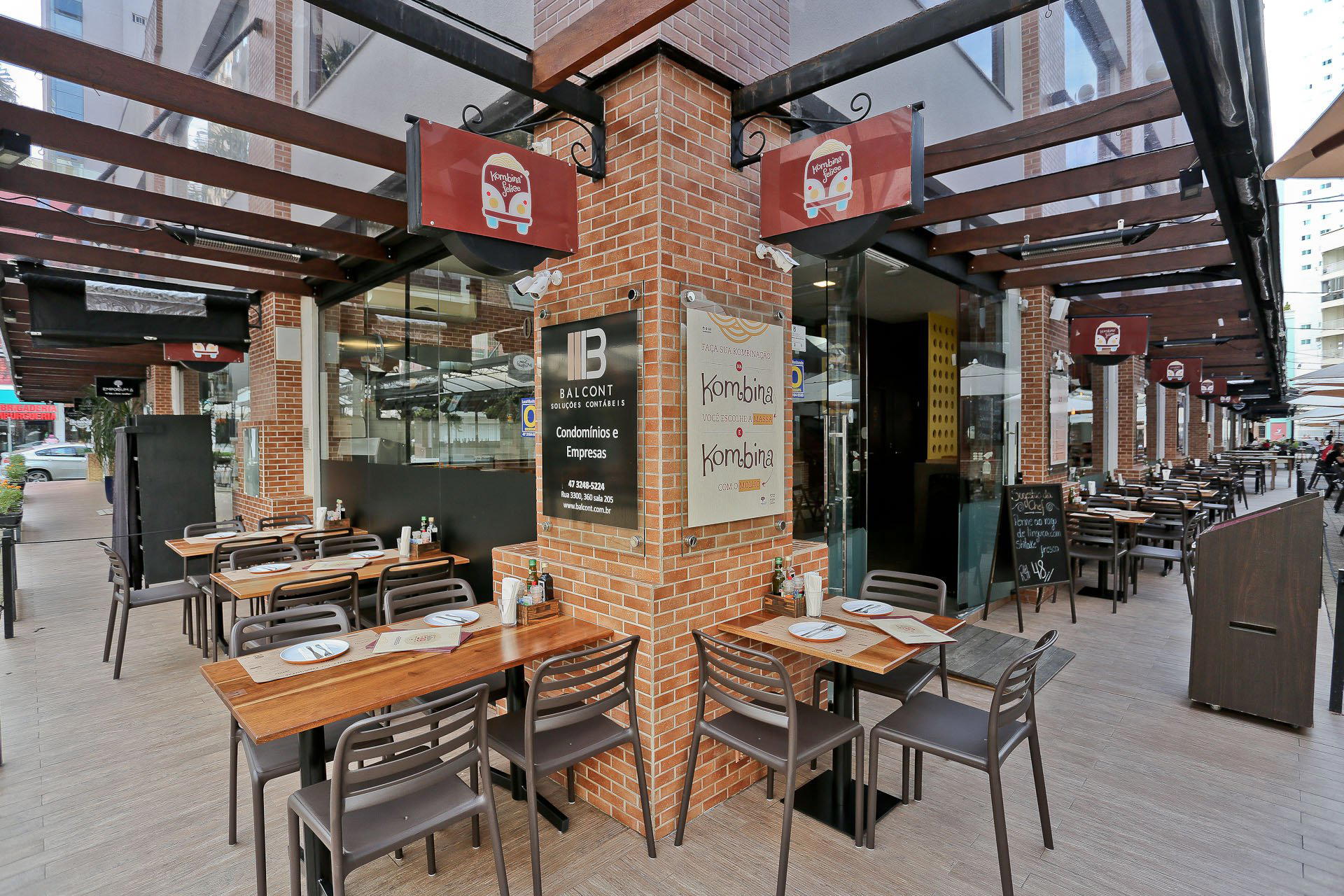
| Kombina Felice Restaurante Italiano | Classic Italian Trattoria | $$$ | Centro |
| Pizza Crush Bc | Modern Italian Pizza | $$ | Centro |
| Cantina Famiglia Mantovani | Authentic Italian Trattoria | $$$ | Centro |
| Grano Speciale Café | Specialty Café | $$ | Centro |
| Sushi Garden | Japanese Sushi | $$ | City Center |
At a Glance
- Cozy
- Romantic
- Classic
- Date Night
- Family
- Group Dining
- Casual Hangout
- Terrace
- Open Kitchen
- Beer Program
- Sommelier Led
- Local Sourcing
Current opening hours
- Monday
- 6:30–11 PM
- Tuesday
- Closed
- Wednesday
- 6:30–11 PM
- Thursday
- 6:30–11 PM
- Friday
- 6:30–11:30 PM
- Saturday
- 6:30–11:30 PM
- Sunday
- 6:30–11 PM
Hours can change for holidays and private events. Last verified .
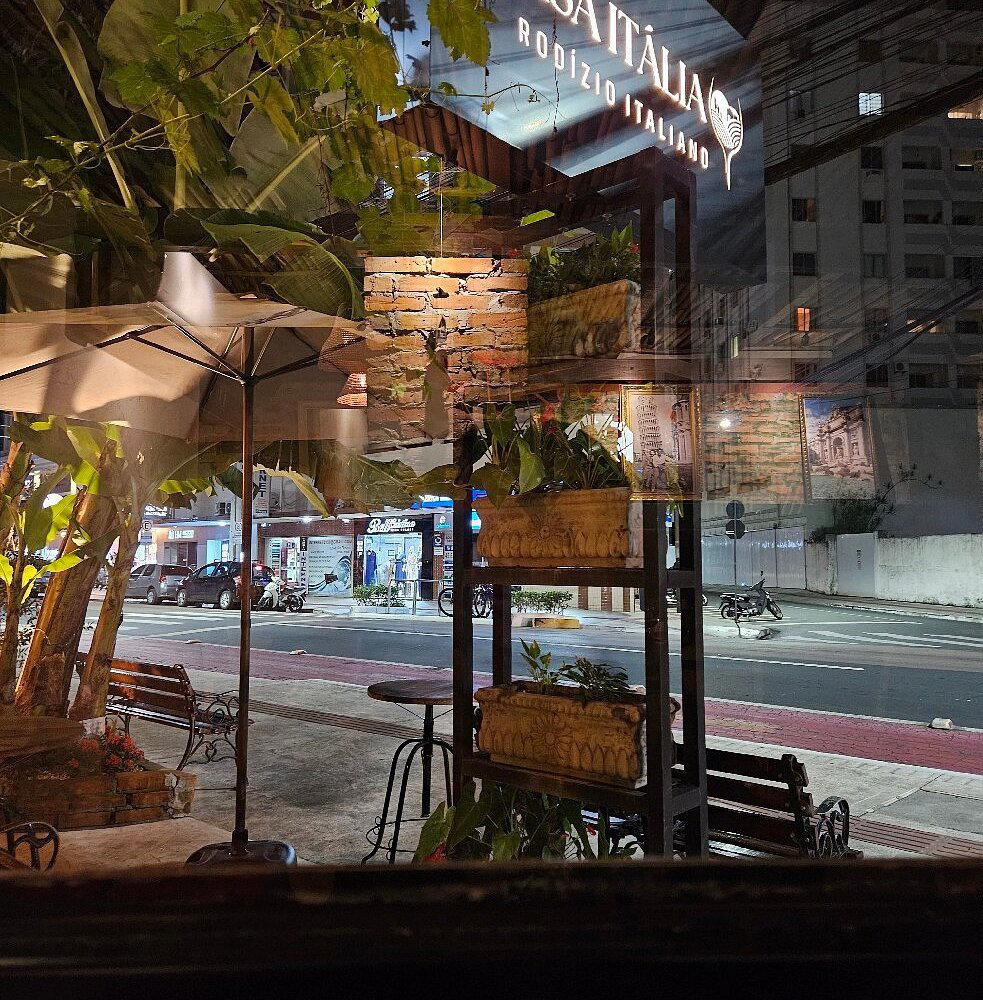
Cozy and well-decorated environment with comfortable seating, air conditioning, outdoor areas with heaters and blankets for cold seasons, and a tasteful, welcoming atmosphere.