Pizza Verde on Blutenburgstraße sits in Munich's Maxvorstadt district, a neighbourhood better known for its museum quarter than its dining scene. The pizzeria occupies a category where Italian casual and neighbourhood permanence intersect, the kind of address that earns its place through consistency rather than ceremony. For visitors mapping Munich beyond its fine-dining tier, it represents a practical and honest counterpoint.
Pearl is the En Primeur Club membership app — saves, bookings, and concierge access live there. Same editors, same standards.
- Address
- Blutenburgstraße 50, 80636 München, Germany
- Phone
- +498912023003
- Website
- pizza-verde.de
- Directions
- Get directions
 Saves & bookings on Pearl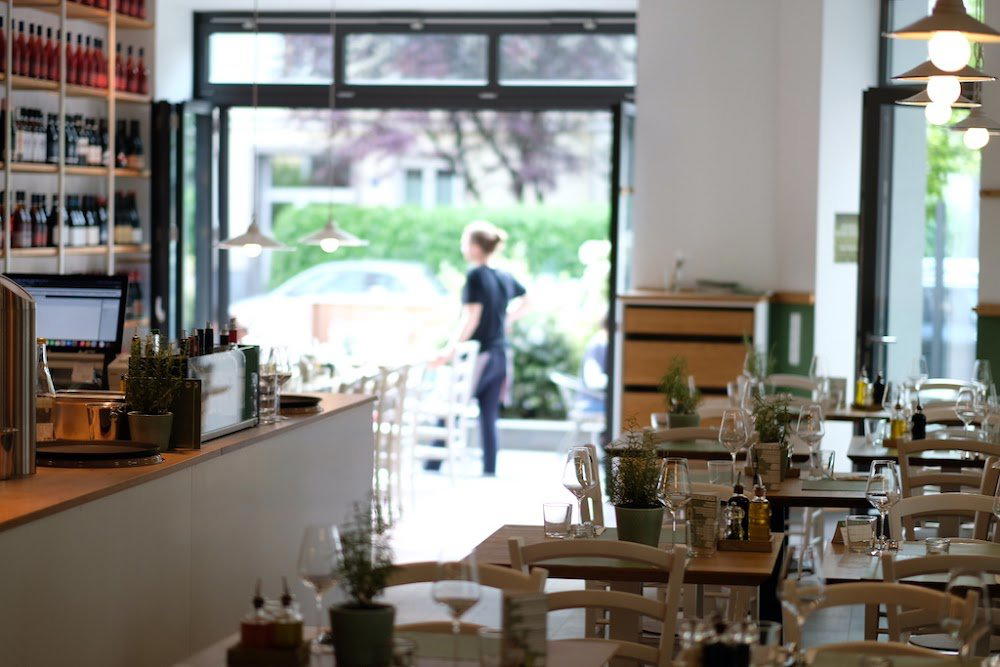
Maxvorstadt's streets have a particular texture after dark: the museum crowds thin, the students from the nearby Ludwig Maximilian University fill the pavement tables, and the neighbourhood settles into something more residential than touristic. It is in this context that a pizza address on Blutenburgstraße makes a certain kind of sense. The area has few of Munich's headline restaurants, those sit further south near the Altstadt or out in Schwabing, but it has the steady, repeat-custom energy that sustains a neighbourhood pizzeria across seasons and years.
The Casual-Italian Tier in a Fine-Dining City
Munich's restaurant conversation tends to skew upward. The city holds a concentration of Michelin-starred addresses that would be notable for a German city of its size: Tantris in Schwabing remains one of the country's foundational fine-dining institutions, while JAN, Tohru in der Schreiberei, Alois - Dallmayr Fine Dining, and Atelier each represent a different strand of ambitious European cooking. Against that backdrop, the casual-Italian tier performs a different function entirely: it absorbs the evenings when the city's residents want flour, fire, and familiarity rather than a tasting menu.
Italian pizza in German cities has evolved considerably over the past decade. The Neapolitan-influence wave that reshaped London and New York arrived in Munich's more food-attentive neighbourhoods, pushing standards upward even in mid-tier addresses. Where once a German-Italian pizzeria meant a laminated menu and industrial mozzarella, the better neighbourhood addresses now source more carefully and manage their dough with more discipline. Pizza Verde sits within this broader shift, in a city where the demand for honest, well-executed pizza has grown alongside, not separate from, the fine-dining conversation.
Neighbourhood Permanence as an Editorial Signal
An address on Blutenburgstraße 50 says something about how a venue positions itself. This is not a prime-visibility location designed to capture tourist foot traffic. It is a residential-leaning street in a mixed neighbourhood, which means the business model depends on locals returning, not on a constant refresh of first-time visitors. In Munich's dining ecology, that kind of neighbourhood permanence is its own form of credential. The addresses that survive on residential custom tend to be more honest about what they are: the menu stays grounded, the pricing remains tied to the neighbourhood's expectations, and the room reflects the people who actually live nearby rather than an imagined aspirational clientele.
This dynamic plays out across Germany's mid-sized dining scenes. At the upper end, destinations like Aqua in Wolfsburg, Schwarzwaldstube in Baiersbronn, and Vendôme in Bergisch Gladbach draw destination diners willing to travel. At the neighbourhood level, the calculus is different: the room earns its place week by week, table by table, and the collaboration between kitchen and front-of-house carries more weight precisely because there is no award halo to do the work.
Team Dynamic in the Casual Format
The editorial angle of EA-GN-11, the team dynamic between kitchen, service, and floor, is, counterintuitively, more legible in a casual format than in a formal one. At a Michelin-starred address, the collaboration between chef, sommelier, and front-of-house is institutionalised, drilled, and visible in every choreographed movement. In a neighbourhood pizzeria, the same collaboration is either present or absent in a far more immediate way: you notice when a server understands the dough, when the floor can talk through the wine list with confidence, when the kitchen and the room feel like they are run by people who communicate rather than operate in parallel.
Across Germany's more considered casual-Italian addresses, this team coherence tends to express itself in specific ways: in how a recommendation is made when the kitchen has run short of a topping, in whether the wine by the glass is rotated to match what is actually good that week, in how the pacing between courses is managed without a formal service script. These are the signals that distinguish a functioning room from one that is merely open. They are also the signals that neighbourhood regulars read instinctively, which is why repeat custom is one honest measure of whether a casual venue's team dynamic is working.
Pizza Verde in the Broader Munich Picture
For visitors building a multi-day itinerary in Munich, the city's dining range is genuinely wide. At the high end, the options extend beyond Munich itself: ES:SENZ in Grassau, Waldhotel Sonnora in Dreis, and Schanz in Piesport represent the kind of destination restaurants that justify a detour from the city. Within Munich, Restaurant Haerlin in Hamburg, Victor's Fine Dining by Christian Bau in Perl, and Bagatelle in Trier offer useful reference points for understanding how Germany's serious-dining tier is distributed geographically. Internationally, comparison addresses like Le Bernardin in New York City, Atomix in New York City, and CODA Dessert Dining in Berlin anchor the conversation about what the category's ceiling looks like.
Pizza Verde operates well below that ceiling, which is precisely the point. A city's dining culture is not measured only by its most decorated tables. It is also measured by whether the neighbourhoods away from the centre have addresses worth eating in on a Tuesday, when you are not looking for a tasting menu and not willing to settle for a food-court approximation of Italian. That middle ground, considered, local, neighbourhood-honest, is where the restaurant operates.
Know Before You Go
Address: Blutenburgstraße 50, 80636 München, Germany
Neighbourhood: Maxvorstadt, Munich
Phone / Website / Hours: Mon to Fri 11:30 AM to 10 PM; Sat to Sun 5 PM to 10 PM.
Reservations: Recommended.
Price range: About $20 per person.
Cuisine Lens
Comparable venues nearby, for context on price, style, and recognition.
| Venue | Cuisine | Price | Notes |
|---|---|---|---|
| Pizza VerdeThis venue — the venue you are viewing | Neapolitan Pizza | $$ | Not listed |
| Tavernetta | Authentic Italian with Pizza and Pasta | $$ | Lehel |
| AnticaTrattoria Nuova | Authentic Italian Trattoria | $$$ | Harlaching |
| Eiscafé & Ristorantino Galleria | Authentic Italian Trattoria & Gelato | $$ | Grosshadern |
| CROSS im Englischen Garten | Italian | $$ | Freimann |
| Dr. Drooly | Vegan Neapolitan Pizza | $$ | Theresienwiese |
At a Glance
- Cozy
- Casual Hangout
- Family
- Extensive Wine List
- Local Sourcing
Current opening hours
- Monday
- 11:30 AM–10 PM
- Tuesday
- 11:30 AM–10 PM
- Wednesday
- 11:30 AM–10 PM
- Thursday
- 11:30 AM–10 PM
- Friday
- 11:30 AM–10 PM
- Saturday
- 5–10 PM
- Sunday
- 5–10 PM
Hours can change for holidays and private events. Last verified .
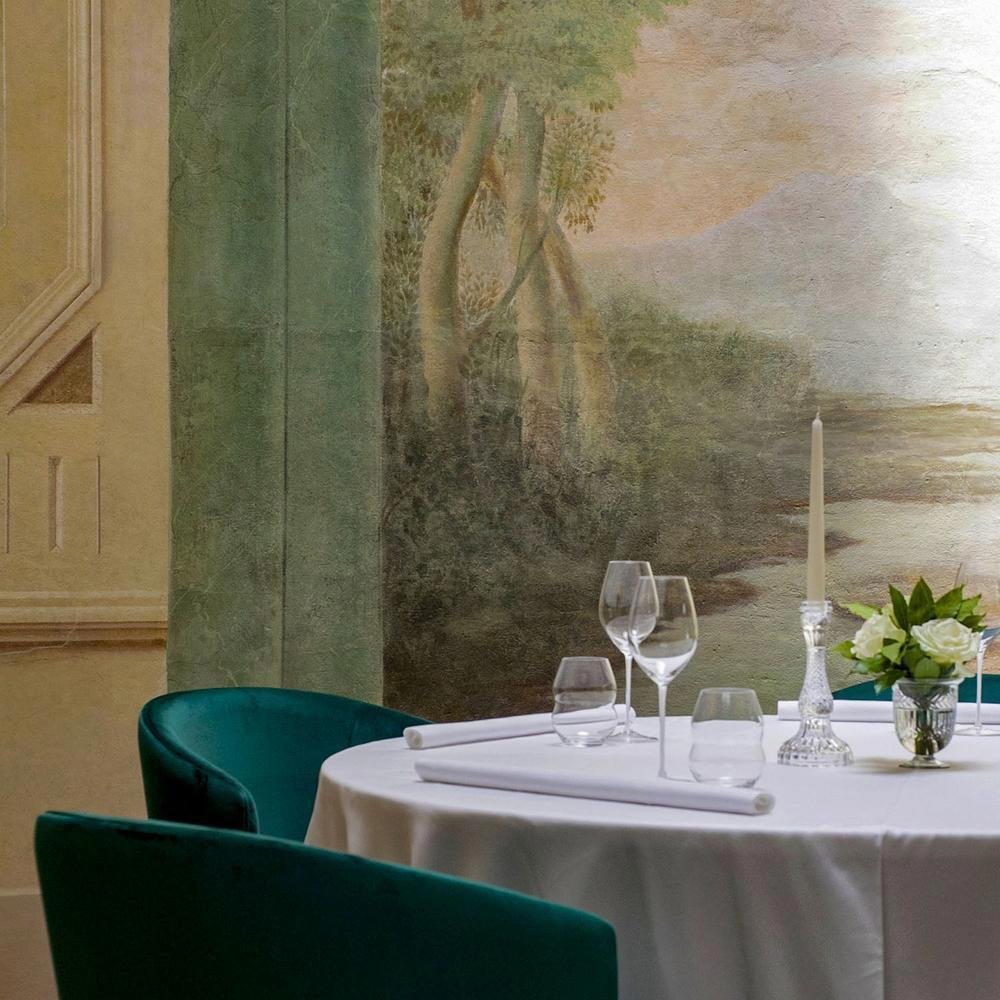
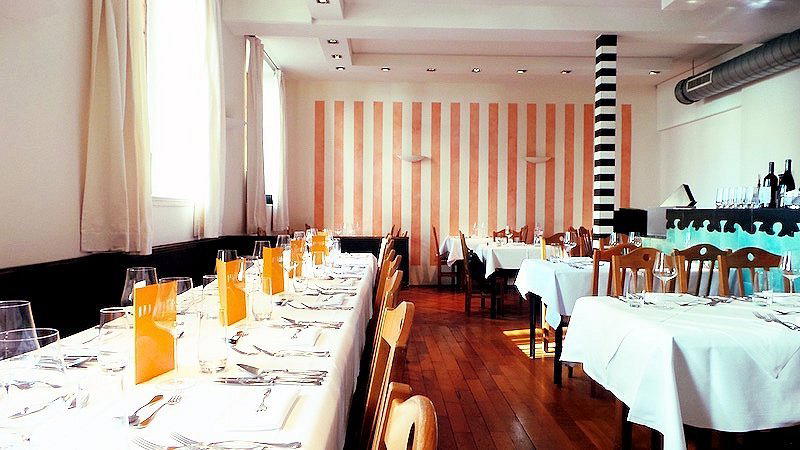
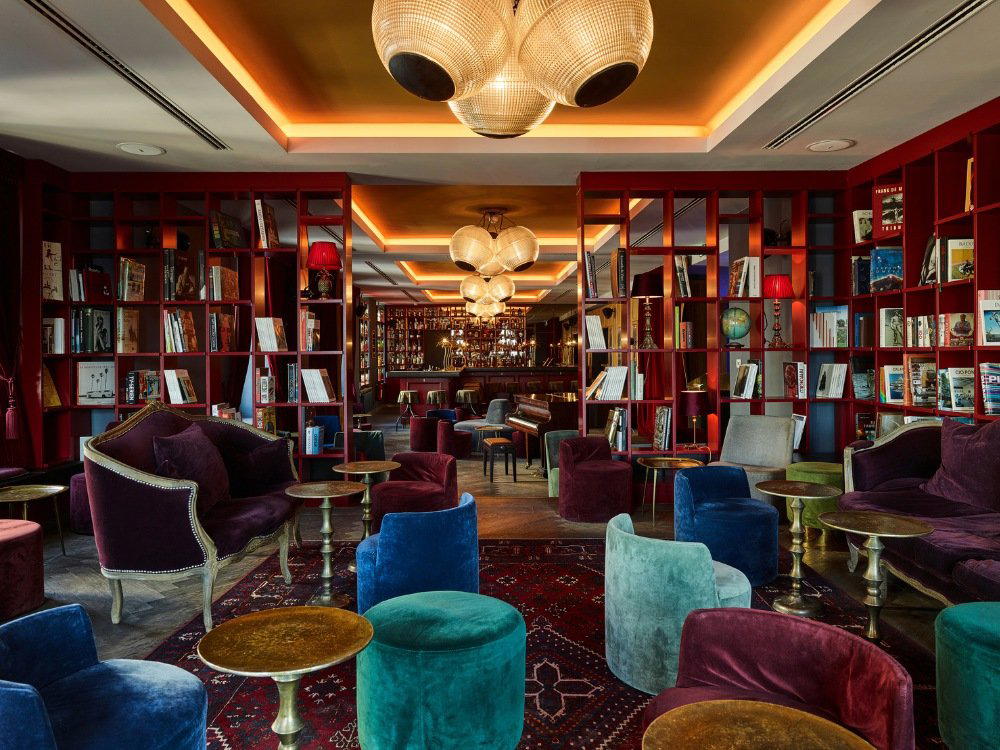
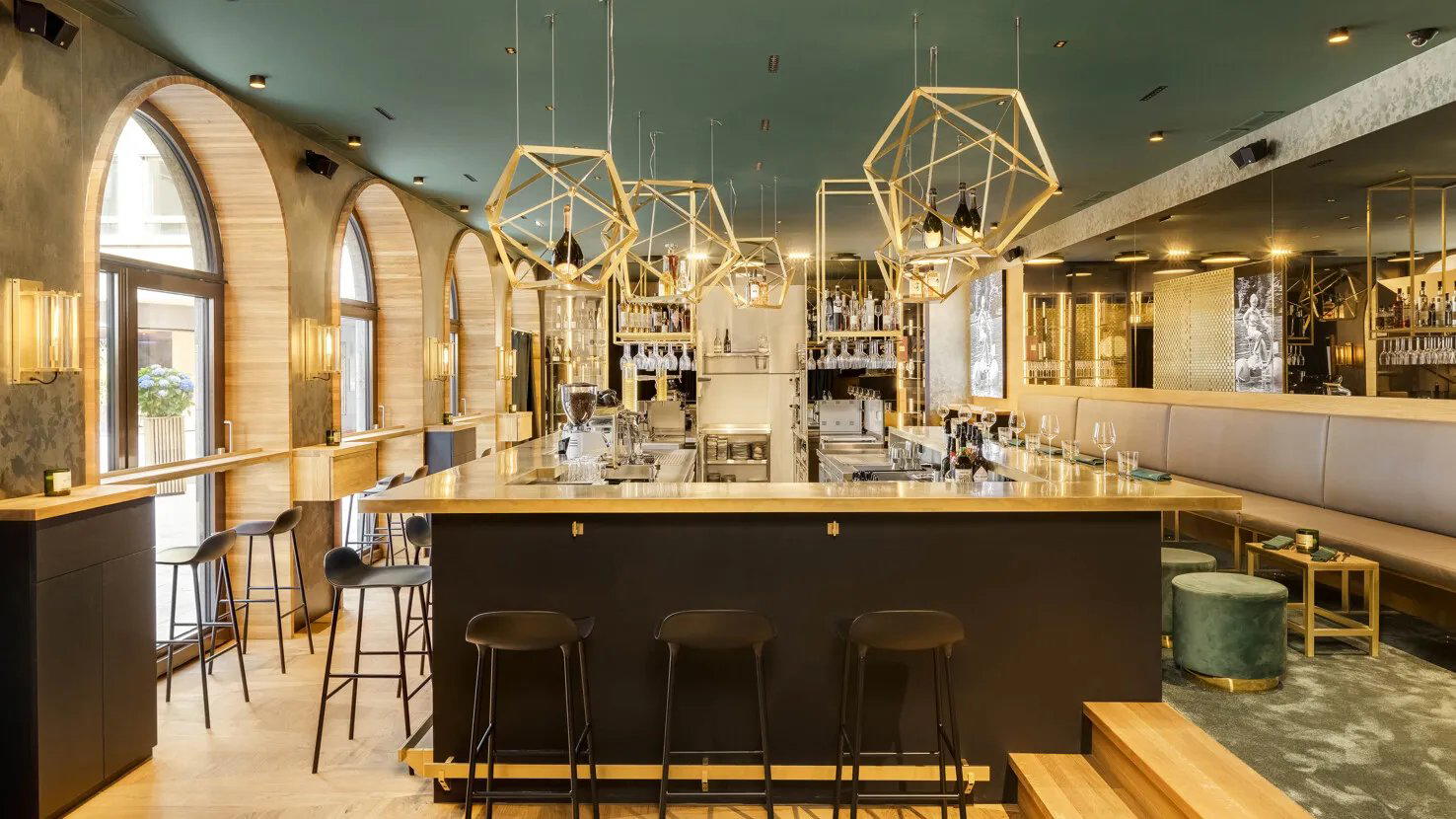
Charming and relaxed pizzeria atmosphere welcoming for dine-in meals.