A trattoria-format address in Munich's Harlaching district, AnticaTrattoria Nuova sits at the quieter end of the city's Italian dining spectrum, where the emphasis falls on regional tradition rather than spectacle. It occupies a residential stretch of Braunstraße that draws a neighbourhood crowd rather than a tourist circuit, making it a useful reference point for anyone comparing Munich's Italian options against its more prominent fine-dining tier.
Pearl is the En Primeur Club membership app — saves, bookings, and concierge access live there. Same editors, same standards.
- Address
- Braunstraße 6, 81545 München, Germany
- Phone
- +4949896426666
- Website
- antica-trattoria-nuova.com
- Directions
- Get directions
 Saves & bookings on Pearl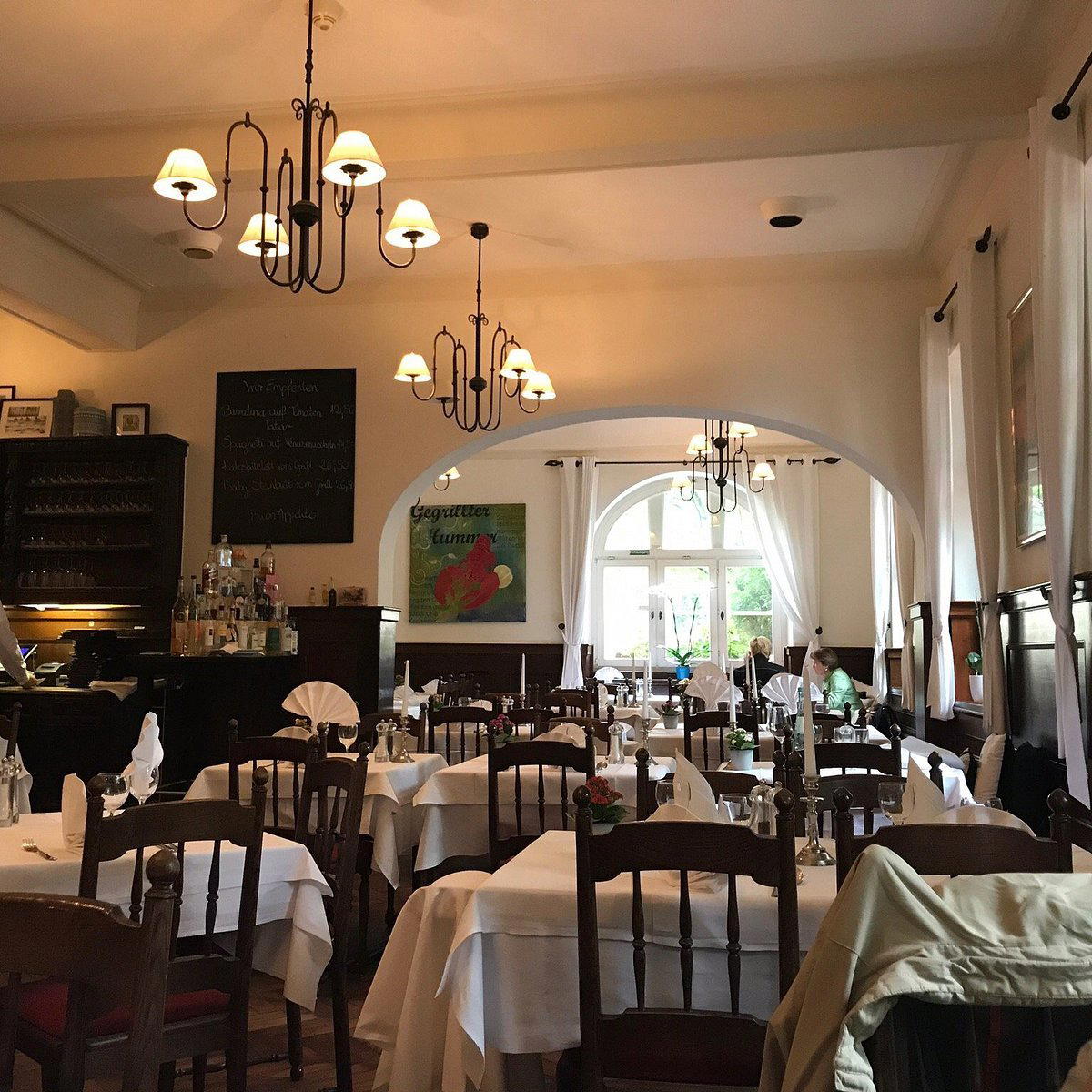
Where Munich's Italian Dining Sits at Street Level
Munich's restaurant identity is most visibly shaped by its fine-dining tier: addresses like Tantris, Atelier, and Alois - Dallmayr Fine Dining define how the city positions itself to an international audience. But Italian dining in Munich has always operated on a separate register, one where the reference points are neighbourhood loyalty, regional Italian cooking traditions, and a pace of service that has little interest in theatrical tasting-menu formats. AnticaTrattoria Nuova, at Braunstraße 6 in the Harlaching district, sits clearly in that lower-register category. The address is residential, the draw is local, and the context is trattoria rather than ristorante. AnticaTrattoria Nuova is an Authentic Italian Trattoria in Munich, priced around $40 per person.
That distinction matters. A trattoria format, in Italian culinary tradition, implies a progression anchored in domesticity: antipasti that are built around cured or preserved ingredients, a pasta course that carries the structural weight of the meal, and a secondo that arrives without ceremony. The arc is the point. Courses are not designed to surprise so much as to satisfy in sequence, and the quality test is whether each stage earns its place without overshadowing the one before it. This is a different discipline from the multi-course innovation menus at JAN or Tohru in der Schreiberei, and it should be evaluated on different terms.
The Neighbourhood and Its Dining Character
Harlaching occupies Munich's southern residential belt, well removed from the tourist density of the Altstadt and the creative-dining concentration of the Maxvorstadt. Streets here are quieter, the buildings lower, and the dining options tend toward the functional rather than the destination-driven. This is the kind of neighbourhood where a trattoria can build a regular clientele over years without needing to compete on press coverage or award recognition. Italian restaurants in this tier across Munich, and there are several dozen of varying quality, tend to live or die on the consistency of their pasta and the warmth of their room rather than on any single showpiece dish.
For visitors arriving from the city centre, Harlaching is reachable by U-Bahn on the U1 line, which makes the neighbourhood accessible without requiring a taxi or significant planning. The area rewards visitors who are already oriented toward Munich's southern residential quarters rather than those whose itinerary is concentrated in the central districts.
How the Meal Unfolds: Reading the Trattoria Arc
The structure of a traditional Italian trattoria meal is sequential in a way that differs from both the tasting-menu format and the à la carte free-for-all. The antipasto course functions as a threshold: it establishes whether the kitchen is working with quality base ingredients or masking them. Properly handled cold cuts, marinated vegetables, or a simple bruschetta tell you more about a kitchen's standards than a sauce-heavy main course will. The pasta course, which in a trattoria context is almost always the central act, reveals technique. Fresh pasta requires precision in hydration and resting; dried pasta requires accuracy in timing and restraint in sauce ratio. Either approach can be executed well or poorly, and the difference is immediate.
The secondo in trattoria dining is often more direct than in a ristorante context: a grilled protein, a braised cut, or a roast. Its role in the meal's arc is to deliver weight and satiety after the structural complexity of the pasta course. A well-sequenced trattoria meal arrives at the secondo feeling like resolution rather than excess. Dessert, where it appears, is typically dairy-led: a panna cotta, a tiramisu, or a simple fruit preparation. The function is to close the meal without reopening the appetite.
This kind of disciplined sequencing is not what Munich's higher-end Italian address, Acquarello, is doing in its Italian-Mediterranean format at the €€€€ tier. AnticaTrattoria Nuova operates in a different price and ambition bracket entirely, and the comparison is instructive. Where Acquarello is making a case for Italian cooking as fine-dining currency, a trattoria format is making a quieter case: that the form itself, done with honesty and without pretension, is sufficient.
Placing AnticaTrattoria Nuova in Munich's Italian Context
Munich's Italian dining scene spans a wider range than the city's German or Franco-German fine-dining reputation might suggest. At the leading, you have Italian-inflected fine dining competing on similar terms to the creative menus at addresses like JAN. In the middle range, you have casual-but-serious trattatorie and osterie that draw neighbourhood regulars. At the bottom, the usual gradient of tourist-facing pasta chains. The restaurant's Harlaching address and trattoria framing place it in the middle tier, which in Munich's context is a credible position rather than a consolation one.
For comparison elsewhere in Germany's fine-dining geography, the ambition gap between a neighbourhood trattoria and a destination restaurant is significant. Addresses like Schwarzwaldstube in Baiersbronn, Aqua in Wolfsburg, or Vendôme in Bergisch Gladbach operate in a different register entirely, as do more conceptually driven addresses like CODA Dessert Dining in Berlin. The restaurant is not in competition with any of them, and it should not be positioned as such. Its comparable set is Munich's mid-tier Italian neighbourhood dining, where the evaluation criteria are consistency, value relative to cover charge, and the quality of the pasta course.
Planning a Visit
The Braunstraße 6 address in Munich's 81545 postcode is the confirmed physical reference point. The U1 U-Bahn line provides one direct public transport connection from the city centre. Reservations are recommended.
For those whose trip to Munich involves broader fine-dining research, the EP Club's full Munich restaurants guide covers the city's range from neighbourhood-level Italian to Michelin-tracked creative tables including Atelier and Alois - Dallmayr Fine Dining. Further afield within Bavaria, ES:SENZ in Grassau represents the region's destination-dining ambition at a different scale. Internationally, the structural discipline of a well-run trattoria finds its analogue in format-driven addresses like Lazy Bear in San Francisco or the seafood sequencing at Le Bernardin in New York City, even if the price points and ambition levels are separated by a considerable distance.
The Quick Read
Comparable venues nearby, for context on price, style, and recognition.
| Venue | Cuisine | Price | Notes |
|---|---|---|---|
| AnticaTrattoria NuovaThis venue — the venue you are viewing | Harlaching, Authentic Italian Trattoria | $$$ | Not listed |
| Da Paolo | Theresienwiese, Sardinian Trattoria | $$$ | Not listed |
| MONA | Au, Modern Italian Fusion | $$$ | Not listed |
| GIOIA | Isarvorstadt, Italian Pizza and Pasta | $$$ | Not listed |
| Trattoria Pizzeria La Valle | Not listed | $$ | Altstadt, Traditional Italian Trattoria & Wood-Fired Pizza |
| Mimmo e Co | Not listed | $$ | Theresienwiese, Authentic Neapolitan Pizza |
At a Glance
- Cozy
- Elegant
- Rustic
- Date Night
- Terrace
- Street Scene
Current opening hours
- Monday
- Closed
- Tuesday
- 12–11:30 PM
- Wednesday
- 12–11:30 PM
- Thursday
- 12–11:30 PM
- Friday
- 12–11:30 PM
- Saturday
- 12–11:30 PM
- Sunday
- 12–10 PM
Hours can change for holidays and private events. Last verified .
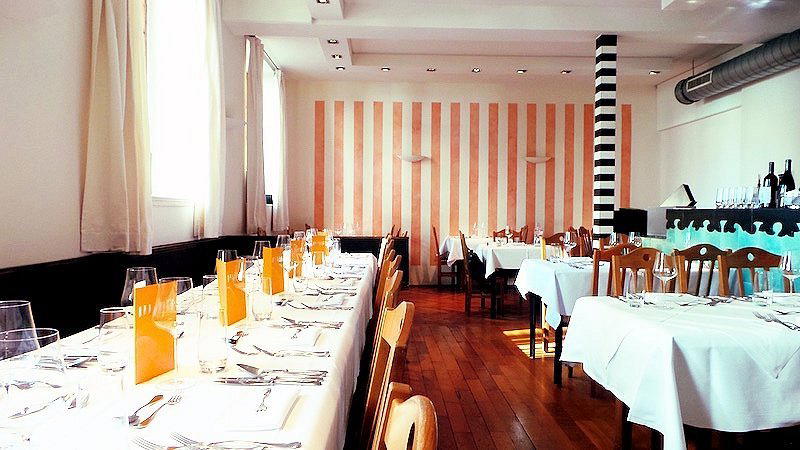
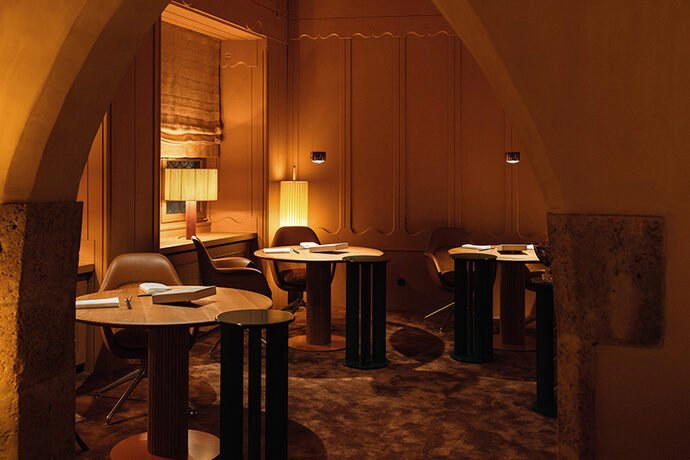
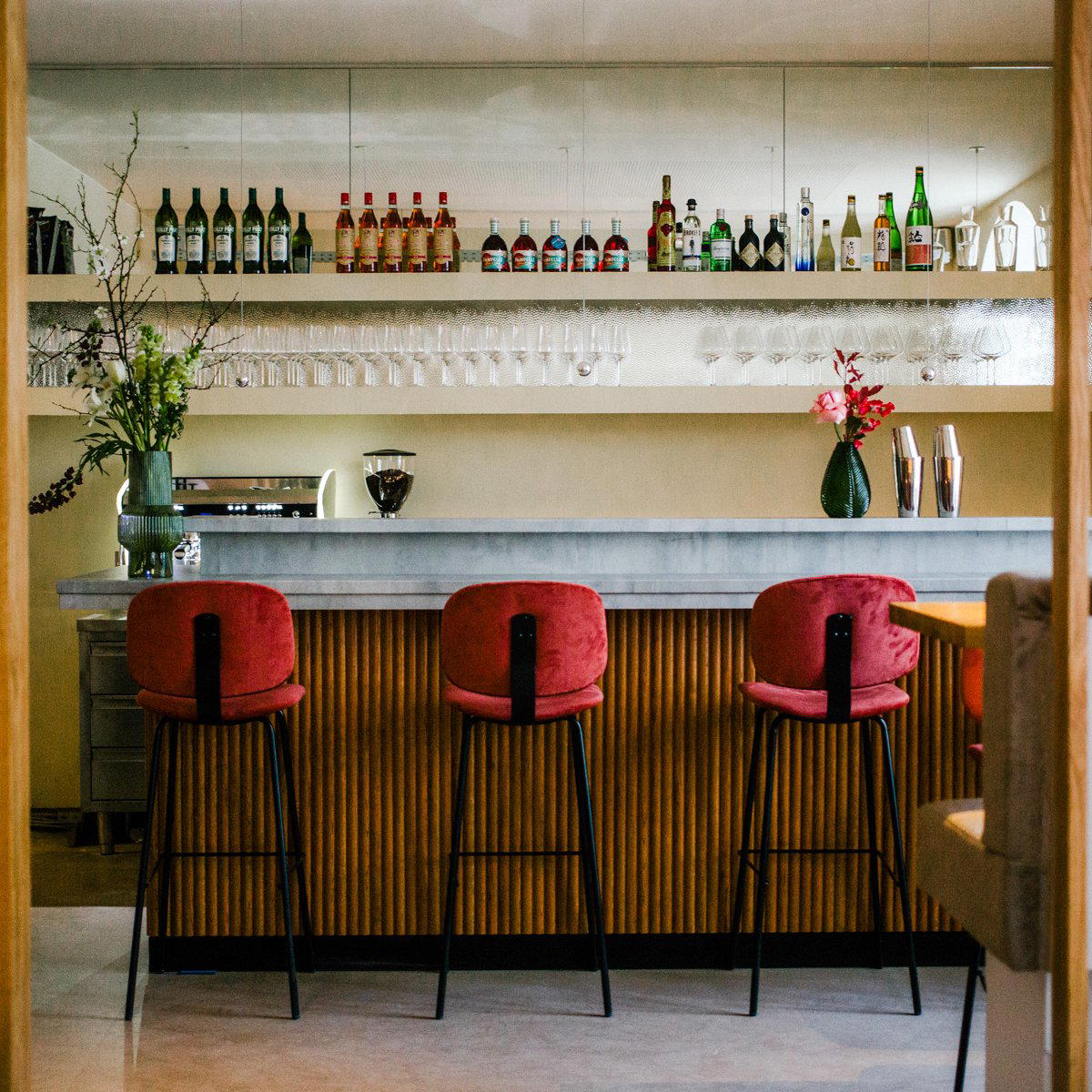
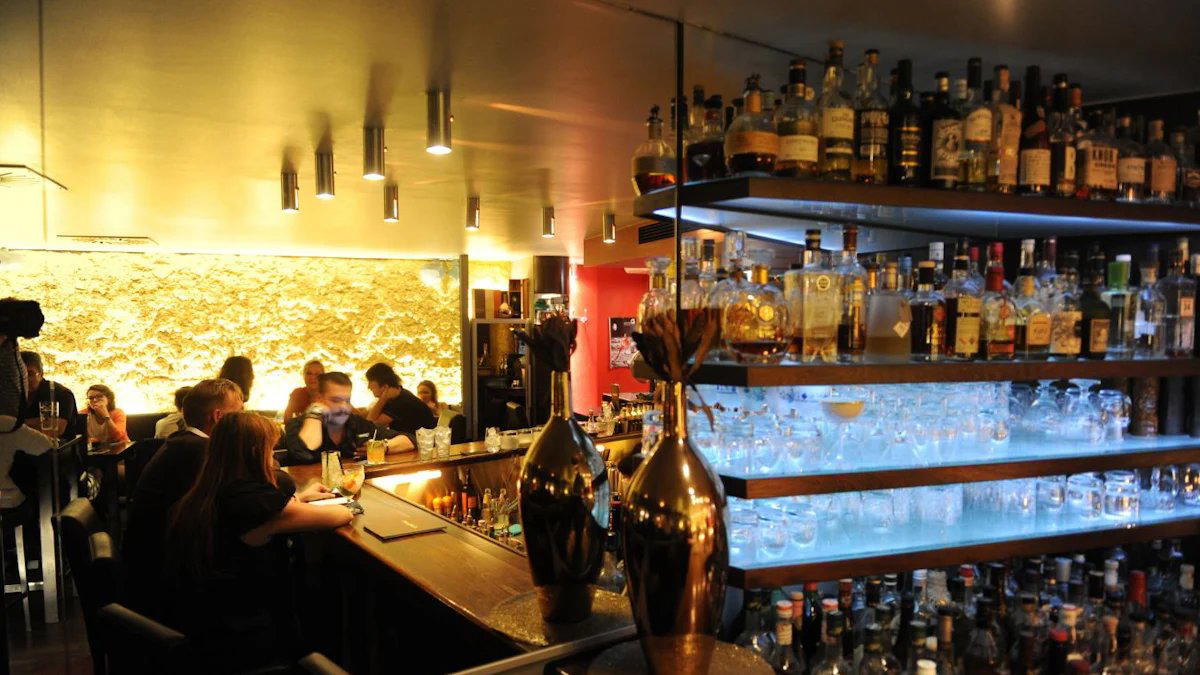
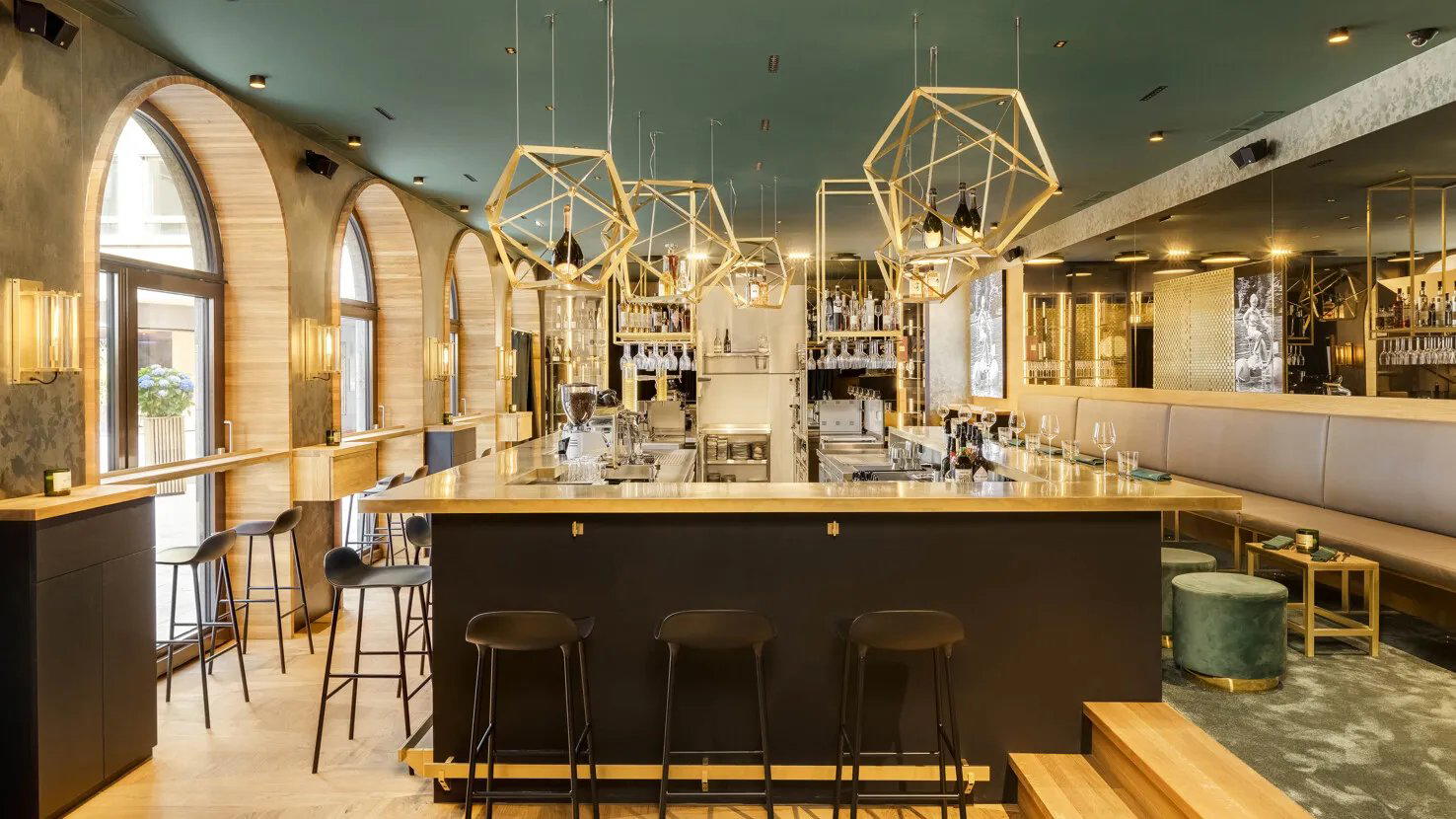
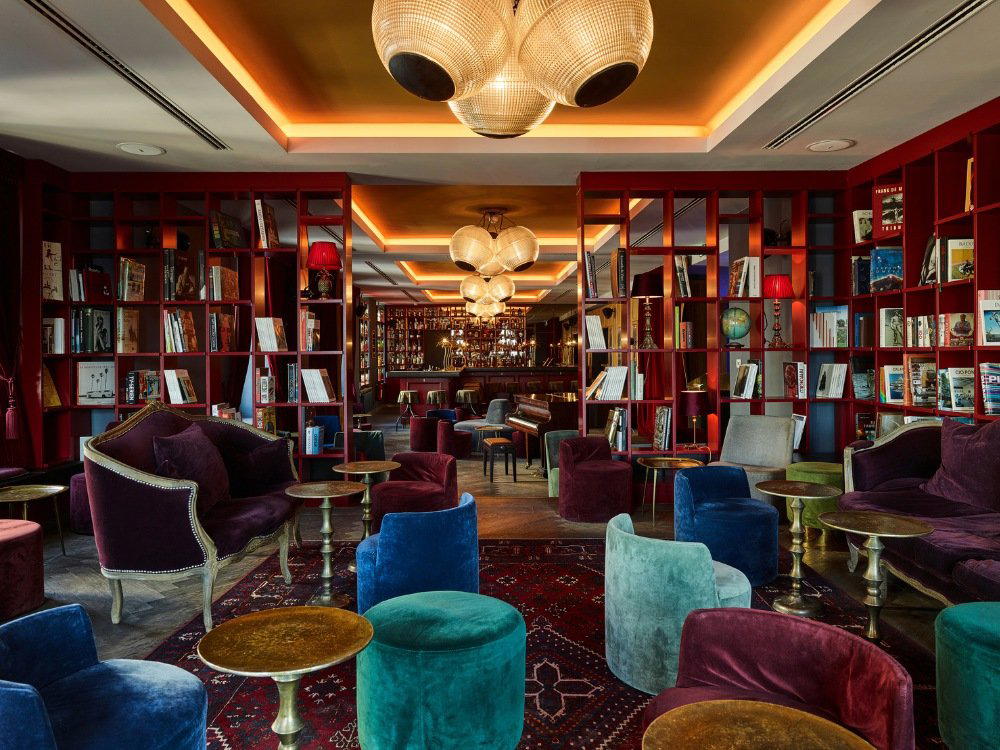
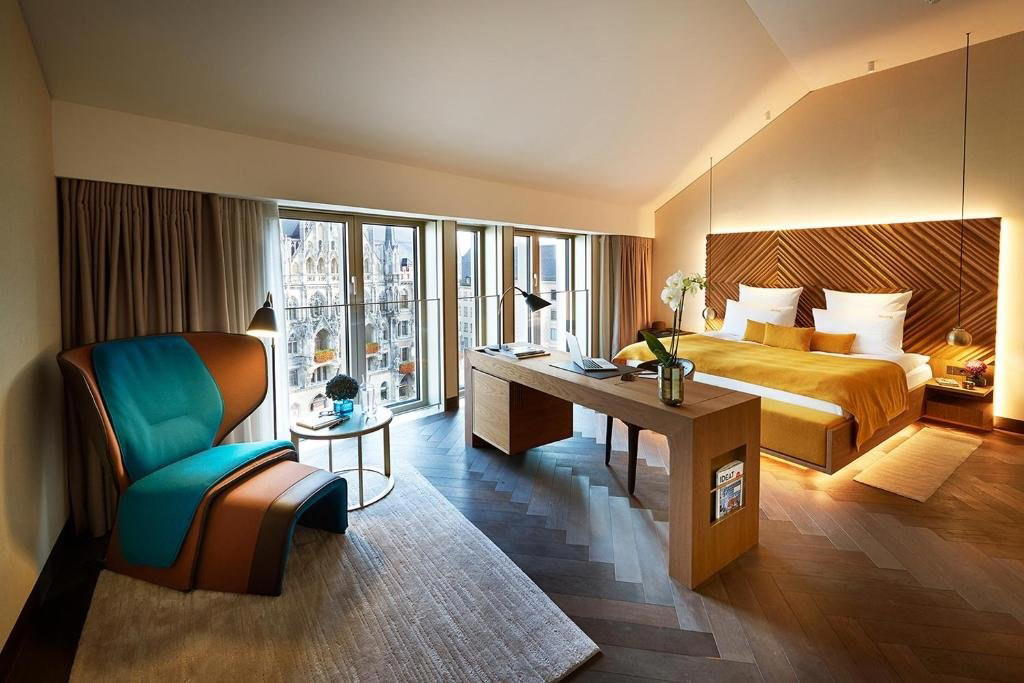
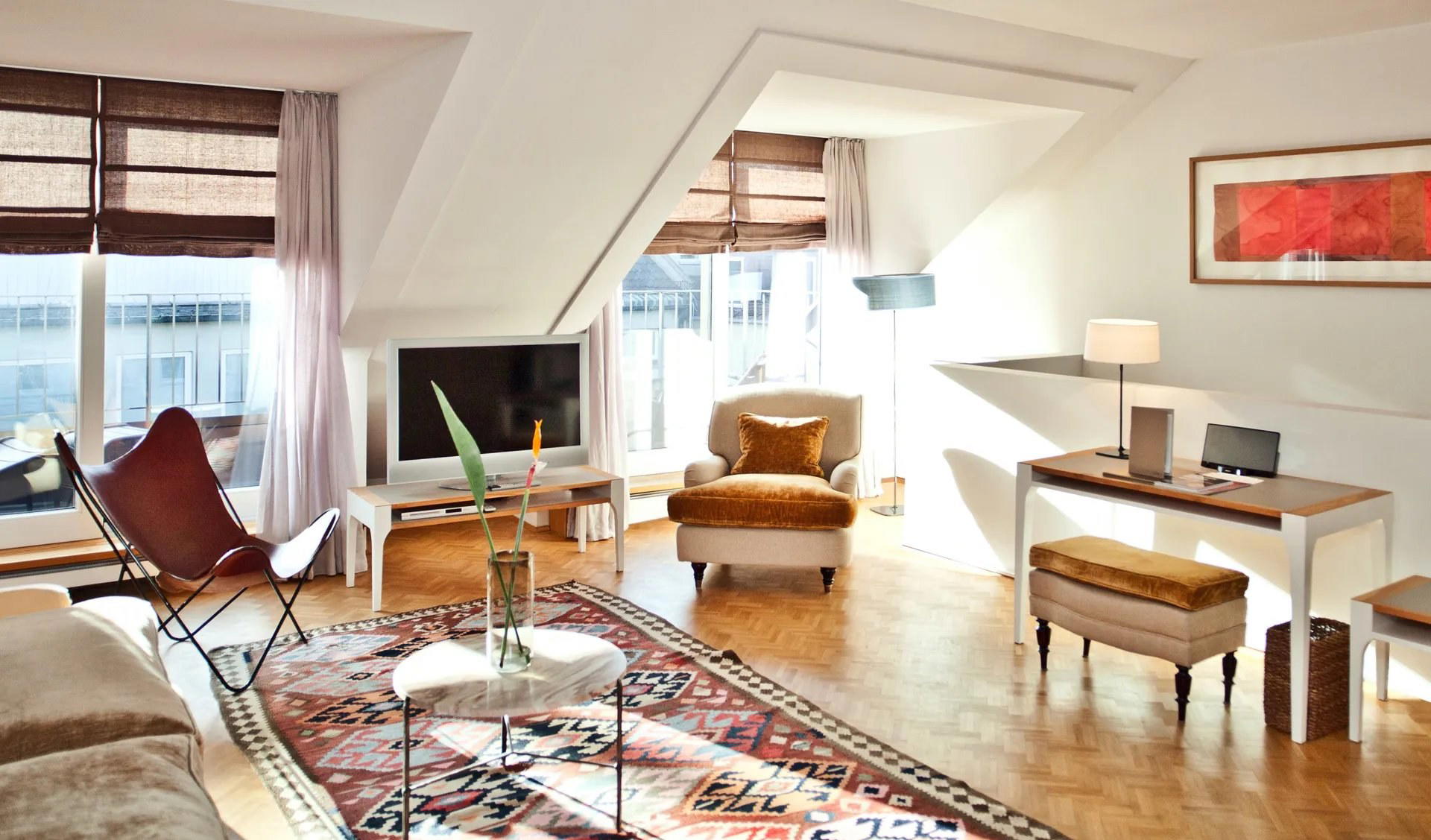
Charming and warm interior evoking a Sicilian family home, complemented by a pleasant outdoor terrace.