Pivnica u zlatej husi
Pivnica u zlatej husi sits on Pezinská street in Slovenský Grob, a Small Carpathian village that has defined Slovak roast goose tradition for generations. The restaurant draws on the agricultural rhythms of the surrounding wine country, where seasonal produce and locally raised birds have shaped the menu long before farm-to-table became a marketing phrase. For anyone tracking Slovak culinary heritage outside Bratislava, this address belongs on the itinerary.
Pearl is the En Primeur Club membership app — saves, bookings, and concierge access live there. Same editors, same standards.
- Address
- Pezinská 2, 900 26 Slovenský Grob, Slovakia
- Phone
- +421336478225
- Website
- zlatahus.sk
- Directions
- Get directions
 Saves & bookings on Pearl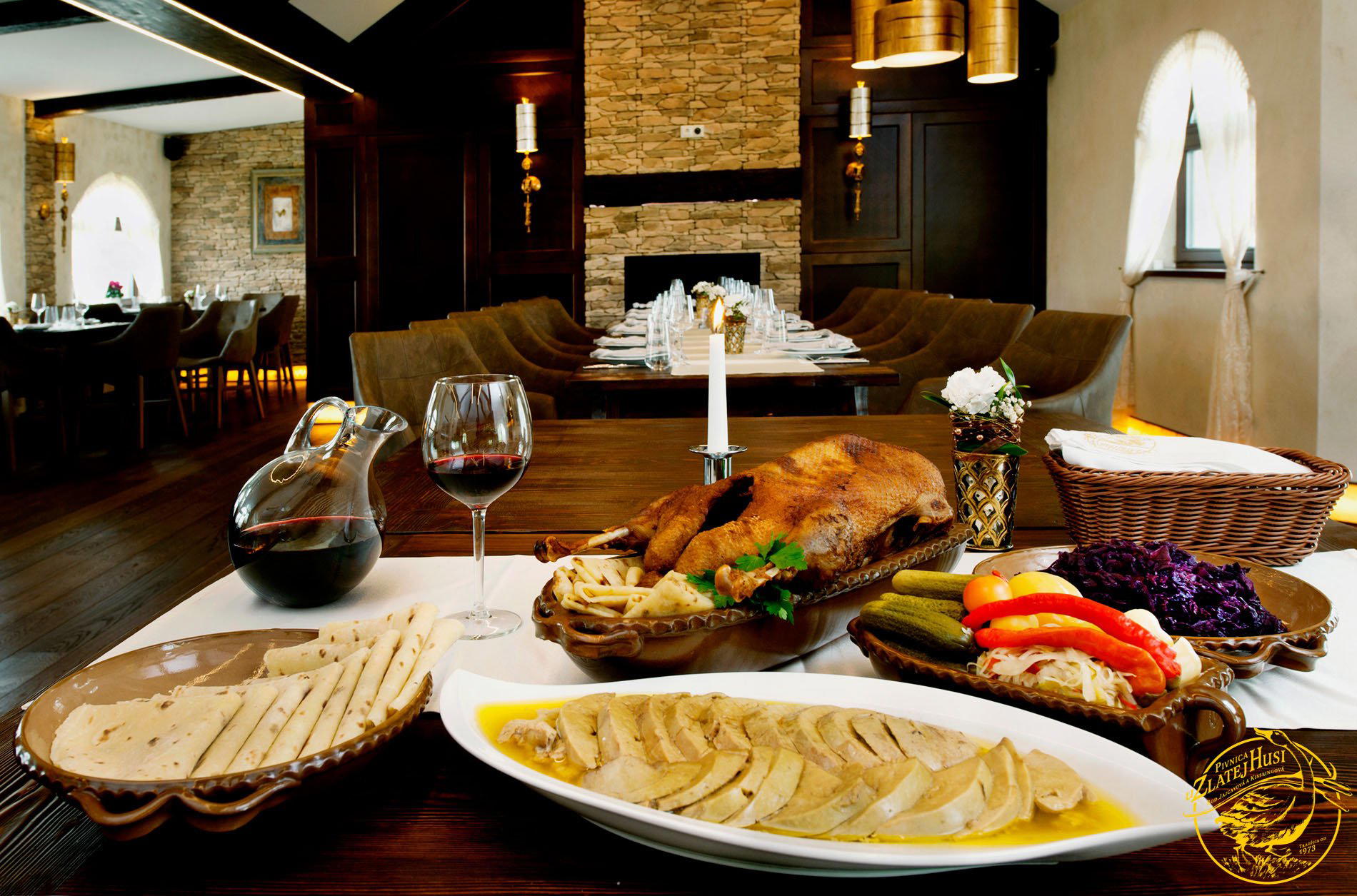
Slovenský Grob and the Roast Goose Tradition
Some food traditions outlast the restaurants that serve them. The roast goose culture of Slovenský Grob is one of those. This small village in the Small Carpathian foothills, roughly 25 kilometres northeast of Bratislava, developed a reputation for goose feasts that has pulled Slovak families, wine-country visitors, and increasingly curious international travellers for the better part of a century. The tradition is tied directly to the agricultural calendar: geese raised on local grain, slaughtered in autumn, and served in the same season that the surrounding vineyards complete harvest. The timing is not coincidental. Goose fat and new wine are a pairing that the region's cooks understood long before anyone wrote it down in a cookbook. Pivnica u zlatej husi, at Pezinská 2, sits within that tradition and draws from it in one direct way possible.
Where the Ingredients Come From, and Why That Shapes the Plate
The Small Carpathians form one of Slovakia's oldest agricultural corridors. The foothills between Pezinok and Senec have supported viticulture, grain farming, and livestock raising in combination for centuries, which means the produce network around Slovenský Grob is genuinely local rather than logistically reconstructed. Restaurants in this zone have access to geese, duck, pork, and seasonal vegetables from farms within a short radius, a supply chain that larger urban restaurants often approximate through sourcing programs but rarely achieve with the same geographic proximity.
This matters for what lands on the plate. Goose rendered and roasted from birds raised on nearby grain carries a different fat profile and flavour density than commodity poultry shipped from industrial processing. The sauerkraut and potato dumplings that traditionally accompany roast goose in this part of Slovakia are likewise products of local fermentation and root vegetable harvest rather than centrally produced accompaniments. Ingredient proximity does not guarantee kitchen quality, but it does set a ceiling on authenticity that restaurants sourcing from farther afield cannot easily match. For venues like Pivnica u zlatej husi, the surrounding agricultural zone is a structural advantage built into the address itself.
Across the Small Carpathian wine route, you find a cluster of restaurants that operate on this same premise, Wild Kitchen Modra in Modra is another example of a venue whose identity is inseparable from the produce network immediately around it. The pattern suggests that the wine country corridor has developed something closer to a regional food system than a loose collection of individual restaurants.
The Setting on Pezinská Street
Slovenský Grob does not look like a destination. The approach through the village is quiet, residential, agricultural, the kind of place that registers as a through-road before it registers as a point of interest. Pezinská street runs through the core of the village, and Pivnica u zlatej husi occupies a position there that reflects the unpretentious character of the surrounding area. The name translates to the Pub at the Golden Goose, which signals exactly what the establishment intends to be: a place grounded in the pub tradition of Central Europe, where substantial food, local wine, and communal eating take precedence over formal dining codes.
The pub format in Slovak wine country has its own logic. These are not gastropubs in the London or Dublin sense. They operate closer to the Austrian Heuriger model, wine-adjacent, seasonally focused, designed for extended meals rather than quick service. The Golden Goose name functions as a direct reference to the goose tradition that put the village on Slovakia's culinary map, and the address on Pezinská places it within walking distance of the small wine estates that define the village's other identity.
Slovenský Grob in the Wider Slovak Dining Picture
Slovak dining has split increasingly between urban fine dining in Bratislava and Košice and the tradition-driven restaurant culture of smaller towns and wine regions. The restaurant belongs firmly in the second category, operating in a register that prioritises regional continuity over culinary innovation. That is not a limitation, it is a different kind of ambition. The comparison set for a venue like this is not Bratislava's modern Slovak restaurants or the hotel dining rooms you find elsewhere in the country, such as Hotel & Restaurant Gino Park Palace in Povazska Bystrica or Hotel and Restaurant Drak in Liptovsky Mikulas.
Across Slovakia's regions, that model takes different forms. The koliba tradition of the mountain areas, rustic highland inns serving smoked meats and bryndza cheese, represents a parallel strand of the same emphasis on local sourcing and seasonal rhythm. Koliba Patria in Strbske Pleso and KOLIBA na Vršku in Bytca operate in that highland register, while Slovenský Grob's goose houses represent the lowland wine-country counterpart. Both strands share the same structural commitment: ingredients from nearby, recipes from tradition, format from regional custom.
Elsewhere in Slovakia, the sourcing-first approach shows up in different forms. Fatrabeef in Lubochna builds its identity around local beef; Holotéch víška in Kosariska draws from its specific rural setting. The pattern across these venues suggests that Slovakia's most coherent dining experiences tend to be the ones anchored most directly to a specific agricultural zone. The restaurant fits squarely within that pattern.
Bratislava's dining scene has absorbed significant international influence; Slovenský Grob has not needed to. The goose houses of the village remain among the more direct expressions of Slovak agricultural tradition available to a visitor, and the restaurant is one of the addresses within that category.
Comparison Snapshot
Comparable venues nearby, for context on price, style, and recognition.
| Venue | Cuisine | Price | Notes |
|---|---|---|---|
| Pivnica u zlatej husiThis venue — the venue you are viewing | Traditional Slovak Goose Specialties | $$$ | Not listed |
| BISTRIC Restaurant | Modern Slovak Bistro | $$$ | Záhorská Bystrica |
| Klára v GOYA vitality hotel | Seasonal European in Historic Chateau | $$$ | Voderady |
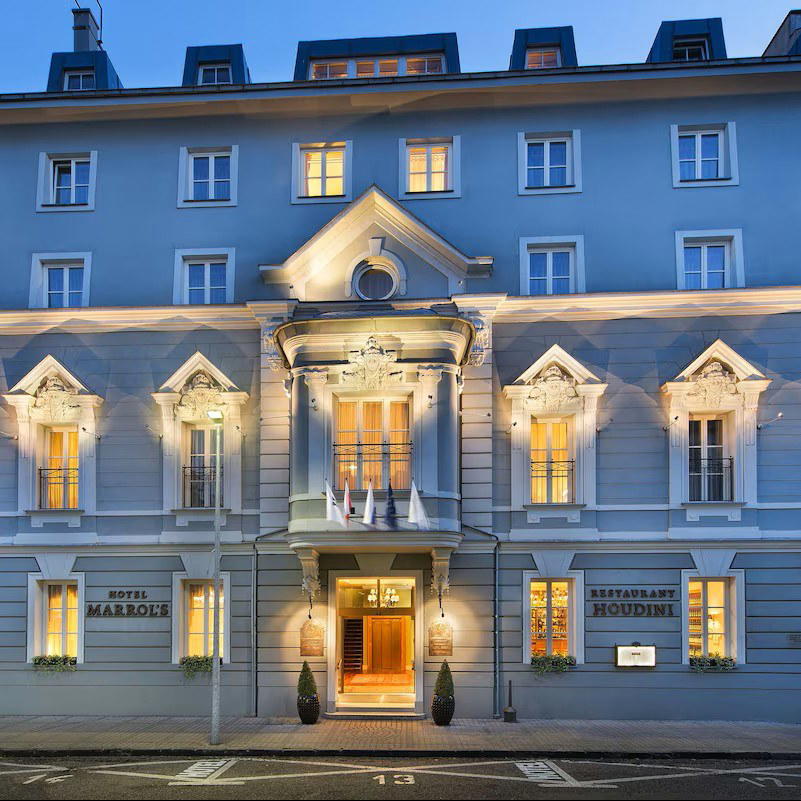
| Houdini Restaurant | Modern Slovak & Central European | $$$ | Staré Mesto |
| Ako doma | Traditional Slovak Home-Style | $$ | Staré Mesto |
| Savoy Restaurant | Modern Traditional Slovak | $$$ | Staré Mesto |
Continue exploring
More in Slovensky Grob
Restaurants in Slovensky Grob
Browse all →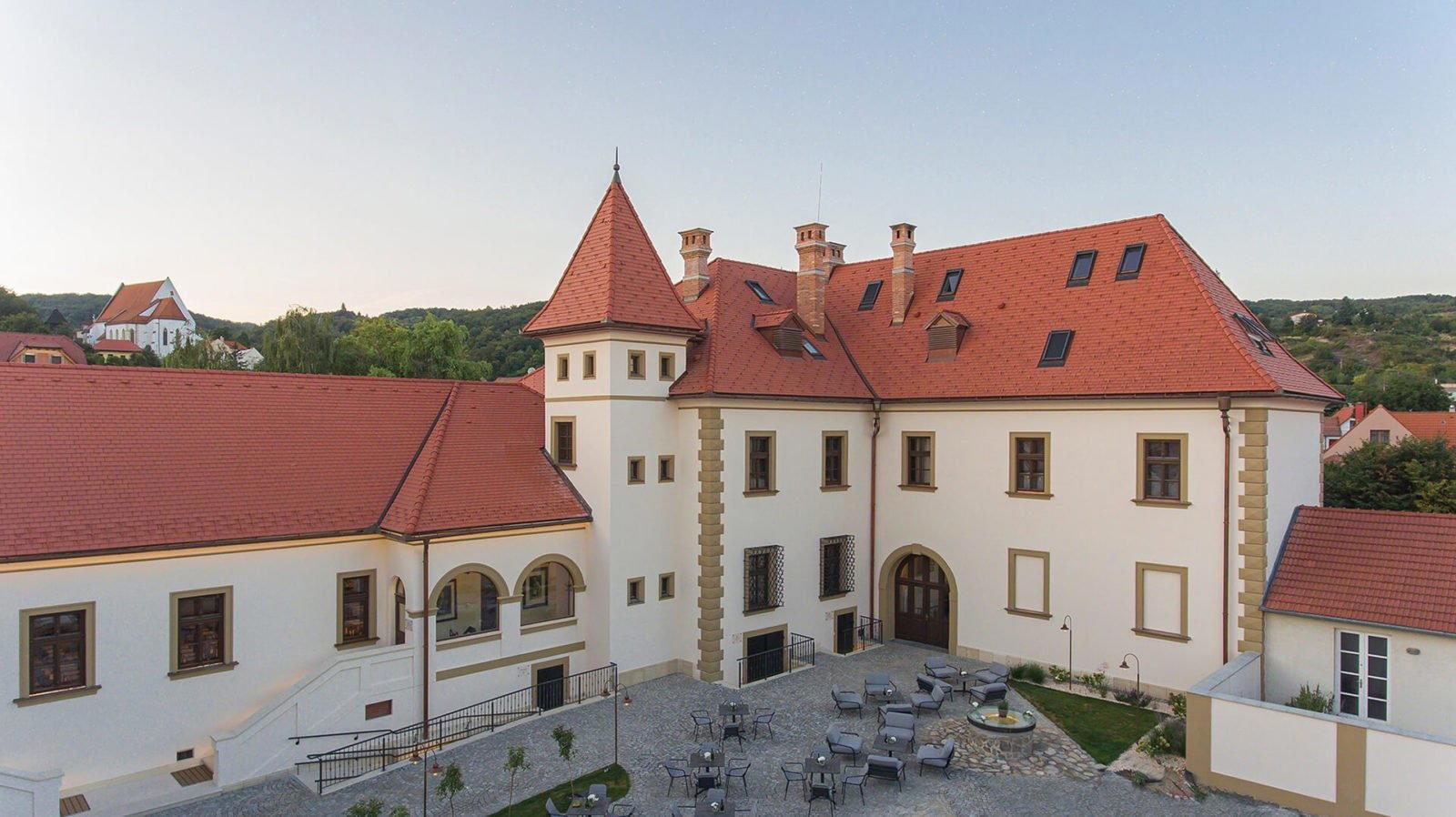
Bars in Slovensky Grob
Browse all →
Hotels in Slovensky Grob
Browse all →

At a Glance
- Classic
- Cozy
- Rustic
- Intimate
- Family
- Group Dining
- Celebration
- Business Dinner
- Date Night
- Casual Hangout
- Terrace
- Courtyard
- Wine Cellar
- Standalone
- Extensive Wine List
- Local Sourcing
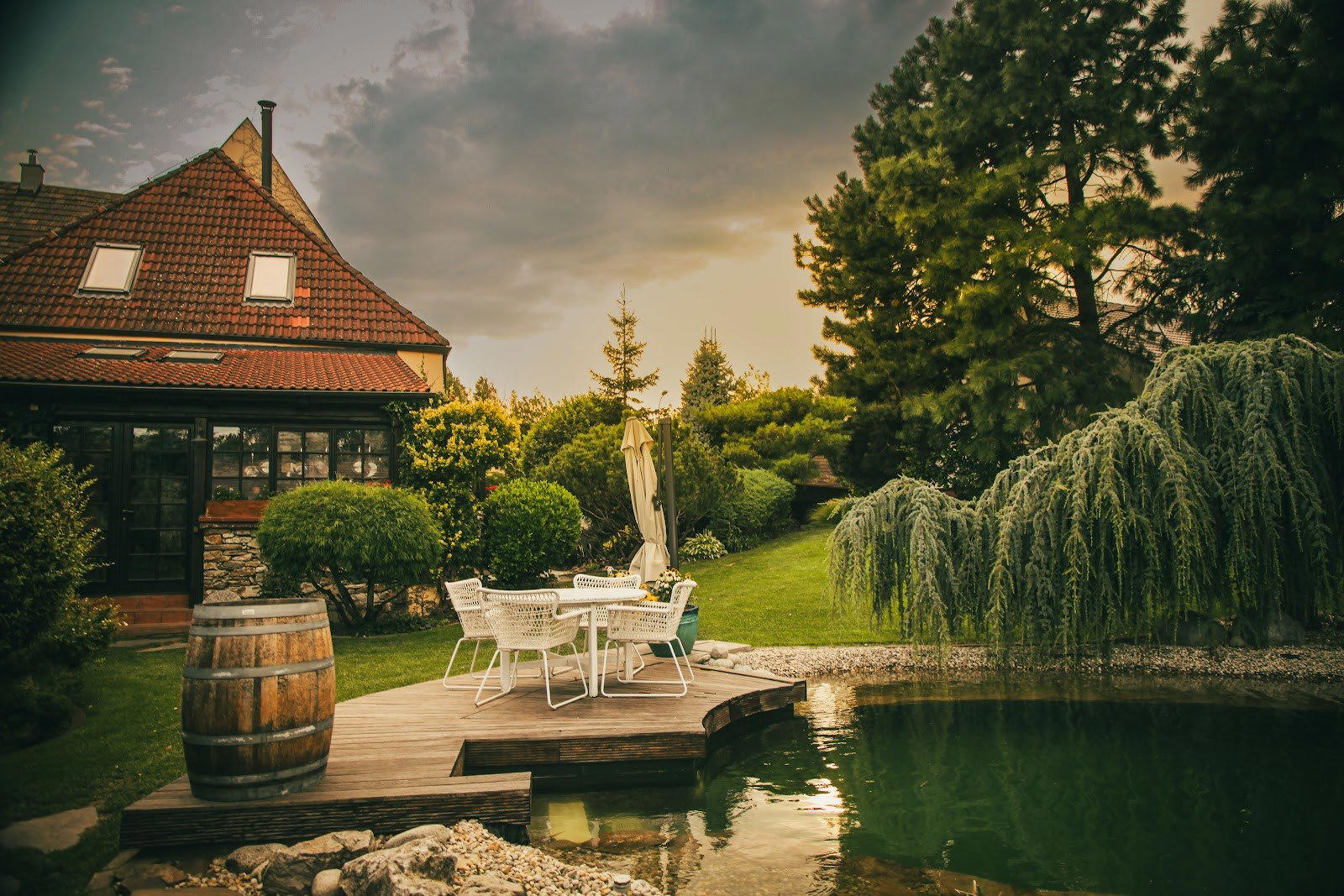
- Garden
Current opening hours
- Monday
- 4–10 PM
- Tuesday
- 11:30 AM–10 PM
- Wednesday
- 11:30 AM–10 PM
- Thursday
- 11:30 AM–10 PM
- Friday
- 11:30 AM–10 PM
- Saturday
- 11:30 AM–10 PM
- Sunday
- 11:30 AM–5 PM
Hours can change for holidays and private events. Last verified .
Traditional and family-oriented with a mix of modern and classic spaces, a pleasant professional service style, and a warm dining atmosphere.