Pittarello occupies a quiet address on Mühlenkamp 8 in Hamburg's Winterhude district, where the neighbourhood's residential character shapes the kind of restaurant it can be. Hamburg's dining scene has grown increasingly polarised between high-ticket creative tasting menus and casual neighbourhood anchors; Pittarello sits in the latter register, serving the kind of food that earns repeat visits rather than special-occasion pilgrimages.
Pearl is the En Primeur Club membership app — saves, bookings, and concierge access live there. Same editors, same standards.
- Address
- Mühlenkamp 8, 22303 Hamburg, Germany
- Phone
- +494069456969
- Website
- ristorante-pittarello.de
- Directions
- Get directions
 Saves & bookings on Pearl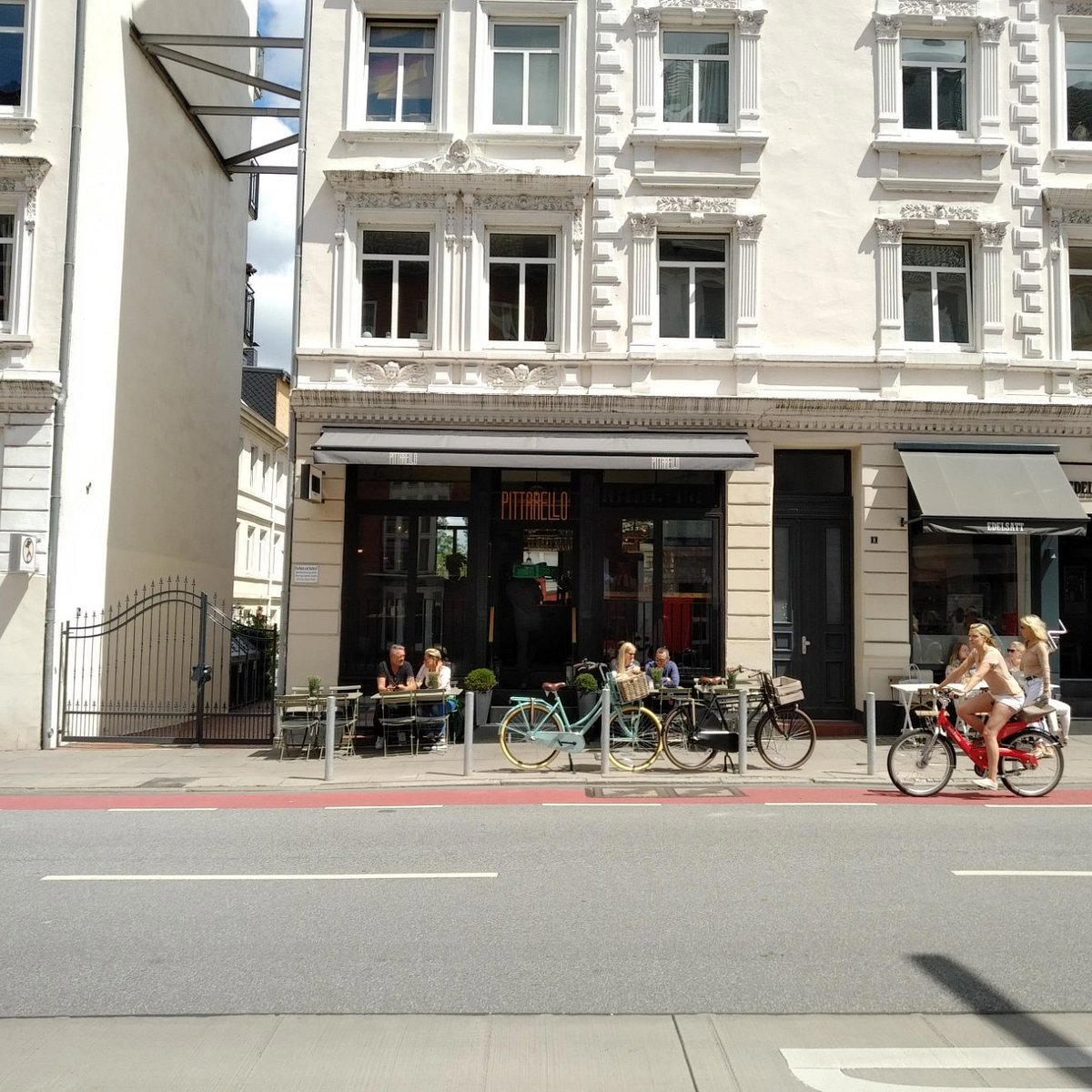
Where Winterhude Eats on a Tuesday
Mühlenkamp is the kind of street that doesn't announce itself. Running through Winterhude, one of Hamburg's more settled residential quarters, it draws its energy from the Alster canal nearby and from the density of people who actually live here rather than visit. The ground-floor restaurants along this stretch work for the neighbourhood first and destination diners second — and that ordering matters for how food is sourced, priced, and presented.
Hamburg's broader dining conversation tends to fix on the Speicherstadt and HafenCity corridors, where The Table Kevin Fehling and bianc anchor the city's creative fine-dining tier. Further out, Lakeside and Restaurant Haerlin hold multi-Michelin positions at the top of the formal register. Pittarello operates at a different frequency entirely: the kind of address that makes sense if you live within walking distance and want food that reflects a specific place and season rather than a tasting-menu concept. Winterhude's proximity to the Alster and its dense residential population make it one of Hamburg's better-fed neighbourhoods for exactly this type of offer.
The Sourcing Logic Behind Neighbourhood Cooking
In Hamburg — a port city with direct access to North Sea fish markets, the agricultural hinterland of Schleswig-Holstein, and a dense network of regional suppliers across the north German plain, the question of where ingredients come from is one that neighbourhood restaurants handle very differently from their fine-dining counterparts. Tasting-menu kitchens at this level in Germany, from 100/200 Kitchen in Hamburg itself to Aqua in Wolfsburg or Schwarzwaldstube in Baiersbronn, tend to build sourcing relationships that function almost like procurement contracts: named farms, rare breeds, hyper-seasonal windows. Neighbourhood kitchens like Pittarello work from a different logic, closer to what the local wholesale and retail supply chain offers on any given week, which in a city like Hamburg means access to genuinely good raw material without the ceremony attached to it.
That distinction matters for the reader trying to calibrate expectations. What Winterhude restaurants in this register do well is translate available supply into food that feels appropriate to the setting: portions sized for dinner rather than tasting sequences, cooking that doesn't require explanation, and pricing that reflects a local rather than destination audience. Germany's northern cities have a particular tradition of this kind of pragmatic, produce-led cooking that sits beneath the Michelin tier but well above casual, a category that JAN in Munich and CODA Dessert Dining in Berlin have each, in different ways, pushed into more conceptual territory, leaving the middle ground to places like this one.
How Pittarello Fits the Winterhude Pattern
The address at Mühlenkamp 8 places Pittarello squarely in a stretch that serves morning coffee, afternoon cake, and evening meals to the same set of residents across the week. That rhythm produces a different kind of restaurant hospitality than the formality of Hamburg's hotel dining rooms or the reservation-weeks-ahead pressure of the city's creative tasting-menu counters. It also places specific demands on the kitchen: the menu has to hold up across a week of service, attract regulars rather than one-time visitors, and function at a price point compatible with frequent return.
This is the pattern that Italy, and specifically Italian neighbourhood trattorie, have long solved, the model where a small dining room anchors a block the way a good butcher or baker does, providing food that residents rely on rather than special-occasion restaurants they save for. Whether Pittarello draws directly on Italian reference points in its cooking or simply shares the name's heritage is a question the available record doesn't settle, but the structural logic of its position in Winterhude is consistent with that tradition. For comparisons to how this tier operates at its ceiling in Germany, Vendôme in Bergisch Gladbach, Victor's Fine Dining by Christian Bau in Perl, and Waldhotel Sonnora in Dreis all demonstrate how seriously the country takes the restaurant form at the upper end, which only underscores how distinct the neighbourhood register actually is.
Reading the Room: Competitive Context in Hamburg
Hamburg's restaurant market has become meaningfully stratified over the past decade. At the leading sit the Michelin-starred rooms. Below that, a tier of ambitious modern European addresses, some with awards recognition, some without, fills the gap between formal fine dining and casual eating. Below that again, neighbourhood restaurants that operate on repeat custom and local loyalty. Pittarello sits in this last tier, which in Winterhude means competing with a range of cafes, bistros, and casual addresses that all serve the same residential catchment.
Within Germany more broadly, that neighbourhood tier has produced some genuinely characterful cooking, particularly in cities with strong regional food cultures. Hamburg's north German setting gives it access to smoked fish, game from the surrounding heathland, and dairy from Schleswig-Holstein that can anchor a kitchen's sourcing without requiring the kind of supplier relationships that ES:SENZ in Grassau or Schanz in Piesport have built around their respective regional identities. The neighbourhood restaurant's version of that story is quieter, less publicised, and often more consistent for the locals who depend on it.
For context on how Hamburg's dining scene sits within the wider European picture, Le Bernardin in New York City and Atomix in New York City represent the kind of destination-first model that operates at the opposite end of the hospitality spectrum from a Winterhude neighbourhood address. The contrast is instructive: both cities have learned to support both tiers, but the neighbourhood tier requires a different kind of sustained local engagement to thrive. Bagatelle in Trier offers another reference point for how a smaller German city sustains quality at the mid-register level. See our full Hamburg restaurants guide for a broader view of how the city's dining tiers map across neighbourhoods.
Know Before You Go
- Address: Mühlenkamp 8, 22303 Hamburg, Germany
- Neighbourhood: Winterhude
- Phone: Not publicly listed
- Website: Not publicly listed
- Booking: Contact details not confirmed; walk-in likely possible given neighbourhood format
- Hours: Not confirmed, verify locally before visiting
- Price range: Not confirmed
Continue exploring
More in Hamburg
Restaurants in Hamburg
Browse all →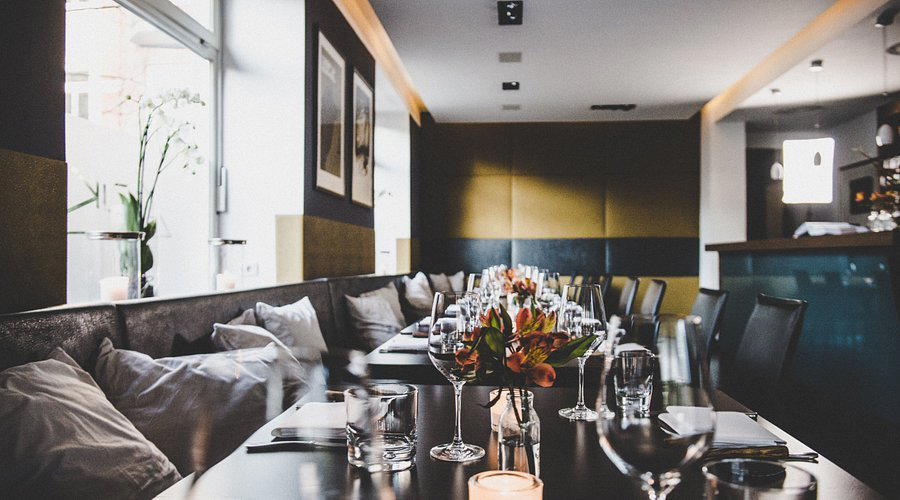
Bars in Hamburg
Browse all →
Hotels in Hamburg
Browse all →
Wineries in Hamburg
Browse all →
At a Glance
- Cozy
- Trendy
- Intimate
- Elegant
- Date Night
- Casual Hangout
- Family
- Open Kitchen
- Extensive Wine List
- Street Scene
Current opening hours
- Monday
- Closed
- Tuesday
- 12–3 PM, 5–11 PM
- Wednesday
- 12–3 PM, 5–11 PM
- Thursday
- 12–3 PM, 5–11 PM
- Friday
- 12–3 PM, 5–11 PM
- Saturday
- 5–11 PM
- Sunday
- 5–11 PM
Hours can change for holidays and private events. Last verified .
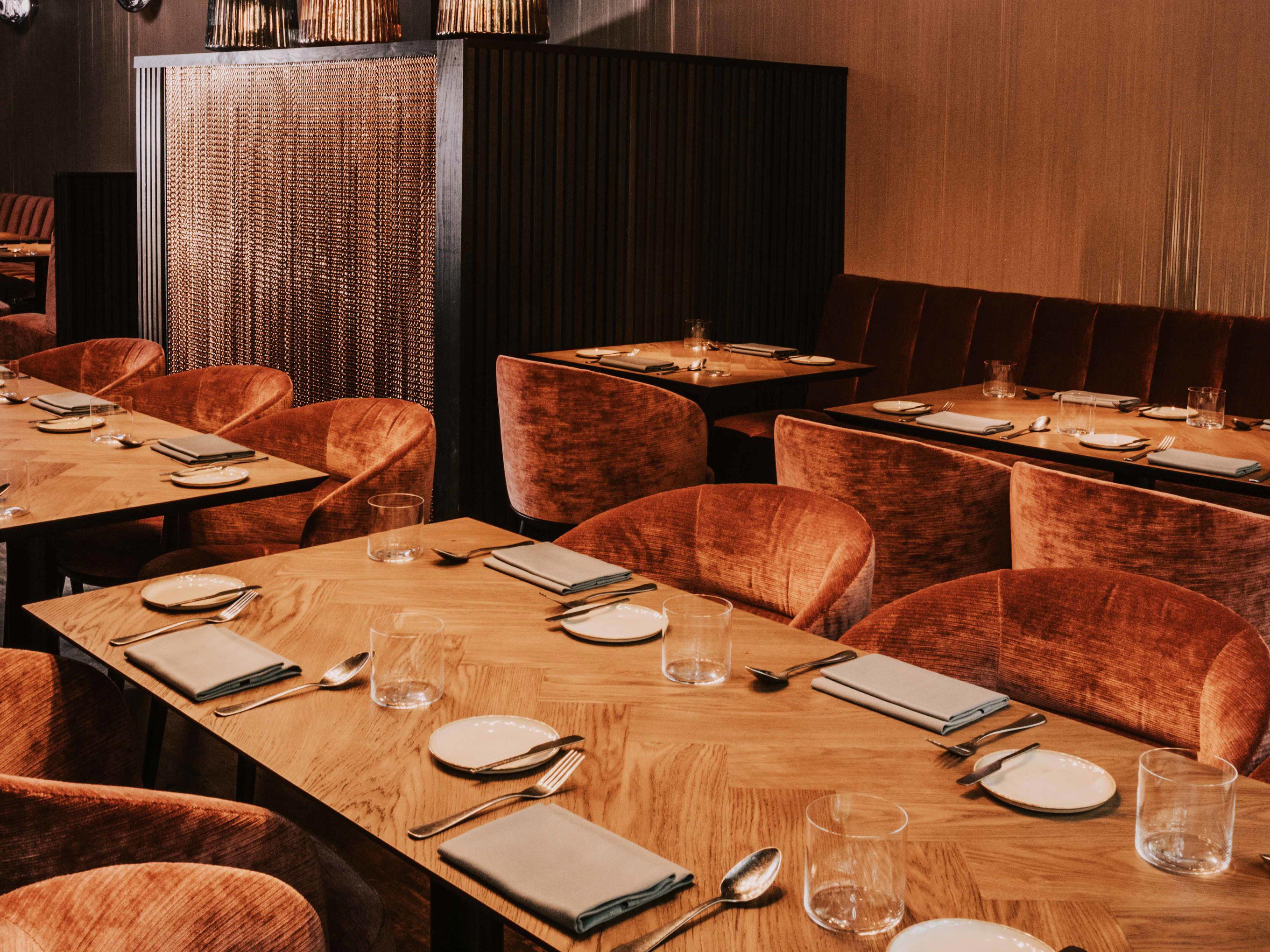
Cozy and informal atmosphere with stylish interior, elegant brass lighting, and a trendy vibe that can get lively on weekends.
Know Before You Go
- Getting there
- Mühlenkamp 8, 22303 Hamburg, Germany