PIT sits on Raadhuisplein in Heeswijk Dinther, a village in the Noord-Brabant countryside where the Dutch tradition of sourcing close to the land shapes what ends up on the plate. The address places it outside the major Dutch dining circuits, yet that distance is part of the proposition: ingredient provenance and regional character drive the kitchen's decisions in ways that a city-centre restaurant rarely sustains.
 Discover on Pearl
Pearl is the En Primeur Club membership app — saves, bookings, and concierge access live there. Same editors, same standards.
- Address
- Raadhuisplein 7, 5473 GC Heeswijk Dinther, Netherlands
- Phone
- +31413320016
- Website
- restaurantpit.nl
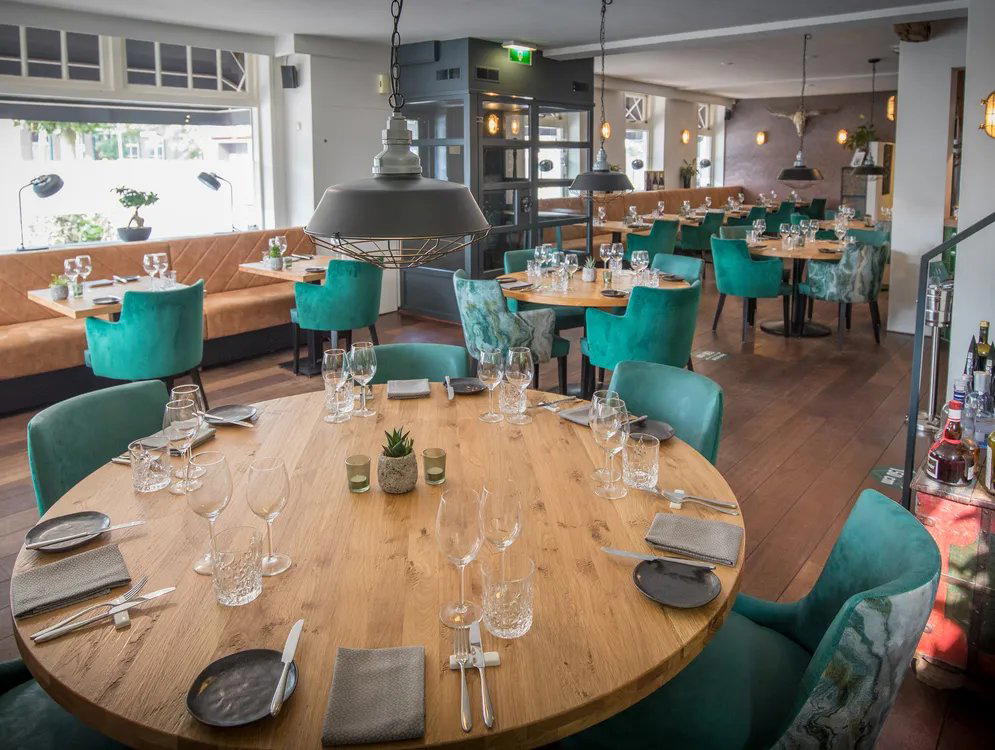
Fire, Land, and the North Brabant Table
Noord-Brabant has spent the last two decades building a regional dining identity. The province sits between the intensively farmed flatlands of the north and the Belgian border to the south, and that geography shows up on plates across the region: game from the Meierij heathlands, market-garden produce from the sandy polders, river fish from the Maas and its tributaries. Villages like Heeswijk Dinther are not incidental to that story, they are where the supply chains actually originate. PIT is a restaurant at Raadhuisplein 7 in Heeswijk Dinther, serving Modern World Cuisine in a smart casual setting.
PIT occupies that position. The name signals the cooking method before anything else: an open fire or pit format is a statement of sourcing intent, because live-fire cooking rewards ingredients that can hold up to direct heat, fat, and char. That means quality at the source. You do not cook over fire to disguise; you cook over fire to expose. The restaurants across the Netherlands that have committed to this format, and there are now enough of them to constitute a recognisable sub-category, tend to share a sourcing logic that prioritises provenance over import, and seasonality over year-round availability.
The Sourcing Context That Defines This Address
Noord-Brabant's agricultural belt is one of the most productive in the Netherlands, but the most interesting ingredient stories here are not industrial. They come from smaller-scale operations: heritage breed pigs raised on mixed feed rather than intensive grain, artisan cheesemakers working with raw milk, seasonal foragers working the edges of the Kempen forests. Restaurants that take that supply chain seriously operate on a different rhythm than their peers in the Randstad. Menus shift not because a marketing calendar demands it but because the source material changes. That discipline, sourcing-led rather than concept-led, is the thread connecting the leading Noord-Brabant tables to each other and, more broadly, to a wider Dutch movement that includes destination addresses like De Lindehof in Nuenen and De Treeswijkhoeve in Waalre, both of which have built their reputations on similar regional-provenance logic.
On the national scale, ingredient-first kitchens like De Nieuwe Winkel in Nijmegen, which has received significant attention for its plant-forward sourcing philosophy, and Brut172 in Reijmerstok in the southern Limburg hills both sit in the same broad peer group: Dutch restaurants working outside the major urban centres, whose distance from the city is a feature rather than a limitation. The further you go in that direction, toward full-commitment sourcing, fire technique, and local-supply dependence, the closer you get to what PIT appears to be doing at its Heeswijk Dinther address.
What Live-Fire Cooking Means in This Region
Open-fire cooking is not a trend in the way that, say, hyper-fermentation or liquid nitrogen was a trend. It is a technique with deep roots in rural Dutch and Flemish cooking, and its contemporary revival is better understood as a return to a pre-refrigeration logic: cook what you have, cook it hard, let the fire add the complexity that time and terroir started. The heaths and forests around Heeswijk Dinther have historically fed tables exactly this way. Game hung and grilled over wood. Root vegetables roasted in embers. The modern version of this, at restaurants that have made it their organising principle, involves a great deal more precision, temperature management, wood selection, timing, but the underlying ingredient philosophy remains the same: sourcing quality is not optional when the technique is this exposing.
Dutch diners making the drive to Noord-Brabant for this kind of cooking are, increasingly, doing so deliberately. The province has developed enough dining destination weight that it supports a proper circuit, from Tribeca in Heeze in the east to De Bokkedoorns in Overveen on the North Sea coast, and extending up through national-tier addresses like De Librije in Zwolle, 't Nonnetje in Harderwijk, and Inter Scaldes in Kruiningen. Against that circuit, a village address in the Meierij is not an outlier. It is a logical stop for anyone mapping Dutch cooking through its regional supply chains rather than its Michelin density.
Planning Your Visit to Heeswijk Dinther
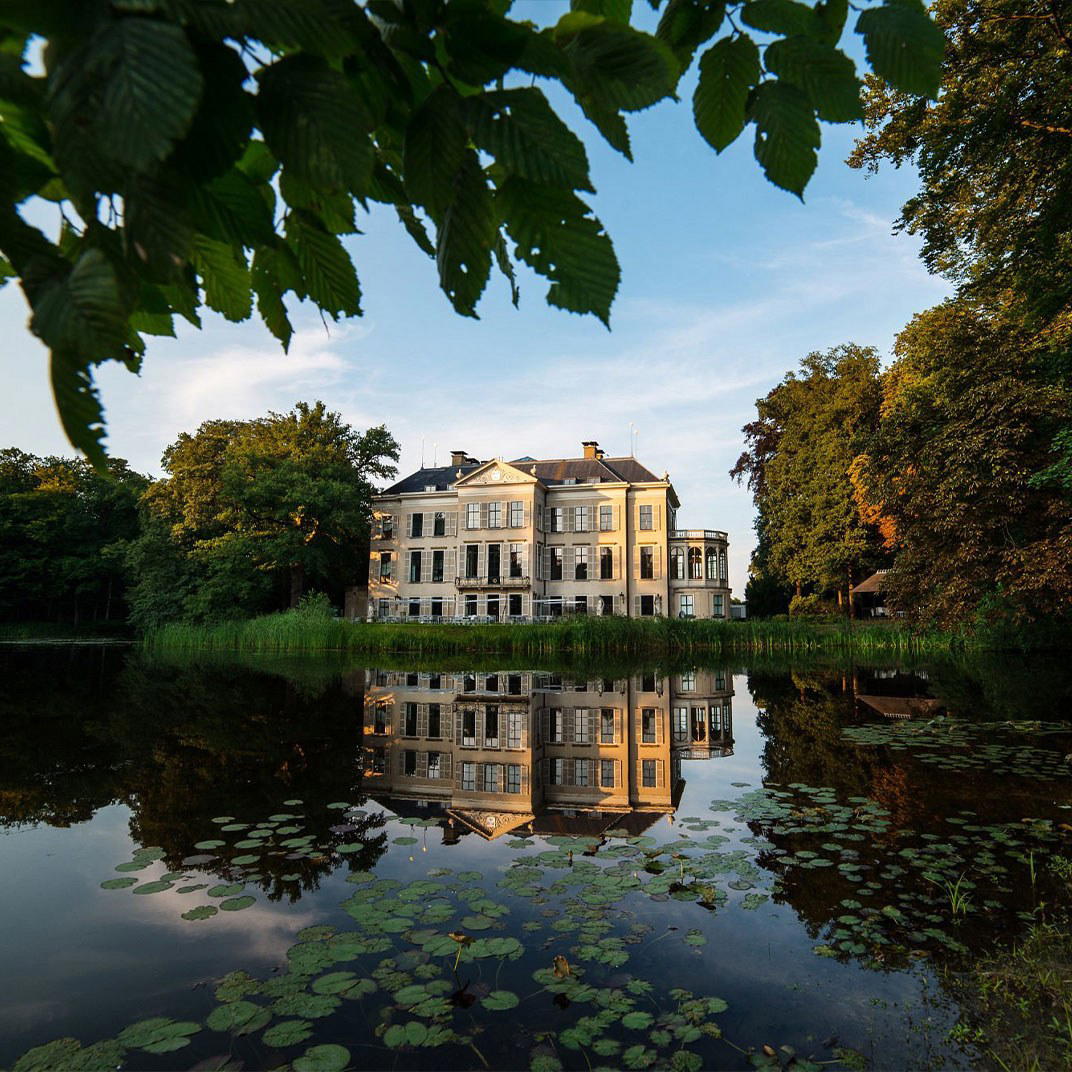
Heeswijk Dinther sits in the municipality of Bernheze, roughly midway between 's-Hertogenbosch and Oss. The village is accessible by car from both cities in under twenty minutes, and the Raadhuisplein address, the central square, is easy to locate. Public transport connections are limited, which is typical of rural Noord-Brabant and means most visitors arrive by car. The surrounding area includes the historic Heeswijk Castle (Kasteel Heeswijk), which adds cultural weight to a half-day or full-day trip from the Randstad. Visitors combining PIT with a broader Noord-Brabant dining itinerary may look to other rural-destination restaurants further north. For those arriving from Amsterdam, Ciel Bleu, Aan de Poel in Amstelveen, and 't Amsterdammertje in Loenen aan de Vecht represent the urban end of the same Dutch fine-dining spectrum.
International reference points for fire-forward, ingredient-committed restaurants include Le Bernardin in New York City and Atomix in New York City. Closer to home and in a similarly experimental register, FG - François Geurds in Rotterdam demonstrates the range of ambition operating within Dutch fine dining today.
A Quick Peer Check
Comparable venues nearby, for context on price, style, and recognition.
| Venue | Cuisine | Price | Awards | Notes |
|---|---|---|---|---|
| PITThis venue — the venue you are viewing | Modern World Cuisine | $$$ | , | |
| Calan Restaurant & Bar | Modern European with global influences | $$$ | , | Maritime District / Leuvehaven |
| Yume Phan Barneveld | Japanese-Vietnamese Fusion | $$$ | , | centrum |
| de zoute kater | Seasonal Fusion Bistro | $$$ | , | Zoutmanstraat |
| Rouhi | Asian Cuisine with Modern Twist | $$$ | , | Begijnhofbuurt |
| KID | Asian Fusion Comfort Food | $$$ | , | Frederik Hendrikbuurt Noord |
Continue exploring
More in Heeswijk Dinther
Restaurants in Heeswijk Dinther
Browse all →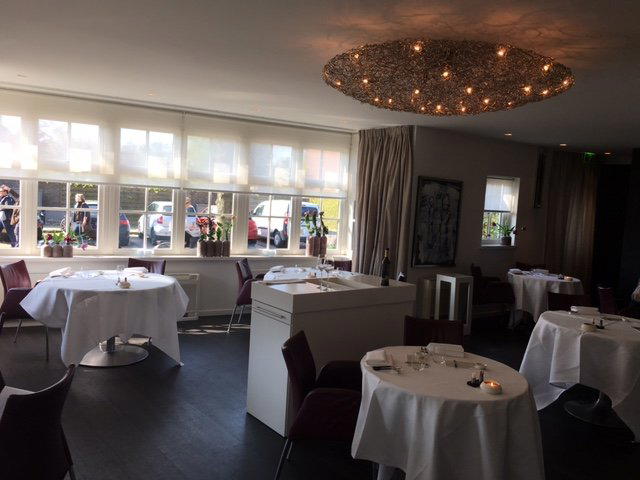
Bars in Heeswijk Dinther
Browse all →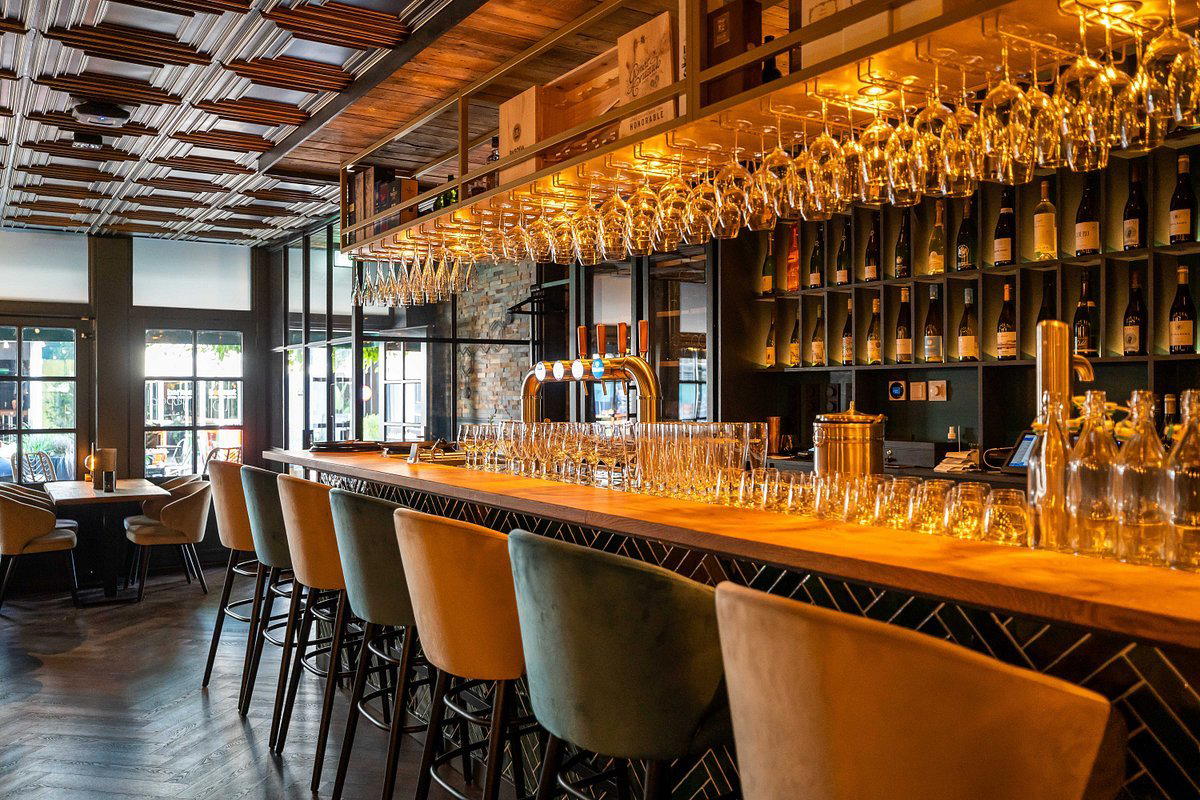
At a Glance
- Modern
- Cozy
- Hidden Gem
- Intimate
- Date Night
- Special Occasion
- Extensive Wine List
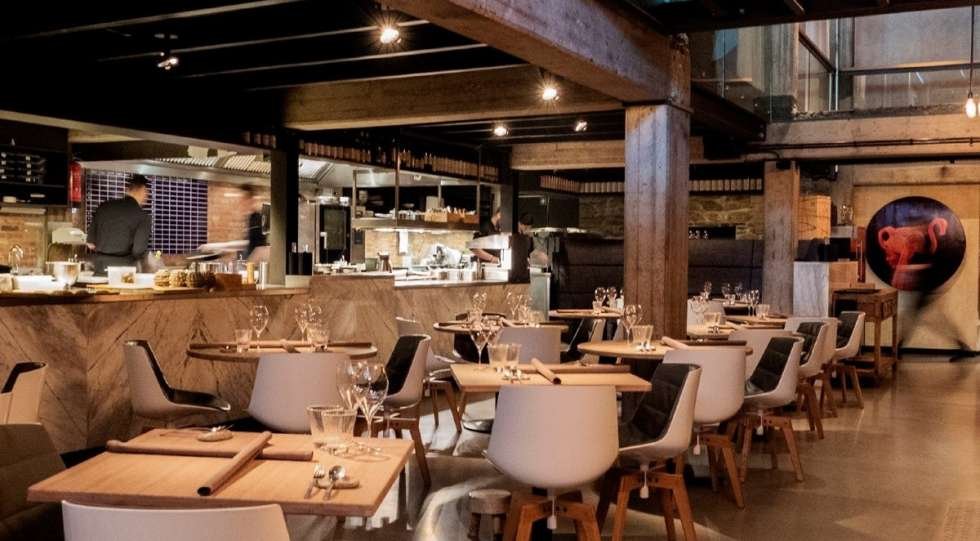
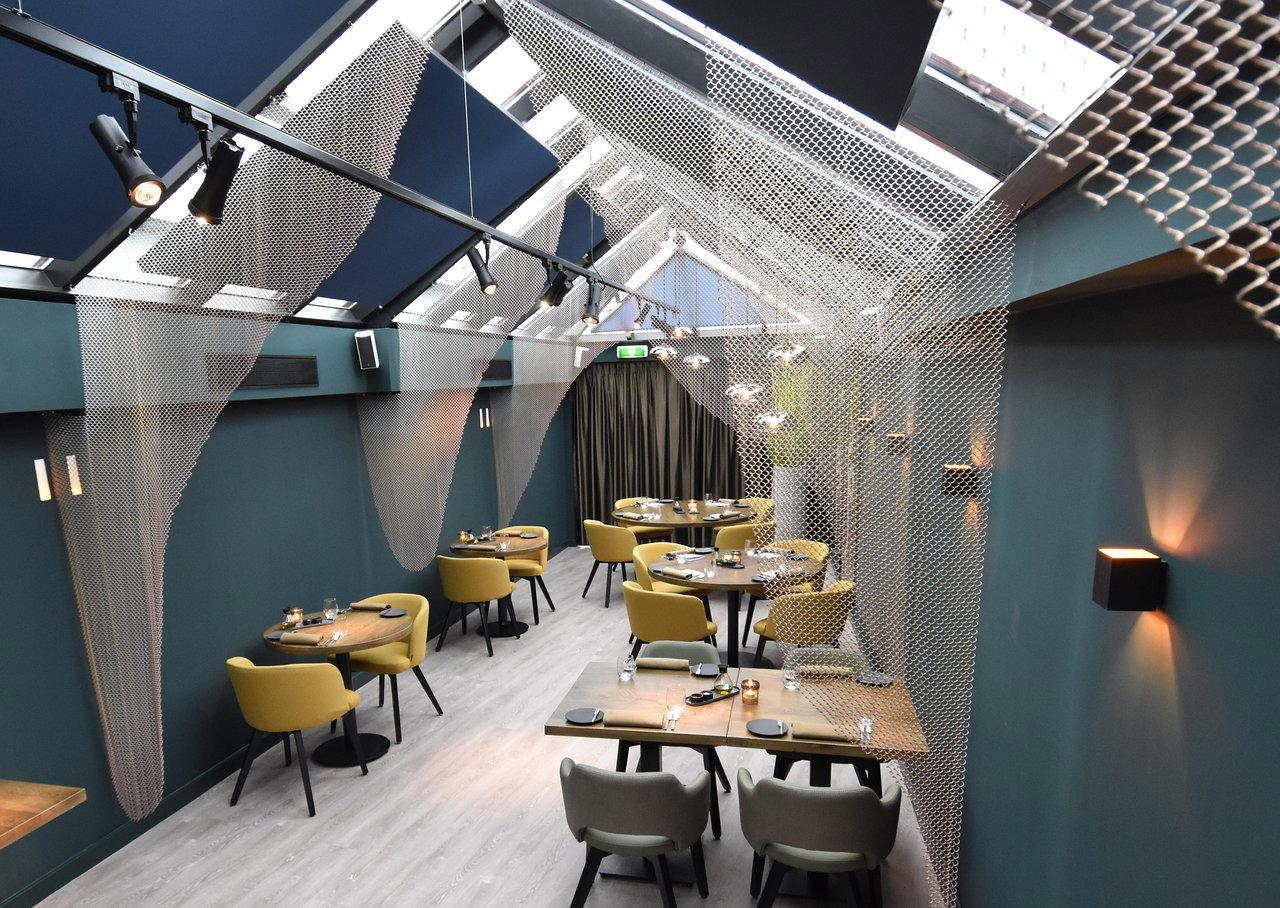
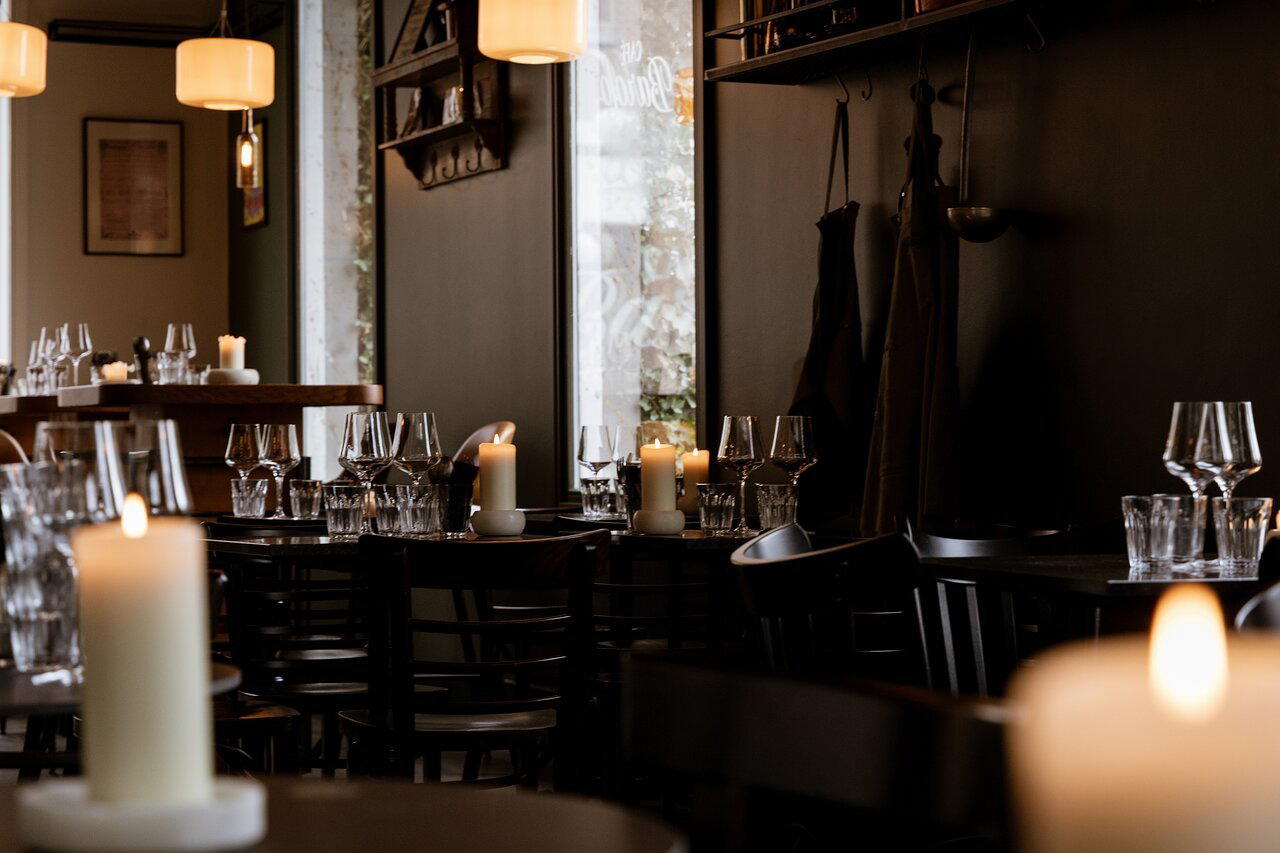
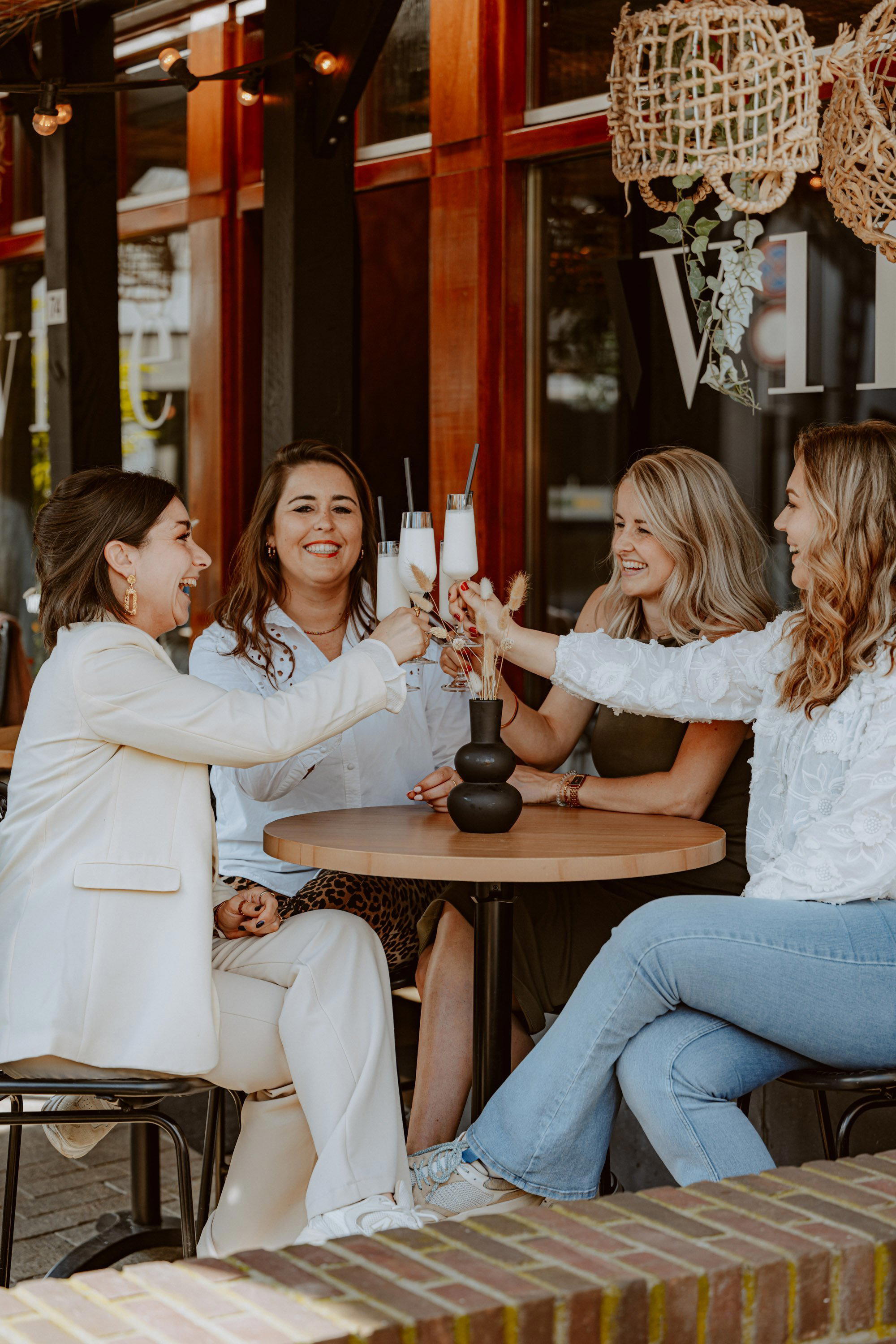
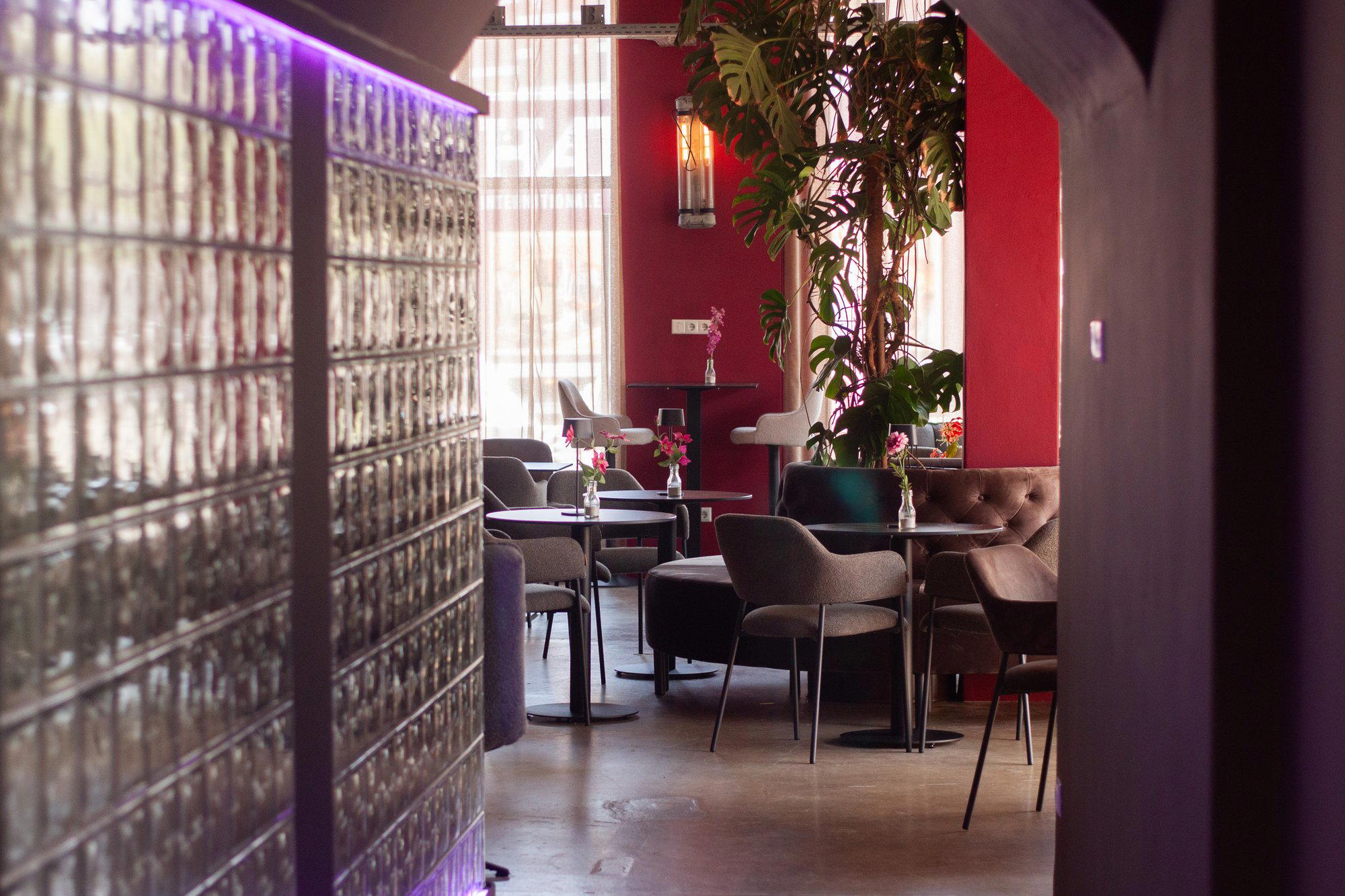
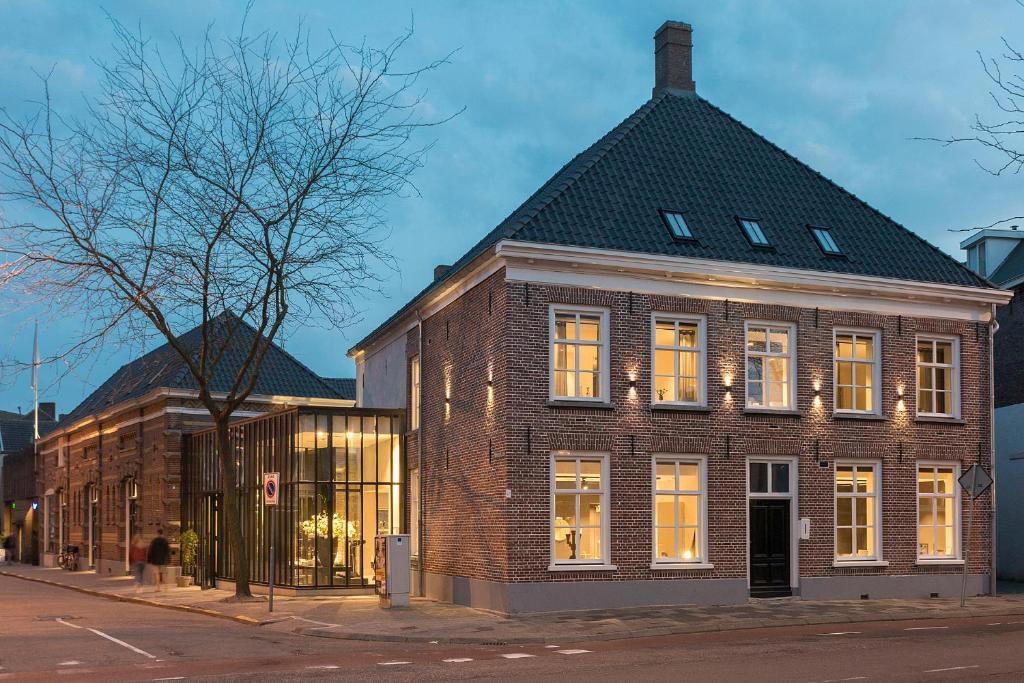
Warm, gemoedelijk dorpsgevoel with a modern and intimate atmosphere ideal for long evening dining.