Eden


.png?width=120&quality=80)

1 Michelin Star · Star Wine List · Wine Spectator Award of Excellence
Our verdict
Eden holds a Michelin star and a Star Wine List White Star recognition, operating from Oude Torenstraat 8 in Waalre with a menu built around bold contrasts and international influences. Chef Herman Cooijmans works Middle Eastern spices and unexpected pairings into a set-menu format that runs Thursday through Sunday. The wine list spans roughly 280 selections with 2,350 bottles in inventory.

Pearl is the En Primeur Club membership app, where members save venues, book tables and use the concierge.
Where Waalre Sits in the Dutch Fine Dining Map
The Netherlands has developed one of Europe's more concentrated networks of Michelin-recognised restaurants relative to its size, with starred tables distributed across provincial towns as readily as in Amsterdam or Rotterdam. The North Brabant region, anchored by Eindhoven and its surrounding municipalities, participates in that pattern. Waalre, a small town directly adjacent to Eindhoven's southern edge, contains two Michelin-starred restaurants within a short distance of each other: De Treeswijkhoeve (€€€€ · Creative), which holds two stars, and Eden, which earned its first star in 2024. That concentration is notable for a municipality of this scale and reflects a wider regional dynamic in which suburban and semi-rural Brabant has positioned itself as a serious destination for contemporary Dutch cooking. For broader coverage of the town's dining options, see our full Waalre restaurants guide.
Within the Michelin-starred tier across the Netherlands, Eden sits at the one-star level in the €€€ price bracket, which differentiates it from peers like De Librije in Zwolle at three stars, or two-star houses such as De Lindehof in Nuenen, located nearby in the same region. That positioning makes Eden more accessible on price while operating within the same critical framework. Among one-star modern cuisine restaurants at the €€€ level, comparable references include Aan de Poel in Amstelveen and Basiliek in Harderwijk, both operating in a similar tier and format.
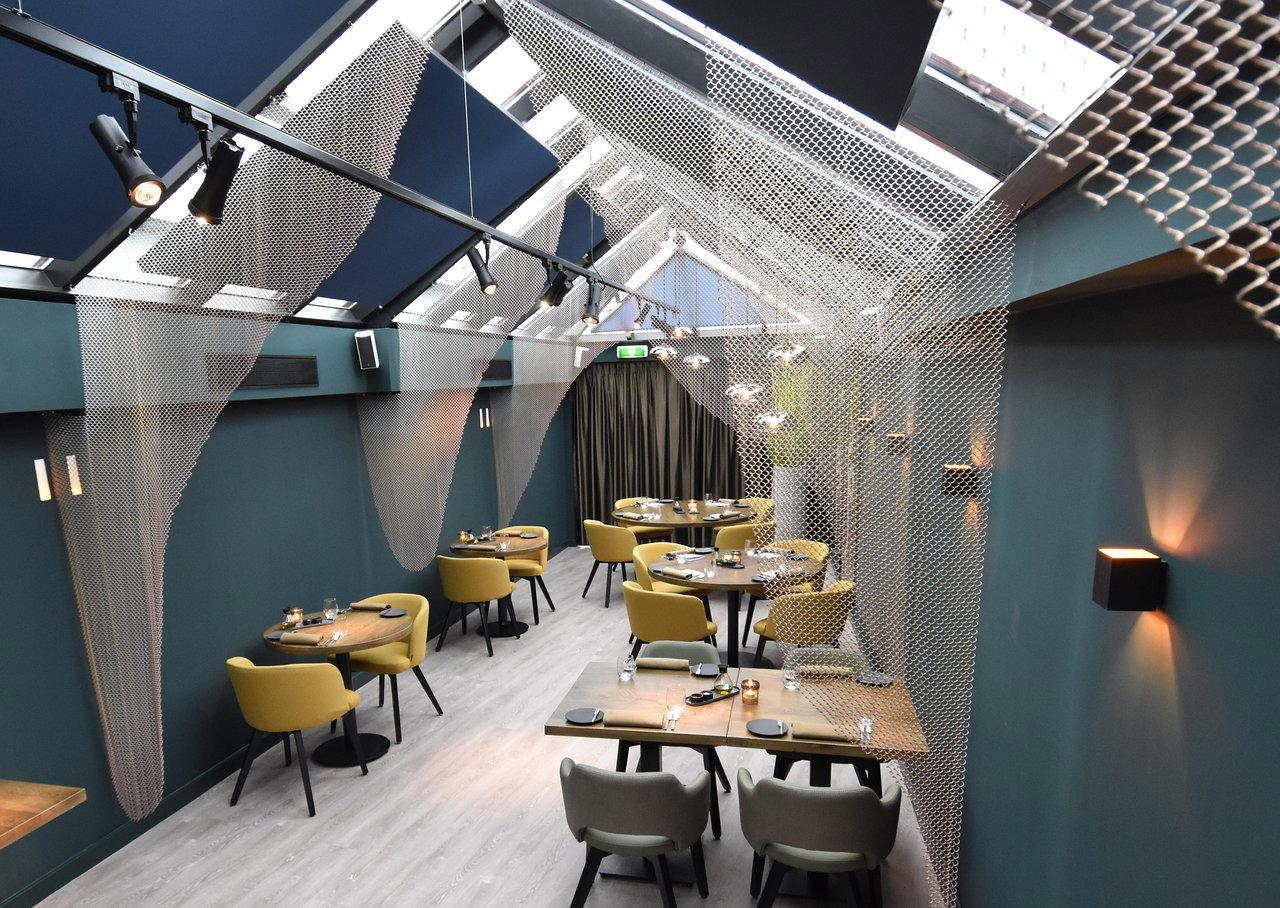
The Room: Natural Materials, Deliberate Warmth
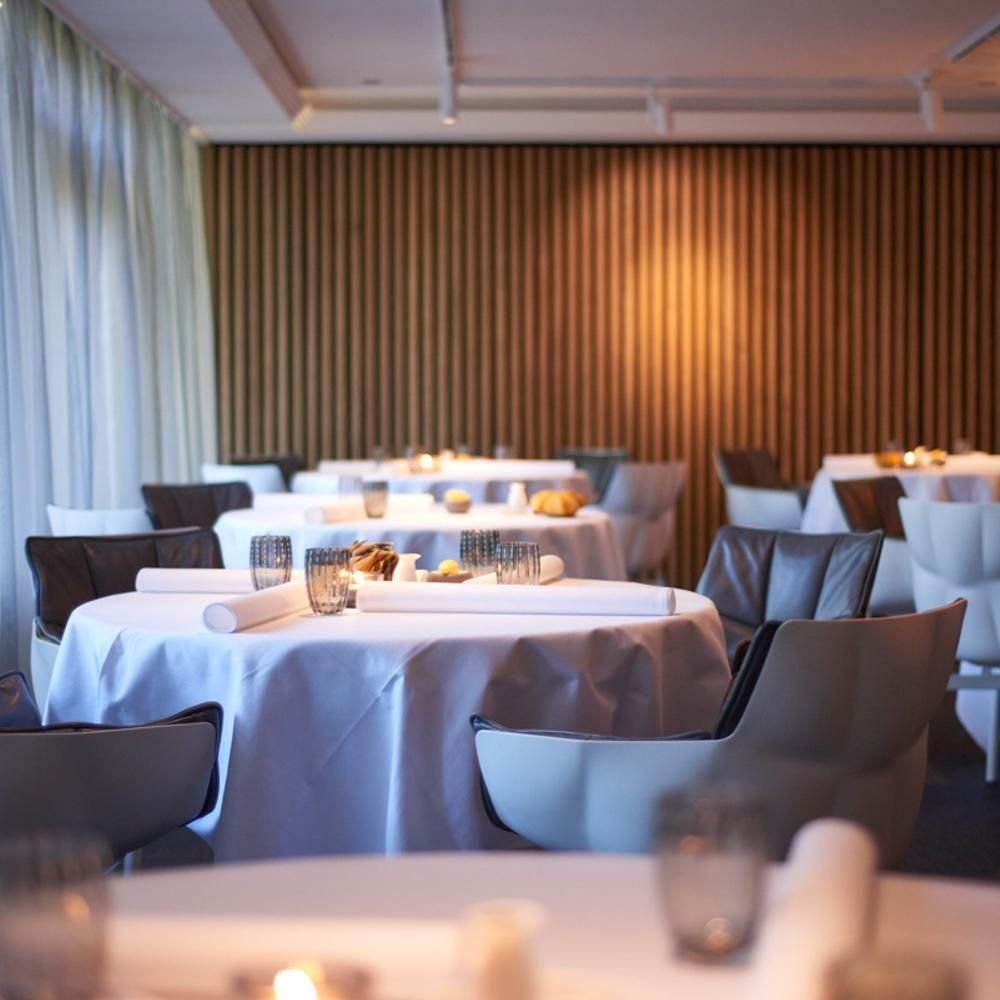
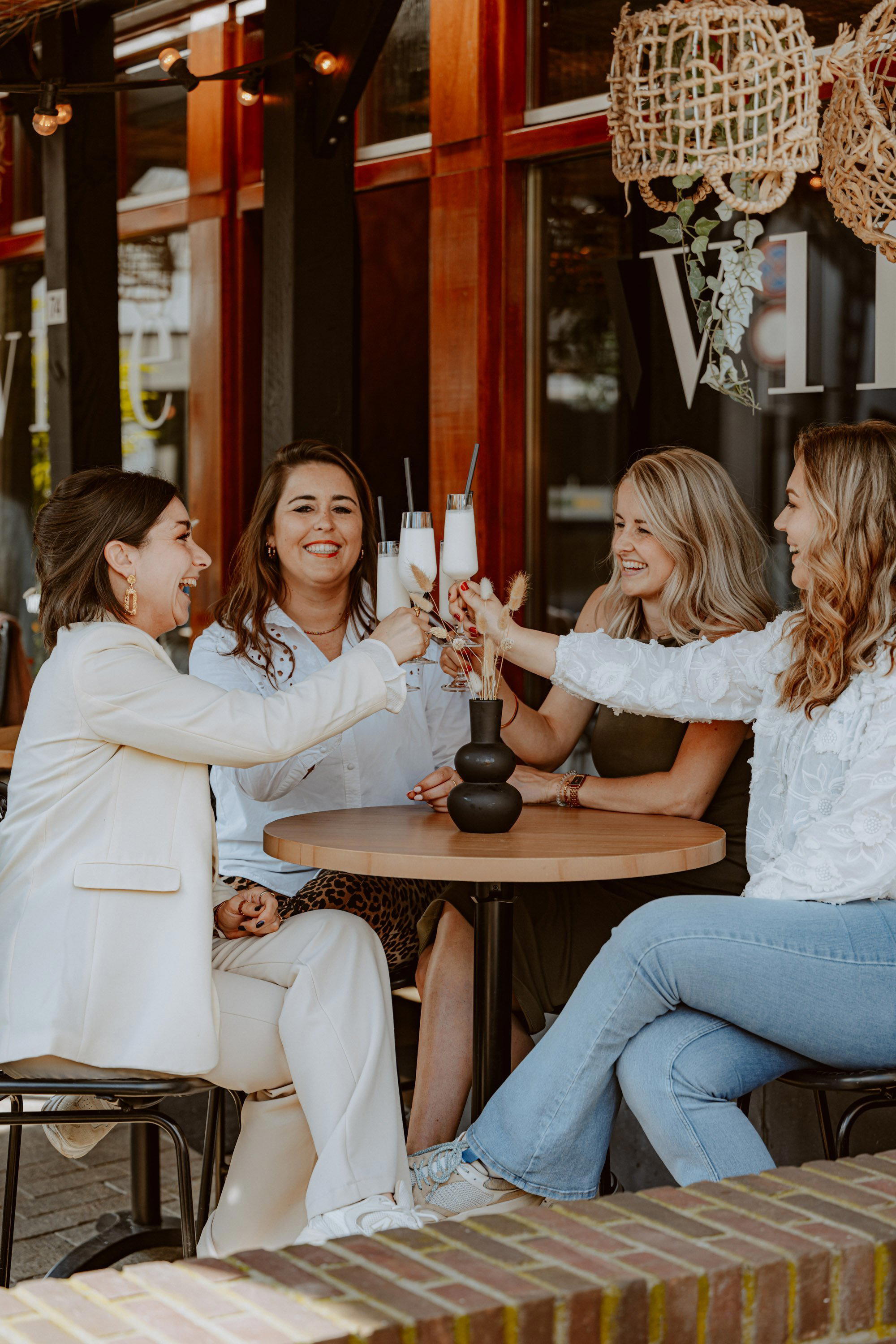
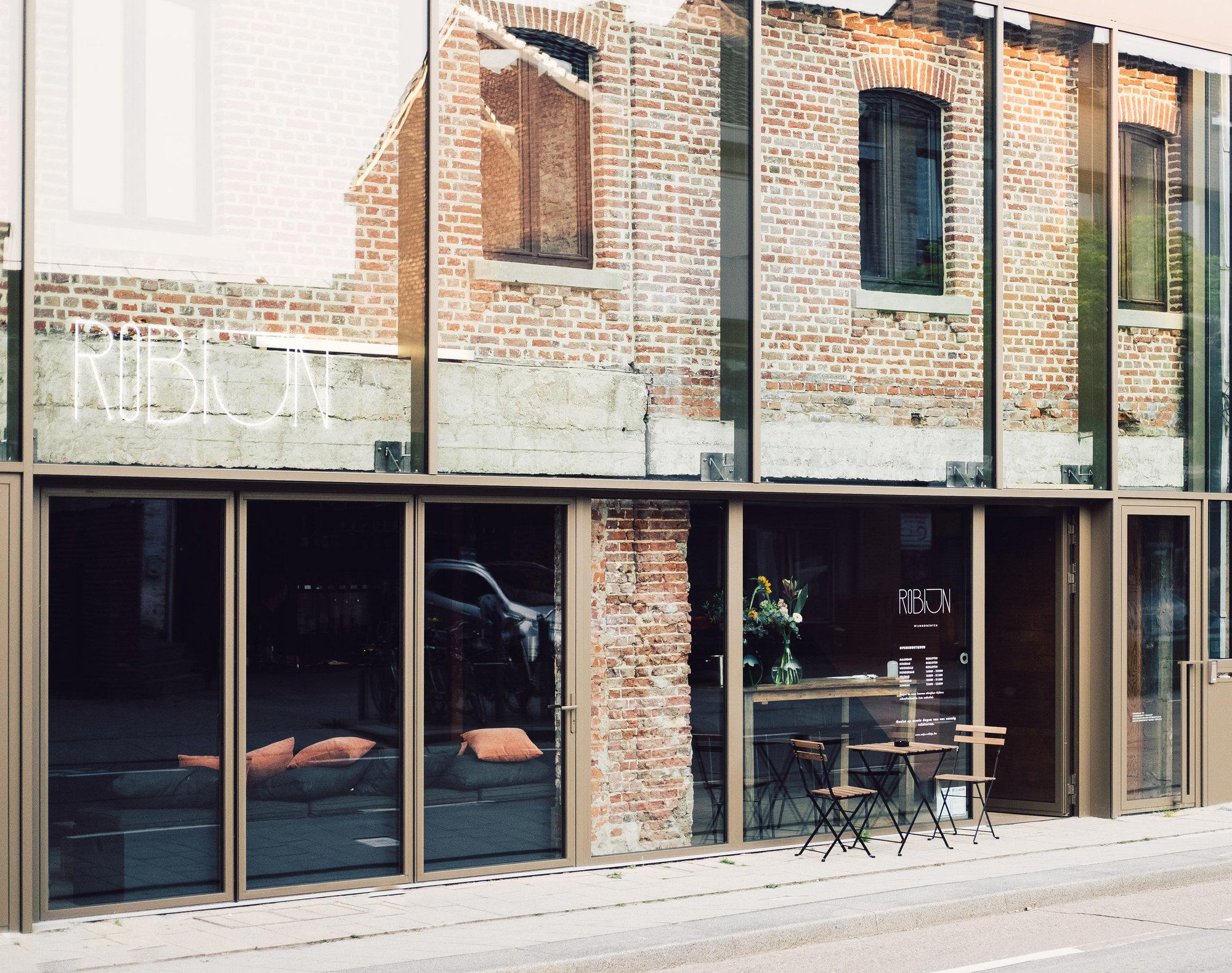
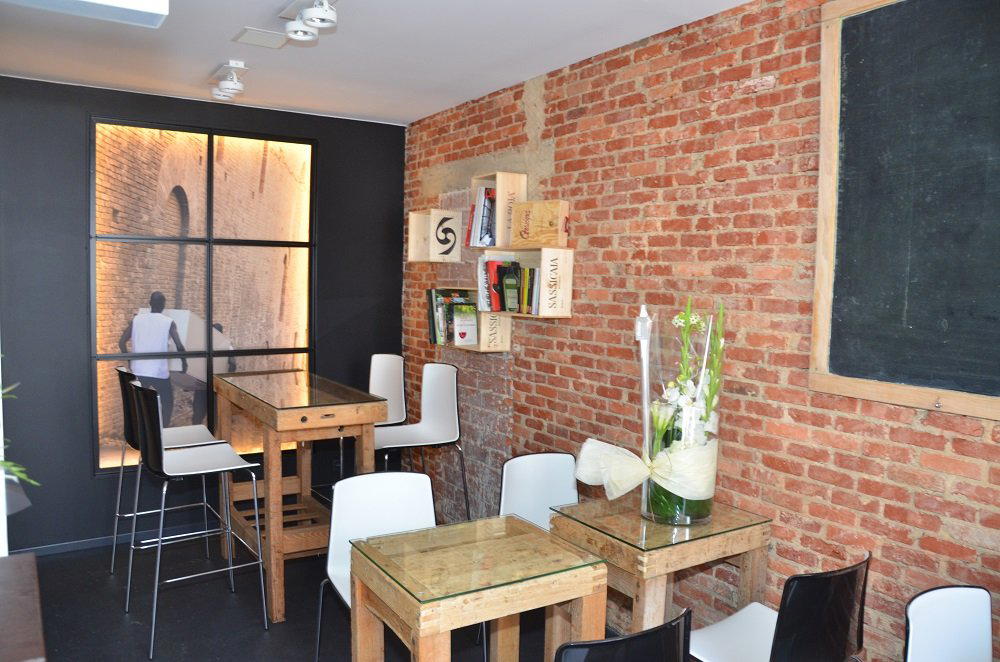
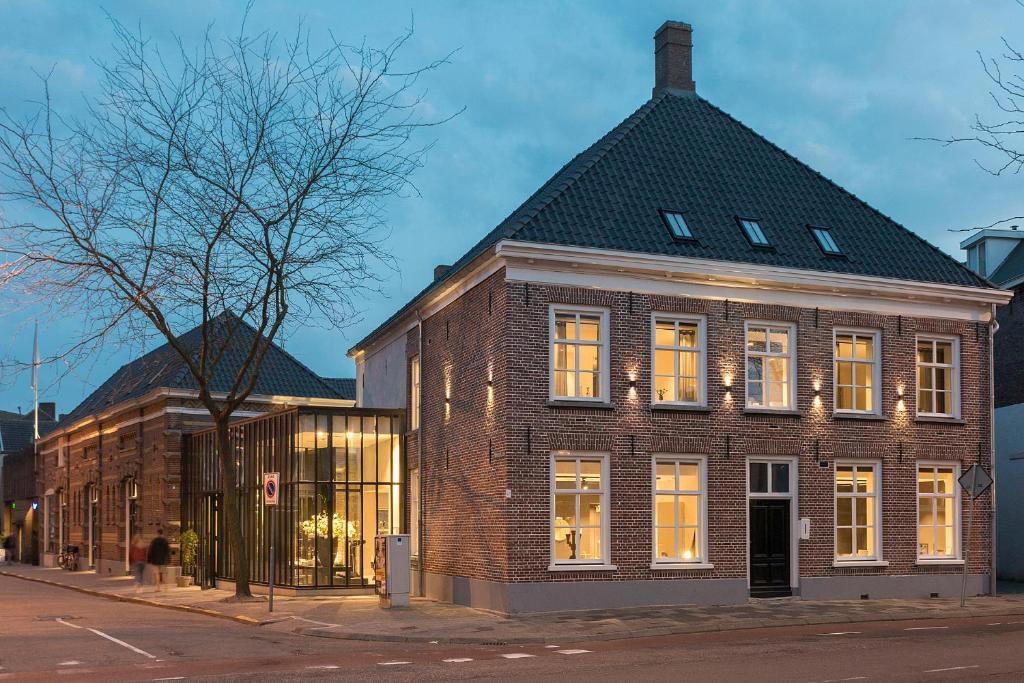
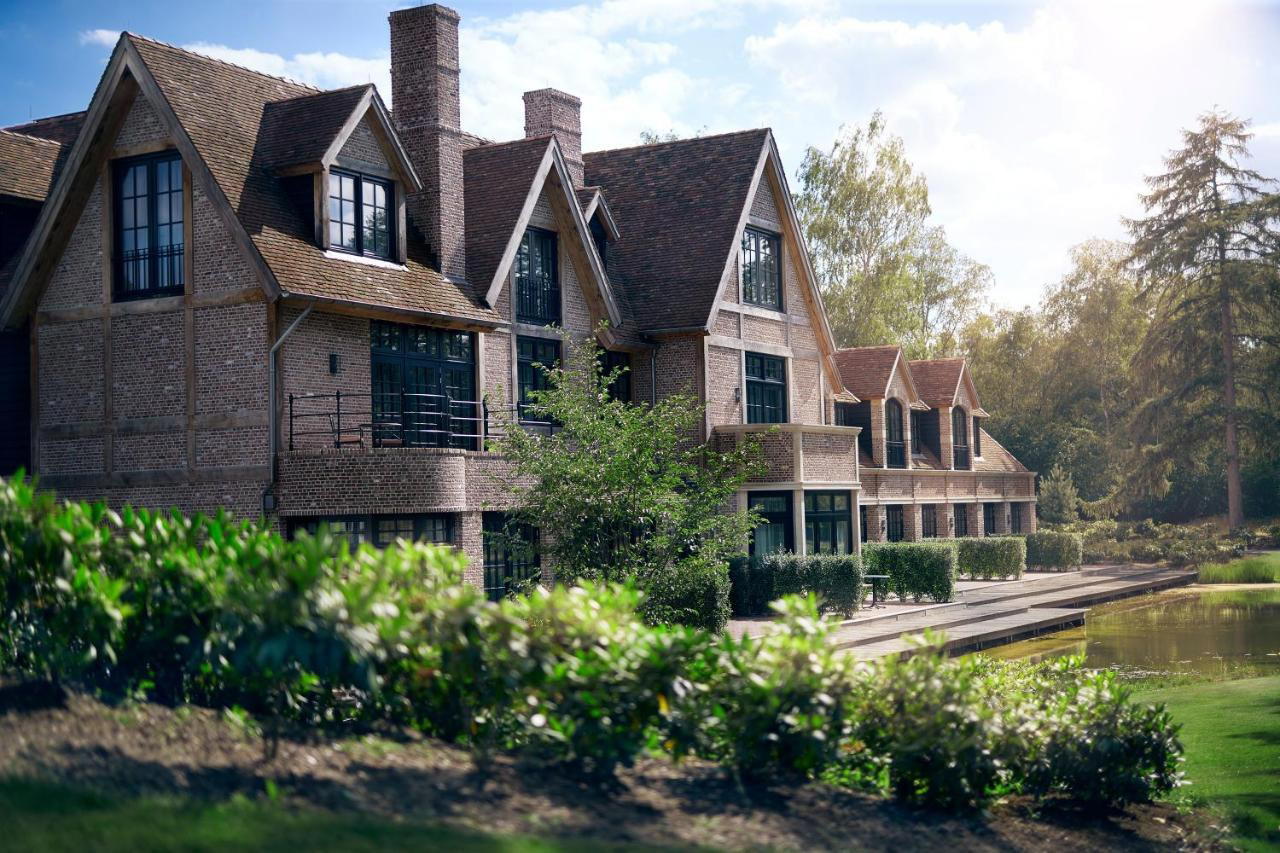
Dutch modern restaurant design has moved in two directions over the past decade: stark, minimalist interiors that foreground the plate, and warmer spaces that use natural materials and considered lighting to soften what can otherwise feel like a clinical experience. Eden belongs to the second approach. The dining room works with natural elements and tones, warm mood lighting, and decorative details that pull the open-plan space back toward intimacy. The effect is a room that reads as contemporary without feeling cold, which is a particular achievement in a freestanding property outside an urban centre, where the temptation to over-design can work against comfort.
The address is Oude Torenstraat 8, 5581 BJ Waalre, and the restaurant operates on a schedule that concentrates service into specific windows: dinner Wednesday through Saturday from 6:30 PM to 9:00 PM, with Thursday, Friday, and Sunday also offering lunch from 12:00 PM to 2:30 PM. Monday and Tuesday are closed. That structure reflects a common approach among starred Dutch restaurants, where tight service windows support kitchen consistency and allow the team to maintain the precision that tasting-menu formats demand.
The Cooking: Contrast as a Method
Modern European fine dining has, over the past two decades, developed a well-worn template: local produce, seasonal menus, and a house philosophy rooted in a specific terroir or tradition. What distinguishes a narrower group of kitchens is the use of contrast as a compositional method rather than harmony as a default. Eden's cooking, under chef Herman Cooijmans, sits in that more contrarian current. The approach draws on international references, particularly Middle Eastern spices and acidic, zesty notes, to create tension within dishes rather than smooth resolution.
The documented examples from the restaurant's Michelin entry illustrate this directly. Venison fillet appears alongside a jus sharpened with pomegranate and beetroot infused with liquorice, a pairing that works through opposing registers of sweetness, acidity, and earthiness. Octopus and raspberry represents a further instance of the same logic: a protein from the sea placed against a fruit whose tartness cuts through texture rather than complementing it in any conventional sense. These combinations reflect a kitchen that treats contrast as a structural principle rather than a novelty move.
The Star Wine List recognition, awarded in December 2023, signals that the beverage program is considered seriously as part of the overall offer. The list covers approximately 280 selections with a total inventory of around 2,350 bottles, with noted strengths in California and France. That geographic emphasis aligns the wine program with a broadly classical reference point, even as the food leans toward international spice inflections. For context on how this kitchen's approach compares to European modern cuisine at a similar technical level, Borkonyha Winekitchen in Budapest operates in a comparable framework of modern European cooking with strong wine integration.
The Cultural Register: Middle Eastern Influence in Northern European Fine Dining
Incorporation of Middle Eastern spice structures into high-end European restaurant cooking is not a recent development, but the way individual kitchens deploy those influences varies considerably. At one end, spices function as garnish or surface note, applied to finished dishes without structural integration. At the other, they are embedded in the cooking process itself, shaping the composition of sauces, marinades, and ferments from the outset. The description of Cooijmans' cooking, with its emphasis on zesty notes and Middle Eastern spices used to build excitement within a dish, suggests an approach closer to the latter. The pomegranate in the venison jus, for example, is not a decorative element but a flavour agent that alters the dish's acidity and sweetness balance.
This positions Eden within a strand of contemporary Dutch cooking that has moved beyond the clean Nordic-influenced minimalism that dominated the country's leading tables in the early 2010s. Restaurants like De Nieuwe Winkel in Nijmegen have pursued a plant-forward, terroir-specific path, while others, including Brut172 in Reijmerstok and De Groene Lantaarn in Staphorst, work within regional and seasonal frameworks that prioritise local sourcing as a primary organising principle. Eden's use of international spice references marks a different orientation: the kitchen draws from a broader cultural vocabulary and uses it to generate the contrast that defines its cooking method.
That approach carries a specific challenge in fine dining: international references, used carelessly, can produce dishes that feel untethered from any coherent culinary tradition. The Michelin star awarded in 2024 suggests the kitchen has resolved that tension with enough consistency to earn critical recognition. The star is Michelin's signal that a restaurant is worth a detour in its own right, not merely a creditable local option.
Set Menus and the Structure of the Experience
Eden operates on a set-menu format with at least two options: one that follows the kitchen's more experimental creative direction, and one that offers a slightly more conventional path through the same produce and techniques. That dual-track structure is a considered commercial decision. It widens the accessible entry point for guests who may be drawn by the restaurant's reputation but uncertain about the more challenging combinations, while preserving the kitchen's ability to express its full range for those who seek it. Among similarly positioned one-star restaurants in the Netherlands, this kind of menu architecture is common enough to be expected, but the execution of both tracks at a consistent quality level is what separates the better kitchens from those where the conventional menu functions as a lesser fallback.
That average, across a meaningful sample, indicates sustained positive reception from guests rather than a narrow cohort of enthusiasts. It also suggests the restaurant is drawing a wider audience than the fine dining regulars who seek it out on the basis of its Michelin recognition alone.
Planning a Visit
Eden is located at Oude Torenstraat 8 in Waalre, a short distance from central Eindhoven. The restaurant is closed Monday and Tuesday. Lunch service runs Thursday, Friday, and Sunday from 12:00 PM to 2:30 PM; dinner operates Wednesday through Saturday from 6:30 PM to 9:00 PM. The €€€ price tier places it below the €€€€ bracket occupied by two- and three-star peers in the region, making it a more accessible entry point into Michelin-recognised cooking in North Brabant without moving significantly down the quality tier. Those planning an evening around the restaurant's location should note that Waalre also offers further dining and hospitality options covered in our full Waalre hotels guide, our full Waalre bars guide, our full Waalre wineries guide, and our full Waalre experiences guide. For a comparable Michelin-starred experience in the Amsterdam area, Ciel Bleu in Amsterdam and De Bokkedoorns in Overveen represent the same broad tier of modern European fine dining. For a two-star regional reference closer to the Giethoorn area, De Lindenhof in Giethoorn and 't Nonnetje in Harderwijk offer points of comparison for the upper end of Dutch regional fine dining.
What to Order at Eden
Eden operates on set menus rather than à la carte, so the ordering decision sits at the menu-selection level rather than dish by dish. The more adventurous of the two set options gives the fullest picture of what the kitchen is doing with contrast-driven combinations: the pomegranate venison and octopus-raspberry pairings cited in the restaurant's Michelin entry both appear within that track. The wine pairing, drawn from a list with a White Star from Star Wine List and around 280 selections, is the natural accompaniment for those who want the full experience. The list's noted strengths in California and France give it a breadth that works across both the conventional and more experimental menu tracks. The dual-menu structure means the slightly more conventional offering remains a sound choice for those dining with guests less inclined toward challenging combinations, but the kitchen's strongest arguments are made through the creative menu.
Booking and Cost Snapshot
| Venue | Cuisine | Price | Awards | Notes |
|---|---|---|---|---|
| EdenThis venue (the venue you are viewing) | Creative Modern Fusion | $100–150 | 1 Michelin Star · Star Wine List | Not listed |
| De Librije | Modern Dutch Fine Dining | $200–300 | 3 Michelin Stars · World's 50 Best #46 | Modern Cuisine |
| De Treeswijkhoeve | Modern French with Asian Influences | Not listed | 2 Michelin Stars · La Liste Top Restaurants | Creative |
| De Lindehof | Contemporary Dutch, Creative | Not listed | Michelin 2 Star | Not listed |
| Fred | Modern French Fine Dining | $200–300 | 2 Michelin Stars · La Liste Top Restaurants | Creative French |
| De Nieuwe Winkel | Botanical Fine Dining | $300–500 | 2 Michelin Stars · La Liste Top Restaurants | Organic |
Recognition history
Dated appearances from independent guides and award organizations, with the underlying list record or original source where available.
Michelin 1 Star
Michelin
Star Wine List
Star Wine List
AAA 5 Diamond
AAA
Wine Spectator Award of Excellence
Wine Spectator
Full recognition history (5 entries)
Michelin 1 Star
Michelin
Continue exploring
More in Waalre
Restaurants in Waalre
All restaurants in Waalre →
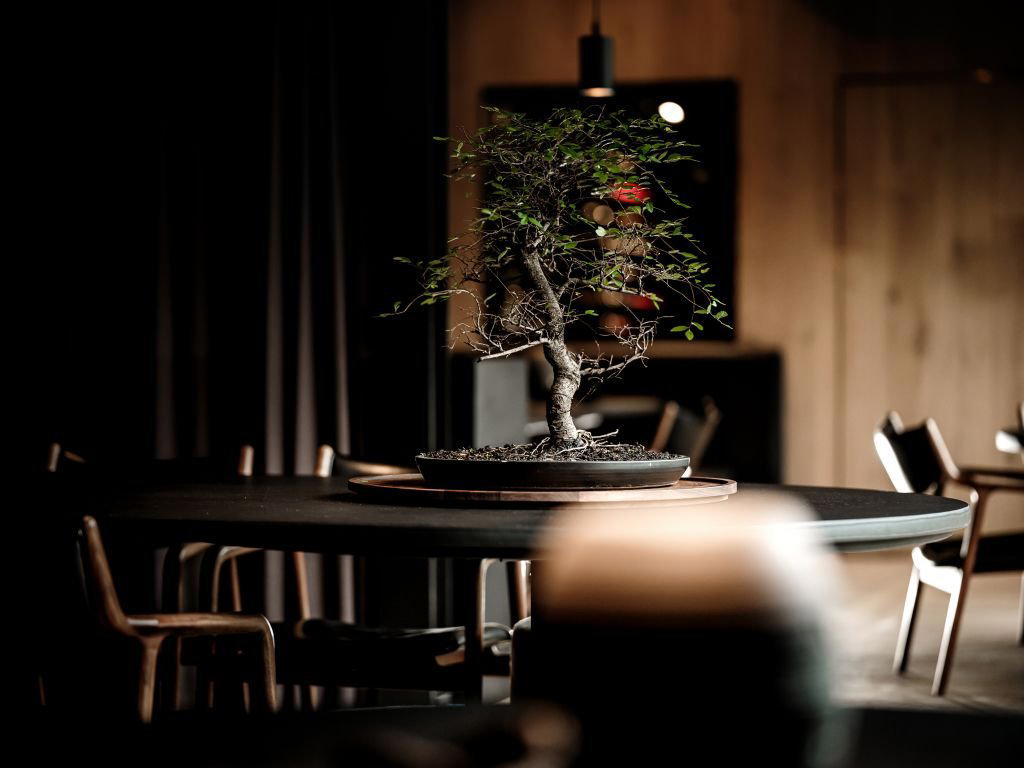
Bars in Waalre
Browse all →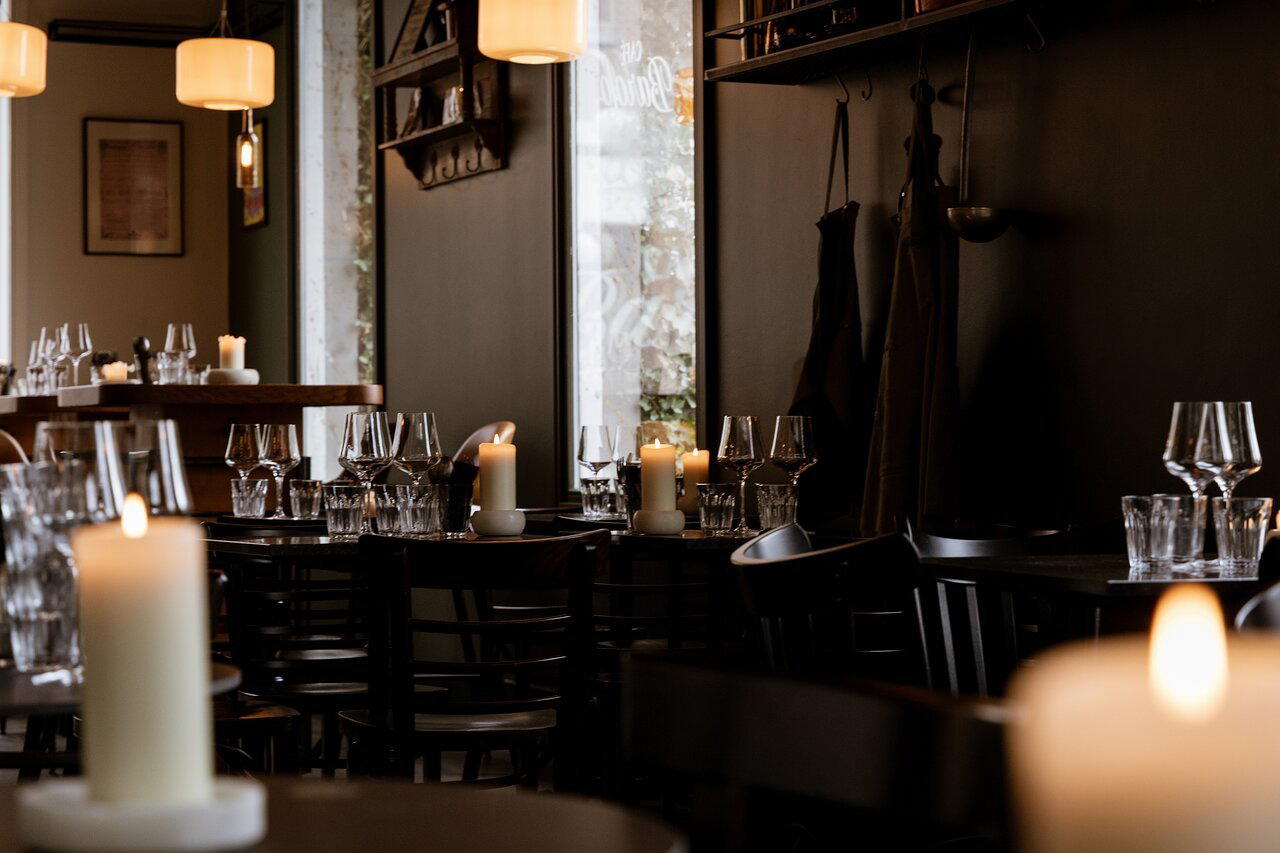
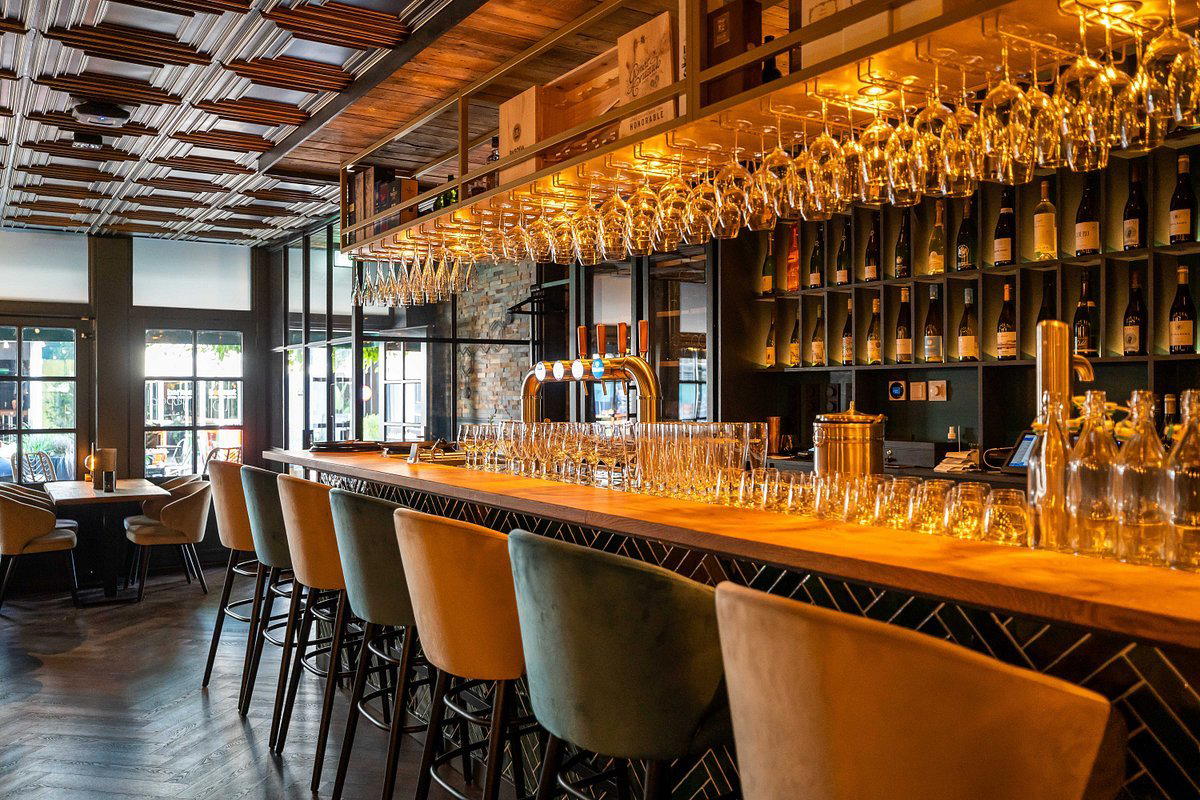
Eden
The wine
Eden holds the Wine Spectator Award of Excellence, which Wine Spectator gives to lists of usually 90 or more selections.
- Wine program
- Deep wine list
- Wine Spectator
- Wine Spectator Award of Excellence
- Selections
- 105
- Bottles in cellar
- 900
- List strengths
- California
- Wine director
- Cody Miller
- Extensive wine list
- Sommelier-led
Details
- Elegant
- Intimate
- Cozy
- Sophisticated
- Date Night
- Special Occasion
- Open Kitchen
- Extensive Wine List
- Sommelier Led
- Tasting Menu
- Vegetarian Friendly
Current opening hours
- Monday
- Closed
- Tuesday
- Closed
- Wednesday
- 6:30–11:30 PM
- Thursday
- 12–2:30 PM, 6:30–11:30 PM
- Friday
- 12–2:30 PM, 6:30–11:30 PM
- Saturday
- 6:30–11:30 PM
- Sunday
- 12–2:30 PM, 6:30–11:30 PM
Hours can change for holidays and private events. Hours as of .
Warm vintage feel with natural elements, cozy and intimate atmosphere, plenty of space between tables.