
1 Michelin Star
Our verdict
On the 20th floor of the InterContinental Osaka, Pierre frames French technique against a panorama of the city below. The menu lists only ingredients, leaving the composition to imagination, while Japanese seasonings, yuzu zest, chilli, mustard, thread through classically structured courses. It occupies a distinct position in Osaka's Franco-Japanese dining tier, where precision and provenance share equal weight.

Pearl is the En Primeur Club membership app, where members save venues, book tables and use the concierge.
Twenty Floors Up, the City Becomes the Room
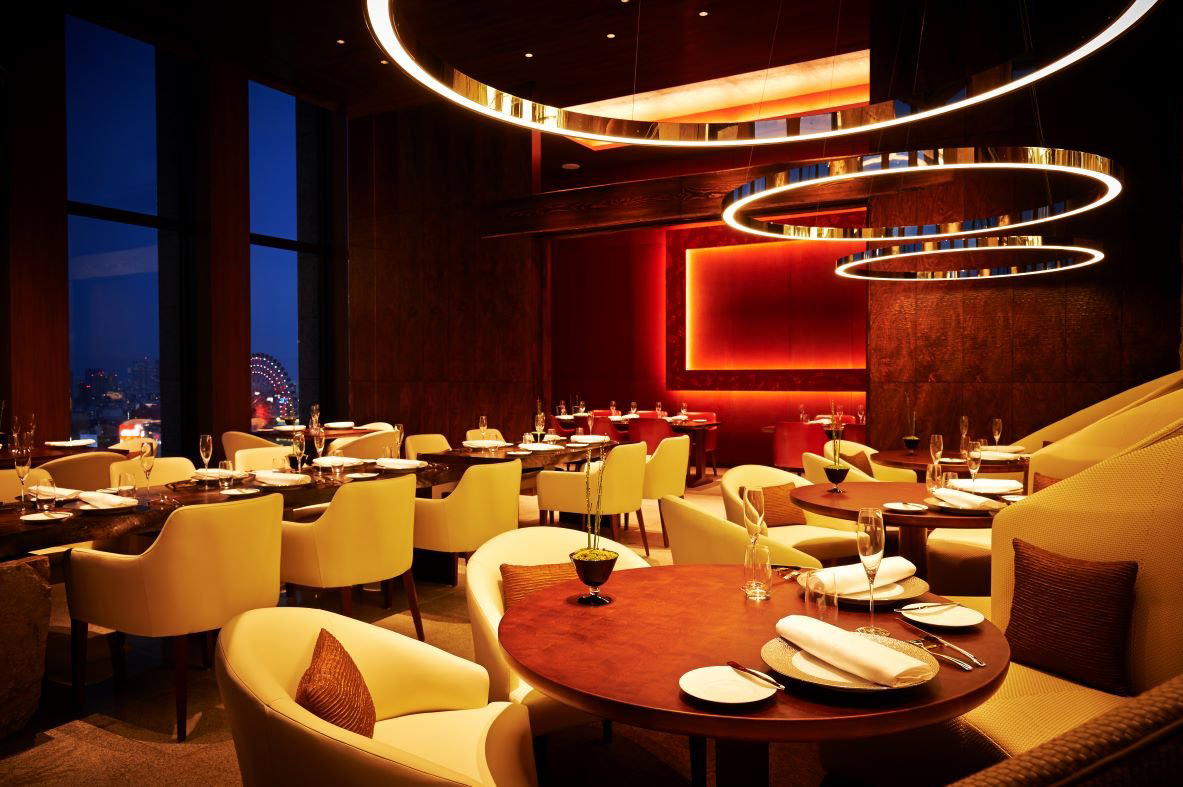
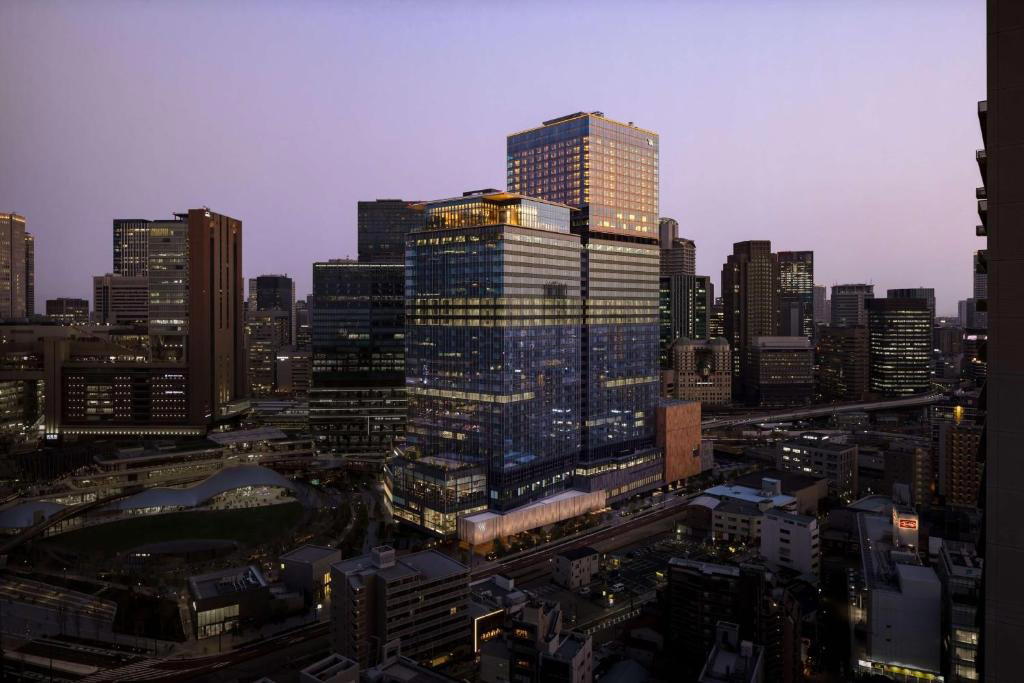
Osaka rewards height. From the 20th floor of the InterContinental Osaka in Kita Ward, the grid of the city spreads to the horizon in every direction, and the dining room at Pierre is arranged to make full use of that fact. Large windows run the length of the space, and the light shifts through service in ways that a basement counter or street-level room never could. The view is not incidental, it is structural, a third element alongside food and service that shapes the pace and mood of the meal from the moment you sit down.
This is a useful entry point for understanding what Pierre is doing within Osaka's broader French dining scene. The city supports a cluster of French-origin restaurants operating at the leading price tier, including HAJIME and La Cime, both of which hold significant Michelin recognition. Pierre sits within that cohort in terms of setting and ambition, but its approach to the menu format marks it out from more convention-bound peers. Where most fine-dining menus describe dishes, Pierre's menu describes only ingredients. The guest reads a list of what is present, not what has been done to it.
The Menu as Invitation
The choice to list only ingredients rather than dish names or preparations is not an affectation. It reflects a particular theory of how a meal should begin: with curiosity rather than expectation. In much of European fine dining, guests arrive with a set of anticipated flavours and judge the execution against them. Here the choreography is reversed. The ingredients on the page, drawn entirely from Japanese producers, become prompts, and the dishes that arrive are the answer to a question the diner has been turning over since sitting down.
This kind of format appears at a handful of restaurants across Japan, most notably in kaiseki contexts where seasonal ingredient naming has long been the convention. Pierre applies that logic to a French structural framework, which creates a hybrid dining ritual with its own distinct rhythm. Courses arrive without announcement of technique, so attention shifts from anticipation of a known dish to close reading of what has actually been done. It asks more of the guest, and rewards that attention.
The ingredients themselves are sourced exclusively from Japan, a commitment that aligns Pierre with a current and genuinely practised principle among the country's better French tables. At Harutaka in Tokyo and Gion Sasaki in Kyoto, the primacy of Japanese-sourced produce has shaped how French and Japanese culinary traditions intersect in practice. Pierre's position within that movement is defined by its insistence on freshness as a primary criterion, the guiding principle that ingredient selection flows from what is at peak condition, not from a fixed menu written weeks in advance.
French Structure, Japanese Seasoning
The cooking at Pierre applies French technique as the operating language while Japanese seasonings, yuzu zest, chilli peppers, mustard in its domestic form, provide the accent. This is not fusion in the diluted sense. It is a specific culinary grammar: classical preparation methods used to express ingredients that have no natural home in the French canon. The approach requires restraint in execution, because the more complex the technique, the more it risks obscuring what makes a Japanese ingredient worth using in the first place.
That restraint is itself a recurring theme in Osaka's higher-end French restaurants. Fujiya 1935 operates in similar territory, using modernist techniques to interrogate rather than amplify its ingredients. The comparison is instructive: different technical vocabularies, similar underlying discipline about not overcrowding the plate. For guests moving between Osaka's leading Franco-Japanese tables, Pierre's lighter touch offers a distinct counterpoint to more architecturally complex peers.
Osaka's broader dining culture is also worth placing alongside this. The city's reputation rests on kuidaore, eating until you drop, and on a democratic, flavour-forward food culture that runs from street-level takoyaki to kaiseki. The Kashiwaya Osaka Senriyama and Taian represent the kaiseki pole of that tradition, where Japanese seasonality is expressed through a fully domestic culinary system. Pierre operates in a different register but draws from the same seasonal logic.
Pacing and Ritual
The dining ritual at Pierre is shaped by several factors that work together rather than independently. The height and view create a sense of occasion that slows arrival and transitions. The ingredient-list menu format creates a period of active speculation before the first course. The courses themselves, prepared with what the kitchen describes as a light touch, do not impose themselves heavily on the conversation or the pace. Meals at this level in Osaka typically run two hours or more, and the room's spatial generosity, a wide dining area with proper distance between tables, supports that unhurried tempo.
This is worth noting for guests who move across Japan's fine-dining landscape. At a tight omakase counter, the chef's rhythm dictates everything. At Pierre, the table retains more autonomy over pace. The comparison extends internationally: restaurants like Le Bernardin in New York City or Atomix each impose their own pacing architecture on the guest. Pierre's approach is more accommodating of table-led rhythm, which suits the hotel setting and the mixed clientele that a city-centre tower-hotel restaurant tends to draw.
Japan's Kansai region as a whole supports a dining circuit that extends comfortably to akordu in Nara and as far south as Goh in Fukuoka or north to 1000 in Yokohama. For those planning a broader Japan itinerary that also includes 6 in Okinawa, Pierre represents the Osaka anchor of a French-leaning track through the country's leading tables.
Planning Your Visit
Pierre is located on the 20th floor of the InterContinental Osaka, 3-60 Ofukacho, Kita Ward, Osaka 530-0011. Reservations: Advance booking is advisable; the hotel concierge is a reliable channel for non-Japanese speakers, and hotel guests should book before arrival for preferred dates. Dress: Smart attire is appropriate for the setting; the room and price tier suggest business-formal as a baseline. Budget: Timing: Dinner is the primary service for this type of room; the city-light panorama is most effective after dark.
For broader Osaka planning, see our full Osaka restaurants guide, our full Osaka hotels guide, our full Osaka bars guide, our full Osaka wineries guide, and our full Osaka experiences guide.
Frequently asked questions
What dish is Pierre famous for?
What is the ideal way to book Pierre?
Cuisine Lens
| Venue | Cuisine | Price | Awards | Notes |
|---|---|---|---|---|
| PierreThis venue (the venue you are viewing) | Modern French with Japanese Influences | Not listed | 1 Michelin Star | Not listed |
| HAJIME | Avant-Garde Japanese Fine Dining | $300–500 | 3 Michelin Stars · World's 50 Best #83 | French, Innovative |
| La Cime | Modern French with Japanese Ingredients | $150–200 | 2 Michelin Stars · World's 50 Best #13 | French |
| Kashiwaya Osaka Senriyama | Seasonal Kaiseki Omakase | $200–300 | 3 Michelin Stars · La Liste Top Restaurants | Japanese |
| Taian | Traditional Japanese Kaiseki Omakase | $150–200 | 3 Michelin Stars · La Liste Top Restaurants | Kaiseki, Japanese |
| Fujiya 1935 | Modern Japanese with European influences | $100–150 | 2 Michelin Stars · La Liste Top Restaurants | Innovative |
Recognition history
Dated appearances from independent guides and award organizations, with the underlying list record or original source where available.
Michelin 1 Star
Michelin
Continue exploring
More in Osaka
Restaurants in Osaka
All restaurants in Osaka →


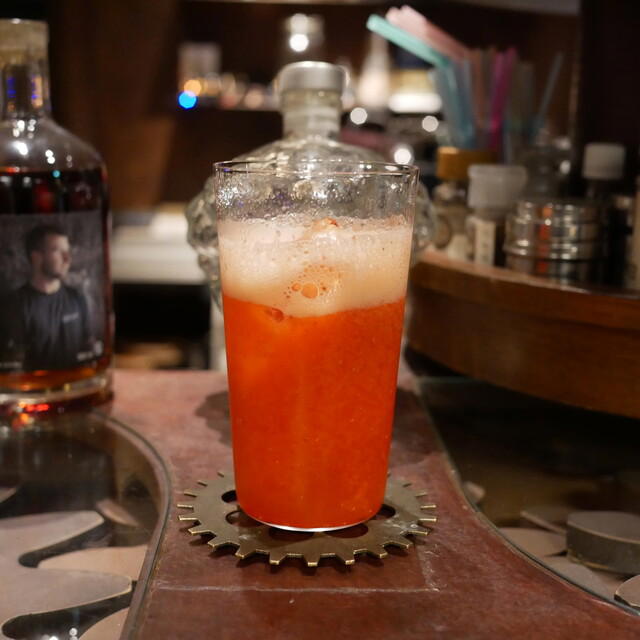
Bars in Osaka
All bars in Osaka →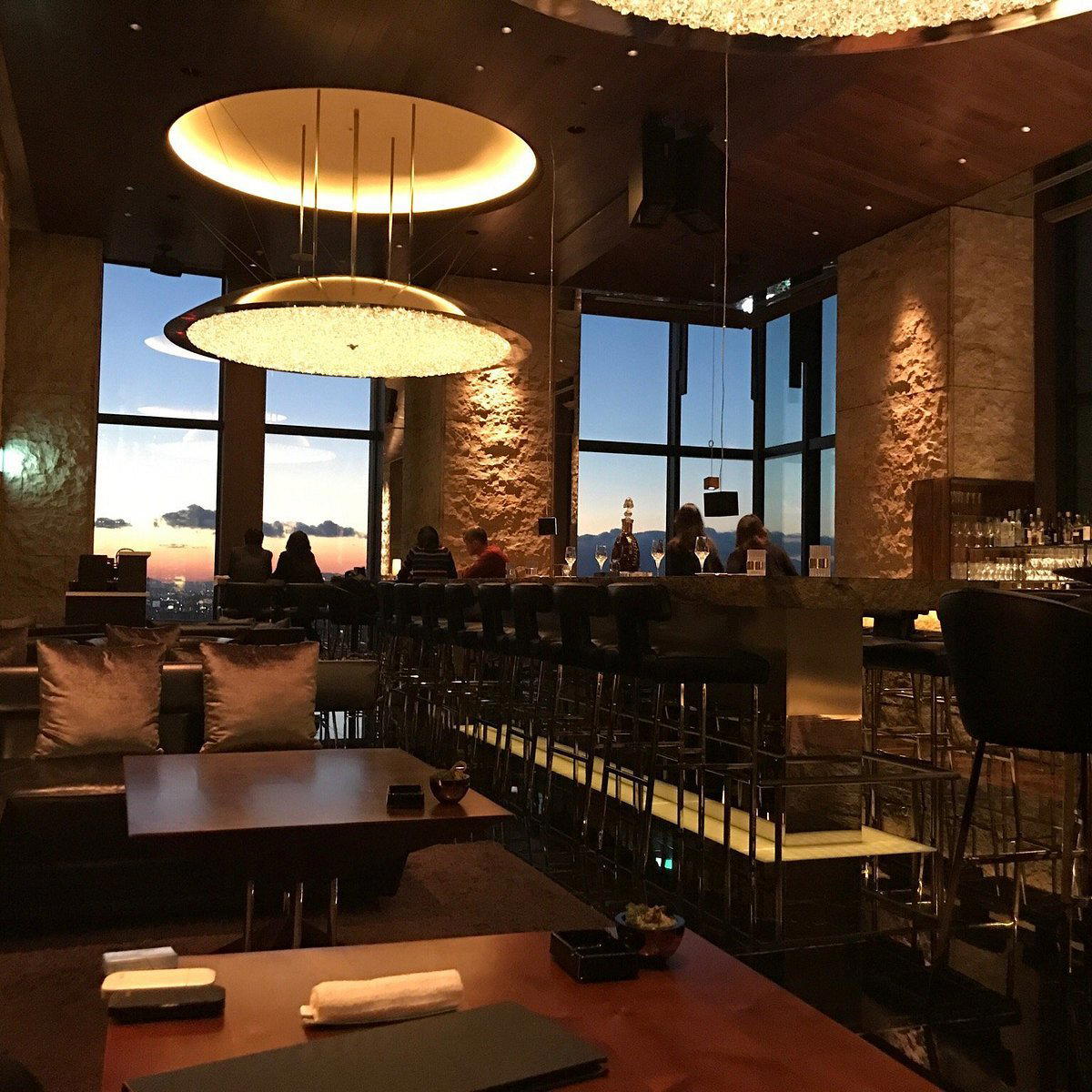



Hotels in Osaka
All hotels in Osaka →


Wineries in Osaka
Browse all →
Pierre
The wine
- Wine program
- Deep wine list
- Extensive wine list
- Sake program
Details
- Elegant
- Sophisticated
- Intimate
- Date Night
- Special Occasion
- Business Dinner
- Open Kitchen
- Hotel Restaurant
- Panoramic View
- Extensive Wine List
- Sake Program
- Local Sourcing
- Skyline
- Tasting Menu
- Wine
- Champagne
Current opening hours
- Monday
- 11:30 AM–2:30 PM, 5:30–9:30 PM
- Tuesday
- 11:30 AM–2:30 PM, 5:30–9:30 PM
- Wednesday
- 11:30 AM–2:30 PM, 5:30–9:30 PM
- Thursday
- 11:30 AM–2:30 PM, 5:30–9:30 PM
- Friday
- 11:30 AM–2:30 PM, 5:30–9:30 PM
- Saturday
- 11:30 AM–2:30 PM, 5:30–9:30 PM
- Sunday
- 11:30 AM–2:30 PM, 5:30–9:30 PM
Hours can change for holidays and private events. Hours as of .
Refined and spacious dining room on the 20th floor with spellbinding city skyline views, open kitchen, sleek stylish decor, tall ceilings, and comfortable seating.