Our verdict
Montownia Food Hall occupies a converted industrial space at Lisia Grobla 7 in Gdańsk's revitalised waterfront district, bringing multiple kitchens under one roof in a format that has reshaped how the city eats informally. The hall sits within a broader wave of post-industrial repurposing that has made this stretch of the Motława river one of Gdańsk's most active dining corridors. It operates as a gathering point rather than a single-concept restaurant, with the rhythm of the space dictating how a meal unfolds.

Pearl is the En Primeur Club membership app — saves, bookings, and concierge access live there. Same editors, same standards.
- Address
- Lisia Grobla 7, 80-860 Gdańsk, Poland
- Hours
- Mon–Thu 7 AM–12 AMFri–Sat 7 AM–2 AMSun 7 AM–12 AM
- Website
- montowniafoodhall.pl
- Directions
- Get directions
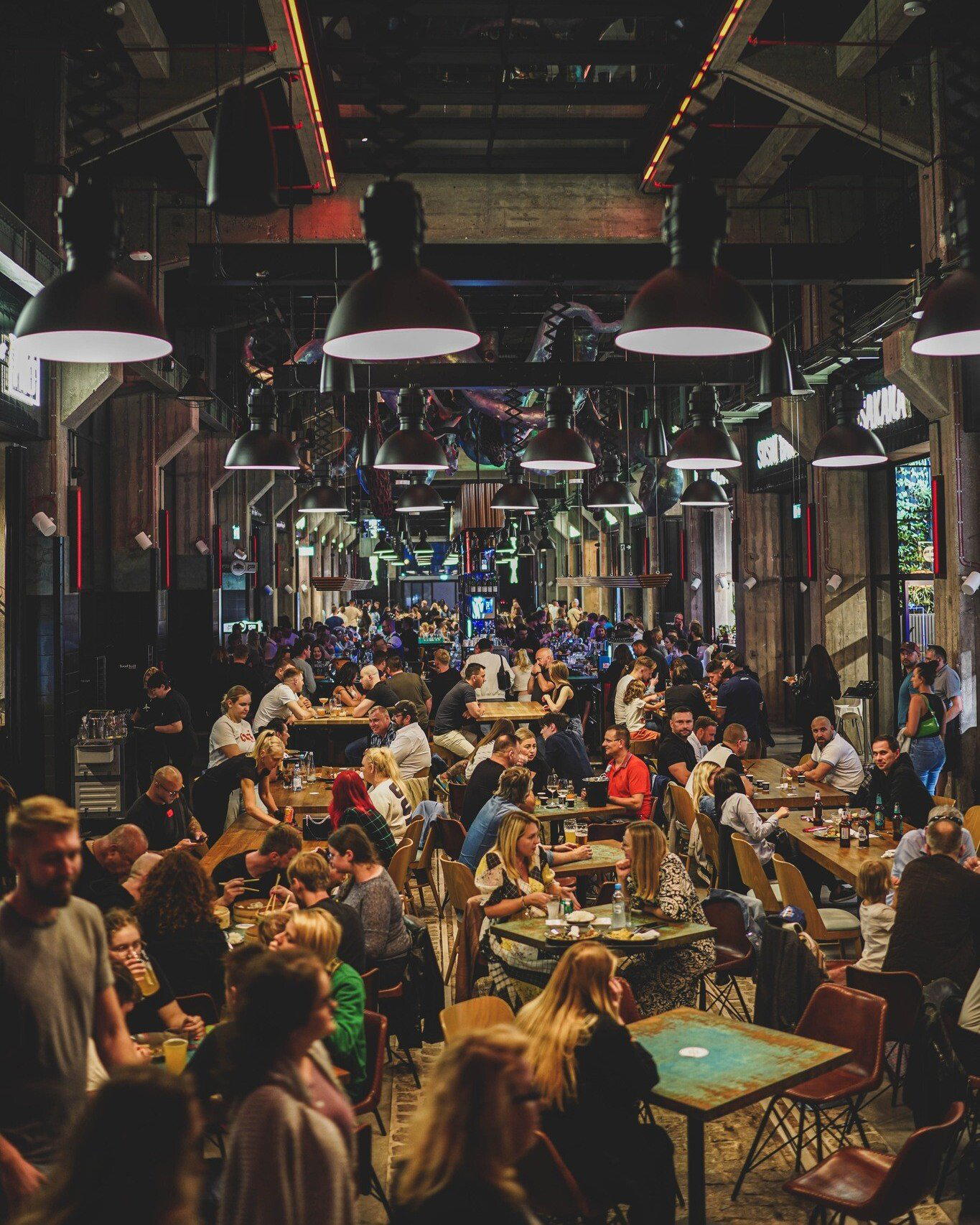
Where the Meal Begins Before You Order
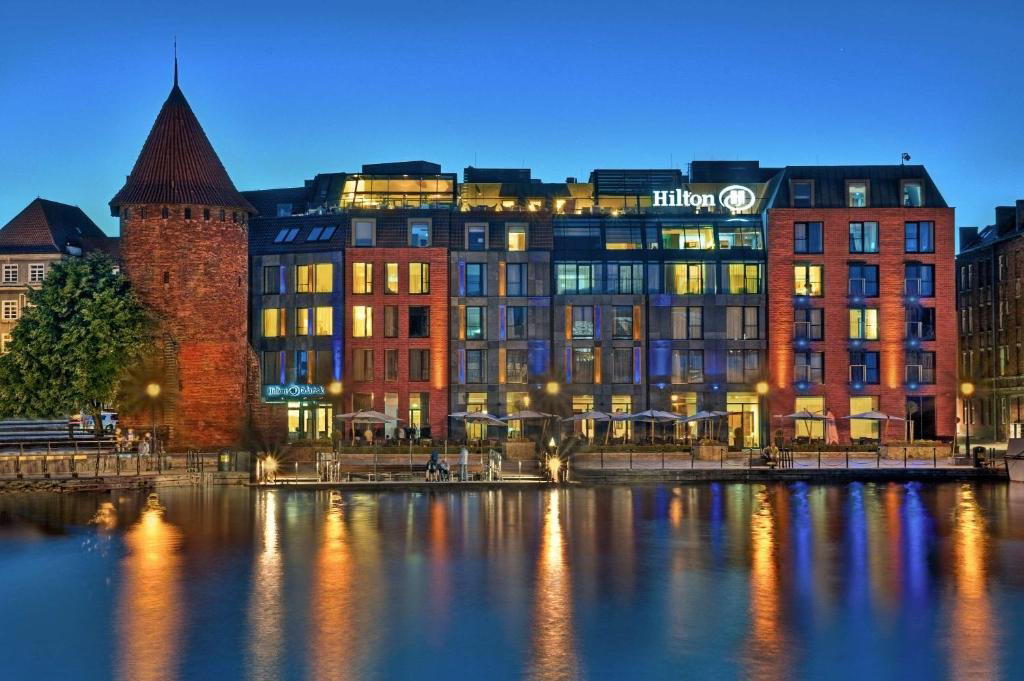
Food halls in post-industrial European cities tend to follow a recognisable arc: a neglected warehouse or factory floor gets stripped back, food vendors move in, and the space becomes a proxy for the city's current appetite. Gdańsk's version of this pattern has found one of its clearest expressions at Montownia Food Hall on Lisia Grobla 7, a short walk from the Old Town along the Motława waterfront. The building itself carries the weight of the neighbourhood's industrial past, and the conversion leans into that rather than papering over it. Exposed structural elements, generous ceiling heights, and open sightlines across multiple vendor stations define the first impression. You understand the format immediately upon entering: this is a space organised around movement and choice rather than the fixed choreography of a traditional sit-down restaurant.
That distinction matters for how a meal here actually unfolds. The dining ritual at a food hall is self-directed in a way that full-service restaurants are not. There is no tasting menu pacing, no sommelier steering the table through courses, no single kitchen narrative imposed on the evening. Instead, the rhythm emerges from the crowd, the layout, and the individual decisions made at each vendor counter. In cities where this format has matured, notably in cities like Lisbon's Time Out Market or Copenhagen's Torvehallerne, regulars develop their own internal logic: a circuit of the hall first, then a first stop, then a second. Gdańsk's food hall scene is younger and less institutionalised, which means the conventions are still being written.
The Waterfront District and Where Montownia Sits
The Lisia Grobla address places Montownia within Gdańsk's broader waterfront regeneration corridor, a zone that has attracted a cluster of food and hospitality projects as the city has worked to reframe its post-Solidarity-era industrial edge as a cultural and leisure destination. This is the same general orbit as several of Gdańsk's more established independent restaurants. Canis has operated in this part of the city as a reference point for serious Polish cooking, while Arco by Paco Pérez in Gdańsk represents the city's higher-end European fine dining tier. Montownia occupies a different register entirely: informal, democratic in price point by design, and aimed at a wider cross-section of the city rather than a specific dining bracket.
That positioning is worth understanding clearly. Food halls are not a compromise format in cities where they have been properly executed. They function as an argument that informal eating can be as considered as any tasting menu, provided the vendor curation is strong and the space supports lingering. The comparison venues operating nearby, including Billy's American Restaurant. and Billy's American Restaurants Chmielna, operate as single-concept restaurants with fixed menus and service formats. Montownia's multi-vendor model sits in a different competitive category altogether, one defined less by cuisine type than by the social architecture of how people eat and move through the space.
How the Ritual Works
In a food hall format, the etiquette is horizontal rather than hierarchical. No one table has a better view of a single open kitchen; instead, the whole hall is the kitchen. Decisions happen at counters, plates travel with the person who ordered them, and tables are shared by default in busier periods. This is closer to the logic of a market than a restaurant, and for visitors accustomed to the clear delineation of formal dining, it requires a small recalibration of expectations.
Polish food hall culture has been developing its own conventions, drawing from both the traditional market hall tradition (the covered market as community infrastructure) and the newer European food hall model that prioritises chef-driven or artisan vendors over generic fast food. The distinction matters because it shapes what you find at the counters. The most successful food halls in Poland's larger cities have used the format to incubate independent food concepts that could not otherwise sustain the overhead of a standalone restaurant. That pattern has appeared in Warsaw, where hub.praga in Warsaw has established itself within the capital's food hall scene, and in Poznań, where Muga in Poznań operates as a point of reference for the city's independent dining energy. Gdańsk's version of this dynamic is still finding its form, and Montownia is one of the spaces where that process is playing out.
Gdańsk in the Wider Polish Dining Picture
Poland's restaurant scene has diversified considerably over the past decade, with Kraków's Bottiglieria 1881 Restaurant in Kraków earning Michelin recognition and cities like Białystok producing focused independents such as Kwestia Czasu in Białystok. Gdańsk sits in a slightly different position: a port city with a complex history, a strong amber-trade and Hanseatic mercantile identity, and a food culture that reflects both its Baltic geography and its proximity to German and Scandinavian culinary traditions. Restaurants like Flisak '76 and Durga represent the more established end of the city's independent dining scene. Montownia operates in a complementary space, offering a format that absorbs larger numbers and broader demographics than any single-table restaurant can accommodate.
For a fuller picture of what the city offers across price points and formats, our full Gdansk restaurants guide maps the field. Elsewhere in Poland, the range runs from the mountain-adjacent cooking at Giewont in Kościelisko to regional independents like Cudne Manowce in Olsztyn, Górnik in Krakow, Włoska Restauracja Bellanuna in Rzeszow, and Hattori Hanzo in Czestochowa. Internationally, the food hall format itself sits well below the register of destination restaurants like Le Bernardin in New York City or Atomix in New York City, but that comparison is beside the point. Food halls answer a different question about how a city eats, and they answer it at scale.
Planning a Visit
Montownia Food Hall is located at Lisia Grobla 7, 80-860 Gdańsk, in the waterfront district within comfortable walking distance of the Old Town. As a food hall format, it is accessible without advance reservation at the venue level, though individual vendor queues can extend during peak weekend service. The format suits groups with divergent tastes, since each person can move independently through vendor options before converging at a shared table. Visiting earlier in an evening service tends to mean shorter waits at popular counters and more flexibility in finding seating. Specific operating hours, vendor rosters, and pricing should be confirmed directly on arrival or via current local listings, as food hall configurations can shift seasonally.
Frequently asked questions
What's the address for MONTOWNIA FOOD HALL?
MONTOWNIA FOOD HALL is located at Lisia Grobla 7, 80-860 Gdańsk, Poland, Gdansk.
Is Montownia Food Hall worth visiting if you have only one evening in Gdańsk?
For a single evening in Gdańsk, Montownia's waterfront address on Lisia Grobla 7 makes it a practical choice: the multi-vendor setup lets you sample a cross-section of the city's current food scene without committing to one style of cuisine. It sits within the broader waterfront regeneration corridor, so the surrounding area adds context to the visit. Whether it outranks a dedicated restaurant depends on what you're after — a focused tasting menu at a single-concept kitchen will offer more culinary depth, but Montownia delivers breadth and immediacy.
What should I eat at MONTOWNIA FOOD HALL?
Montownia operates on a rotating multi-vendor model, which means the offering shifts rather than holding a fixed menu. The format, located at Lisia Grobla 7 in Gdańsk's waterfront district, suits guests who want to graze across several stations in a single visit rather than commit to one kitchen. Checking the hall's current vendor lineup before arriving gives the clearest picture of what's on that day.
Do they take walk-ins at MONTOWNIA FOOD HALL?
Yes — the food hall format at Lisia Grobla 7 is built around walk-in access rather than advance reservations. Guests arrive, survey the active vendors, and order at whichever counters suit them, with no central booking system in play. During peak Gdańsk summer weekends, arriving earlier in the session gives you more seat options across the shared floor.
Cuisine and Recognition
Comparable venues nearby, for context on price, style, and recognition.
| Venue | Cuisine | Price | Awards | Notes |
|---|---|---|---|---|
| MONTOWNIA FOOD HALLThis venue — the venue you are viewing | International Food Hall | $10–20 | Not listed | Not listed |
| Pierogarnia Mandu Gdańsk Śródmieście | Traditional Polish Pierogi | $10–20 | Not listed | Śródmieście |
| Restauracja Pueblo | Authentic Mexican & Tex-Mex | $10–20 | Not listed | Old Town |
| Pierogarnia Mandu Gdańsk Oliwa | Polish Pierogi House | $10–20 | Not listed | Oliwa |
| Villa Eva | Polish Fine Dining | $30–50 | Michelin Plate · Star Wine List | Wrzeszcz |
| Restauracja Fellini Gdańsk | Italian | $30–50 | Not listed | Stare Miasto |
Continue exploring
More in Gdańsk
Restaurants in Gdańsk
Browse all →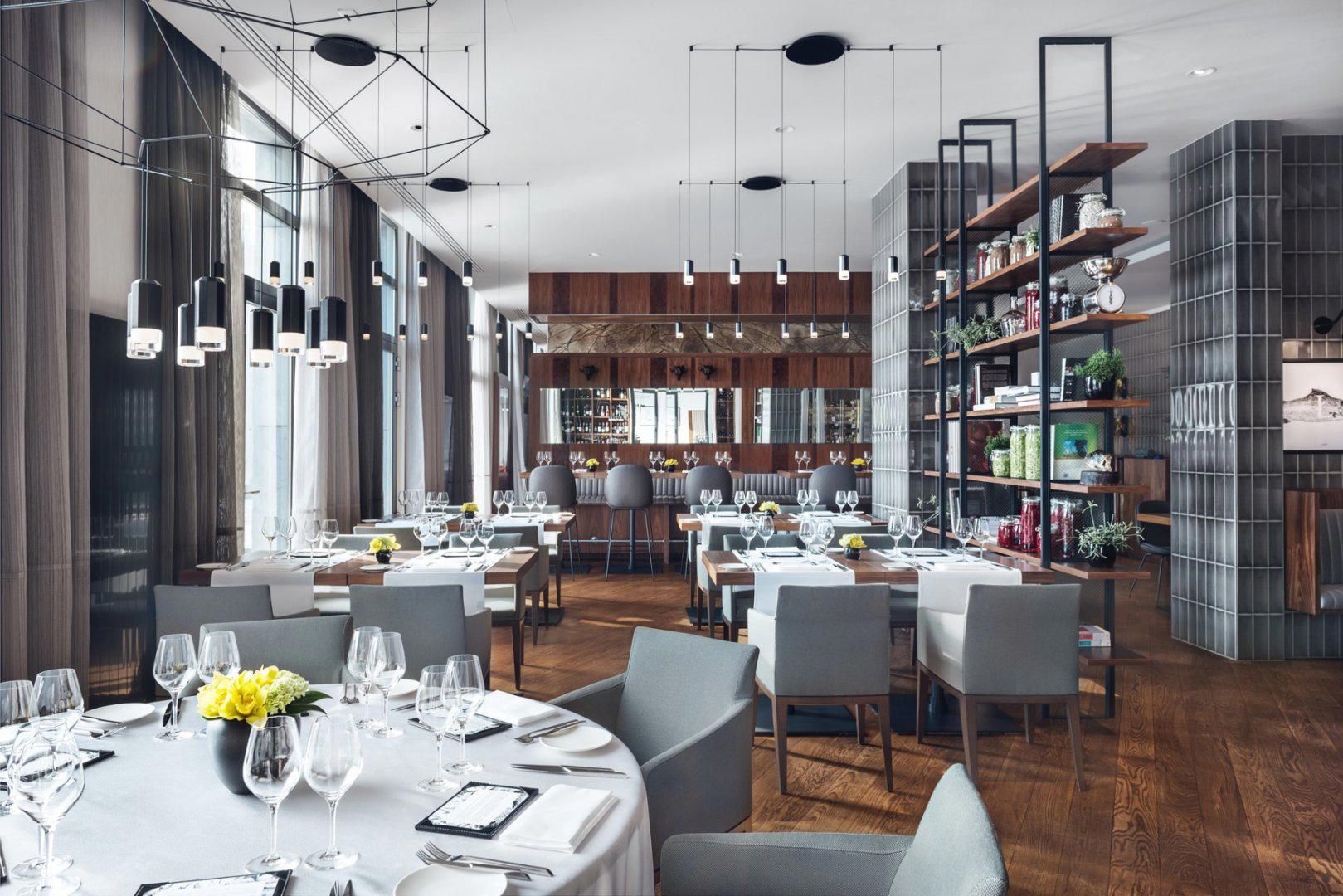
Details
- Lively
- Modern
- Industrial
- Trendy
- Casual Hangout
- Group Dining
- Family
- Late Night
- Open Kitchen
- Historic Building
- Buffet
- Small Plates
- A La Carte
- Vegetarian Friendly
- Vegan Options
Current opening hours
- Monday
- 7 AM–12 AM
- Tuesday
- 7 AM–12 AM
- Wednesday
- 7 AM–12 AM
- Thursday
- 7 AM–12 AM
- Friday
- 7 AM–2 AM
- Saturday
- 7 AM–2 AM
- Sunday
- 7 AM–12 AM
Hours can change for holidays and private events. Last verified .
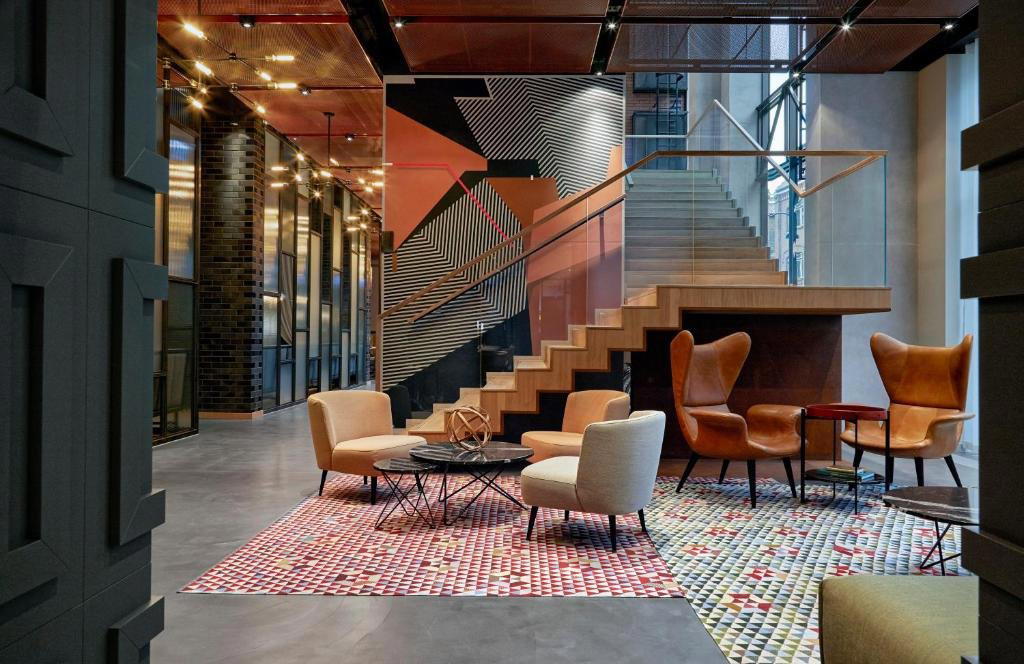
Industrial elements blended with warm wood accents and green plants create a cozy yet lively atmosphere.