Piccolo Sogno
Our verdict
Piccolo Sogno occupies a prominent corner on North Halsted Street in Chicago's West Loop-adjacent dining corridor, where Italian-rooted cooking meets a room that shifts noticeably in character between a relaxed lunch service and a fuller, more formal evening. The address places it within reach of the city's most competitive restaurant blocks, making it a useful reference point for how Italian-American dining has evolved in Chicago over the past two decades.

Pearl is the En Primeur Club membership app, where members save venues, book tables and use the concierge.

The menu
What to order
- Spaghetti Neri
- Ravioli “Piccolo Sogno”
- Gnocchi
North Halsted and the Italian Table: Context Before the Plate
Chicago's Italian restaurant tradition runs deeper than red-sauce nostalgia would suggest. The city has, over the past twenty years, developed a stratum of Italian-rooted dining rooms that sit between neighbourhood trattoria and the full tasting-menu format represented by places like Alinea or Smyth. These mid-tier rooms, serious about the food, but not demanding in format, have become among the most durable in the city. Piccolo Sogno at 464 N Halsted Street sits in that category, on a stretch of the Near West Side that has functioned as a reliable dining corridor for well over a decade.
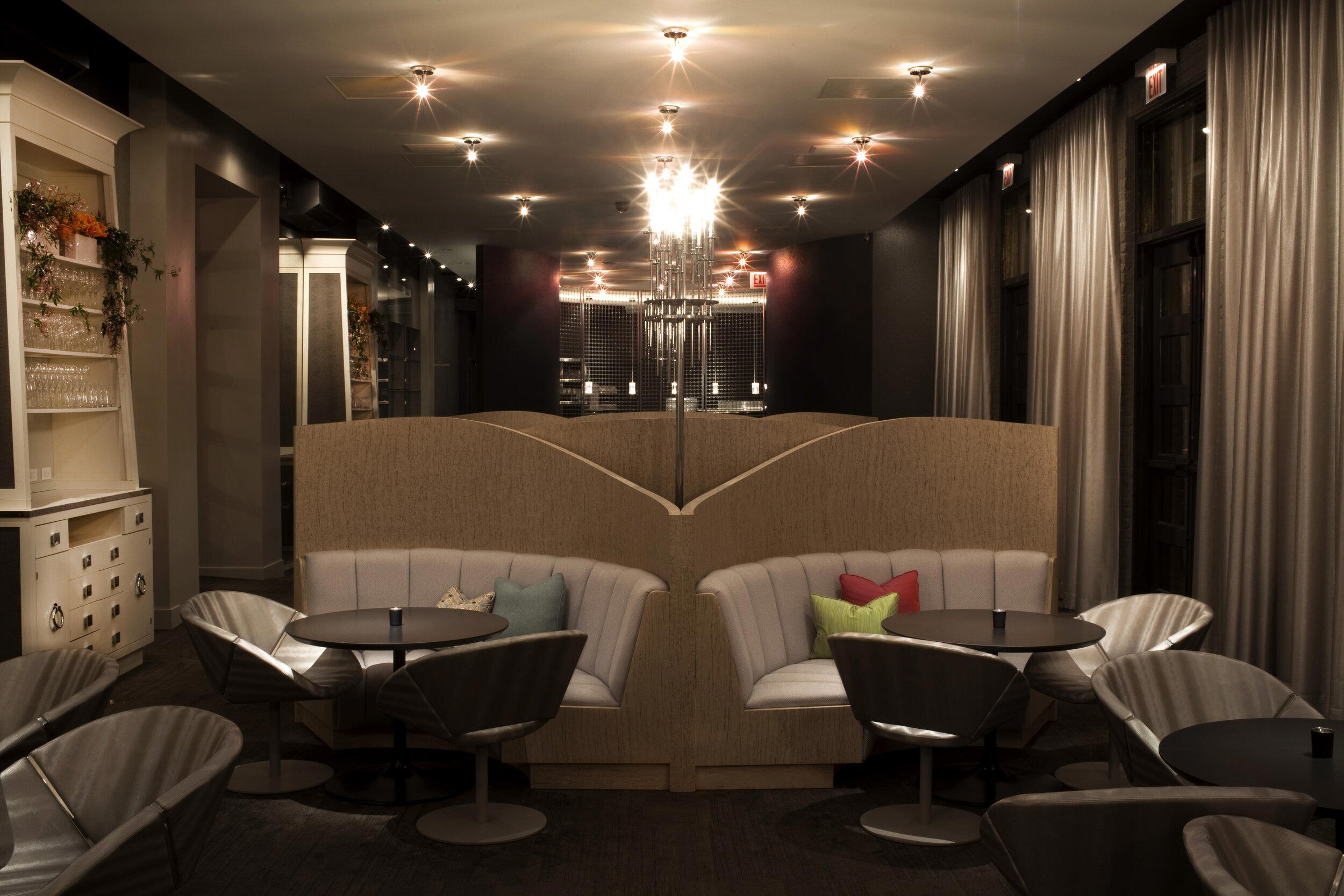
The address matters. North Halsted at this point is neither the full commercial intensity of Randolph Street's Restaurant Row nor the quieter residential register of the neighborhoods further north. It occupies an in-between zone, which suits a room that presents differently depending on time of day. That dual character, a lunch service that reads as casual and sociable, an evening that firms up into something more considered, is the defining structural feature of the experience here.
How the Room Reads at Lunch
Italian dining in American cities tends to divide along a clear axis at the lunch hour. The rooms that do it well use the midday service as a different product entirely: lighter plates, a shorter menu, tables that turn faster, and a proportion of regulars who treat the place as a working lunch destination rather than an occasion. That model has proved sustainable across the most durable Italian rooms in the country, from the mid-city lunch culture at Le Bernardin in New York City (which operates a distinct prix-fixe at lunch) to neighbourhood Italian rooms in Chicago that serve a professional crowd during the day.
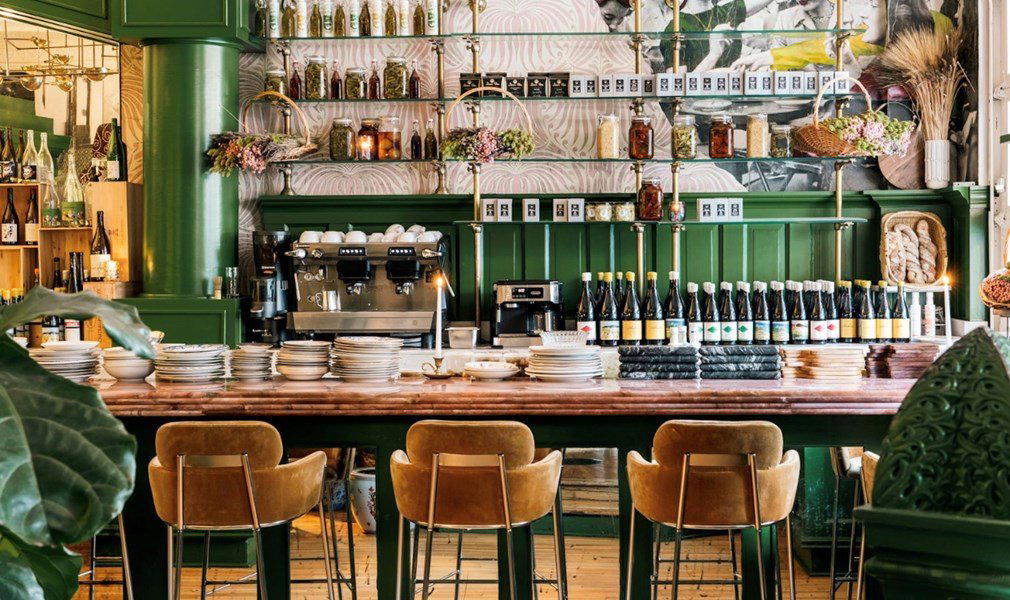
At Piccolo Sogno, the lunch hour draws on that same logic. The room, which features a garden space that operates as a genuine outdoor extension rather than a token patio, takes on a lighter quality in daylight. For visitors arriving from out of the city, perhaps after a morning spent around the Loop or River North, it functions as a decompression point in a way that evening dining rarely does. The pace is different. The social register is different. And, typically, the price point follows suit, making the lunch window the more accessible entry into what the kitchen does.
The Evening Shift
By dinner, the room recalibrates. Italian dining at the upper end of Chicago's market operates against serious competition: Oriole, Next Restaurant, and Kasama all sit within the same city and carry the kind of recognition that shapes what the dining public expects from an ambitious evening out. Piccolo Sogno's evening format does not compete in that tasting-menu bracket. Instead, it occupies a different position: a full-service Italian room where the à la carte structure allows the table to determine the tempo, and where wine becomes a more central part of the conversation than it typically is at the midday service.
That à la carte flexibility is worth noting in the context of the broader American fine-dining moment. Rooms from Lazy Bear in San Francisco to Single Thread Farm in Healdsburg have committed fully to the fixed tasting format. The Italian tradition, by contrast, has historically resisted that rigidity, and rooms that hold to a full à la carte dinner structure are making a deliberate choice about the kind of hospitality they want to offer. Piccolo Sogno is part of that tradition.
The Garden and the Physical Proposition
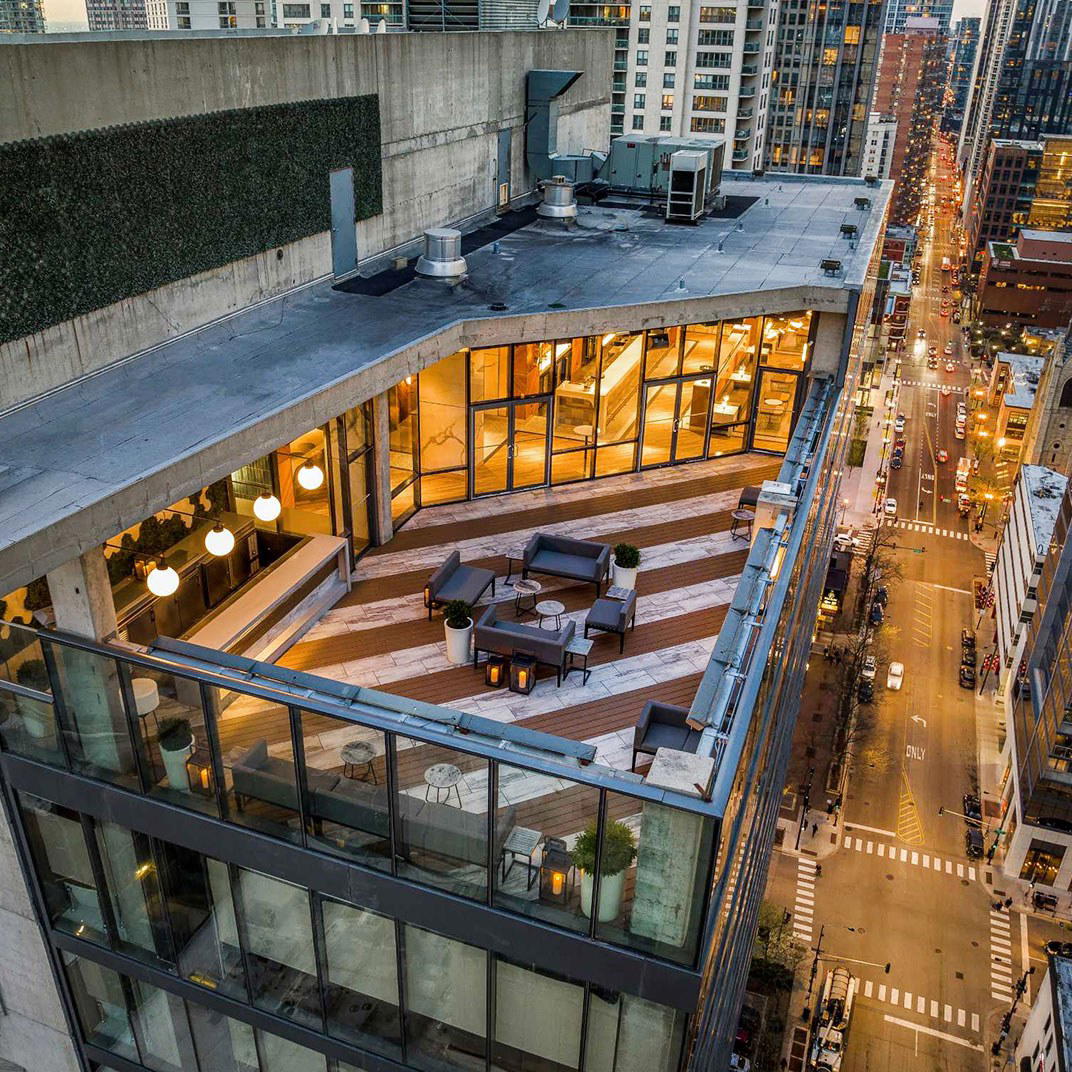
The outdoor garden space is, for much of the Chicago year, the room's most distinctive physical asset. Chicago's dining season compresses the outdoor calendar into a genuinely short window, roughly late May through early October, with reliable comfort on either end depending on the year. When the garden is operational, it changes the character of both lunch and dinner. The enclosed courtyard format, common to older Italian rooms in the city, provides separation from street noise without eliminating the sense of being in an urban environment. It is a format that has served Italian-American restaurants across major American cities for generations, from trattorias in Little Italy districts to purpose-built garden rooms like this one.
For comparative reference: outdoor dining of this type is relatively rare on North Halsted, where most rooms operate without a significant exterior component. That gives Piccolo Sogno a seasonal differentiation that is worth planning around.
Italian-American Dining in Chicago: The Competitive Frame
Understanding where Piccolo Sogno sits requires some mapping of the broader Italian-American dining scene in Chicago. The city does not have the density of high-end Italian rooms that New York sustains, nor the Californian emphasis on producer-driven Italian-adjacent cooking visible at places like Blue Hill at Stone Barns in Tarrytown or Providence in Los Angeles. Chicago's Italian rooms have tended toward a more direct, ingredient-led approach, pasta made in-house, proteins cooked with restraint, a wine list that leans Italian without becoming encyclopedic.
It is not positioned against the hotel-backed formal dining of rooms like The Inn at Little Washington or Addison in San Diego, and it does not carry the destination recognition of 8½ Otto e Mezzo Bombana in Hong Kong or Bacchanalia in Atlanta. It competes on a more local axis, where longevity, consistency, and a room that works across different occasions are the primary differentiators.
For a full picture of how this fits into Chicago's wider dining offer, see our full Chicago restaurants guide. Readers interested in where Italian-American cooking sits globally might also reference Emeril's in New Orleans or Atomix in New York City for contrast in how regional American fine dining has evolved alongside European-rooted traditions. For the apex of the American tasting-menu format, The French Laundry in Napa remains the canonical reference point against which all other ambitious American rooms are implicitly measured.
Planning Your Visit
| Venue | Format | Price Tier | Booking Lead Time | Outdoor Seating |
|---|---|---|---|---|
| Piccolo Sogno | À la carte, lunch and dinner | Mid-range to upper-mid | Not confirmed; check directly | Yes, enclosed garden |
| Smyth | Tasting menu | $$$$ | Several weeks in advance | Limited |
| Next Restaurant | Themed tasting menu | $$$$ | Ticketed, books out quickly | No |
| Kasama | Tasting menu (dinner) / casual (daytime) | $$$$ | Weeks to months ahead | Limited |
| Alinea | Progressive tasting menu | $$$$ | Months in advance | No |
Piccolo Sogno's address at 464 N Halsted Street places it within walking distance of public transit options connecting to River North and the Loop. Parking availability on North Halsted varies significantly by time of day; evening visits during peak weekend periods typically require planning. The garden season, when it applies, shifts the best-value window toward the lunch service in late spring and early fall.
Frequently asked questions
What part of town is Piccolo Sogno in?
Piccolo Sogno is located at 464 N Halsted St, Chicago, IL 60642, Chicago.
Is Piccolo Sogno a good choice for an outdoor dinner in Chicago?
For outdoor dining specifically, Piccolo Sogno at 464 N Halsted St is one of the more deliberate choices in Chicago: the garden functions as a full-service dining room rather than a sidewalk spillover, which places it above the typical patio offering. Chicago's outdoor season runs roughly May through October, so timing matters. Reservations during peak summer months are the prudent move if the garden is the draw.
What should I order at Piccolo Sogno?
Piccolo Sogno's kitchen operates within the Italian tradition that Chicago has built over the past two decades, expect pasta and protein-forward plates that reflect regional Italian technique rather than red-sauce shortcuts. The menu follows the broader Italian-American model common to the upper end of the Chicago market, where house-made pasta tends to anchor the meal. Because the menu rotates with season and availability, checking current offerings before arrival is advisable. The outdoor garden context at 464 N Halsted St also makes lighter, shareable plates a logical starting point during warmer months.
Do they take walk-ins at Piccolo Sogno?
Walk-in availability at Piccolo Sogno depends heavily on the time of year. During Chicago's compressed outdoor dining season, when the garden is in operation, demand at 464 N Halsted St tends to tighten considerably. Weekday lunch is a more realistic window for walk-ins than weekend dinner. Contacting the restaurant directly before arriving without a reservation is the practical approach.
What is Piccolo Sogno known for?
Piccolo Sogno has built its reputation around a combination of serious Italian cooking and one of the more substantial outdoor garden spaces in Chicago's restaurant stock. The garden is a material part of the venue's identity, not decorative framing but a primary dining environment during the spring-to-fall window. Within Chicago's Italian-American dining scene, the restaurant sits at the considered end of the market, competing in a field that includes Oriole and other destination-level operators.
Cost and Credentials
Comparable venues nearby, for context on price, style, and recognition.
| Venue | Cuisine | Price | Awards | Notes |
|---|---|---|---|---|
| Piccolo SognoThis venue (the venue you are viewing) | Rustic Italian | $50–100 | Not listed | Not listed |
| The Radicle | Coastal Italian with Midwestern Influences | $30–50 | Not listed | Logan Square, Coastal Italian with Midwestern Influences |
| Erie Cafe | Classic Italian Steakhouse | $50–100 | Not listed | River North, Classic Italian Steakhouse |
| Italian Village | Classic Italian-American Trattoria | $50–100 | Star Wine List · Wine Spectator Best of Award of Excellence | Loop, Classic Italian-American Trattoria |
| Coco Pazzo | Tuscan Italian | $50–100 | Wine Spectator Award of Excellence | River North, Tuscan Italian |
| Carmine’s | Classic Italian Trattoria | $50–100 | Not listed | Gold Coast, Classic Italian Trattoria |