Italian Village


Italian Village on Monroe Street has held its corner of the Loop since 1927, making it one of Chicago's longest-running Italian-American dining institutions. The room leans hard into mid-century kitsch, painted village scenes, low lighting, checkered tablecloths, and the kitchen follows the same conviction. If you want red-sauce classics without apology, this is where Chicago has been going for nearly a century.
Pearl is the En Primeur Club membership app — saves, bookings, and concierge access live there. Same editors, same standards.
- Address
- 71 W Monroe St, Chicago, IL 60603
- Phone
- (312) 332-7005
- Website
- thevillage-chicago.com
- Directions
- Get directions
 Saves & bookings on Pearl
A Room That Has Refused to Update Itself
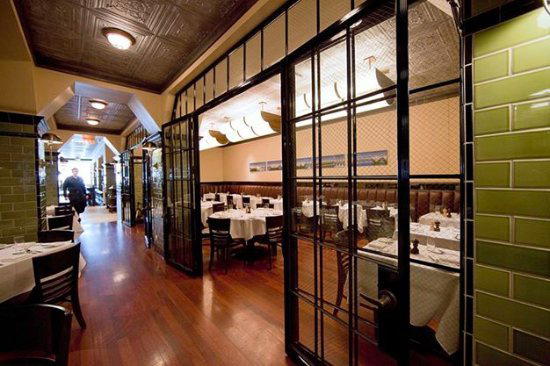
There is a particular category of American restaurant that survives not by chasing trends but by becoming the trend's opposite, a fixed point against which everything else moves. Italian Village, at 71 West Monroe Street in Chicago's Loop, occupies that position with something approaching stubbornness. The dining room reads like a stage set for 1970s Italian-America: painted village facades across the walls, twinkling lights strung to suggest an outdoor piazza, checkered tablecloths, and a darkness that feels deliberate rather than atmospheric. Walking in from Monroe Street, you are not entering a restaurant that has been preserved; you are entering one that simply never changed course.
That consistency matters more than it might first appear. Chicago's Loop has turned over its restaurant stock repeatedly across the decades, shedding white-tablecloth continental rooms for fast-casual concepts and back again. Italian Village has occupied its Monroe Street address since 1927, which places it among the longest continuously operating restaurants in a city that has many dining history. The traditions that took root in rooms like this one were built around shelf-stable staples, preserved goods, and techniques designed to produce comfort rather than novelty.
The Italian-American Pantry and Why It Reads as Kitsch
It is about a different, older logic of sourcing: the Italian-American pantry, which arrived in Chicago through waves of Southern Italian immigration in the late nineteenth and early twentieth centuries. Canned San Marzano tomatoes, dried pasta, cured meats, and hard cheeses were not compromises in this tradition, they were the tradition. The red-sauce canon that defines Italian-American cooking in cities like Chicago, New York, and New Orleans emerged from ingredients that traveled well and kept well, not from proximity to the source.
That sourcing logic is why Italian Village reads as kitsch to a contemporary audience trained on local, seasonal, and minimally processed. The room and the menu are artifacts of a culinary culture that valued consistency and abundance over ephemerality. The restaurant sits at the other end of that spectrum, and the contrast is instructive. Neither pole is wrong; they are answers to different questions about what a restaurant is for.
Where It Sits in Chicago's Dining Picture
Chicago's current fine dining tier is dense and internationally recognized. Alinea holds three Michelin stars and operates at the technical outer edge of progressive American cooking. Smyth and Oriole both carry two Michelin stars and represent the contemporary American format at its most rigorous. Kasama holds a Michelin star and has repositioned Filipino cuisine within the city's serious dining conversation. Next Restaurant built an entire concept around the rotating historical menu format. The restaurant does none of this, competes with none of this, and probably does not want to.
It is the category of multigenerational, format-stable American restaurants that have survived by serving a specific and loyal function: reliable, filling, familiar food in a room with genuine history. In that category, longevity is the credential. A restaurant that opened in 1927 and is still seating diners in the same building has outlasted several generations of competitors who held higher critical regard in their time.
Lazy Bear in San Francisco and Single Thread Farm in Healdsburg point toward the sourcing-intensive end of the spectrum where the restaurant does not operate. Providence in Los Angeles and international benchmarks like 8 1/2 Otto e Mezzo Bombana in Hong Kong or Alain Ducasse at Louis XV in Monte Carlo represent Italian cooking's formal, technique-driven register. The restaurant is not in conversation with any of them. It is doing something categorically different, and understanding that difference is the reason to visit.
Planning a Visit
The restaurant is located at 71 West Monroe Street, well-positioned within the Loop and walkable from the major downtown hotels and transit lines. The room's character, dim, theatrical, and unabashedly retro, makes it more suitable for evenings than lunch, and the setting works for groups, birthdays, and occasions where the atmosphere is part of the point. It is not a room that rewards solo dining at a counter or a quick meal between meetings.
At-a-Glance Comparison
Comparable venues nearby, for context on price, style, and recognition.
| Venue | Cuisine | Price | Notes |
|---|---|---|---|
| Italian VillageThis venue — the venue you are viewing | Classic Italian-American Trattoria | $$$ | Not listed |
| Coco Pazzo | Tuscan Italian | $$$ | River North |
| Il Carciofo | Roman Italian | $$$ | West Loop |
| Unico Restaurante | Italian-Latin Fusion | $$$ | Pilsen |
| Gene & Georgetti | Classic Tuscan Steakhouse | $$$ | River North |
| Locanda | Contemporary Italian Trattoria | $$$ | Gold Coast |
Recognition history
Dated appearances from independent guides and award organizations, with the underlying list record or original source where available.
Star Wine List
Star Wine List
Wine Spectator Best of Award of Excellence
Wine Spectator
At a Glance
- Classic
- Well Known
- Romantic
- Cozy
- Date Night
- Group Dining
- Celebration
- Special Occasion
- Business Dinner
- Historic Building
- Private Dining
- Live Music
- Wine Cellar
- Extensive Wine List
- Sommelier Led
Current opening hours
- Monday
- 11 AM–8:30 PM
- Tuesday
- 11 AM–8:30 PM
- Wednesday
- 11 AM–8:30 PM
- Thursday
- 11 AM–8:30 PM
- Friday
- 11 AM–9 PM
- Saturday
- 11 AM–9 PM
- Sunday
- 11 AM–8:30 PM
Hours can change for holidays and private events. Last verified .
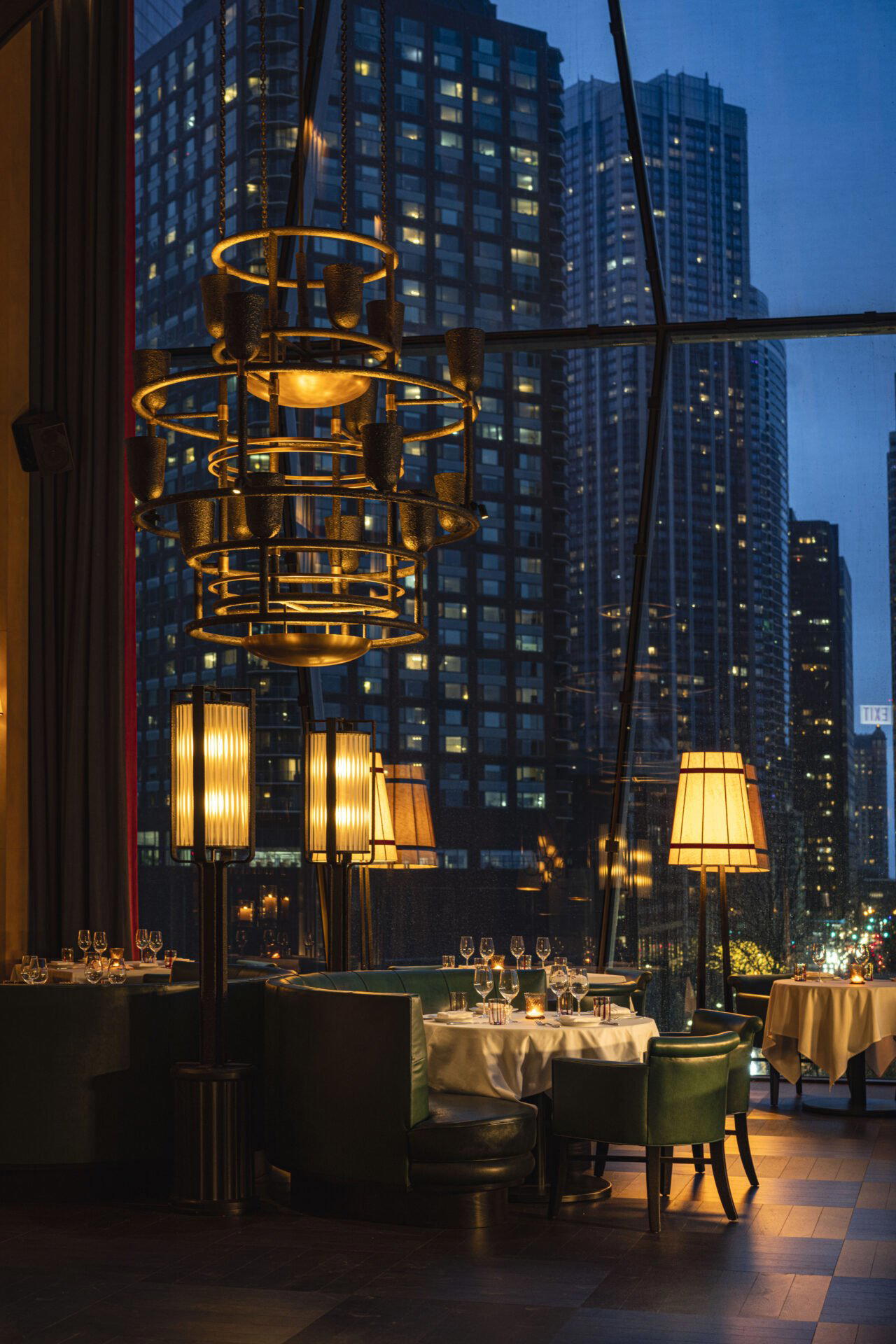
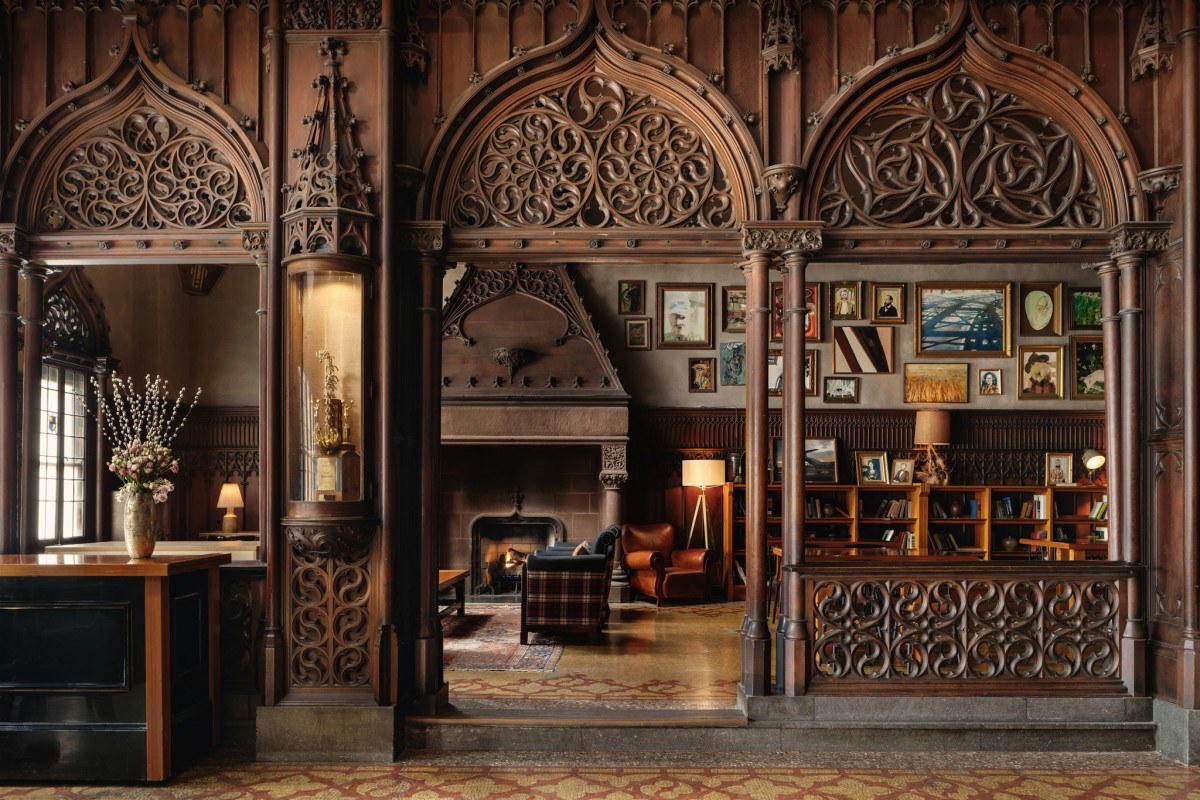
Old-school Italian village aesthetic with red leather booths, stucco walls, murals of the Apennine Mountains, twinkling lights, and vintage photographs of celebrities and historical figures creating a nostalgic, theatrical atmosphere.